
REVIEW · KILIMANJARO MACHAME ROUTE
6 Days Machame Route Kilimanjaro Climbing Trekking Tour
Kilimanjaro in six days starts at a gate. The Machame Route is a classic choice because it mixes forest hiking with higher terrain for acclimatization, not instant altitude shock. I also like how practical the package feels, with tents, meals, guides, transfers, and park fees handled for you so you can focus on walking.
The main consideration is simply time and effort. You’re looking at long days on uneven trails, and the summit push starts at midnight (listed as 12:00pm), so you need to be comfortable with cold, fatigue, and a very early wake-up.
In This Review
- Key highlights you should know before you go
- What the Machame Route does well for first-timers and repeat hikers
- Moshi to Machame Gate: day 1’s steep warm-up above Machame Village
- Day 2 from Shira Cave Camp: rainforest fade, rocky ridge time
- Lava Tower to Barranco: the toughest altitude arithmetic in the six days
- Baranco Wall and Karanga to Barafu: positioning for the midnight summit attempt
- Uhuru Peak summit night: Stella point break, sunrise reward, then back down
- Day 6 finish the descent to Mweka Gate and collect your certificate
- Price and logistics: what $1,950 buys you, and what you still need to cover
- Tents, meals, and water: the comfort pieces that affect your summit odds
- Guides and porters: the human factor you can feel from day 1
- Should you book Macpace’s 6-day Machame trek?
- FAQ
- How long is the Kilimanjaro trek on the Machame route?
- Where does the trek start?
- Is this a private tour?
- What kind of sleeping setup do you use on the mountain?
- Are park fees and gate admissions included?
- What meals and drinks are included?
- Is emergency oxygen included?
- What is not included in the price?
- Is the summit certificate included?
- Where do you meet and end?
Key highlights you should know before you go
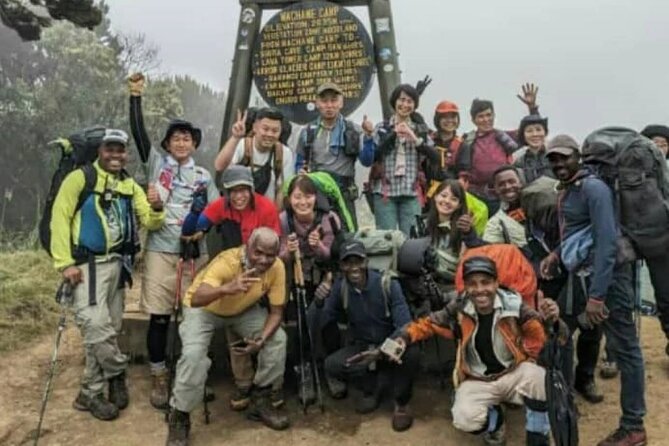
- Machame Gate to Machame Camp (5,381 ft to 9,301 ft) gives you a steep first taste of altitude
- Shira Cave Camp (12,598 ft) helps you transition from rainforest into moorland terrain
- Lava Tower then Barranco Camp (12,959 ft) is the tough day that tests pacing and breathing
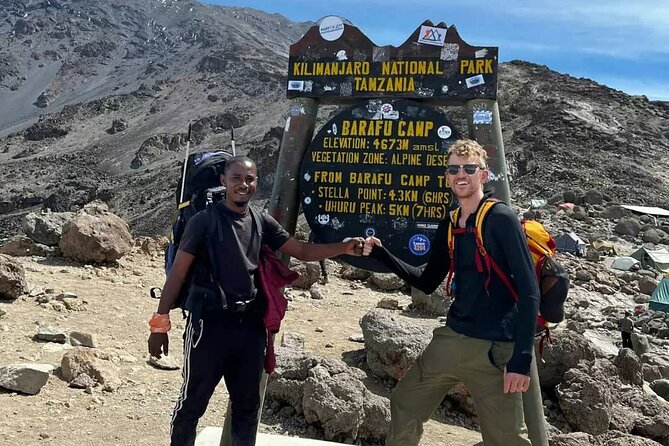
- Baranco Wall, Karanga, then Barafu Camp (15,354 ft) sets you up for the summit night
- Uhuru Peak sunrise timing includes a break at Stella point and a descent back to Barafu
- Mweka Gate certificate day ends with a rainforest-zone walk and a summit certificate handoff
Other ways up Kilimanjaro we reviewed
- Kilimanjaro climb by Lemosho Route (7-day)★ 5.0 · 651 reviews
- Kilimanjaro climb, Machame Route (7-day)★ 5.0 · 262 reviews
- Kilimanjaro Climbing Lemosho Route 8 Days.★ 5.0 · 186 reviews
- Climbing Kilimanjaro – Machame Route★ 5.0 · 170 reviews
What the Machame Route does well for first-timers and repeat hikers
The Machame Route is popular for a reason: it gives you a build-up of altitude across multiple days, instead of a straight line to the highest zones. Over six days, your body has time to adjust as you move from lower starting elevations up through moorland and alpine zones, then back down for recovery.
This tour also keeps the “logistics load” low. You get professional guides, porters, cook support, tents, sleeping pads, purified water, and most meals, plus transfers between Moshi and the mountain. That matters because Kilimanjaro is already a big mental project. When you are not also managing gear, food planning, and transportation, you can pace better and make calmer decisions.
Still, Machame is not gentle. It includes steep ascent days, rocky footing, and a summit night that requires stamina. If your goal is a relaxed walk with lots of sightseeing stops, this might feel intense.
Moshi to Machame Gate: day 1’s steep warm-up above Machame Village
Day 1 starts with a drive from Moshi to Machame Gate in about 45 minutes. You enter at a point high above Machame Village on the southern side, then begin climbing from 5,381 ft toward Machame Camp at 9,301 ft.
The trek portion is listed as 5-7 hours of steep ascent. That might sound like a lot, but it also explains why this route works for acclimatization. You get time on the move early, while still staying within a manageable altitude jump for a first night.
Why I like the value of day 1 here: you’re not guessing how to stage your climb. You have camp support, and the package includes the admission ticket for the day, plus the mountain setup basics like tents and mattresses. The drawback is that “steep ascent” can frustrate people who plan to conserve energy too aggressively. A good guide will have you slow down and steady your breathing.
Day 2 from Shira Cave Camp: rainforest fade, rocky ridge time
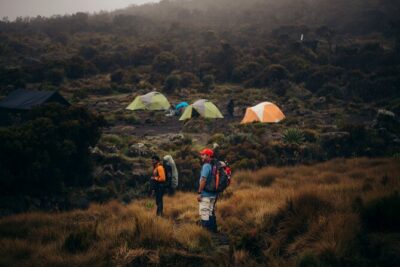
Day 2 runs from Machame Camp (9,301 ft) up to Shira Cave Camp (12,598 ft). The route shifts from the last section of rainforest into the moorland zone, which means your walking environment changes as you climb.
Your hiking time is listed around 4 hours, and you’ll spend time along a rocky ridge before reaching camp. Ridge walking is not always about steepness, it’s about footwork and balance. This day is a useful “skill day” because it trains your legs for uneven ground without the full weight of a summit push.
Also note how the tour handles comfort at camp. You’re sleeping in quality, waterproof, four-season tents on a twin sharing setup, with mattresses and organized mess tents (table and chairs). That kind of structure helps a lot when the weather changes and you want to eat, hydrate, and rest without extra hassle.
The possible drawback: a ridge day can feel longer than the hours suggest, especially if you’re carrying a heavy pace mentally. If you tend to rush early, this is where you can tighten up your pacing.
More Machame departures, compared
Lava Tower to Barranco: the toughest altitude arithmetic in the six days
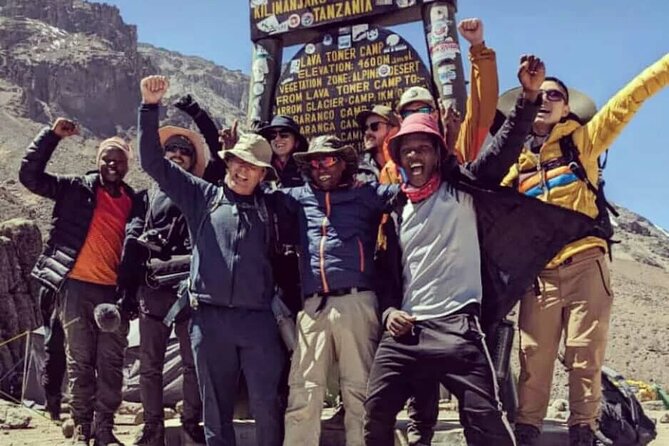
Day 3 is the “okay, this is work” day. You start at Shira Cave Camp (12,598 ft), climb up to Lava Tower at 15,223 ft, then descend to Barranco Camp (12,959 ft).
This trek is listed as 5-8 hours, which tells you to plan for both effort and recovery. Lava Tower is where the altitude feels serious. After that high point, you’ll still have to descend to camp, which can be hard on knees even if the air is slightly thinner.
This is also the day where strong guiding becomes obvious. The tour includes experienced guides and porters, and in the past this company’s team has included guides such as Elipokea, Aphizu, and Emmanuel. That kind of named crew is a good sign that you’re not just getting a random day leader, you’re getting a team used to managing the rhythm of the climb.
One consideration: because day 3 involves both a high climb and a descent, you need to keep hydration and breathing steady. Even if you feel okay early, you might fatigue late. This tour’s structure gives you the camp location you need, but your body has to do the work.
Baranco Wall and Karanga to Barafu: positioning for the midnight summit attempt
Day 4 moves from Barranco Camp (12,959 ft) up through Karanga Camp (13,238 ft) and then continues to Barafu Camp (15,354 ft). This is the day of crossovers: you’ll climb over the Baranco wall and cross Karanga Valley ridges before you reach camp.
The hike time is listed as 3-4 hours to get to Barafu, but the trail features on this day matter more than the clock. “Kiss Stone Point” on the Barranco Wall is specifically mentioned, and you’ll use your guide’s support to get through safely. This is where a private group setup helps, because pacing and encouragement can be more tailored.
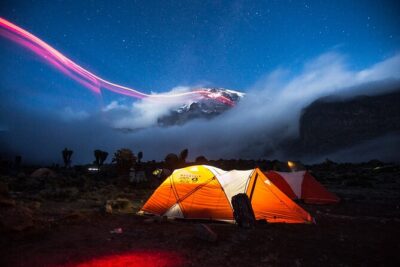
From Barafu, you shift gears fast. The schedule says you’ll have an early dinner, then prepare for the summit attempt that starts in the mid-night at 12:00pm (as listed). You’ll want to treat this as a staging day. Your job is to rest, hydrate, and get your layers ready so you’re not scrambling in the hours before the climb.
Value note: this package includes the summit certificate and the park-related costs across the days, so the “paperwork stress” stays low when you’re physically stressed.
Uhuru Peak summit night: Stella point break, sunrise reward, then back down
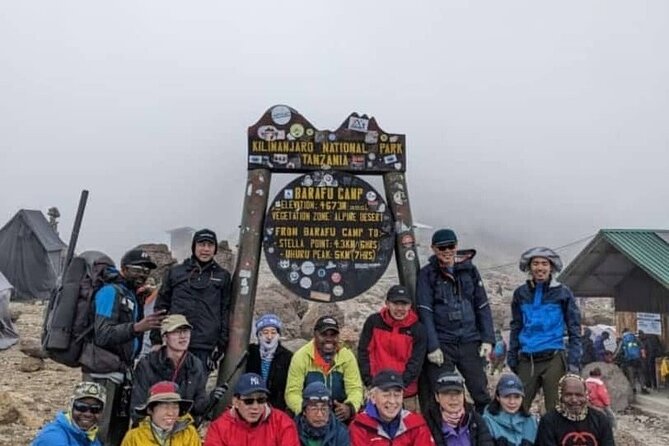
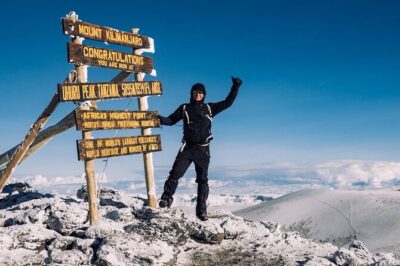
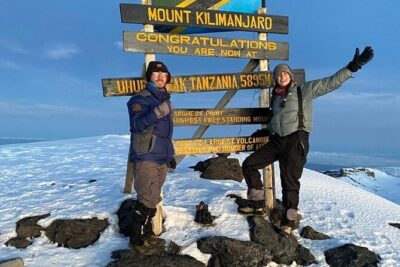
Day 5 is the summit day, starting from Barafu Camp (15,354 ft) to Uhuru Peak at 5,895 m (19,341 ft), then descending back to Barafu Camp. The tour notes a start around 12:00pm, and you’ll take a northwest direction, climbing through heavy scree toward the crater rim at Stella point.
At Stella point, you get about a 15-minute break, then you continue to Uhuru Peak. The reward listed here is a beautiful sunrise, followed by the descent to Barafu, plus a rest period of about 2 hours with lunch. Then you descend to Millenium Camp for your last dinner and overnight.
Two things I’d highlight as “why this is worth it”:
- The schedule is explicit about pacing points, like the Stella point break, so you have a mental marker to aim for.
- The tour includes emergency oxygen, which gives peace of mind at altitude, even if you never use it.
A small consideration to be aware of: the listed times use “12:00pm” language for midnight and summit start. When you book, ask the operator to confirm the exact start time for your planning, especially if you’re tracking your own alarms.
In past trips, guides like Victor and teams including named crew members such as Baraka and Maneno have been highlighted for helping people feel safe and supported all the way through.
Day 6 finish the descent to Mweka Gate and collect your certificate
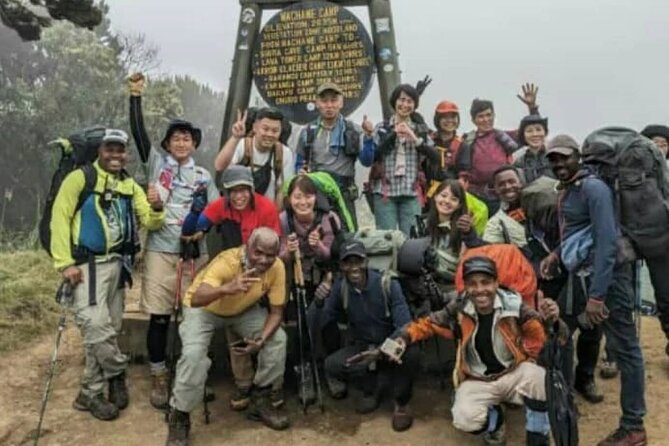
On day 6, you start from Millenium Camp and walk to Mweka Camp (10,104 ft). Then you descend through the rainforest zone to Mweka Gate (5,380 ft).
The hike time is listed around 3-4 hours. When you arrive at Mweka Gate, you receive your Kilimanjaro summit certificates, then you’re driven back to Moshi for overnight.
This is a surprisingly important part of the trip. Many people focus only on the summit night and forget how much the final descent matters for your body and mindset. A well-run day 6 gives you a clean, clear finish line so you can celebrate without feeling like you still have hours of suffering ahead.
Also, the way the tour ends with a certificate handoff is meaningful. It marks something concrete, not just a memory you carry.
Price and logistics: what $1,950 buys you, and what you still need to cover
At $1,950 per person for a roughly 6-day trek, you’re paying for more than a route. You’re paying for the mountain operation: guides and porter salaries, cook support, tents and mattresses, purified drinking water, mess tents with table and chairs, big portions of healthy meals, emergency oxygen cylinder, and the park-related fees.
This is where value shows up. If you price out those components separately, the package usually costs less than piecing it together yourself, especially once you add conservation and rescue fees that many people do not think about until later. This tour also includes airport pickup and drop-off, plus transfers between Moshi and the mountain, which can be a headache when you’re arriving tired.
What’s not included is also clear:
- Tanzania visa
- International and domestic flights
- Personal trekking equipment like sleeping bags, hiking boots, and clothes (you can rent, but it’s not included)
- Tips and gratuities
- Travel insurance
If you’re deciding whether the price is fair, treat this like a “mountain service fee” more than a ticket. It’s a full support operation, not just a guide walking beside you.
Tents, meals, and water: the comfort pieces that affect your summit odds
On Kilimanjaro, comfort is not luxury. It’s operational fuel. The tour provides water that is clean and purified, plus quality mess tents with a table and chairs so you can eat without sitting on the ground.
For sleep, you’ll use waterproof, four-season mountain tents and a sleeping mattress. That setup matters because if you sleep poorly, you’ll notice it most on summit night when your body is already operating on less than ideal conditions.
Food is also planned. You’ll get breakfasts, lunches, and dinners across the trek days (listed as six of each). The emphasis in the package is on fresh, healthy, nutritious food in large portions, which fits the needs of sustained altitude walking.
One practical reality: you still need to bring or rent proper clothing and footwear. The tour doesn’t include those personal items, and using the wrong boots or not layering correctly is one of the easiest ways to make a hard trip miserable.
Guides and porters: the human factor you can feel from day 1
This is a private tour/activity, so you’re not sharing the climb with a random mix of people from other groups. In practice, that usually means smoother communication and less time spent figuring out logistics on the trail.
The included team is a major theme in the feedback you provided. You’ll have professional, experienced mountain guides and porters, plus a cook team. Named examples from past trips include guide Elipokea, and also supporting staff such as Egbert (quick responses by email and WhatsApp) and Walter (help with luggage). Other guide names that have shown up include Victor, Alexander, Baraka, and Maneno.
Why that matters to you: on summit night, you want someone who can manage pacing, morale, and safety with calm certainty. A team that knows the route tends to keep the climb organized when you are tired and your judgment is weaker.
Also, since emergency oxygen is included, you’re not left scrambling if breathing becomes an issue. It doesn’t make the trek easy, but it adds a layer of safety.
Should you book Macpace’s 6-day Machame trek?
I’d book this if you want a classic Kilimanjaro route with strong mountain support, including tents, meals, guides, porters, purified water, emergency oxygen, and the key park-related costs. The day-by-day pacing from Machame Gate up to Uhuru Peak, then down to Mweka Gate, is built for people who want a real summit attempt without skipping essential acclimatization days.
I would think twice if your schedule or fitness limits make long, steep hiking days a problem. Day 1 includes steep climbing from Machame Gate, day 3 includes Lava Tower plus descent to Barranco, and day 5 is a long summit night with heavy scree. This trek rewards patience and consistent effort, not speed.
If you do book, I strongly suggest you confirm the exact summit-start time (the schedule notes midnight but also lists 12:00pm wording). That one question can save you from confusion when you are half asleep and trying to get moving.
FAQ
How long is the Kilimanjaro trek on the Machame route?
The tour runs for 6 days approximately.
Where does the trek start?
It starts in Moshi and then includes a drive to Machame Gate as the climb starting point.
Is this a private tour?
Yes. It’s listed as a private tour/activity, so only your group participates.
What kind of sleeping setup do you use on the mountain?
You sleep in waterproof, four-season mountain tents with mattresses, typically on a twin sharing basis.
Are park fees and gate admissions included?
Yes. Conservation fees and camping or hut fees, rescue fees, and admissions are listed as included as part of park fees and day tickets.
What meals and drinks are included?
The package includes breakfasts, lunches, and dinners (listed as 6 each), plus clean, purified drinking water.
Is emergency oxygen included?
Yes. An emergency oxygen cylinder is included.
What is not included in the price?
Not included are Tanzania visa, international and domestic flights, personal trekking equipment (sleeping bag, hiking boots, clothes, etc, available for renting), tips and gratuities, and travel insurance.
Is the summit certificate included?
Yes. The Kilimanjaro summit certificate is included.
Where do you meet and end?
The start meeting point is Macpace Tours & Safaris Ltd in Moshi (LONGUO A, 25010, Tanzania). The activity ends back at the meeting point.
More Machame Departures
- Kilimanjaro climb, Machame Route (7-day)
★ 5.0 · 262 reviews - Climbing Kilimanjaro – Machame Route
★ 5.0 · 170 reviews - Climbing Kilimanjaro through 7 days Machame Route
★ 5.0 · 151 reviews - #1. Best Kilimanjaro Day hike Tour-Machame Route-ISMANI
★ 4.2 · 47 reviews - 7 Days Machame route – Kilimanjaro
★ 5.0 · 45 reviews
Kilimanjaro, Route by Route
- Kilimanjaro climb by Lemosho Route (7-day)
★ 5.0 · 651 reviews - Kilimanjaro climb, Machame Route (7-day)
★ 5.0 · 262 reviews - Kilimanjaro Climbing Lemosho Route 8 Days.
★ 5.0 · 186 reviews - Climbing Kilimanjaro – Machame Route
★ 5.0 · 170 reviews - Climbing Kilimanjaro through 7 days Machame Route
★ 5.0 · 151 reviews
Just added from around Moshi
Kilimanjaro Machame Route, compared.
 ★ 5.0Kilimanjaro climb, Machame Route (7-day)From $3,377262 reviews
 ★ 5.0Climbing Kilimanjaro – Machame RouteFrom $2,322170 reviews
 ★ 5.0Climbing Kilimanjaro through 7 days Machame RouteFrom $2,425151 reviews
 ★ 5.07-Day Machame Kilimanjaro Summit Tour from ArushaFrom $2,695125 reviews
 ★ 5.07 Days Kilimanjaro via Machame route affordable priceFrom $2,400110 reviews
 ★ 4.2#1. Best Kilimanjaro Day hike Tour-Machame Route-ISMANIFrom $11547 reviews
 ★ 5.07 Days Machame route – KilimanjaroFrom $2,85045 reviews
 ★ 5.0The Best of Machame Route in 6 Days: Your World’s Summit GuideFrom $1,15044 reviews
Browse the lists this tour appears in