
REVIEW · KILIMANJARO MACHAME ROUTE
6 Days Machame route Kilimanjaro climbing
Kilimanjaro on the Machame route feels methodical. From Moshi, this 6 day climb uses a smart altitude rhythm and local guidance to get you ready for the big night toward Uhuru Peak.
I especially like the safety-first team: local guides trained in safety and first aid, plus trek support gear like oxygen and an oximeter. I also like how the walking changes by habitat, from montane forest to moorland and into alpine desert, so you feel like you are moving through Kilimanjaro’s “zones,” not just grinding uphill.
One consideration is simple, day 5 starts extremely early, around 00:00, and it can be a long, demanding push to the crater rim and summit.
In This Review
- Key highlights that matter on the Machame route
- Moshi start, hotel pickup, and a local guide who knows the mountain
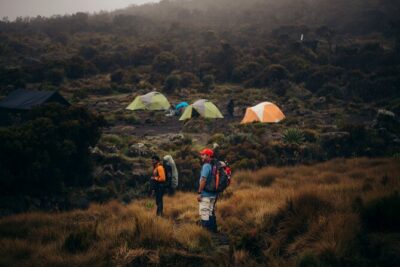
- Day 1, Machame gate to Machame camp: rain forest hiking and a picnic lunch
- Day 2 to the Shira plateau: moorland hiking and views toward the Western Breach
- Day 3 to Baranco camp via Lava Tower: climb high, descend low, then catch sunset
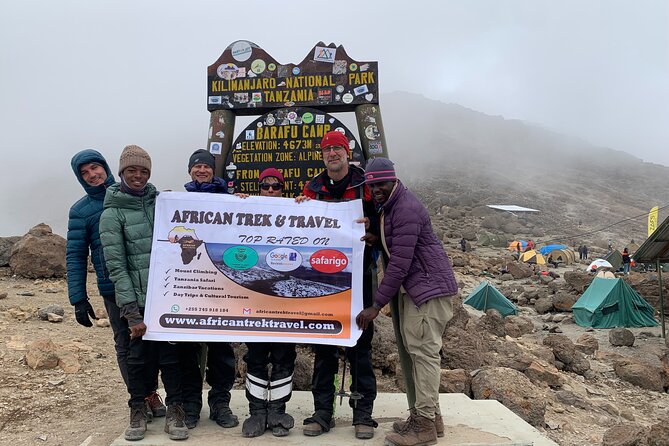
- Day 4, Barranco wall to Barafu: giant groundsels, a tougher climb, and Karanga camp
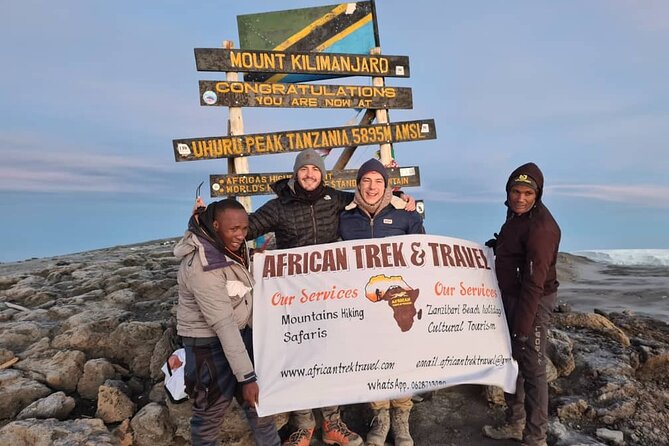
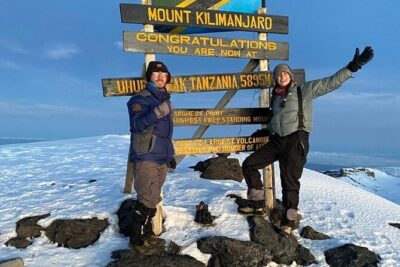
- Summit night on Day 5: midnight start, Stella Point sunrise, and Uhuru Peak photos
- Day 6 descent to Mweka Gate: certificates, park formalities, and a warm shower
- Price and value: what your $1,948.72 actually buys you
- Safety, comfort, and the “team factor” that shows up on the mountain
- Who should book this 6-day Machame route climb from Moshi
- Should you book Habari Adventure for Machame route Kilimanjaro?
- FAQ
- What is included in the Kilimanjaro 6-day Machame route price?
- Do you provide oxygen and medical monitoring gear?
- Where does the tour start and how does day 1 begin?
- What meals are provided?
- What is not included?
- Can I cancel and get a refund?
Key highlights that matter on the Machame route
- Local guides with safety and first aid training keep the focus on smart decisions, not guesswork.
- Oxygen, an oximeter, and a first aid kit are included, so you are not relying on luck at altitude.
- The route climbs through distinct habitats, starting in tropical rain forest and moving into moorland, then alpine desert.
- Acclimatization is built in, with “climb high, descend low” pacing before the final summit push.
- Sunrise at Stella Point and photos at Uhuru Peak are part of the plan, not an afterthought.
Other ways up Kilimanjaro we reviewed
- Kilimanjaro climb by Lemosho Route (7-day)★ 5.0 · 651 reviews
- Kilimanjaro climb, Machame Route (7-day)★ 5.0 · 262 reviews
- Kilimanjaro Climbing Lemosho Route 8 Days.★ 5.0 · 186 reviews
- Climbing Kilimanjaro – Machame Route★ 5.0 · 170 reviews
Moshi start, hotel pickup, and a local guide who knows the mountain
This Kilimanjaro climb is centered around Moshi, Tanzania, and it starts the way you want a big trip to start: with real people who live there year-round. The guides are locals from Kilimanjaro and other parts of Tanzania, and they come with training in safety and first aid. That matters because Kilimanjaro is not just about willpower. It is about pacing, decision-making, and paying attention when your body sends messages.
Language is handled too. The guides speak English, and many have learned additional languages. In practical terms, that means you can ask questions and get clear answers, not vague reassurance. I also like that the team support feels like a full system. You are not only hiring someone to lead you on a trail. You are getting a crew that manages the day-to-day reality of camping, meals, and altitude.
You will typically see the Chagga countryside on the way to Machame gate, with coffee and banana plantations. That small detour helps the day feel grounded before you step into the park and start the hike.
Day 1, Machame gate to Machame camp: rain forest hiking and a picnic lunch
Day 1 is about getting your feet under you on a familiar kind of terrain: tropical rain forest. After hotel pickup around 8:00 am, you transfer to Machame gate, handle park formalities, and then start walking. Expect about 7 hours and roughly 11 km to reach Machame camp at 2,835 m.
This first day is useful for two reasons. First, it helps you settle into the routine of leaving camp, walking in the forest, eating well, and arriving before darkness. Second, rain forest hiking changes your perception of effort. It can feel steady, but the humidity and footing require attention. If you are prone to rushing early, rain forest days punish that habit fast.
You also get a picnic lunch on the route. That is not just a nice touch. It reduces decision fatigue when you are hungry, tired, and focused on the trail. With breakfast, lunch, and dinner included, day 1 gives you a full rhythm from morning to camp.
Day 2 to the Shira plateau: moorland hiking and views toward the Western Breach
Day 2 is shorter on paper, about 3 hours and 5 km, but it is not a “rest day.” You start around 8:00 am, moving from the tail end of forest and then into moorland. The day includes a gentler gradient at first, then you push onward to the rocky ridge leading toward the Shira plateau.
What I like here is the payoff. After lunch and breaks with snacks, you continue up toward higher ground and you can start spotting major features of Kilimanjaro. The plan calls out views toward the eastern direction and, importantly, the western breach with its glacier.
In plain terms, this day builds your mental map of the mountain. When you later see the crater area, it helps to understand where you are looking from. Even if you do not memorize every ridge, you start seeing how Kilimanjaro is arranged.
Meal coverage stays strong here too, with breakfast, lunch, and dinner included. At this stage, your body is still learning altitude, so consistent nutrition helps you avoid that shaky, snack-deprived feeling.
More Machame departures, compared
Day 3 to Baranco camp via Lava Tower: climb high, descend low, then catch sunset
Day 3 is classic Kilimanjaro acclimatization logic. You go higher, then you drop. Your hike is about 6 hours with roughly 10 km, starting into alpine desert up to Lava Tower at 4,600 m, then descending to Baranco camp at 3,900 m. The descent to Baranco takes about 3 hours, so plan on a day that includes both height gain and careful walking downhill.
The special part is how the day “stages” the views. On the way down, you get opportunities for photos of the western breach and the Baranco wall. That valley below the Baranco wall is also where the camp sits, and it sets you up for a memorable sunset while you wait for dinner.
I like this day because it teaches the big summit habit: slow down, breathe, and accept that feeling out of breath is normal at elevation. You are not trying to win a race. You are trying to keep your system calm enough to continue.
All meals are included again, which helps on a day that can feel like two different hikes, climb and descent.
Day 4, Barranco wall to Barafu: giant groundsels, a tougher climb, and Karanga camp
Day 4 carries the momentum. You leave Baranco camp, known for its giant groundsels, and you ascend the Barranco wall. This is described as long and tiring rather than technical. Translation: there is no need for climbing gear, but you still earn it with steady effort over rocks.
The hike is about 8 hours and roughly 8 km to reach Karanga camp for lunch. Karanga camp is also your last stop for water before continuing to Barafu camp, which sits around 4,640 m.
This is a key day for two reasons. One, the Barranco wall is physically demanding, so you want to keep your pace controlled and avoid overheating. Two, Barafu is where your body transitions from “camping and hiking” mode into “summit night preparation” mode.
Also, the day 4 plan sets expectations realistically. You are not doing a gentle stroll. It is tiring, but it is a clear step toward the summit.
Summit night on Day 5: midnight start, Stella Point sunrise, and Uhuru Peak photos
Day 5 is the day most people remember, and not just because of the summit. It is because the schedule is intense.
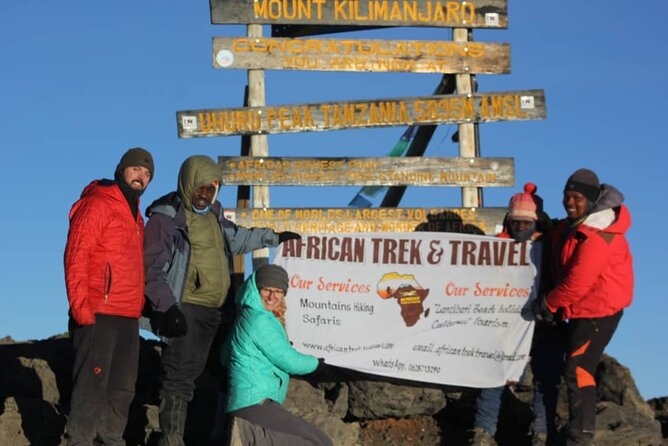
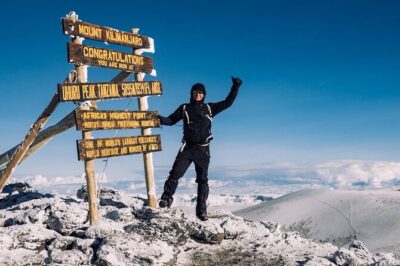
You wake up around 00:00 with light tea and cookies. Then it is scree hiking for about 4 to 5 hours, gaining incredible height over a relatively short distance. The goal is the crater rim at Stella Point (5,756 m) as the sun rises.
From Stella Point, it takes about 1 hour to reach Uhuru Peak (5,895 m). The plan calls for taking photos for a few minutes before starting your descent. After that, you walk down to Barafu camp for lunch and rest, then continue to Millennium camp (3,950 m) for dinner and overnight.
I want to be honest about the tradeoff. This is not a casual day. Starting at midnight means sleep quality and energy management matter. Still, the schedule is clear and structured, which helps you cope with nerves and the shock of cold early hours.
Why this design works: you are aiming to time the summit for sunrise, so you are less likely to get caught in random weather changes while still at the highest points. You are also able to descend to a lower camp afterward, which helps your recovery.
If you are going to do one thing to improve your odds of feeling good on summit day, it is listening to your guide’s pacing and attitude. The “team” theme shows up repeatedly in past trips with Habari Adventure, and that kind of atmosphere makes a huge difference when the climb gets hard.
Day 6 descent to Mweka Gate: certificates, park formalities, and a warm shower
After the summit push, day 6 is about getting down safely and celebrating properly. The hike time is about 5 hours and roughly 14 km, with the plan describing a final descent after breakfast. You continue from Millennium campsite toward Mweka Gate.
Once you reach Mweka Gate, you complete park formalities and collect your certificates. Then a private car takes you back to your hotel in Moshi area, where you can have a warm shower.
This day matters because it is easy to feel strangely emotional once you have done the hard part. People often expect a straight win after Uhuru Peak. In reality, the goal now is simple: keep moving carefully, don’t rush, and let your body cool down.
Meal-wise, day 6 includes breakfast and lunch. You are still well cared for, but the emphasis is on finishing strong rather than squeezing in extra surprises.
Price and value: what your $1,948.72 actually buys you
At $1,948.72 per person, this is not a budget hike. But for a 6 day Kilimanjaro climb, what you are paying for is a package that covers the stuff that usually costs real money and real stress.
Your price includes all fees and taxes, private transportation, and all meals, plus key safety and support items: oxygen, an oximeter, a first aid kit, and mountain equipment. You also get admission ticket coverage for the route days listed. That is a big deal. Oxygen and monitoring gear are not optional frills at altitude. They are practical tools that can change how a team responds if conditions or symptoms shift.
It is also a local operator, Habari Adventure, using locally based guides. Past trip reports highlight how the team structure and communication help people feel safe, including solo hikers and couples. When you are paying for a summit attempt, the guide and crew can be as important as the trail.
Two more value points: you get pickup (and the day 1 transfer to Machame gate is clearly built in), and you get group discounts. Plus, it is described as a private tour activity, meaning only your group participates.
What is not included matters too: tips to the mountain crew, entry visa, flights, personal items, and a portable flush toilet. If you know you will tip, build that into your total budget. For many hikers, that is the one “surprise” expense that catches people off guard.
Safety, comfort, and the “team factor” that shows up on the mountain
Kilimanjaro is often sold as an adventure. It is also sold as a personal challenge. But the best versions of this trip feel like you are traveling with a system, not just walking.
Here, the system includes safety training for guides, first aid gear, and altitude support tools like an oximeter and oxygen. That means you can monitor and respond in a more disciplined way if anyone starts showing altitude symptoms.
I also like the practical side of meals and camping support. Breakfast, lunch, and dinner inclusion on most days keeps energy levels steady. And the summit morning ritual includes tea and cookies, which sounds small until you realize you are starting at 00:00 and you need something warm and comforting in your stomach.
From past experiences with Habari Adventure teams, you will commonly see mention of patient, organized guide leadership and strong care from the chef and porters. People mention laughter and good morale even during the hard hours. That is not fluff. Good morale helps you stick to the pace plan and lowers the odds you will make impulsive decisions when you feel awful.
One more point: the route itself helps you. You spend time in forest, moorland, and alpine desert, and you get altitude changes with time to adjust. That means you are not constantly just going up, up, up.
Who should book this 6-day Machame route climb from Moshi
This trip fits best if you want the Machame route specifically, like a structured climb with acclimatization, and you value a guide team that takes safety seriously.
The operator lists a requirement of moderate physical fitness level. You should feel comfortable hiking for hours and handling a very early start on summit day. If you have never hiked with a pack for long days, or you hate the idea of 00:00 wake-up, you might feel stressed. But if you are realistic about training and pace, the itinerary gives you clear steps.
This is also a good choice for solo travelers who want support and clarity. Past trips show solo hikers feeling looked after from airport arrival through the trek. Couples and groups also fit well because it is described as private for your group.
Should you book Habari Adventure for Machame route Kilimanjaro?
If you want a Machame route climb that blends a clear altitude plan with real safety tools like oxygen and an oximeter, I think Habari Adventure is worth serious consideration. The price is not low, but the inclusions are strong on the parts that matter when altitude hits, and the emphasis on trained local guides and crew care comes through in past trip experiences.
My decision rule is simple. Book if you can handle summit-day intensity and you want a team-driven experience where the goal is safe, steady progress. Skip or ask lots of questions first if you are worried about the midnight start, long day lengths, or extra costs like tips.
If you are ready to trade comfort for accomplishment, this route gives you the full Kilimanjaro arc, from rain forest breathing to sunrise at Stella Point, and then down to certificates and a warm shower.
FAQ
What is included in the Kilimanjaro 6-day Machame route price?
The price includes all fees and taxes, private transportation, and all meals. It also includes oxygen, an oximeter, a first aid kit, and mountain equipment, plus admission tickets for the trek days listed.
Do you provide oxygen and medical monitoring gear?
Yes. Oxygen and an oximeter are included, along with a first aid kit and mountain equipment.
Where does the tour start and how does day 1 begin?
You can start from Kilimanjaro Airport (meeting point). On day 1, you are picked up from your hotel around 8:00 am and transferred to Machame gate.
What meals are provided?
Meals are included throughout the climb. The plan specifically lists breakfast, lunch, and dinner for days 1 through 4, and breakfast, lunch, and dinner for day 5 as well. Day 6 lists breakfast and lunch included.
What is not included?
Not included are flights, entry visa, tips to the mountain crew, items of personal nature, and the portable flush toilet.
Can I cancel and get a refund?
Yes. There is free cancellation up to 24 hours in advance for a full refund. If you cancel less than 24 hours before the start time, the amount paid is not refunded. If the trek is canceled due to poor weather, you will be offered a different date or a full refund.
More Machame Departures
- Kilimanjaro climb, Machame Route (7-day)
★ 5.0 · 262 reviews - Climbing Kilimanjaro – Machame Route
★ 5.0 · 170 reviews - Climbing Kilimanjaro through 7 days Machame Route
★ 5.0 · 151 reviews - #1. Best Kilimanjaro Day hike Tour-Machame Route-ISMANI
★ 4.2 · 47 reviews - 7 Days Machame route – Kilimanjaro
★ 5.0 · 45 reviews
Kilimanjaro, Route by Route
- Kilimanjaro climb by Lemosho Route (7-day)
★ 5.0 · 651 reviews - Kilimanjaro climb, Machame Route (7-day)
★ 5.0 · 262 reviews - Kilimanjaro Climbing Lemosho Route 8 Days.
★ 5.0 · 186 reviews - Climbing Kilimanjaro – Machame Route
★ 5.0 · 170 reviews - Climbing Kilimanjaro through 7 days Machame Route
★ 5.0 · 151 reviews
Just added from around Moshi
Kilimanjaro Machame Route, compared.
 ★ 5.0Kilimanjaro climb, Machame Route (7-day)From $3,377262 reviews
 ★ 5.0Climbing Kilimanjaro – Machame RouteFrom $2,322170 reviews
 ★ 5.0Climbing Kilimanjaro through 7 days Machame RouteFrom $2,425151 reviews
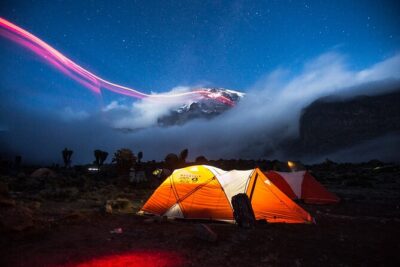 ★ 5.07-Day Machame Kilimanjaro Summit Tour from ArushaFrom $2,695125 reviews
 ★ 5.07 Days Kilimanjaro via Machame route affordable priceFrom $2,400110 reviews
 ★ 4.2#1. Best Kilimanjaro Day hike Tour-Machame Route-ISMANIFrom $11547 reviews
 ★ 5.07 Days Machame route – KilimanjaroFrom $2,85045 reviews
 ★ 5.0The Best of Machame Route in 6 Days: Your World’s Summit GuideFrom $1,15044 reviews
Browse the lists this tour appears in