
REVIEW · KILIMANJARO MACHAME ROUTE
6 Days Kilimanjaro Trekking – Machame Route
Kilimanjaro starts feeling real fast. This 6-day Machame Route trek out of Moshi pairs professional guides and porters with camp-based hiking, then puts you in position for a high-altitude summit and sunrise at Stella Point. On the team side, people highlight guide support like Peter and Alex, plus communications from Ibrahim, and strong camp cooking, including chef Daniel’s varied meals even under tough conditions.
What I like most is the practical way the days are paced for acclimatization, not just bragging rights, and how your guides manage energy. A possible drawback is that the plan includes a very early start for summit night (midnight to 2am) plus steep, rocky walking and a muddy descent, so you need realistic fitness and the right gear.
In This Review
- Key highlights to know before you go
- Moshi logistics: why pickup and a private group matter
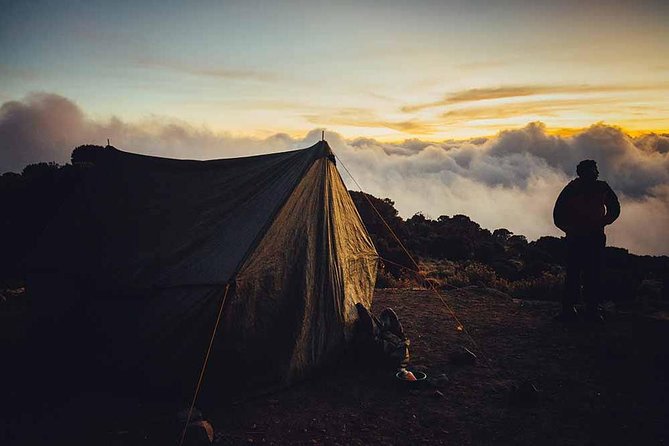
- Machame: plantations, rainforest walking, and sleeping early
- Machame Kusini to Shira: the route that teaches you patience
- Shira Plateau to Barranco Hut: Shark’s Tooth and real acclimatization
- Barranco to Barafu: South Circuit views and the long setup for summit day
- Midnight summit to Uhuru Peak: Stella Point sunrise is the whole point
- Descent to Mweka Gate and the mud reality check
- Price and value: what you get for $1,715
- Guides, porters, and camp food: why the human team shows up
- What to pack and how to move on the Machame Route
- Who should book this Machame trek?
- Should you book this 6-Day Machame Route with Afrishare?
Key highlights to know before you go
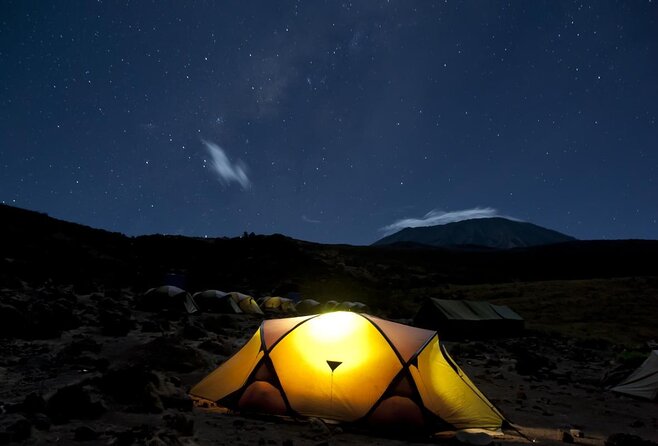
- Machame Route pacing designed around acclimatization, including a dedicated acclimatization day at Barranco
- Stella Point sunrise moment after the most demanding section of the climb
- Pro guide team and porter support, with praised guides like Peter, Alex, Adam, Habibu, and Kijaji
- Camp food handled on the mountain, including chef Daniel’s reported variety of meals
- Clear end-of-trek payoff with summit certificates at Mweka Gate and a vehicle back to Moshi, Arusha, or the airport
Other ways up Kilimanjaro we reviewed
- Kilimanjaro climb by Lemosho Route (7-day)★ 5.0 · 651 reviews
- Kilimanjaro climb, Machame Route (7-day)★ 5.0 · 262 reviews
- Kilimanjaro Climbing Lemosho Route 8 Days.★ 5.0 · 186 reviews
- Climbing Kilimanjaro – Machame Route★ 5.0 · 170 reviews
Moshi logistics: why pickup and a private group matter
Starting in Moshi is a smart move for Kilimanjaro. It keeps your trip grounded in a real town rhythm before you move into the slow, altitude-driven pace of the trek. This tour includes hotel pickup and drop-off, and your meeting point lists Kilimanjaro Airport, so you are not left piecing together transfers on your own.
Going private is also a big quality-of-life upgrade. With only your group, your guide can adjust the pace for your breathing, your walking style, and how your legs feel that day. That comes up again and again in strong reviews, especially around guides who adjusted climbing speed to match the group.
One more practical note: this is sold as a private tour/activity, so you are not “waiting on strangers” each step of the way. On a mountain, small delays add up.
Machame: plantations, rainforest walking, and sleeping early
Your first day starts with the drive from Moshi toward the gate. Along the way you pass coffee and banana plantations, which is a nice reminder that you are hiking above farming communities, not just up a postcard mountain.
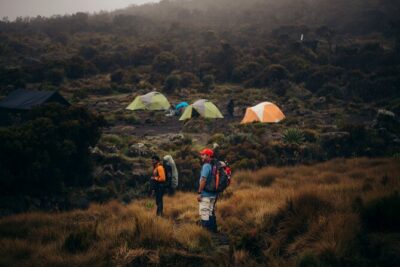
Then it is straight into the climb to Machame, with dinner and overnight at Machame hut. The itinerary’s own message here is simple: sleep early. Your first night is not about training for romance. It is about building energy so you can walk smart the next day.
What to expect on this day:
- You’ll transition from road-world to trail-world quickly.
- Rainforest walking is part of this route, so you may deal with damp ground and cooler air than you expect.
My take for planning: treat Day 1 like a warm-up, not a conquest. Save your lungs and legs for the days where the altitude starts to bite.
Machame Kusini to Shira: the route that teaches you patience
After breakfast, you leave the rainforest glades and keep ascending. The description includes crossing a steep rocky ridge covered with heather, then turning west toward a river gorge.
This is where you start learning a Kilimanjaro truth: it is not always the height that challenges you first. It is the effort of steady uphill walking, especially when the footing gets rough. The walk is long enough that you get a proper rest stop, then you arrive for dinner and overnight at the Shira campsite.
Why this day matters:
- It helps you find a rhythm before higher, colder terrain.
- It moves you through changing environments, from rainforest feel to more exposed highland walking.
Possible drawback: if you go too fast early, you may feel it later. Guides who adjust pace for your capabilities are not doing this as a courtesy. It’s part of how you maximize your odds for the summit.
More Machame departures, compared
Shira Plateau to Barranco Hut: Shark’s Tooth and real acclimatization
This stretch is a classic part of the Machame experience, with the route moving east up a ridge from the Shira Plateau. You pass junction points toward Kibo, then the direction changes south east toward Lava Tower, called the Shark’s Tooth.
From there you continue to the Arrow Glacier at 4876m, then descend to Barranco Hut at 3860m for rest, dinner, and overnight at Millennium camp (as listed in the route plan). Even though your end elevation is similar to where you started this day, the itinerary flags this as important for acclimatization.
That makes sense. Acclimatization is not just a number on a phone app. It is your body learning how to function under thinner air. This day gives your system a chance to adjust while still keeping you moving in a useful way.
What I’d pay attention to:
- The Lava Tower area can feel mentally motivating, but the walking effort remains serious.
- You are going from high to lower elevations, which can feel strange if you expect altitude to only rise. On Kilimanjaro, that seesaw is intentional.
Barranco to Barafu: South Circuit views and the long setup for summit day
After breakfast you leave Baranco and head up the Barranco Wall. The route goes through the Karanga Valley, with lunch at 4200m, and continues toward the junction that connects with the Mweka Trail before climbing up to Barafu Hut.
This is the day you complete the South Circuit. The route description also points out that you get views of the summit from many angles from this position. In plain terms: you are finally in a place where the end feels close enough to stare at, without yet being there.
Then you make camp at Barafu, rest, enjoy dinner, and prepare for summit day.
Why this matters for your success:
- You are moving into the zone where weather can turn fast and where the cold can feel sharper.
- The goal is to arrive at Barafu rested enough to start walking in the dark later, not cooked.
Potential drawback: Barafu is not a vacation lodge. The day is steep and the air is thin. Your job is to follow your guide’s pace and keep breathing calm.
Midnight summit to Uhuru Peak: Stella Point sunrise is the whole point
Here is the part that splits people into two categories: those who handle pressure well, and those who do not like the pressure. Summit day is demanding, especially mentally.
The itinerary has you continuing between midnight and 2am toward the summit between the Rebmann and Ratzel glaciers. You head northwesterly and ascend through heavy scree toward Stella Point on the crater rim at 5685m.
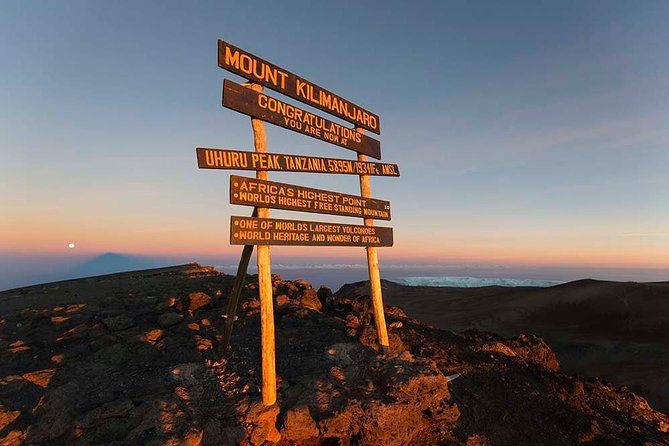
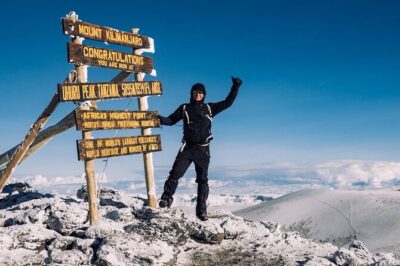
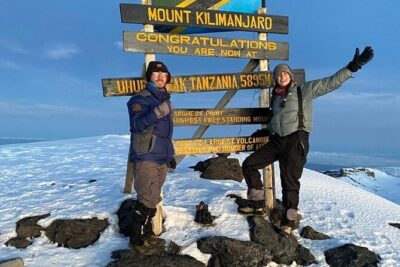
Stella Point is a key moment. It is where the most challenging portion is described, and it is also where you get a stop for a short rest and potentially the sunrise you will remember forever. From Stella Point, it is about a one-hour ascent to Uhuru Peak.
At Uhuru Peak, you reach the highest point on Kilimanjaro and Africa’s continent peak.
Two practical reminders for this section:
- Go slowly. Heavy scree will punish fast steps with burning legs and breathlessness.
- Expect the weather to be the real boss. Even the sunrise is described as weather permitting.
If you’ve got a guide who adjusts pace well, this is where that skill shows up. In reviews, people specifically mention motivation and pacing support from their guides, which is exactly what you want when the world gets quiet and your legs feel heavy.
Descent to Mweka Gate and the mud reality check
After breakfast, you descend down to Mweka Park Gate to receive summit certificates. Then you continue another hour to Mweka Village, where a vehicle meets you to drive you back to your hotel in Moshi or Arusha, or to drop you at the airport.
This is the part that often surprises newcomers. Summit day takes the spotlight, but the descent is where your body cashes out. Lower elevations can be wet and muddy, and the tour notes that gaiters and trekking poles will help.
Packing smart for the descent is not optional. It affects how enjoyable the last hours feel, and how well you can walk once you reach the vehicle.
What to wear, based on the route notes:
- Shorts and t-shirts will likely be enough at lower elevations.
- Keep rain gear and warmer clothing handy.
And yes, don’t skip the celebration. You’ve earned it, and the certificate at the gate is a tangible moment to mark the win.
Price and value: what you get for $1,715
At $1,715 per person for roughly 6 days, you’re paying for more than walking. You’re paying for the mountain system: accommodation for the trek nights, experienced guidance, porter support, and the logistics that keep you moving from camp to camp.
The included items listed are:
- 5 nights accommodation
- All fees and taxes
- Lunch
- Professional guide
- Porter
- Hotel pickup and drop-off
- Private tour
Also included in the day descriptions is admission ticket free at the listed stops, which lines up with the idea that park fees are taken care of.
What is not included:
- Alcoholic drinks (you can purchase them)
- Tipping for the driver
From a value angle, the most important included value is the guide and porter setup. Kilimanjaro is hard enough without trying to manage route-finding and pace alone. If your guide team is doing the right work, you feel it in the way you’re guided through junctions, steep sections, and the timing of summit day.
Guides, porters, and camp food: why the human team shows up
This trek lives or dies by your on-mountain team. The strongest praise in the reviews focuses on the guides and the support system around them.
You’ll see guide names like:
- Peter and Alex, praised for being on time, clear communication, and helpful support
- Adam, described as fun and part of a successful summit experience
- Habibu and Kijaji, described as professional and organized
And one review highlights Ibrahim for communication before the climb.
Chef Daniel also comes up, and the key point is not fancy food. It is that your meals have variety even with difficult mountain conditions. That matters more than people think. When you’re cold, tired, and breathing hard, consistent food helps your body recover and gives you energy for the next push.
My practical advice: treat your crew well. Follow their instructions, keep a good attitude in tough moments, and yes, plan to tip appropriately at the end since driver tips and guide/porter tips are called out.
What to pack and how to move on the Machame Route
The tour notes give you some clothing and footwear guidance, especially for the descent:
- Gaiters and trekking poles help on wet, muddy lower trails.
- Shorts and t-shirts are likely enough lower down.
- Keep rain gear and warmer clothing ready.
I’m also going to add a common-sense planning layer without inventing specifics not listed: on Kilimanjaro, weather changes quickly. If you’re relying only on one temperature setup, you may suffer. Use the packing guidance as your baseline, then build a kit that covers cold, wind, and rain.
How to move:
- On steep ridges and scree, short steps and steady breathing beat big strides.
- Save energy for summit night. The plan already builds in acclimatization and a later push, so you do not need to spend extra energy earlier.
If you’ve never hiked in real altitude conditions, you’ll likely feel this mountain more in your breathing than in your muscle strength. That is normal.
Who should book this Machame trek?
This trek is described as suitable for travelers with moderate physical fitness. That does not mean casual. It means you should be prepared to hike uphill for multiple days, handle rocky ground, and keep going even when you are tired.
This is a good fit if:
- You want the Machame Route because you’re looking for a structured climb with acclimatization built in.
- You like having a professional guide and porter team doing the hard logistics.
- You want a clear summit-night plan that starts between midnight and 2am.
This might not be the best fit if:
- You hate early nights and very early summit start times.
- You’re not comfortable with rocky, steep walking or the possibility of mud on the descent.
Should you book this 6-Day Machame Route with Afrishare?
If you want a Kilimanjaro plan that balances effort with support, I’d say yes, especially if you value experienced guidance. The reviews keep circling the same points: guides who adjust pace to your capability, strong camp support, and a chef team that handles meals well. That combination matters when your motivation dips, which it will, at least briefly.
I’d book it if you can prepare for summit day honestly: train enough for the uphill work, pack for cold and wet conditions, and mentally accept that the sunrise at Stella Point is weather dependent.
I’d pause before booking if you know you struggle with early starts, or if you do not feel confident in your hiking stamina. Summit success is about more than willpower. The route plan and the guide team help a lot, but your effort still has to show up.
If you’re ready for that mix of challenge and real support, this Machame trek is a strong value way to aim for Uhuru Peak from Moshi.
More Machame Departures
- Kilimanjaro climb, Machame Route (7-day)
★ 5.0 · 262 reviews - Climbing Kilimanjaro – Machame Route
★ 5.0 · 170 reviews - Climbing Kilimanjaro through 7 days Machame Route
★ 5.0 · 151 reviews - #1. Best Kilimanjaro Day hike Tour-Machame Route-ISMANI
★ 4.2 · 47 reviews - 7 Days Machame route – Kilimanjaro
★ 5.0 · 45 reviews
Kilimanjaro, Route by Route
- Kilimanjaro climb by Lemosho Route (7-day)
★ 5.0 · 651 reviews - Kilimanjaro climb, Machame Route (7-day)
★ 5.0 · 262 reviews - Kilimanjaro Climbing Lemosho Route 8 Days.
★ 5.0 · 186 reviews - Climbing Kilimanjaro – Machame Route
★ 5.0 · 170 reviews - Climbing Kilimanjaro through 7 days Machame Route
★ 5.0 · 151 reviews
Just added from around Moshi
Kilimanjaro Machame Route, compared.
 ★ 5.0Kilimanjaro climb, Machame Route (7-day)From $3,377262 reviews
 ★ 5.0Climbing Kilimanjaro – Machame RouteFrom $2,322170 reviews
 ★ 5.0Climbing Kilimanjaro through 7 days Machame RouteFrom $2,425151 reviews
 ★ 5.07-Day Machame Kilimanjaro Summit Tour from ArushaFrom $2,695125 reviews
 ★ 5.07 Days Kilimanjaro via Machame route affordable priceFrom $2,400110 reviews
 ★ 4.2#1. Best Kilimanjaro Day hike Tour-Machame Route-ISMANIFrom $11547 reviews
 ★ 5.07 Days Machame route – KilimanjaroFrom $2,85045 reviews
 ★ 5.0The Best of Machame Route in 6 Days: Your World’s Summit GuideFrom $1,15044 reviews
Browse the lists this tour appears in