
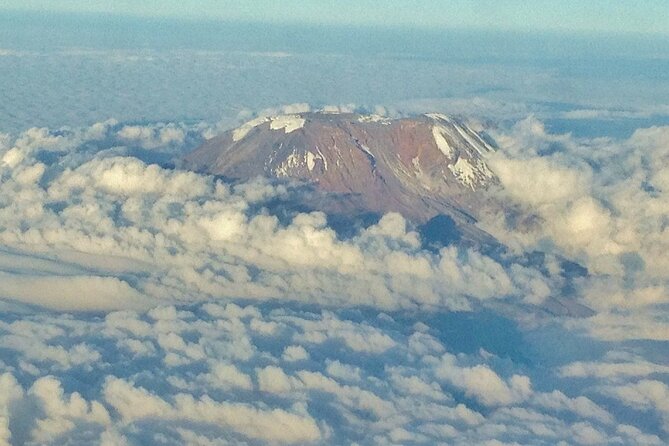
REVIEW · KILIMANJARO MACHAME ROUTE
6 Days Kilimanjaro Climbing Machame route
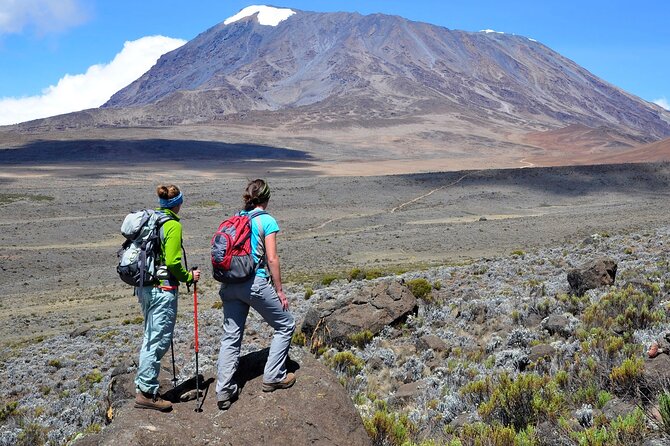
You feel Kilimanjaro before you ever see the summit. This 6-day Machame route (Whiskey route) is built for hikers who want a real challenge and strong acclimatization, with classic views from Shira, Barranco, and the glacier belt. I love the way the itinerary uses trek high, sleep low to make altitude feel more manageable, and I love how the vegetation shifts as you climb, from forest zones to plants like Senecio kilimanjari and Lobelia deckenii. One thing to consider: Machame is popular, so the route can be crowded, and that can dial down the wild, empty feeling.
You start in the Kilimanjaro area near public transportation, with a 7:00 am start time, and you get a package that covers key logistics like camping equipment, park fees, and meals. It is also private, meaning it is only your group. That matters because the summit night is intense, and you want your day to run with fewer surprises.
In This Review
- Key takeaways
- Machame Route Reality Check, Why the Whiskey Route Is So Popular
- Your Acclimatization Strategy, Trek High Sleep Low
- Day-by-Day: What Happens on Each Section and Why It Matters
- Day 1, Into Kilimanjaro National Park and Up Toward Shira Camp
- Day 2, More Shira Plateau Time, Another Acclimatization Step
- Day 3, Shira Plateau to Barranco, The Acclimatization Workday
- Day 4, Barranco Wall to Barafu, Where Your Legs Really Protest
- Day 5, Summit Night, Headlamp Hours to Stella Point and Uhuru Peak
- Day 6, Mweka Gate Descent and Cloud Forest Finish
- Price and Logistics: What You Actually Get for $1,950
- Crowds on Machame, How to Keep the Experience Feeling Personal
- About the Provider, and Why the Guide System Matters
- Who This Machame Climb Fits Best
- Should You Book This 6-Day Machame Climb?
- FAQ
- How long is the Kilimanjaro Machame route in this package?
- What time does the tour start?
- Do I get pickup, and where does the trip end?
- What meals and drinks are included?
- Are park fees included?
- Is a visa, travel insurance, or flights included?
- Can I cancel for a full refund?
Key takeaways
- Machame (Whiskey) route is popular for a reason, tough hiking, and strong odds when you pace well.
- Shira Plateau to Barranco is a smart acclimatization setup, including a chance to detour to the Lava Tower.
- Barranco Wall is the day you feel in your legs most, with a hands-on scramble in places.
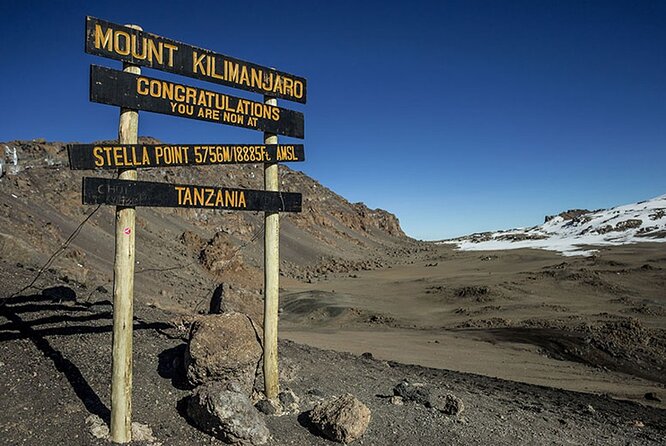
- Midnight summit push is steep at first, then steadier from Stella Point to Uhuru Peak.
- Descent through cloud forest on Day 6 feels like a reward, though the trail can get slippery.
- Avocet Tanzania Safaris gets praise for guide work on other trips, including guide Mike, though one negative review flags mismatched expectations around vehicles and communication.
Other ways up Kilimanjaro we reviewed
- 8-Day Small-group Lemosho Kilimanjaro Summit Trekking★ 5.0 · 186 reviews
- 7-Day Machame Kilimanjaro Summit Tour from Arusha★ 5.0 · 125 reviews
- Mountain Kilimanjaro Day Hike★ 5.0 · 102 reviews
- 4 days Best experience Kilimanjaro Hike, Serengeti &Ngorongoro★ 5.0 · 54 reviews
Machame Route Reality Check, Why the Whiskey Route Is So Popular
The Machame route is one of Kilimanjaro’s most recognizable climbs. It is nicknamed the Whiskey route, and people keep picking it for the same reasons: it is demanding, but it also has a track record for summit success when hikers use the built-in pacing and acclimatize well.
What I like about Machame is that it does not just throw you upward and hope for the best. The route is designed around gaining elevation, then giving you a chance to adjust. The itinerary also takes advantage of the mountain’s changing zones. You start with viewpoints over plains and forests, then you watch the vegetation thin as you climb into high-altitude plant life. It is not just pretty. Seeing the ecosystem shift is a quiet way of understanding that your body is adapting to real altitude.
There is a catch. Because Machame is popular, you can run into heavier crowds. That does not make it unsafe, but it can reduce the sense of solitude that people hope for. If you are the type who values quiet, you might feel that on the main trail days and especially around the camps.
Your Acclimatization Strategy, Trek High Sleep Low
Kilimanjaro is not a sprint. Your success often comes down to how you manage altitude, and Machame is structured to help you do that.
A big theme here is the climb-high, sleep-low approach. Day 3, for example, ends with descent to Barranco Camp after you reach a higher point on the Shira Plateau area. Day 4 continues upward to Barafu while giving you the kind of route profile that helps your body acclimatize. Even on the tough days, the plan is to keep your body exposed to altitude without stacking every single day as a maximum-grind.
Here is the practical part you should plan around: go slow, even when you feel okay. On summit day, the itinerary still has you hiking in stages from the crater rim to Uhuru Peak, and altitude fatigue is the real limiter, not fitness alone. If you start fast, you pay for it later, usually on the summit section.
You also benefit from spending multiple days in the Shira zone early on. Day 1 pushes upward with views and vegetation change, and Day 2 keeps building altitude with more uphill hiking and the same high-altitude plant shifts. That means you are not just arriving and summiting. You are getting your body used to the rhythm.
Day-by-Day: What Happens on Each Section and Why It Matters
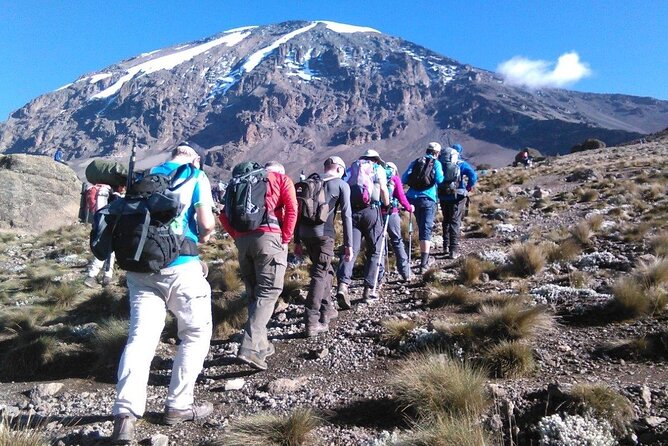
Kilimanjaro days look similar on paper, but the details change your experience. Here is what each day is doing for you, beyond the camp names.
More Machame departures, compared
Day 1, Into Kilimanjaro National Park and Up Toward Shira Camp
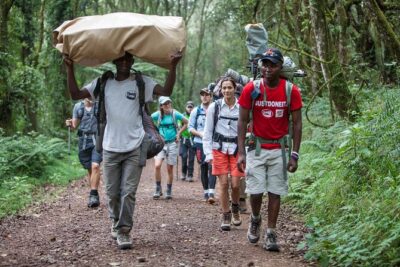
Today is considered the easier day on the Machame route, but do not confuse easier with easy. You still hike several uphill sections, often under exposure where heat can hit hard on clear days. Bring plenty of water and use it early, not when you feel thirsty.
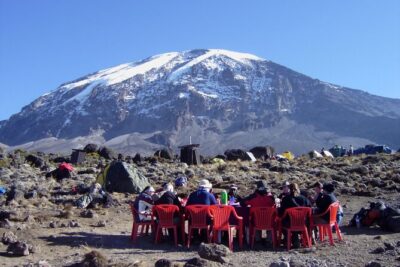
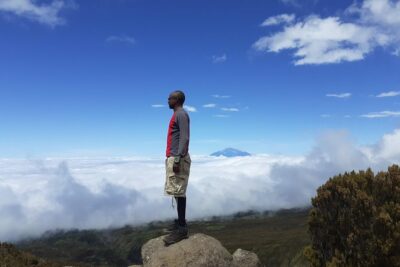
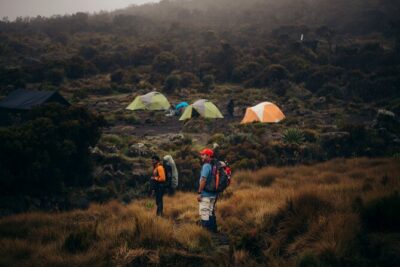
You will start with viewpoints, where you can look down over plains and forests and up toward the Kibo and Mawenzi peaks. Then the vegetation shifts. As altitude rises, trees diminish and you start seeing high-altitude plants like Senecio kilimanjari and Lobelia deckenii. That vegetation change is a useful reality check that you are gaining altitude steadily.
After lunch, you climb toward the Shira Plateau, shaped by old lava flows that filled the Shira crater. You end at Shira Camp to relax for the rest of the day.
Day 2, More Shira Plateau Time, Another Acclimatization Step
Day 2 follows the same general pattern: uphill hiking, then time in the Shira Plateau area, and ending at Shira Camp. The important thing is not to treat this day like a free day. You are still climbing and still training your body for the long summit night that comes later.
Pay attention to how you feel on this day. It is one thing to be “fine” in the afternoon. It is another thing to be fine at night when the air cools and your body keeps working at altitude. Use Day 2 to lock in your hydration, sleep routine, and pace.
Day 3, Shira Plateau to Barranco, The Acclimatization Workday
This is the day that really earns its place on the schedule. The itinerary notes that even though this day ends with only about a 110-meter elevation gain, you still climb up to around 4,530 meters before descending to Barranco Camp.
You hike east on the Shira Plateau, reaching the junction where Shira and Lemosho routes connect. Then you move through barren terrain and stop for lunch. After that, you reach the highest point of the day, before you start descending quickly toward Barranco.
There is also a possible detour for faster hikers: Lava Tower, a 300-foot lava formation. This can be a nice diversion if you have the energy and your pace feels steady.
Barranco Camp is described as the most scenic campsite on the Machame route, and it sits among stands of Senecio kilimanjari. Even if you are tired, this is one of the stops where you tend to feel like the mountain is rewarding your effort.
Day 4, Barranco Wall to Barafu, Where Your Legs Really Protest
Day 4 begins with a scramble up the Barranco Wall. It is around an hour and a half, and in some sections you will use your hands to pull yourself up. This is the hardest part of the day, not necessarily because of steepness alone, but because it is a hands-on, concentration-requiring climb.
Once you reach the top, you descend briefly into the greener Karanga Valley. That green stretch matters. After barren sections, it gives you a mental reset and a chance to breathe easier before you continue toward Barafu Camp.
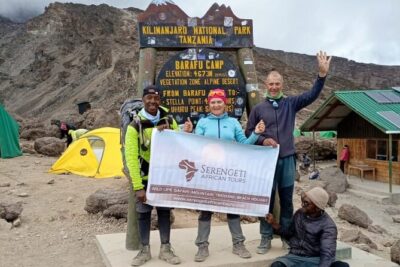
You also get views of glaciers in the broader route area, specifically the Heim, Kersten, and Decken Glaciers as you hike by. When you finally reach Barafu, expect an alpine desert feel with little vegetation and strong views of Kibo and Mawenzi peaks and nearby glacier scenery.
You should treat this evening as summit prep. The itinerary suggests you try to sleep as soon as dinner ends because you will wake at midnight.
Day 5, Summit Night, Headlamp Hours to Stella Point and Uhuru Peak
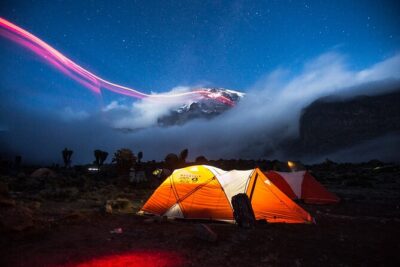
This is the long one. Around midnight you begin the final ascent toward Uhuru Peak, Africa’s highest point. For the next six hours, you hike by headlamp.
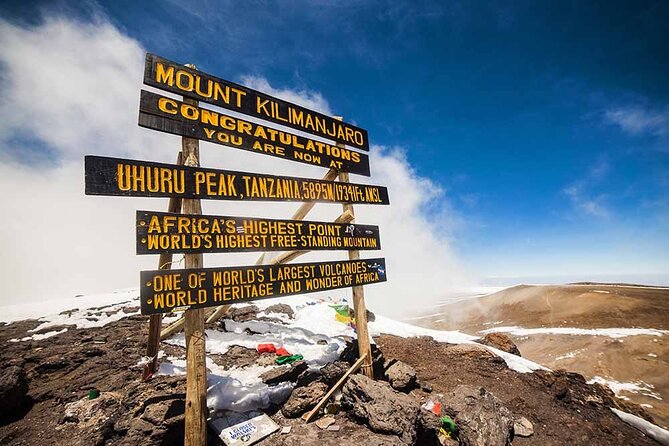
The steepest, hardest part is the climb to the crater rim at Stella Point. The trail is described as very steep until you reach the rim. Once you hit Stella Point, the hike from there to Uhuru Peak becomes more gradual and is not described as technically difficult, but altitude makes it long and tiring.
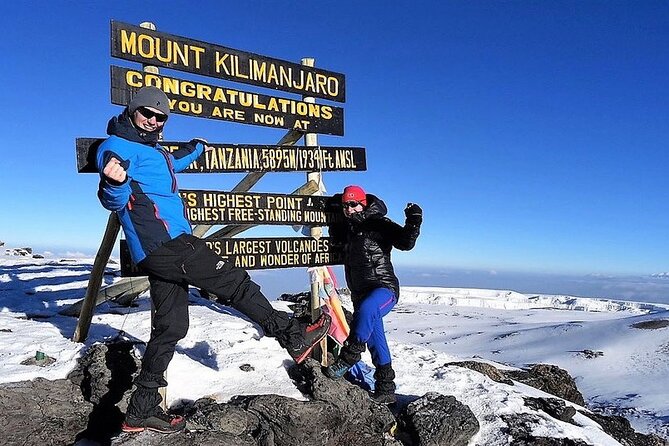
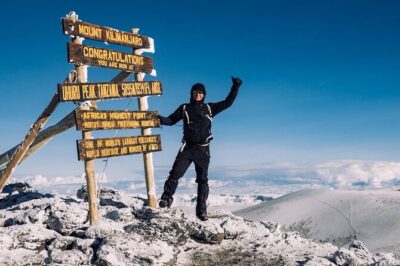
The crater rim section takes about an hour. When you finally reach Uhuru, you take photos with your guide and group at the peak, then start descending toward Mweka Camp.
On summit day, you are managing more than legs. You are managing breathing, fatigue, and how quickly you can recover between short efforts. The itinerary structure makes that possible by separating the steep rim climb from the steadier upper section.
Day 6, Mweka Gate Descent and Cloud Forest Finish
After breakfast, you finish with a descent to Mweka Gate. This is your last hike on the mountain, and it is described as a beautiful run through cloud forest.
Do not relax too much though. The trail can be slippery during descent, so you need careful footing. The better you are with your steps now, the smoother your final transition back to town.
After you reach the lower station at Mweka Gate, vehicles are waiting to take you back to Moshi. At the gate you can buy t-shirts and sodas.
Price and Logistics: What You Actually Get for $1,950
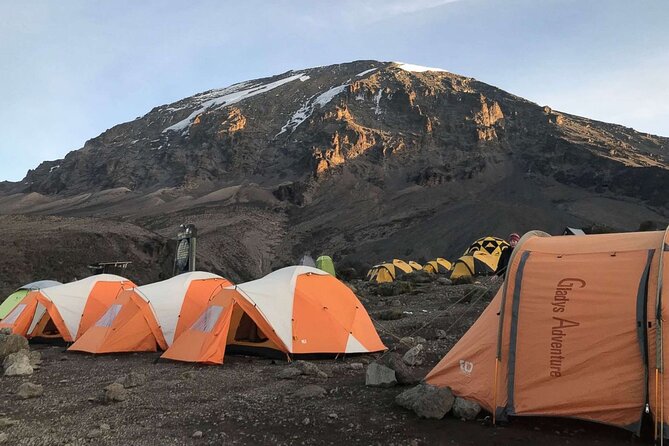
At $1,950 per person for about six days, this package sits in the practical mid-to-upper range for Kilimanjaro climbs. The key is what is included, because that is where you avoid hidden costs.
Included items you should care about:
- Camping equipment (so you are not scrambling to rent gear last minute)
- Transportation (important for getting to and from the mountain)
- All fees and taxes, and the tour lists admission ticket as free
- Bottled water and mineral water
- Meals, including Lunch (6), Breakfast (5), and Dinner (6)
That meal count matters more than it sounds. On summit night, you do not want to be negotiating food or energy. Having structured meals helps you keep hydration and calories consistent.
Not included items you should budget for:
- Visa fees, plus international and local flights
- Travel and personal accident insurance
- Tips for driver, guide, and cook
- A cultural village visit, paid directly if you want it
If you want a simple rule, treat this as a mostly all-in climb package, then add your flights, visa, and a plan for tipping.
Also, you start at 7:00 am and the tour ends back at the meeting point, so you are not stuck guessing about day-one timing.
One more real-world note from the broader provider reputation: Avocet Tanzania Safaris has reviews for other safari trips. One negative review complained about mismatched vehicle expectations and messy communication when bookings were done through multiple companies. So for Kilimanjaro, and especially for airport or pickup days, you should confirm your transfer details clearly.
Crowds on Machame, How to Keep the Experience Feeling Personal
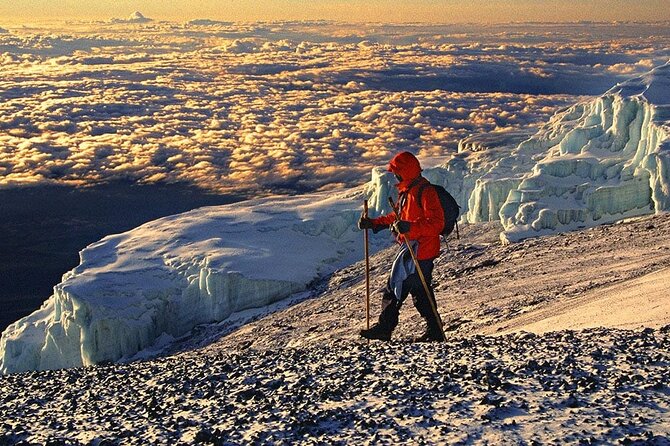
Machame can lose some of its grandeur due to heavy crowds. That is not a deal-breaker, but it affects your day in small ways.
Expect more people around:
- camp areas
- shared viewpoints
- the main trail segments on busier days
How to keep it feeling like your climb:
- Start your day with a calm routine, not a race to catch up to the group in front of you.
- On crowded trail sections, focus on your own pacing, not what others are doing.
- Use the vegetation shifts as your “personal experience” anchor. Watching the change from forest zones to high-altitude plants can make the day feel fresh even when other hikers are nearby.
If you are someone who thrives on solitude, you might find this tougher emotionally. If you can enjoy shared effort and still walk at your own pace, you will still get the magic of Kilimanjaro.
About the Provider, and Why the Guide System Matters
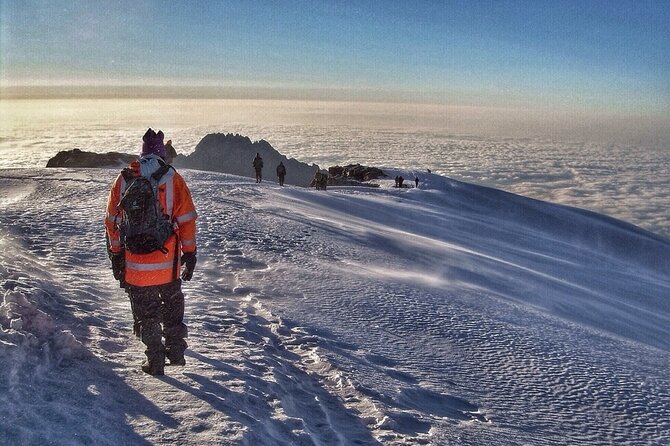
This climb is listed as private, meaning it is only your group. That typically helps with pacing and communication because you are not constantly adjusting to other hikers’ schedules.
From the supplied review set for Avocet Tanzania Safaris, one guide name comes up repeatedly: Mike. Reviews praise Mike for being considerate and patient and for going out of the way to get you to good viewing spots. One review says Mike can spot hidden animals easily, and another highlights lions being seen closest than expected.
Those comments are about safari days, not the summit push. Still, they point to a pattern worth caring about: some guides put real effort into finding what matters and managing your experience.
The downside from another review is also practical: vehicle expectations were not met, and there were multiple companies involved in the booking process, which created confusion. That is why I recommend you verify transfer vehicle type, pickup times, and the exact transfer plan in writing before you arrive.
Who This Machame Climb Fits Best
This is a strong pick if:
- you want a route with good acclimatization structure
- you are okay with a tougher climb than the most beginner-friendly Kilimanjaro option
- you want big summit payoff and you take pacing seriously
- you like camping in different zones, from barren high areas to greener valleys and cloud forest
It might be a poor fit if:
- you want solitude on the trail and are easily bothered by crowds
- you are looking for a relaxed, short hike experience
- you are not ready for a midnight wakeup and a long summit trek by headlamp
Most travelers can participate based on the tour listing, but the real test is not “can you hike,” it is “can you handle altitude and slow pacing.” If you tend to push hard at the start, you will need to train yourself to go slower than your ego wants.
Should You Book This 6-Day Machame Climb?
If you want a classic Kilimanjaro route that balances challenge with acclimatization, I think this Machame option makes sense. The itinerary gives you the key ingredients: multiple high points early on, a real acclimatization day leading into Barranco, and a summit plan that separates the steep crater-rim section from the steadier push to Uhuru.
Book it if:
- you want a structured 6-day package with camping gear, transportation, and most meals covered
- you are comfortable with a tough day like Barranco Wall and a long summit night
- you want to experience the mountain’s vegetation zones and glacier views
Pause before you book if:
- crowds would ruin the kind of trip you want
- you have not budgeted for visa, flights, insurance, and tipping
- you prefer highly flexible logistics, because this is a private tour with a fixed starting schedule and camp sequence
If you do book, do one smart thing: confirm transfers and gear expectations in advance, especially if you are combining bookings. That single step can save a lot of stress when timing matters most.
FAQ
How long is the Kilimanjaro Machame route in this package?
It is listed as 6 days, with an approximate duration of about 6 days.
What time does the tour start?
The start time is listed as 7:00 am.
Do I get pickup, and where does the trip end?
Pickup is offered, and the activity ends back at the meeting point.
What meals and drinks are included?
The package includes bottled water and mineral water, plus meals: Lunch (6), Breakfast (5), and Dinner (6).
Are park fees included?
Yes. The tour includes all fees and taxes, and the admission ticket is listed as free.
Is a visa, travel insurance, or flights included?
No. Visa fees, international and local flights plus taxes, and travel and personal accident insurance are not included.
Can I cancel for a full refund?
Yes. There is free cancellation, and you can cancel up to 24 hours in advance for a full refund.
More Machame Departures
- 7-Day Machame Kilimanjaro Summit Tour from Arusha
★ 5.0 · 125 reviews - 6 Days: Hiking Kilimanjaro via Machame Route
★ 5.0 · 24 reviews - 6-Day Guided Tour in Machame Route Mt Kilimanjaro
★ 5.0 · 17 reviews - KILIMANJARO MACHAME ROUTE, (Climb 7days)
★ 5.0 · 16 reviews - 7 days Kilimanjaro climb via Machame route (Whiskey route)
★ 5.0 · 16 reviews
Kilimanjaro, Route by Route
- 8-Day Small-group Lemosho Kilimanjaro Summit Trekking
★ 5.0 · 186 reviews - 7-Day Machame Kilimanjaro Summit Tour from Arusha
★ 5.0 · 125 reviews - Mountain Kilimanjaro Day Hike
★ 5.0 · 102 reviews - 4 days Best experience Kilimanjaro Hike, Serengeti &Ngorongoro
★ 5.0 · 54 reviews - From Arusha/Moshi: Kilimanjaro Hike Marangu Route Day Trip
★ 4.5 · 54 reviews
Just added from around Arusha
Kilimanjaro Machame Route, compared.
 ★ 5.0Kilimanjaro climb, Machame Route (7-day)From $3,377262 reviews
 ★ 5.0Climbing Kilimanjaro – Machame RouteFrom $2,322170 reviews
 ★ 5.0Climbing Kilimanjaro through 7 days Machame RouteFrom $2,425151 reviews
 ★ 5.07-Day Machame Kilimanjaro Summit Tour from ArushaFrom $2,695125 reviews
 ★ 5.07 Days Kilimanjaro via Machame route affordable priceFrom $2,400110 reviews
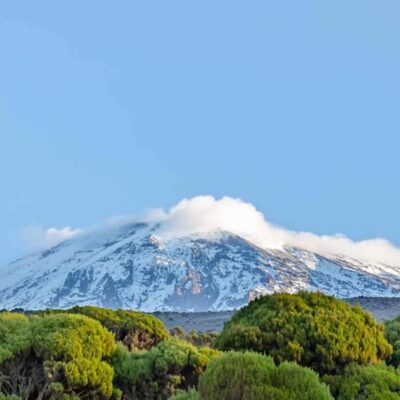 ★ 4.2#1. Best Kilimanjaro Day hike Tour-Machame Route-ISMANIFrom $11547 reviews
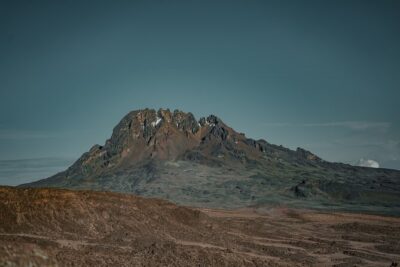 ★ 5.07 Days Machame route – KilimanjaroFrom $2,85045 reviews
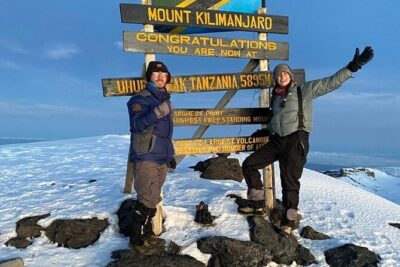 ★ 5.0The Best of Machame Route in 6 Days: Your World’s Summit GuideFrom $1,15044 reviews
Browse the lists this tour appears in