
REVIEW · 6-DAY EXPERIENCES
6-Day Unforgettable Tour in Tanzania
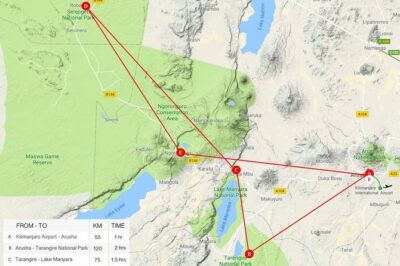
Safari math gets real fast. This 6-day Tanzania circuit strings together Tarangire, Serengeti, Ngorongoro Crater, and Lake Manyara in a time-efficient loop built for classic wildlife sightings. You also get a full package feel, with game driving, meals, and camping support included.
I love that the plan is built around animal timing, with sunrise and late-day game drives that raise your odds for predators and dramatic moments. I also like the human side, where the team is repeatedly praised for clear communication and solid guiding, with names like Godwin, Lobulu, and Amani coming up, plus a chef often credited for excellent camp cooking.
One thing to consider: the days run long, with roughly 10 to 12 hours of driving and time on the move. If you want slow mornings and lots of downtime, this style may feel like a constant safari rhythm.
In This Review
- Key highlights you should care about
- From Arusha Airport to Your First Wildlife Hours (6:00am Start)
- Tarangire National Park: Elephants, Birds, and a Picnic Break
- Serengeti by Sunshine Light and Naabi Hills Timing
- Sunrise Serengeti: Predators First, Then a Proper Afternoon Push
- Ngorongoro Conservation Area to Simba Campsite Night Moves
- Six Hours Inside Ngorongoro Crater: Density in One Day
- Lake Manyara’s Soda Lake, Tree-Climbing Lions, and Flamingos
- Price and Value: What $1,200 Really Buys (Plus What It Does Not)
- Camp Life, Guides, and Why Food Is Not a Small Detail
- What to Pack for a Safari Week That Moves Like a Train
- Who Should Book This 6-Day Tanzania Camping Safari
- Should You Book This Safari? My Decision Checklist
- FAQ
- What parks are included in this 6-day safari?
- What is included in the tour price?
- Where do you meet and when does the tour start?
- How big is the group?
- Are flights included?
- What is the cancellation policy?
Key highlights you should care about
- Tarangire, Serengeti, Ngorongoro, Lake Manyara in 6 days, ideal when you have limited time.
- Sunrise and sunset drives to catch animals when they are most active.
- Small group size, up to 20 travelers, which usually keeps the vibe manageable.
- Camping gear and meals included, so you spend less time worrying and more time watching.
- Park fees and game driving covered, which improves value for a full safari package.
- A team approach to guiding and camp life, with guides such as Godwin, Lobulu, and Amani, and a chef credited for great food.
Still weighing it up? These Arusha trips came out well when we reviewed them.
- Balloon Safari & Bush Breakfast in Serengeti – Miracle Experience★ 5.0 · 1,646 reviews
- Tanzania Classic – 7 Days★ 5.0 · 1,151 reviews
- 4 Days Group Camping Safari★ 5.0 · 1,101 reviews
- 5 Days Group Camping Safari★ 5.0 · 730 reviews
From Arusha Airport to Your First Wildlife Hours (6:00am Start)
You start early, with pickup arranged around 6:00am from Arusha Airport. That matters in safari country because the best light, the best animal energy, and the best road conditions often show up before the day fully heats up.
The tour also includes roundtrip airport transfer and a group capped at 20 people. In practice, that means you are not crammed into a giant crowd, and you can usually hear instructions and coordinate meeting points without stress.
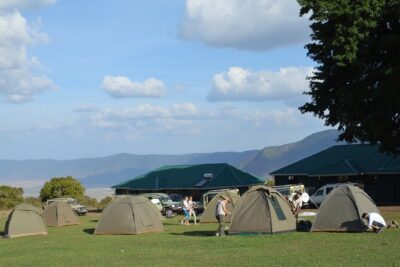
You will also be camping, and the tour includes camping equipment. That is a big deal for value, because it removes a chunk of the guesswork about what you need to bring versus what is provided.
Tarangire National Park: Elephants, Birds, and a Picnic Break
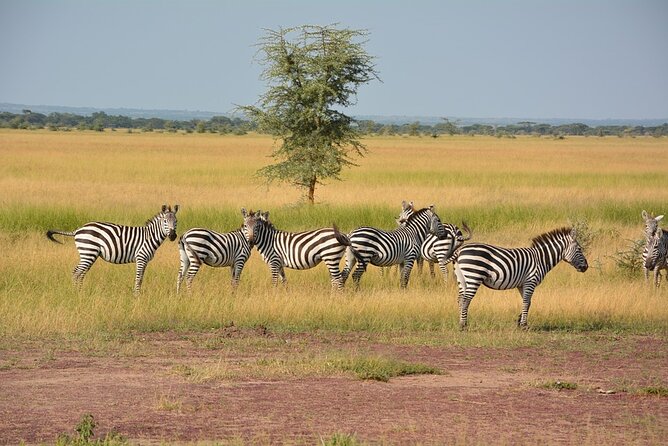
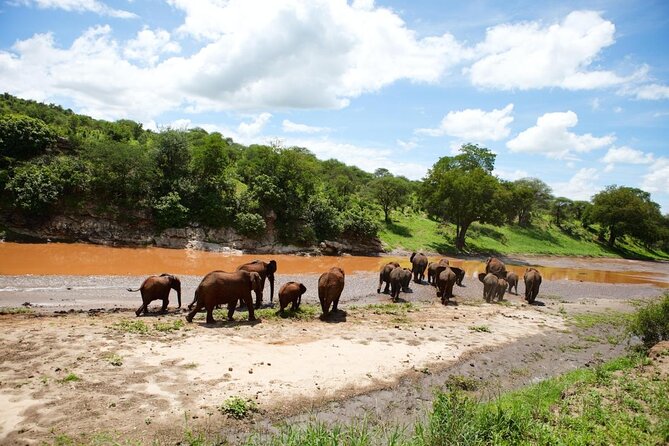
Tarangire is a strong Day 1 choice because it gives you variety fast. Expect a focus on animals and birdlife, plus the chance to get your safari eyes trained from the first drive.
On this day, you drive to Tarangire after breakfast and do a full game drive, with lunch time arranged as a picnic during the outing. After that, you head back to your campsite, located outside the park, more than 30 minutes away, for dinner and the night.
That campsite setup is worth understanding. You trade being parked right at the gate for more time on the road inside the park, and the evenings shift from wildlife spotting to camp meals and rest. If you love the adrenaline of being right where the action is, the extra drive might feel like time you could have spent searching for one more animal, but it also helps keep the day practical.
Serengeti by Sunshine Light and Naabi Hills Timing
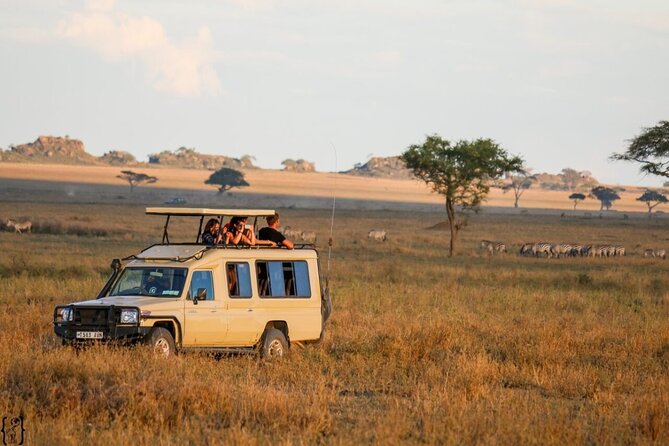
Serengeti is where your trip starts feeling like the real deal. Day 2 is designed to build momentum, starting after breakfast and turning into a long wildlife-focused day.
You drive toward Serengeti and pass through the Ngorongoro Conservation Area along the way, then route through late afternoon. There is also a stop around Naabi Hills gate with a scheduled lunch, and then you head out again for a sunshine game drive until sunset, followed by dinner and overnight at camp.
The timing here is the point. Late-day drives tend to bring big movement, when animals get more visible and you start seeing behavior instead of just sightings. The Naabi Hills and conservation-area routing also matters because it keeps you from doing only one kind of driving all day.
Tip for your own comfort: plan to be patient in the vehicle. This day stretches to around 12 hours, so bring things that help you handle bumps and sun, like a good hat and a water habit.
Sunrise Serengeti: Predators First, Then a Proper Afternoon Push
Day 3 starts early again, and it is aimed at the moment when predators and active animals are most likely to show themselves. You go out on a sunrise game drive, then return to camp for lunch, before continuing the game drive in the afternoon.
The afternoon portion runs until about 3:30, then you drive back for dinner and overnight. That is a solid schedule because it gives you both the early sweep and the mid-afternoon scanning time, instead of only one or the other.
If you are a first-time safari person, this is also when you learn safari rhythm quickly. You begin to understand how spotting happens, why guides pause to check tracks and movement, and why waiting can pay off more than rushing to the next sighting.
Ngorongoro Conservation Area to Simba Campsite Night Moves
Day 4 is a “keep your eyes open and keep moving” kind of day. You head out early with another sunrise game drive to look for predators and other big wildlife, then return to camp for lunch.
After lunch, the day stays active while you work your route toward Ngorongoro Simba campsite for dinner and overnight. The way the route is described suggests you are balancing game driving time with transit time, which is typical in this region because distances are real and the wildlife does not move on your schedule.
This is also a good day for flexibility in your expectations. If you want a day with only one park and no repositioning, this is not that. But if you enjoy maximizing animal encounters across different sectors, Day 4 fits the overall safari formula.
Six Hours Inside Ngorongoro Crater: Density in One Day
Ngorongoro Crater is the big headline moment, and this itinerary builds around it. After breakfast, you go down into the crater for a 6-hour game drive with a picnic lunch planned during the outing.
That length is meaningful. Many crater visits feel rushed, but six hours gives enough time to keep scanning different areas as animals shift. You are also looking at a tight ecosystem where sightings can cluster, which is exactly what you want if you came to Tanzania mainly for iconic wildlife moments.
After the crater drive, you drive to a campsite outside the park for dinner and overnight. That outside-camping setup is part of the tradeoff again, the same pattern as Tarangire: more driving, less gate-adjacent convenience. But it keeps the day moving in a way that makes room for Lake Manyara next.
Lake Manyara’s Soda Lake, Tree-Climbing Lions, and Flamingos
Lake Manyara turns the safari dial from crater density to varied habitats. It also has a strong wow-factor geography: the park includes a massive but shallow soda lake covering about two-thirds of the area, positioned at the foot of the Great Rift Valley western escarpment.
The park’s shape and water chemistry attract lots of different wildlife. You might see large elephant concentrations, and Lake Manyara is known for tree-climbing lions. Flamingos can also show up in significant numbers because they are drawn by algae in the lake.
On this trip, you reach Manyara after the crater day, then do a game drive inside the park until afternoon. Lunch comes after the morning and midday driving, and then you drive back to Arusha.
This is a great final park for a short safari because it diversifies what you see. You are still doing classic game driving, but you are doing it in a different environmental story than Serengeti and Ngorongoro. By the time you head back to Arusha, your brain is full, in a good way.
Price and Value: What $1,200 Really Buys (Plus What It Does Not)
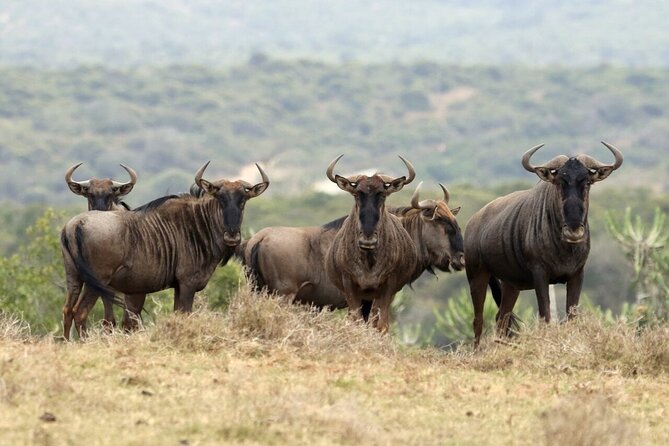
At $1,200 per person for about 6 days, the big value is that it is a packaged safari, not piecemeal sightseeing. The inclusions list covers park fees, accommodation, camping equipment, roundtrip airport transfer, and meals (breakfast, lunch, dinner across all days).
It also includes all activities and game driving, which is usually where costs add up fast if you plan everything yourself. When park fees and driving are already handled, you can focus on enjoying the trip instead of tracking costs line by line.
What is not included matters for budgeting: tips, international flights, and personal items. Since tips are not included, plan to set aside some cash for it, because this is not the kind of trip where you want to be scrambling at the end.
Also, think about your expectations for camping. The tour includes the essentials, but camping is still camping. If you want white-glove comfort every night, this is the wrong style. If you want authentic safari logistics and value, it is a workable deal.
Camp Life, Guides, and Why Food Is Not a Small Detail
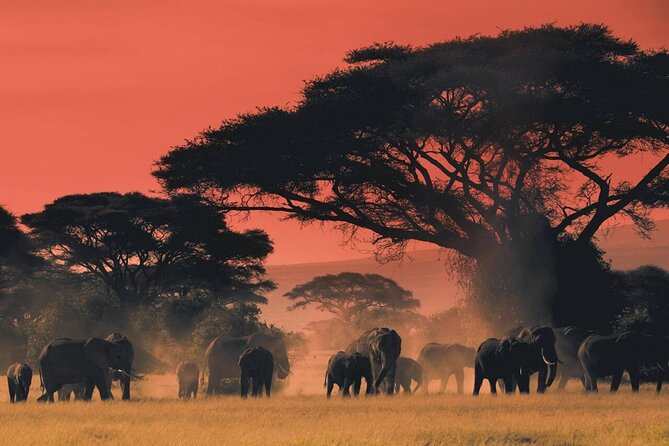
Camping safari days are exhausting in the best way. You leave early, scan for animals, and spend a lot of time in a vehicle, then you need a camp that actually helps you recover.
The tour includes meals throughout the days, and the chef is frequently praised for cooking quality, with a chef named Halid (also referenced as Halidi) specifically called out. That matters more than people think, because good camp food keeps your energy up for the next early morning.
The guiding gets attention too. Names like Godwin, Lobulu, and Amani show up in the context of kindness and expertise, and the team is described as responsive before departure. In practical terms, that means if something changes for your flight or you have a question about the trip, you are more likely to get help quickly rather than going in blind.
What to Pack for a Safari Week That Moves Like a Train
You will be on the move a lot, so pack for comfort on long game drives and for camp nights.
Bring:
- Comfortable layers for early morning chill and daytime heat
- A hat and sunscreen for strong sun in open vehicles
- Binoculars if you own them, or plan to rely on the guide and vehicle spotting
- A small headlamp or flashlight for camp use
- A refillable water bottle, since you will be out for hours at a time
For personal items, the tour does not cover everything. So if you need specific medications, chargers, toiletries, or snacks between meals, pack those too.
And yes, plan for dust. In safari country, dust is part of the experience, so think about what you will keep wiping down.
Who Should Book This 6-Day Tanzania Camping Safari
This is a good fit if you want the big Tanzanian highlights without spending weeks on logistics. You get Tarangire, Serengeti, Ngorongoro Crater, and Lake Manyara in one trip, and the plan is designed around animal timing with sunrise and late-day drives.
It also works well if you like a team-based experience. A group capped at 20 travelers plus an experienced guide usually means you are not left alone with your guidebook and hope.
It might not be ideal if you:
- Want short days and lots of free time
- Prefer lodge comfort over camping
- Hate early mornings, because multiple days start before the sun is fully up
If you are okay with a packed schedule and want maximum wildlife per day, this style matches your goals.
Should You Book This Safari? My Decision Checklist
If your priority is classic wildlife across the big parks, and you want a fully planned camping package with meals and game driving handled, I think this is a strong choice. The park mix is smart, too, with Tarangire and Serengeti for different animal vibes, Ngorongoro for the density moment, and Lake Manyara for habitat variety.
I would book it if you value:
- Sunrise and sunset drives
- Included meals and camping support
- A small group cap
- Getting picked up and dropped off cleanly from Arusha
I would pause if your idea of a vacation is slow and quiet. The long driving days and early starts are part of the deal here. But if you want the safari experience to feel like a front-row seat, this is the kind of trip that delivers.
FAQ
What parks are included in this 6-day safari?
The safari includes game drives in Tarangire National Park, Serengeti National Park, Ngorongoro Conservation Area (including a crater descent for game driving), and Lake Manyara National Park.
What is included in the tour price?
The included items are park fees, all activities, all accommodation, camping equipment, roundtrip airport transfer, meals (breakfast, lunch, dinner across the days), and game driving.
Where do you meet and when does the tour start?
The tour starts at Arusha Airport, Arusha Tanzania, with a start time of 6:00am.
How big is the group?
The group has a maximum size of 20 travelers.
Are flights included?
No. International flights are not included.
What is the cancellation policy?
There is free cancellation. You can cancel up to 24 hours in advance for a full refund. If the experience is canceled due to poor weather, you will be offered a different date or a full refund, and if the minimum number of travelers is not met, you will also be offered a different date or a full refund.
Just added from around Arusha
6-Day Experiences, compared.
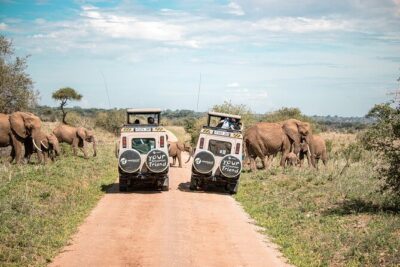 ★ 5.0Tanzania Wildlife Encounters – 6 DaysFrom $3,413277 reviews
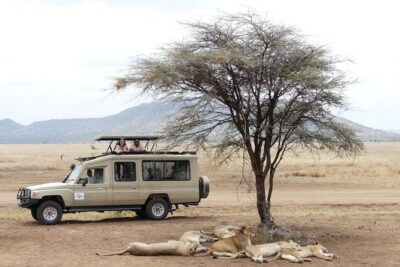 ★ 5.0Private 6-Day Tarangire Manyara Crater and Serengeti with Mid-Range LodgesFrom $2,685238 reviews
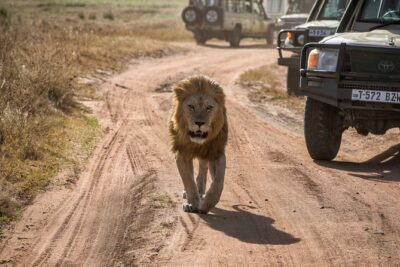 ★ 5.06 Days Private Budget SafariFrom $2,300163 reviews
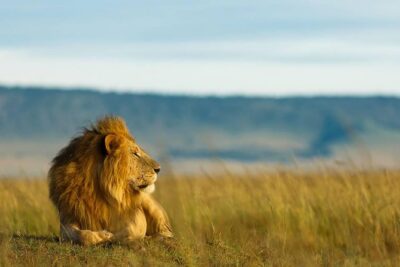 ★ 5.06 Days Tanzania Budget Camping SafariFrom $1,600145 reviews
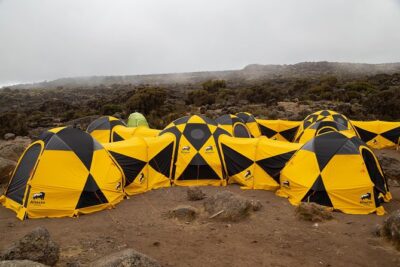 ★ 5.0Kilimanjaro climb, Lemosho Route (6-day)From $3,034129 reviews
 ★ 5.0Tanzania Enticing Explorations – 6 DaysFrom $3,341106 reviews
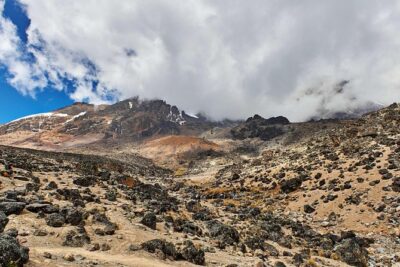 ★ 5.0Kilimanjaro climb, Marangu route (6-day)From $2,90272 reviews
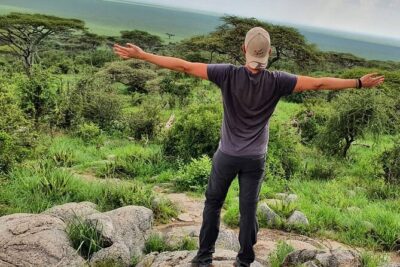 ★ 5.06 days Tanzania budget safariFrom $2,50065 reviews
Browse the lists this tour appears in