
REVIEW · KILIMANJARO MACHAME ROUTE
6-Day Private Guided Machame Hike Tour at Kilimanjaro
Kilimanjaro feels personal on the Machame route. This private guided trek with Tarry Adventures and Safaris is built around a steady pace, real mountain logistics, and a careful gear inspection before you start. I like that they’re locally run and licensed, not a fly-by-night operation, and that they pay guides and porters well.
What I really like most is the human side of the climb. You meet your guide in advance for planning, like an on-the-ground check-in with your crew (I found this especially reassuring), and you get full board meals along the trail. The second thing I like is that the schedule pays attention to how the mountain hits you, with slow uphill days that create time to acclimatize.
One consideration, though: the later days are intense, and the weather and exposure are real parts of the experience. By Day 4 and Day 5 you are dealing with cold wind, darkness, and steep terrain, and your knees and headspace have to be ready for that.
In This Review
- 5 Key Reasons This Machame Trek Works So Well
- Moshi Start, Private Crew Feel, and Real Accountability
- Day 1: Machame Gate to Rain Forest and Giant Heather Overnight Camp
- Day 2: Short, Steep Rocky Days With Shade-Challenged Heat
- Day 3: Lava Tower Lunch, Optional Head-Up, Then Barranco Camp
- Day 4: Barranco Wall, Heim Glacier Views, and the Wind at Barafu
- Day 5: Midnight Summit Push, Stella Point at 5,700m, and Uhuru Peak
- Day 6: Mweka Gate Descent, Knee Reality, and Summit Certificates
- Price and Value: What $2,000 Gets You on Kilimanjaro
- Food, Help, and the Human Team Behind the Summit
- Tips, Porters, and How Not to Create Confusion at Mweka Gate
- Who Should Book This Machame Tour (and Who Should Pause)
- Should You Book Tarry Adventures and Safaris for the Machame Route?
- FAQ
- What is included in this Machame hike tour?
- What is not included in the price?
- How long is the Machame hike?
- What summit milestones and certificates are offered?
- Is this tour private?
- What happens if weather is poor?
5 Key Reasons This Machame Trek Works So Well
- Pre-trip gear and planning check so you start the climb with fewer surprises.
- Included park admission tickets each day, so you can focus on walking and recovery.
- Food is handled day after day with breakfast, lunch, and dinner built into the trek rhythm.
- Day-by-day pacing for acclimatization, including slow, break-friendly uphill miles.
- Summit recognition with certificates for Stella Point and Uhuru Peak, not just a vague finish line.
Other ways up Kilimanjaro we reviewed
- Kilimanjaro climb by Lemosho Route (7-day)★ 5.0 · 651 reviews
- Kilimanjaro climb, Machame Route (7-day)★ 5.0 · 262 reviews
- Kilimanjaro Climbing Lemosho Route 8 Days.★ 5.0 · 186 reviews
- Climbing Kilimanjaro – Machame Route★ 5.0 · 170 reviews
Moshi Start, Private Crew Feel, and Real Accountability
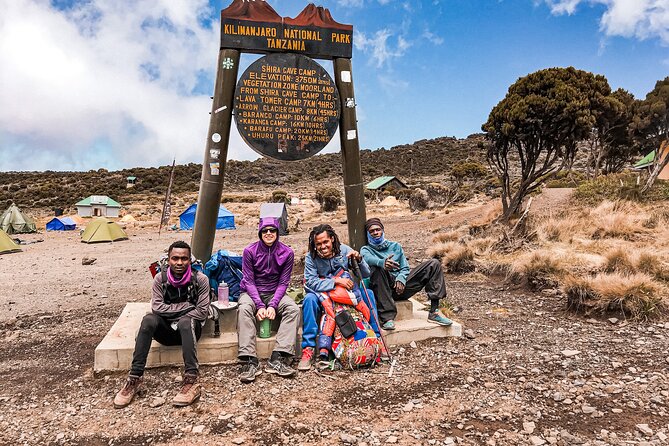
Most Kilimanjaro treks begin with a drive from Moshi, and this one does too. Pickup is offered from your accommodation, and you meet your guide and the rest of your team around the Machame gate for registration, so you’re not guessing how the day will run.
I appreciate the operator approach here. Tarry Adventures and Safaris presents itself as locally owned, certified, and licensed, and it emphasizes staff welfare. They also mention inspecting gear for both customers and staff before the trip begins, plus a promise that part of climb profits goes toward sending a child to school. Even if you never see the paperwork, that kind of care for people matters on a multi-day mountain where teamwork is everything.
This is also private by design. Only your group participates, and there are group discounts listed, which can matter if you’re climbing with friends or a couple of families.
Day 1: Machame Gate to Rain Forest and Giant Heather Overnight Camp
Day 1 is your on-ramp to Kilimanjaro. You’re collected from your place, driven to the Machame gate, and then you register before your first real walking day. The plan starts in rain forest and moves into giant heathers, which gives you a big change in feel even before altitude really takes over.
Expect a long day: about 6 hours of hiking through changing vegetation, plus the time around registration and travel. Day 1 is also when your crew helps you settle into rhythm, because you start meeting the realities of the climb: slow steps, steady breathing, and lots of small breaks.
If you like your first day to feel scenic rather than stressful, this works. Rain forest trails tend to feel less brutal than exposed routes, and giant heathers start hinting that you are heading upward into a colder, more dramatic world.
Day 2: Short, Steep Rocky Days With Shade-Challenged Heat
Day 2 brings short and steep rocky and dusty trails, and it’s described as a slow hike with plenty of breaks. That slow pace is not laziness. It is strategy. On a climb like this, the goal is to move steadily while giving your body time to adjust.
A key detail is that much of Day 2 is rather bare of vegetation, meaning you do not get much shade from heat. You’ll cross ridges and see the first of many Senecias, which are part of Kilimanjaro’s high-mountain plant life.
This is the day where I’d tell you to pay attention to how your body responds to effort. You might not feel altitude yet as a big headline, but you can still feel fatigue building. The breaks are part of the deal, so don’t treat this like a race day.
More Machame departures, compared
Day 3: Lava Tower Lunch, Optional Head-Up, Then Barranco Camp
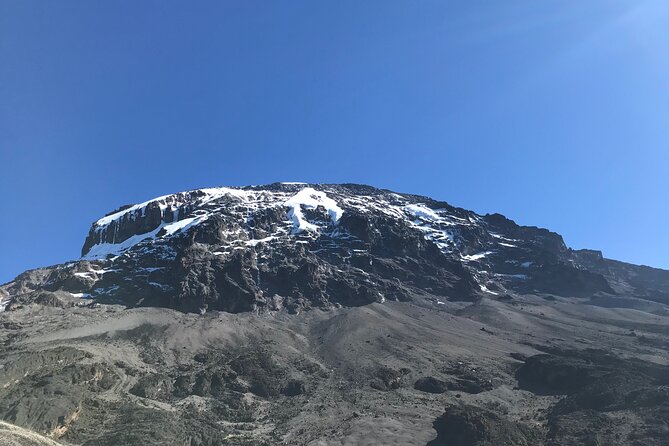
Day 3 starts with climbing over boulders, then transitions into a steady uphill pull to Lava Tower. Lunch is scheduled around noon, and this is also where altitude can start to tap you. There’s a specific note that if you climb Lava Tower, you may get a mild headache due to altitude change.
Lava Tower is listed at 14,850 feet, so it’s not symbolic. It is real climb time and it can affect you. If you are someone who gets headaches easily, take it seriously, and listen to how you feel.
After lunch and the Lava Tower stop, the plan drops for about 2 hours on dusty and rocky trails to Barranco Camp at 13,000 ft. Day 3 matters because it mixes a rewarding high point with a controlled descent. It sets you up for the next day’s famous obstacle.
Day 4: Barranco Wall, Heim Glacier Views, and the Wind at Barafu
Barranco Wall is the star of Day 4. You spend the night at Barranco Camp, then head up this imposing-looking section called Barranco Wall. The good news is it normally turns out to be easier than it looks, especially if you stay focused on technique and pacing rather than speed.
As you climb, you top out just below the Heim Glacier, and the scenery becomes more dramatic. After that, you head toward Barafu Camp.
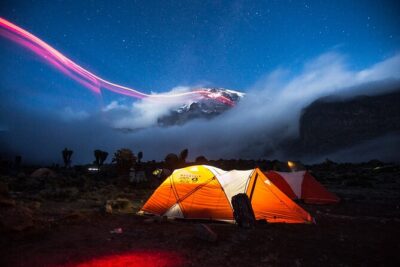
Barafu is described in plain terms: bleak and inhospitable. It’s also exposed to ever-present gales, and tents are pitched on a narrow, stony ridge. The practical advice is clear: familiarize yourself with the terrain before dark to avoid accidents. In other words, don’t assume the ground will forgive you just because you’re tired.
This is not the day for overconfidence. You’re getting close to the big push, and the wind and exposure can sap energy. If you manage your time well and protect your rest, you’ll be in better shape for the midnight start.
Day 5: Midnight Summit Push, Stella Point at 5,700m, and Uhuru Peak
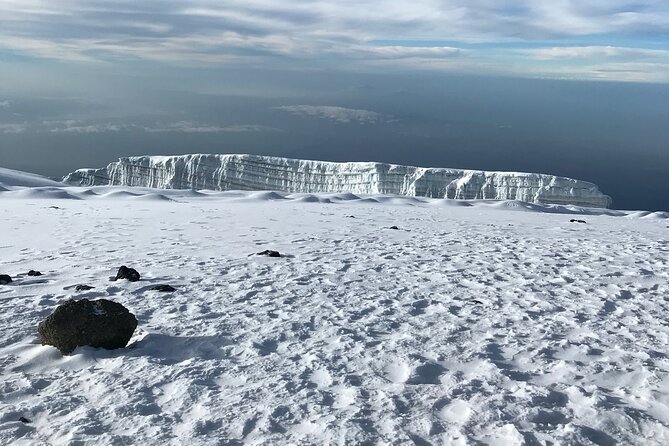
Day 5 is the summit day, and it starts early, between midnight and 2am. You move along a route described as ascending between the Rebmann and Ratzel glaciers, heading northwesterly toward Stella Point on the crater rim.
Stella Point is listed at 5,700 m. This is described as the most mentally and physically challenging part of the trek. That matches what you should expect, but the key here is how it’s handled: you get a stop at Stella Point for rest, and if weather permits you’re rewarded with one of the best moments of the whole climb, a magnificent sunrise.
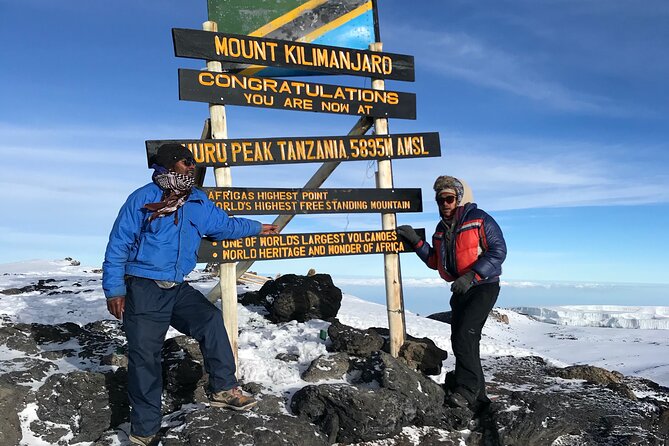
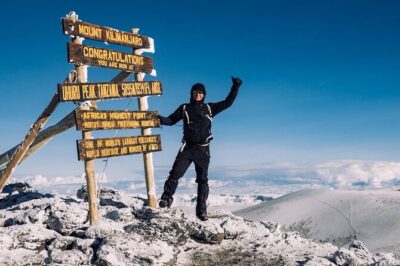
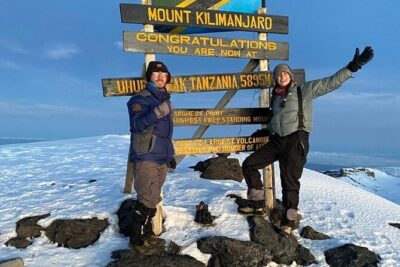
From Stella Point, there may be snow as you work through the final stretch, and then the plan includes about 1 hour of ascent to the top. At Uhuru Peak, you reach the highest point of Kilimanjaro and Africa.
Time and weather matter. The day is short on kindness and long on effort, so think of it as a controlled grind with a light at the end of the tunnel, sunrise permitting.
Day 6: Mweka Gate Descent, Knee Reality, and Summit Certificates
After a well-deserved breakfast, Day 6 is your descent to Mweka gate. The hike is listed as scenic and takes about 4 to 6 hours, depending on how your body holds up.
A practical note is called out clearly: some hikers experience knee problems, which can stretch the descent longer than planned. So if you tend to get knee pain on downhills, treat the last day as your most careful walking day, not your victory lap.
Once you reach the gate, you sign your name and details in a register. This is also where successful climbers receive summit certificates. There are two specific outcomes listed:
- Green certificates for reaching Stella Point (listed at 5,739 m)
- Gold certificates for reaching Uhuru Peak (listed at 5,895 m)
Then a vehicle meets you at Mweka village and drives you back to your accommodation. That handoff is important, because it helps you transition from mountain mode to normal life mode without extra scrambling.
Price and Value: What $2,000 Gets You on Kilimanjaro
The price is $2,000 per person, which is not pocket change. The value here comes from what’s actually included and how the operator shows up as a team.
You get meals every day in the plan: 5 breakfasts, 5 lunches, and 5 dinners. You also get admission tickets included (listed for every day). Plus pickup is offered, and you get a mobile ticket, which reduces the hassle once you’re in Tanzania.
The private format also has value. Your group is the only group moving through the plan, so your schedule and pacing are set around your crew rather than shoehorned into a public-style timeline.
Is it worth it? If you want a smooth, organized experience where the climbing staff are cared for, and where meals and access fees are handled for you, the price lines up with the effort and risk of Kilimanjaro. If you are the kind of climber who likes total self-management and does not want a structured team, then you might feel like you are paying for coordination you won’t use. Most people who book Kilimanjaro do want that structure.
Food, Help, and the Human Team Behind the Summit
One of the best parts of this kind of trek is that your success depends on how well the team handles the basics: food, pace, and problem-solving when things get messy.
The information you’re given here includes a focus on staff well-being and gear checks, and it shows up in how crews prepare you before the climb. In one example, Peter set up a meeting with guide Martin before the trek, including a gear check and clear explanations of the schedule. Another account notes meeting Martin the day before and getting planning support up front, which is exactly what you want when you’re about to start a long effort.
On the mountain itself, there’s a note that you can have hot meals three times a day as part of how the trek runs. That matters because consistent calories are not a luxury at altitude, they are fuel.
And if something goes missing? In at least one case, guide Jackson borrowed missing clothing and utensils before the climb. That’s the kind of detail that can save your trip from turning into a scramble.
Tips, Porters, and How Not to Create Confusion at Mweka Gate
Tipping is a sensitive topic in many countries, but the key guidance here is specific: it is strongly recommended not to pay porters any tips until you and all your gear have reached the gate safely. That keeps things orderly and reduces the chance of logistics confusion at a point where everyone is tired.
This is one of those rules that seems small until you’re actually standing at the finish line. Follow it, and you’ll keep the moment focused on completion rather than last-minute paperwork or misplaced cash.
Who Should Book This Machame Tour (and Who Should Pause)
This trek is described as requiring strong physical fitness. It also includes long days and steep terrain across multiple altitude zones, plus a midnight summit push.
This is a good fit if:
- you want a private guided experience with a clear team setup in Moshi
- you prefer a plan that builds in slow walking days for acclimatization
- you like the idea of earning summit milestones with Stella Point and Uhuru Peak certificates
You might want to pause if:
- downhill walking is a major knee trigger for you, because Day 6 can depend on how your knees behave
- you are not comfortable with very early starts and exposed ridges in windy conditions around Barafu
Kilimanjaro rewards preparation more than bravado. If you can show up ready for effort and follow your guide’s pacing, you’ll likely do well.
Should You Book Tarry Adventures and Safaris for the Machame Route?
I’d book this tour if your priority is a well-run, private trek with meals and park fees handled, plus staff care and clear pre-climb planning. The Machame route also matches the kind of climb you want if you like variety: forest and heathers, ridges and Senecias, Lava Tower and Barranco Wall, then the summit push through Stella Point to Uhuru Peak.
If you’re chasing a low-effort hike, this is not that. This is a real climb with cold wind at Barafu, a tough mental segment around Stella Point, and a descent that can test your knees.
If you want a structured, human-centered way to do Kilimanjaro, this one fits the bill.
FAQ
What is included in this Machame hike tour?
The tour includes breakfast (5), lunch (5), and dinner (5), plus admission tickets each day. Pickup is offered, and a mobile ticket is provided.
What is not included in the price?
The tour notes that personal equipment such as hiking gears is not included.
How long is the Machame hike?
It’s a 6-day trek, with hiking time listed per day (about 6 hours on Day 1, up to around 14 hours on some days, and 4 to 6 hours for the final descent).
What summit milestones and certificates are offered?
At the end, certificates are issued based on altitude milestones. Green certificates are for reaching Stella Point (listed at 5,739 m) and gold certificates are for reaching Uhuru Peak (listed at 5,895 m).
Is this tour private?
Yes. It’s described as a private tour/activity, and only your group will participate.
What happens if weather is poor?
The experience requires good weather. If it is canceled due to poor weather, you will be offered a different date or a full refund.
More Machame Departures
- Kilimanjaro climb, Machame Route (7-day)
★ 5.0 · 262 reviews - Climbing Kilimanjaro – Machame Route
★ 5.0 · 170 reviews - Climbing Kilimanjaro through 7 days Machame Route
★ 5.0 · 151 reviews - #1. Best Kilimanjaro Day hike Tour-Machame Route-ISMANI
★ 4.2 · 47 reviews - 7 Days Machame route – Kilimanjaro
★ 5.0 · 45 reviews
Kilimanjaro, Route by Route
- Kilimanjaro climb by Lemosho Route (7-day)
★ 5.0 · 651 reviews - Kilimanjaro climb, Machame Route (7-day)
★ 5.0 · 262 reviews - Kilimanjaro Climbing Lemosho Route 8 Days.
★ 5.0 · 186 reviews - Climbing Kilimanjaro – Machame Route
★ 5.0 · 170 reviews - Climbing Kilimanjaro through 7 days Machame Route
★ 5.0 · 151 reviews
Just added from around Moshi
Kilimanjaro Machame Route, compared.
 ★ 5.0Kilimanjaro climb, Machame Route (7-day)From $3,377262 reviews
 ★ 5.0Climbing Kilimanjaro – Machame RouteFrom $2,322170 reviews
 ★ 5.0Climbing Kilimanjaro through 7 days Machame RouteFrom $2,425151 reviews
 ★ 5.07-Day Machame Kilimanjaro Summit Tour from ArushaFrom $2,695125 reviews
 ★ 5.07 Days Kilimanjaro via Machame route affordable priceFrom $2,400110 reviews
 ★ 4.2#1. Best Kilimanjaro Day hike Tour-Machame Route-ISMANIFrom $11547 reviews
 ★ 5.07 Days Machame route – KilimanjaroFrom $2,85045 reviews
 ★ 5.0The Best of Machame Route in 6 Days: Your World’s Summit GuideFrom $1,15044 reviews
Browse the lists this tour appears in