
REVIEW · KILIMANJARO MACHAME ROUTE
6 Day Machame Route – Climb Mount Kilimanjaro
Your Kilimanjaro starts before sunrise. The Machame Route is known for variety, moving from rainforest to moorland and then into sharp, high-altitude scree on the way to Kilimanjaro’s big day. If you like a trek that feels structured but still wild, this one fits the bill.
I especially liked the way the crew runs the rhythm of the days. Guide Emmanuel is singled out for listening to you on the hike and adjusting as needed, and I also appreciated the reports of food that was very good and plentiful, day after day, not just on the summit finale.
The main consideration is effort timing and altitude reality. The trek includes a midnight start for the summit push, and the whole climb depends on good weather, which can affect scheduling.
In This Review
- Key highlights worth noting
- Where this trek actually starts, Moshi first
- Day 2 on the Machame: rainforest trekking with real mud
- Day 3 to the Shira Plateau: steeper, higher, and better views
- Day 4 on high moorland: the acclimatization day up to 4,600m
- Day 5: Great Barranco, the wall climb, and Karanga Valley water
- Summit day, midnight start: Stella Point at first light then Uhuru Peak
- Day 7 descent through rainforest and the certificate moment
- Day 8 free time in Moshi, plus Zanzibar add-ons
- Price and logistics: what $2,000 buys you in real terms
- Who will love this trek, and who should rethink it
- Practical prep tips based on this route plan
- Should you book this 6 Day Machame route with Rupia Adventure?
- FAQ
- How long is this trek, and is it the Machame route?
- Where do you start, and what time does the trek begin?
- What are the main summit targets and altitudes?
- When do you start the summit push?
- Are meals included?
- How big is the group?
- Is this experience refundable if I cancel?
Key highlights worth noting
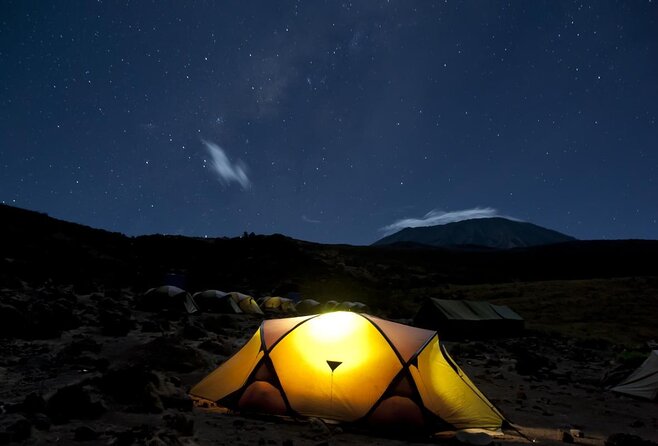
Machame Route variety from forest to high moorland: You get multiple “worlds” to walk through, not one long sameness.
Walk high, sleep low: You spend time at altitude while still managing acclimatization intentionally.
Sunrise at Stella Point: The plan has you on the crater rim around first light before heading to Uhuru Peak.
Small group size: Up to 15 travelers means you are less likely to feel like a number.
Support that includes crew and porters: You start with park formalities and then meet your crew once the climb begins.
Other ways up Kilimanjaro we reviewed
- 8-Day Small-group Lemosho Kilimanjaro Summit Trekking★ 5.0 · 186 reviews
- 7-Day Machame Kilimanjaro Summit Tour from Arusha★ 5.0 · 125 reviews
- Mountain Kilimanjaro Day Hike★ 5.0 · 102 reviews
- 4 days Best experience Kilimanjaro Hike, Serengeti &Ngorongoro★ 5.0 · 54 reviews
Where this trek actually starts, Moshi first
Most Kilimanjaro stories start with boots on the trail. This one starts with logistics that matter. You get picked up at Kilimanjaro International Airport and transferred to a hotel in Moshi for your first night, then you meet your guide and do an equipment check. That check is worth taking seriously. If something is missing, you can rent gear on that day, which saves you from scrambling on day two while everyone else is already moving.
This also helps your body, in a practical way. Arrival days are stressful. You will sleep, eat, and get a gear baseline before you climb into thin air. Plus, you’ll get a trek briefing and an overview of what is coming next, which makes the next days feel less like guesswork.
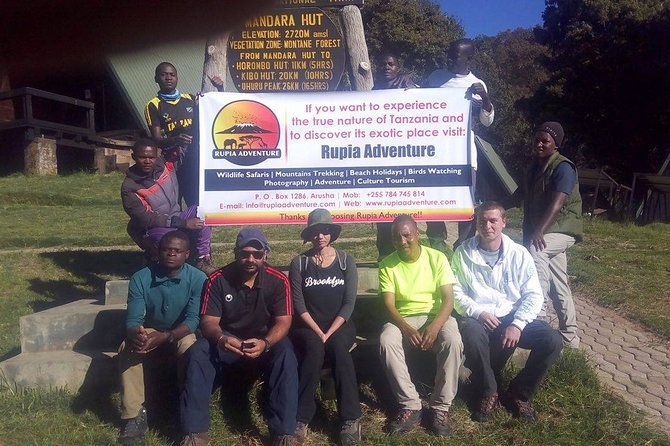
You’ll also see the way Rupia Adventure frames the experience: “ordinary tours become special” is marketing language, but you can feel the intent in the staffing model, the structured days, and the fact they plan with value in mind. Even the mention of mobile ticket points to a modern setup, not a messy paper chase.
Day 2 on the Machame: rainforest trekking with real mud
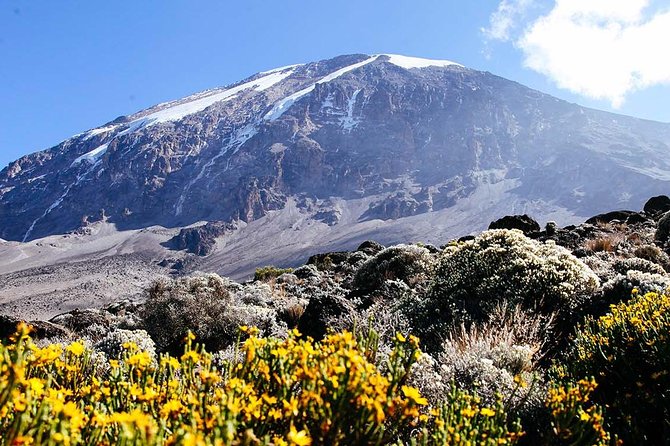
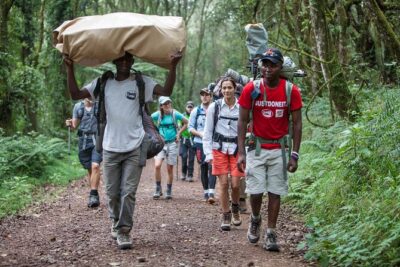
Day two is where Kilimanjaro starts to feel physical. After the drive from Arusha to the gate of the Machame route, you handle park formalities and meet your crew of porters. Then the first section climbs steadily through dense rainforest.
This is the part many people underestimate. Forest can mean deep shade, constant damp, and slippery footing. The route can be overgrown and often wet and muddy. If you think your “training plan” is only for legs, this day reminds you to train for your feet too. Good footwear and careful steps beat heroics here. You are gaining altitude and learning how to walk efficiently on uneven ground.
Distance is listed at 10.8 km and about 6 hours. That is long enough to set your pace and short enough that you still feel like you can breathe and regroup. It is a useful first climb day because it builds rhythm without throwing you into the most punishing terrain yet.
One more thing I like about starting this way: the rainforest walking gives you a mental reset. You’ll be surrounded by greenery and humidity, which makes the eventual shift to moorland feel like a dramatic plot twist.
Day 3 to the Shira Plateau: steeper, higher, and better views
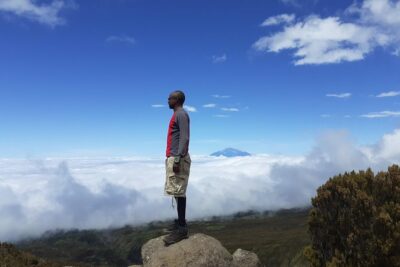
Day three continues up the route through forest until you reach the steep ascent onto the Shira Plateau. This is where the trek starts to reward effort more clearly. You get rewarding views of the mountain, and when you look back, Mt Meru rises above Arusha in the distance.
This is a key day for two reasons. First, you’re still moving toward big altitude. Second, the views help you keep focus when the walking starts to feel repetitive. There is something psychologically powerful about catching sight of where you’ve been and where you are heading.
It is listed at 5.4 km and about 5 hours. Less distance than day two, but the “density” of the climb often feels higher because you are changing altitude faster. If you tend to rush on shorter days, try not to. Think smooth and steady, because you are building for the next days, not winning day three.
More Machame departures, compared
Day 4 on high moorland: the acclimatization day up to 4,600m
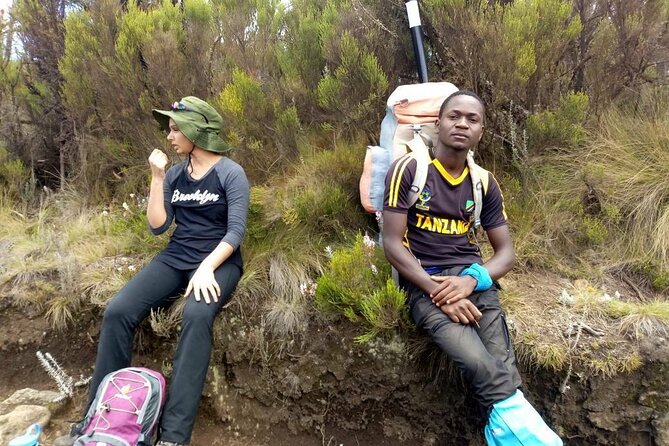
Day four switches from rainforest to high moorland, and the character of the trek changes fast. You traverse along the southwest side of Kilimanjaro, passing underneath the Lava Tower and then moving toward the final section of the Western Breach. You finish at camp after a long day, with altitude reaching up to 4,600 m.
The itinerary calls out the mountaineering code walk high, sleep low. That idea matters because your body is dealing with less oxygen, not just more distance. At 4,600 m, you are high enough that acclimatization choices can make the difference between “annoyed but fine” and “really fighting your lungs.”
This day is listed around 10.8 km and about 8 hours. Longer than day two and similar in time to a serious hike. It is also the day when you learn your personal altitude tolerance. You might feel head pressure, reduced appetite, or sluggishness. None of that automatically means disaster, but it’s your body telling you to keep pacing conservative.
What I like is that the plan is not just a straight march upward. It acknowledges acclimatization as part of the route design. Even if you are fit, this kind of pacing is still smart.
Day 5: Great Barranco, the wall climb, and Karanga Valley water
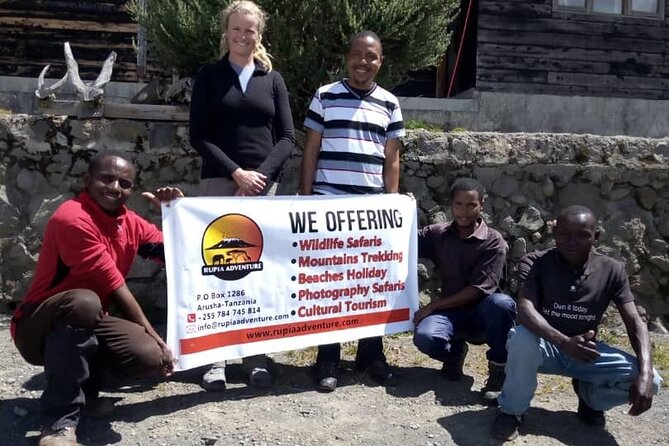
Day five begins with a descent into the Great Barranco, a huge ravine. Then you exit steeply, climbing the Great Barranco Wall, which divides the trekkers from Kilimanjaro’s southeastern slopes of Kibo.
This is not described as technical climbing. It is rock and stairs and foot placement. But it is long and tiring, and you’ll feel it in your legs. The big trick is not to let the steep sections force you into high effort gasps. Keep your steps small and controlled.
As you pass underneath the Heim and Kersten glaciers, you move toward the Karanga Valley. The plan notes this as your last stop for fresh water before the summit push area, which is a big practical detail. Hydration affects everything on summit day. Even if water feels like one more thing to manage, treat it like fuel.
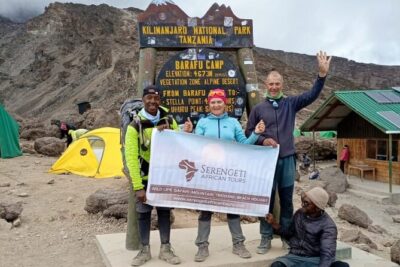
The terrain shifts again. Scree appears, and you walk through more arid, desolate land toward Barafu camp. Distance is 8.5 km and about 8 hours. Shorter distance than day four, but don’t let that fool you. The combination of descent, wall climb, and scree walking can drain you.
If you want one piece of advice, it is this: day five is the day to protect your strength. You are not just building toward the summit, you are setting up how you’ll feel when you start at midnight.
Summit day, midnight start: Stella Point at first light then Uhuru Peak
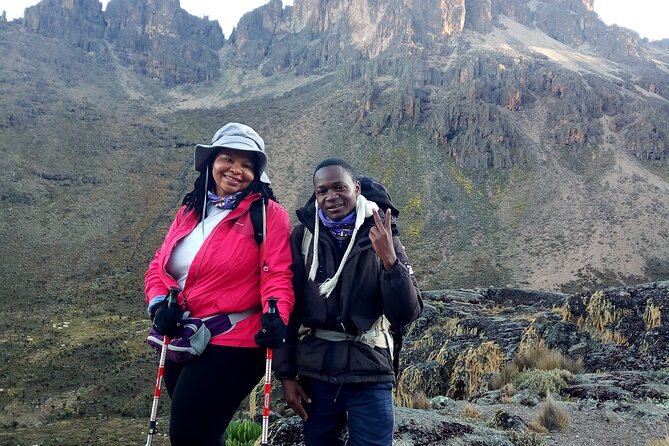
Day six is the “keep calm and climb” day. You start around midnight, walking steeply upward toward the summit glaciers. The itinerary describes 4 to 5 hours of climbing scree over a short distance, and then you gain incredible height.
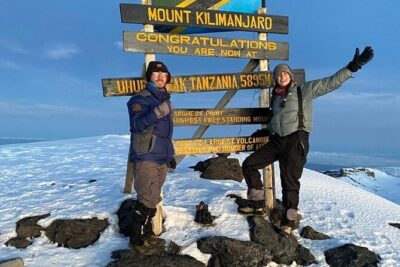
The plan aims for you to reach the crater rim at Stella Point (5739 m) as the first rays of sun hit. That moment is the payoff for the dark hours before it. Then you continue for another hour to reach Uhuru Peak (5895 m).
This is long, but it’s also a route with a clear structure. You climb, you hit a landmark, you climb a bit more, then you descend. From Stella Point you return and descend on scree slope back to Barafu Camp for breakfast, then head down to Millennium Camp for rest.
Total distance is listed at 13.4 km with 12 to 15 hours on the clock. That is a brutal day, even for experienced trekkers. The smartest mindset is to focus on controllables: your pace, your breathing, your hydration routine, and how you manage cold early on.
I also appreciate that the itinerary spells out the sequence and the targets. When you know what you are aiming for, you can stop guessing and stop stressing about the unknown.
Day 7 descent through rainforest and the certificate moment
Day seven is where you get your legs back, but you do not get a casual day. You start with a gentle trek down through rainforest to Mweka Gate, then complete park formalities and receive certificates.
That certificate part sounds small, but it gives a clean ending to the climb. You are not just exhausted and walking away. You get a formal wrap, and that helps the experience feel complete.
Distance is 12.1 km and about 6 hours. After that, you’re met by vehicles and returned to your Moshi hotel, with a welcome shower and time to celebrate. The itinerary mentions cold beer or two and that’s exactly the kind of deserved detail that makes the end feel real.
Overnight is Mvuli Hotel (or alternative). That matters, because after sunrise-summit-scree day, you want a real bed, not just another camp and another night of sleeping in the cold.
Day 8 free time in Moshi, plus Zanzibar add-ons
Day eight is left free to wind down. Depending on flight times, you can explore Moshi town and grab souvenirs before heading back to the airport.
If you want to continue beyond Kilimanjaro, the setup mentions Safari and Zanzibar add-ons. That is useful because Kilimanjaro alone is a huge emotional high. Pairing it with a safari day or a beach break can make the trip feel like a full Tanzania story, not just a single challenge.
Even if you do not add anything, this buffer day helps your recovery. Your body will still be processing altitude and effort for at least a day or two after the last steps.
Price and logistics: what $2,000 buys you in real terms
The price listed is $2,000 per person, and the best way to judge value is by what you get for the days on the mountain, not by the headline number.
Here is what stands out in the package details you are given:
- Meals included: dinner (5), breakfast (7), lunch (6). That is not glamorous, but it is essential. When you are climbing at altitude, planning food is planning energy.
- Transfers: airport pickup to Moshi on day one, and vehicle return to Moshi after Mweka Gate. That reduces stress and keeps you on schedule.
- Group size: maximum 15 travelers, which often means less crowding on the trail than bigger groups.
- Guiding and gear support: you meet a guide for briefing and equipment checks, and missing gear can be rented on arrival day.
- Modern ticketing: mobile ticket is referenced, which usually means a smoother confirmation trail.
You should still think about what is not included. The only item explicitly listed as not included is use of bicycle, which is basically a non-issue for most people on Kilimanjaro. The practical point is that the climb itself runs on the team, your gear, and included basics, rather than requiring you to improvise.
Also worth noting: the experience is marked as non-refundable and cannot be changed. That does not mean you should ignore the price. It just means you need to be confident in your ability to commit and align your schedule with good weather windows.
Who will love this trek, and who should rethink it
This trek is described as suitable for most travelers. That does not mean it’s casual. Kilimanjaro is still demanding, and the plan includes very long days and a summit push starting around midnight.
You will likely enjoy it if you:
- Want a structured route with acclimatization built into the day plan.
- Like the idea of multiple terrain shifts, from rainforest to moorland to scree.
- Are comfortable with a full day that can run 12 to 15 hours on summit day.
- Value a smaller group experience, capped at 15.
You might want to rethink it if you are not prepared for steep climbing and cold early hours. Also remember that the experience requires good weather, so if you have flexible boundaries around time, that matters. A mountain does not care about your calendar.
Practical prep tips based on this route plan
You can’t control altitude, but you can control how prepared you feel. Based on the Machame itinerary, these are smart priorities:
- Train for steep, uneven steps. Day five includes a descent and a steep wall climb. Summit day includes hours of scree walking. Legs that only know flat trails can suffer.
- Plan for cold and start-time reality. Midnight start means you will be dealing with darkness, cold air, and the long wait before sunrise. Your gear choices matter.
- Protect hydration starting early. Karanga Valley is your last fresh water stop before the summit area. Stick closely to your routine so you do not scramble later.
- Use the guide’s pace adjustments. One standout in the experience is that guide Emmanuel listens and adapts to hikers. If you feel off, speak up early.
- Keep your focus on the landmarks. The plan hits Stella Point at first light and Uhuru Peak afterward. Break the day into those “checkpoints” so you do not mentally melt.
If you like clear structure, this climb provides it. If you prefer totally effortless hiking, Kilimanjaro is not that kind of vacation.
Should you book this 6 Day Machame route with Rupia Adventure?
I think this is a strong pick if you want the classic Machame experience with a real focus on pacing, food, and small-group management. The parts you’ll thank yourself for are the acclimatization approach, the clear summit sequence, and the fact that you get meals and transfers handled so you can focus on walking and breathing.
Book it if you:
- Can commit to your dates and accept the non-refundable setup.
- Are ready for long hiking days and the midnight summit start.
- Want a route that changes terrain often, rather than one uniform slog.
Skip it or delay if:
- Your schedule depends on last-minute changes.
- You are not ready to deal with weather uncertainty.
- You cannot handle very steep sections like the Great Barranco Wall climb.
If you’re the type who wants a serious challenge with a supportive team and a well-run plan, this is the kind of Kilimanjaro trip that leaves you with memories for years, not just photos for your phone.
FAQ
How long is this trek, and is it the Machame route?
The package is listed as an 8-day trip (approx.) that includes a 6-day climb on the Machame route up to Uhuru Peak.
Where do you start, and what time does the trek begin?
You start from the Kilimanjaro area with pickup offered, and the start time is listed as 8:30 am. Day one includes pickup at Kilimanjaro International Airport and transfer to your hotel in Moshi town.
What are the main summit targets and altitudes?
The summit day aims for Stella Point at 5739 m as the first rays of sun hit, then continues to Uhuru Peak at 5895 m.
When do you start the summit push?
You start around midnight on day six for the ascent toward the summit glaciers.
Are meals included?
Yes. Dinner is included for 5 days, breakfast for 7 days, and lunch for 6 days.
How big is the group?
The experience has a maximum of 15 travelers.
Is this experience refundable if I cancel?
No. It is non-refundable and cannot be changed for any reason if you cancel or request amendments.
More Machame Departures
- 7-Day Machame Kilimanjaro Summit Tour from Arusha
★ 5.0 · 125 reviews - 6 Days: Hiking Kilimanjaro via Machame Route
★ 5.0 · 24 reviews - 6-Day Guided Tour in Machame Route Mt Kilimanjaro
★ 5.0 · 17 reviews - KILIMANJARO MACHAME ROUTE, (Climb 7days)
★ 5.0 · 16 reviews - 7 days Kilimanjaro climb via Machame route (Whiskey route)
★ 5.0 · 16 reviews
Kilimanjaro, Route by Route
- 8-Day Small-group Lemosho Kilimanjaro Summit Trekking
★ 5.0 · 186 reviews - 7-Day Machame Kilimanjaro Summit Tour from Arusha
★ 5.0 · 125 reviews - Mountain Kilimanjaro Day Hike
★ 5.0 · 102 reviews - 4 days Best experience Kilimanjaro Hike, Serengeti &Ngorongoro
★ 5.0 · 54 reviews - From Arusha/Moshi: Kilimanjaro Hike Marangu Route Day Trip
★ 4.5 · 54 reviews
Just added from around Arusha
Kilimanjaro Machame Route, compared.
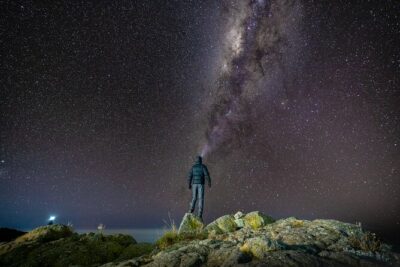 ★ 5.0Kilimanjaro climb, Machame Route (7-day)From $3,377262 reviews
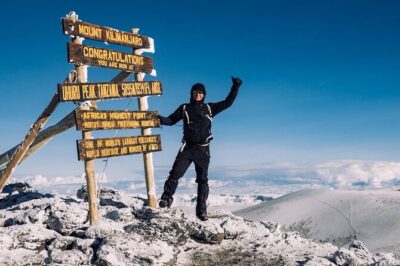 ★ 5.0Climbing Kilimanjaro – Machame RouteFrom $2,322170 reviews
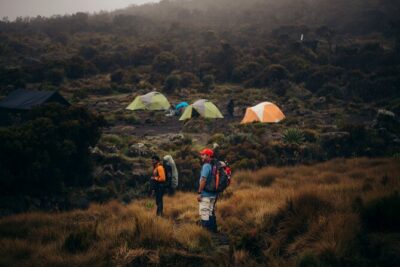 ★ 5.0Climbing Kilimanjaro through 7 days Machame RouteFrom $2,425151 reviews
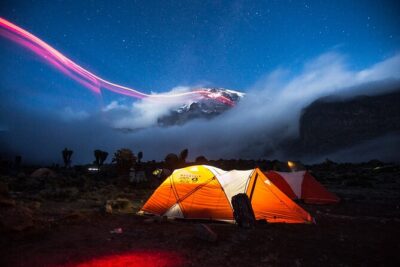 ★ 5.07-Day Machame Kilimanjaro Summit Tour from ArushaFrom $2,695125 reviews
 ★ 5.07 Days Kilimanjaro via Machame route affordable priceFrom $2,400110 reviews
 ★ 4.2#1. Best Kilimanjaro Day hike Tour-Machame Route-ISMANIFrom $11547 reviews
 ★ 5.07 Days Machame route – KilimanjaroFrom $2,85045 reviews
 ★ 5.0The Best of Machame Route in 6 Days: Your World’s Summit GuideFrom $1,15044 reviews
Browse the lists this tour appears in