
REVIEW · SERENGETI NATIONAL PARK SAFARIS
5 days Safari to Lake Manyara, Serengeti and Ngorongoro crater
Three parks, one migration story. I love the private safari guide and the way this trip strings together Lake Manyara, Serengeti, and Ngorongoro for nonstop wildlife time. The pop-up roof jeep helps you scan for animals without messing around. One thing to plan for: this includes camping, and a sleeping bag is not included (listed as $15 to rent).
I also like the focus on wildebeest migration timing, with your Serengeti days set up around where the herds tend to be. With a maximum of 15 travelers and private driving, you get the group rhythm without feeling like you are stuck with a huge crowd all day.
In This Review
- Key highlights to look for
- Why this 5-day safari route feels efficient
- Moshi arrival, hotel night, and starting in the right place
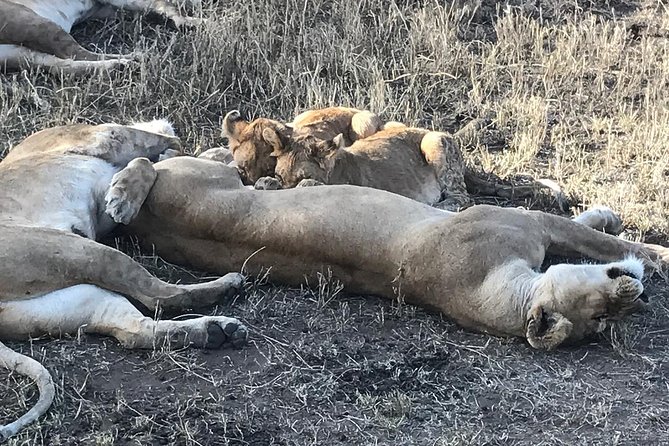
- Day 1 in Lake Manyara: tree-climbing lions and a packed variety
- Day 2 in Serengeti: Seronera grass plains and the long drive to the gate
- Day 3 in Serengeti: adjusting around where the migration is
- Day 4 in southern Serengeti near Ngorongoro: timing Feb to May
- Day 5 in Ngorongoro crater: a big game finale and an end in Moshi
- Camping safari comfort: what is included, what to bring, what to expect
- Private guide and jeep setup: the spotting advantage that matters
- Price and value of $3,300 per person
- Who this safari suits best, and who might want a different style
- Should you book this 5-day safari?
- FAQ
- How long is the safari?
- Where does the safari start and end?
- Which parks are included?
- Are meals included?
- Is park fees included?
- What vehicle will we use for game drives?
- Do I need to bring a sleeping bag?
Key highlights to look for
- Private 4×4 with a pop-up roof for better spotting from a higher view
- Lake Manyara to Serengeti to Ngorongoro as a logical wildlife route
- Game drive planning around migration movement depending on the time of year
- Picnic lunch boxes inside the parks so you spend less time driving back for food
- Camping safari setup with tents and basic comfort items included
- Guides named in past trips like Naick and Jonathan, with praise for careful driving and patience
More of the Serengeti, drive by drive
- Safari Serengeti And Ngorongoro★ 5.0 · 288 reviews
- 5 Days Camping Tarangire, Serengeti & Ngorongoro crater & Visiting Maasai★ 5.0 · 58 reviews
- 4 Days Group Joining Camping Safari to Tarangire Serengeti Ngorongoro Crater★ 5.0 · 50 reviews
- 4 Day Private Tour Throughout Tarangire, Serengeti and Ngorongoro★ 5.0 · 42 reviews
Why this 5-day safari route feels efficient
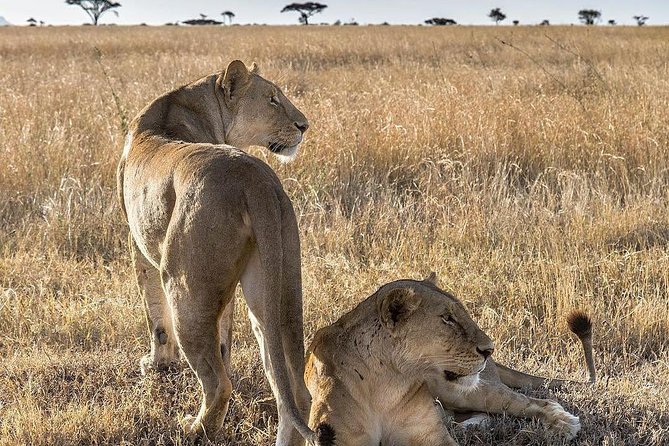
You are not doing one park and then calling it a win. This itinerary connects three major wildlife zones, which matters because animals use different habitats. Lake Manyara is good for dense activity and varied sightings. Serengeti is built for long grass plains and predator concentration. Ngorongoro crater is where the game drive often feels like a biggest-hit finale.
Your days also follow a practical rhythm. You start early, you drive through prime viewing time, then you get camp or overnight sorted in the evening. That structure helps you deal with what safari travel really is, lots of time in the vehicle, but broken up by meals and rest.
Finally, the logistics are set up so you are not juggling park payments at every turn. Park fees and crater fees are included, and that makes budgeting simpler. For many people, that is the hidden part of value.
Moshi arrival, hotel night, and starting in the right place
The trip starts in Moshi, with an airport or bus station meet and greet. You get picked up and taken for an overnight stay before the first real safari morning. The idea here is simple: arrive, eat, rest, then hit the parks bright and early.
That first dinner and overnight stop matters more than it sounds. Safari days can start before your brain is fully online. Having that first night in town also helps if your travel has delays, because you are not trying to race to the parks immediately.
Day 1 in Lake Manyara: tree-climbing lions and a packed variety
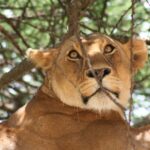
Day 1 takes you from the Arusha area toward Lake Manyara, about 2.5 hours and around 130 km by road. Lake Manyara is famous for tree-climbing lions, and it also tends to deliver a lot of other wildlife action without you having to wait forever.
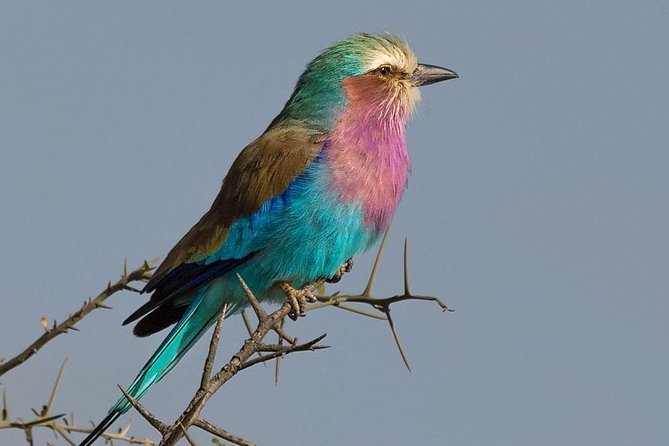
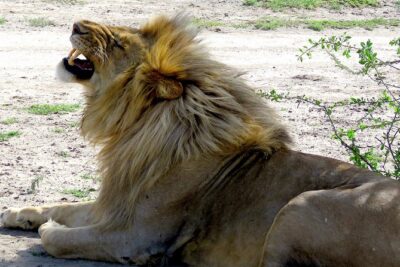
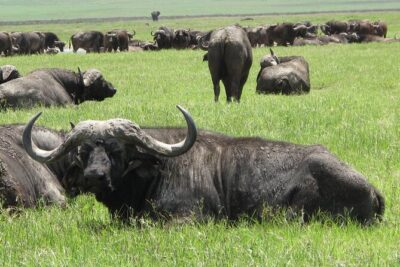
What you should expect here is variety in a single day. Beyond lions, the park is known for elephants and huge numbers of baboons, and the habitat supports many other species like buffalo, hippo, flamingo, zebra, warthog, waterbuck, dik-dik, and impala. That mix is great if you want the classic “African safari menu” right away.
The pacing is also sensible. You get a breakfast before the drive, then you enjoy a full day in the park with a picnic lunch box inside the park. Going picnic style is a smart way to keep your game drive time efficient, because you are not wasting it on long returns to lodge dining rooms.
A small consideration: Manyarus sightings are excellent, but you will still need to accept that animals move. If you are expecting lions on a schedule, safari will politely remind you that wildlife runs the show.
Other ways down into the Ngorongoro Crater
Day 2 in Serengeti: Seronera grass plains and the long drive to the gate
On Day 2, you leave early for Serengeti, with about 4 hours of driving on rougher roads to reach the park gate. That sounds like a lot, but it is part of how Serengeti access works from the surrounding regions. The key is that once you reach the viewing areas, you spend your time in the right habitat.
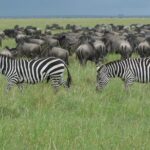
Your game drive focuses on the Seronera central grass plains. The grass plains are famous because they support large herds and can bring predators into sharper view. If you like the classic Serengeti feel, this is where you get it: open sightlines, big animal movement, and the kind of predator and prey interaction safari guides watch for.
You also have an evening plan, you return for dinner and sleep at a campsite. That is not just a comfort detail. Camping nights are part of the rhythm that keeps you ready for early mornings the next day.
Practical tip: Bring patience for the road time. If you get grumpy at bumpiness, you will feel every minute. If you treat the ride like a warm-up, the day feels more balanced.
Day 3 in Serengeti: adjusting around where the migration is
Day 3 is the second Serengeti day, with another game drive across the central grass plains. The big difference is that your exact focus depends on where the migration is at that moment. This is what separates a real safari experience from a simple checklist.
Your day includes another picnic lunch box in the wild, so you can eat while you are still in the action zone. That matters because wildlife viewing often works in short bursts. If the animals decide to move, you want to be positioned to catch it.
When you return to camp, dinner and overnight are handled again. This is a relief if you want the experience without thinking about logistics. You can spend your energy on spotting, photographing, and just watching how quickly the scene changes.
The drawback to keep in mind is realistic: you can plan for the migration, but you cannot control it. Your guide can only chase probability and current conditions.
Day 4 in southern Serengeti near Ngorongoro: timing Feb to May
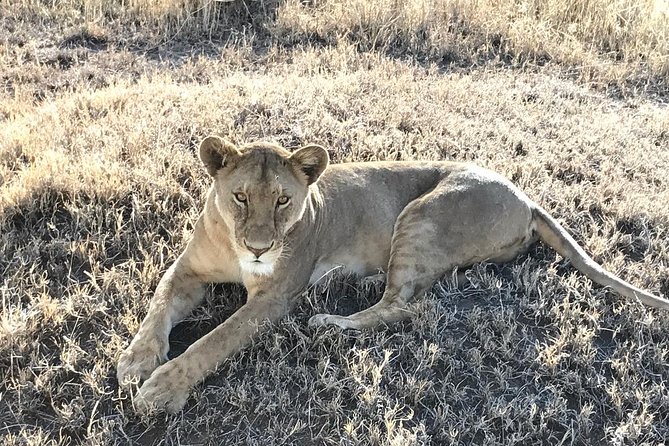
Day 4 shifts you toward the southern grass plains of Serengeti near the Ngorongoro Conservation Area. The itinerary specifically notes that the migration is often in this area during February to May. So if your travel window falls in those months, you may have a stronger chance of being in the right zone for that movement.
You will enjoy another awesome game drive here, then return again for a picnic lunch box in the wild. In the evening, you head back to a campsite for dinner and overnight.
This day is valuable because it changes the viewpoint. Central plains and southern plains can feel different in how animals cluster and how predator activity shows up. Even if the itinerary sounds similar on paper, your real day will feel different because the habitat and animal behavior can shift.
Consideration: If you travel outside that February to May window, you can still have a great safari day. Just expect that the migration patterns might not line up with the southern plains as strongly.
Day 5 in Ngorongoro crater: a big game finale and an end in Moshi
Your final morning is dedicated to Ngorongoro crater. You leave early after breakfast and head out for an amazing game drive, described as a popular site for Big Five animals. That Big Five note signals the kind of density people hope for, not a guarantee that every species shows up every drive.
In the evening, the trip transfers you back to Moshi for relaxation and flight preparation. This ending is practical. It is easy to burn out if you keep driving after your last crater morning.
What I like about this finale is the emotional arc. Many safaris end with travel days that feel like a damp squib after the best wildlife viewing. Here, the crater is the finale, then you get an actual recovery time back in Moshi.
Camping safari comfort: what is included, what to bring, what to expect
This is a camping safari with a few clear comfort supports. Your package includes camping gears, with a tent setup for two people per tent, plus mattress, table, chair, and pillow. That is not luxury, but it is not bare-bones either.
Meals are included, with 3 meals per day and mineral water on safari. You also get camping handled as part of the schedule, so you are not improvising daily.
The one item you should not ignore is the sleeping bag. The tour lists sleeping bag rental at $15, which means you should plan to either bring your own or budget for the rental. If you skip that, the comfort gap can be noticeable, especially at night.
Also, bring a basic mindset adjustment. Safari camping is part of the adventure, but it is still camping. Expect a little dust, early starts, and the reality that you are sleeping near nature, not in a hotel that erases the outdoors.
Private guide and jeep setup: the spotting advantage that matters
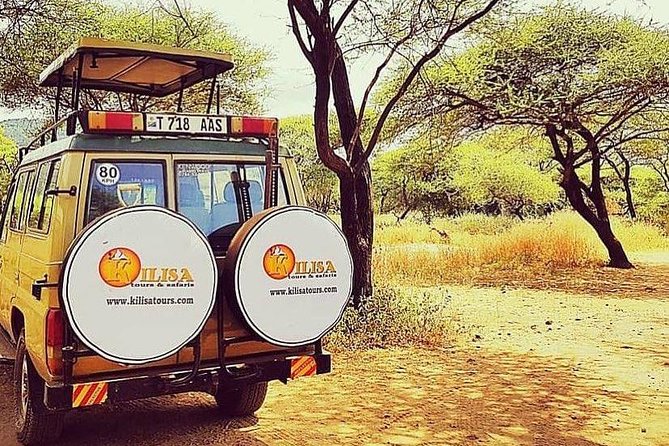
You get a private safari guide and a private 4×4 safari jeep with a pop-up roof for game viewing. That combination is a big deal because it improves your viewing angles and reduces time wasted repositioning.
On safari, the vehicles come with an ice chest stocked with mineral water and a wildlife guidebook. That is the kind of small practical detail that keeps you focused. Less time buying water, less time digging for it, more time watching.
Past experiences connected to Kilisa Tours and Safaris highlight careful driving and patience, including guides named Naick and Jonathan. That kind of temperament matters on safari. A driver who slows down where animals are likely, and who respects park rules, helps you see more and stress less.
Price and value of $3,300 per person
At $3,300 per person for about 5 days, you are paying for a package that is more than just vehicle time. Park fees and crater fees are included, along with accommodation for two nights before and after the safari. Meals are also included, plus mineral water, camping gear basics, and private guiding.
What that means for you is straightforward: fewer surprise add-ons inside the parks. You also get a private jeep setup rather than sharing one vehicle with a big mix of groups.
What is not included is also clear. Flights, travel insurance, personal expenses, and tips to the guide or driver are not included. A sleeping bag rental may apply if you do not bring one.
So the value question comes down to two things:
- If you already know you will want guided drives and park fees included, the package helps you lock in costs.
- If you are trying to keep everything minimal and you hate camping, you may feel the price more sharply.
Who this safari suits best, and who might want a different style
This is a great fit if you want a focused wildlife circuit and you are okay with early starts and camping nights. It also seems workable for mixed ages. One past family experience mentioned handling dietary restrictions for a group spanning ages 8 to 73, which suggests the operator can manage needs and keep the plan steady.
You might be less thrilled if:
- You dislike camping comfort style travel.
- You expect long stretches of downtime with no vehicle time.
- You want everything indoor and hotel-based every night.
If you want a classic “see a lot, see it fast, and sleep under canvas” safari with expert guiding and private driving, this itinerary matches that goal.
Should you book this 5-day safari?
I would book this if your priority is a tight circuit through Lake Manyara, Serengeti, and Ngorongoro crater with private jeep drives, meals handled, and park fees already covered. The route is efficient, and the migration timing angle gives your trip a real story, not just a list of places.
I would pause and plan carefully if you do not want to rent a sleeping bag or you are sensitive to rough-road driving and early mornings. If you can bring a sleeping bag and keep a patient attitude, the experience should feel like a well-run wildlife chase.
If you are traveling with a group that needs flexibility, you also have a reason to feel hopeful, since the operator has experience managing family groups and dietary needs. Just communicate your priorities early, especially if anyone in your group has mobility, food, or comfort requirements.
FAQ
How long is the safari?
The experience is listed as 5 days (approx.).
Where does the safari start and end?
It starts in Moshi, Tanzania, and it ends back at the meeting point.
Which parks are included?
The safari covers Lake Manyara, Serengeti, and the Ngorongoro crater.
Are meals included?
Yes. The package includes 3 meals per day, along with mineral water.
Is park fees included?
Yes. Park fees and crater fees are included.
What vehicle will we use for game drives?
You get a private 4×4 safari jeep with a pop-up roof for game viewing.
Do I need to bring a sleeping bag?
A sleeping bag is not included, but you can rent one for $15.
Down at Lake Manyara
- 3-Day Ngorongoro Crater Manyara and Tarangire Safari from Arusha
★ 5.0 · 49 reviews - 7 Days Safari. Serengeti, Tarangire, Lake Manyara & Ngorongoro Crater.
★ 5.0 · 34 reviews - Safari in Tanzania 5 days: Manyara, Ngorongoro, Serengeti
★ 5.0 · 29 reviews - 5-Day Lake Manyara, Serengeti, Ngorongoro Crater and Tarangire
★ 5.0 · 28 reviews - 6 Days: Classic Camping( Tarangire, Manyara, Serengeti And Ngorongoro).
★ 5.0 · 26 reviews
Still Thinking About the Crater?
- Safari Serengeti And Ngorongoro
★ 5.0 · 288 reviews - 5 Days Camping Tarangire, Serengeti & Ngorongoro crater & Visiting Maasai
★ 5.0 · 58 reviews - 4 Days Group Joining Camping Safari to Tarangire Serengeti Ngorongoro Crater
★ 5.0 · 50 reviews - 3-Day Ngorongoro Crater Manyara and Tarangire Safari from Arusha
★ 5.0 · 49 reviews - 4 Day Private Tour Throughout Tarangire, Serengeti and Ngorongoro
★ 5.0 · 42 reviews
The Serengeti, Three More Ways
- Safari Serengeti And Ngorongoro
★ 5.0 · 288 reviews - 5 Days Camping Tarangire, Serengeti & Ngorongoro crater & Visiting Maasai
★ 5.0 · 58 reviews - 4 Days Group Joining Camping Safari to Tarangire Serengeti Ngorongoro Crater
★ 5.0 · 50 reviews - 4 Day Private Tour Throughout Tarangire, Serengeti and Ngorongoro
★ 5.0 · 42 reviews - 7 Days Safari. Serengeti, Tarangire, Lake Manyara & Ngorongoro Crater.
★ 5.0 · 34 reviews
Just added from around Moshi
Serengeti National Park Safaris, compared.
 ★ 5.0Serengeti Balloon Safari and authentic bush breakfastFrom $5502,480 reviews
 ★ 5.0Balloon Safari & Bush Breakfast in Serengeti – Miracle ExperienceFrom $5991,646 reviews
 ★ 5.03 Days Serengeti & Ngorongoro Group Camping SafariFrom $815574 reviews
 ★ 5.05-Day Highlights mid-Range Crater, Serengeti, TarangireFrom $2,327296 reviews
 ★ 5.0Safari Serengeti And NgorongoroFrom $2,845288 reviews
 ★ 5.03-Day Classic Serengeti SafariFrom $1,455263 reviews
 ★ 5.0Private 6-Day Tarangire Manyara Crater and Serengeti with Mid-Range LodgesFrom $2,685238 reviews
 ★ 5.05 Days Camping Tarangire, Serengeti & Ngorongoro crater & Visiting MaasaiFrom $1,254229 reviews
Browse the lists this tour appears in