
REVIEW · KILIMANJARO MARANGU ROUTE
5 Days Marangu Route Kilimanjaro Trekking
Kilimanjaro feels real on the Marangu Route. This 5-day trek follows the popular tourist line through rainforest, heath, moorland, and hut bases, ending with a summit attempt to Uhuru Peak. What makes it especially interesting is the hut system, plus the route’s famous reputation for warm stops along the way.
I like that this trip takes care of the big stuff for you: camping setup, porterage, and a professional driver/guide, so you spend your energy on pacing and breathing. I also like the food plan. Meals are built in day after day, including lunch on the descent day and multiple breakfasts and dinners, which matters when you are moving for long hours at altitude.
One drawback to plan for up front: the summit stage is serious. You start your final ascent around midnight, and that day can run 12 to 15 hours, so you need to be mentally ready for a long night and a long return.
In This Review
- Key things that make this Kilimanjaro trek worth your time
- Marangu Route, Hut Nights, and the Coca-Cola Trail Reputation
- Price and Value: What $1,800.16 Covers (and What It Does Not)
- Getting Picked Up and Reaching Kilimanjaro National Park Gate
- From Rainforest to Mandara Hut, Then Maundi Crater Views
- Timberline to Horombo Hut: Heath, Moor Zones, and Big Views at 3,700m
- The Long Middle Day to Kibo Hut: Last Water Point and the Saddle
- Summit Night to Uhuru Peak: Midnight Start, Hans Meyer Cave, and Sunrise at Gillman’s Point
- The Final Descent to Mandara and Back Through Rainforest
- Guide Quality and Private Group Setup That Makes a Difference
- What to Pack and What to Rent: Staying Inside the Package Boundaries
- Who This 5-Day Marangu Trek Fits Best
- Should You Book This Marangu Route Trek?
- FAQ
- How long is the Marangu Route trekking experience?
- What time does the trek start?
- Where does the trek begin and end?
- What is the distance and hiking time like on the first stage?
- How are meals handled during the trek?
- Are park admission tickets included?
- What trekking or camping gear is included?
- What do I need to rent or bring myself?
- Is the experience refundable if I cancel?
Key things that make this Kilimanjaro trek worth your time
- Hut nights on the “tourist route”: sleeping huts make the mountain feel more structured than tent-only routes
- Long, specific hiking stages: daily distances and hours are clearly laid out, so you can judge the effort
- Meals planned into the route: breakfasts, dinners, and a warm lunch help keep energy steady
- Professional support included: driver/guide plus porterage, plus rescue fees covered
- Marangu’s classic scenery beats: rainforest start, crater rim sunrise at Gillman’s Point, then the crater views and ridges
Other ways up Kilimanjaro we reviewed
- 8-Day Small-group Lemosho Kilimanjaro Summit Trekking★ 5.0 · 186 reviews
- 7-Day Machame Kilimanjaro Summit Tour from Arusha★ 5.0 · 125 reviews
- Mountain Kilimanjaro Day Hike★ 5.0 · 102 reviews
- 4 days Best experience Kilimanjaro Hike, Serengeti &Ngorongoro★ 5.0 · 54 reviews
Marangu Route, Hut Nights, and the Coca-Cola Trail Reputation
The Marangu Route has two nicknames you will hear quickly: the Tourist Route, and the Coca-Cola Route. The core reason is simple. Marangu is the most popular way up Kilimanjaro, and it is also the only route here that uses sleeping huts, not just tents. When the trail is busy, hut systems tend to feel more organized, and the stops become more predictable.
In practical terms, hut nights change your comfort. You still hike hard, but you are not fighting the full tent setup every evening. You also get those roadside human moments, like resting at hut bases and grabbing drinks while others pass the time. The route is often described that way for a reason, and if you want a more social, structured climb, Marangu fits.
If you prefer quiet and total solitude, you might find Marangu less your style because it is the busiest route. Still, busy can also mean safer-feeling logistics and a steady flow of people sharing the same milestones.
Price and Value: What $1,800.16 Covers (and What It Does Not)
At $1,800.16 per person, this is not a budget add-on. It is priced like a guided trekking package. The value shows up in what is included: camping equipment (tents, mess tent, mattress, cooking gear), porterage, all taxes/VAT, parking fees, rescue fees, and accommodation on the mountain.
You also get a full food rhythm: breakfast is included four times, dinner is included four times, and lunch is included five times. On a trek, that is not trivial. Meals are heavy in terms of planning, timing, and energy management, and here you do not have to chase food options mid-trail.
What you still need to budget for, because it is not included:
- international flights and any hotel nights before or after the trek
- climbing gear and sleeping bag (both are available for rent)
- personal expenses like souvenirs and travel insurance
- tips and bath towels
So the value is best for you if you want most of the mountain math handled, and you are okay renting the few core items you might not already own.
Getting Picked Up and Reaching Kilimanjaro National Park Gate
Your start is early. The trek begins around 1:30 am, and the hiking day starts after paperwork at the Marangu gate. Plan for that pre-dawn feel. When you are dealing with mountains and long days, time really is the first challenge.
The operator arranges transport from the Arusha area and includes a professional driver. From there, your trek gets rolling by getting you to the Kilimanjaro National Park entrance. Once the paperwork is done, you start hiking through dense rainforest, which is a classic first-day experience on this route.
A detail that helps set expectations: the first leg is about 8.3 km and takes roughly 5 hours. That does not mean it is easy, it means you get a proper warm-up day before the longer stages show up. Along the way, you may see primates, which is one of those small wildlife bonuses that can make the rainforest miles feel less like work.
Marangu, other operators and other lengths
From Rainforest to Mandara Hut, Then Maundi Crater Views
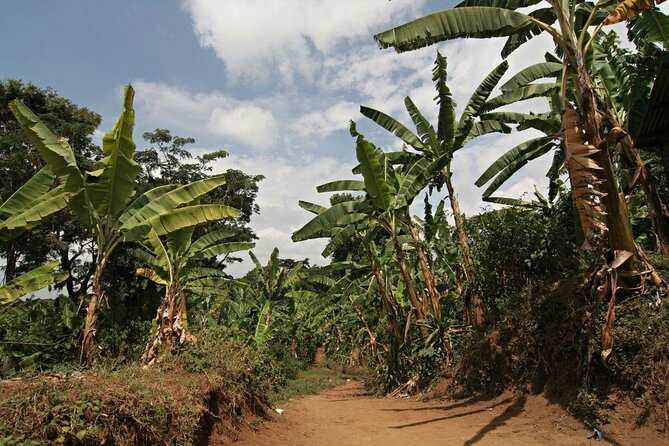
After you begin in the rainforest, your first major milestone is Mandara Hut. You hike about 8.3 km in roughly 5 hours to reach it. Expect thick, humid-feeling terrain and steady walking. The trek starts you gently enough that you can find your rhythm.
At Mandara Hut, you get a real rest, not just a quick stop. The route then includes Maundi Crater as a later highlight. You will reach it with time to enjoy the views and that satisfying sense that you are leaving the lower layers of the mountain behind.
The itinerary also notes a chance to see primates in the rainforest. That small detail matters because Kilimanjaro is not only about altitude. It is also about noticing what is alive around you as you gain elevation.
Timberline to Horombo Hut: Heath, Moor Zones, and Big Views at 3,700m
The next stretch moves you from the Mandara area toward Horombo Hut at about 3,700m. The distance is longer, about 12.5 km, and the hiking time is roughly 9 hours. This is where you start feeling that Marangu is popular, because lots of people share the same stepping stones.
As you leave Mandara Hut, you reach timberline and then enter the heath and moor zone. That shift is more than scenic. It is a sign that the mountain’s mood is changing. Instead of dense rainforest, you are walking through open, higher-elevation terrain.
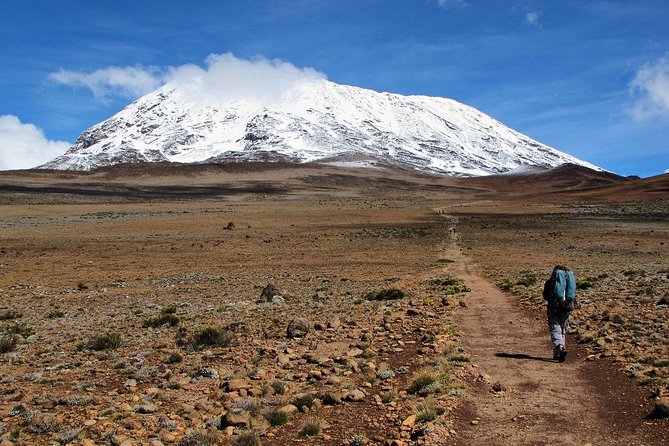
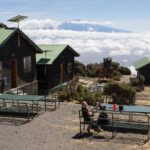
After 4 to 6 hours in that zone, Horombo Hut appears. Once you are settled, the views are the payoff. From Horombo, you get sightlines over Mawenzi, Kibo, and the Masai steppe plain. That is exactly the kind of perspective that helps your brain understand the mountain’s scale.
The Long Middle Day to Kibo Hut: Last Water Point and the Saddle
The climb to Kibo Hut takes you through a tougher, longer stage. Here the day is about 9.5 km, with around 7 hours of hiking listed. That can still feel like a lot, especially when you are already carrying altitude fatigue.
The trail includes two named segments worth noting. First is the Last Water point. Then comes the saddle, described as a nearly vegetation-less plateau that links the main summit area of Kibo with Mawenzi.
That is useful information for how to pace yourself. When you know you are approaching a water transition and then a more barren stretch, you can plan mentally for steadier effort instead of getting impatient. When you finally reach Kibo Hut, you get an early evening meal and an early night, because the night ahead is short in terms of rest before the summit push.
Summit Night to Uhuru Peak: Midnight Start, Hans Meyer Cave, and Sunrise at Gillman’s Point
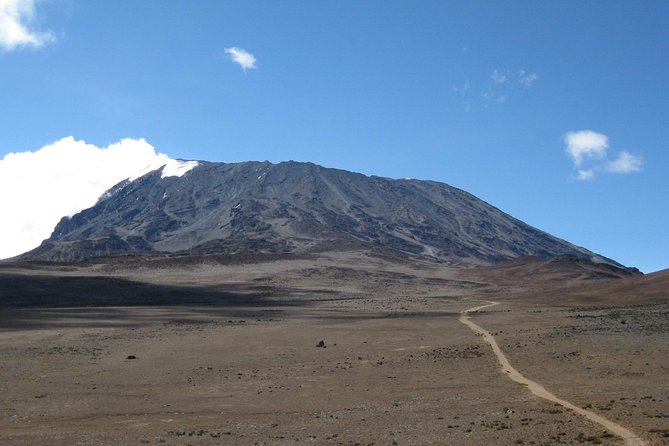
This is the Big Day. The climb to Uhuru Peak starts your final ascent around midnight and runs 12 to 15 hours. You pass Hans Meyer Cave at 5,220m. Then the climb rises slowly but surely until sunrise.
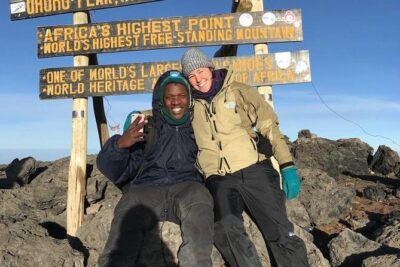
At sunrise, you reach Gillman’s Point at 5,681m, the crater rim area where the sun starts warming the land. After 1 to 2 more hours, you reach Uhuru Peak at 5,895m. The itinerary is clear on the sequence, and clarity like that helps your planning. You are not guessing your timing while you are cold and tired. You are following a set rhythm.
On the way back, you return to Kibo Hut for a warm meal. You then get a 1 to 2 hour break before continuing down toward Horombo Hut. That means the day is not just “go up, then collapse.” There is structure to the return as well.
The altitude and cold aspect is implicit in the description, especially with the line about remembering the cold of the night once sunrise arrives. So pack for cold, and take the warmth seriously when it is offered in the hut and meal stops.
The Final Descent to Mandara and Back Through Rainforest
After the summit stage, your last hiking day is about 20.8 km, listed as roughly 8 hours. It is the classic grind: long downhill walking after the hardest effort of your trip.
The route passes through the heath and moor zone to Mandara Hut at around 2,700m. A warm lunch is waiting there, which is a big morale lift after the physical cost of summit day. Then you move back into tropical rainforest and complete the exit toward the Kilimanjaro National Park Gate at about 1,860m.
Once you are back at the gate, you say goodbye to your mountain guides. Then there is a short transfer back to Moshi for a warm shower and celebration. For a trek that is mostly outdoors for days, that shower moment is not a luxury. It is part of the finish line.
Guide Quality and Private Group Setup That Makes a Difference
This is a private tour. Only your group participates. That changes the feel on a mountain. You are not stuck in a big mixed group, and it can make it easier for your guide to adjust pace and needs without crowd management.
You also have porterage included, which is practical on Kilimanjaro. Even if you pack well, carrying less means you can focus on walking. A professional driver is also included, which matters because the mountain day starts early and you need reliable ground transport.
Names from past climbs show up in the feedback in a meaningful way. One solo climber highlighted guide Walter as patient and focused on making them comfortable. That kind of support matters on a summit push, when confidence and calm can do more than any pep talk.
What to Pack and What to Rent: Staying Inside the Package Boundaries
Included gear and services cover a lot, but you should confirm your list early. This package includes:
- camping equipment: tents, mess tent, mattress, cooking equipment
- porterage
- accommodation on the mountain
- meals on the trail (breakfasts, dinners, and lunches as listed)
- rescue fees and all taxes/VAT
Not included, but available for rent:
- sleeping bag
- climbing gear
Not included:
- bath towels
- tips
- personal items like souvenirs, plus travel insurance and visa fees
My practical advice: treat rentals as part of your plan, not an afterthought. If you rely on rented items, make sure you know what you are getting and when. And because the start time is early and the summit stage is midnight, focus your packing on warmth and comfort for night conditions, since the schedule clearly includes very cold early hours.
Who This 5-Day Marangu Trek Fits Best
This trek fits best if you want a guided Kilimanjaro experience with hut nights and a clear structure. The Marangu Route is a solid choice if you like clear meal stops, planned timing, and the feeling of staying in a rhythm even on a tough day.
It is also a good option if you do not want to manage tents and mountain kitchen logistics on your own. Camping equipment is included, and porterage is handled.
It may be less ideal if you want maximum solitude, because Marangu is the most popular route. It also may feel tough if you dislike long days. The summit stage alone is listed as 12 to 15 hours, starting around midnight, so physical stamina and patience are non-negotiable.
Should You Book This Marangu Route Trek?
If you want a 5-day Kilimanjaro climb with hut nights, meals included, and professional support, this is a strong match. The value is strongest when you count what you avoid paying for separately, like mountain accommodation logistics, equipment, and porter help. The schedule is also unusually specific, with named milestones like Last Water point, the saddle, Gillman’s Point, and Uhuru Peak.
I would book if your priorities are structure, guidance, and comfort inside the hut system. I would think twice if you need quiet, or if you are not ready for a very long midnight summit day.
FAQ
How long is the Marangu Route trekking experience?
It is listed as 5 days (approx.).
What time does the trek start?
The start time is 1:30 am.
Where does the trek begin and end?
It starts in Arusha, Tanzania, and ends back at the meeting point. After the trek, you return to Moshi for a short transfer and time at your hotel.
What is the distance and hiking time like on the first stage?
The first stage is about 8.3 km (5.2 mi) and takes about 5 hours.
How are meals handled during the trek?
Breakfast is included 4 times, dinner is included 4 times, and lunch is included 5 times.
Are park admission tickets included?
Admission tickets are listed as free, and the package also includes parking fees and all taxes/VAT.
What trekking or camping gear is included?
Camping equipment is included, including tents, a mess tent, mattress, and all cooking equipment, plus accommodation during the trek.
What do I need to rent or bring myself?
Climbing gear and a sleeping bag are available for rent. Climbing gear is not included, and sleeping bag is not included. Bath towels are also not included.
Is the experience refundable if I cancel?
No. It is non-refundable and cannot be changed for any reason. If you cancel or ask for an amendment, the amount you paid will not be refunded.
The Marangu Trail
- Private Full Day Hiking Experience to Marangu Route
★ 5.0 · 61 reviews - From Arusha/Moshi: Kilimanjaro Hike Marangu Route Day Trip
★ 4.5 · 54 reviews - Mount Kilimanjaro Day Hike Through Marangu Route to Mandara Hut
★ 5.0 · 37 reviews - Marangu waterfall & Coffee making Cultural Tour | BURIGI CHATO SAFARIS CO LTD
★ 5.0 · 12 reviews - Climb Kilimanjaro – Marangu Route 8 Day Program
★ 5.0 · 10 reviews
Kilimanjaro, Route by Route
- 8-Day Small-group Lemosho Kilimanjaro Summit Trekking
★ 5.0 · 186 reviews - 7-Day Machame Kilimanjaro Summit Tour from Arusha
★ 5.0 · 125 reviews - Mountain Kilimanjaro Day Hike
★ 5.0 · 102 reviews - 4 days Best experience Kilimanjaro Hike, Serengeti &Ngorongoro
★ 5.0 · 54 reviews - From Arusha/Moshi: Kilimanjaro Hike Marangu Route Day Trip
★ 4.5 · 54 reviews
Just added from around Arusha
Kilimanjaro Marangu Route, compared.
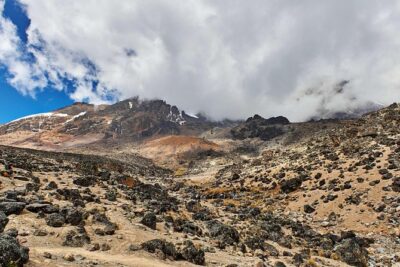 ★ 5.0Kilimanjaro climb, Marangu route (6-day)From $2,90272 reviews
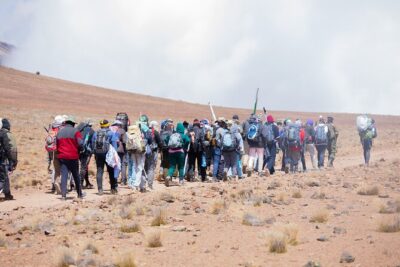 ★ 5.0Climbing Kilimanjaro – Marangu RouteFrom $2,00465 reviews
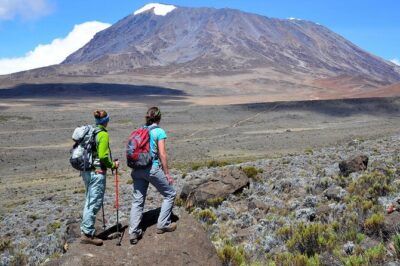 ★ 5.0Private Full Day Hiking Experience to Marangu RouteFrom $26061 reviews
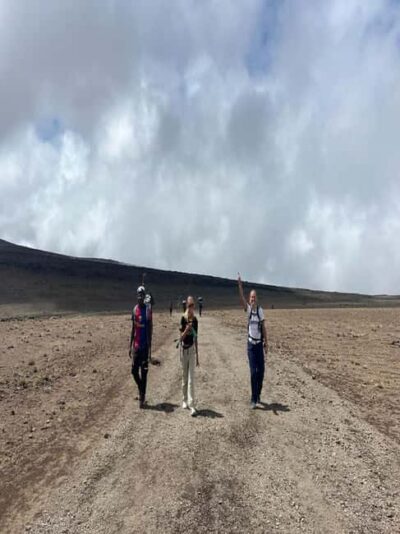 ★ 4.5From Arusha/Moshi: Kilimanjaro Hike Marangu Route Day TripFrom $10154 reviews
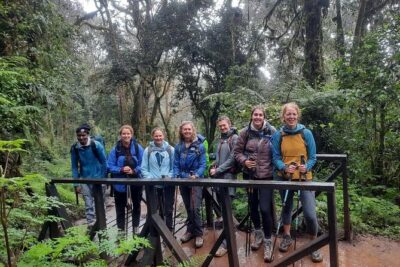 ★ 5.0Mount Kilimanjaro Day Hike Through Marangu Route to Mandara HutFrom $26537 reviews
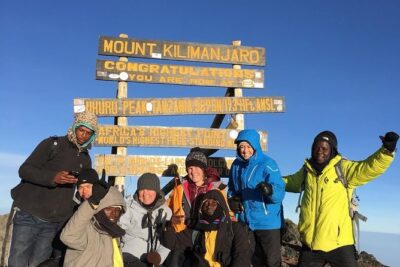 ★ 5.0Kilimanjaro Climbing 5 days Marangu routeFrom $90022 reviews
 ★ 5.0Best Kilimanjaro Adventures 6 Days Marangu Route ExperienceFrom $1,00018 reviews
 ★ 5.0Kilimanjaro Private Climbing in 6 Days Marangu RouteFrom $2,00016 reviews
Browse the lists this tour appears in