
REVIEW · TANZANIA LODGE AND LUXURY SAFARIS
5 Days Lodge Safari.
Five days, three parks, one wild chance. I love how this route strings together Lake Manyara, Serengeti, and the Ngorongoro crater so you get variety, not repeat scenery. You travel in an open roof safari vehicle on key drives, which makes animal spotting feel immediate.
Two things I really like: the bird heavy magic of Lake Manyara, especially the big flamingo presence, and the strong chance to see the “Big Five” style wildlife concentrated around Ngorongoro. The pacing also feels sane, with a lodge night at Serengeti and then a crater rim style night that sets you up for an early, focused day.
One drawback to plan around: seeing all the Big Five is never guaranteed. Even on a crater day with very high wildlife density, you still may miss one or more animals, and the day 5 crater descent route is steep.
In This Review
- Key highlights you should know
- Where This 5-Day Lodge Big Five Safari Makes Sense
- Day 1: Lake Manyara National Park and Flamingo-Lion Country
- Day 2: Serengeti Arrival, Crater Highlands Views, and Lodge Nightfall
- Day 3: Serengeti Game Drive Time, Visitor Centre Stops, and Rain-Driven Animal Logic
- Day 4: Ngorongoro Conservation Area Approach, Predators at Water, and Rim Sunset Potential
- Day 5: Ngorongoro Crater Descent, Big Five Chances, and the Efficient Afternoon Return
- Price and What You Are Really Paying For
- The Best Fit for This Safari Style
- Practical Notes Before You Go
- Should You Book This 5-Day Big Five Lodge Safari?
- FAQ
- What does this 5-day safari cost per person?
- How long is the safari?
- What time does the safari start?
- Is hotel pickup included?
- Which national parks are included?
- What meals are included?
- Are park admission tickets included?
- Do I need immunizations or documents?
- How many people are in the group?
- If I cancel, do I get a full refund?
Key highlights you should know
- Small group feel with a maximum of 2 travelers, which helps keep the experience flexible
- Open-roof game drives for better viewing, especially early morning and late day
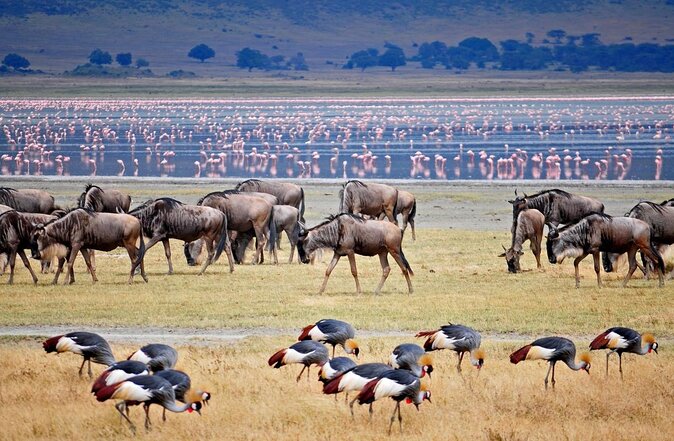
- Lake Manyara bird action with thousands of pink flamingos and lots of other water fowl
- Serengeti roaming time across different seasons, guided by where herds are moving
- Ngorongoro concentration with a crater estimated to cover about 20 km and hold over 20,000 animals
- Early crater day that gets you on the steep descent for an efficient wildlife hunt
Lodge safaris in the same bracket
- 8-Day Essence of Tanzania Safari – Luxury★ 5.0 · 72 reviews
- 7-Day Magical Tanzania Safari -Premium High End Package★ 5.0 · 53 reviews
- Tanzania Luxury Safari★ 5.0 · 48 reviews
- 5-Day Majestic Tanzania Safari – High End All Inclusive★ 5.0 · 44 reviews
Where This 5-Day Lodge Big Five Safari Makes Sense
This is a classic northern Tanzania sweep, built for people who want big animal country without rushing every hour of every day. You start from Moshi, spend multiple days in Serengeti, and then land the headline moment at Ngorongoro, where wildlife gathers in a way that feels almost unfair.
Price-wise, at $2,309.54 per person for a 5-day package, you are paying for more than a checklist. You are buying time in three major ecosystems, plus lodge nights, guided drives, and included meals (breakfast, lunch, dinner across the trip). That is the kind of value that matters when you do not want to piece together logistics yourself and when you prefer a guide who can respond to where animals actually are.
Day 1: Lake Manyara National Park and Flamingo-Lion Country
The day starts with pickup from your hotel at around 9:00 am. Then you head to Lake Manyara National Park for a full wildlife and bird drive, using an open roof safari vehicle as the viewing platform.
Lake Manyara is small, but it packs punch. The park has multiple habitats, from grassy plains to forest, and it is dominated by the shallow alkaline lake. That mix is why you can get scenes that look totally different within a short drive. You also come for the birds, and Lake Manyara delivers. The park is known for huge numbers of pink flamingos, plus other water fowl hanging out where the lake meets feeding ground.
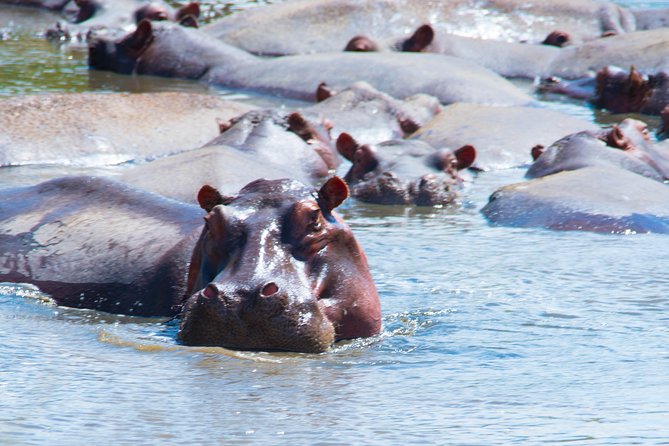
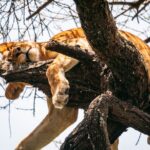
For wildlife, you have multiple targets. The park is famous for tree climbing lions, plus elephants, large troops of baboons and monkeys. You also have a good chance at other common savanna stars like giraffes, buffaloes, hippos, wildebeests, and warthogs. When I think about what makes this day worth it, I keep coming back to variety. Birds, big mammals, and the chance at that unusual lion behavior can all happen without the day feeling like a long transfer day.
A small planning note: the park is short on size, but wildlife watching still depends on timing and animal movement. Start-of-trip mornings and the way your guide positions the vehicle matter.
Day 2: Serengeti Arrival, Crater Highlands Views, and Lodge Nightfall
After breakfast, you head toward Serengeti. The drive is part of the fun, because you travel through fertile crater highlands where you may spot crop fields growing wheat, corn, and coffee. Those glimpses matter, because they remind you this area is not just “park only.” People live and farm around it, and the scenery changes as you approach the plains.
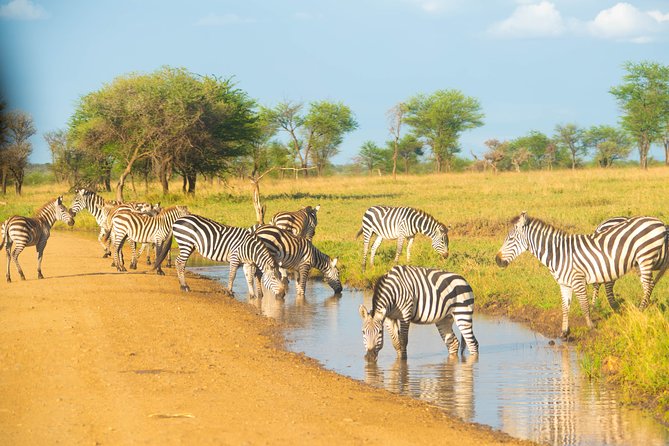
Once you reach Serengeti National Park, the day shifts to open savanna terrain and a feeling of scale. Serengeti is Tanzania’s largest park, and it is famous for the seasonal migration of wildebeests and zebras. You learn the meaning of Serengeti, described as plains in the Masai language, which helps the name feel real once you are standing on the grasslands.
By late day, you head to your lodge for the night. This is a smart piece of the itinerary design. You get enough time to arrive in decent light, see early action, and then rest before the deeper day on the ground.
What to expect here: your guide will likely steer you based on current animal distribution. Migration timing changes by year, so the best approach is to treat day 2 as a “settling in and finding your bearings” day, not a guarantee of the biggest herd moment.
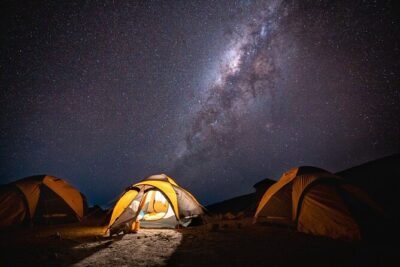
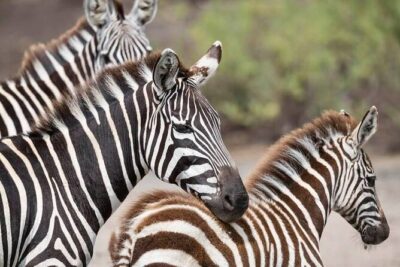
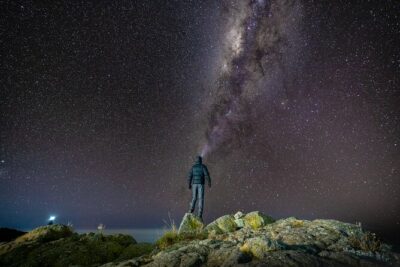
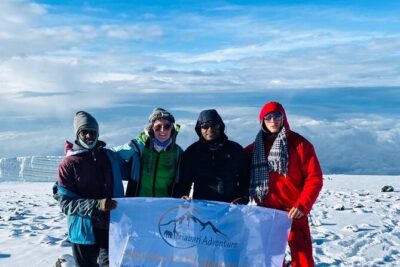
Day 3: Serengeti Game Drive Time, Visitor Centre Stops, and Rain-Driven Animal Logic
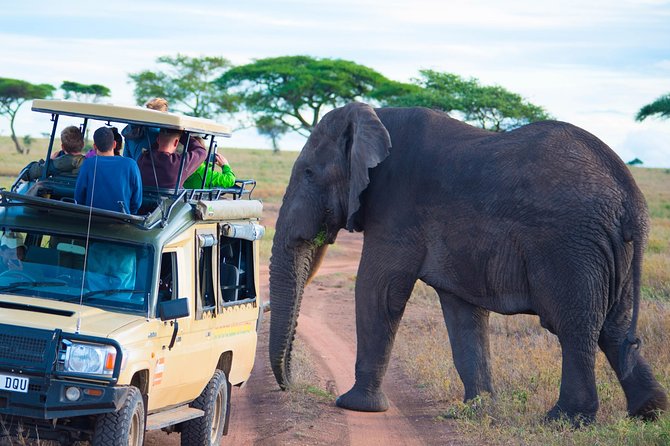
This is your full day inside Serengeti with a game drive. You spend the day searching, repositioning, and watching for feeding and movement patterns.
One useful detail is how the guide explains the migration schedule. During the short rainy season (November and December), herds move from the hills in the north toward the plains in the south. During the longer rainy season (April to June), they return back up north. The key idea for you is that the animal calendar is tied to rainfall, and the best sightings depend on where the weather has recently done its work.
This day is also where you might fit in a Serengeti Visitor Centre visit. If it works with timing, it adds context on the park history and the research supported by the Frankfurter Zoological Society. Even if you are not a museum person, it helps you connect what you see on the road with why people study and protect these ecosystems.
I especially like that this day gives the guide space to work. Good wildlife driving is not just driving fast. It is patience, reading animal behavior, and knowing where roads and sightlines give you the best chance. In past experiences with Bujo Tours, guides such as Antony and Michael have been praised for being friendly, answering questions, and helping spot animals by staying aware of movement patterns. That sort of calm attention is what you want on a long drive day.
Day 4: Ngorongoro Conservation Area Approach, Predators at Water, and Rim Sunset Potential
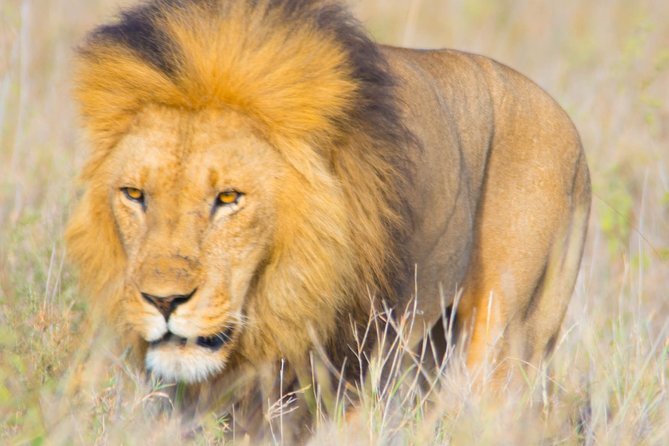
After breakfast, you leave the Serengeti area and continue toward Ngorongoro Conservation Area. On the way, you may see predators hunting, especially when animals gather at waters during the dry season. That hint matters, because waterholes often act like wildlife magnets, and your guide can time stops around that pull.
After lunch at a picnic spot, you move gradually toward Ngorongoro Crater. When you finally reach it, you get a superb view over the caldera. The crater is part of an UNESCO World Heritage Site and is described as roughly 20 km wide. The reason this matters to you is simple: a big, sheltered, grass-and-water bowl can hold huge numbers of animals, so wildlife density often feels higher than on the open plains.
You stay at a lodge, possibly on the crater rim. That crater rim setup is valuable because it can turn the evening into a wildlife viewing window. Even when you are not on the road, you are closer to where animals might move. A sunset over the crater rim is also one of those moments that makes the drive days feel worth it.
The only consideration is that travel days stack up. Day 4 has enough moving that you should keep expectations flexible. Focus on the crater view, the change in terrain, and the idea that tomorrow is the big descent and the most concentrated wildlife time.
Day 5: Ngorongoro Crater Descent, Big Five Chances, and the Efficient Afternoon Return
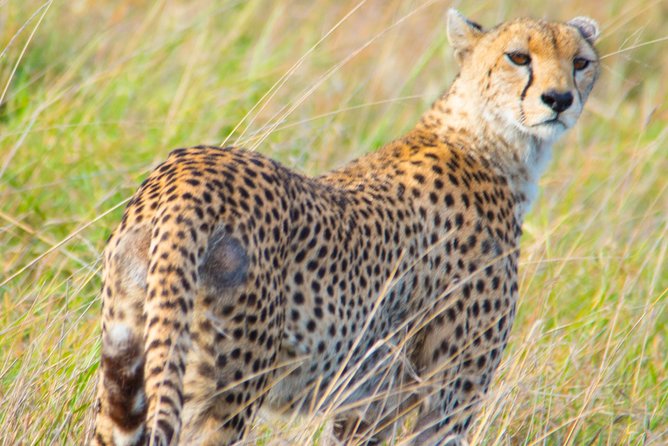
Day 5 starts early with breakfast, then you drive down into the crater via a steep path. This is the most physically demanding part of the trip, at least from a getting in and out of the vehicle perspective. If you have mobility limitations, you should think about how you handle steep routes and what you might need to feel comfortable.
Inside the crater, the wildlife density is the headline. Ngorongoro is described as the largest, unbroken, unfolded caldera in the world and as home to a huge variety of animals. You can look for zebras, the rare black rhino, and other Big Five members including lion, elephant, buffalo, rhino, and leopard. The crater also hosts hyenas, waterbucks, bushbucks, eland, and more than 500 bird species.
This is the day when your guide’s animal spotting skills pay off the most. You spend an extensive game drive and enjoy a picnic lunch. Then you leave the caldera in the early afternoon and drive back to Moshi or Arusha, arriving early evening.
The balanced truth to keep in mind: even at Ngorongoro, seeing all five Big Five animals in one trip is not something anyone can promise. That is not a complaint, it is wildlife reality. I treat crater day as a high-probability chance to see multiple key species, including the rarer ones like black rhino if luck and timing align.
Price and What You Are Really Paying For
At $2,309.54 per person, this is not a budget safari. But it also is not just paying for driving. You are paying for:
- Five days of guided game viewing across three distinct parks
- Lodge nights (multiple nights across Serengeti and the crater area)
- Included meals: breakfast on 4 days, lunch on 5 days, and dinner on 4 days
- Pickup offered from your hotel
- Park entry notes that show admission ticket coverage on most days, with Ngorongoro crater admission included on day 5
You still pay extra for the common “extras” that safaris often charge separately: tips for the safari guide, personal expenses, visa fees, international flights, and alcoholic and soft drinks. The listing also notes immunization documents and that yellow fever is recommended for visa processing on arrivals.
To decide if the price feels fair, think about your alternative. If you plan to DIY flights, drivers, park fees, and lodge coordination, the total usually climbs fast, and you lose the advantage of a guide who knows how to work the day for sightings. For me, this package fits best when you want comfort, steady guiding, and minimal friction.
The Best Fit for This Safari Style
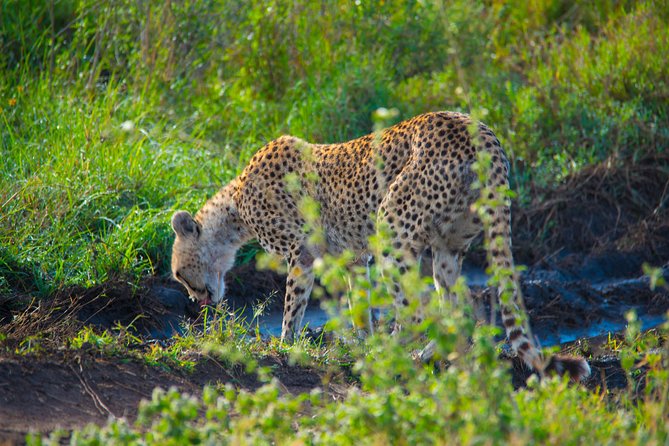
This safari works especially well if you want:
- A classic Big Five route without trying to juggle too many moving parts
- More time in Serengeti than in any one park
- A crater day that focuses on the dense wildlife of Ngorongoro
- A small group feel since the maximum group size is listed as 2 travelers
It is also a good match for couples and small groups who want the guide to tailor the pace. In past experiences with Bujo Tours, clients have highlighted that the trip felt paced and customizable to their liking, and that the guides were friendly and able to answer questions. That kind of interaction matters when you want the wildlife search to feel like a conversation, not just a bus ride with a camera.
Practical Notes Before You Go
A few real-world things you should plan for based on what this route requires:
- You will spend multiple days in safari vehicles, so bring sun protection and expect long viewing sessions.
- Day 5 includes a steep crater descent route. Plan for comfort when getting in and out.
- Wildlife timing is variable. The route gives you strong odds, but you should still keep your expectations flexible.
- Since tips are not included, factor that cost into your budget.
- Yellow fever documentation is mentioned as recommended for visa processing on arrivals, so check current requirements well ahead of time.
Also, you can reduce stress by writing down what you most care about seeing. If flamingos, predators, or the black rhino are on your list, tell your guide on day 1. That helps them aim the driving plan with your priorities in mind.
Should You Book This 5-Day Big Five Lodge Safari?
I would book this if you want a well-paced northern Tanzania route that hits Lake Manyara, gives you meaningful time in Serengeti, and delivers a full Ngorongoro crater day with serious wildlife odds. The included meals and lodge nights make it a practical choice, and the small maximum group size can make the experience feel personal rather than crowded.
I would think twice if you cannot handle steep routes, or if you need guaranteed Big Five sightings. This trip sets you up for excellent chances, but nature does not run on promises.
If your idea of a great safari includes birds, open-roof viewing, a proper Serengeti search day, and then a crater morning when the animals are close enough to matter, this is a strong match.
FAQ
What does this 5-day safari cost per person?
The price is $2,309.54 per person.
How long is the safari?
It is listed as approximately 5 days.
What time does the safari start?
The start time is 9:00 am.
Is hotel pickup included?
Yes. You are picked up at your hotel to start the safari.
Which national parks are included?
You visit Lake Manyara National Park, Serengeti National Park, and Ngorongoro Conservation Area and Ngorongoro Crater.
What meals are included?
Breakfast is included for 4 days, lunch is included for 5 days, and dinner is included for 4 days.
Are park admission tickets included?
The itinerary notes admission ticket free on day 1 through day 4, and Ngorongoro Crater admission is included on day 5.
Do I need immunizations or documents?
Immunization documents are not included. Yellow fever is recommended for visa processing on arrivals.
How many people are in the group?
The maximum group size is listed as 2 travelers.
If I cancel, do I get a full refund?
Yes, you can cancel up to 24 hours in advance for a full refund. If you cancel less than 24 hours before the start time, the amount is not refunded.
More Lodge Safaris
- 8-Day Essence of Tanzania Safari – Luxury
★ 5.0 · 72 reviews - 7-Day Magical Tanzania Safari -Premium High End Package
★ 5.0 · 53 reviews - Tanzania Luxury Safari
★ 5.0 · 48 reviews - 5-Day Majestic Tanzania Safari – High End All Inclusive
★ 5.0 · 44 reviews - 7-Day Tanzania Odyssey Safari- High End Tour
★ 5.0 · 35 reviews
Just added from around Moshi
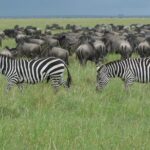
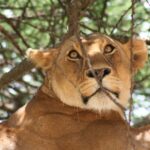
Tanzania Lodge and Luxury Safaris, compared.
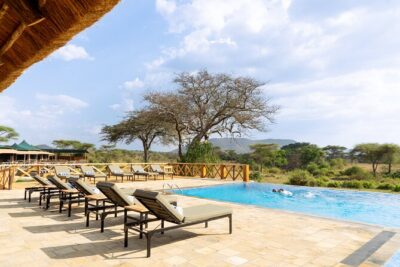 ★ 5.07-Day Premium Luxury Tanzania Safari All-InclusiveFrom $4,840426 reviews
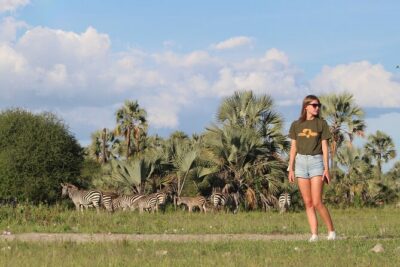 ★ 5.05-Day Highlights mid-Range Crater, Serengeti, TarangireFrom $2,327296 reviews
 ★ 5.0Private 6-Day Tarangire Manyara Crater and Serengeti with Mid-Range LodgesFrom $2,685238 reviews
 ★ 5.0Selous Luxury Day Safari with PhotographerFrom $800211 reviews
 ★ 5.05 Days Best of Tanzania Luxury Safari Northern CircuitFrom $3,744174 reviews
 ★ 5.05-Day Private midrange Tour in Arusha with Airport PickupFrom $3,600160 reviews
 ★ 5.012 days Luxury Tanzania Honeymoon Safari and ZanzibarFrom $7,265105 reviews
 ★ 5.04 Days Tarangire, Serengeti and Ngorongoro Mid-Range Group SafariFrom $1,45084 reviews
Browse the lists this tour appears in