
REVIEW · SERENGETI NATIONAL PARK SAFARIS
4 Days Tarangire, Serengeti and Ngorongoro Mid-Range Group Safari
Four days, three Tanzania vibes. You’ll move from Tarangire elephants and baobabs to endless Serengeti plains, then finish with Ngorongoro crater sunrise and big wildlife viewing. I like that this trip is built for a small group (max 7), so you spend more time watching and less time waiting.
I also like that the day structure gives you multiple chances at wildlife, including an early Serengeti morning and a crater visit timed for the best light. One possible drawback: the accommodation style can vary by departure, and one past booking felt a bit mixed with a more budget camping setup, so it’s worth confirming what you’ll sleep in before you go.
In This Review
- Key Highlights at a Glance
- What This Safari Gives You, Beyond the Checklist
- Price and Logistics: Is $1,450 Good Value Here?
- Day 1 Tarangire National Park: Baobabs, Elephants, and a Picnic Lunch
- Day 2 Serengeti National Park: The Plains Feeling Starts to Hit
- Day 3 Early Serengeti Drive, Then the Road to Ngorongoro Rim
- Day 4 Ngorongoro Crater Sunrise: A Different Kind of Wildlife Stage
- The Guides: What Makes This Safari Feel Professional
- Accommodation and Meals: Mid-Range Comfort, With a Safari Edge
- What the Daily Timing Means for Your Energy
- Wildlife Viewing Expectations: Strong Chances, Realistic Mindset
- Who This Safari Suits Best
- Should You Book This 4-Day Tarangire-Serengeti-Ngorongoro Safari?
- FAQ
- How long is the safari?
- What parks are included?
- What is the maximum group size?
- Are meals included?
- Is transportation included?
- Are park admission tickets included?
- Where is the tour based?
- What’s not included in the price?
- Can I get a refund if my plans change?
Key Highlights at a Glance
- Tarangire’s elephant focus paired with famous baobab scenery and a picnic game-drive lunch
- Two Serengeti game-drive days, with one starting early for better viewing conditions
- Ngorongoro crater sunrise, then a guided crater tour with a real shot at classic sightings
- Certified guides who were repeatedly praised for spotting animals and communicating clearly, including names like Felix, Damien, Rocky, Frederick, Shaban, and Amiri
- Mid-range comfort with included meals, plus transport and accommodation for three nights
- Max 7 travelers, which usually means a calmer ride and easier conversation with your guide
More of the Serengeti, drive by drive
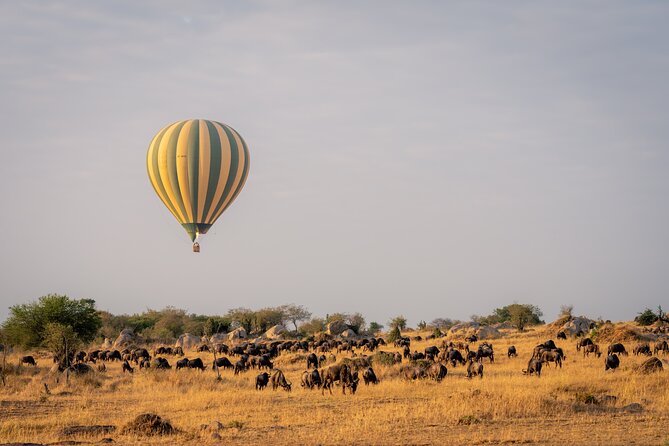
- Balloon Safari & Bush Breakfast in Serengeti – Miracle Experience★ 5.0 · 1,646 reviews
- 3 Days Serengeti & Ngorongoro Group Camping Safari★ 5.0 · 574 reviews
- 5-Day Highlights mid-Range Crater, Serengeti, Tarangire★ 5.0 · 296 reviews
- 3-Day Classic Serengeti Safari★ 5.0 · 263 reviews
What This Safari Gives You, Beyond the Checklist
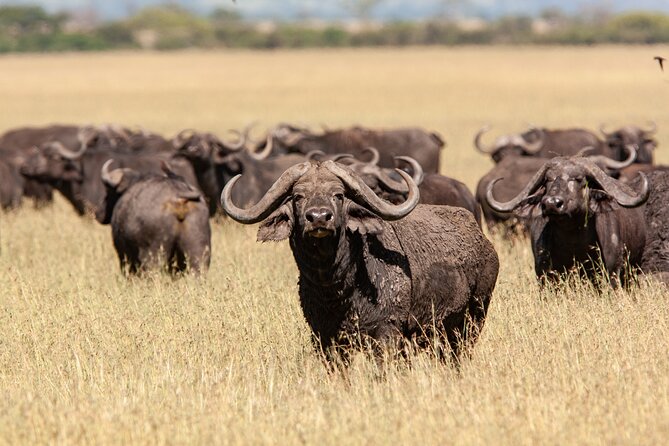
This is the kind of safari that works well when you want real wildlife time, not just a tour bus speed-run. You’ll be out in parks daily, with long enough drives and game drives that sightings can happen slowly, not just at one dramatic moment.
The combination of Tarangire, Serengeti, and Ngorongoro matters because each place plays a different role. Tarangire tends to pull you toward concentrated elephant energy and the baobab look you’ll see in so many Tanzania photos. Serengeti is about the wide-open “watching feels bigger than you” effect. Ngorongoro is different again, where the crater creates a natural stage and you feel the day’s pace change.
Price and Logistics: Is $1,450 Good Value Here?
At $1,450 per person, this safari sits in a mid-range zone, and the best way to judge value is what’s actually included. Your package lists transportation, a certified guide, accommodation for 3 nights, plus breakfast (3), lunch (4), and dinner (4). It also marks admission tickets as free for the park days on the itinerary.
You’re not buying a bare-bones experience. You’re paying for transportation between parks, guiding, meals, and lodging. That’s important on a safari like this because the biggest real costs are often time and logistics, not just the parks themselves.
Two things you still need to plan for: international flights are not included, and insurance is also not included. If you’re coming from overseas, that’s the part you must add on your own budget.
Day 1 Tarangire National Park: Baobabs, Elephants, and a Picnic Lunch
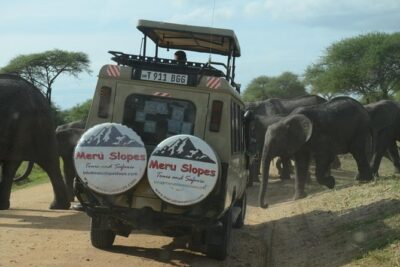
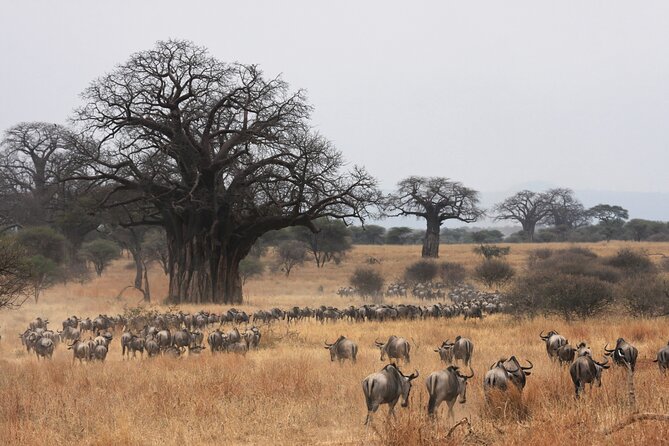
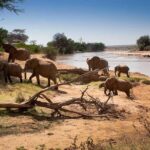
Day 1 starts with a drive from Arusha, about two hours after breakfast. When you arrive in Tarangire National Park, the emphasis is on game driving right away, with the park’s signature baobab trees and elephant sightings leading the show.
What I like about Tarangire as a start is that it sets expectations early. You’re not waiting days for the iconic stuff. You’re in the right habitat quickly, and you get a full day structure: game drive now, then picnic lunch in a wildlife setting, then another game drive in the afternoon.
You’ll end the day by heading to your lodge and listening to the African bush after dark. That part matters more than people think. After a long travel day, going to a proper lodge night one helps you actually sleep instead of feeling wrecked.
One practical note: your day is listed as about 8 hours, so plan to keep your morning routine simple. This is not a day for late starts or complicated add-ons.
Other ways down into the Ngorongoro Crater
Day 2 Serengeti National Park: The Plains Feeling Starts to Hit
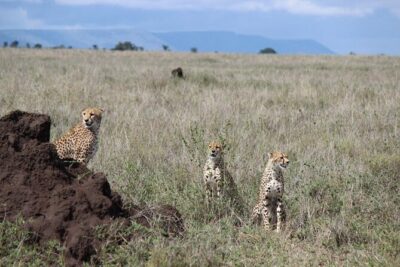
After Tarangire, you head toward Serengeti National Park, and the day again follows a classic rhythm: travel time, wildlife viewing, a hot picnic lunch, then more game driving.
Serengeti is where you start to understand why people talk about it like a living system. You can see a lot in a single drive, but what really makes Serengeti special is the way the terrain shapes movement. Your guide will be reading animal behavior and trying to position you for sightings, not just driving around randomly.
This day is also where the Big Five idea enters the conversation. The itinerary notes that you may encounter them and other iconic animals. That’s never a guarantee, but the structure gives you enough time on the ground that your chances feel real.
You’ll finish the day at your lodge in the Serengeti area for another night under the African sky. That’s a big deal, because arriving late and rushing off the next morning is how safari days get exhausting. Here, the pacing is built for staying present.
Day 3 Early Serengeti Drive, Then the Road to Ngorongoro Rim
Day 3 is built around time-of-day, which is key for safari success. You’ll start with an early morning game drive in Serengeti, then return for a hot lunch, and continue game driving before heading toward the Ngorongoro Conservation Area later.
Why does the early drive matter? Because the animals often feel more active and the light tends to work better for spotting and photography. Even if you see plenty on day 2, day 3 can surprise you with different behavior simply because the day has a different rhythm.
The late part of the day is also more than “just getting there.” You’re on a scenic drive toward a lodge near the crater rim, with wildlife sightings possible along the way. That means you’re not losing the day to transit in a straight line.
By arriving near the crater rim, you set yourself up for the big moment on day 4. It’s one of those small timing choices that changes how the whole safari feels.
Day 4 Ngorongoro Crater Sunrise: A Different Kind of Wildlife Stage
Ngorongoro is the finale, and it’s timed to matter. You’ll wake early to catch sunrise over the crater, then after breakfast you’ll take a guided tour into the crater itself.
What I love about the crater experience is the mix of ecosystems in one place. The day description calls out different zones, from lush forest to more open grassland areas. When you change habitats inside the same bowl, you also change what you can spot and how you experience the wildlife.
The itinerary also notes the chance to see a wide variety of animals, including the Big Five in their natural habitat. Again, no promises, but the crater format is one of the best-known ways to increase the feeling of “I’m surrounded by wildlife” without needing to travel farther afield.
You’ll have a hot picnic lunch during the crater day, then in the afternoon you’ll return toward Arusha. Your day is listed as about 7 hours, so you’re ending the safari without turning it into an all-day travel slog.
The Guides: What Makes This Safari Feel Professional
The best part of any safari is the person behind the windshield. In the feedback you shared, guides like Felix, Damien, Rocky, Frederick, Shaban, and Amiri came up again and again for two specific things: finding animals and doing it safely while explaining what you’re seeing.
You’ll want a guide who can read animal movement and terrain quickly. The vehicle is often chasing small opportunities, like a new sighting popping up a few minutes ahead. Guides who are strong at positioning usually get you better viewing angles and less time staring at empty ground.
English communication shows up as another value point in the notes. If you like understanding behavior, not just ticking off species, you’ll appreciate a guide who can connect sightings to the environment.
Most importantly, this is a certified guide included trip. That doesn’t automatically mean every safari will feel great, but it does raise the odds that briefings and driving choices are handled professionally.
Accommodation and Meals: Mid-Range Comfort, With a Safari Edge
This safari includes 3 nights of accommodation, and meals are listed as breakfast 3 times, lunch 4 times, and dinner 4 times. That’s a solid food plan for a short itinerary, because hunger is the fastest way to ruin the “I’m watching everything” feeling.
Your overnight setup is described as mid-range, and some feedback mentions tents and sleeping bags being provided in at least some conditions. That’s not necessarily bad. Sleeping inside the wilderness can be a highlight, and one note specifically praised campsites as well maintained, with good food and a team that took care of people.
Still, this is where you should do a quick reality check before booking. If you have a strong preference for lodge comfort versus tent or camping-style nights, ask the provider to confirm the exact accommodation type for your dates. One past booking mentioned disappointment about being paired with a more budget camping group, and that’s the kind of mismatch that can affect comfort and expectations.
Also remember that you’ll spend a lot of the day outside the vehicle and often on rough tracks. Even with mid-range lodging, you’ll feel the safari rhythm in your body. The fact that dinner is included helps you recover instead of hunting for food after long drives.
What the Daily Timing Means for Your Energy
The itinerary gives you long days, with daily drive and game-drive blocks around 7 to 8 hours. That’s normal for this route, but it helps to see what you’re signing up for.
Day 1 is a full Tarangire day after a morning drive. Day 2 is another full day, traveling to Serengeti and then spending meaningful time on game drives. Day 3 starts early and ends with a transfer toward the crater rim. Day 4 is early again, then a full crater experience before heading back.
So if you’re someone who needs a lot of downtime, this may feel intense. If you’re the type who enjoys being out early, then slowing down at night with a warm meal, this schedule fits well.
Wildlife Viewing Expectations: Strong Chances, Realistic Mindset
This is not a “guaranteed animals” product. The itinerary language uses chance and possibility, especially around classic heavy hitters like the Big Five.
That said, the structure increases your odds in smart ways:
- Tarangire day one gets you into elephant territory right away.
- Two Serengeti days, including an early start on day 3, gives you different lighting and animal movement patterns.
- Ngorongoro on day four brings you into a controlled viewing environment where habitats differ within the crater.
If you keep your expectations flexible, you’ll enjoy the variety. Sometimes the best moments aren’t the headline animals, but the behavior: the timing of a herd, a predator pause, or a moment when the whole plain seems to shift.
Who This Safari Suits Best
This trip is a strong fit for first-time safari planners who want a classic Tanzania circuit in a tight timeframe. You’ll cover three major areas without needing a bigger, longer multi-week schedule.
It also works well for people who like comfort but aren’t trying to buy pure luxury. The mid-range approach plus included meals and three nights of lodging helps you spend your energy on game drives and not logistics.
Family-friendly notes show up in the feedback, including mention that even kids enjoyed the food. If you’re traveling with younger members, ask about the accommodation style and confirm what you’ll be sleeping in so everyone is comfortable.
Should You Book This 4-Day Tarangire-Serengeti-Ngorongoro Safari?
I’d book this if you want a focused Tanzania sampler that still feels substantial, with certified guiding, small-group size, and meals included while you chase wildlife in three different settings.
I’d pause and confirm accommodation details if you are sensitive to lodging style. One note about being paired with a budget camping group is exactly the kind of mismatch that can sour comfort expectations.
If you can live with long days and early starts, this is a great value way to experience Tarangire, Serengeti, and Ngorongoro in four days, with guides who have clearly earned strong praise for spotting and explanation.
FAQ
How long is the safari?
It’s listed as approximately 4 days.
What parks are included?
You’ll visit Tarangire National Park, Serengeti National Park, and Ngorongoro Conservation Area.
What is the maximum group size?
The tour has a maximum of 7 travelers.
Are meals included?
Yes. The package lists breakfast 3 times, lunch 4 times, and dinner 4 times.
Is transportation included?
Yes. Transportation is included, and pickup is offered.
Are park admission tickets included?
The itinerary lists Admission Ticket Free for the park days.
Where is the tour based?
It lists Arusha, Tanzania as the location.
What’s not included in the price?
Medical, travel and luggage insurance and international flights & departure taxes are not included.
Can I get a refund if my plans change?
There is free cancellation. You can cancel up to 24 hours in advance for a full refund.
Tarangire and Its Baobabs
- 5-Day Highlights mid-Range Crater, Serengeti, Tarangire
★ 5.0 · 296 reviews - Private 6-Day Tarangire Manyara Crater and Serengeti with Mid-Range Lodges
★ 5.0 · 238 reviews - 5 Days Camping Tarangire, Serengeti & Ngorongoro crater & Visiting Maasai
★ 5.0 · 229 reviews - 4 Days Join Group tour Tarangire Serengeti and Ngorongoro crater
★ 5.0 · 219 reviews - 4-Day Safari from Arusha: Tarangire, Serengeti and Ngorongoro
★ 5.0 · 173 reviews
Still Thinking About the Crater?
- 3 Days Serengeti & Ngorongoro Group Camping Safari
★ 5.0 · 574 reviews - 5 Days Camping Tarangire, Serengeti & Ngorongoro crater & Visiting Maasai
★ 5.0 · 229 reviews - 4 Days Join Group tour Tarangire Serengeti and Ngorongoro crater
★ 5.0 · 219 reviews - 4-Day Safari from Arusha: Tarangire, Serengeti and Ngorongoro
★ 5.0 · 173 reviews - 2 Days Tarangire and Ngorongoro Group Camping Safari
★ 5.0 · 146 reviews
The Serengeti, Three More Ways
- Balloon Safari & Bush Breakfast in Serengeti – Miracle Experience
★ 5.0 · 1,646 reviews - 3 Days Serengeti & Ngorongoro Group Camping Safari
★ 5.0 · 574 reviews - 5-Day Highlights mid-Range Crater, Serengeti, Tarangire
★ 5.0 · 296 reviews - 3-Day Classic Serengeti Safari
★ 5.0 · 263 reviews - Private 6-Day Tarangire Manyara Crater and Serengeti with Mid-Range Lodges
★ 5.0 · 238 reviews
Just added from around Arusha

Serengeti National Park Safaris, compared.
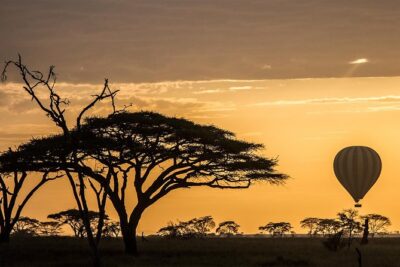 ★ 5.0Serengeti Balloon Safari and authentic bush breakfastFrom $5502,480 reviews
 ★ 5.0Balloon Safari & Bush Breakfast in Serengeti – Miracle ExperienceFrom $5991,646 reviews
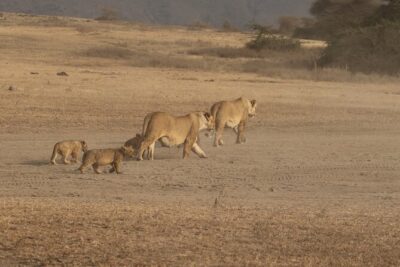 ★ 5.03 Days Serengeti & Ngorongoro Group Camping SafariFrom $815574 reviews
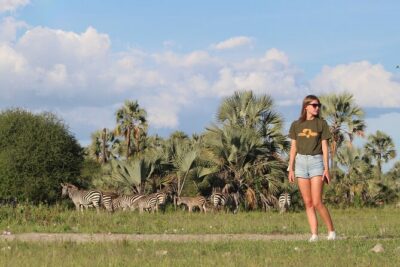 ★ 5.05-Day Highlights mid-Range Crater, Serengeti, TarangireFrom $2,327296 reviews
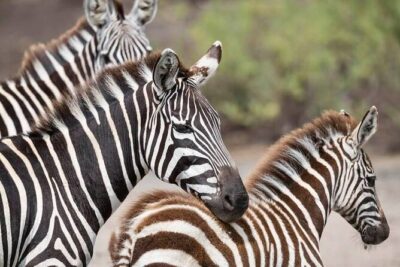 ★ 5.0Safari Serengeti And NgorongoroFrom $2,845288 reviews
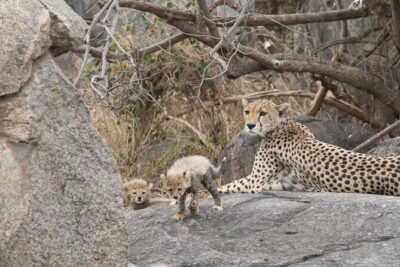 ★ 5.03-Day Classic Serengeti SafariFrom $1,455263 reviews
 ★ 5.0Private 6-Day Tarangire Manyara Crater and Serengeti with Mid-Range LodgesFrom $2,685238 reviews
 ★ 5.05 Days Camping Tarangire, Serengeti & Ngorongoro crater & Visiting MaasaiFrom $1,254229 reviews