
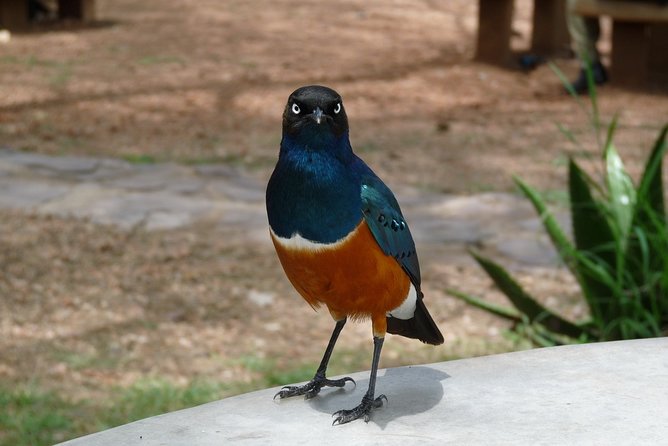
REVIEW · TANZANIA LODGE AND LUXURY SAFARIS
4 Days Lodge Safari
The savannah packs a lot into four days. This 4-day lodge safari from Moshi is built for fast wildlife time across the Northern Circuit, with lodge nights and a tight route that still leaves room for real game viewing. You’ll move between Lake Manyara, Serengeti, and the Ngorongoro area, which is a smart way to maximize animal sightings without a huge travel week.
What I like most is the balance of variety and focus: birds and primates at Lake Manyara, classic Serengeti plains and migration country, then the world-famous crater wildlife payoff. I also love that the plan is practical, with covered park entry and a private, air-conditioned vehicle so your day doesn’t grind to a halt on logistics.
One thing to consider is the pace. With early starts for drives and longish stretches between parks, this is best if you’re good with a schedule and you don’t mind spending a lot of time in the vehicle.
In This Review
- Quick highlights worth getting excited about
- Moshi to the Northern Circuit, Four Days to Do It Right
- Day 1 in Lake Manyara National Park, Birds and Woodland Creatures
- Day 2 Serengeti National Park, Migration Country in Manageable Time
- Day 3 Ngorongoro Conservation Area, Early Drives and the Crater Rim Setup
- Day 4 Ngorongoro Crater Descent, Your Best Big Five Shot
- Price and Value, What $1,847.43 Buys You in Real Terms
- Guides, Safety Feel, and Why the Right Driver Changes Everything
- Who Should Book This 4-Day Lodge Safari from Moshi?
- Should You Book? My Straight Answer
- FAQ
- What is the start time for this safari?
- Where does this safari take you?
- How long is the safari?
- Is pickup offered?
- Are park admission fees included?
- What meals are included?
- What is the cancellation policy?
Quick highlights worth getting excited about
- Big Five odds in a short window, with your main crater day designed for a focused morning game drive
- A lodge stay on the crater rim or Karatu, so you’re not rushing back and forth constantly
- Covered admission and fees included, so your budget stays cleaner than many “bare-bones” safaris
- Private driving with WiFi on board, helpful for sharing photos and planning your next stop
- Guide expertise can make a huge difference, and names like Anthony, Tony, and Freddy came up in past experiences
Lodge safaris in the same bracket
- 8-Day Essence of Tanzania Safari – Luxury★ 5.0 · 72 reviews
- 7-Day Magical Tanzania Safari -Premium High End Package★ 5.0 · 53 reviews
- Tanzania Luxury Safari★ 5.0 · 48 reviews
- 5-Day Majestic Tanzania Safari – High End All Inclusive★ 5.0 · 44 reviews
Moshi to the Northern Circuit, Four Days to Do It Right
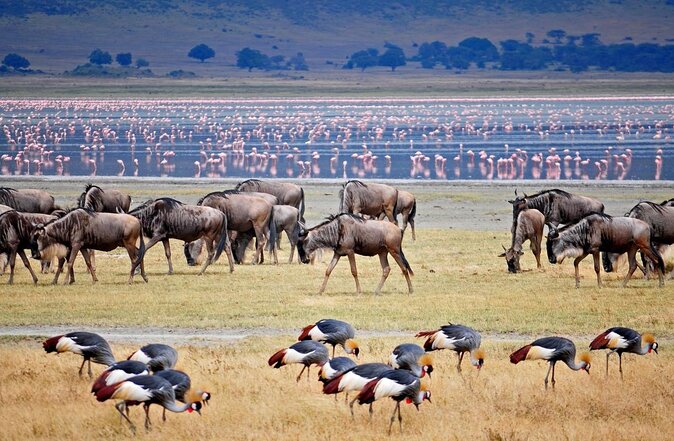
Starting from Moshi is a big practical win. It keeps the “getting there” part from taking over your holiday, and it makes this safari feel like a proper schedule you can wrap your head around, not a constant blur of transfers.
This trip also follows a classic logic: you hit one park that’s known for birds and woodland creatures (Lake Manyara), then you go to the place most people picture when they think of Tanzania (Serengeti), and you finish with Ngorongoro, where the terrain funnels wildlife into a more viewable setting. That matters, because in safari planning, location beats luck. You still need the animals to cooperate, but you’re putting yourself in the right places at the right times.
You’ll be in a private vehicle with air-conditioning, and WiFi on board is included. WiFi is not a reason to book a safari, but it’s genuinely useful for checking logistics with your hotel, sharing updates, or keeping your own plan straight while you’re on the road.
One more practical point: the day starts early. The drives are timed to wildlife activity, and that means you’ll likely be up before the sun most mornings. If you’re someone who likes slow mornings, just know this is the kind of trip that trades extra sleep for more animals on the road.
Day 1 in Lake Manyara National Park, Birds and Woodland Creatures
Lake Manyara is a great first day because it doesn’t overload you with travel before you see something special. You’ll be picked up from your hotel after breakfast and head to the park, which sits along the Rift Valley escarpment. Even the scenery has layers here, with different habitats that support different animals.
The star attraction is the lake itself. The water draws hundreds of bird species, and the park is known for big bird action, not just the occasional sighting. If you enjoy wildlife photography, this is a strong opener because birds can mean lots of movement in one place, and you get to practice scanning quickly.
This park also gives you a mix of land and forest edges. You may spot monkeys in the forest, giraffes and antelopes out on the grasslands, and elephants around acacia trees. That combination is why I think Lake Manyara works well as a day-one stop. It’s easier to get your safari “eyes” on early, and you’re not waiting until the last day for the classic wow moment.
A bonus detail that often gets overlooked: Manyara is described as a place where herbivores and predators follow the food chain through different vegetation zones. In plain terms, it’s a park where the ecosystem structure helps guide your sightings. You’ll still need patience, but you’re walking into a system that’s built to be seen.
Where it can be a drawback is time and expectations. You’ll only have part of the day in the park, so keep your hopes realistic. This is about variety and setting the tone, not trying to “finish the whole park” on day one.
Day 2 Serengeti National Park, Migration Country in Manageable Time
Serengeti is why most people plan Tanzania in the first place. After breakfast, you head toward the Serengeti plains, passing through areas with farming activity along the way. That contrast is interesting: you’re watching wildlife, but you’re also traveling through a living landscape where people grow crops and the savannah isn’t isolated from daily life.
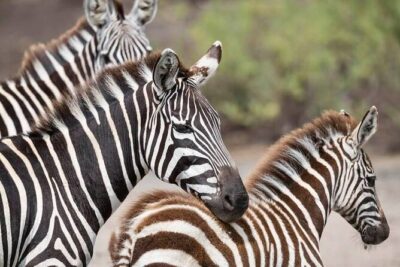
Once you reach the plains, the terrain becomes the kind of stage that makes safari sightings feel frequent. Short-grass plains, swamps, thick bush, and the rocky outcrops called kopjes are all part of what makes Serengeti such a strong predator-hunting stage. Predators use rocky features for cover and vantage, and kopjes are often where you can spot movement against the sky.
The trip also leans into the migration theme. Depending on the season, you can see the migration of thousands of animals, described as more than 2.5 million mammals moving between ecosystems. Even if you’re not there for peak crossing moments, you’re traveling through the heart of migration country, which means the rhythms of grazing and predator attention are still in play.
A practical advantage of doing Serengeti on day two is mental momentum. By then, you’ve already learned how your guide reads the vehicle stops, how quickly to scan, and how to judge “good sign” behavior from the wildlife around you. You’re ready for the long stretches of searching, which are a normal part of Serengeti.
One more detail worth noting: you’re not doing only one narrow habitat. Serengeti’s mix of plains, bush, and water-adjacent areas can change what you see in a single day. That variety makes a limited time trip feel like you got more value from it.
If you dislike waiting for sightings, Serengeti can feel demanding. But that is also Serengeti’s truth. The best approach is to stay calm, sit steady, and let your guide move you when conditions are right.
Day 3 Ngorongoro Conservation Area, Early Drives and the Crater Rim Setup
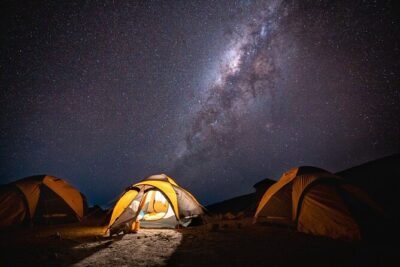
This is the day that turns the trip from “classic safari” into “crater safari.” You start with a dawn drive, which is one of the smartest times of day anywhere for wildlife. Cooler air, active movement, and fresh light all help you spot animals and see them clearly.
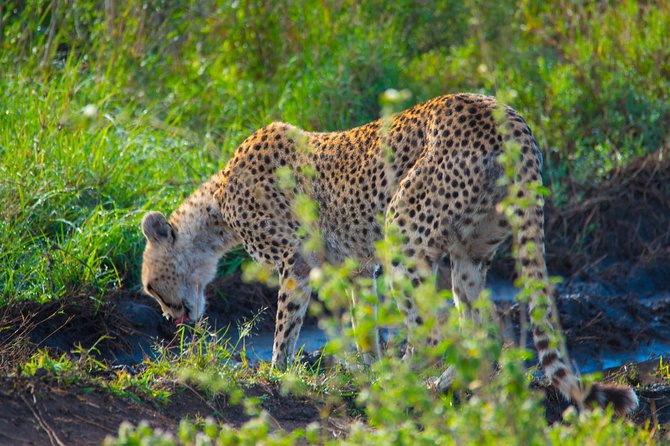
You’ll return for breakfast, then head out again for another game drive. That two-drive format matters. It gives you a morning window for cats and grazers, then another block later when activity shifts. In the Seronera region, you may see wildebeest and zebras close to lions and other predators like leopards and cheetahs. The point isn’t that you’ll see all of them every time, but you’re operating in a region known for predator and prey overlap.
After a picnic lunch, you continue your journey toward the crater rim area. At this stage you’re not just driving to wildlife, you’re also driving to a view. When you reach the crater rim, the scenery is described as fantastic, with the crater dropping about 600 meters deep. Even if wildlife sightings were slow that day, the crater itself can be a strong “moment.”
Then you stay at a lodge either on the crater edge or in Karatu town. That choice affects how you feel the next morning. Lodging near the rim can mean less time in transit before your crater descent. Karatu can still work well, but you’ll start more “road time” before the main drop.
The main thing to remember on day three is that it’s both a wildlife day and a repositioning day. If you treat it that way, the transition feels smooth rather than exhausting.
Day 4 Ngorongoro Crater Descent, Your Best Big Five Shot
The final morning is built around a steep, narrow road down into the crater. After an early breakfast, you drive into a landscape that changes quickly, from forested slopes to open savannah. That shift is important because animals use edges and transitions. If you’re watching for movement, the change in habitat helps you interpret what you’re seeing.
This is also your main big-wildlife window. In just a few hours, with luck, you can observe the “Big Five” including lion, elephant, buffalo, rhino, and leopard. I’ll say it plainly: you don’t control wildlife, but this is one of the best setups in the world for compressing big sightings into a short time period.
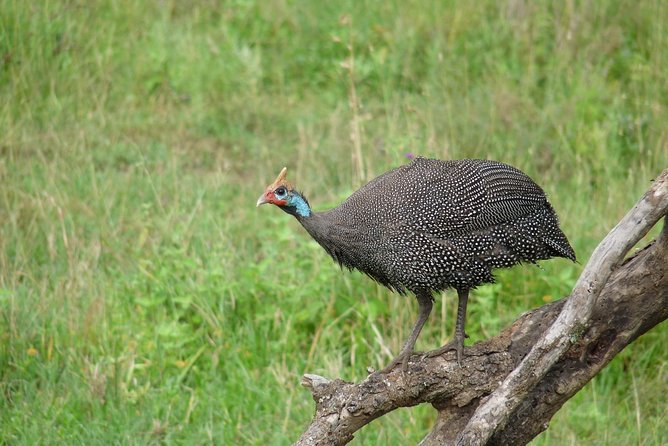
Your crater game drive can also include warthogs, wildebeest, zebras, and hippos. The park area is also home to more than 500 bird species, so even if you’re not focused on the mammals, there’s enough for bird lovers to enjoy throughout the drive.
After a morning dedicated to game viewing and a picnic lunch, you leave the crater in the early afternoon and drive back to Arusha or Moshi, arriving early evening. That timing is considerate. It gives you a final wildlife block without turning the day into an all-night travel push.
The biggest consideration on day four is attention. The crater can deliver multiple sightings in a short period, so you’ll want to stay engaged, not just wait for your one favorite animal. Watching how your guide positions the vehicle and reads animal movement is where the day pays off.
Price and Value, What $1,847.43 Buys You in Real Terms
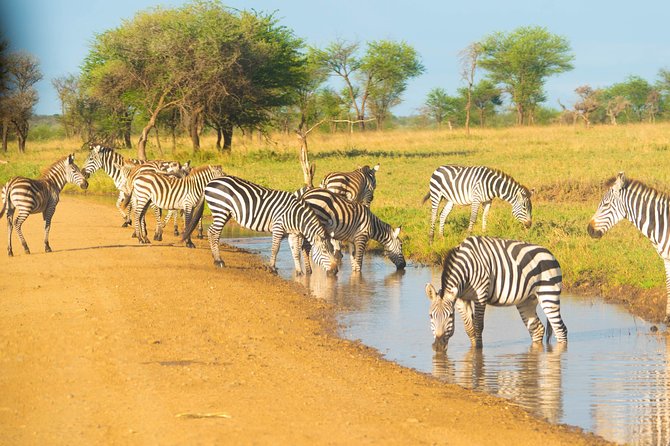
At $1,847.43 per person, this is not a bargain-basement safari. But it can be good value if you care about getting three major wildlife areas in four days without nickel-and-diming yourself into confusion.
Here’s what helps justify the price based on what’s included:
- Air-conditioned private vehicle and private transportation, which is a major comfort upgrade for long drives
- WiFi on board, included, so the ride is less disconnected
- Meals included, with breakfast (3), lunch (4), and dinner (3)
- All fees and taxes included, plus admission described as free on multiple days and included on the crater day
When you compare safaris, the money often hides in the add-ons. Tips, drinks, entry fees, and vehicle differences can quietly change your real total. Here, the structure is more straightforward, so you can budget faster.
What’s not included is also clear, and you should plan around it: tips for the guide, alcohol and soft drinks, visa fees, personal expenses, and flights (international). If you’re trying to keep your trip tidy, set aside a tip budget and keep drinks spending in check.
If you’re traveling as a couple or group and you want the comfort of a private safari rhythm, the price starts making more sense. If you’re solo and trying to cut costs at all costs, you might find cheaper shared options elsewhere, but you’ll lose some of the control and comfort this route provides.
Guides, Safety Feel, and Why the Right Driver Changes Everything
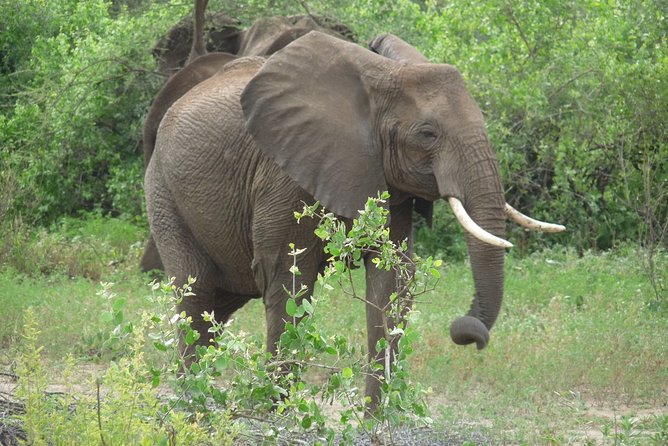
A safari is not just a route. It’s the person behind the wheel and the mind behind the spotting. In past experiences with this safari operator, guide names like Anthony, Tony, and Freddy came up, and the consistent theme was care and competence.
What you want from a great guide on a lodge safari is quick decision-making. Wildlife drives work best when your guide can read signs like fresh tracks, bird calls, and where predators might be moving. That’s also why guide patience matters. Spending time learning what you’re seeing turns the whole day into something you remember.
There’s also a practical side. Reviews associated with Bujo Tours mention communication that worked smoothly and staff willingness to go the extra mile. Even when plans change in small ways, the safari experience is better when someone is responsive and clear.
Safety also comes down to the driver’s judgment. In places like Ngorongoro crater, your vehicle positioning and timing can influence what you see and how comfortable you feel inside your day. So when you see mentions of careful, safe guiding, I take that as a real indicator this operator pays attention to the details.
One note: your exact guide name isn’t guaranteed in the information you have here. But the operator’s track record and the way guides are described suggest that expertise is part of their approach.
Who Should Book This 4-Day Lodge Safari from Moshi?
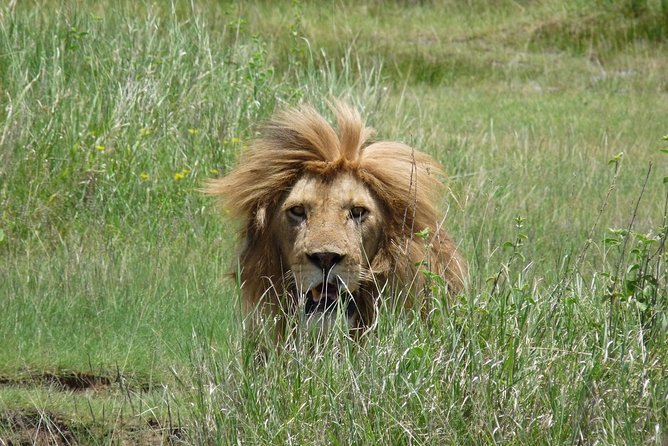
This is a strong fit for you if you want a classic Northern Circuit wildlife sampler with lodge comfort and you’d rather spend your energy on sightings than on travel hassles.
It’s also a good choice if:
- You want the Big Five chance concentrated on a crater day
- You like a route with a clear flow, Lake Manyara to Serengeti to Ngorongoro
- You prefer a private tour so you can move at your pace and enjoy the ride
- You’re okay with early mornings for the best wildlife activity
You might want to look elsewhere if you’re hoping for a super relaxed vacation with lots of free time. This plan is efficient, and efficiency means you’ll feel the schedule. It’s not a “lie in a hammock all day” style trip.
This safari also fits families and first-time safari goers well, based on how it’s described as a highlight experience and how guides are praised for explaining what’s going on, including birds and small animals.
If you’re a hardcore birder, this still has plenty for you, since Lake Manyara and the crater area are both noted for bird richness. But the main attraction for most people remains mammals and predator action.
Should You Book? My Straight Answer
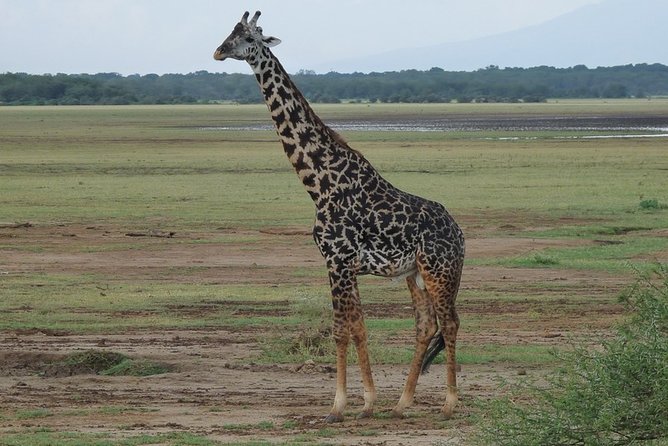
Book it if you want a well-structured safari that targets three top areas in four days, with lodge nights and covered key costs. The route is efficient, and the crater day gives you a realistic shot at the Big Five in a single morning block.
Skip it if you’re extremely sensitive to early starts and long drive days. Also consider your expectations. Even in a strong wildlife route, sightings depend on season and conditions, so think in odds and opportunities, not guarantees.
If you’re ready for a tight, memorable safari rhythm, this is a solid option that aims to deliver high wildlife value without making you manage every logistical detail.
FAQ
What is the start time for this safari?
The safari start time is 8:00 am.
Where does this safari take you?
It focuses on Serengeti National Park and the Ngorongoro area, and it also includes Lake Manyara National Park or Tarangire National Park depending on which is expected to offer better animal viewing at the time.
How long is the safari?
It runs for about 4 days.
Is pickup offered?
Yes, pickup is offered from your hotel.
Are park admission fees included?
Admission is described as free on multiple days, and the Ngorongoro crater day lists admission as included.
What meals are included?
Breakfast is included for 3 days, lunch for 4 days, and dinner for 3 days.
What is the cancellation policy?
You can cancel up to 24 hours in advance for a full refund. If you cancel less than 24 hours before the start time, the amount paid is not refunded.
More Lodge Safaris
- 8-Day Essence of Tanzania Safari – Luxury
★ 5.0 · 72 reviews - 7-Day Magical Tanzania Safari -Premium High End Package
★ 5.0 · 53 reviews - Tanzania Luxury Safari
★ 5.0 · 48 reviews - 5-Day Majestic Tanzania Safari – High End All Inclusive
★ 5.0 · 44 reviews - 7-Day Tanzania Odyssey Safari- High End Tour
★ 5.0 · 35 reviews
Just added from around Moshi
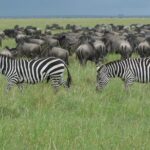
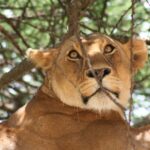
Tanzania Lodge and Luxury Safaris, compared.
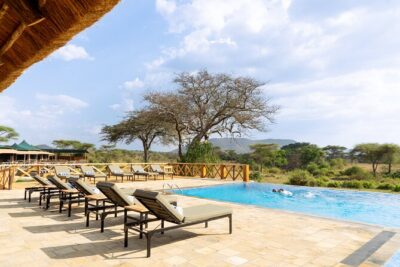 ★ 5.07-Day Premium Luxury Tanzania Safari All-InclusiveFrom $4,840426 reviews
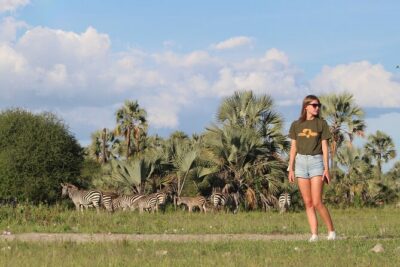 ★ 5.05-Day Highlights mid-Range Crater, Serengeti, TarangireFrom $2,327296 reviews
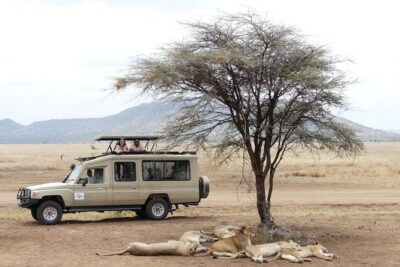 ★ 5.0Private 6-Day Tarangire Manyara Crater and Serengeti with Mid-Range LodgesFrom $2,685238 reviews
 ★ 5.0Selous Luxury Day Safari with PhotographerFrom $800211 reviews
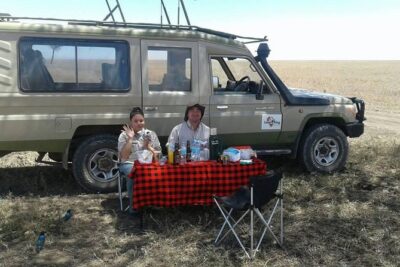 ★ 5.05 Days Best of Tanzania Luxury Safari Northern CircuitFrom $3,744174 reviews
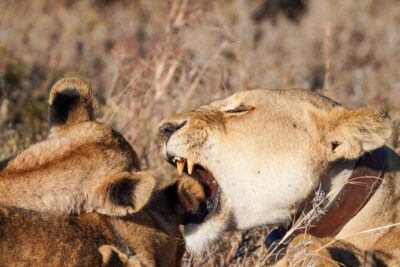 ★ 5.05-Day Private midrange Tour in Arusha with Airport PickupFrom $3,600160 reviews
 ★ 5.012 days Luxury Tanzania Honeymoon Safari and ZanzibarFrom $7,265105 reviews
 ★ 5.04 Days Tarangire, Serengeti and Ngorongoro Mid-Range Group SafariFrom $1,45084 reviews
Browse the lists this tour appears in