
REVIEW · KILIMANJARO MACHAME ROUTE
10 Days Machame Route Kilimanjaro Climb
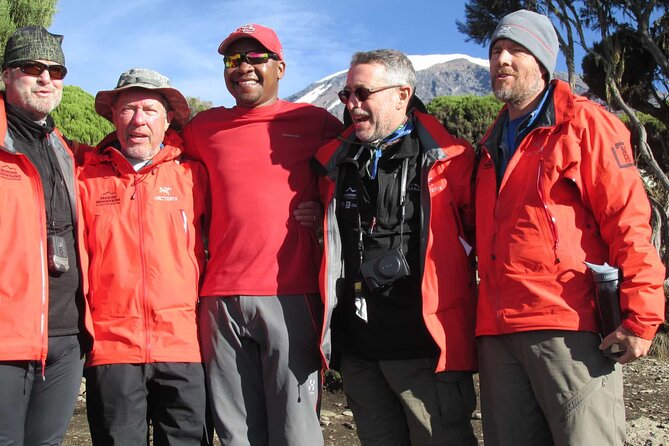
Kilimanjaro feels bigger when you climb Machame. This 10-day trek from Moshi through the Machame Route delivers longer hiking days, frequent altitude checkpoints, and seriously photogenic summit timing. I especially like how the route sets you up for success with step-by-step acclimatization and a rewarding descent on the Mweka Route.
You will also get a strong, human service layer, with staff that handle the details from airport pickup to mountain camp operations, guided by pros like Freddie Chikima. The one drawback to plan for is that Machame is demanding, with steeper trail and more walking time each day, so it suits hikers who already hike regularly and can tolerate cold nights.
If you want a classic Kilimanjaro experience with structure, safety tools, and a route known for scenery, this is a solid choice. Just be honest with your fitness, because the schedule gives you less room to coast than some easier itineraries.
In This Review
- Key takeaways before you go
- Machame Route reality check: longer days, steeper steps, better payoff
- Moshi kickoff: airport pickup and two nights at a real home base
- Day 3 Machame Gate to Machame Camp: tropical forest gets you moving
- Day 4 Shira Plateau acclimatization: streams, a gorge, and a view of Mt Meru
- Day 5 to Barranco: altitude up to 4250 m and the Barranco gorge
- Day 6 Barranco Wall plus Kibo South Circuit: a shorter day that still helps
- Day 7 Barafu Camp: the exposed ridge and the staging point for summit night
- Day 8 the summit day: midnight starts, Stella Point, and Uhuru Peak at about 8 a.m.
- Day 9 down via Mweka Gate: steep descent, goodbye to your mountain crew, hot shower reward
- Day 10 Moshi wrap-up: airport transfer or continuing to safari and Zanzibar
- What you truly get included: water, meals, camps, and serious safety support
- The human factor: guides and porters make Machame feel safer
- Price and value check for a $3,025 Machame trek
- Who should book this Machame climb, and who should think twice
- Should you book Real Life Adventure Travel for the Machame Route?
- FAQ
- What is the duration of this 10 Days Machame Route Kilimanjaro Climb?
- Where does the trip start and end?
- Are airport pickups included?
- What hotel will I stay in during the first days in Moshi?
- What is included for safety and medical support?
- What costs are not included in the price?
Key takeaways before you go
- Machame is harder by design, with longer hiking days and steeper trail than some alternatives
- Moshi starts the trip cleanly, with airport pickup and a comfortable base at Bristol Cottages or Parkview Inn
- Acclimatization is built into your walking, including Shira Plateau, Barranco, Karanga Valley, and ridge-top camps
- Your summit push is timed early, leaving Barafu around midnight and reaching Uhuru Peak around 8 a.m.
- Safety gear is included, including emergency oxygen, oximeters, a hyperbaric chamber, and Flying Doctors insurance
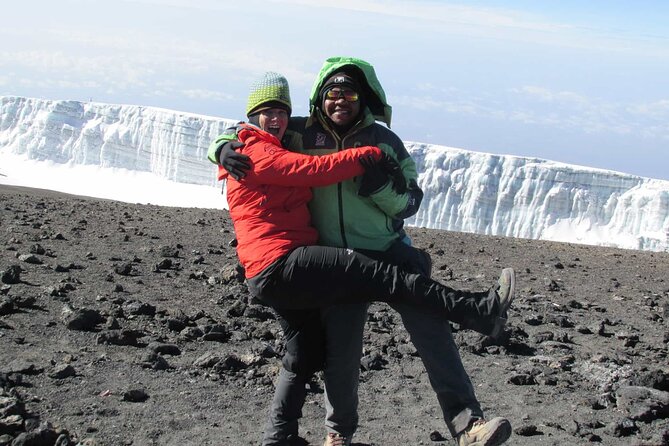
- The team matters, with guide and crew professionalism highlighted by names like Freddie Chikima, Hans, and Wilfred
Other ways up Kilimanjaro we reviewed
- Kilimanjaro climb by Lemosho Route (7-day)★ 5.0 · 651 reviews
- Kilimanjaro climb, Machame Route (7-day)★ 5.0 · 262 reviews
- Kilimanjaro Climbing Lemosho Route 8 Days.★ 5.0 · 186 reviews
- Climbing Kilimanjaro – Machame Route★ 5.0 · 170 reviews
Machame Route reality check: longer days, steeper steps, better payoff
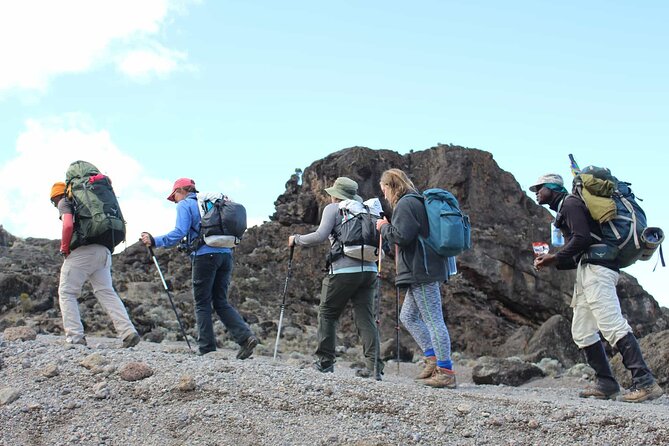
The Machame Route is now one of the most popular ways up Kilimanjaro for a reason. It’s challenging, but the trade is real: you get varied scenery and a summit approach from the southwest that feels earned. If you like hiking that keeps you working, you’ll probably enjoy the rhythm here.
Compared with gentler routes, Machame asks more of you day to day. You’ll hike longer stretches, climb steeper sections, and spend more time on your feet before you reach the summit. That’s the main consideration: it is not a casual stroll, and it is not for couch-to-peak planning.
Moshi kickoff: airport pickup and two nights at a real home base
Day 1 starts in Moshi, Tanzania. When you arrive at Kilimanjaro International Airport, your trip leader picks you up and transfers you by car to your hotel, either Bristol Cottages or Parkview Inn. This matters more than it sounds, because a clean arrival reduces stress when your body is still adjusting to a new environment.
Day 2 is your buffer day. You rest in the morning, then you get a brief orientation and equipment check after lunch, followed by a town tour. The goal is simple: get your gear sorted, understand how the climb works, and settle into a routine before you start climbing for real.
Day 3 Machame Gate to Machame Camp: tropical forest gets you moving
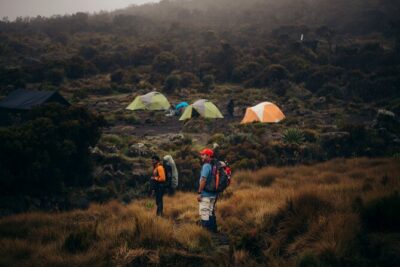
After breakfast, you leave your Moshi hotel around 9:30 a.m. Then you drive to Machame gate to meet guides and porters, so you’re not hiking solo with big logistics flying around in your head. From Machame gate to Machame Camp, you climb to around 3000 meters, hiking for about 5 to 7 hours.
This is the thick tropical forest day. The forest changes the experience from later alpine zones. You’re still working hard, but the air and trail conditions feel different, and you may find it easier to keep moving without the harsh cold you’ll face closer to the summit. Expect the pace to be steady, not sprinty, and treat this day as your first warm-up in the rhythm of climbing.
More Machame departures, compared
Day 4 Shira Plateau acclimatization: streams, a gorge, and a view of Mt Meru
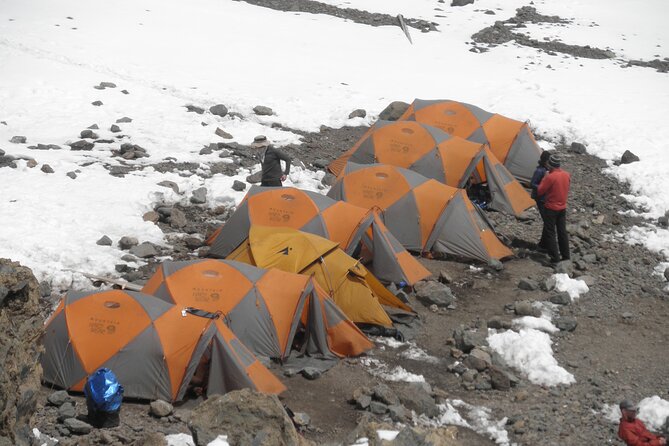
Day 4 is an acclimatization day that keeps the climbing gentler. You hike over streams, a river gorge, and moorlands for about 4 to 5 hours. Your camp sits on the Shira Plateau, so you get views of Kilimanjaro and Mt Meru.
This is where you learn an important Kilimanjaro lesson: acclimatization isn’t just about altitude, it’s about how you manage effort. The itinerary gives you a day that supports that idea, letting you adjust while still moving through interesting terrain. If you take it easy and drink what you’re provided, this day can make the rest of the climb feel more manageable.
Day 5 to Barranco: altitude up to 4250 m and the Barranco gorge
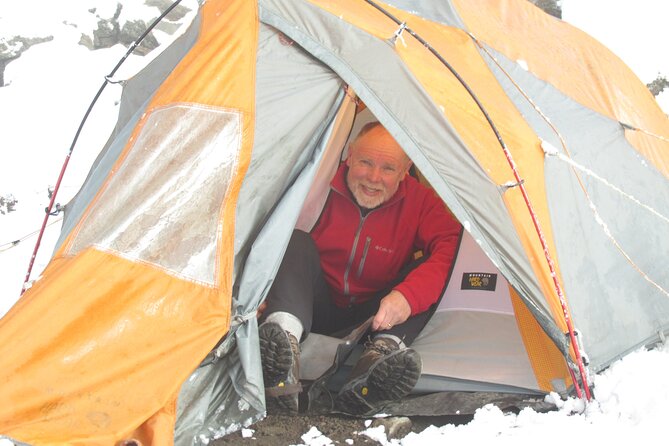
Day 5 is a key acclimatization day. You travel up to about 4250 meters before spending the night at Barranco. The route climbs through moorlands into the alpine zone, and at this height the plant life you see is mostly the hardiest grasses and lichens.
Then you shift into a high altitude desert feel, with wide-open views, including the Western Breach of Kibo when weather is clear. After about 4 hours, the trail forks and you descend into the Barranco gorge. It’s “up and down” walking, about 5 to 6 hours, and it can be tiring in a sneaky way because your body is already adjusting to less oxygen.
Practical advice: keep your steps short. It’s easier on your calves and helps you stay controlled on uneven ground. If you use trekking poles, this is a good day to make them earn their space in your backpack.
Day 6 Barranco Wall plus Kibo South Circuit: a shorter day that still helps
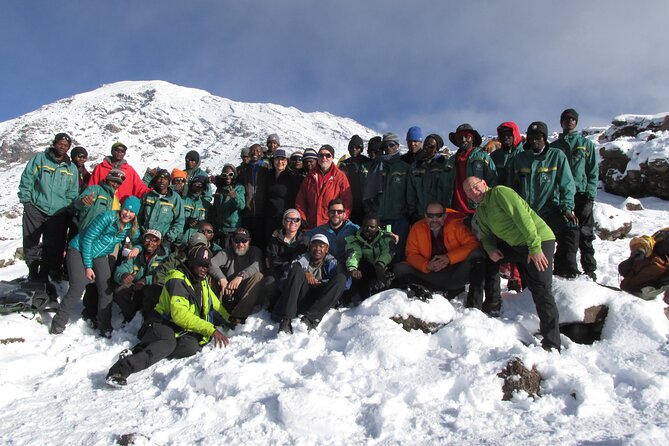
Day 6 brings you to the Barranco Wall. You’ll climb it, and it’s described as not technical, but it still feels real because it’s steep. After that, you follow the Kibo South Circuit, with potential views of Kibo’s southern glaciers if the sky behaves.
The day is relatively short at about 3 to 4 hours. Your camp is placed just after the Karanga Valley on a ridge, and you should arrive by late morning or early afternoon, with time to rest before the next push. This is another acclimatization win: you walk in the morning and then descend various ridges and valleys during the hike, which helps your body keep adapting without turning the day into a brute-force marathon.
Day 7 Barafu Camp: the exposed ridge and the staging point for summit night
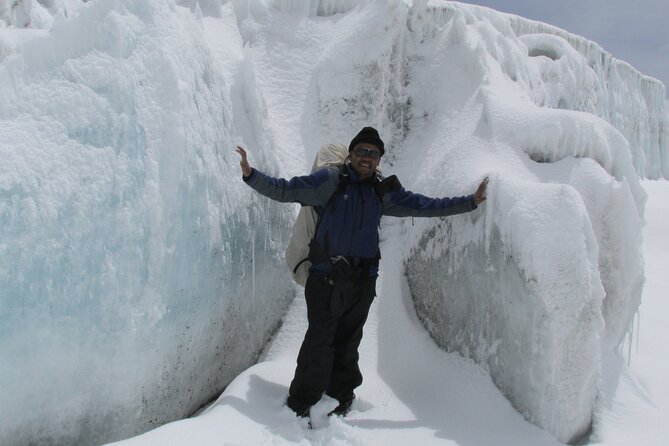
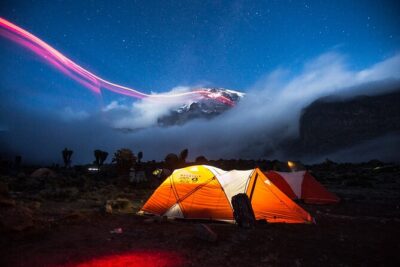
Today is steadily uphill, with colder temperatures and a sparser, harsher feel to the trail as you approach Barafu Camp. Barafu means ice in Kiswahili, and the name fits the mood. The camp sits on an exposed ridge, and it’s your staging point for the summit attempt.
You hike about 4 to 5 hours. The schedule aims to get you to camp by late lunchtime so you have plenty of time to rest before the big night. This is when your preparation turns into a mental game: get comfortable, eat what you can, and don’t burn energy worrying about the fact that you’ll be up at midnight.
Day 8 the summit day: midnight starts, Stella Point, and Uhuru Peak at about 8 a.m.
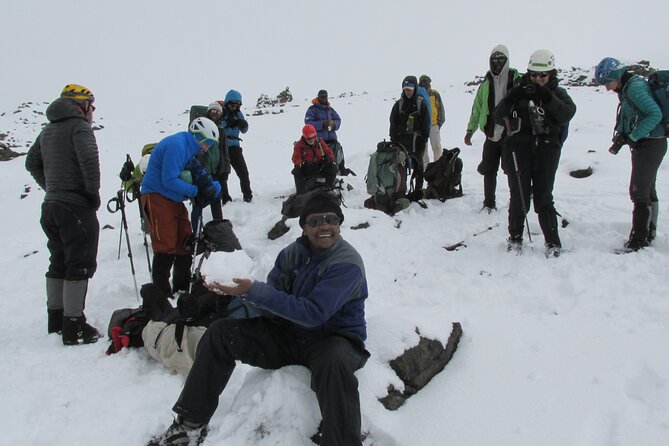
This is the day people talk about because it’s hard in a focused way. You leave your campsite around midnight to start the climb from Barafu toward Stella Point. The trail here is fairly steep, and you’ll spend much of the night and early morning climbing in colder conditions.
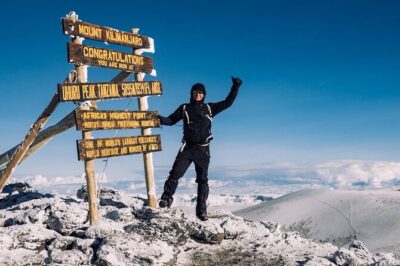
At Rebmann Glacier (around 4870 meters), the route heads north between Rebmann and Ratzel glaciers. If visibility is good, it’s described as stunning views. Eventually you reach the crater rim just west of Stella Point, then you join the main trail for the last leg to the summit at Uhuru (about 5895 meters).
You’re expected to reach Uhuru Peak around 8 a.m., before clouds close in. That timing matters because it gives you a better shot at clear summit views of Africa in multiple directions. Hiking time is listed at about 7 to 8 hours for the full day effort, including both the summit leg and the descent part of your day.
One practical thought: this is where you want to have your clothing and hydration plan dialed in. You’ll want warm layers ready for night cold, and you’ll need steady drinking even when you feel like you’re too busy to bother.
Day 9 down via Mweka Gate: steep descent, goodbye to your mountain crew, hot shower reward
Your final hike is a descent of about 3500 feet to Mweka Gate, roughly 3 to 4 hours. This part of the route is steep in places and can be slippery if wet. Trekking poles are again strongly recommended, because gravity does not negotiate.
When you reach Mweka Gate, you say goodbye to your mountain crew, then you enjoy a picnic lunch. After that, trip leaders take you back to your Moshi hotel for a hot shower, which is not a luxury here. It’s a full body reset after days of camping and cold air.
Day 10 Moshi wrap-up: airport transfer or continuing to safari and Zanzibar
Day 10 is the easy landing. If you’re flying home, you get transferred to Kilimanjaro International Airport to catch your flight. If you’re continuing on safari or to Zanzibar, pickup happens from your hotel so you can keep the trip going with less hassle.
This matters because it helps you avoid the classic ending problem, where everyone is tired and logistics take up mental space. You leave the mountain with time to breathe.
What you truly get included: water, meals, camps, and serious safety support
A lot of Kilimanjaro packages market the same things. What helps here is that the included items are concrete and useful.
On the mountain, you get boiled or filtered water. You also get emergency oxygen, oximeters, and Flying Doctors insurance, plus access to a hyperbaric chamber. That level of safety gear and planning is exactly what you want when the stakes are altitude related.
All park fees are included too, as are guide, chef, and porter salaries. Camping accommodation during the hike is covered, which is important because it’s not just the trail, it’s the overnight system that keeps you functional.
Food coverage is built into the schedule: breakfasts and dinners are included, and lunches are listed across multiple days. You’re not stuck paying for meals in the bush. The menu may not be fine dining, but you’ll get what you need to keep moving.
Not included is also clear: flights, visa fees, alcohol and soft drinks, personal spending, tips, and travel insurance. I consider tips and travel insurance part of your real budget because they’re not optional in most situations, even if the trek company isn’t charging for them.
The human factor: guides and porters make Machame feel safer
Machame’s difficulty comes with a management challenge. You want steady decision-making, someone watching your pace, and a crew that handles the camp system without drama.
This is where the team names matter. Freddie Chikima is specifically mentioned with a focus on professional care, preparation, and encouragement. Other guides named include Hans and Wilfred, and that kind of consistent leadership matters on summit night when you need calm focus, not chaos.
Porter support is also part of the value. Your package covers porter salaries, and one account notes the company’s KPAP membership, which links the operator to porter welfare standards. I like that angle because it’s easy to forget who makes the mountain run, until you’re the one carrying everything.
Price and value check for a $3,025 Machame trek
At $3,025 per person, this climb isn’t cheap. The good news is that you’re not just paying for a guide’s charisma. You’re paying for the system, including park fees, mountain camping, and the staff who keep you fed and safe.
What drives value is the overlap of costs you’d otherwise handle separately: park access, salaries for guide and crew, camping setup, and the emergency medical coverage tools listed in your inclusions. Safety equipment like oxygen and oximeters, plus Flying Doctors insurance and hyperbaric chamber access, shifts this from a “hike package” into a “risk-managed expedition,” which is what you want at 5000-plus meters.
What can hurt value is also obvious. Flights, visa fees, tips, and travel insurance are not included. If you’re budgeting carefully, add those now, not at the last minute. If you hate spreadsheets, this is the part where you should let your agent do the math.
Also, the trip is described as private, meaning you and your group are the focus. That can feel like better attention, as long as your group size stays reasonable.
Who should book this Machame climb, and who should think twice
This Machame trek suits you if you want a classic Kilimanjaro route, you’re comfortable hiking for 4 to 7 hours most days, and you understand that summit day is a long grind. It’s also ideal if you like clear structure: rest day in Moshi, acclimatization rhythm on Shira Plateau and Barranco, then a staged approach to Barafu and Uhuru Peak.
You might think twice if you’re looking for a shorter hiking schedule or if you struggle with steep, long days. Machame’s steeper trail and longer hiking time are not hidden. The listing even points you toward “adventurous trekkers” and people with some hiking or backpacking experience, which is honest.
A final filter: your fitness should be at least moderate. You don’t need to be a mountain athlete, but you do need stamina, good knees, and the mental calm to accept cold mornings and night climbing.
Should you book Real Life Adventure Travel for the Machame Route?
If you want Machame, and you want a company that handles details from Moshi pickup to summit day logistics, I think this is a strong booking choice. The included safety tools and the clear crew structure are the big reasons to trust it, especially when altitude is the real boss.
I’d book it if you can commit to the challenge level and you want an organized, guided climb with camping and solid food coverage. If you’re hoping for an easier, gentler route experience, you may feel rushed by the steeper trail and longer days. But if your goal is the Machame Route, this one looks built for it.
FAQ
What is the duration of this 10 Days Machame Route Kilimanjaro Climb?
The climb is listed as 10 days approximately, starting and ending back in Moshi.
Where does the trip start and end?
The experience starts in Moshi, Tanzania and ends back at the meeting point in Moshi.
Are airport pickups included?
Yes. Your trip leader picks you up upon arrival at Kilimanjaro International Airport and transfers you to your hotel in Moshi. On the last day, you also get transferred back to the airport if you are returning home.
What hotel will I stay in during the first days in Moshi?
The information lists Bristol Cottages or Parkview Inn for your overnight stays in Moshi before the mountain portion.
What is included for safety and medical support?
Included are emergency oxygen and oximeters, Flying Doctors insurance, and access to a hyperbaric chamber.
What costs are not included in the price?
Not included are international or local flights, visa fees, tips, travel insurance, and alcohol or soft drinks. Personal spending money for souvenirs is also not included.
More Machame Departures
- Kilimanjaro climb, Machame Route (7-day)
★ 5.0 · 262 reviews - Climbing Kilimanjaro – Machame Route
★ 5.0 · 170 reviews - Climbing Kilimanjaro through 7 days Machame Route
★ 5.0 · 151 reviews - #1. Best Kilimanjaro Day hike Tour-Machame Route-ISMANI
★ 4.2 · 47 reviews - 7 Days Machame route – Kilimanjaro
★ 5.0 · 45 reviews
Kilimanjaro, Route by Route
- Kilimanjaro climb by Lemosho Route (7-day)
★ 5.0 · 651 reviews - Kilimanjaro climb, Machame Route (7-day)
★ 5.0 · 262 reviews - Kilimanjaro Climbing Lemosho Route 8 Days.
★ 5.0 · 186 reviews - Climbing Kilimanjaro – Machame Route
★ 5.0 · 170 reviews - Climbing Kilimanjaro through 7 days Machame Route
★ 5.0 · 151 reviews
Just added from around Moshi
Kilimanjaro Machame Route, compared.
 ★ 5.0Kilimanjaro climb, Machame Route (7-day)From $3,377262 reviews
 ★ 5.0Climbing Kilimanjaro – Machame RouteFrom $2,322170 reviews
 ★ 5.0Climbing Kilimanjaro through 7 days Machame RouteFrom $2,425151 reviews
 ★ 5.07-Day Machame Kilimanjaro Summit Tour from ArushaFrom $2,695125 reviews
 ★ 5.07 Days Kilimanjaro via Machame route affordable priceFrom $2,400110 reviews
 ★ 4.2#1. Best Kilimanjaro Day hike Tour-Machame Route-ISMANIFrom $11547 reviews
 ★ 5.07 Days Machame route – KilimanjaroFrom $2,85045 reviews
 ★ 5.0The Best of Machame Route in 6 Days: Your World’s Summit GuideFrom $1,15044 reviews
Browse the lists this tour appears in