
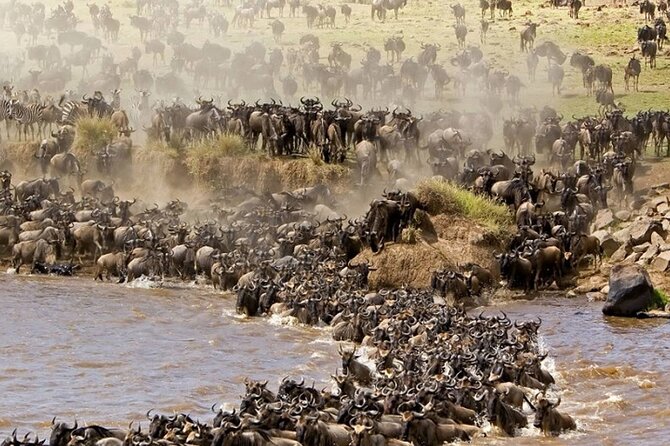
REVIEW · GREAT WILDEBEEST MIGRATION SAFARIS
PRIVATE Wildebeest Calving Safari, Tanzania, January to March
Calving season turns a safari into cinema. This private Tanzania trip is timed for the big wildebeest calving window, with Serengeti short-grass plains and the Ndutu area in the mix, plus the Ngorongoro Crater for day-after-day wildlife viewing. You start out from the Kilimanjaro region with a Moshi hotel and smooth transfers, then spend your days on 4×4 game drives with a viewing roof.
I love how focused the schedule is on timing, not just ticking off parks. In January to March, you have real odds of seeing calves running within minutes of birth, and you are also in the right window for serious predator action. I also like the practical side: full-board meals on safari, bush lunch in the Serengeti, bottled water in the vehicle, and 24-hour support from the tour office in Moshi.
One consideration: this is a non-refundable trip, so you want your dates and flights lined up before you commit. Also, some cultural add-ons like a Maasai village visit or Olduvai Gorge are not listed as included, so check what is actually covered in your final package.
In This Review
- Key Things You’ll Notice on This Safari
- A Route That Makes the Timing Work (January to March)
- Moshi Start: Getting Comfortable Before the Game Drives
- Lake Manyara Day: Forest Edges, Swamps, and Tree-Climbing Lions
- Serengeti Transfer and the Culture Options (Not Included)
- Serengeti Full Day: Kopjes, Big Cats, and Endless-Plain Drama
- Ngorongoro Conservation Area: From Short Grass to Calving Rhythm
- Ngorongoro Crater Descent: One Big Ecosystem in a Bowl
- Getting Around: Private Means 4×4 Comfort and Small-Group Choices
- Price and Value: What $2,400.40 Per Person Covers
- Choosing This Safari: Best Fit for Calving Chasers and Families
- Practical Tips That Actually Help on Game Drives
- Should You Book This Wildebeest Calving Safari?
- FAQ
- What is the duration of this safari?
- Where does the safari start?
- What time do activities start each day?
- How many people are on the safari?
- What parks are part of the safari experience?
- What meals are included?
- Is bottled water provided?
- Are park entry fees included?
- Are international flights and visas included?
- Can I add a Maasai village visit or Olduvai Gorge tour?
- What is the cancellation policy?
Key Things You’ll Notice on This Safari
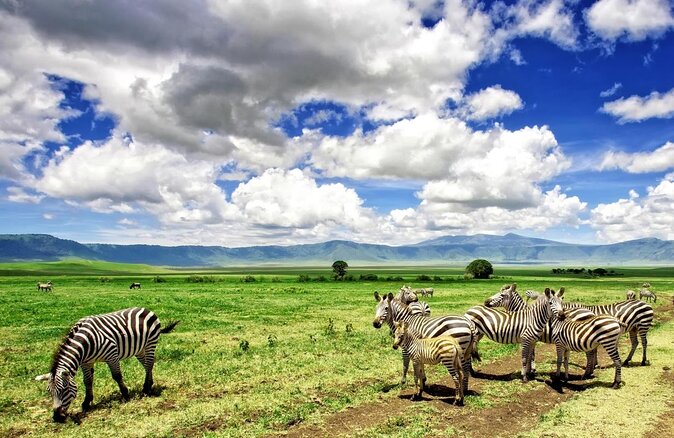
- Wildebeest calving timing in Ndutu (January to March) with a chance to see very young calves
- Serengeti days built around predators and kopjes in a place famous for the Great Migration
- Ngorongoro Crater descent with strong odds for rhino sightings and big cat time
- 4×4 vehicle with a viewing roof and bottled water, keeping the long game drives comfortable
- Small group cap of 6 travelers, so the trip feels more personal than mass tours
- Full-board safari meals and bush lunch, so you are not paying for food on the road
Chasing the herds? Compare these first
- 8 Days Great Wildebeest Calving Migration Safari from Arusha★ 5.0 · 254 reviews
- 10-Day Serengeti Wildebeest Migration Safari from Arusha★ 5.0 · 218 reviews
- 8 Day Spectacular Migration Serengeti mid -Range Tanzania Safari★ 5.0 · 161 reviews
- 9-Day Serengeti Migration Footsteps Tanzania Safari★ 5.0 · 96 reviews
A Route That Makes the Timing Work (January to March)
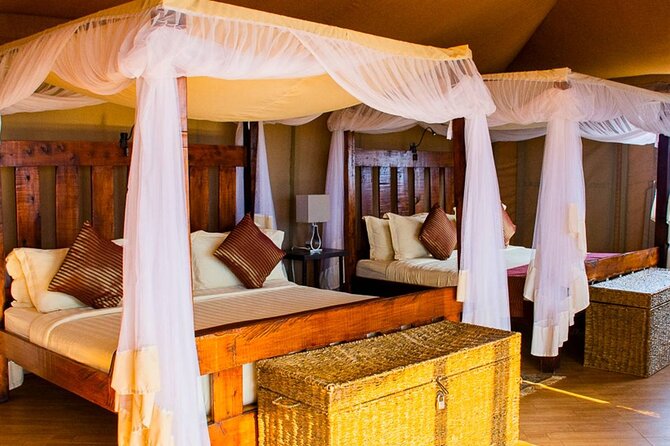
If you are chasing wildebeest calving, timing is everything. In this part of Tanzania, January through March aligns with the period when many wildebeest are in the short-grass plains and the Ndutu area. The payoff is that your drives are not just about seeing migration herds in general, you are aiming to witness birth moments, including calves that may be seen minutes after they are born.
I like that the plan also gives you space for predators. When the prey is vulnerable and concentrated, lions, cheetahs, and other hunters have more hunting opportunities. The Ngorongoro day adds a different rhythm, a deep crater that changes the feel of the wildlife viewing, since you are descending into a contained ecosystem.
This is one reason the “private” part matters. With fewer people, your guide can react faster to what is happening on the ground, whether that means adjusting to a herd movement or spending more time where animals are active.
Moshi Start: Getting Comfortable Before the Game Drives
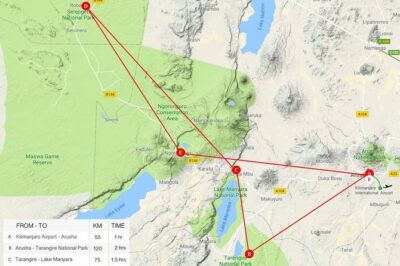
You begin in the Kilimanjaro region, arriving at Kilimanjaro Airport and then driving to Moshi for dinner and overnight at Springlands Hotel. It is a smart setup. You land, you settle, you eat, you sleep, and then the next morning your safari starts for real.
Starting time is listed as 7:00 am, so you should plan to be ready early. If you are the type who needs a long slow breakfast, bring that energy. A big safari day runs on momentum, and early drives often mean better light for photography and more wildlife activity.
One practical bonus: there is support from the tour office in Moshi on a 24-hour basis during your safari. That can matter when you have a tight schedule and you want quick help with the kinds of small problems that happen in real travel, like last-minute timing changes.
Lake Manyara Day: Forest Edges, Swamps, and Tree-Climbing Lions
One of your mid-circuit days is spent at Lake Manyara National Park, set against the Rift Valley escarpment. This park is not only about wildlife, it is about habitats stacked together in a small area: acacia woodland, grassy plains, swampy zones, and lake scenery fed by the Manyara system.
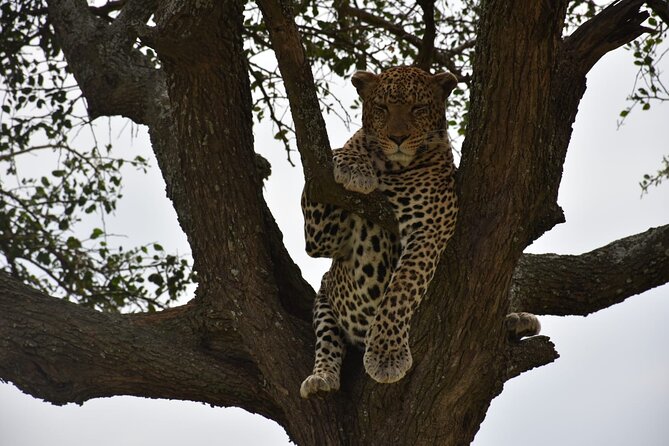
The big draw here is the chance to see rare tree-climbing lions. You cannot count on it like a schedule train, but this park is known for that behavior, so it is worth being alert and letting your guide scan the trees and edges.
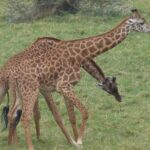
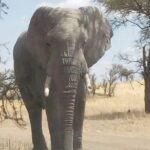
Lake Manyara also gives you variety beyond the famous story. You might see buffalo, giraffe, elephants, hippos, and a mix of monkeys like blue monkeys and velvet monkeys, plus the very active olive baboons. For birders, this is a day where you might feel your camera work harder, since the setting supports lots of species.
A small drawback: many parks on a safari have fast moving wildlife, so you will want to accept that not every sighting is guaranteed. Your best strategy is simple, stay patient when things seem slow, and let your guide build a pattern of where animals tend to be.
Serengeti Transfer and the Culture Options (Not Included)
After breakfast, you drive toward the Serengeti. Along the way, the plan may include stops tied to Maasai culture or Olduvai Gorge, often framed as a way to understand the region beyond wildlife viewing.
Here is the catch: the Maasai village tour and Olduvai Gorge Tour are not listed as included. So if you want those experiences, confirm the exact option you are buying before you arrive. If they are offered as part of your private package, great. If not, you will be glad you checked in advance.
Even without the culture stops, the drive toward Serengeti is part of the show. The closer you get, the more the sky and plains feel like they belong to another planet. The Serengeti name itself is tied to the Maasai language and points to the idea of endless plains, and you will feel that scale once you are out on safari roads.
Serengeti Full Day: Kopjes, Big Cats, and Endless-Plain Drama
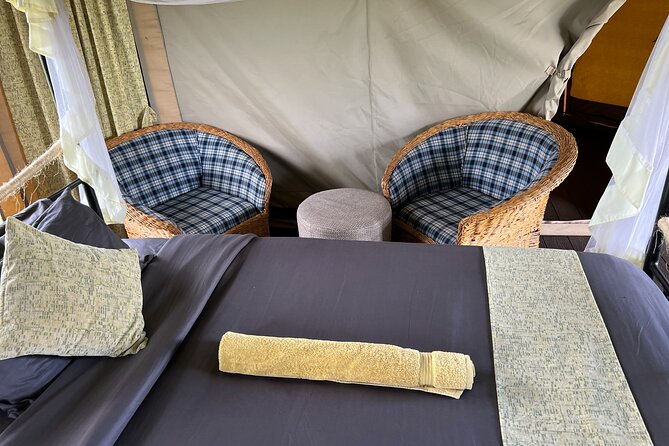
You get a full day in the Serengeti, and this is where the experience gets cinematic fast. The park is famous for its Great Wildebeest Migration, and the big herds of plains game are the headline. That means wildebeest, zebra, and other grazing animals pull predators into the picture.
What I like about giving you a full day here is flexibility. Predators do not follow your timetable. If a cheetah is hunting, it might take time. If lions are resting near a kopje, your guide can often arrange a plan that maximizes your viewing hours.
The terrain matters too. The Serengeti varies across regions, from open grass plains to areas with scattered acacia trees and more hilly country with wooded grassland. Kopjes, those rocky outcrops, act like natural hotspots, and they often create excellent viewing situations for cats because they bring visibility and vantage points.
If you care about seeing both prey and predator behavior, this is the day that gives you the best chance to watch the ecosystem doing its thing.
Ngorongoro Conservation Area: From Short Grass to Calving Rhythm
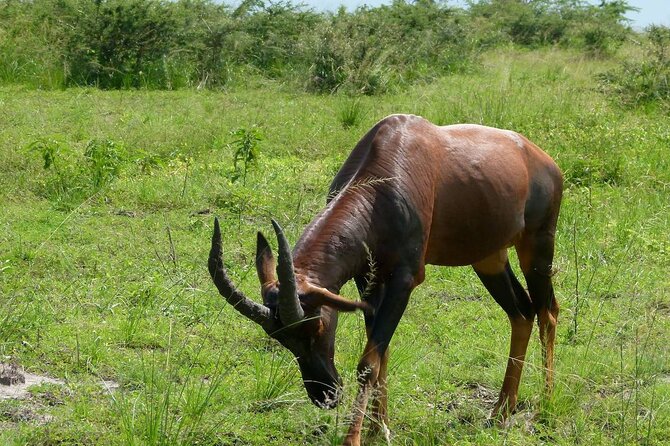
You transfer into the Ngorongoro Conservation Area and settle in at a lodge. The plan includes a check-in plus an afternoon game drive, which is a smart way to get your eyes adjusted after travel. Then you have another full day focused on the Ndutu area.
This is where the calving-season focus becomes real. In January to March, wildebeest and zebra herds often move across the short-grass plains and other habitats nearby. Your best odds for the calving moments, including calves that appear very newly born, are tied to this time of year.
What makes this day especially valuable is that you are not only watching wildebeest. You are scanning through multiple habitat types: swamps, woodland edges, soda lakes, and the short grass plains themselves. Those habitat differences support different wildlife patterns and also bring in different bird life.
This is also the period described as having some of the best predator action. If you have ever wondered why safaris feel different in certain months, it is because predators and prey are responding to each other in real time. Calving concentrates movement, and that can mean more chasing, more opportunity, and more dramatic hunts.
Ngorongoro Crater Descent: One Big Ecosystem in a Bowl
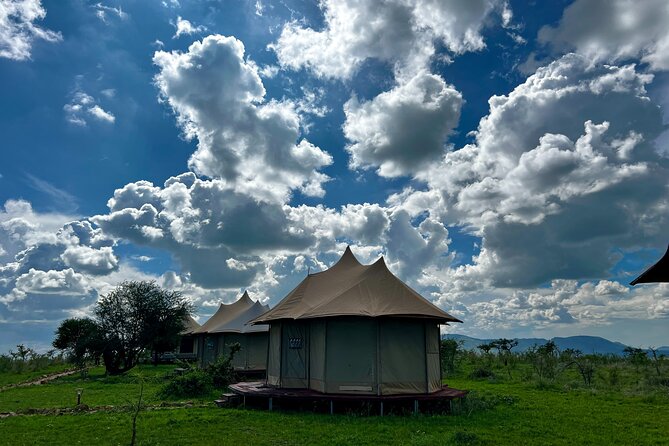
One morning you descend into the Ngorongoro Crater for game driving and exploration. The numbers help you picture the scale: the crater is about 600 meters deep, roughly 16 kilometers across, and around 265 square kilometers in area. When you are down there, you feel that “bowl” effect. Animals are closer, movement patterns feel more defined, and the scenery gives you constant context.
This crater setting can be a strong place for rhino sightings. The open grassland in the crater floor is where many black rhinos can graze, depending on conditions. If your priority is the chance to see rhinos in the wild, Ngorongoro is one of the most meaningful days on the circuit.
You also are looking at a dense wildlife mix. The crater is described as home to about 20,000 large animals, including lions, cheetahs, eland, zebra, and gazelle. And there are more chances for birds, since flamingos can often be spotted at Makat Soda Lake.
A practical note: you should be prepared for a change in temperature when you descend. Even without exact weather details, crater mornings can feel cool until the day warms up. Dress in layers, and keep a light warm layer in your day bag.
Getting Around: Private Means 4×4 Comfort and Small-Group Choices
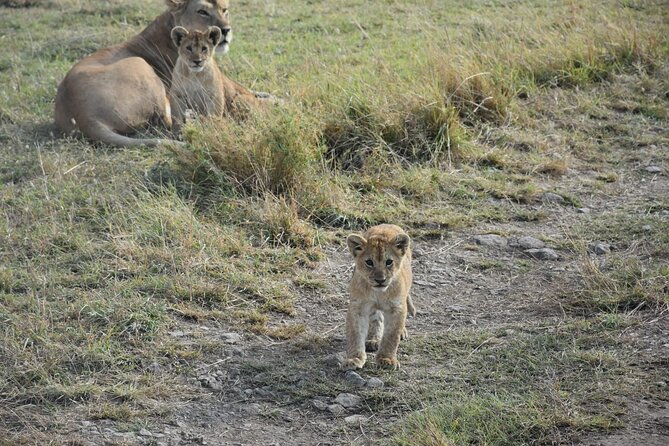
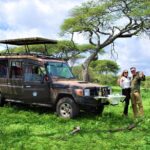
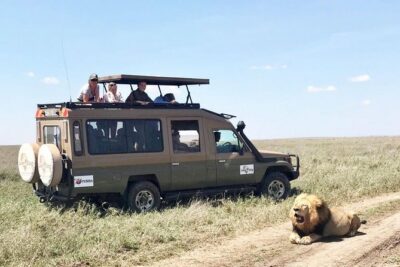
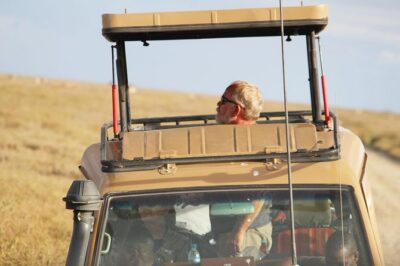
Transport is by qualified driver and guide in 4×4 vehicles with a viewing roof. That roof is not a small detail. It changes what you can see, especially with cats at a distance or when herds move across uneven ground.
Your vehicle also comes with bottled water, which sounds basic, but on long drive days it keeps you from getting cranky and it helps you stay hydrated without hunting for supplies.
Group size is capped at a maximum of 6 travelers. That matters for the “private” feel. You are less likely to feel like you are squeezed into a bus experience, and your guide can often steer attention to what the group wants most, whether that is birds, big cats, or wildebeest behavior.
Pickup is offered, and the tour uses a mobile ticket. In plain terms, you should expect a smoother handoff between your arrival and the start of safari days.
Price and Value: What $2,400.40 Per Person Covers
At $2,400.40 per person for this 8-day safari, you are paying for more than rides and park days. The value comes from the package structure:
Included:
- All fees and taxes
- Transport in a 4×4 with a viewing roof
- Full-board accommodation (breakfast, lunch, dinner) while on safari
- Transfers to and from the airport
- Bush lunch in the Serengeti
- Bottled water in safari vehicles
- 24-hour support from the office in Moshi
Not included:
- Tanzania entry visa, travel and health insurance
- Maasai village tour and Olduvai Gorge Tour
- International flights
- Domestic flights (they can be organized, such as Serengeti Airstrip to Kilimanjaro Airport or Zanzibar Airport)
- Meals, drinks, excursions not described
So, does the price feel fair? If you would otherwise be paying separately for park entry fees, safari vehicle, guide time, meals, and transfers, the package is usually the better deal. It is also less mental load, which is underrated when you are moving across multiple parks and dealing with early morning starts.
The biggest “budget surprise” category is flights. International flights are not included, and domestic flights are only mentioned as optional organization. If you are thinking about flying home from different airports, you will want to line up the domestic leg early.
Choosing This Safari: Best Fit for Calving Chasers and Families
This tour is listed as having most travelers able to participate, which suggests it is not built for extreme hiking. It is built for game drives, long viewing days, and being comfortable in the vehicle.
It is also a family-friendly option in spirit, since some safari trips get overly focused on couples and nightlife, while this one is straightforward and nature-focused. The cap of 6 travelers can also make it easier for families to stay together and for kids to manage long days.
Who should book? If you specifically want the best shot at calving season moments, you are exactly the target audience. If you just want classic safari wildlife without caring about birthing season, you might still love it, but the schedule’s emotional payoff is strongest for calving-focused travelers.
Practical Tips That Actually Help on Game Drives
Based on what safari success usually looks like, these are the things that will make the biggest difference.
1) Bring layers for early starts
You start around 7:00 am. Dawn air can feel cool, then warm up fast.
2) Pack for long seating days
You will spend a lot of time in the 4×4. Comfortable clothes and a small day bag for basics matter.
3) Listen to your guide
This is not a place where you can solve everything yourself. In the reviews, guides are praised for spotting animals and driving carefully, including guides named Martin and Marko, plus Kileo in one account. That tells me the guide skill and scanning ability are a real part of the value.
4) Be flexible with expectations
Even in calving season, nature is nature. The best safari plan is to want what is there and be happy when the day offers something different.
Should You Book This Wildebeest Calving Safari?
If your dates fall in January to March and wildebeest calving is your main goal, this is an easy yes. You are paying for the right timing, a small-group private feel, and a route that includes Serengeti plus Ngorongoro Crater, with Ndutu built for calving and predator action.
If you are still deciding, ask yourself two questions. First, are you okay with wildlife viewing being weather and animal behavior dependent? Second, are you comfortable with the idea that some culture stops like Maasai village or Olduvai Gorge are not included and would need confirmation?
One more reality check: it is non-refundable and cannot be changed for any reason. So only book if your travel plans are firm.
If that all fits, you are set up for one of the most memorable safari styles in Tanzania, where the drama is not just in the animals you spot, it is in the moment you realize a new life is unfolding in front of you.
FAQ
What is the duration of this safari?
The safari is listed as 8 days approximately.
Where does the safari start?
It starts in the Kilimanjaro region and is associated with Arusha, Tanzania, with airport arrival at Kilimanjaro Airport and transfers to Moshi.
What time do activities start each day?
The meeting start time is 7:00 am.
How many people are on the safari?
The maximum group size is 6 travelers.
What parks are part of the safari experience?
The safari is described around Tarangire National Park, Serengeti National Park, and Ngorongoro Crater, with Lake Manyara National Park and the Ndutu area included in the driving days.
What meals are included?
Full board accommodation is included, with breakfast, lunch, and dinner while on safari, plus a bush lunch in the Serengeti.
Is bottled water provided?
Yes, bottled water is provided in the safari vehicles.
Are park entry fees included?
All fees and taxes are included, and the itinerary lists admission tickets as free.
Are international flights and visas included?
No. International flights are not included, and Tanzania entry visa is not included. Travel and health insurance are also not included.
Can I add a Maasai village visit or Olduvai Gorge tour?
Those tours are not listed as included, so you would need to arrange them separately if you want them.
What is the cancellation policy?
It is non-refundable and cannot be changed for any reason if you cancel or request an amendment.
Following the Migration
- 8 Days Great Wildebeest Calving Migration Safari from Arusha
★ 5.0 · 254 reviews - 10-Day Serengeti Wildebeest Migration Safari from Arusha
★ 5.0 · 218 reviews - 8 Day Spectacular Migration Serengeti mid -Range Tanzania Safari
★ 5.0 · 161 reviews - 9-Day Serengeti Migration Footsteps Tanzania Safari
★ 5.0 · 96 reviews - 7 days great migration safari
★ 5.0 · 77 reviews
Just added from around Arusha
Great Wildebeest Migration Safaris, compared.
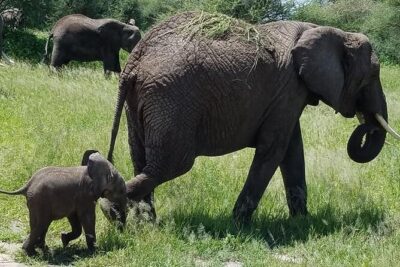 ★ 5.08 Days Great Wildebeest Calving Migration Safari from ArushaFrom $2,999254 reviews
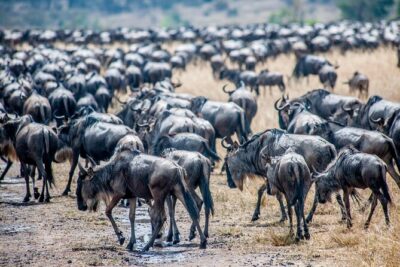 ★ 5.010-Day Serengeti Wildebeest Migration Safari from ArushaFrom $5,512218 reviews
 ★ 5.08 Day Spectacular Migration Serengeti mid -Range Tanzania SafariFrom $4,257161 reviews
 ★ 5.09-Day Serengeti Migration Footsteps Tanzania SafariFrom $4,53996 reviews
 ★ 5.07 days great migration safariFrom $4,51477 reviews
 ★ 5.0Great Migration Safari In TanzaniaFrom $3,90071 reviews
 ★ 5.0Private 6-Day Great Migration Ndutu Serengeti Safari TourFrom $2,82747 reviews
 ★ 5.04 Day Great Migration Safari Serengeti & Ngorongoro CraterFrom $2,68033 reviews
Browse the lists this tour appears in