
REVIEW · SAFARI
9 Days Tanzania Exhaustive Safari
A safari that hits the big names and real history. In 9 days you bounce between classic wildlife parks and human origins sites, with a private 4×4 and your own guide doing the explaining. It is built for people who want variety, not just long drives and distant spotting.
I especially love the pairing of Ngorongoro Crater with Olduvai Gorge. One day you are staring down a giant volcanic bowl for tight wildlife viewing, the next you are learning how early humans lived in the Great Rift Valley. That contrast makes the whole trip feel more like a story than a checklist.
One possible drawback to consider: this is a high-end, full schedule trip, and at $9,230.77 per person you should be sure you truly want the full northern circuit in one go. Also note the start time is listed as 10:00 pm, so depending on your travel plans, you may be starting late on day one.
In This Review
- Quick hits you should know
- Your Arusha Base Camp: Gateway to Mt Meru and Big Park Days
- Tarangire National Park: Elephants, Baobabs, and a Big-Game Feel
- Gibbs Farm in Babati and Mto wa Mbu Culture: Safari Pauses That Matter
- Lake Manyara National Park: Birds, Water, and a Different Wildlife Mood
- Ngorongoro Crater: World Heritage Wildlife in a Giant Volcanic Bowl
- Olduvai Gorge and Serengeti on the Same Circuit: Human Origins Meets Big Migration
- Serengeti Across Days 6, 7, and 8: More Chances Than One Long Day
- The Private 4×4, Meals, and Transfers That Change How You Feel on Safari
- Price and Logistics: Is $9,230.77 Per Person Worth It?
- Who This Safari Suits Best, and Who Should Think Twice
- Book It or Skip It: My Take for Your Tanzania Planning
- FAQ
- How long is the Tanzania safari package?
- Where does the tour start, and what is the start time?
- What major parks and sites are included in the itinerary?
- Is pickup included?
- Does the price include park fees and crater or Olduvai fees?
- Is a domestic flight included?
- What meals and drinks are included?
- What is not included, and are balloon rides optional?
Quick hits you should know
- Private luxury 4×4 + guide so you are not waiting around for other groups
- Tarangire’s elephant focus and baobabs, plus seasonal herds in dry months
- Lake Manyara birding plus market culture in Mto wa Mbu before wildlife time
- Ngorongoro Crater viewing inside the world’s largest intact volcanic caldera
- Olduvai Gorge adds real science context to your Rift Valley route
- Serengeti time on the ground across multiple days for more chances at the big sightings
Still weighing it up? These Moshi trips came out well when we reviewed them.
- Kilimanjaro climb by Lemosho Route (7-day)★ 5.0 · 651 reviews
- Safari Serengeti And Ngorongoro★ 5.0 · 288 reviews
- Kilimanjaro climb, Machame Route (7-day)★ 5.0 · 262 reviews
- Kilimanjaro Climbing Lemosho Route 8 Days.★ 5.0 · 186 reviews
Your Arusha Base Camp: Gateway to Mt Meru and Big Park Days
Arusha is your opening chapter and your closing one. It sits at the base of volcanic Mt Meru, and it is a practical launch point for northern Tanzania safari routes. You stay there on day one, then you come back on day nine for the final night plus a day room and lunch before you go.
What I like about starting in Arusha is the rhythm. You are not immediately thrown into a crater or a national park with zero setup. You get time to settle, handle the small logistics of safari life, and mentally shift into wildlife mode. When you return to Arusha on the last day, it also gives you a softer ending instead of rushing straight to your next commitment.
You should also know Arusha is not a remote outpost with one hotel option. It is a real tourist hub, which usually helps with getting organized for park days and domestic flight timing later in the itinerary.
Tarangire National Park: Elephants, Baobabs, and a Big-Game Feel
Tarangire National Park is famous for two things that matter for your day in the field: a high density of elephants and the dramatic presence of baobab trees. The park runs across granitic ridges, river valleys, and swamps, with acacia and combretum woodland and seasonally flooded grassland. It is the kind of setting where wildlife tends to look concentrated, because water and food draw animals into the same areas.
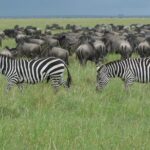
The timing detail you should care about is the dry season viewing window listed for June to November. In those months, you can expect large herds of thousands of zebra, wildebeest, and cape buffalo. That does not guarantee a perfect lineup every single drive, but it does mean your chances at classic herd behavior are stronger when animals cluster around the more reliable resources.
One practical note. Your itinerary places Tarangire across more than one day. You spend day two there, then you return for an additional stretch on day three. That is valuable. It reduces the odds that one unlucky drive or one late wildlife moment ruins your overall Tarangire experience.
After Tarangire, the route moves toward Babati and the Manyara area. This is where the trip becomes more than just parks, because you get a chance at a calmer, culturally grounded stop.
Gibbs Farm in Babati and Mto wa Mbu Culture: Safari Pauses That Matter
Day three and day four add a breather that I think most people underestimate. You are not only chasing animals, you are also seeing local life along the way.
In the Manyara Region, the itinerary calls out a visit to Gibbs Farm in Babati. The farm is described as a warm, rustic luxury environment with cozy cottages, scenic views, and wildlife and community-based cultural activities. Even if you are not a resort person, this kind of pause can help your energy. After days on rough dirt roads and long drives, having a peaceful break helps you actually enjoy the next wildlife block instead of just surviving it.
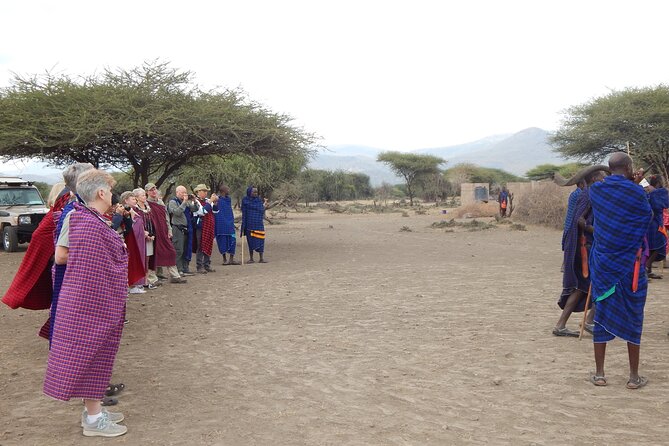
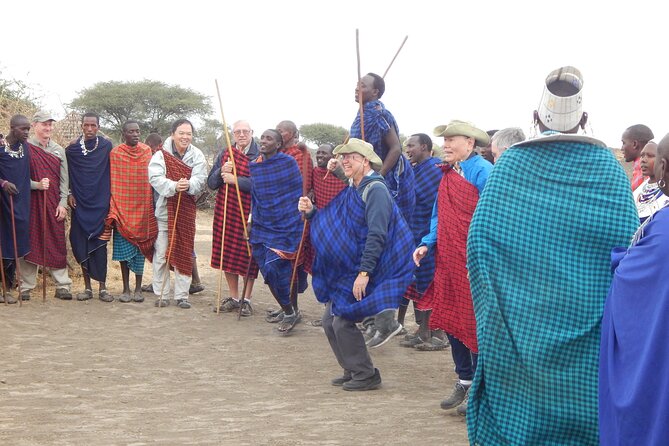
Then day four shifts into hands-on culture in Mto wa Mbu. You visit Masai Central Market, walk the crafts and curios market, and then head to a banana plantation to learn how locals make local brew. This is one of those stops that can go either way on safari trips, depending on how it is handled. Here, it is framed as a walk and a learning moment, not just a quick photo stop, and that is the difference between a culture stop feeling respectful versus rushed.
When I plan this kind of route, I look for days like these. They break up the monotony and remind you Tanzania is not only wildlife and national park gates. It is also markets, farming, and local routines.
Lake Manyara National Park: Birds, Water, and a Different Wildlife Mood
Lake Manyara National Park is positioned between Lake Manyara and the Great Rift Valley, and the itinerary gives you a full day presence here. The park covers about 325 km², including roughly 230 km² of lake surface, and the bird life is a headline feature. More than 350 bird species have been observed on the lake, so even when mammal sightings are quiet, birders often feel like they are winning.
This park is also different in “texture” from places like the Serengeti. The setting includes open water and shoreline zones, which often changes how animals move and where your guide might focus the route. In a private setup, that flexibility is a plus. Your guide can adjust the driving pattern based on what you are seeing rather than following a single fixed path.
Also, because your schedule includes the market and plantation earlier in the day, you get a sense of place before you reach the park. You see how people live in the region, then you step into the protected area where the wildlife stakes out its own version of the same environment.
Ngorongoro Crater: World Heritage Wildlife in a Giant Volcanic Bowl
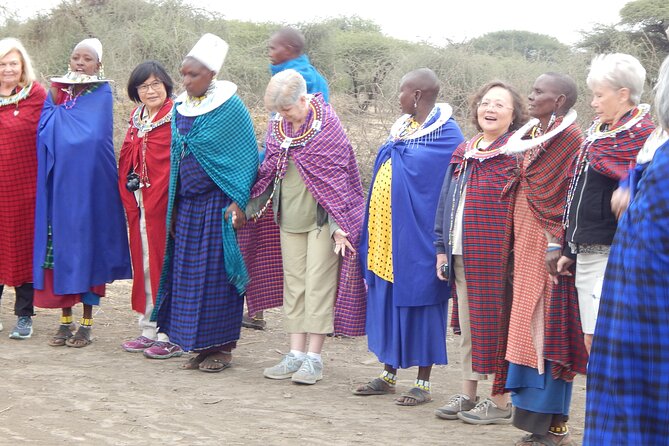
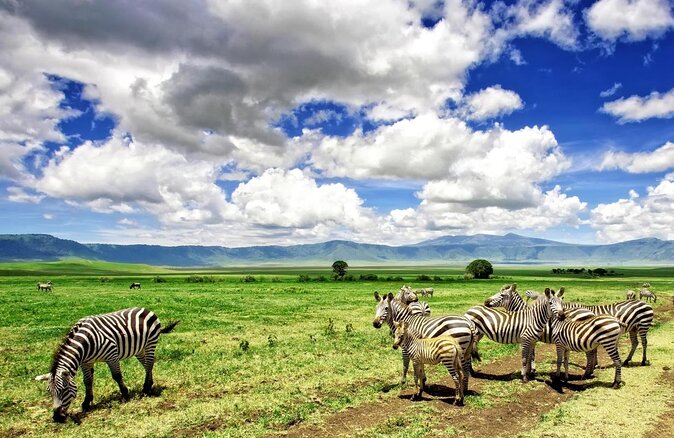
Ngorongoro Conservation Area and the crater are the headline for many people, and this itinerary gives them a full day. The Ngorongoro Crater itself is described as the world’s largest inactive, intact, unfilled volcanic caldera. It is about 610 meters deep, covering roughly 260 square km on the floor, and the crater floor sits around 1,800 meters above sea level.
Why this matters to you is how it changes your viewing experience. A crater is enclosed. That often means wildlife can feel more “in view” because the terrain shapes movement. It can also mean the air and light feel different than outside the crater rim, and your guide can position drives to take advantage of what you are seeing that day.
The itinerary also includes the crater service fee, which helps remove one of the annoying parts of safari planning. You are not chasing extra charges at the gate and trying to piece together paperwork while you are already excited and tired.
If you want one day that feels like pure Tanzania safari magic, this is it. But it also deserves respect. You will want to stay patient, follow your guide’s timing, and keep your focus on the animals you can actually see, not just what you hope you will see.
Olduvai Gorge and Serengeti on the Same Circuit: Human Origins Meets Big Migration
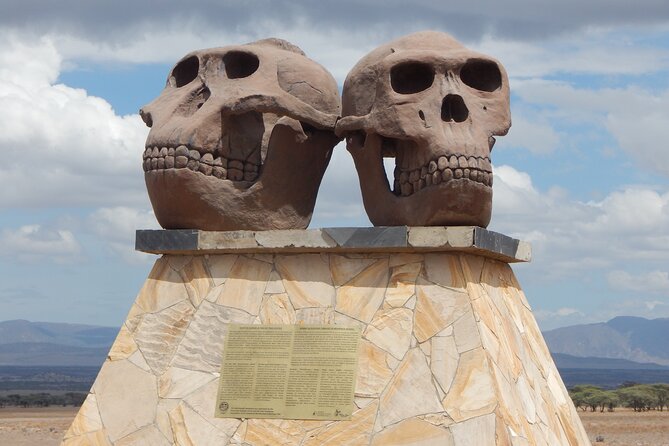
Day six is one of the most interesting combos on the schedule. You start at Olduvai Gorge, then shift to Serengeti National Park.
Olduvai Gorge is listed as one of the most important paleoanthropological sites in the world. It is a steep-sided ravine in the Great Rift Valley, about 48 km long, located in the eastern Serengeti Plains area. The itinerary notes the famous Leakey team, including Mary and Louis, who developed the excavation and research programs there. That detail is not trivia. It helps you understand why this place draws researchers and why the story of early human evolution is connected to this region’s geology.
Then you go from human origins to wildlife theater. Serengeti is described as famous for its annual migration of over 1.5 million wildebeest and 250,000 zebra, along with a strong presence of Nile crocodiles and honey badger. Even if your personal timing does not line up with the peak of the migration in the exact area you drive through, having multiple Serengeti days later helps your odds.
To me, this is where the trip gets extra meaning. You are traveling through the Rift Valley, a place shaped by volcanoes and shifts in the earth, then you are watching animals move through ecosystems that have been evolving for a very long time. It is not just scenery. It is scale.
Serengeti Across Days 6, 7, and 8: More Chances Than One Long Day
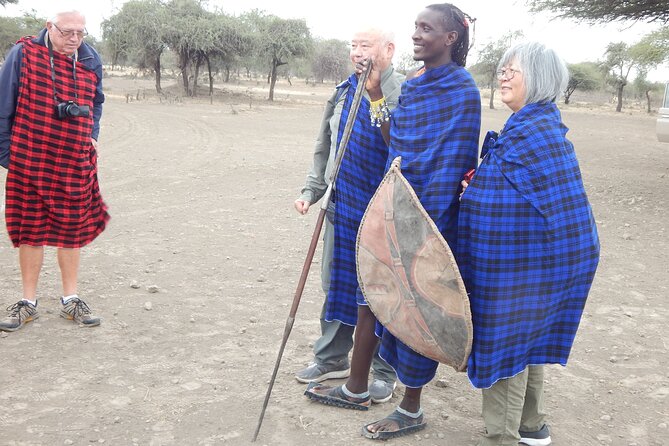
Serengeti stretches your itinerary in the best way. The plan keeps you in the park for day six plus two additional full days, days seven and eight. That repetition is important because safari sightings are random in the short term. Weather, animal movement, and even the mood of the day can change where the best action is.
With multiple days, you can get variety. One day might feel like close-up behavior, another might feel like broad herd movement, and another might be about predator sightings or quieter grazing scenes. The itinerary text emphasizes the migration numbers and the fact that the park holds crocodiles and honey badger, so it is built for people who want to stay long enough to catch different kinds of wildlife moments.
Also, note that the itinerary does not lock you into a single “one-day Serengeti and done” approach. Instead, it gives you more time on the ground. If you are paying premium safari prices, time is one of the few things you can control. This schedule protects that.
The Private 4×4, Meals, and Transfers That Change How You Feel on Safari
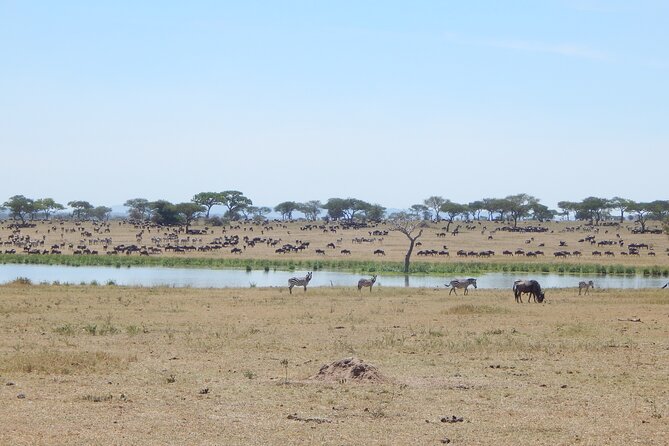
This tour is private. You are not sharing the vehicle with strangers, and you get a private luxury extended 4×4 with a guide. For me, that matters because it cuts friction. You can move when the guide sees something, stop for practical reasons, and keep your day aligned with your group’s pace.
Your package also includes all transfers in Tanzania. That is a big deal in northern circuit travel, where timing between parks, accommodations, and flight connections can be tricky. The included domestic flight from Serengeti to Arusha helps you avoid a long overland finish at the end of the trip.
Then there are the included comfort perks during game drives. The itinerary lists bottled water, soft drinks, and local beers during game drive time. Even if you do not drink alcohol, having water and soft drinks included makes the day easier. You are less likely to ration sips when it is hot or when you are waiting for a sighting to develop.
On top of that, you get flying doctors medical, emergency, and evacuation cover within East Africa. I always treat that as peace of mind, not a guarantee that you will use it. Still, it is part of how this trip is priced, and it is not something you want to ignore.
Finally, the route includes cultural tours and traditional lunch. Combined with the market and plantation stop, this gives you a mix of wildlife and real-life Tanzania moments instead of only park gates.
Price and Logistics: Is $9,230.77 Per Person Worth It?
Let’s talk value without hiding behind marketing.
At $9,230.77 per person for 9 days, you are paying for several things that usually cost extra when you book separately:
- Park entry fees and wildlife management area fees
- Crater service fee and Olduvai Gorge fee
- A private luxury extended 4×4 and guide
- Domestic flight from Serengeti to Arusha
- Meals across the trip, with breakfast (8), lunch (8), and dinner (8) included
- Transfers within Tanzania, plus a day room and lunch on the last day in Arusha
- Bottled water, soft drinks, and local beers during game drives
- Flying doctors medical and emergency coverage within East Africa
When a safari package is priced high, your main question should be: does it remove hassles that would otherwise eat your time and money? Here, it does. You do not have to piece together park fees across several zones. You also do not have to plan every transfer leg yourself.
What you should watch are the items not included. Personal expenses and other drinks are not covered. Tips to your driver and guide are also not included. Optional balloon rides are not included, which is fine if you are not planning to do one. And international flights and departure taxes are not included, so you still need your own international travel plan.
In short, if you want a turnkey northern circuit with a private setup and multiple park days, the price can make sense. If you are comfortable DIY planning and you are mainly chasing one or two parks, you might find a lower-cost approach. But this is clearly built for people who value time, comfort, and a structured route.
Who This Safari Suits Best, and Who Should Think Twice
This itinerary suits you if:
- You want a northern circuit sampler, Tarangire, Lake Manyara, Ngorongoro, Olduvai, and Serengeti
- You care about both wildlife and culture, not just one or the other
- You prefer private pacing and a knowledgeable guide in a private vehicle
- You want multiple days in Serengeti rather than one quick hit
You might think twice if:
- You are very budget-driven. This is a premium package with a premium price tag
- You do not like long schedules. You will spend a lot of time on the move, even with private transfers
- You are sensitive to late starts, since the start time is listed as 10:00 pm
One more decision factor: in past write-ups of this service, the team and guide support received strong praise. One guide named Mr. Hoti stood out for making arrivals and the trip feel well organized, including a smooth late-night airport welcome described at Kilimanjaro Airport. That kind of attention is exactly what you want when you are arriving tired and jet lagged.
Book It or Skip It: My Take for Your Tanzania Planning
If you are choosing between doing “a lot” and doing “enough,” I like how this plan gives real depth. Tarangire is not treated like a quick stop. Serengeti gets multiple days. Ngorongoro plus Olduvai makes the trip feel bigger than animals.
I would book this tour if you want a structured, private northern circuit where you can relax into the route and focus on seeing wildlife and learning along the way. It is not a minimal safari. It is a full Tanzania route built to maximize your time in the places that define the north.
If you are chasing maximum value per hour and you do not care much about guided education or cultural stops, you may want to compare alternatives. But for most people who want a guided, turnkey experience across the key sites, this one fits the bill.
FAQ
How long is the Tanzania safari package?
The tour is 9 days.
Where does the tour start, and what is the start time?
The location is Moshi, Tanzania. The start time is listed as 10:00 pm.
What major parks and sites are included in the itinerary?
The itinerary includes Arusha, Tarangire National Park, Lake Manyara National Park, Ngorongoro Conservation Area and Ngorongoro Crater, Olduvai Gorge, and Serengeti National Park.
Is pickup included?
Pickup is offered, and transfers are included.
Does the price include park fees and crater or Olduvai fees?
Yes. Park entry fees, wildlife management area fees, crater service fee, and Olduvai Gorge fee are included.
Is a domestic flight included?
Yes. There is a domestic flight from Serengeti to Arusha Town.
What meals and drinks are included?
The package includes breakfast (8), lunch (8), and dinner (8). Bottled water, soft drinks, and local beers are included during game drive time.
What is not included, and are balloon rides optional?
Items of personal nature and other drinks are not included. Tips to the driver and guide are not included. Optional balloon rides are not included.
Just added from around Moshi
Safari, compared.
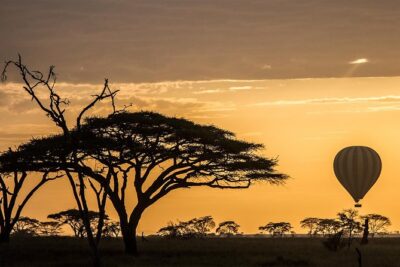 ★ 5.0Serengeti Balloon Safari and authentic bush breakfastFrom $5502,480 reviews
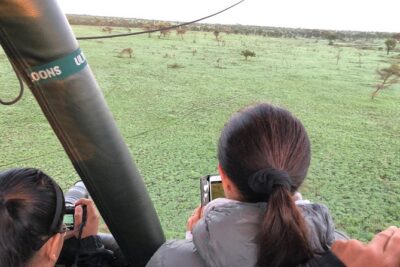 ★ 5.0Balloon Safari & Bush Breakfast in Serengeti – Miracle ExperienceFrom $5991,646 reviews
 ★ 4.7From Zanzibar: Mikumi Safari Day Trip with Flights and MealFrom $4511,470 reviews
 ★ 5.04 Days Group Camping SafariFrom $9001,101 reviews
 ★ 4.7From Zanzibar: Day Selous Game Reserve Safari with FlightsFrom $4701,025 reviews
 ★ 5.05 Days Group Camping SafariFrom $1,100730 reviews
 ★ 5.03 Days Serengeti & Ngorongoro Group Camping SafariFrom $815574 reviews
 ★ 5.07-Day Premium Luxury Tanzania Safari All-InclusiveFrom $4,840426 reviews