
REVIEW · GREAT WILDEBEEST MIGRATION SAFARIS
9 Days Safari To See Great Migration Crossing
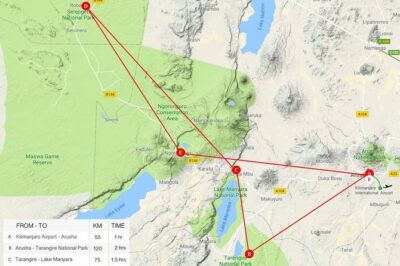
A Great Migration crossing is the headline here, but the routing matters. This private 9-day Tanzania safari mixes Serengeti migration tracking with Big Five days across Tarangire, Lake Manyara, and Ngorongoro.
What I like most is the way your days are built around morning and late-afternoon game drives, plus the extra wildlife time in Arusha National Park with a ranger-led walking safari. One watch-out: you can spend long hours on the road, and migration timing in the Serengeti is always seasonal, so you should confirm your expected odds for your travel month.
This tour is run by KILI SLOPE TOURS AND SAFARIS LTD, and the human touch shows up in the planning. David, the manager, is repeatedly praised for being responsive and flexible about adjustments, while guides like Ziggy and drivers like Tom are credited for strong guiding and smooth spotting. Just remember tipping is not included, so budget extra for that.
In This Review
- Key highlights worth your attention
- Entering the Arusha rhythm, walking safari plus big wildlife variety
- Tarangire’s river draw, and why dry season matters here
- Lake Manyara: flamingos, hot springs, and tree-climbing lions
- Serengeti plains and early game drives, built for spotting
- The Lobo area push, following the main migration route
- Following 1.5 million wildebeest, and the river crossing reality check
- Ngorongoro Crater floor, Big Five at close range
- Price and value: what $4,846.16 includes, and how to budget the rest
- Private guiding, and why the human factor matters
- Who this 9-day Great Migration safari is best for
- Should you book this 9-day safari to see the Great Migration crossing?
- FAQ
- What time does pickup happen in Arusha?
- Is this tour private or shared?
- What meals and drinks are included?
- Are park fees included?
- Is tipping included in the tour price?
- Is free cancellation available?
Key highlights worth your attention
- Serengeti migration focus, not just generic game drives: you follow the route through the Serengeti ecosystem with the herd.
- Arusha National Park adds variety fast: a compact park, strong bird life, plus a walking safari with an armed ranger.
- Tarangire and Lake Manyara balance the trip: Tarangire for dense wildlife and river action, Manyara for flamingos and tree-climbing lions.
- Ngorongoro gives you a concentrated Big Five checklist: crater floor drives and a crater lunch at Ngoitoktok swamp.
- Private transportation and included meals: you travel as just your group with breakfast, lunch, dinner, snacks, and drinks.
Chasing the herds? Compare these first
- 8 Days Great Wildebeest Calving Migration Safari from Arusha★ 5.0 · 254 reviews
- 10-Day Serengeti Wildebeest Migration Safari from Arusha★ 5.0 · 218 reviews
- 8 Day Spectacular Migration Serengeti mid -Range Tanzania Safari★ 5.0 · 161 reviews
- 9-Day Serengeti Migration Footsteps Tanzania Safari★ 5.0 · 96 reviews
Entering the Arusha rhythm, walking safari plus big wildlife variety
Your trip starts in Arusha, with morning pickup from your hotel and a drive into Arusha National Park. Even though Arusha National Park is small, it packs in a lot. You’ll hear this park is a bird-and-mammal hotspot, and the numbers support it, with over 400 species recorded in the area.
What makes Day 1 feel special is the mix of views and approach. You’re not only in a vehicle. You also get a walking safari with an armed ranger for about four hours. That changes your perspective fast. In a place like this, you notice birds, tracks, and smaller wildlife that you usually miss from a safari seat.
The setting is also varied. You move through forest reserve country, Momella Lakes, and toward the Ngurdoto crater area. Lake Momella is the bird magnet, and you’re specifically set up for waterbirds, with sightings like flamingos, pelicans, herons, ducks, and waders. If your idea of a safari includes more than just the biggest mammals, this day is a smart start.
One consideration: a walking safari means you should be comfortable spending time on foot. Also, Arusha is fantastic for birds and varied wildlife, but it won’t feel like a “Big Five” day. It’s more about sharpening your safari eye for the rest of the circuit.
Tarangire’s river draw, and why dry season matters here
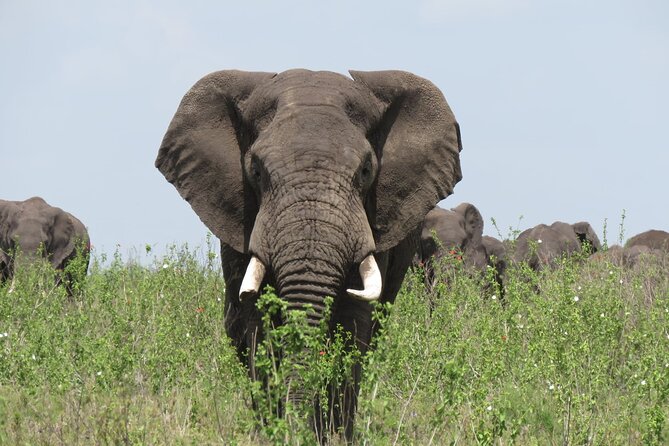
After breakfast, you head to Tarangire National Park, known for wildlife density and its connection to water. The key idea is timing. The trip is framed around the dry period, when animals concentrate near the Tarangire River. In that season window, the wildlife action can feel explosive.
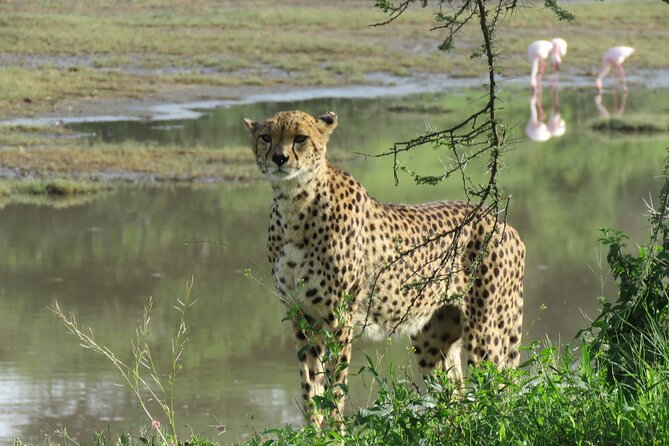
Tarangire is also highlighted for predators following herds. So when herbivores move toward water, lions, leopards, and other carnivores often show up because the food does. There’s also a strong bird component, with over 500 varieties of birds noted for the park.
Practically, this works because your day isn’t one long drive and then one short sighting session. You get breakfast, travel, lunch, then a late afternoon game viewing. That late-day timing is useful in savanna country. Animals often move when the light changes, and your eyes get a break from midday heat.
A small drawback to plan for: Tarangire’s best activity is tied closely to the seasonal water pattern. Since you can’t control rainfall, your exact level of action can vary by month. Still, the park’s “dry season water draw” logic is solid, and this itinerary is designed around it.
Lake Manyara: flamingos, hot springs, and tree-climbing lions
From Tarangire you move on to Lake Manyara National Park. This park is often sold for one animal, but the reason it’s on a good itinerary is that it adds a totally different style of habitat. Your route is described in phases: underground water forest, then acacia woodland savanna open areas, then a hot water spring stop, and finally Lake Manyara itself.
That means you get variety within one day. And Lake Manyara is a big bird show. It’s highlighted for flamingos and other waterbirds, with about 350 bird species recorded. If you enjoy birdwatching, this is the kind of park day that can surprise you, even if you’re mostly focused on big mammals.
The “bonus animal” angle is also real. The itinerary notes tree-climbing lions, and you’re listed a wide cast of animals like hippo, elephant, zebra, buffalo, giraffe, baboon, blue and velvet monkeys, and warthog. In other words, Manyara adds both color and a chance at unusual behavior.
One practical consideration: Manyara is a shorter-feeling day because it’s built around afternoon game drives and a picnic-style lunch approach. It’s not trying to be the Serengeti in scale. It’s trying to give you different habitat and extra wildlife opportunities.
Serengeti plains and early game drives, built for spotting
Then the safari core begins: Serengeti National Park. You travel through the Ngorongoro conservation area, and there’s an optional Olduvai Gorge visit, described as the cradle of mankind hominids dating back about 2 million years. If that’s your kind of stop, it can add a meaningful angle beyond wildlife.
Once you’re on the Serengeti plains, the itinerary is explicitly tuned to predator and migration viewing. Serengeti is described as the home of big game animals and predators, and it’s where you’re expected to see Great Migration action as well as Nile crocodiles.
Your day is structured with game drives at key times. There’s a long morning focus, then another round later in the day, including a sunset-to-dinner rhythm around 6:30 PM. That matters because animals can shift their behavior with light and temperature. Also, sunset drives often help you end on memorable visuals.
What you should know: Serengeti is big. Even in a private safari, the best sightings come from patience and the ability of your guide to interpret movement on the ground. That’s where strong guiding shows up. In the feedback you can find, Ziggy is praised as excellent and strong at navigation, which is a big deal in a place where “where the animals are” changes constantly.
The Lobo area push, following the main migration route
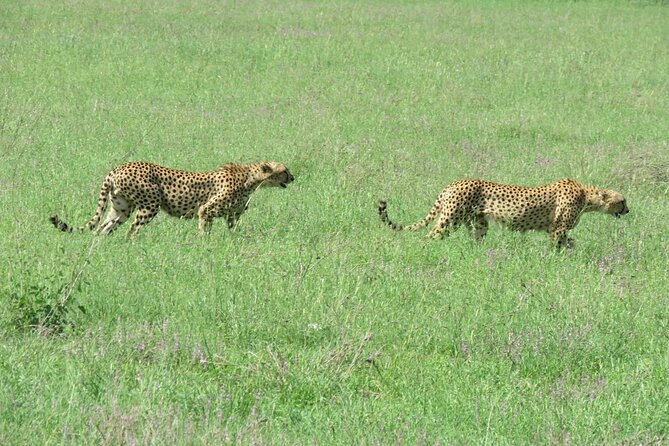
Your Serengeti plan gets more specific at the mid-point. You’ll spend time in the Lobo area, described as where the main path of the wildebeest migration has passed.
This is one of the smartest parts of the itinerary. Instead of treating Serengeti as one generic park day, it aims you toward a higher-probability region for migration movement. That’s how you turn “we’re going to the Serengeti” into “we’re trying to be where the herd is.”
You also get the pattern of morning and afternoon drives, which increases your odds. Migration is not static. It’s movement, and you want time windows where you can catch it changing.
A consideration: even with good routing, the migration is still a natural system. Your ability to see a specific crossing moment is always tied to where the herd is during your travel dates. The itinerary helps, but it can’t guarantee every dramatic second.
Following 1.5 million wildebeest, and the river crossing reality check
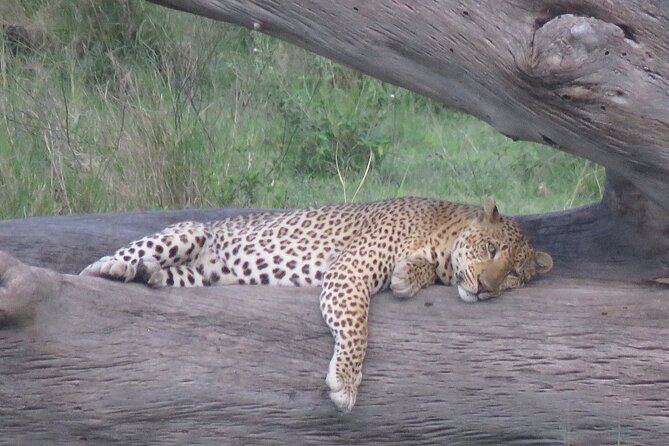
One of the headline days is designed around the migration itself. You follow migration paths through the Serengeti ecosystem, with the plan describing about 1.5 million wildebeests and 500,000 zebras moving. It also calls out what makes the crossing moments so intense: predators are present, including lions and cheetah, and crocodiles in the river are a serious factor.
This day is where your safari becomes less about checklist animals and more about a live-action ecosystem. The itinerary even notes that thousands can be swept by the waters during crossings. That’s not “marketing language,” it’s the reality of large-herd movement over dangerous river systems.
How to make this day work for you:
- Go in expecting motion, not certainty.
- Keep your camera ready, but also keep looking with your eyes, because the herd changes direction and pacing quickly.
- Trust your guide. When you see animals reacting, that’s often the cue to where the herd is about to do something big.
As for drawbacks: this is the kind of day where you can feel restless if you’re expecting a predictable schedule. Nature doesn’t read itineraries. Your comfort comes from flexibility and good guidance.
Ngorongoro Crater floor, Big Five at close range
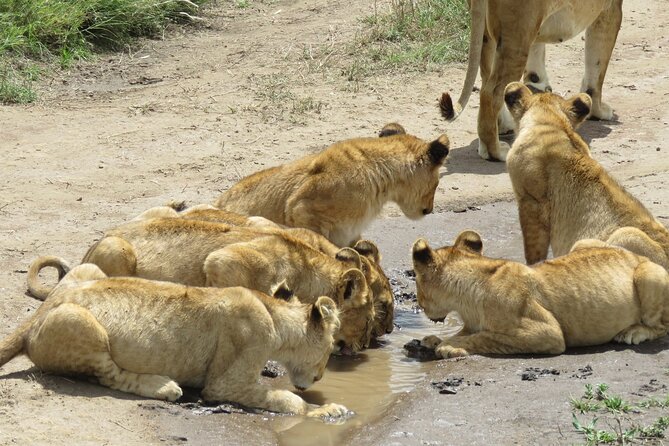
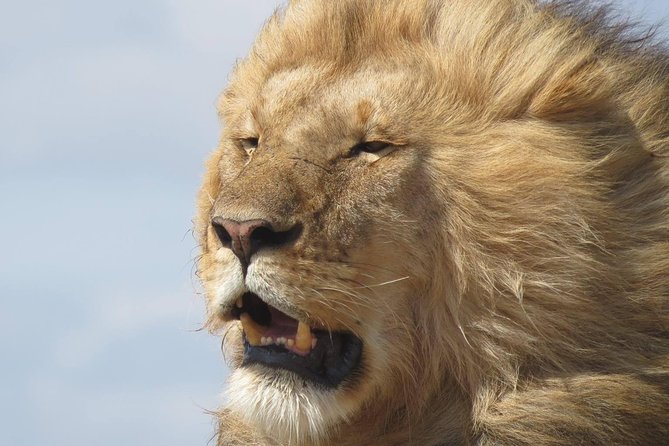
After Serengeti, you head toward Ngorongoro Crater rim, then set up for crater floor drives. The crater day is framed as a Big Five day. The plan says all the big five live here, including rhino, lion, buffalo, and elephant, plus other animals such as zebra, hippo, wildebeest, and hyena.
That lineup is the reason many people put Ngorongoro on top of the list. The habitat is compact compared with some other reserves, and the crater floor can feel like a giant viewing arena when wildlife is active.
Your day includes a crater descent for game drives early in the morning. Morning viewing helps because wildlife tends to be more visible and active. The itinerary also highlights birds, including flamingos on the Soda Lake area, plus geese, storks, and vultures.
A memorable practical detail is lunch. You don’t eat back at the lodge. Your picnic lunch is served in the crater at Ngoitoktok swamp, described as a hippo pool. That’s the sort of detail that makes the day feel like you’re truly inside the system, not just driving past it.
One more reality check: crater days involve driving plus descent time. So if you have mobility concerns, it’s worth discussing with the operator before you go, especially since this is an active safari schedule.
Price and value: what $4,846.16 includes, and how to budget the rest
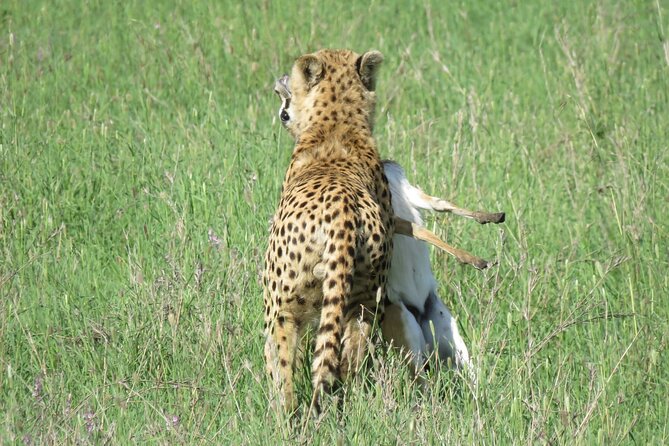
This tour lists a price of $4,846.16 per person for 9 days. In safari terms, value depends on what you get without extra fees.
Here, the package includes:
- Private transportation
- Food and drinks: breakfast, lunch, dinner, snacks, and drinks like wine and soft drinks
- All fees and taxes (so you’re not constantly calculating park-by-park costs)
- A mobile ticket
It also specifies that tips are not included. So you should budget for tipping separately.
My take on value: this price makes more sense because it’s not just transport and one park. You’re covering multiple major ecosystems, including a bird-focused Arusha start, two different safari-style parks (Tarangire and Lake Manyara), then the migration-heavy Serengeti stretch, and finally a Big Five crater day. Also, private transport matters because migration and predator sightings can require quick repositioning.
If you’re a couple, a family, or a small group that wants control over your pace, this kind of “all-in” structure can be easier to manage than building the trip from separate components.
Private guiding, and why the human factor matters
A good safari is part logistics, part spotting, part interpretation. This is where the “private” angle becomes more than a marketing label.
Because it’s private, your guide can adapt your route to what you’re actually seeing. The feedback around this company emphasizes that the manager David stays responsive during planning, and that guides like Ziggy are strong at navigation. Drivers like Tom are also praised for world-class service and for keeping the safari vehicle comfortable, including cold drinks all the time.
That cold-drinks detail sounds small, but it helps on long driving days. It’s the kind of practical comfort that makes people enjoy the experience more, especially when you’re out early and then out again near sunset.
Also, the fact that you’re told you receive confirmation at booking and you get a mobile ticket suggests fewer last-minute surprises.
Who this 9-day Great Migration safari is best for
This trip fits best if you:
- Want a classic Tanzania circuit that covers multiple ecosystems, not just one park
- Have at least 9 days and want meaningful time in Serengeti rather than rushing
- Care about the Great Migration as an objective, not just scenery photos
- Prefer private safari comfort and flexibility
It may be less ideal if you:
- Don’t like early starts or long road days
- Are expecting a guaranteed crossing at a specific moment (the herd’s movement is seasonal)
For most people, the private structure and the mix of parks make it a strong fit.
Should you book this 9-day safari to see the Great Migration crossing?
I’d book it if your priority is to maximize your odds across the Serengeti migration route, while still getting Tarangire wildlife density, Manyara bird-and-lion possibilities, and the concentrated Big Five feel of Ngorongoro.
I’d pause and ask more questions if your travel dates are fixed and you need a specific crossing day, because the migration can shift with season. The itinerary is clearly designed to chase the action, but it’s still nature.
If you’re the type who likes a smooth plan with strong guiding support, this is the kind of safari where the logistics and the people behind it matter. With David’s planning responsiveness and guidance praised in the field by people like Ziggy and drivers like Tom, you’ll likely feel looked after from pickup to crater lunch.
FAQ
What time does pickup happen in Arusha?
Pickup is offered in Arusha in the morning. The itinerary notes a pickup around 07:30 AM, and the meeting point lists a start time of 8:30 AM. Your exact timing should be confirmed at booking.
Is this tour private or shared?
This is a private tour/activity, so only your group participates.
What meals and drinks are included?
The package includes breakfast, lunch, and dinner, plus snacks and drinks like wine and soft drinks.
Are park fees included?
Yes. The tour includes all fees and taxes, and Tarangire National Park is noted as having an admission ticket free entry on that day.
Is tipping included in the tour price?
No. Tips are not included, so you should plan a budget for them.
Is free cancellation available?
Yes. You can cancel up to 24 hours in advance for a full refund. If you cancel less than 24 hours before the experience start time, it is not refunded.
Following the Migration
- 8 Days Great Wildebeest Calving Migration Safari from Arusha
★ 5.0 · 254 reviews - 10-Day Serengeti Wildebeest Migration Safari from Arusha
★ 5.0 · 218 reviews - 8 Day Spectacular Migration Serengeti mid -Range Tanzania Safari
★ 5.0 · 161 reviews - 9-Day Serengeti Migration Footsteps Tanzania Safari
★ 5.0 · 96 reviews - 7 days great migration safari
★ 5.0 · 77 reviews
Just added from around Arusha
Great Wildebeest Migration Safaris, compared.
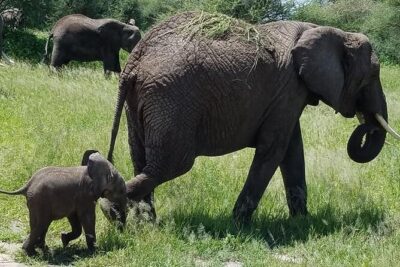 ★ 5.08 Days Great Wildebeest Calving Migration Safari from ArushaFrom $2,999254 reviews
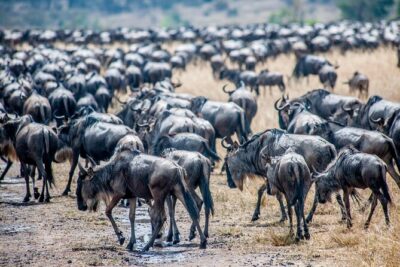 ★ 5.010-Day Serengeti Wildebeest Migration Safari from ArushaFrom $5,512218 reviews
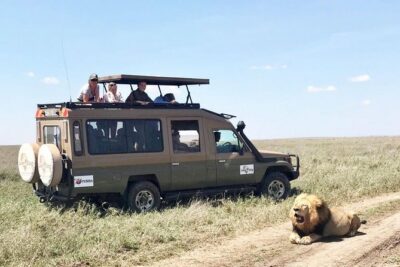 ★ 5.08 Day Spectacular Migration Serengeti mid -Range Tanzania SafariFrom $4,257161 reviews
 ★ 5.09-Day Serengeti Migration Footsteps Tanzania SafariFrom $4,53996 reviews
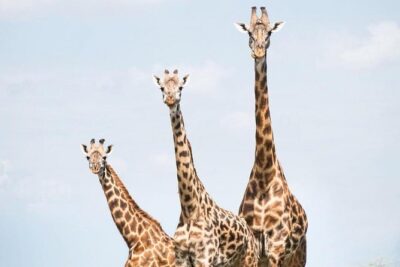 ★ 5.07 days great migration safariFrom $4,51477 reviews
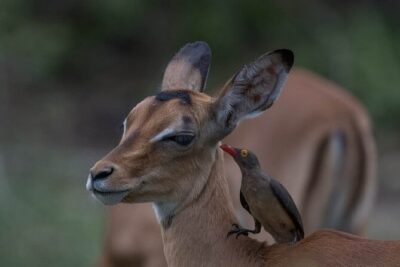 ★ 5.0Great Migration Safari In TanzaniaFrom $3,90071 reviews
 ★ 5.0Private 6-Day Great Migration Ndutu Serengeti Safari TourFrom $2,82747 reviews
 ★ 5.04 Day Great Migration Safari Serengeti & Ngorongoro CraterFrom $2,68033 reviews
Browse the lists this tour appears in