
REVIEW · GREAT WILDEBEEST MIGRATION SAFARIS
8 Days, Migrations Safari-River crossing -(July to October)
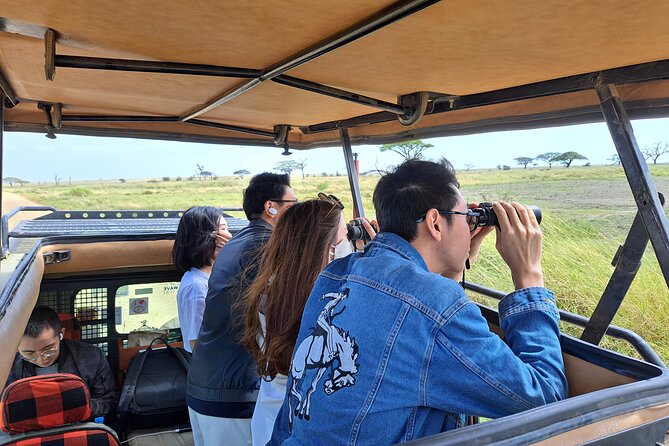
This trip is built for one of Africa’s most stubborn wildlife events, the Great Migration timing from July to October, plus the chase for Mara River crossings. I like that the whole plan is geared around the key habitats in Tanzania, not just a checklist of big-name parks.
What I especially like is the private, guide-led approach and the chance to get serious time in the places that actually matter for migration sightings. I also appreciate that the package includes luxury camps, park fees, meals, and park-time drinks, so you can focus on wildlife and not spreadsheets.
One thing to keep in mind is that Mara River crossings are never guaranteed. Even when herds are near the water, the exact moment they commit to crossing can be days later, and some sightings come down to luck.
In This Review
- Key things you’ll notice right away
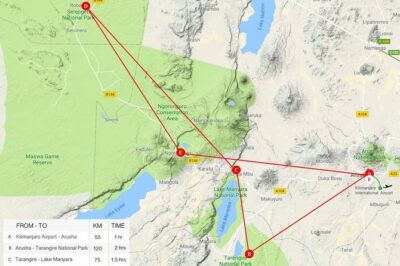
- The 8-day arc: Arusha to Tarangire to the Mara, then crater and lakes
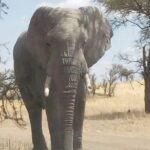
- Entering Tarangire National Park first: elephants, baobabs, and dry-season water
- Central Serengeti: resident big cats before the migration sprint
- Full-day migration trails in Serengeti: when the plains start to feel alive
- Mara River crossing days: this is where timing, luck, and patience collide
- Olduvai Gorge and Laetoli on the way to Ngorongoro rim
- Ngorongoro crater day: a conservation powerhouse with dense wildlife
- Lake Manyara finale: primates, jungle-like ground, and tree-climbing lions
- Food, drinks, and camp comfort, included in the real cost
- Price and value: $5,600 per person, with the heavy pieces covered
- Your guide experience: why “how it’s run” seems to matter most
- Who should book this migration safari
- Should you book Wildlife Experience Tanzania for this route?
- FAQ
- What time does the safari start?
- Is this tour private?
- Where does the safari begin and end?
- What does the price include?
- Are park or conservation entry fees included?
- What is not included in the tour price?
- How does cancellation work?
- Can most travelers participate?
Key things you’ll notice right away
- English and Spanish-speaking driver-guides who focus on wildlife spotting and behavior
- Two dedicated Mara River days for crossing attempts, not just a quick pass-by
- Ngorongoro + Olduvai Gorge + Laetoli footprints, mixing wildlife with early human history
- Early morning Ngorongoro crater drive, when animals are most active
- Meals, camp stays, and park entry fees included, so the safari feels packaged and calm
Chasing the herds? Compare these first
- 8 Days Great Wildebeest Calving Migration Safari from Arusha★ 5.0 · 254 reviews
- 10-Day Serengeti Wildebeest Migration Safari from Arusha★ 5.0 · 218 reviews
- 8 Day Spectacular Migration Serengeti mid -Range Tanzania Safari★ 5.0 · 161 reviews
- 9-Day Serengeti Migration Footsteps Tanzania Safari★ 5.0 · 96 reviews
The 8-day arc: Arusha to Tarangire to the Mara, then crater and lakes
This is an 8-day safari built around movement, not just viewing. You start in the elephant-rich landscapes of Tarangire, swing into the Serengeti for migration trails and resident wildlife, then devote multiple days to the north Serengeti and the Mara River area where crossings can happen. After that, you switch gears into Ngorongoro Conservation Area, with crater wildlife and the famous Olduvai Gorge region. You finish at Lake Manyara, known for primates and the headline act of tree-climbing lions.
In practice, this kind of route works well if you want both extremes: classic plains migration energy and the condensed, high-odds wildlife viewing inside Ngorongoro crater. It also means long drive days. Many days run 8 to 10 hours of game driving time, so if you get restless in the car, bring your patience and plan your comfort (water, snacks if allowed, sun protection).
Entering Tarangire National Park first: elephants, baobabs, and dry-season water
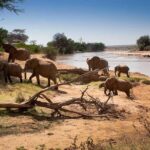
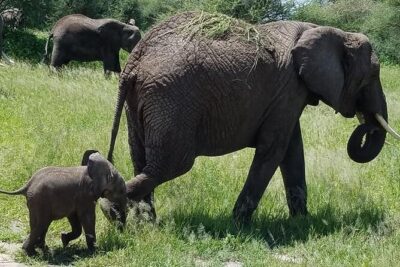
Day one sets you up in Tarangire National Park, and there’s a reason it’s a smart starting point. Tarangire is known for large herds of elephants, tree-climbing lions, and baobab trees (that Tree of Life feeling people talk about). The other big detail is that Tarangire’s river flows all year round, meaning wildlife concentrate here during drier months.
For you, that translates to an opening day that often feels lively and visual right away. Even before you get to the big migration spectacle, you’re in a park where animals use predictable water sources, and that can make early sightings easier than you might expect.
A small caution: Tarangire can involve lots of sun and dusty horizons depending on the season and time of day. If you’re prone to headaches or eye irritation, you’ll be happier if you pack sunglasses and something to reduce dust comfort.
Central Serengeti: resident big cats before the migration sprint
After breakfast, you head into the central part of Serengeti for a full day game drive. This segment matters even if your main goal is the migration, because it gives you time to see resident wildlife and the classic Serengeti rhythm of predator and prey.
Serengeti is famous for the Big Five concept (lion, leopard, elephant, buffalo, plus antelope species people group in that trophy shorthand). The reality is you can go a long way in the savannah and still not see everything on demand. Still, a central Serengeti day is a strong way to start sharpening your wildlife eye, especially if your guide is good at picking out tracks, body language, and where animals tend to be active.
In other words, this day helps you get “game drive fluent” fast. You learn where to look, how to listen, and how to interpret animal behavior beyond just the moment you spot an animal in the grass.
Full-day migration trails in Serengeti: when the plains start to feel alive
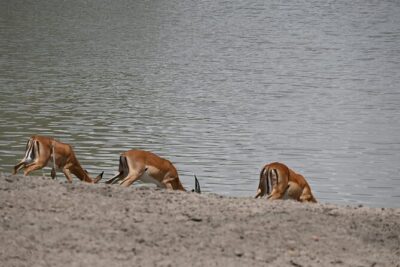
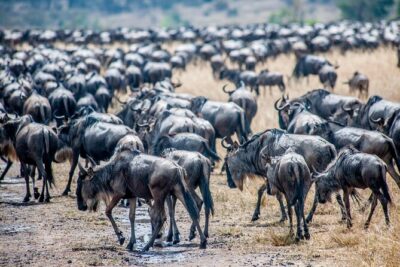
The next Serengeti day is built for the Great Migration trails, with a longer game drive and more focused attention on the patterns of zebra, Thomson’s gazelle, and wildebeest movement. Serengeti is described as holding huge numbers of zebras and gazelles joining the wildebeest trek, and your experience here is meant to feel like that famous Africa idea you’ve probably seen in photos.
For you, the value isn’t only the number of animals. It’s the pacing and the way the guide reads the landscape. Migration trails have logic. Fresh grazing pushes animals forward, and predators tend to follow the energy and the vulnerability that comes with movement.
One practical note: these are long, plain-sky days with long sightings waiting periods. If you start getting fidgety, remind yourself that migration moments are often sudden. Keep your camera ready, but also take breaks so you don’t miss the smaller action like herd regrouping, sudden runs, or predators appearing at the edge of a kopje.
Mara River crossing days: this is where timing, luck, and patience collide
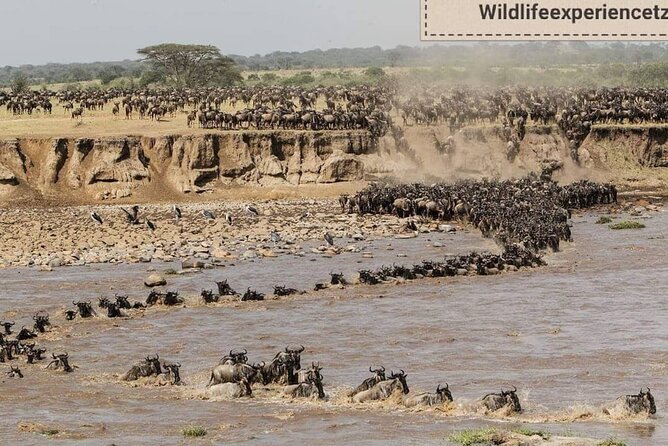
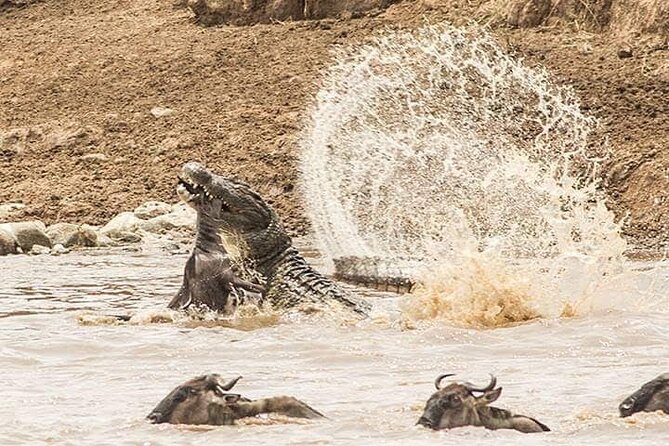
Two days are dedicated to the Mara River area for migration crossing attempts. This is the headline of your itinerary, because the Mara River is the key feature. Herds may cross north one day and then return south a few days later.
But here’s the honest part you need for planning your expectations: crossing is very challenging to witness. Even if herds are seen close to the river, they might not cross until later. That means your best tool is patience, and your best partner is your guide’s ability to track where herds were last and where they are likely to be next.
When it works, it’s one of those wildlife moments that feels bigger than a single animal sighting. But when it doesn’t, you still shouldn’t feel like you wasted the days. The Mara area often holds high resident wildlife numbers, and you’re driving through a mosaic of kopjes, woodland, riverine vegetation, and open plains. Even without a crossing, you can get a strong mix of predators and big herbivore action.
If you want to maximize your odds for a crossing moment, show up ready to stay flexible. Don’t plan hard “when exactly will it happen” expectations. Think in windows, not minutes.
Olduvai Gorge and Laetoli on the way to Ngorongoro rim
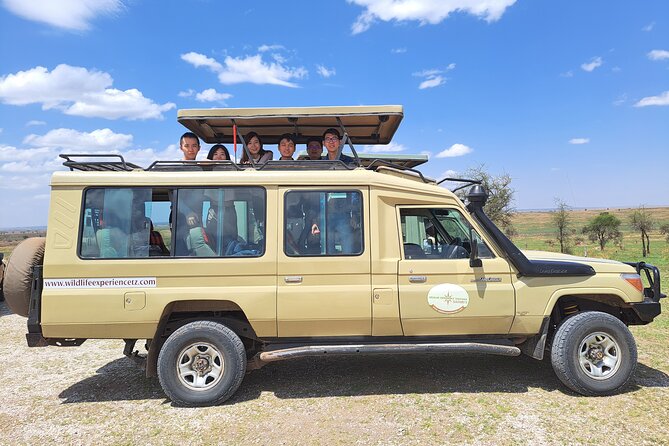
Day six shifts from pure migration chasing into a different kind of wow factor. You drive from Serengeti toward Ngorongoro Conservation Area, with time in the afternoon for Olduvai Gorge museum and the Laetoli area. Laetoli is known for hominid footprints preserved in volcanic rock dating back about 3.6 million years, often cited as some of the earliest signs of mankind in the world.
For many people, this is the day that adds emotional range to the safari. You’re going from animal motion on the plains to the deep-time story of our own origins. Even if you’re not a museum person, the idea of footsteps in volcanic rock is the kind of detail that makes you look differently at everything around you.
A practical consideration: it’s a travel-and-switch day. You may feel the rhythm shift from long plains horizons to a more varied route into Ngorongoro’s highland rim. Give yourself a slower evening at the lodge, because your next day starts very early.
Ngorongoro crater day: a conservation powerhouse with dense wildlife
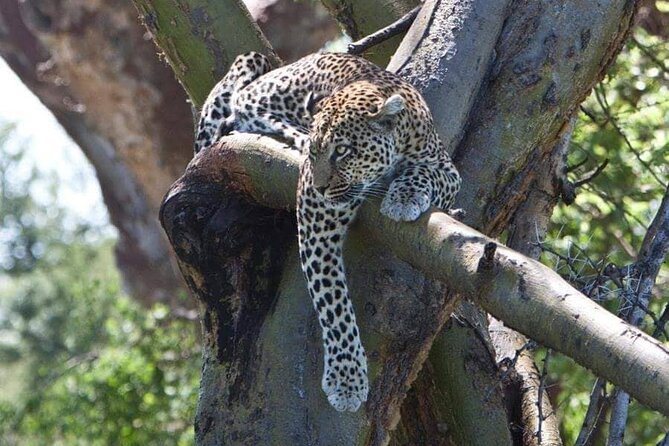
On day seven, you start early with a game drive inside Ngorongoro crater. Ngorongoro Conservation Area is described as an extensive highland area along the eastern arm of the Rift Valley, with the crater at the center of it. Ngorongoro was established to conserve wildlife and natural resources, and it’s known for having very few black rhinos remaining.
What you get inside the crater is often the feeling of wildlife density. In a single morning, you can see a lot of animal activity because conditions inside the crater create a sort of natural stage. You’ll likely notice that the terrain and cover let wildlife move in ways that are easier to observe than in some wide open landscapes.
Here’s what to watch for: when the light is low early morning, animals often move more confidently across open areas. A patient guide will also keep an eye on where animals were last, because Ngorongoro behavior can be local and repeatable.
By the end of the day, you drive back to the lodge. It’s a full day, but it’s structured like a high-impact wildlife day rather than another long travel marathon.
Lake Manyara finale: primates, jungle-like ground, and tree-climbing lions
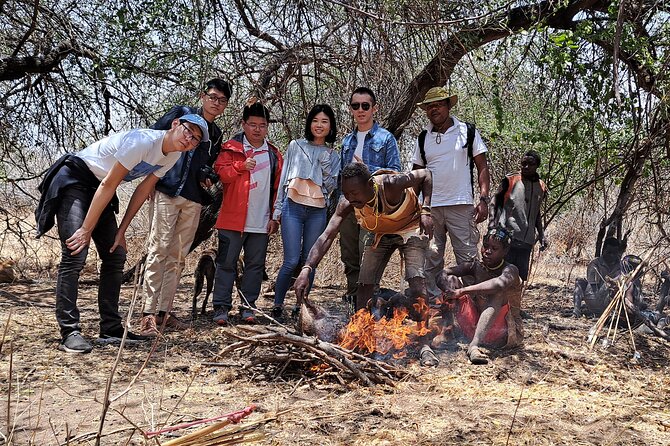
Day eight brings you to Lake Manyara National Park. This is a different ecosystem feel. The park is described as having lush jungle-like ground water forests, plus baboons and blue monkeys, and tree-climbing lions that are famous for this kind of behavior.
For you, this finale works well because it’s a change of pace. After the crater’s focused intensity and the migration’s long-horizon energy, Lake Manyara is about texture and presence: monkeys in trees, animals moving through greener cover, and a chance at the tree-climbing lion story if conditions and luck align.
The day ends with a transfer back to Arusha for an overnight stay or to the airport on time for your flight home, depending on your schedule. This is practical, because it reduces the awkward last-day scrambling people sometimes run into when safaris end late.
Food, drinks, and camp comfort, included in the real cost
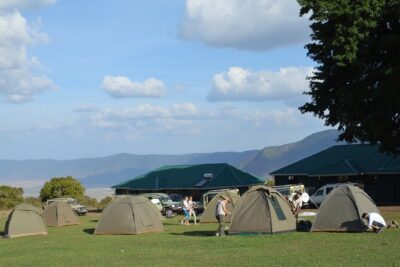
One reason this package stands out is what it includes in your safari budget. Park fees and taxes are included. You get lodges and luxury camps. Meals are included across multiple days, including breakfasts, lunches, and dinners. On game drives, you also get a glass of house wines, soft drinks, and premium bears.
That matters because it changes how you experience the days. When meals and entry fees are handled, you spend less time hunting for food or worrying about whether an extra cost will pop up. It also means you can keep your energy up for early mornings and long drives.
That said, hard drinks and personal items are not included, and tips for your driver-guide are not included. You should budget for that so it doesn’t surprise you at the end.
Price and value: $5,600 per person, with the heavy pieces covered
At $5,600 per person for an 8-day safari, you’re paying for a lot of the expensive parts that can make or break safari value: park entry fees, guiding, and lodge stays. The package includes airport transfers and multiple meals, plus the concentrated migration and crater time.
The best way to think about it is value by inclusions, not by sticker shock. If you were to price these pieces separately, the guide time, park fees, and overnight stays often add up quickly. Here, they are bundled, which can be a relief when you’re trying to keep planning simple.
The trade-off is that it doesn’t include accommodations and meals in Arusha before and after the safari, so you’ll need to plan your first and last nights. Also, tips are on you.
Your guide experience: why “how it’s run” seems to matter most
A theme from the experiences people praised is the professionalism and care of the team. Mr. Tiger is mentioned as an owner who greets guests at the hotel and arranges the trip according to needs. Guides such as Dullah, Joseph, and Anuary are described as friendly, patient, and knowledgeable, and one guest highlighted how helpful and careful the guiding felt.
Even if you don’t see the exact same guide name on your departure, the pattern is clear: this company leans on a strong human part of safari success. Good guiding is not only about finding animals. It’s also about explaining what you’re seeing, reading movement, and being calm when a crossing does not happen on schedule.
So what should you do to get the most out of that? Ask questions early. Before the big migration days, take a moment to learn what your guide will look for and what signs matter. When you know what the guide is tracking, you’ll enjoy the drive more, even during quiet stretches.
Who should book this migration safari
I think this safari fits best if you:
- Want a focused Great Migration window, July to October, with two Mara River attempts
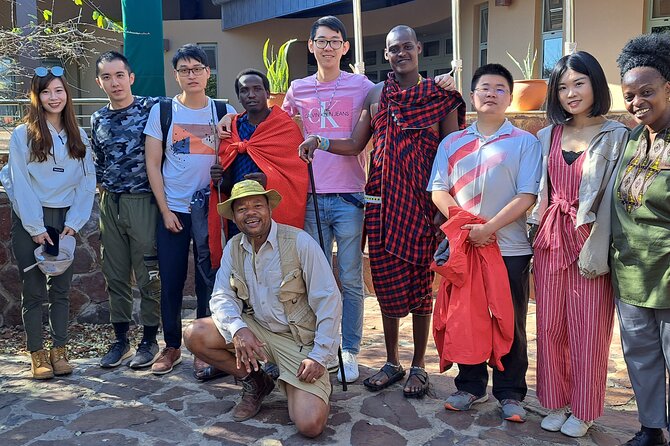
- Like a mix of wildlife and cultural value, including a Maasai Village visit plus Olduvai Gorge and Laetoli
- Prefer private group pacing, because it tends to reduce confusion and lets the guide tailor drives to sightings
You might want a different style of trip if you’re someone who needs a guarantee of specific moments like a Mara crossing. This itinerary is built for chasing, not for promises.
Also consider your comfort level with long days. The drive and game drive blocks are substantial, and you’ll spend a lot of time in the vehicle, even when sightings are great.
Should you book Wildlife Experience Tanzania for this route?
If your priority is a structured, high-effort wildlife safari that dedicates serious time to the migration and Mara River area, I’d say it’s a strong option. The included items reduce planning friction, and the itinerary balances plains wildlife with Ngorongoro crater intensity and an archaeology stop that adds meaning beyond just photos.
I’d only hesitate if you need guaranteed Mara River crossing moments or if you’re unwilling to accept that timing in the migration can be unpredictable. If you can handle that reality, this looks like a very workable way to spend a week chasing the action, with comfort and support handled for you.
FAQ
What time does the safari start?
The start time is 8:30 am.
Is this tour private?
Yes. It is a private tour/activity, and only your group will participate.
Where does the safari begin and end?
It begins in Arusha. At the end, you transfer back to Arusha for an overnight stay or to the airport on time for your flight home.
What does the price include?
The price includes all fees and taxes, lodges and luxury camps, a professional English speaker guide, game driving, airport transfers, and meals across the safari days. It also includes house wine, soft drinks, and premium bears during game drives, plus a Maasai Village visit.
Are park or conservation entry fees included?
Yes. The included details specify all fees and taxes, and the itinerary notes admission ticket coverage across the days.
What is not included in the tour price?
Tips for your driver-guide, hard drinks, and personal items are not included. Also, accommodation and meals in Arusha before and after the safari are not included.
How does cancellation work?
Free cancellation is available if you cancel up to 24 hours in advance of the experience start time. If you cancel less than 24 hours before, the amount paid is not refunded.
Can most travelers participate?
The info says that most travelers can participate.
Following the Migration
- 8 Days Great Wildebeest Calving Migration Safari from Arusha
★ 5.0 · 254 reviews - 10-Day Serengeti Wildebeest Migration Safari from Arusha
★ 5.0 · 218 reviews - 8 Day Spectacular Migration Serengeti mid -Range Tanzania Safari
★ 5.0 · 161 reviews - 9-Day Serengeti Migration Footsteps Tanzania Safari
★ 5.0 · 96 reviews - 7 days great migration safari
★ 5.0 · 77 reviews
Just added from around Arusha
Great Wildebeest Migration Safaris, compared.
 ★ 5.08 Days Great Wildebeest Calving Migration Safari from ArushaFrom $2,999254 reviews
 ★ 5.010-Day Serengeti Wildebeest Migration Safari from ArushaFrom $5,512218 reviews
 ★ 5.08 Day Spectacular Migration Serengeti mid -Range Tanzania SafariFrom $4,257161 reviews
 ★ 5.09-Day Serengeti Migration Footsteps Tanzania SafariFrom $4,53996 reviews
 ★ 5.07 days great migration safariFrom $4,51477 reviews
 ★ 5.0Great Migration Safari In TanzaniaFrom $3,90071 reviews
 ★ 5.0Private 6-Day Great Migration Ndutu Serengeti Safari TourFrom $2,82747 reviews
 ★ 5.04 Day Great Migration Safari Serengeti & Ngorongoro CraterFrom $2,68033 reviews
Browse the lists this tour appears in