
REVIEW · SAFARI
8 Day Tanzania Family Safari
Wildlife hits fast in northern Tanzania. This 8-day safari loops you through Tarangire, Serengeti, and Ngorongoro with a strong emphasis on game drives and getting you close to animals. You start at Kilimanjaro Airport and finish back on the Arusha side, keeping the route tight and practical for families and first-timers.
Two things I really like about this style of trip: the 4WD vehicles with pop up roofs (your viewing angle is better without constantly changing spots), and the fact that it’s set up as a private safari for only your group. That matters because you can move at a pace that works for kids, grandparents, and even just tired adults who want fewer surprises. One more plus I noticed from how the operation gets talked about is the service-minded attention, including drivers such as Godlove, and frequent praise for tour leadership linked with Goodluck.
The main drawback to consider is simple: this is a lot of time on the move. You should expect long travel and game drive days, and you’ll want to be okay with early starts and cooler, sometimes bumpy, open-air conditions.
In This Review
- Key highlights to know before you go
- Starting at Kilimanjaro Airport: getting your safari legs ready
- Tarangire Day 1 and Day 2: baobabs, elephants, and serious sightings
- Crossing toward Serengeti via Ngorongoro Conservation Area: the scenery and the strategy
- Seronera (Central Serengeti) full-day focus: build your safari confidence
- Northern Serengeti game drive: more variation, more moments
- Great Migration full-day day: the most famous name, arranged for a reason
- Ngorongoro Conservation Area transfer and the crater day payoff
- Meals, water, and 4WD comfort: what is included (and what to plan for)
- Price and value: is $3,282.06 per person worth it?
- Who this Moshi safari suits best
- Should you book this 8 day Tanzania family safari?
- FAQ
- How long is the safari?
- Where does the safari start?
- What is the price per person?
- Are park entry fees included?
- What vehicle is used for game drives?
- Are meals and drinks included?
- What is not included in the price?
- Is this a private tour?
- Can I cancel for a refund?
- Is pickup provided, and is the meeting point near public transportation?
Key highlights to know before you go
- Pop up roof 4WD views that keep spotting easier and less stressful
- Tarangire double dip, with one full day in addition to the first drive
- Serengeti days built around location, including Central Serengeti and northern areas
- A full day scheduled for the Great Migration focus, timing dependent on what the region is doing
- Ngorongoro Crater finale, with a dedicated crater game drive plus the drive back out to Arusha
Still weighing it up? These Moshi trips came out well when we reviewed them.
- Kilimanjaro climb by Lemosho Route (7-day)★ 5.0 · 651 reviews
- Safari Serengeti And Ngorongoro★ 5.0 · 288 reviews
- Kilimanjaro climb, Machame Route (7-day)★ 5.0 · 262 reviews
- Kilimanjaro Climbing Lemosho Route 8 Days.★ 5.0 · 186 reviews
Starting at Kilimanjaro Airport: getting your safari legs ready
Your safari begins at Kilimanjaro Airport, with a listed start time of 12:00 am. That tells you right away this trip is designed around reaching the parks efficiently, not around sleeping in. If you hate jet lag chaos, plan on keeping your first night and first morning low drama. Pack a small day kit that you can grab quickly after landing.
Once you’re in the vehicle, the focus stays on animal time. The tour includes pickup offered, and the team brings you into the safari rhythm quickly. You’ll have mineral water and tea or coffee with meals, which helps when the day stretches long.
One practical note: because the meeting point is near public transportation, you’re not totally trapped if you need a local plan to get there. Still, with an itinerary this long, it’s smart to arrange transport so you arrive calm and on time.
Tarangire Day 1 and Day 2: baobabs, elephants, and serious sightings
The first two days anchor you in Tarangire, and that’s a big reason this itinerary works. Tarangire has a distinct feel. The scenery is different from Serengeti, and the animal mix often feels a little more “visual” early on, with elephants and birds that make you feel like you’re already in the story.
Day 1 is set as a Tarangire game drive. Day 2 goes full day in Tarangire. That second day is where you get breathing room to see more than just first-day highlights. You don’t just pass through a park and hope for the best, you return and let the wildlife opportunities stack up.
What to expect on these drives:
- You’ll be in a 4WD vehicle with a pop up roof, which makes a noticeable difference for spotting wildlife and tracking movement.
- Expect a lot of “stop, scan, spot, drive a little” rhythm. That’s not a problem. It’s how safaris actually work well.
A small drawback: Tarangire days can feel physically long, especially if your family is prone to getting restless. Bring patience, snacks for between meals only if you prefer (personal items are not included), and clothing that handles changing light. The air can cool down quickly as mornings and evenings shift.
Crossing toward Serengeti via Ngorongoro Conservation Area: the scenery and the strategy
Day 3 is the transition: transfer to Serengeti via Ngorongoro Conservation Area. This kind of routing is valuable because it keeps you moving logically between ecosystems rather than bouncing randomly.
Even if you mainly care about animals, the transfer day has value:
- You’re getting into the right geography for the next stage.
- You learn what the driving days feel like so later days don’t surprise you as much.
This is also where you can judge how your group tolerates road time. If kids struggle with long stretches, it helps to plan entertainment and comfort. The good news is the tour includes proper meals and mineral water, so you’re not dealing with the logistics of hunting down food during the day.
Seronera (Central Serengeti) full-day focus: build your safari confidence
Day 4 brings you to Seronera (Central Serengeti) for a full day game drive. Seronera is a common name for a reason: it’s a strong area for classic Serengeti viewing. The benefit of spending a full day here is that you can get multiple “shots” at animals. You’re not only doing the quick look before rushing onward.
This is the day where you typically start learning the safari rhythm:
- Morning sightings can differ from midday.
- Heat changes animal behavior and where you’ll find activity.
- Birdlife often adds a different layer to your drive, even when the big mammals are quieter.
Because you’re in a private setup, your driver and group can adjust without dealing with a crowded, tight-schedule bus feel. That’s one reason the private format matters. It’s not just comfort, it’s control.
Northern Serengeti game drive: more variation, more moments
Day 5 is Northern Serengeti game drive. Shifting areas within Serengeti changes what you’ll see and how the landscape holds wildlife. This part of the itinerary is built so you don’t spend the whole trip in one “viewing mood.”
If you’re traveling as a family, this is a nice balance. Kids often perk up when the environment changes. Parents often appreciate that the itinerary isn’t monotonous. You still get the same core experience, game drives with that pop up roof vantage, but the setting keeps you interested.
A consideration here is fatigue. Days 4 and 5 stack a lot of time in the vehicle. If you know your group gets cranky, make sure you’re using breaks wisely, and keep hydration front and center.
Great Migration full-day day: the most famous name, arranged for a reason
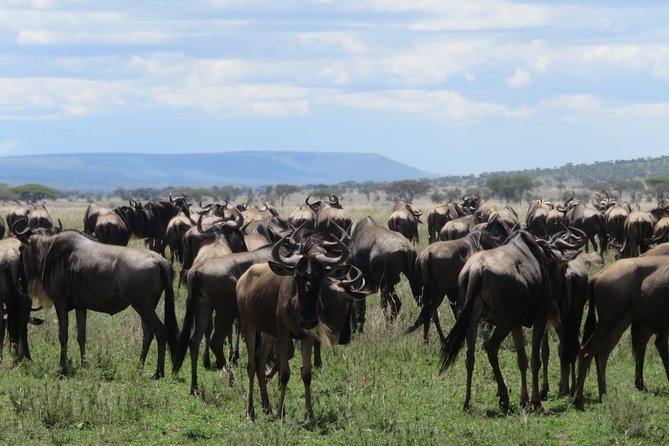
Day 6 is scheduled as a Great Migration full day game drive. That phrase is famous for a reason, but here’s the practical truth: the migration is a moving target across time and space. What this day does for you is set aside a whole day specifically aimed at those conditions.
In real terms, this means:
- You’ll dedicate your time to the regions and timing where migration viewing is most likely.
- You’ll have enough time to react as the situation develops, rather than being forced into a short, rushed window.
This is also a good day to watch how your driver works. The best safaris aren’t just “where you go,” they’re “how you read what’s happening.” Even though the itinerary sets the day, the wildlife still calls the shots.
If you’re a first-time visitor, you might notice how different this day feels compared with Tarangire. Serengeti-scale movements and open plains can make spotting feel bigger and more urgent. That’s part of the drama.
Ngorongoro Conservation Area transfer and the crater day payoff
Day 7 is a transfer to Ngorongoro Conservation Area. You need this buffer because the Ngorongoro crater experience is its own world. The approach day helps you settle in and get ready for a different driving setup and a different wildlife style.
Day 8 is the big finale: Ngorongoro Crater game drive and transfer to Arusha. This combo is convenient because you finish in a meaningful place for onward travel and overnight plans, instead of being stuck at the far edge of nowhere.
What makes Ngorongoro special on a safari is the way animals gather around predictable water and grazing spots in a high-profile bowl. From the viewpoint of your family itinerary, it’s also a fitting last day. You get a dramatic “capstone” after building momentum through Tarangire and Serengeti.
One small caution: crater days can feel visually intense, with lots of looking and scanning. The pop up roof helps, but you still want to protect your eyes and keep your group focused with short, clear breaks.
Meals, water, and 4WD comfort: what is included (and what to plan for)
This safari includes proper meals plus mineral water and tea or coffee. That inclusion is practical value. Safari days run long, and paying for food separately can get expensive fast, not to mention annoying when schedules shift.
It also includes all park entry fees, so you’re not scrambling for tickets or calculating extra costs at each stop. The vehicle setup is another major included item: 4WD vehicles with pop up roof for excellent views.
What’s not included:
- All things of personal nature
- Tips for guides and cooks
- International flights
- Extended tours not specified in the main package
For families, the “personal nature” part is where you’ll want to think ahead. If your kids need specific snacks, medicines, or comfort items, pack them. Also, bring a way to handle tips thoughtfully when you get to the end of the trip. Even when a tour is well-run, tipping is usually part of the relationship you build with the people doing the work.
Price and value: is $3,282.06 per person worth it?
At $3,282.06 per person, this safari isn’t cheap. But value in Tanzania safari land is less about sticker price and more about what you get bundled into the experience.
Here’s the value logic I see:
- Park entry fees included reduces surprise costs.
- Meals and water included makes long days easier and can be a big hidden budget item if it’s not covered.
- 4WD with pop up roof directly affects your ability to spot wildlife.
- The trip is private, meaning you’re paying for your group’s time and flexibility rather than sharing a crowded schedule.
- The itinerary covers multiple major areas: Tarangire, Central and Northern Serengeti, and Ngorongoro. That breadth costs something, but it also gives you more chances for the animal encounters you came for.
Where the price might feel heavy is if you mainly want a short safari or you’re only chasing one specific target. This itinerary is best when you’re open to a range of wildlife moments and you want to see how the ecosystem changes across the route.
If you’re traveling with family, the private format can be worth more than you expect. It reduces friction. Fewer compromises. Less time waiting.
Who this Moshi safari suits best
This 8-day safari is designed so most travelers can participate, and it’s listed as a private tour/activity with only your group. That combination makes it especially appealing if you’re traveling with:
- Families who want a smoother experience than a large group safari
- Multi-generational trips where everyone has different energy levels
- First-time visitors who want a classic northern circuit without too much extra planning
It may be less ideal if you:
- Hate early starts or long drives
- Want a fully relaxed pace with lots of downtime
- Are booking only for one “guaranteed” wildlife outcome, since nature schedules itself
Should you book this 8 day Tanzania family safari?
I’d recommend booking if you want a classic northern Tanzania route with enough time in each place to actually feel like you’re doing more than passing through. The strongest reasons are the 4WD pop up roof setup, the fact that Tarangire gets two days, and the thoughtful structure that moves you from Serengeti areas into a Ngorongoro crater finale.
I’d pause before booking if your group is sensitive to long days on the road. This is a safari built for animal time, not a resort schedule. If that matches your style, you’ll likely feel excited from day one to day eight.
FAQ
How long is the safari?
The tour runs for about 8 days and 11 hours (approx.).
Where does the safari start?
It starts at Kilimanjaro Airport.
What is the price per person?
The price is listed as $3,282.06 per person.
Are park entry fees included?
Yes. All park entry fees are included.
What vehicle is used for game drives?
You’ll travel in 4WD vehicles with pop up roof for better wildlife viewing.
Are meals and drinks included?
Yes. The tour includes proper meals plus mineral water and tea or coffee.
What is not included in the price?
Not included are personal expenses, tips for guides and cooks, international flights, and any extended tours not specified in the package.
Is this a private tour?
Yes. It’s listed as private, and only your group participates.
Can I cancel for a refund?
Yes. There is free cancellation, and you can cancel up to 24 hours in advance for a full refund.
Is pickup provided, and is the meeting point near public transportation?
Pickup is offered, and the meeting point is listed as near public transportation.
Just added from around Moshi
Safari, compared.
 ★ 5.0Serengeti Balloon Safari and authentic bush breakfastFrom $5502,480 reviews
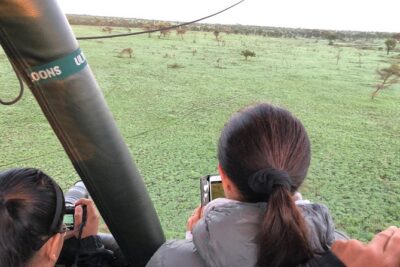 ★ 5.0Balloon Safari & Bush Breakfast in Serengeti – Miracle ExperienceFrom $5991,646 reviews
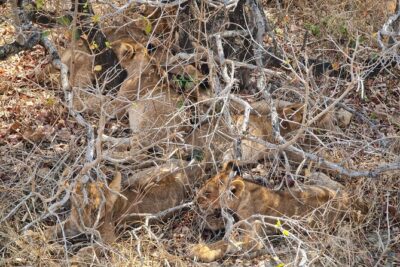 ★ 4.7From Zanzibar: Mikumi Safari Day Trip with Flights and MealFrom $4511,470 reviews
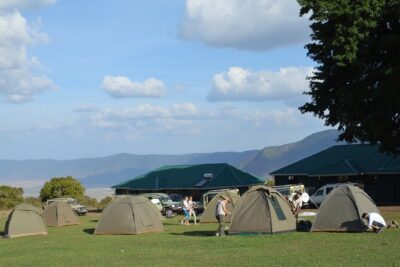 ★ 5.04 Days Group Camping SafariFrom $9001,101 reviews
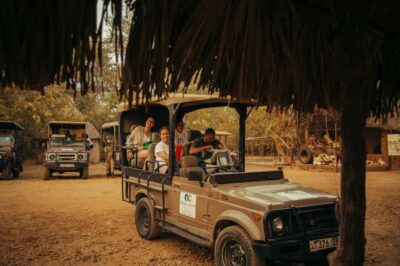 ★ 4.7From Zanzibar: Day Selous Game Reserve Safari with FlightsFrom $4701,025 reviews
 ★ 5.05 Days Group Camping SafariFrom $1,100730 reviews
 ★ 5.03 Days Serengeti & Ngorongoro Group Camping SafariFrom $815574 reviews
 ★ 5.07-Day Premium Luxury Tanzania Safari All-InclusiveFrom $4,840426 reviews