
REVIEW · GREAT WILDEBEEST MIGRATION SAFARIS
7 Days Great Wildebeest Migration Mara River Crossing
Mara River drama is the main event. This 7-day safari focuses on the Great Wildebeest Migration in the northern Serengeti, with multiple game drives where the Mara River crossing can happen on your watch. I like that you spend more than one day in the right area instead of rushing through, and I also like the hands-on safari style, including time in Tarangire with open-roof viewing. One consideration: the crossing is wild and seasonal, so you are paying for strong odds, not a guaranteed moment at the exact minute.
I also like the pacing. You get big wildlife days, but the itinerary still gives you time to actually look, not just drive past things, and the early starts help you catch animals when they are active. Another plus is the mix of ecosystems, from baobab-studded Tarangire to the northern Serengeti plains to the Ngorongoro caldera.
The only real drawback I’d flag is that road time adds up. Some days run long, and you will likely want to protect your back and neck, plus plan for early mornings like Day 7 leaving at 07:00.
In This Review
- Key highlights worth your attention
- What this safari really delivers in 7 days
- Day 1: Arrival and Arusha settling-in at Tulia Boutique Hotel
- Day 2: Tarangire National Park and open-roof elephant viewing
- Day 3: Serengeti entry, Ngorongoro Conservation Area passes, and Olduvai option
- Day 4: Kogatende region search for migration and Big Five goals
- Day 5: Kogatende game drives, Mara River crossing suspense, hippos and crocs
- Day 6: Back toward Ngorongoro via a different route, predator focus
- Day 7: Ngorongoro Crater at 07:00, panoramic views, black rhino and hippos
- Lodging style and meals: what “full board” means for your day
- Getting around: 4×4 Land Cruiser, long drives, and roof-open moments
- Pricing and value: why this costs $4,428, and what you get for it
- The human factor: how guides shape your outcomes
- Who this safari suits best
- Should you book this Mara River crossing safari?
- FAQ
- Where does the 7-day safari start and end?
- What time does the tour list as the start time?
- What national parks and areas are included in the itinerary?
- Is Olduvai Gorge Museum included?
- What’s included in the tour price?
- What is not included?
- What meals are included?
- Is this tour private?
- Is there free cancellation?
Key highlights worth your attention
- Multiple Serengeti days in the Kogatende area, improving your chances of migration action near the Mara River
- Death-defying river crossing viewing window, where wildebeest and zebras may attempt the crossing while Nile crocodiles and hippos are present
- Tarangire National Park game drives, including big elephant herds and the chance to see lions and giraffes
- Ngorongoro Crater day, with a panoramic viewpoint and the chance to see endangered black rhino and hippos
- Private 4×4 Land Cruiser experience, so your guide can shift plans for what you are seeing
Chasing the herds? Compare these first
- 8 Days Great Wildebeest Calving Migration Safari from Arusha★ 5.0 · 254 reviews
- 10-Day Serengeti Wildebeest Migration Safari from Arusha★ 5.0 · 218 reviews
- 8 Day Spectacular Migration Serengeti mid -Range Tanzania Safari★ 5.0 · 161 reviews
- 9-Day Serengeti Migration Footsteps Tanzania Safari★ 5.0 · 96 reviews
What this safari really delivers in 7 days
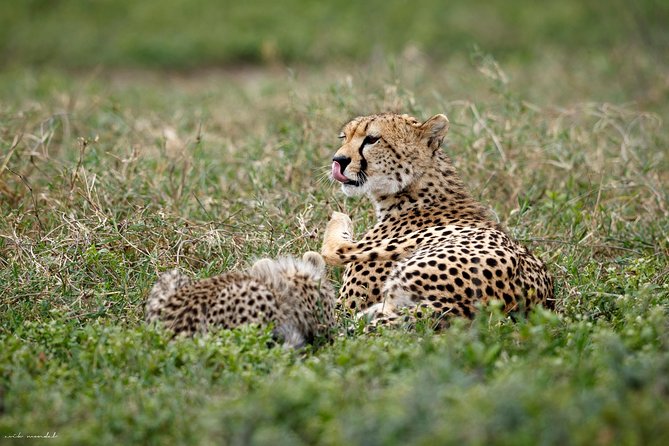
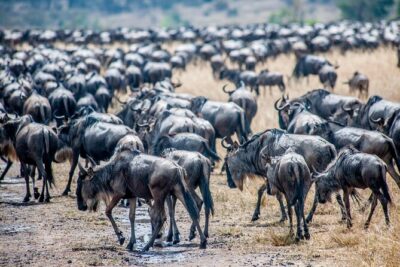
This is built around one idea: if you want the Mara River crossing drama, you need time in the right zone. The northern Serengeti stretch near Kogatende is where the herds can funnel toward the last major obstacle before Kenya’s Maasai Mara. That does not mean you will see the crossing every day, but it does mean you are not stuck with a single brief look and then a long drive away.
It also delivers a good “whole safari” mix. You start with Tarangire’s famous elephants and baobabs, then you move into the Serengeti for migration-focused drives, and you end with Ngorongoro Crater for a classic caldera wildlife day. If you only want one type of animal action, you could choose a shorter, tighter route. If you want the full range of Tanzania wildlife settings, this structure makes sense.
Day 1: Arrival and Arusha settling-in at Tulia Boutique Hotel
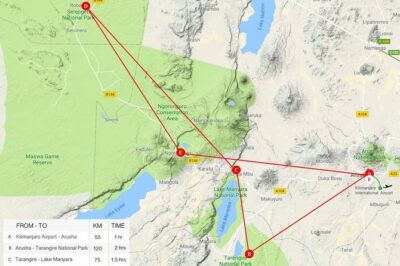
Day 1 is all about getting you safely from the airport into vacation mode. You land at Kilimanjaro International Airport or Arusha Airport, then you are met and assisted through immigration, baggage claim, and customs. After that, you transfer to Tulia Boutique Hotel.
Why this matters: migration safari success depends on not wasting your first day in logistics. Even if you are excited, jet lag plus paperwork can drain the energy you’ll need for early drives later. This day keeps things simple and lets you sleep somewhere geared for travelers.
Practical tip: keep your camera batteries charged and your first-day “in case of a long drive” snacks ready. You will likely be up earlier than you expect on later days.
Day 2: Tarangire National Park and open-roof elephant viewing
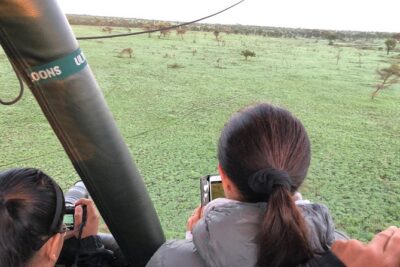
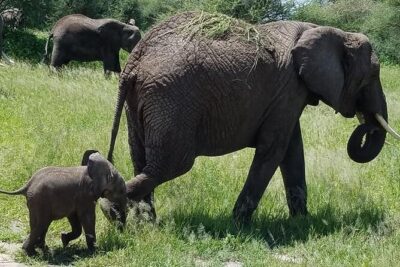
You leave Arusha after breakfast, with pickup at 08:30, then drive about 2 hours to Tarangire. Once inside, your guide opens the roof for better viewing. That small detail can make a noticeable difference, especially when you are trying to photograph elephants, giraffes, and lions at close range.
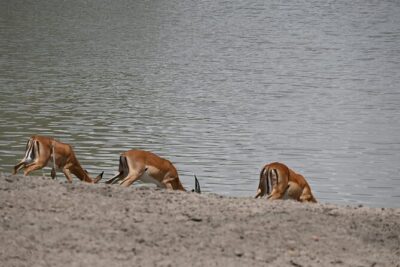
Tarangire is known for the largest elephant herds in the north of Tanzania, and that matches the kind of wildlife day you want early in a trip. You can also spot buffalo, zebra, wildebeest, and a spread of antelopes and gazelles. The scenery here is seasonal marshes plus tree savannah, and the baobab trees are a signature backdrop.
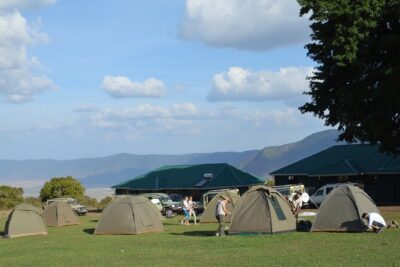
You finish with an overnight at Marera Valley Lodge on full board. Full board matters because it reduces decision fatigue. When you are in safari rhythm, you want your meals handled and your evening free.
Possible drawback: Tarangire day trips can feel hot and long if you are sensitive to sun and wind. A hat and sunscreen are not optional gear on this route.
Day 3: Serengeti entry, Ngorongoro Conservation Area passes, and Olduvai option
Day 3 starts with an early breakfast and a scenic drive toward the Serengeti. You will pass through the mist-shrouded rainforests of the Ngorongoro Conservation Area, and there is a real possibility of seeing cape buffalo, baboons, and even elephants or leopards in dense undergrowth.
The transfer to the Serengeti gates takes nearly four hours, but you can optionally break it up with a visit to Olduvai Gorge Museum, often called the Cradle of Mankind. The museum is about six kilometers from the main road junction near the Zinjanthropus monument. You get an onsite view over the gorge and a chance to connect wildlife time with human origins and archaeology exhibits. Admission is not included, listed at USD 36 per person.
Why I like this option for many travelers: it adds meaning when you are traveling long distances. Instead of only staring at road signs for hours, you get a structured stop that explains the wider region.
Tradeoff: Olduvai will cost extra and take time, so if your whole dream is the migration, you might skip it. Think of it as a choice between content depth and staying maximum hours in the field.
You end the day still moving into safari territory, then overnight in the northern Serengeti region.
Day 4: Kogatende region search for migration and Big Five goals
After breakfast, you drive across Togoro plains and through the Mbuzi Mawe kopjes, then head deeper into the Serengeti’s northern reaches. This is where your guide’s skill starts to matter. The kopjes create cover, viewpoints, and travel corridors for animals. You can find everything from dik-dik to giraffes and elephants, and your route is shaped by sightings.
You arrive in the Kogatende region and start searching for both the Wildebeest Migration and the Big Five. The Big Five part is not a promise, but it is a clear intention: you are being positioned in a place where chances exist for large predators and big herbivores.
Overnight is at Heritage Mara Tented Camp on full board. A tented camp is not about “roughing it,” it is about location and the safari feel. Just remember that tented camp evenings can be cooler and calmer than the hot open plains, so bring a layer.
Possible drawback: Day 4 is listed as a long day for activity, so you will likely be in and out of the vehicle for extended periods. If you have a sensitive back, plan for it.
Day 5: Kogatende game drives, Mara River crossing suspense, hippos and crocs
Day 5 is the core migration day. After breakfast, you start game drives around Kogatende with a focus on two things:
1) carnivores that hunt near migration movement
2) the migration groups preparing to cross the Mara River
The Mara River is described as the last major obstacle between the herds and the relative safety of the Maasai Mara. That is why you are here. And the river is not just scenery. You might see hippos and Nile crocodiles along the banks, which is part of what makes the crossing so intense.
This day is where you could witness the death-defying crossing itself, with wildebeest and zebras braving currents and crocodiles to reach the other side. But again, this is a living system, not a stage show. Your best strategy is to be patient, stay flexible, and let your guide build a plan around what the herds are doing in real time.
You finish with dinner and overnight in the heart of the Serengeti, depending on the accommodation type requested. The key idea is that you stay close to the action rather than bouncing to a far-off hotel.
Practical tip: keep your camera ready but also take moments to watch without zoom. The speed and chaos are part of the story. You can capture it, then let your eyes do their job.
Day 6: Back toward Ngorongoro via a different route, predator focus
On Day 6, after breakfast, you head back toward the Ngorongoro Conservation Area and then toward Ngorongoro Crater National Park. The route is different from your Day 2 or Day 3 path through Serengeti, and the aim is to give you another chance at animals that you may have missed.
This is also where you get a strong predator emphasis. When the itinerary says you might see cheetahs, leopards, hyenas, and lions, treat it as a target list, not a checklist. Predators show up when conditions line up, so you will want to keep your attention sharp even when the action is not immediate.
Why this day matters for value: you are extending your Serengeti time without repeating the exact same drive. That helps your chances of different species and it also reduces the feeling that the trip is just backtracking.
Day 7: Ngorongoro Crater at 07:00, panoramic views, black rhino and hippos
Day 7 starts early, with breakfast and departure to Ngorongoro Crater at 07:00 AM. The caldera viewpoint is your first big moment. The crater is described as the Eighth Wonder of the World and it is home to over 120 species of mammal, with the Big Five included in the mix.
The itinerary calls out the endangered black rhinoceros as a particularly good chance, plus large numbers of hippos enjoying the cool water. This is a different kind of wildlife viewing than Serengeti plains. You are in a confined bowl where animals can be visible at once, and the atmosphere is often dramatic.
Admission to Ngorongoro Crater is listed as included. That is a meaningful value piece because these crater entry fees can be a big line item on safari budgets.
Lodging style and meals: what “full board” means for your day
Two lodges/camps get specifically named: Marera Valley Lodge and Heritage Mara Tented Camp, both listed with full board on their nights. In practical terms, that usually means you are not searching for meals after game drives. The package also includes:
- breakfast, lunch, and dinner (listed counts for each)
- soft drinks plus coffee or tea
The included comfort also matters because safari days can be tiring. You want a predictable schedule for food so you can focus on the next drive.
What is not included is alcohol and laundry services at lodges or tented camps. If you care about a nightly glass of wine, you’ll want to budget that separately.
Getting around: 4×4 Land Cruiser, long drives, and roof-open moments
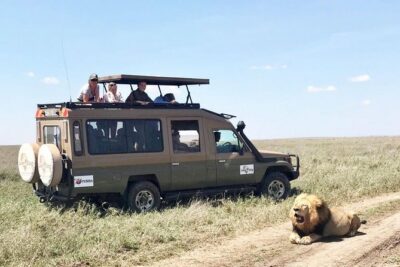
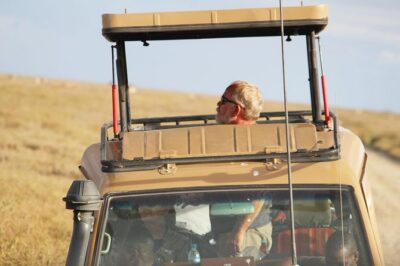
Your transport is a 4×4 Toyota Land Cruiser with a driver guide. In safari country, this is a smart choice because the roads and tracks can shift quickly, especially during rainy or muddy conditions.
The roof-open viewing at Tarangire is a great detail. It signals that the guide is thinking about sightlines, not just driving to check a box.
Important comfort note: the tour does not include an air-conditioned vehicle. That means you rely on safari-season conditions, ventilation, and clothing choices.
Pricing and value: why this costs $4,428, and what you get for it
At $4,428 per person for a 7-day private safari, this is not a bargain trip. But it is also not just paying for animals at random. You are paying for structure and timing:
- A private safari setup, meaning your guide can focus only on your group
- 4×4 transport and a dedicated driver guide for multiple long days
- Meals included (breakfast, lunch, dinner) and basic drinks like soft drinks, coffee, and tea
- Time in the right regions for the migration, including multiple days in the Serengeti rather than a one-off drive
- Ngorongoro Crater admission included, plus multiple park days where admission is listed as free in the itinerary
The big price add-ons not included are also clear: international and domestic flights, visa, insurance, tips, and alcohol. Olduvai Gorge Museum has a specific extra fee (USD 36 per person).
So is it good value? For the right traveler, yes. If you want the best shot at the Mara River crossing and you want a single operator handling the whole run from Arusha through Serengeti to Ngorongoro, this kind of bundled cost is often what makes it feel effortless once you land.
If you are budget-tight and you only care about a general safari circuit, you could find cheaper options. But if crossing-day access and time on the ground are your priorities, this price starts to look more justified.
The human factor: how guides shape your outcomes
The itinerary gives the plan, but the guide makes it work in real time. One theme in feedback about the operator is how much effort they put into making trips feel safe and smooth. A guide named Philemon was singled out in one set of feedback as a standout, and that matters because migration viewing is not only about where you go, it is about how you decide when to stop and when to move.
For you, the takeaway is simple: you want a driver guide who explains what you are seeing and who stays calm when animals appear late or movement changes. This itinerary is most enjoyable when you feel partnered, not shepherded.
Who this safari suits best
This trip is a strong fit if:
- you are specifically chasing the Great Wildebeest Migration, especially the Mara River crossing
- you want more than one serious migration-focused day in the northern Serengeti
- you like a route that mixes plains action (Serengeti) with classic caldera wildlife (Ngorongoro)
- you prefer a private experience where the plan can flex around sightings
It might be less ideal if:
- you hate early mornings and long drive days
- you expect a guaranteed river crossing moment
- you want a lightweight, low-cost trip with minimal driving
Should you book this Mara River crossing safari?
Book it if your goal is clear, the crossing is high on your wish list, and you are okay paying for time in the right regions. The itinerary’s biggest advantage is not one dramatic headline. It is the repeated focus on the Serengeti northern zone and the thoughtful endcap of Ngorongoro Crater.
Skip or reconsider if you are hoping for a fixed schedule of crossing photos with no variability. Nature does not do that. This trip is for people who like the chase, who can wait a bit, and who enjoy learning the animal rhythms as the day unfolds.
If you want the best chance of being in the right place when the migration makes its move, this is a solid choice.
FAQ
Where does the 7-day safari start and end?
It starts at the Aardvark Expeditions Limited meeting point on Swahili St in Arusha, Tanzania, and the activity ends back at the same meeting point.
What time does the tour list as the start time?
The experience start time is listed as 9:30 am.
What national parks and areas are included in the itinerary?
The itinerary includes Tarangire National Park, Serengeti National Park (including the northern Serengeti area around Kogatende), and Ngorongoro Conservation Area with a visit to Ngorongoro Crater.
Is Olduvai Gorge Museum included?
Olduvai Gorge Museum is listed as optional and the fee is not included. The museum fee is listed as USD 36 per person.
What’s included in the tour price?
The included items list: 4×4 Toyota Land Cruiser, driver guide, soft drinks, coffee or tea, lunch, dinner, and breakfast.
What is not included?
Not included: travel and medical insurance, air-conditioned vehicle, international and domestic flights, visa, travel and medical insurance and tips for guide and hotel staff, alcohol, laundry services, Maasai visit, and hot air balloon activity. Olduvai Gorge Museum fee is also not included.
What meals are included?
Breakfast, lunch, and dinner are included, with the itinerary listing 6 breakfasts, 6 lunches, and 6 dinners.
Is this tour private?
Yes. It is listed as a private tour or activity, with only your group participating.
Is there free cancellation?
Yes, there is free cancellation. You can cancel up to 24 hours in advance for a full refund, and changes made less than 24 hours before the start time are not accepted.
Following the Migration
- 8 Days Great Wildebeest Calving Migration Safari from Arusha
★ 5.0 · 254 reviews - 10-Day Serengeti Wildebeest Migration Safari from Arusha
★ 5.0 · 218 reviews - 8 Day Spectacular Migration Serengeti mid -Range Tanzania Safari
★ 5.0 · 161 reviews - 9-Day Serengeti Migration Footsteps Tanzania Safari
★ 5.0 · 96 reviews - 7 days great migration safari
★ 5.0 · 77 reviews
Just added from around Arusha
Great Wildebeest Migration Safaris, compared.
 ★ 5.08 Days Great Wildebeest Calving Migration Safari from ArushaFrom $2,999254 reviews
 ★ 5.010-Day Serengeti Wildebeest Migration Safari from ArushaFrom $5,512218 reviews
 ★ 5.08 Day Spectacular Migration Serengeti mid -Range Tanzania SafariFrom $4,257161 reviews
 ★ 5.09-Day Serengeti Migration Footsteps Tanzania SafariFrom $4,53996 reviews
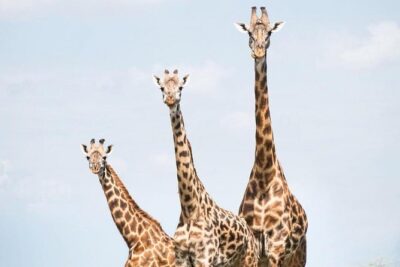 ★ 5.07 days great migration safariFrom $4,51477 reviews
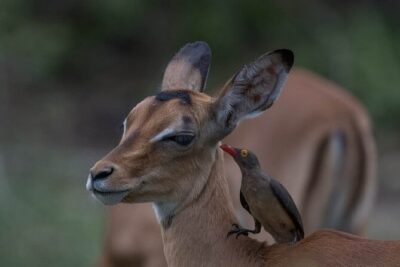 ★ 5.0Great Migration Safari In TanzaniaFrom $3,90071 reviews
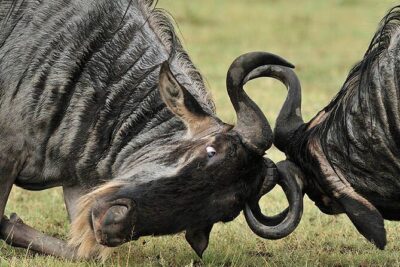 ★ 5.0Private 6-Day Great Migration Ndutu Serengeti Safari TourFrom $2,82747 reviews
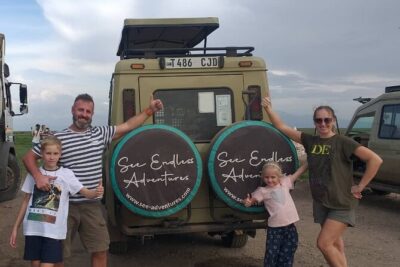 ★ 5.04 Day Great Migration Safari Serengeti & Ngorongoro CraterFrom $2,68033 reviews
Browse the lists this tour appears in