
REVIEW · GREAT WILDEBEEST MIGRATION SAFARIS
7-Day Great Migration Safari
Serengeti mornings change your brain chemistry. This 7-day Great Migration safari pulls you across Northern Tanzania with big contrasts, from Tarangire’s elephant swamps to the Ngorongoro Crater for that classic crater-floor game viewing.
I love that this trip is built like a real safari plan, not a rushed drive-by. You get private touring (your group only), and you sleep in proper safari lodges and camps each night, including Serengeti Pure Luxury Camp for the core days.
One thing to weigh is that it is a lot of time in the car each day, so the pace can feel intense even though the days include flexible options for morning and late-afternoon drives. If you dislike long drives or want lots of downtime, plan snacks and pace breaks.
In This Review
- Key highlights to know before you go
- The Northern Tanzania loop that fits a true safari mindset
- Day 1 in Tarangire National Park: elephants, picnic lunch, and Boundary Hill Lodge
- Day 2 in Lake Manyara: a morning walk and Rift Valley views at Rhotia Valley Lodge
- Days 3 to 5 in Serengeti: Seronera base and flexible full-day game viewing
- Day 3: your arrival day with en-route viewing
- Days 4 and 5: two full days with flexible options
- Day 6 into Ngorongoro Conservation Area: travel time, picnic lunch, and Ngorongoro Sopa Lodge
- Day 7 Ngorongoro Crater floor: early descent, picnic lunch, then back to Arusha
- Price and value: is $3,850 per person fair for this 7-day run?
- Food, water, and comfort on long safari days
- Who this safari fits best, and who might want a different plan
- Tips for booking, packing, and getting the most from the schedule
- Should you book this 7-Day Great Migration Safari?
- FAQ
- What city does the safari start from?
- What time does the 7-day safari begin?
- How long is the safari?
- What does the trip cost and what is included in that price?
- What meals are included each day?
- Are visas included?
- Is there a vegetarian option?
- Are there optional activities with extra cost?
Key highlights to know before you go
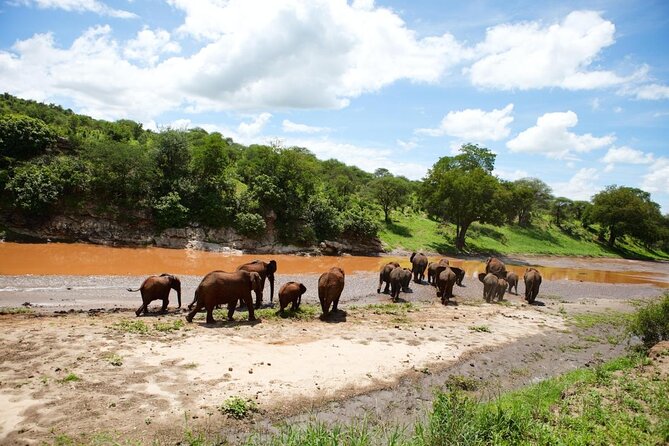
- Tarangire to Ngorongoro in 7 days: one tight Northern Tanzania loop that hits four signature areas.
- Seronera base in Serengeti: stay at Serengeti Pure Luxury Camp while you do flexible full days in the park.
- Crater-floor morning in Ngorongoro: early descent for game viewing, then a picnic lunch before heading back to Arusha.
- Meals and park fees included: breakfast (6), lunch (6), dinner (7), plus bottled water, with national park fees covered.
- Two smart optional upgrades: a Tarangire night drive and a Ngorongoro crater rim walk, both priced per person.
Chasing the herds? Compare these first
- 8 Days Great Wildebeest Calving Migration Safari from Arusha★ 5.0 · 254 reviews
- 10-Day Serengeti Wildebeest Migration Safari from Arusha★ 5.0 · 218 reviews
- 8 Day Spectacular Migration Serengeti mid -Range Tanzania Safari★ 5.0 · 161 reviews
- 9-Day Serengeti Migration Footsteps Tanzania Safari★ 5.0 · 96 reviews
The Northern Tanzania loop that fits a true safari mindset
This route is popular because it matches how animals actually move across Tanzania’s regions. You start in Tarangire, then work toward the Rift Valley, move into Serengeti for the main game-viewing block, and finish with Ngorongoro for that dramatic, contained ecosystem.
The best part for your planning is that the itinerary stays focused. Instead of bouncing between dozens of places, you spend multiple days in the same big zone, which makes it easier to settle in, learn the rhythms of the area, and keep your energy for drives when wildlife activity is highest.
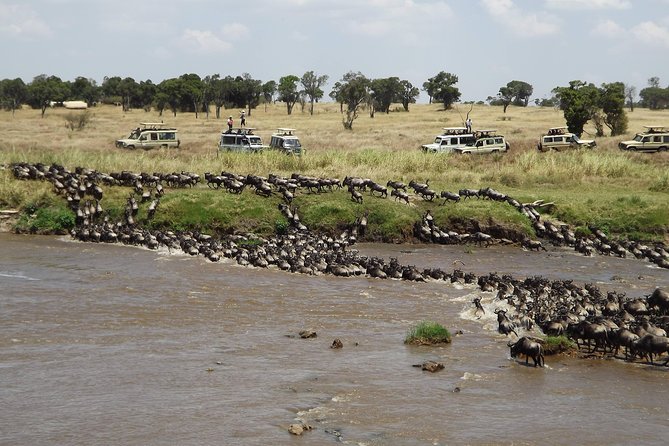
If Great Migration is your main goal, Serengeti is where you spend the most time. The trip is designed around that reality, even though the exact action you see depends on seasonal timing and animal movements, which can shift year to year.
Day 1 in Tarangire National Park: elephants, picnic lunch, and Boundary Hill Lodge
On day one, you depart early with a picnic lunch and head into Tarangire National Park for afternoon game driving. This is a great first day because Tarangire often feels more textured than some savannah-only destinations. You’re dealing with varied habitats, and that usually means more different animal moments in a single afternoon.
After your game viewing, you continue to Boundary Hill Lodge for dinner and overnight. I like how this sets you up for an easier start on day two. You’re not hunting for a different hotel every night.
Optional extra: if you want more wildlife action after dark, there is a Tarangire night drive option for $30 per person, with a $20 rate for kids. Night drives are not for everyone, but if you’re chasing the full safari spectrum, it is one of the better add-ons because it turns your first day into a longer wildlife day without changing the rest of the schedule.
What to consider: day one is an early departure, so you’ll want to make sure you’re not traveling in from a late flight the night before.
Day 2 in Lake Manyara: a morning walk and Rift Valley views at Rhotia Valley Lodge
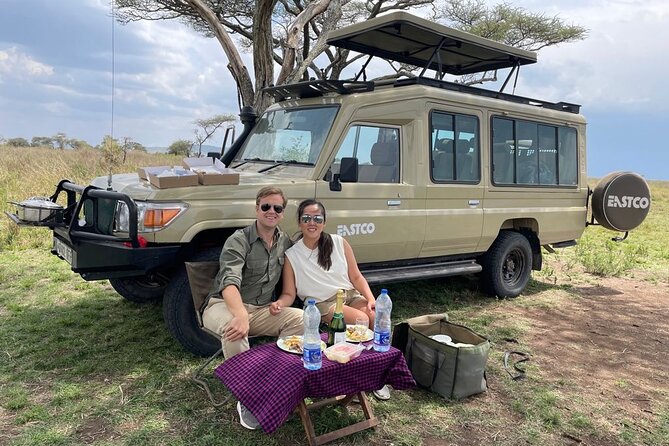
Day two starts with a morning walk at Lake Manyara before you depart for game viewing with picnic lunch. A walk can be a nice reset from a straight drive, especially because Lake Manyara’s setting is different from Tarangire. It can feel tighter and more layered, which sometimes helps you spot birds and smaller wildlife activity.
Then you ascend the Great Rift Valley for dinner and overnight at Rhotia Valley Lodge. That Rift Valley drive matters because it changes your horizon fast. You’ll feel it in the air, the light, and the way the scenery shapes your expectations for what animals are doing.
The practical value here: you are building in a day that mixes legs-on-ground time with traditional game viewing. It also breaks up the pure driving rhythm, which can reduce the fatigue that comes from back-to-back long drive days.
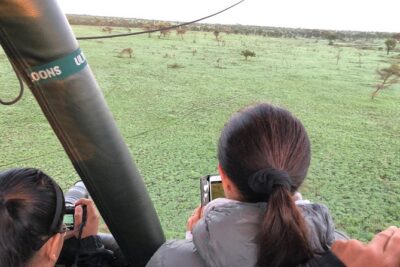
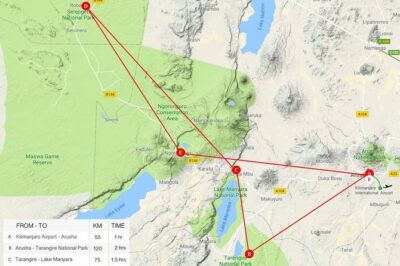
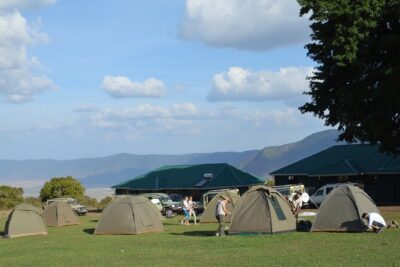
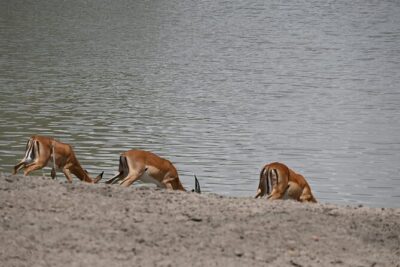
Days 3 to 5 in Serengeti: Seronera base and flexible full-day game viewing
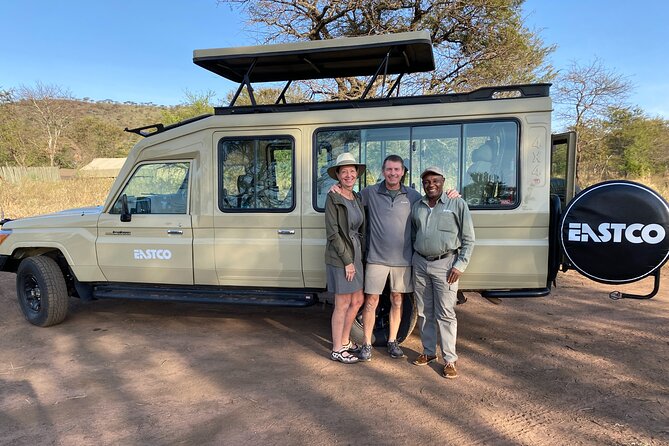
Days three through five are the heart of the safari. You travel from Karatu to Serengeti with picnic lunch and some game viewing en route, then arrive at Seronera for dinner and overnight at Serengeti Pure Luxury Camp.
Seronera is the base point you return to, and that helps your experience because you’re not constantly changing lodging. Instead, you can focus on finding animals, not unpacking.
Day 3: your arrival day with en-route viewing
On day three, you’re not just transferring. You get game viewing en route and then settle in at Serengeti Pure Luxury Camp for dinner and overnight. This is a good structure if you’re coming from other regions, because it gives you wildlife time early instead of saving it all for later.
Days 4 and 5: two full days with flexible options
Days four and five are full days in Serengeti, and the schedule is flexible. You can choose between:
- Picnic lunch in the field with a longer stretch of game driving, or
- early morning and late-afternoon game drives, with lunch handled within the camp
I like this flexibility because it matches how wildlife viewing actually goes. Sometimes the best sightings happen early. Other times, it builds toward the late-day light. You don’t need to force the day into one template.
This is also where a good guide pattern makes a huge difference. In feedback about this company, I’ve seen praise for guides who can spot game quickly, including names like Emmanuel and Wilson, and they’re noted for helping families and first-timers see a lot. Even if your guide isn’t one of those people, the point is the same: strong searching skills are part of what turns a long day into a memorable one.
What to consider: Serengeti days can be long, and the best viewing can mean staying out during the hours when you think it might slow down. If you’re the type who needs constant breaks, ask for a pace that keeps you comfortable within the flexible day structure.
Day 6 into Ngorongoro Conservation Area: travel time, picnic lunch, and Ngorongoro Sopa Lodge
On day six, you depart for the Ngorongoro Conservation Area with picnic lunch and game viewing en route, then arrive at Ngorongoro Sopa Lodge for dinner and overnight.
This day is partly travel, partly wildlife. That is why the picnic lunch and en-route viewing matter. You’re not losing the day entirely to logistics. You’re still getting game time before the crater day.
Optional extra: there is a crater rim walk with an NCCA guide for $30 per person, and $20 per person for kids. If you can handle a walk with some time outside, it can add context before you descend. The crater rim views are often where you start to understand the scale of what you’re about to experience.
The consideration here is simple: if you’re doing the rim walk, build in energy. It is not the day to arrive already exhausted.
Day 7 Ngorongoro Crater floor: early descent, picnic lunch, then back to Arusha
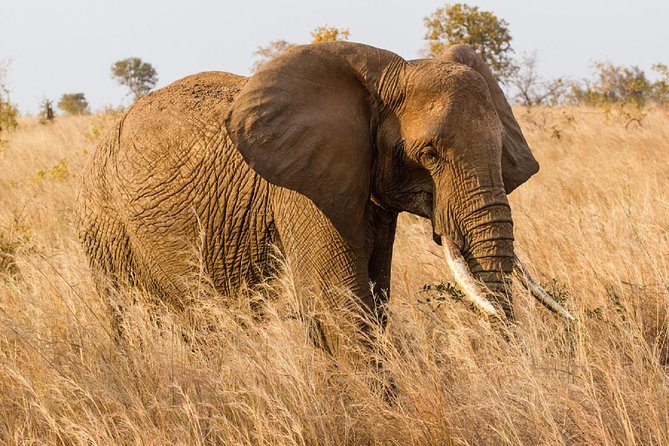
Day seven is your crater morning. You’ll have an early descent onto the crater floor for game viewing, then picnic lunch, and after that you depart back to Arusha, arriving late afternoon.
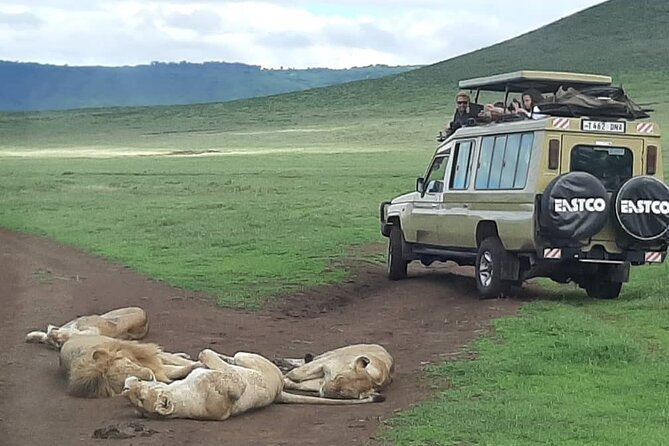
This is the day that usually feels different from the rest of the safari. A crater concentrates animals in a way that can make sightings feel more frequent, and the terrain changes how animals move and how you search.
In the crater, you’re usually dealing with a lot of active scanning: looking for movement on slopes, checking open ground, and watching how animals respond to vehicles and the light. Even with a good plan, it is still safari time, meaning the animals decide when they want to show up. But the itinerary is built around maximizing your early game-viewing window.
Then you head back to Arusha in the late afternoon, which is a relief if you’re trying to end your trip with enough time to reset before any onward travel.
Price and value: is $3,850 per person fair for this 7-day run?
At $3,850 per person, this safari is priced for a full-service experience that includes far more than just vehicle time.
Here’s what you can count on from the included items:
- National park fees are included
- All taxes, fees, and handling charges are included
- Bottled water is included
- You get private touring (your group only)
- Accommodation is included as listed (Boundary Hill Lodge, Rhotia Valley Lodge, Serengeti Pure Luxury Camp, Ngorongoro Sopa Lodge)
- Meals are included: breakfast (6), lunch (6), dinner (7)
When you compare safari pricing, park fees are the big variable many people forget. Here, you’re not trying to mentally add them later. You’re also not paying separately for most daily meals, and bottled water reduces that small daily expense.
What is not included is also important:
- Alcoholic drinks are available to purchase
- Tips are not included
- Visas are not included
So you should budget for personal spending like souvenirs and drinks. But for the core safari spend, the structure is clear: you pay once and the day-to-day costs are mostly handled.
My take on value: this feels like a reasonable price for a private, multi-park, multi-day safari that stays in well-known safari properties and includes meals and park fees. If you wanted to build this yourself, it would usually cost more time and more coordination risk.
Food, water, and comfort on long safari days
This trip includes breakfast (6), lunch (6), and dinner (7), plus bottled water. That means your biggest daily comfort issue is mostly solved. You’re not waiting around for food, and you can keep your schedule intact while you’re out in the parks.
You can also request dietary needs ahead of time. A vegetarian option is available if you tell them at booking. This matters because safari food logistics can be tricky when you show up without a plan.
Alcohol is not included, but drinks are available to purchase, so you can still have a relaxing evening meal without treating it like a fasting day.
Small practical note: since tips are not included, decide what you plan to do for guiding and driving support so it does not feel awkward at the end.
Who this safari fits best, and who might want a different plan
This safari makes sense if you want classic Northern Tanzania highlights in one trip and you’re okay with the safari-day rhythm.
It is especially good for:
- First-time safari planners who want a structured route and included park fees
- Couples and families who prefer a private group experience
- People who want multiple Serengeti days without changing camps mid-stay
It might be less ideal if:
- You want lots of downtime and minimal travel
- You dislike early mornings, since day seven starts with an early descent
- You are very sensitive to long days in transit, since day-to-day movement is part of the design
Tips for booking, packing, and getting the most from the schedule
A few smart steps can make this trip feel smoother.
- Confirm dietary needs early. Vegetarian is available, and the best time to request it is during booking.
- Plan for all-weather driving. The trip operates in all weather conditions, so pack layers rather than one single outfit. Dress appropriately for the climate swings you’ll experience.
- Use the optional add-ons only if they match your energy. The night drive in Tarangire ($30 per person, kids $20) and the crater rim walk ($30 per person, kids $20) can enhance the story of the safari, but they add time outside the main game-drive blocks.
- Bring your patience for safari timing. Even with a great plan, wildlife sightings depend on movement and conditions. The schedule gives you multiple full days in Serengeti, which helps a lot.
Should you book this 7-Day Great Migration Safari?
If your goal is a well-paced Northern Tanzania sampler with real time in Serengeti and a crater finale, I think this one is a strong choice. You get private touring, park fees included, and meals handled across the week, which lowers friction and makes it easier to enjoy each day instead of doing math in your head.
Before you book, just sanity-check two things: your comfort with early mornings and long safari days, and whether optional add-ons like the night drive or rim walk fit your stamina. If you can say yes to both, you’re set up for an efficient, classic route that gives you the best odds to see big wildlife moments where they matter most.
FAQ
What city does the safari start from?
The safari starts in Arusha (Arusha Region). Pickup is offered, and the meeting point is in Arusha.
What time does the 7-day safari begin?
Start time is 8:00 am.
How long is the safari?
It runs for about 7 days.
What does the trip cost and what is included in that price?
The price is $3,850.00 per person. Included items cover all taxes, park fees, bottled water, private tour, listed accommodation, and meals (breakfast 6 times, lunch 6 times, dinner 7 times).
What meals are included each day?
Breakfast is included 6 times, lunch is included 6 times, and dinner is included 7 times. Picnic lunches are part of the day structure.
Are visas included?
No. Visas are not included.
Is there a vegetarian option?
Yes. A vegetarian option is available. You should advise your dietary requirements at booking.
Are there optional activities with extra cost?
Yes. You can add a night drive in Tarangire National Park for $30 per person (kids $20). You can also add a crater rim walk with an NCCA guide in Ngorongoro for $30 per person (kids $20).
Following the Migration
- 8 Days Great Wildebeest Calving Migration Safari from Arusha
★ 5.0 · 254 reviews - 10-Day Serengeti Wildebeest Migration Safari from Arusha
★ 5.0 · 218 reviews - 8 Day Spectacular Migration Serengeti mid -Range Tanzania Safari
★ 5.0 · 161 reviews - 9-Day Serengeti Migration Footsteps Tanzania Safari
★ 5.0 · 96 reviews - 7 days great migration safari
★ 5.0 · 77 reviews
Just added from around Arusha
Great Wildebeest Migration Safaris, compared.
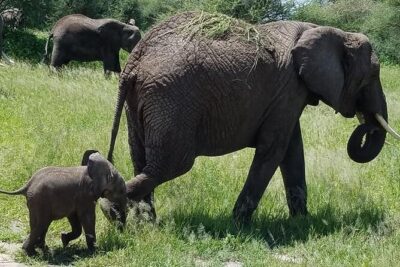 ★ 5.08 Days Great Wildebeest Calving Migration Safari from ArushaFrom $2,999254 reviews
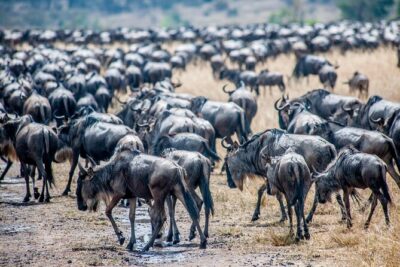 ★ 5.010-Day Serengeti Wildebeest Migration Safari from ArushaFrom $5,512218 reviews
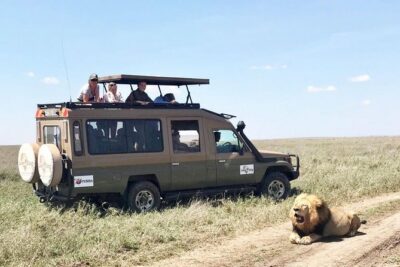 ★ 5.08 Day Spectacular Migration Serengeti mid -Range Tanzania SafariFrom $4,257161 reviews
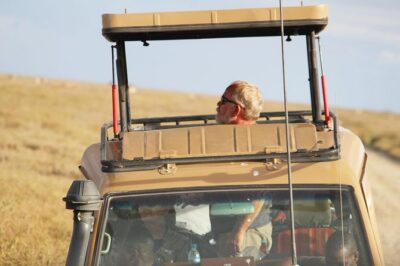 ★ 5.09-Day Serengeti Migration Footsteps Tanzania SafariFrom $4,53996 reviews
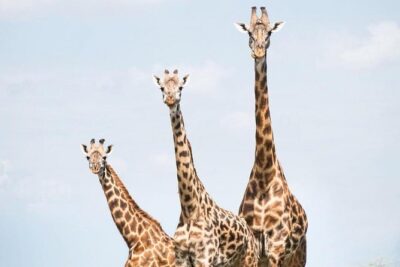 ★ 5.07 days great migration safariFrom $4,51477 reviews
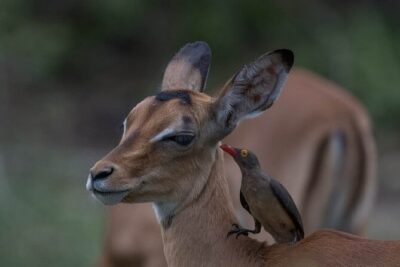 ★ 5.0Great Migration Safari In TanzaniaFrom $3,90071 reviews
 ★ 5.0Private 6-Day Great Migration Ndutu Serengeti Safari TourFrom $2,82747 reviews
 ★ 5.04 Day Great Migration Safari Serengeti & Ngorongoro CraterFrom $2,68033 reviews
Browse the lists this tour appears in