
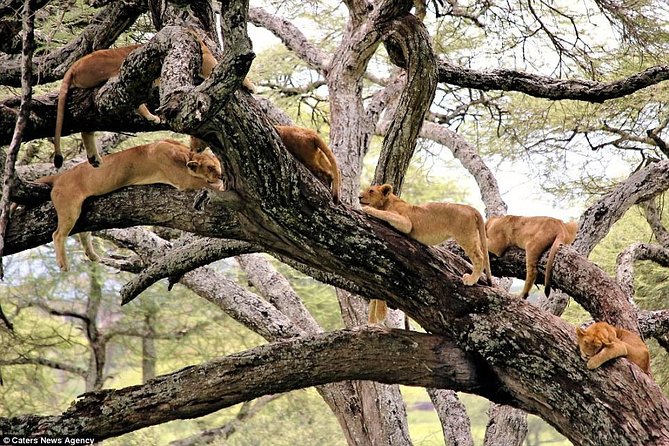
REVIEW · SERENGETI NATIONAL PARK SAFARIS
6 Day Serengeti wildebeest migration Camping Safari
Six days, four parks, and migration on the move. I like the way this trip stacks big wildlife moments in smart order, starting with Tarangire elephant herds and moving into Serengeti for the migration chase. I also love the payoff of a Ngorongoro crater drive, where you can see a lot of species in one dramatic day. One consideration, this is a camping safari, so you sleep in safari tents and you spend long hours in the vehicle.
What makes it especially workable is the structure: you go from park to park with a pro English-speaking guide and cook, and the group is capped at 6 travelers, which keeps the pace and attention more personal. I also like that you can ride in an open-roof safari vehicle during parts of the experience, which helps when you want a clear view through the dust and heat. If you prefer softer comfort every night, this format may not match your style.
In This Review
- Key things I’d circle before you go
- Why this Serengeti migration safari feels like a real safari plan
- Arusha start, camping safari pacing, and what the days are really like
- Tarangire National Park: baobabs, seasonal swamps, and elephant herds by the river
- Lake Manyara and Mto wa Mbu: Rift Valley scenes, Maasai culture, and a Lake Natron flamingo glow
- Serengeti National Park game drives: endless plains, migration timing, and predator follow
- Ngorongoro Crater: big concentration wildlife, a crater-edge night, and a morning descent
- Price and value: what $15,000 buys you, and where you should think carefully
- Who this safari suits best, and who should think twice
- Should you book this 6-day Serengeti migration camping safari?
- FAQ
- Which parks do you visit on this safari?
- Is pickup offered, and where do you start?
- What is included in the tour price?
- What is not included?
- How many travelers are on the safari?
- What wildlife highlights are mentioned for the parks?
- What is the cancellation policy?
Key things I’d circle before you go
- Four park highlights in six days: Tarangire, Lake Manyara area, Serengeti, and Ngorongoro Crater
- Migration-focused Serengeti planning that shifts with the rains, so your guide can chase the herds
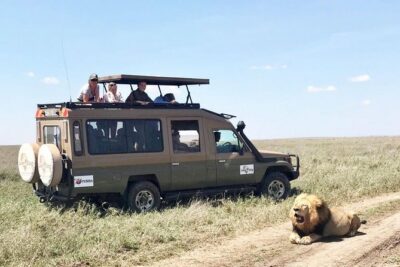
- Open-roof game viewing at times, which makes sightings easier to spot and film
- Ngorongoro crater density with a crater-edge campsite and a morning descent
- Small group size (max 6) plus pro guide and cook for a smoother day-to-day flow
More of the Serengeti, drive by drive
- Balloon Safari & Bush Breakfast in Serengeti – Miracle Experience★ 5.0 · 1,646 reviews
- 3 Days Serengeti & Ngorongoro Group Camping Safari★ 5.0 · 574 reviews
- 5-Day Highlights mid-Range Crater, Serengeti, Tarangire★ 5.0 · 296 reviews
- 3-Day Classic Serengeti Safari★ 5.0 · 263 reviews
Why this Serengeti migration safari feels like a real safari plan
This is not just a checklist of famous places. It is built around how Northern Tanzania wildlife actually moves, and that matters. Tarangire brings elephants and river-fed action, Serengeti is where you look for the migration pattern, and Ngorongoro is the big one-day spectacle inside a crater.
You also get a classic mix of habitats. You start with savannah, baobabs, and seasonal swamps at Tarangire. Then you shift toward Rift Valley scenery, including hot, dusty stretches and a Lake Natron flamingo glow. Finally, Serengeti gives you endless plains, then Ngorongoro compresses wildlife into a compact, crater world.
One small but important detail: the day-by-day rhythm is designed so you do early wildlife drives when animal activity often peaks. You also have proper meals included each day, so you are not scrambling for food between parks. And with a maximum of 6 travelers, the whole trip tends to feel less crowded and less chaotic.
Arusha start, camping safari pacing, and what the days are really like
You begin in Arusha, and pickup is offered. The trip duration is listed as about 6 days, and the start time is shown as 12:00 am, so I’d treat that as a placeholder until you get your final confirmation.
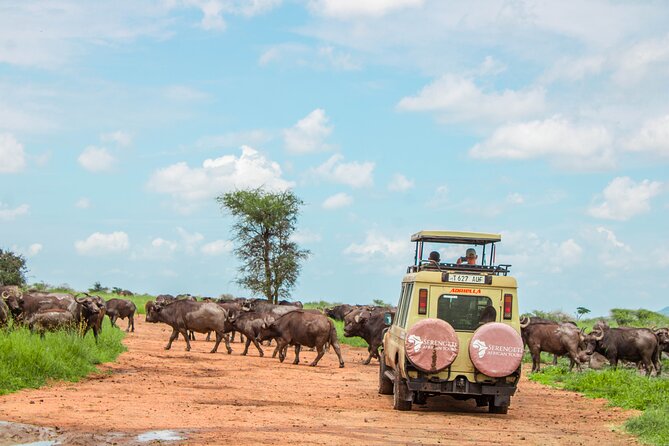
You travel in a 4×4 safari vehicle, and the schedule includes multiple full driving and game-drive days. On the road, expect a lot of bumpy gravel time at least once, because Lake Manyara involves traveling via the Rift Valley Escarpment on a very bumpy gravel road. That is part of the adventure, but it also means you should be fine with a slower, jostly ride.
Sleeping is in safari tents, with camping equipment included: tents, sleeping mats, chairs, and tables. Meals are included according to the itinerary, and mineral water is provided. From a value standpoint, that is a lot that would otherwise add up fast if you had to arrange it all yourself.
Group size also shapes the experience. With a max of 6 travelers, you are less likely to feel like you are sharing your game drive with a small crowd of strangers all fighting for the best sightline.
Tarangire National Park: baobabs, seasonal swamps, and elephant herds by the river
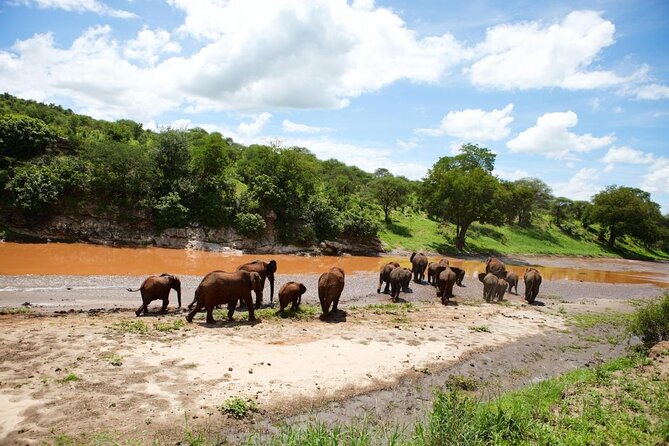
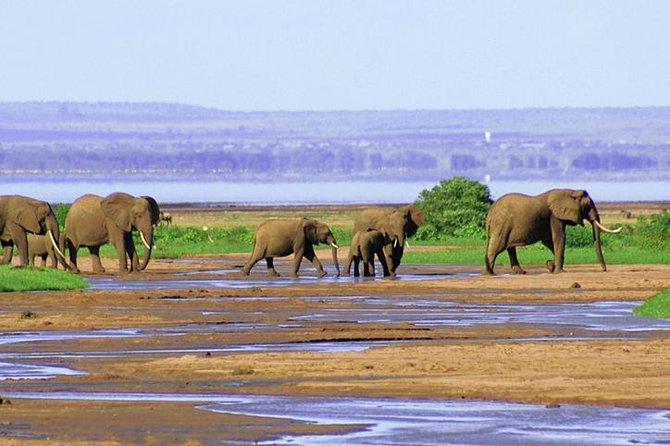
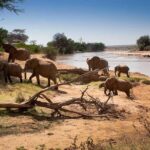
Tarangire is where you get your first big wildlife mood. The setting combines savannah, baobab trees, and seasonal swamps and lagoons. That habitat mix is why animal sightings can feel so dense, especially around the Tarangire River, the life-giving water source that pulls wildlife in.
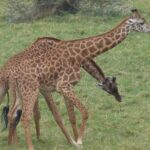
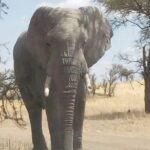
This day is built for the elephant moment. Tarangire is home to huge elephant herds, and they gather at the river area. If you love thick, real-world wildlife behavior, this is a strong opening. You also have a broad cast of other animals listed for the park, including giraffes, bushbucks, hartebeests, gerenuk, and fringe-eared oryx. The inclusion of gerenuk and fringe-eared oryx matters because it signals variety beyond the usual “big obvious” animals.
Predators are part of the plan too. Lions are mentioned as a possibility because predators often follow the herds closely. Leopards are seen now and then, and cheetahs are described as rarely spotted, so I’d go in expecting uncertainty rather than a guaranteed cheetah sighting. That is normal safari logic.
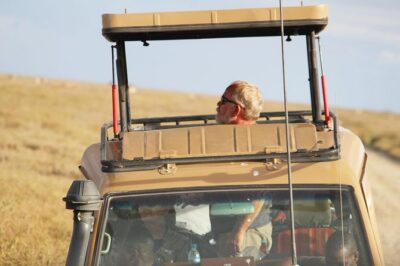
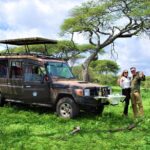
One detail I really like here is the open-roof viewing. The experience specifically notes that you can absorb the view from the open roof of the safari vehicle. When you are trying to spot animals in a wide savannah, that extra vantage point is worth it.
Chasing the herds? Compare these first
Lake Manyara and Mto wa Mbu: Rift Valley scenes, Maasai culture, and a Lake Natron flamingo glow
After Tarangire, you move toward the Lake Manyara region and the town area around Mto wa Mbu. You travel along the Rift Valley Escarpment, with Ol Doinyo Lengai in the distance, described as the holy mountain of the Maasai. Even if you do not know the mountain story ahead of time, it gives you a sense of place. This is the Rift Valley world, not just another savannah park day.
The drive includes a very bumpy gravel road, so this is not a day for people who hate vehicle time. Still, the scenery payoff is built in. You may notice a pink glow from thousands of flamingos breeding and feeding on algae of alkaline Lake Natron. That is one of those “you look up and it is there” safari visuals.
You then head to the Maasai village of Ngare Sero, described as an oasis in the hot and dusty Rift Valley. This stop matters because it is not only about spotting animals. It is a cultural connection with a Maasai guide. In the afternoon, you join a Maasai guide on a walk to a nearby waterfall. The exact scale of what you see is not described, but the structure is clear: you get guided walking time and a change of pace from vehicle-based viewing.
If you care about meaningful local interaction, this day is a good balance. If you prefer strictly wildlife-focused days with minimal walking, you may want to mentally treat this as a cultural break rather than a pure game-drive day.
Serengeti National Park game drives: endless plains, migration timing, and predator follow
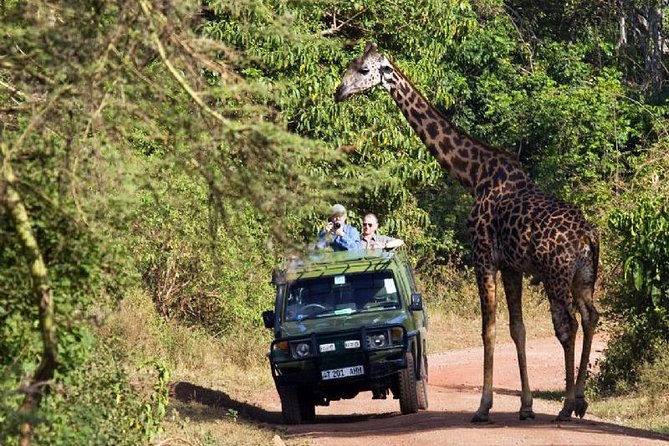
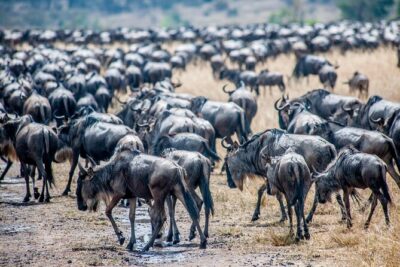
Serengeti is the headline here, and the trip treats it that way. Serengeti means endless plains in Maasai language, and you feel that openness as you climb out of the Rift Valley to reach the grassy plains. The migration theme is central: hundreds of thousands of animals trek for fresh grass and water.
What I like is that the plan openly acknowledges timing is weather-driven. During the short rainy season in November and December, herds move from the hills in the north to the plains in the south. During the longer rainy season from April to June, they return up north. The location of herds can vary year to year, so your guide uses local knowledge to find where the migration is happening.
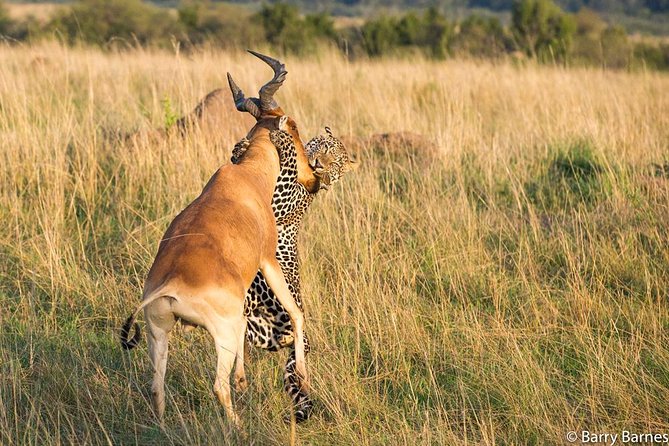
That flexibility is exactly why this format can work better than a rigid, fixed-location schedule. On a migration safari, the “what” matters less than the “where right now.” Your guide is positioned to adjust the game-drive areas depending on herd movement, since predators usually follow closely behind the trekking animals.
You get two Serengeti days. The first includes an early start, then arrival by midday, and an overnight at a campsite in the northern or central part of the park. The second is a full day game drive, spending time in areas where migrating herds are likely to be, with another night at a campsite in the Seronera area.
In terms of animal chances, the basics are there: wildebeests and zebras are expected, and you might also spot lions, leopards, and cheetahs. Again, no promises are stated, but the logic is solid: you are going where food and movement concentrate, so predator opportunities rise.
From a practical point of view, I’d treat Serengeti as the day you are most patient. You may drive, wait, reposition, and then suddenly things happen. That is how migration viewing works, and it is why good guiding makes a real difference.
Ngorongoro Crater: big concentration wildlife, a crater-edge night, and a morning descent
Ngorongoro is where the trip becomes spectacular in a different way. After lunch on the way in, you drive to the edge of the crater. At that point, you can see the caldera opening up, and the scale is part of the wow factor.
The crater is described as about 20 km wide, with over 25,000 animals living there. That density changes your viewing rhythm. Instead of searching across wide plains, you can focus on a compact area where many species share the same slopes and floor.
Your first Ngorongoro day includes a night at a campsite directly on the crater’s edge, with fantastic views over the caldera. If you like photography, early planning, and just soaking in the view, that edge night is a strong design choice. It also sets you up for the next morning’s descent.
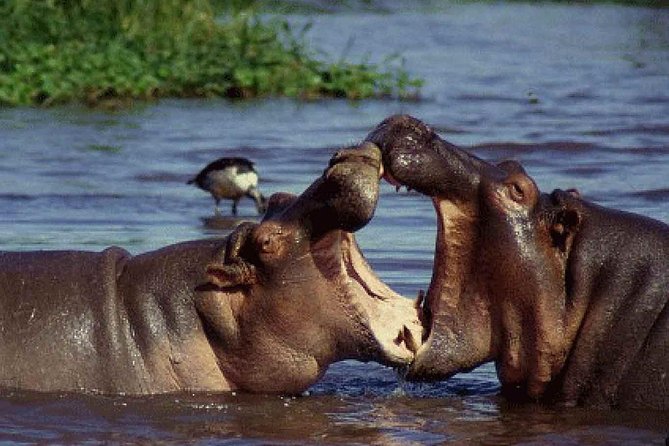
The next day starts at daybreak. You drive down into the crater after breakfast. Inside the world’s largest caldera, the list of potential wildlife is impressive and very specific: black rhinos, Grant’s and Thomson’s gazelles, lions, and leopards are all named. Elephants and mountain reedbucks appear too, plus buffaloes, spotted hyenas, rare wild dogs, and more than 500 bird species.
This is also where the Big Five chances come in. The plan notes that the Serengeti is also home to the Big Five, and that today you might be able to see all members. Whether you hit all five depends on luck, but the crater day is structured around high-probability viewing inside that ecosystem.
After an intensive game drive and a picnic lunch, you leave the crater in the afternoon and drive back to Arusha, arriving early evening.
Price and value: what $15,000 buys you, and where you should think carefully
At $15,000 per person, this safari is not a casual getaway. It is a premium-priced package, and you should judge it by what is included and how much it reduces your hassle.
From the provided details, you get:
- 4×4 safari transportation
- a professional English-speaking guide and a professional English-speaking safari cook
- camping equipment, including tents and sleeping mats
- meals as listed across the itinerary
- mineral water
- all mentioned activities and all national park fees
That is a lot of cost you are not managing yourself. Many travelers underestimate how expensive park fees, vehicle time, guiding, and logistics can be when booked separately.
I also think the small group size helps justify some of that price. A max of 6 travelers generally means fewer conflicts about where to stop, where to stand, and how long to spend looking at an animal. It also means your guide can tailor the pace.
What you should consider is comfort style. Camping is part of the deal. If you need hotel beds, this is not the right match. If you can handle tent nights and the day-to-day pace of driving and game drives, the included structure becomes a strong value proposition.
On the guiding side, the feedback you might hear around this operator points to strong service and a focus on making sure you get time in the right areas. Names that come up include Mr. Godfrey, Calvin, and the team of David and Monika, plus Inviolata in pre-trip coordination. I do not treat those as guarantees for your exact dates, but it is a good signal that the human side of the experience tends to land well.
Who this safari suits best, and who should think twice
This tour is a strong fit for you if:
- you want a Serengeti migration-focused itinerary rather than a generic safari
- you like variety, from river elephants to Rift Valley flamingos and crater density
- you are comfortable with camping and long drive days
- you care about having time with a guide who can teach and find birds and animals, with guides like Calvin noted for teaching and for using books for identification
It may be a weaker fit if:
- you want only comfort-level lodging and minimal vehicle time
- you dislike bumpy gravel roads, since at least one major transfer is described as very bumpy
- you need a guaranteed checklist of exact predator sightings, because the program describes some animals as rare or unpredictable (like cheetahs being rarely spotted)
Should you book this 6-day Serengeti migration camping safari?
If you are chasing the real Tanzania feeling, I think this is a good booking choice. The itinerary is built for the logic that matters most in safaris: habitat and timing. Tarangire sets you up with elephants and river action, Serengeti gives you the migration framework your guide can adapt to the rains, and Ngorongoro delivers a high-density wildlife day that often feels like multiple sightings in one.
I would book it if camping safari nights and vehicle time do not bother you, and if you are excited by the idea of following movement, not a fixed script. And if you are spending premium money, you should like the fact that park fees, guiding, and most day costs are included, not treated as extras.
If you want a softer, hotel-heavy trip, then look for a non-camping alternative. But if you can handle tents and you want the migration story with real wildlife payoff, this is the kind of safari plan that can turn into your strongest Tanzania memories.
FAQ
Which parks do you visit on this safari?
You visit Tarangire National Park, the Lake Manyara area with a stop around Mto wa Mbu and Ngare Sero, Serengeti National Park, and Ngorongoro Crater in the Ngorongoro Conservation Area.
Is pickup offered, and where do you start?
Pickup is offered, and the experience starts in Arusha. The listed start time is 12:00 am, so you should confirm your exact pickup time in your final confirmation.
What is included in the tour price?
Included items are camping safari arrangements, 4×4 safari transportation, a professional English-speaking guide and safari cook, safari tents and camping equipment, meals as listed, mineral water, national park fees, and the activities mentioned.
What is not included?
Flights, visa fees, tips, personal spending money for souvenirs, and optional activities are not included.
How many travelers are on the safari?
The group size is capped at a maximum of 6 travelers.
What wildlife highlights are mentioned for the parks?
Tarangire highlights include huge elephant herds and possible sightings of lions and leopards. Serengeti highlights focus on the migration of hundreds of thousands of animals and possible predator sightings. Ngorongoro highlights include black rhinos, lions, leopards, elephants, and other species like spotted hyenas, rare wild dogs, and many birds.
What is the cancellation policy?
Free cancellation is offered. You can cancel up to 24 hours in advance for a full refund. If you cancel less than 24 hours before the start time, the amount paid will not be refunded.
More Under Canvas
- 4 Days Group Camping Safari
★ 5.0 · 1,101 reviews - 5 Days Group Camping Safari
★ 5.0 · 730 reviews - 3 Days Serengeti & Ngorongoro Group Camping Safari
★ 5.0 · 574 reviews - 5 Days Camping Tarangire, Serengeti & Ngorongoro crater & Visiting Maasai
★ 5.0 · 229 reviews - 5 Days Budget Private Safari, Tanzania
★ 5.0 · 191 reviews
Following the Migration
- 8 Days Great Wildebeest Calving Migration Safari from Arusha
★ 5.0 · 254 reviews - 10-Day Serengeti Wildebeest Migration Safari from Arusha
★ 5.0 · 218 reviews - 8 Day Spectacular Migration Serengeti mid -Range Tanzania Safari
★ 5.0 · 161 reviews - 9-Day Serengeti Migration Footsteps Tanzania Safari
★ 5.0 · 96 reviews - 7 days great migration safari
★ 5.0 · 77 reviews
The Serengeti, Three More Ways
- Balloon Safari & Bush Breakfast in Serengeti – Miracle Experience
★ 5.0 · 1,646 reviews - 3 Days Serengeti & Ngorongoro Group Camping Safari
★ 5.0 · 574 reviews - 5-Day Highlights mid-Range Crater, Serengeti, Tarangire
★ 5.0 · 296 reviews - 3-Day Classic Serengeti Safari
★ 5.0 · 263 reviews - Private 6-Day Tarangire Manyara Crater and Serengeti with Mid-Range Lodges
★ 5.0 · 238 reviews
Just added from around Arusha
Serengeti National Park Safaris, compared.
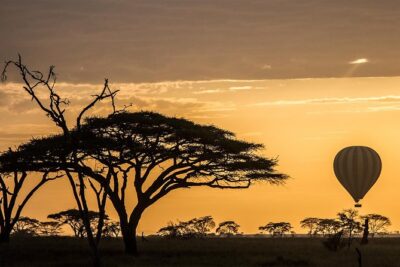 ★ 5.0Serengeti Balloon Safari and authentic bush breakfastFrom $5502,480 reviews
 ★ 5.0Balloon Safari & Bush Breakfast in Serengeti – Miracle ExperienceFrom $5991,646 reviews
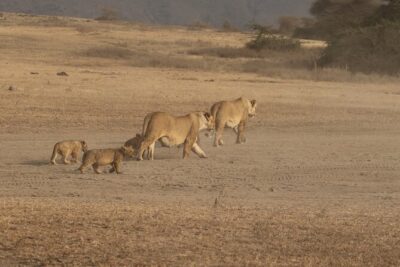 ★ 5.03 Days Serengeti & Ngorongoro Group Camping SafariFrom $815574 reviews
 ★ 5.05-Day Highlights mid-Range Crater, Serengeti, TarangireFrom $2,327296 reviews
 ★ 5.0Safari Serengeti And NgorongoroFrom $2,845288 reviews
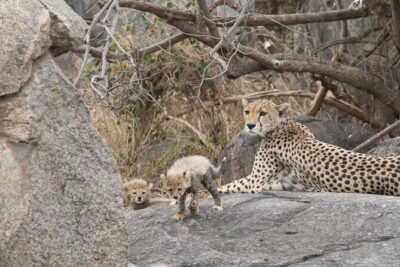 ★ 5.03-Day Classic Serengeti SafariFrom $1,455263 reviews
 ★ 5.0Private 6-Day Tarangire Manyara Crater and Serengeti with Mid-Range LodgesFrom $2,685238 reviews
 ★ 5.05 Days Camping Tarangire, Serengeti & Ngorongoro crater & Visiting MaasaiFrom $1,254229 reviews
Browse the lists this tour appears in