
REVIEW · TANZANIA CAMPING AND BUDGET SAFARIS
6-day Private Camping Safari Tour from Kilimanjaro Airport
This safari is a hit of wildlife planning and photo time. It runs a tight Northern Circuit loop from Arusha, stacking Tarangire, Serengeti, and Ngorongoro highlights with camping nights in between.
I especially like that it is truly private, so you are not stuck waiting your turn at sightings. I also like the team feel people rave about, including top-notch drivers and a chef who keeps meals fresh, with at least one reported setup that cut plastic waste. One possible drawback: it is a long, full-days-on-the-road style tour, and camping means you trade hotel comfort for being closer to the action and the stars.
In This Review
- Key points before you go
- Entering the Northern Circuit, starting with your pickup
- Tarangire National Park: elephants, dry-season water, and a full day on safari
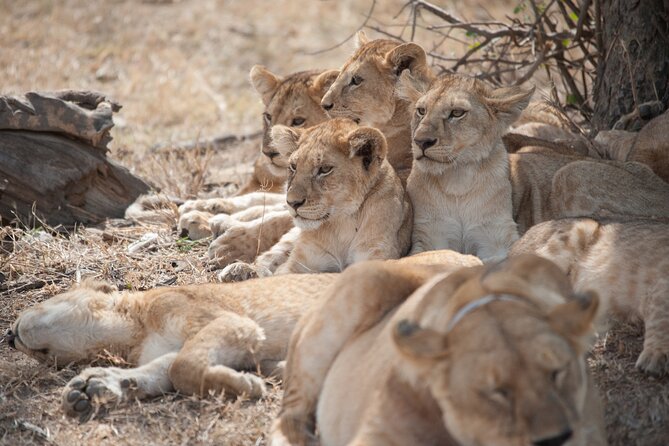
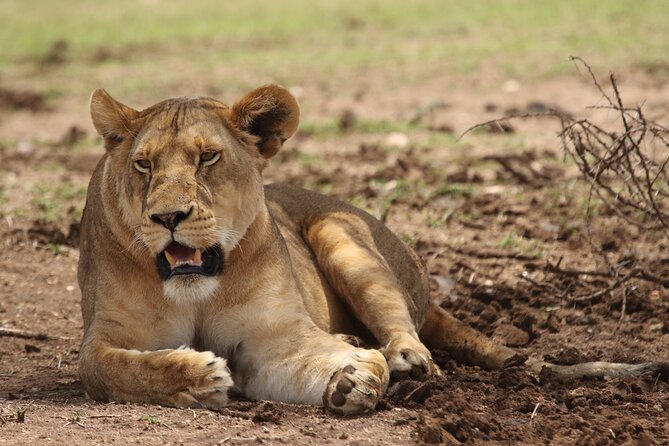
- Serengeti en route through Ngorongoro Conservation Area: big cats you can catch while traveling
- Central Serengeti game driving: why you spend multiple days in the same place
- Seronera River timing: what to look for on your Serengeti days
- Ngorongoro and the crater day: changing elevation, changing wildlife behavior
- Lake Manyara on the last day: a different kind of wildlife mix
- Camping safari reality check: comfort, sleeping, and what you gain
- Meals in the wild: why the food can be a highlight here
- The guide team is the real product, not just the parks
- Price and value: how to judge $2,400 per person
- Practical tips to make this tour feel smooth
- Who this safari suits best
- Should you book this 6-day private camping safari from Kilimanjaro Airport?
- FAQ
- What does this safari include?
- How long is the tour?
- Where does the tour operate?
- Is this a private tour?
- Is pickup offered from Kilimanjaro Airport?
- Are game drive or park admission tickets included?
- How does the tour handle tickets?
- Is free cancellation available?
Key points before you go
- Private safari, your group only: better pacing and more control over stops for photos and breaks.
- Tarangire elephant season drama: the park is built around water sources during drier months.
- Serengeti focus around Seronera: you spend multiple days in the same strong area so you can hit different wildlife moments.
- Serious crater payoff: Ngorongoro shows up as a dedicated big-altitude wildlife experience.
- Lake Manyara for variety: birds, zebra and buffalo herds, plus a chance at tree-climbing lions.
- Meals handled by a real camp team: guide briefings and freshly prepared dishes are part of why reviews feel personal.
Other ways up Kilimanjaro we reviewed
- 8-Day Small-group Lemosho Kilimanjaro Summit Trekking★ 5.0 · 186 reviews
- 7-Day Machame Kilimanjaro Summit Tour from Arusha★ 5.0 · 125 reviews
- Mountain Kilimanjaro Day Hike★ 5.0 · 102 reviews
- 4 days Best experience Kilimanjaro Hike, Serengeti &Ngorongoro★ 5.0 · 54 reviews
Entering the Northern Circuit, starting with your pickup
This tour starts from Kilimanjaro Airport and connects you into Arusha for safari time fast. Since it is offered as a private experience, you get your own certified guide and driver team working your route, not a generic schedule for a busload of strangers.
You should think of the “airport to bush” part as part of the experience, not just logistics. Several reviews mention welcome support right after arrival, like helping with the little items that can slow you down in Tanzania, including mosquito spray and getting dinner sorted. That matters, because a safari works best when the first night is handled smoothly and you are not scrambling.
Tarangire National Park: elephants, dry-season water, and a full day on safari
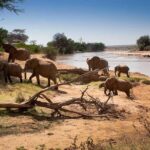
Tarangire is where this itinerary starts, and for good reason. The park is famous for elephants that gather along riverbeds that can be dry, essentially “scraping” for water and forcing wildlife to concentrate in the same few places. When animals bunch up like that, your chances for great sightings rise, and your photos get that classic safari look without constant long repositioning.
Plan on a full day game drive with a picnic lunch. That full-day format is a practical choice: you are giving yourself enough time to catch animals when the light is best and when they are most active. You end the day with dinner and sleep at Lilac Campsite, which keeps you close to the action instead of sleeping far away.
One thing to mentally prep: Tarangire day is about wildlife density and classic species variety, but it is not a “check one box and leave” stop. It is a slow, patient park day, where you win by being comfortable sitting in the vehicle for hours and staying alert.
Serengeti en route through Ngorongoro Conservation Area: big cats you can catch while traveling
On day two, you drive from the Arusha side toward Serengeti, passing through the Ngorongoro Conservation Area. This is not just transit. You get game drive time en-route, which is one of the smartest ways to compress the overall safari without losing wildlife momentum.
You are told you might spot lion, leopard, cheetah, hyenas, elephants, and even African wild dog, plus caracal and honey badger. I like this approach because it rewards “making the whole drive count.” If you only play inside the main parks, you lose wildlife opportunities along the corridors where animals move and where guides know the key watching points.
You will sleep at Seronera Campsite after dinner, setting you up for multiple days in the Serengeti heartland. That matters, because staying in the same general zone reduces drive fatigue and lets your guide tune the daily game plan based on what is happening.
More camping safaris at this price
Central Serengeti game driving: why you spend multiple days in the same place
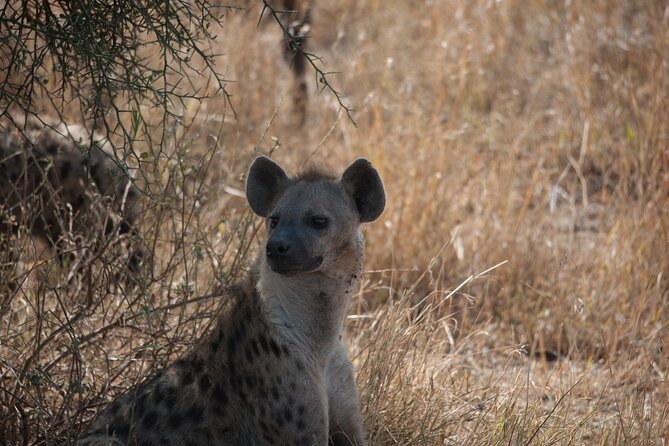
A lot of safari routes scatter your time across too many areas. This one does the opposite by building in repeat Serengeti days around the Seronera region.
On later days, the plan centers on Central Serengeti and the Seronera area, which is highlighted as a key habitat. The reason is practical: the Seronera River provides water, and water is what pulls wildlife into predictable patterns. Once you understand that logic, the itinerary makes more sense. You are not “going nowhere,” you are letting the guide work the same hotspot from different angles and times.
Expect full-day game viewing blocks with picnic lunches, and you will head back for dinner and overnight at your campsite. The rhythm is simple, and that simplicity is a good thing on safari. You wake up, you go out, you stop for lunch, you drive and watch until later, then you reset for the next day.
Seronera River timing: what to look for on your Serengeti days
Since Seronera is a water magnet, wildlife density is usually steadier than places that rely on one-time seasonal water holes. That is why multiple Serengeti days can feel worth it, even when you do not always see the exact same animal every hour.
Practically, what this means for you is that your day plan is flexible. Your guide can chase current action when big cats are hunting, or shift to watching herds and the predators that follow them. Several reviews also mention guides who are especially good at finding animals, and that skill is what turns “game drive time” into “real sightings, not just driving.”
If you care about photos, this is the part of the itinerary where you will likely get the best return on your camera effort. You are in the right area for long enough to catch animals as they move between water, shade, and open grass.
Ngorongoro and the crater day: changing elevation, changing wildlife behavior
Then you shift toward the Ngorongoro Conservation Area and the Ngorongoro Crater experience. This is where the safari gets a different feel.
A crater day is valuable because it compresses wildlife viewing into a dramatic setting. Even if you are not a “nature is the star” person, the crater’s structure changes how animals appear and how sightings unfold. You also get a chance to focus your time rather than constantly bouncing from place to place.
Your itinerary notes indicate game drive time in the Serengeti zone before moving toward lodging in the Ngorongoro Conservation Area. After that, Ngorongoro Crater is part of the schedule as a separate stop. Translation: you get both the open-plains Serengeti style and the crater-style wildlife viewing.
One more practical note: plan for a day that feels more varied than just “another park day.” The scenery is different, the wildlife patterns can differ, and the timing can feel more structured around crater access.
Lake Manyara on the last day: a different kind of wildlife mix
Lake Manyara is a strong way to close the loop because it brings variety. Your final day is built around an extended game drive, with a pickup timed around late morning and a picnic lunch included in the travel day flow.
The highlights listed here include birds, the chance to see tree-climbing lions, and herds of zebras and buffalo. I like that mix because it does not only promise the big predators. It also nudges you to pay attention to the ecosystem details, like birds and behavior you might miss if you only focus on lions.
If your safari includes multiple “predator hunting” moments earlier, Manyara can feel like a reset. You will still scan for cats, but you also get a chance to enjoy the broader cast of wildlife that comes with the area.
Camping safari reality check: comfort, sleeping, and what you gain
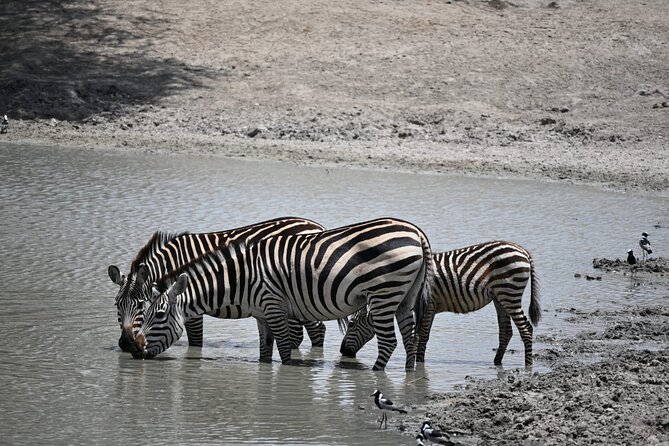
Let’s talk about the camping part, because that is where your expectations decide whether this feels magical or exhausting.
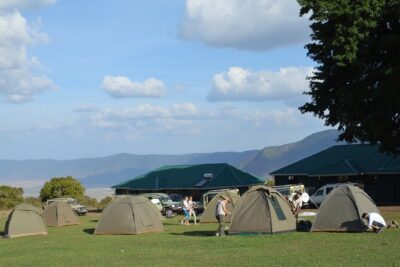
This tour is a private camping safari, and nights are named at Lilac Campsite and Seronera Campsite, plus lodging in the Ngorongoro Conservation Area. A camping setup can range from basic to surprisingly good, and the best version of it is the one where you still feel safe, fed, and cared for while staying outdoors.
The reviews you provided repeatedly praise the setup, with comments that the camping arrangement exceeded expectations. That is a big deal. On a safari, good logistics are not fluff. If your tent setup, cooking setup, and night routines work, you wake up ready for wildlife instead of grumpy.
Meals in the wild: why the food can be a highlight here
This tour includes breakfasts, lunches, and dinners across the days, with meal plans called out on some days as full-board style. That is the foundation. What makes it stand out is that the meals are not just “survival food.”
Multiple reviews mention the chef by name and praise fresh, real dishes. One person also specifically noted an ecological approach, reporting little to no plastic waste, while still finding the food tasty. That combination, fresh food plus cleaner habits, is exactly what I want on a long safari.
Practical tip: in parks, timing matters. Picnic lunches reduce time lost to long stops. You can keep your viewing momentum instead of turning the day into a series of waiting around.
The guide team is the real product, not just the parks
Every safari promises Tarangire, Serengeti, Ngorongoro, and Manyara. The difference is who drives and interprets the bush for you.
In your review notes, guide and driver names come up again and again: Fredy is praised as a top driver and animal spotter, with humor and excellent answers to questions. Jumbe, also referenced as Frank, is described as enthusiastic and knowledgeable, which can change the whole mood of the day. Damien gets credit for clear introduction briefings that were followed well. Lewis AZD is highlighted for finding the right places and sharing lots of information. Other team roles include Daniel for briefing and debriefing, and cooks like Musa and Jeremias for stand-out meals.
Here is the value for you: on safari, you rarely “control” where wildlife is. Your guide can. The best guides do two things at once: they read the landscape and they manage your time in the vehicle so you catch action, not just scenery.
Price and value: how to judge $2,400 per person
At $2,400 per person for a 6-day private camping safari, the price is not small. So I judge value the way you should, based on what is included and what it replaces.
First, you are paying for privacy, not just a route. Private means your group is the only focus, so you are more likely to get efficient game drive timing and fewer compromises.
Second, you are paying for a certified guide and a full meal plan that includes breakfasts, lunches, and dinners across multiple days. That reduces extra daily costs and, more importantly, it reduces decision fatigue. You do not have to plan where to eat during park time.
Third, your parks are the Northern Circuit big hitters. Tarangire plus Serengeti plus Ngorongoro plus Manyara is a lot to fit in 6 days. When a route includes multiple iconic areas and still keeps you camping rather than paying for extra lodging everywhere, it can be good value compared with either a budget group safari or a luxury lodge-only version.
The key thing to compare is what you would otherwise pay for if you DIY. A lot of safari travelers end up paying for their time in the vehicle anyway, plus the park access complexity. This tour turns that into a single organized package with a team.
Practical tips to make this tour feel smooth
You are spending multiple long days on safari with early starts. Here are practical ways to make the experience easier, without inventing details not listed for the tour.
- Start thinking about patience. Full-day game drives mean you will be in the vehicle for hours.
- Pack for heat and for cool morning air. Safari days can swing in temperature.
- Bring what you need for mosquito protection, since at least one arrival support note mentions mosquito spray.
- If you care about photos, keep your camera ready, not buried. Wildlife timing can be quick when sightings happen.
- Use the daily briefings. When the guide team explains what to look for and then checks in, it helps you focus your eyes.
Who this safari suits best
This is a strong match if you want the Northern Circuit classics and you prefer doing it privately, not on a crowded schedule. It also fits families and mixed groups because the tour notes say most travelers can participate, and one family story included a two-year-old.
You might especially enjoy this tour if you:
- want a “plan that actually moves” between parks
- like repeating a strong wildlife zone like Seronera for better odds
- value good guiding and good food, not just ticket stamps
If you hate camping, or you need a resort-style bed every night, this might feel like too much bush time. But if you want to feel the safari rhythm in your bones, the camping nights can be part of the magic.
Should you book this 6-day private camping safari from Kilimanjaro Airport?
I would book it if your priority is a well-run private safari that hits the big Northern Circuit parks and keeps you fed and guided well. The repeated praise for drivers like Fredy and guides like Lewis AZD, plus the attention to meal quality and even ecological habits in some camp setups, points to more than just “good luck sightings.”
I would pause if you know you dislike long vehicle days or you are likely to struggle with camping comfort. This tour is built for people who want the full safari schedule, not a relaxed, cushy pace.
If you want a single 6-day window that covers Tarangire, Serengeti, Ngorongoro Crater, and Lake Manyara with a private team, this is a compelling way to spend it.
FAQ
What does this safari include?
The tour includes a certified guide and meals, with breakfasts listed for 6 days, lunches listed for 6 days, and dinners listed for 5 days.
How long is the tour?
It runs for about 6 days.
Where does the tour operate?
The tour is based in Arusha, Tanzania, and the safari stops include Tarangire National Park, Serengeti National Park, Ngorongoro Conservation Area and Ngorongoro Crater, and Lake Manyara National Park.
Is this a private tour?
Yes. It is private, meaning only your group participates.
Is pickup offered from Kilimanjaro Airport?
Pickup is mentioned as being offered, and the tour is described as starting from Kilimanjaro Airport.
Are game drive or park admission tickets included?
The itinerary notes list admission tickets as either free or included for different days and stops, so it appears to vary by stop.
How does the tour handle tickets?
You receive a mobile ticket, and confirmation is received at the time of booking.
Is free cancellation available?
Yes, free cancellation is listed. You can cancel up to 24 hours in advance for a full refund, with cut-off times based on the local time of the experience.
More Under Canvas
- 4 Days Group Camping Safari
★ 5.0 · 1,101 reviews - 5 Days Group Camping Safari
★ 5.0 · 730 reviews - 3 Days Serengeti & Ngorongoro Group Camping Safari
★ 5.0 · 574 reviews - 5 Days Camping Tarangire, Serengeti & Ngorongoro crater & Visiting Maasai
★ 5.0 · 229 reviews - 5 Days Budget Private Safari, Tanzania
★ 5.0 · 191 reviews
Kilimanjaro, Route by Route
- 8-Day Small-group Lemosho Kilimanjaro Summit Trekking
★ 5.0 · 186 reviews - 7-Day Machame Kilimanjaro Summit Tour from Arusha
★ 5.0 · 125 reviews - Mountain Kilimanjaro Day Hike
★ 5.0 · 102 reviews - 4 days Best experience Kilimanjaro Hike, Serengeti &Ngorongoro
★ 5.0 · 54 reviews - From Arusha/Moshi: Kilimanjaro Hike Marangu Route Day Trip
★ 4.5 · 54 reviews
Just added from around Arusha

Tanzania Camping and Budget Safaris, compared.
 ★ 5.04 Days Group Camping SafariFrom $9001,101 reviews
 ★ 5.05 Days Group Camping SafariFrom $1,100730 reviews
 ★ 5.03 Days Serengeti & Ngorongoro Group Camping SafariFrom $815574 reviews
 ★ 5.05 Days Camping Tarangire, Serengeti & Ngorongoro crater & Visiting MaasaiFrom $1,254229 reviews
 ★ 5.05 Days Budget Private Safari, TanzaniaFrom $0191 reviews
 ★ 5.06 Days Private Budget SafariFrom $2,300163 reviews
 ★ 5.02 Days Tarangire and Ngorongoro Group Camping SafariFrom $550146 reviews
 ★ 5.06 Days Tanzania Budget Camping SafariFrom $1,600145 reviews
Browse the lists this tour appears in