
REVIEW · SERENGETI NATIONAL PARK SAFARIS
5 days Safari to Tarangire, Ngorongoro, Serengeti and Lake Manyara
Four parks, one wild week, from Moshi.
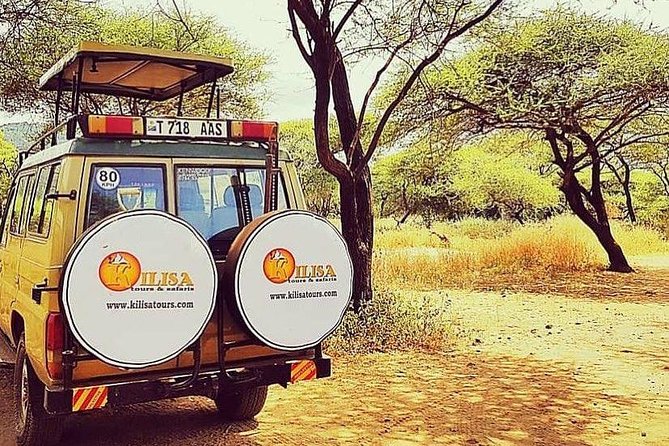
This 5-day safari strings together Tarangire, Serengeti, Ngorongoro Crater, and Lake Manyara in a tight route, built around real game-viewing time, picnic lunches, and a private setup with a pop-up roof jeep.
I especially like the way the schedule leans into early starts, including sunrise viewing in western Serengeti. That timing matters when you want predators moving and animals staying active before the day heats up. I also like the Tarangire focus on elephant gatherings around the Tarangire River, where you can often spot big groups without constantly changing the plan.
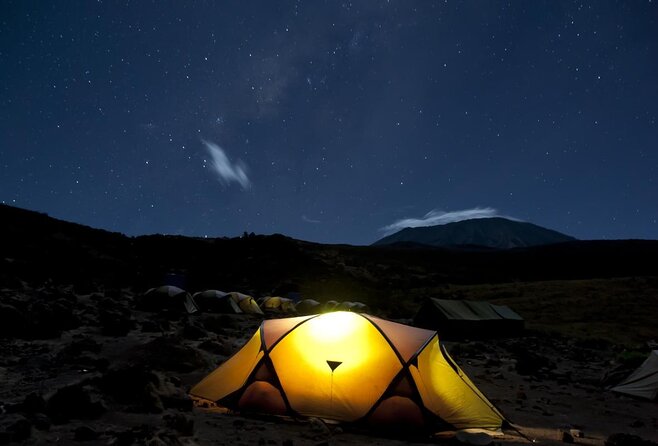
One thing to consider is that this is an active, go-all-day safari. You’ll sleep on safari with camping gears (two people per tent), so it is not the cushy, slow-paced version of Tanzania.
In This Review
- Key highlights that matter
- Why this 5-day Tanzania safari is a smart route from Moshi
- Day 1: Tarangire National Park and the elephant river rhythm
- Day 2: Serengeti plains, early drives, and predator chances on the move
- Day 3: Sunrise in western Serengeti, then Ngorongoro via Olduvai Gorge
- Day 4: Ngorongoro Crater floor full day, picnic lunches, and Big Five odds
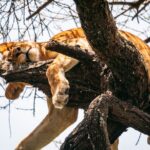
- Day 5: Lake Manyara for tree-climbing lions and bird-heavy scenery
- Price and what you truly get for $3,300 per person
- The jeep, guide, and camp setup you should plan around
- Is this safari for you, and who might want a different option?
- Should you book this 5-day safari with Kilisa Tours & Safaris?
- FAQ
- What parks are included in this 5-day safari?
- Where does the safari start and end?
- When does the tour start?
- How long is the safari?
- Does the tour include pickup or meet-and-greets?
- What meals are included?
- Do I need a sleeping bag?
- Is the tour limited to small groups?
- Is migration season covered?
Key highlights that matter
- Private 4×4 jeep with a pop-up roof for better sightlines during game drives
- Sunrise game viewing plus coffee time in Serengeti
- Ngorongoro Crater full-day tour with a strong chance to see all the Big Five in one day
- Tarangire River elephant country with chances for lions, leopards, and even tree-climbing pythons
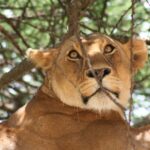
- Lake Manyara day for green scenery, varied bird life, and tree-climbing lions
- Small group cap of 15 travelers, with park fees and crater fees included
More of the Serengeti, drive by drive
- Safari Serengeti And Ngorongoro★ 5.0 · 288 reviews
- 5 Days Camping Tarangire, Serengeti & Ngorongoro crater & Visiting Maasai★ 5.0 · 58 reviews
- 4 Days Group Joining Camping Safari to Tarangire Serengeti Ngorongoro Crater★ 5.0 · 50 reviews
- 4 Day Private Tour Throughout Tarangire, Serengeti and Ngorongoro★ 5.0 · 42 reviews
Why this 5-day Tanzania safari is a smart route from Moshi
If you want Big Five safari energy without a long trip across the country, this route is built for efficiency. You base out of Moshi, then move through the parks that people talk about for good reasons: elephants near Tarangire, predator action across Serengeti plains, the crater ring wildlife at Ngorongoro, and Lake Manyara’s birdlife and tree-climbing cats.
The practical value is that your time is not wasted in transfers. Each day is scheduled around actual game viewing, with picnic lunch boxes rather than long detours to find food. You also get a private safari guide and a private 4×4 vehicle with a pop-up roof, which helps you spot animals faster when they appear at the edge of the road or in thicker cover.
Two details help this feel more like a real safari and less like a checklist tour: mineral water on safari (handled through the jeep’s ice chest) and the inclusion of park fees and crater fees. That means you are not scrambling to budget for the big ticket items once you arrive.
The one drawback is the pace. Five days for four major wildlife zones is busy. If you want lots of downtime, this trip will feel like it moves at safari speed most of the time.
Day 1: Tarangire National Park and the elephant river rhythm
You start in Moshi and head to Tarangire National Park with picnic lunch boxes. The day is designed as a full day of game viewing, which is exactly what you want in Tarangire because the park’s action clusters around water.
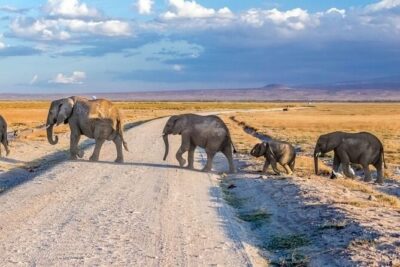
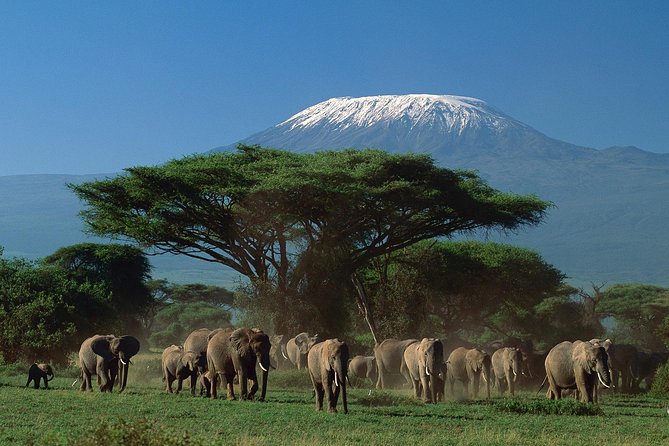
Tarangire is often called the home of elephants, and the reason is simple: the Tarangire River flows all year. That constant water source pulls animals in, so you get more than a quick sighting. You can watch elephants in larger groups as they gather, feed, and move along the river corridor.
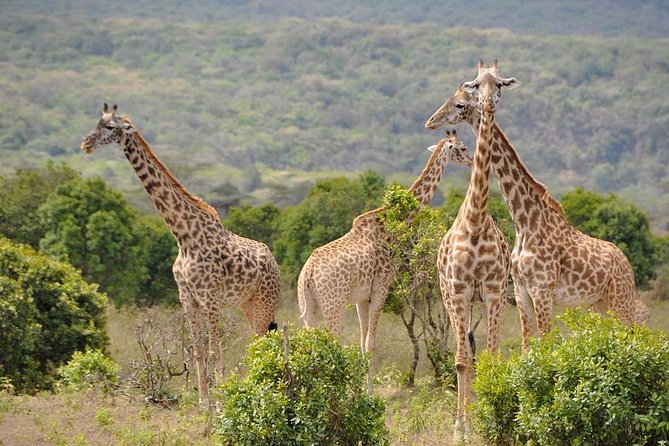
Your day is also set up for a wider mix of wildlife. In addition to elephant sightings, the safari description highlights opportunities for lions, leopards, giraffes, and even tree-climbing pythons. That last one is a great reminder that Tarangire is not just big mammals at ground level. If you are patient during breaks in the road spotting, you might catch movement higher up in trees.
Night one is at Fanaka or Avenneture camp. Since you are sleeping in the safari area, you cut down on travel time and can start fresh the next morning for Serengeti.
Practical takeaway: on Day 1, dress for sun and dust. You’ll be out for hours, and Tarangire sightings can be quick when a group decides to shift.
Day 2: Serengeti plains, early drives, and predator chances on the move
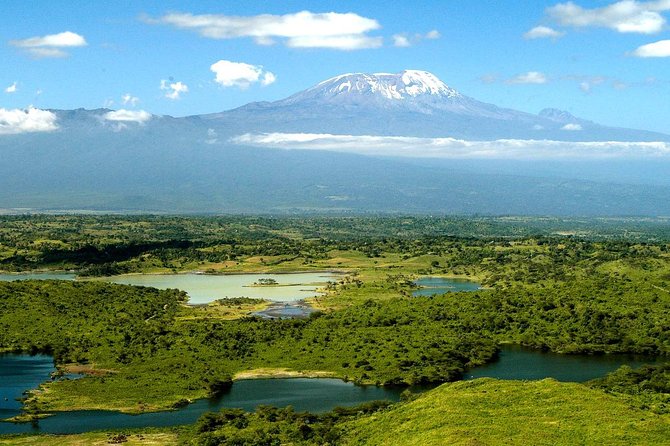
On Day 2, the safari ramps up. You depart early at 6:00 am after breakfast with picnic lunch boxes, heading to Serengeti National Park. The route also passes from the Ngorongoro Crater Gate, listed as Olduare, before continuing into Serengeti.
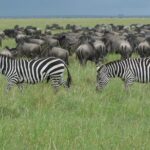
This day is structured as big-country viewing. Serengeti is famous for its endless plains, and in practice that means you spend time scanning open areas for herds and predators tracking them. The safari plan calls out wildebeest migration as a major highlight from July to October, which is the season when Serengeti’s name hits max volume.
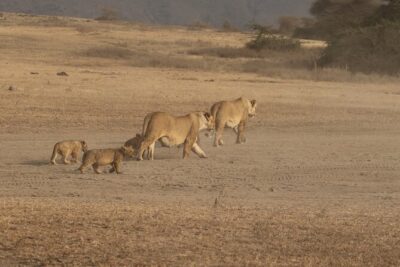
You’ll also be in the right general zone for predator action. The description includes lions, hyenas, cheetahs, and leopards as possible sightings. It even mentions crocodiles along the Grumeti River and hippos, giraffes, antelopes, and gazelles. That’s a lot to aim for, and your best odds come from sticking with the game drive pace and letting your guide work the timing.
Dinner and overnight are in the heart of Serengeti at Seronera or Kati Kati campsite. That matters because it gives you a full day inside the ecosystem rather than bouncing in and out from far away.
Practical takeaway: if you are the type who gets frustrated when animals are distant, Serengeti can still be satisfying. The open terrain means you may spot behavior from farther away, like stalking angles and herd clustering, even if the final close-up takes time.
Other ways down into the Ngorongoro Crater
Day 3: Sunrise in western Serengeti, then Ngorongoro via Olduvai Gorge
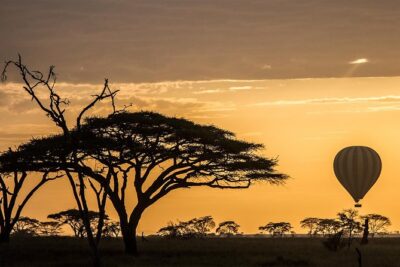
Day 3 starts with a cup of coffee and sunrise game viewing in western Serengeti. Morning light is more than pretty photos. It helps you see movement, track animals more easily, and often makes spotting faster before the day’s heat shifts behavior.
After hot lunch at the camp, you continue game viewing en route to Ngorongoro Crater via Olduvai Gorge. Olduvai Gorge is included in the route plan, so expect part of this day to be about travel plus looking for wildlife along the way, not just a direct drive.
Night three is on the crater rim at Simba Camp. That’s a meaningful change in feel. Instead of broad plains, you get the sense of arriving at a natural amphitheater, where animals and vegetation are layered into a compact space below.
What you are really buying with this Day 3 pacing is anticipation. You get a sunrise dose of Serengeti, then you reposition for crater time without rushing through the day. It gives your brain time to switch from “spotting across open ground” to “watching a concentrated ecosystem.”
Day 4: Ngorongoro Crater floor full day, picnic lunches, and Big Five odds
Ngorongoro Crater day is the centerpiece. You start with an early breakfast at 6:00 am, then head down to the crater floor and spend about a full day on the crater tour.
The description says the crater tour takes around 6 hours, with picnic lunch boxes at the crater floor. You also get the sequence of descending for the day’s viewing and later ascending again, with lunch scheduled during the afternoon portion. It’s a long day down there, and that is part of the point.
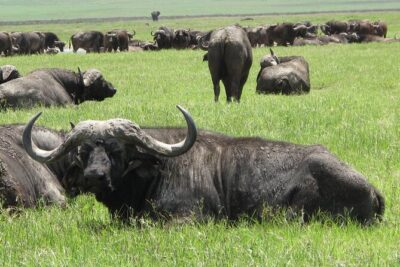
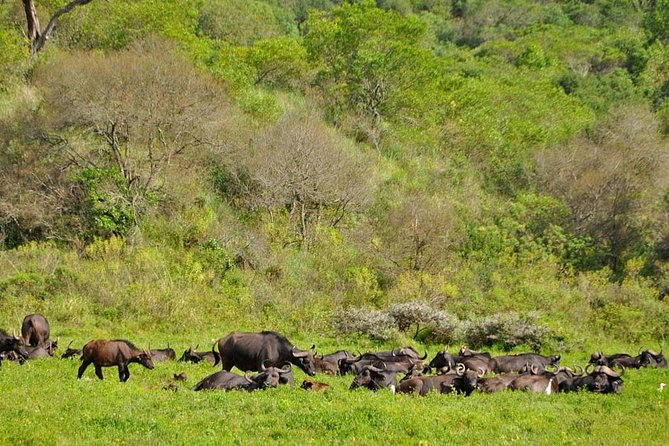
Why this crater route is so popular is simple: it concentrates wildlife into a limited area. The plan specifically calls out a very high possibility of spotting the Big Five in one day, naming lion, rhino, elephant, buffalo, and leopard.
Even if you do not see all five, the value is in the variety you can potentially encounter in short distances. Instead of driving for hours hoping to stumble onto a rare sighting, you get repeated chances within the crater’s ecology.
This is also where you want to take the guide’s advice about which sections to focus on. In crater terrain, animals can be visible from a distance and still feel close, like you are watching a living map of predator routes, grazing areas, and shade pockets.
Dinner and overnight are back at Fanaka or Anennature camp.
Practical takeaway: crater days can be cooler than plains areas. Bring something light you can layer, because the morning starts early and conditions can shift.
Day 5: Lake Manyara for tree-climbing lions and bird-heavy scenery
After breakfast, you drive to Lake Manyara National Park for a full day of game viewing. Lake Manyara is described as having green scenery, varied birdlife, and hippos, plus the big must-see feature: tree-climbing lions.
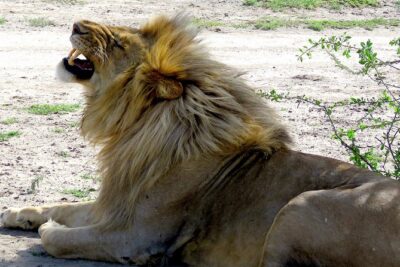
That tree-climbing detail is not just a fun trivia point. It’s a reminder that Lake Manyara’s wildlife behavior can look different from the more open, ground-focused scenes in Serengeti. When lions do climb, you might need to scan higher than you expect, and you’ll rely heavily on your guide’s spotting range.
The plan also calls out hippos, which usually makes for some of the most consistently visible action near water. Birdlife is a bonus that keeps the day interesting even when you’re waiting for a specific mammal sighting.
In the evening, you return to Moshi for overnight staying. This wrap-up is practical because you end the safari in the same region you started, rather than adding an extra travel leg before you can rest.
Price and what you truly get for $3,300 per person
At $3,300 per person, this is not a “cheap safari,” but it is presented as budget-friendly compared to the typical cost of a multi-park Tanzania wildlife trip. The better way to judge value is what’s included.
Your package includes:
- Private 4×4 safari jeep with pop-up roof
- Private safari guide
- Park fees and crater fees
- 3 meals per day, plus mineral water
- Camping gears for tent-based sleeping (two people per tent)
- Accommodation nights listed as 2 nights before and after safari, plus the safari nights in the camp system during your route
- Airport or bus station meet-and-greets
- Government taxes, VAT, and service charges tied to accommodation and included meals
It also includes wildlife guidebooks and an ice chest in the vehicle.
When those items are bundled, the trip feels easier to budget for. You are less likely to face surprise costs once you are in-country, other than personal expenses and tips.
One caution: tips are not included, and you’ll also want to plan for a sleeping bag. If you don’t bring your own sleeping bag, it’s listed as available for rent for $15.
The jeep, guide, and camp setup you should plan around
The safari runs with a private 4×4 jeep with a pop-up roof. This matters because it helps you see over other vehicles when the park road gets busy, and it improves your ability to track animals across open ground. It also makes a difference when an animal appears briefly at the edge of the road and you need to get eyes on it quickly.
A private safari guide is another big deal. When you have one guide working your schedule, you can usually expect more intentional route decisions and better animal-spotting strategy. The names mentioned in connection with this safari route include guide Chris, who is described as knowledgeable and able to get people to animals across the trip. If you want to maximize the odds of a smooth experience, it’s reasonable to request Chris when that’s an option.
Camp setup is more basic than hotels. You’re using camping gears, with tents for two people per tent. If you like comfort, you may need to mentally prepare for a more outdoors, functional style of sleeping. The good news is that the trip is set up for the reality of wildlife-focused travel, where your priority is game drives and time inside the parks.
Meals are included as 3 per day. Lunch is handled as picnic lunches on safari days, which is exactly what you want when you are trying to keep driving and wildlife time balanced.
Is this safari for you, and who might want a different option?
This fits best if you want a classic Tanzania best-of route, without giving up the chance to see lions, elephants, and other key wildlife. If you care about timing, the itinerary’s early starts and the mention of migration season from July to October make it especially appealing.
You’ll likely enjoy it if:
- You like action and early mornings
- You are happy with tent-based sleeping during safari nights
- You want a concentrated route rather than spreading out over many weeks
You might want to look for another format if:
- You want a slower pace with less driving
- You need a high-comfort lodge style every night
- Camping constraints feel like a deal-breaker for your trip comfort
Should you book this 5-day safari with Kilisa Tours & Safaris?
I think this is a solid booking if your goal is to see the big highlights of Tanzania in a short time, with a private jeep and guide and with the big fees handled. The route makes sense, Tarangire’s river-elephant focus is a strong first day, Serengeti is scheduled with sunrise viewing, and Ngorongoro is treated like the main event.
Before you book, double-check two practical things that can change how you feel about the trip: your readiness for a busy, early-start schedule, and whether you plan to bring a sleeping bag or budget for the $15 rental. If you’re good with that, this safari looks like a strong value way to chase real wildlife encounters across four major parks.
FAQ
What parks are included in this 5-day safari?
You’ll visit Tarangire National Park, Serengeti National Park, Ngorongoro Crater, and Lake Manyara National Park.
Where does the safari start and end?
It starts in Moshi, Tanzania, and it ends back at the meeting point in Moshi.
When does the tour start?
The start time is listed as 8:30 am.
How long is the safari?
The duration is approximately 5 days.
Does the tour include pickup or meet-and-greets?
Pickup is offered, and there are arrival and departure meet-and-greets at the airport or bus station.
What meals are included?
The package includes 3 meals per day, with breakfast (5), lunch (5), and dinner (4), plus mineral water.
Do I need a sleeping bag?
A sleeping bag is not included, but it can be rented for $15.
Is the tour limited to small groups?
Yes. The maximum group size is listed as 15 travelers.
Is migration season covered?
The Great Wildebeest Migration is mentioned for July to October as a key Serengeti highlight.
Tarangire and Its Baobabs
- 5 Days Camping Tarangire, Serengeti & Ngorongoro crater & Visiting Maasai
★ 5.0 · 58 reviews - 4 Days Group Joining Camping Safari to Tarangire Serengeti Ngorongoro Crater
★ 5.0 · 50 reviews - 3-Day Ngorongoro Crater Manyara and Tarangire Safari from Arusha
★ 5.0 · 49 reviews - 4 Day Private Tour Throughout Tarangire, Serengeti and Ngorongoro
★ 5.0 · 42 reviews - 7 Days Safari. Serengeti, Tarangire, Lake Manyara & Ngorongoro Crater.
★ 5.0 · 34 reviews
Still Thinking About the Crater?
- Safari Serengeti And Ngorongoro
★ 5.0 · 288 reviews - 5 Days Camping Tarangire, Serengeti & Ngorongoro crater & Visiting Maasai
★ 5.0 · 58 reviews - 4 Days Group Joining Camping Safari to Tarangire Serengeti Ngorongoro Crater
★ 5.0 · 50 reviews - 3-Day Ngorongoro Crater Manyara and Tarangire Safari from Arusha
★ 5.0 · 49 reviews - 4 Day Private Tour Throughout Tarangire, Serengeti and Ngorongoro
★ 5.0 · 42 reviews
The Serengeti, Three More Ways
- Safari Serengeti And Ngorongoro
★ 5.0 · 288 reviews - 5 Days Camping Tarangire, Serengeti & Ngorongoro crater & Visiting Maasai
★ 5.0 · 58 reviews - 4 Days Group Joining Camping Safari to Tarangire Serengeti Ngorongoro Crater
★ 5.0 · 50 reviews - 4 Day Private Tour Throughout Tarangire, Serengeti and Ngorongoro
★ 5.0 · 42 reviews - 7 Days Safari. Serengeti, Tarangire, Lake Manyara & Ngorongoro Crater.
★ 5.0 · 34 reviews
Just added from around Moshi
Serengeti National Park Safaris, compared.
 ★ 5.0Serengeti Balloon Safari and authentic bush breakfastFrom $5502,480 reviews
 ★ 5.0Balloon Safari & Bush Breakfast in Serengeti – Miracle ExperienceFrom $5991,646 reviews
 ★ 5.03 Days Serengeti & Ngorongoro Group Camping SafariFrom $815574 reviews
 ★ 5.05-Day Highlights mid-Range Crater, Serengeti, TarangireFrom $2,327296 reviews
 ★ 5.0Safari Serengeti And NgorongoroFrom $2,845288 reviews
 ★ 5.03-Day Classic Serengeti SafariFrom $1,455263 reviews
 ★ 5.0Private 6-Day Tarangire Manyara Crater and Serengeti with Mid-Range LodgesFrom $2,685238 reviews
 ★ 5.05 Days Camping Tarangire, Serengeti & Ngorongoro crater & Visiting MaasaiFrom $1,254229 reviews
Browse the lists this tour appears in