
REVIEW · GREAT WILDEBEEST MIGRATION SAFARIS
5 Day Private Guided Wildebeest Migration Tour
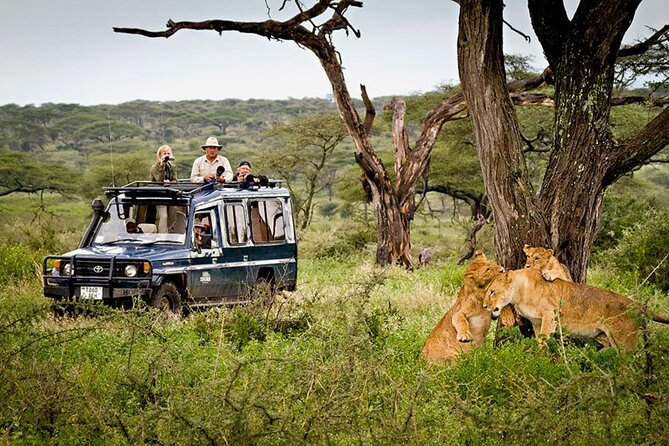
Five days, four big Tanzania wildlife hits. This private safari route is interesting because it links Tarangire, Ngorongoro Crater, and the wildebeest migration timing in northern Serengeti, then finishes with Lake Manyara’s mix of flamingos and tree-climbing lions. I like that it is built to be low stress day to day, with private transportation and your guide taking care of the driving. I also like that so much is bundled in, including all meals and park fees. One consideration: the schedule is travel heavy, with each day listed around six hours, so you should be ready for long stretches in the vehicle.
There is also a human side to this trip that shows up in past guest experiences, with guides named Brian and Mike praised for smooth guiding and arrangement, and Kelvin described as going into details at each stop. If you want a safari where the guide is part of the fun, not just a driver with a radio, that matters.
In This Review
- Key things I’d focus on before you go
- Why This Northern Tanzania Loop Works for the Wildebeest Migration
- Price and Value: What $3,850 Per Person Really Includes
- Day 1 Tarangire National Park: Elephants, Baobabs, and a River Magnet
- Day 2 Ngorongoro Crater: The One-Day Ecosystem Test
- Days 3 and 4 Serengeti: Mara River Timing Plus Two Chances to Hit It
- Day 5 Lake Manyara: Flamingos, Tree-Climbing Lions, Rift Valley Energy
- The Private Guide Factor: How You Get More From the Same Parks
- Timing, Driving Hours, and What Comfort Looks Like
- Who This Safari Fits Best
- Should You Book This 5-Day Private Migration Safari?
- FAQ
- What parks are included on this 5-day safari?
- Is this tour private or shared?
- What is the starting point for the tour?
- How long is the tour?
- When is the best chance to see the wildebeest migration on this route?
- Are park fees included?
- Are meals included?
- Is WiFi included?
- Are flights included?
- Is cancellation free?
Key things I’d focus on before you go
- Targeted timing for migration: the best chance is June to September in northern Serengeti, with crossings around the Mara River
- Crater day with major habitat variety: Ngorongoro is a natural bowl with forest, swamps, and grasslands in one drive
- Tarangire dry-season wildlife promise: especially strong in June to November when animals crowd toward the Tarangire River
- Lake Manyara ends the trip differently: a Rift Valley base area known for flamingos and tree-climbing lions
- Private format is real, not shared: it is explicitly private, so your group is the only group on the schedule
Chasing the herds? Compare these first
- 8 Days Great Wildebeest Calving Migration Safari from Arusha★ 5.0 · 254 reviews
- 10-Day Serengeti Wildebeest Migration Safari from Arusha★ 5.0 · 218 reviews
- 8 Day Spectacular Migration Serengeti mid -Range Tanzania Safari★ 5.0 · 161 reviews
- 9-Day Serengeti Migration Footsteps Tanzania Safari★ 5.0 · 96 reviews
Why This Northern Tanzania Loop Works for the Wildebeest Migration
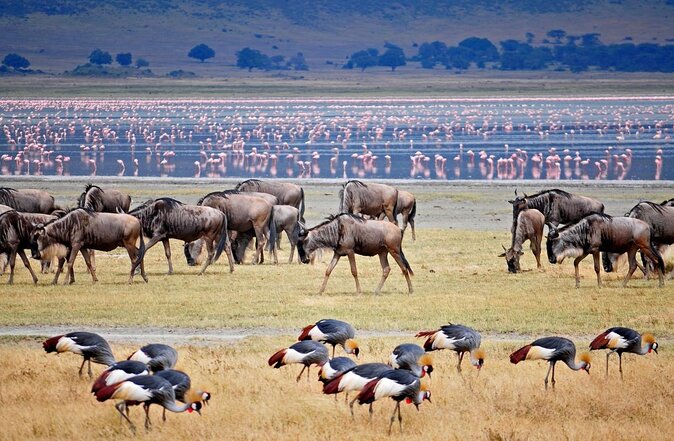
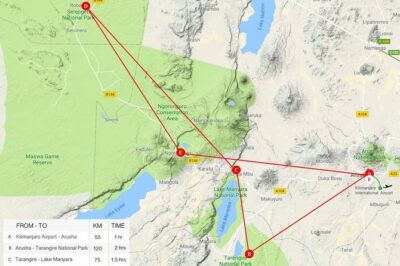
If you are chasing the wildebeest migration in Tanzania, Northern Tanzania is the smarter geography. You are not relying on one park and hoping for the best. You are stacking locations that each shine for different reasons, which improves your odds of seeing something dramatic, even when wildlife patterns shift day to day.
The core idea here is timing plus terrain. In northern Serengeti, June to September is the window when you have the best chance to see thousands of wildebeest and zebras moving and crossing the Mara River. That is the part people come for, and the itinerary is built around giving you more than one day inside Serengeti.
At the same time, you are not wasting the rest of the trip. Tarangire is famous for elephants and baobab trees, and it becomes especially compelling in the dry season because the Tarangire River concentrates wildlife. Ngorongoro Crater is a different kind of safari day, where you descend into a compact ecosystem with hippo-filled swamps and grasslands around the acacia forest. Lake Manyara adds a Rift Valley feel, with flamingos and lions that can sometimes be seen up in trees.
This is also a practical itinerary for first-time visitors to Northern Tanzania. It gives you variety without forcing you into nonstop chaos. You have structured days, packed lunches for drives, and the tour company handles the big moving parts.
Price and Value: What $3,850 Per Person Really Includes
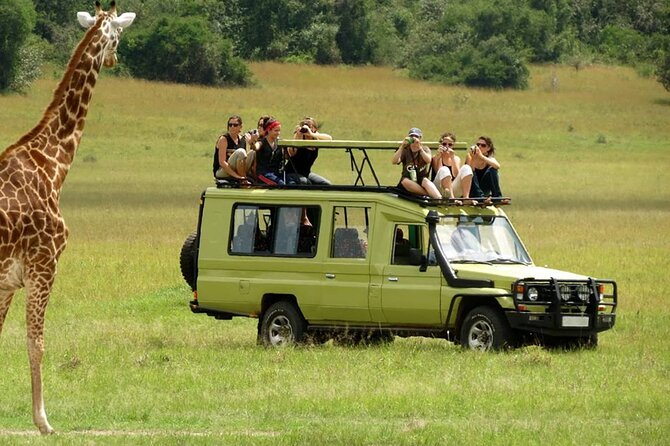
At $3,850 per person, this is not a bargain safari in the sense of barebones camping and self-driving. But it can be good value depending on what you would otherwise pay to assemble the same trip yourself.
Here is what is explicitly included:
- Accommodations
- All meals (breakfast five times, lunch five times, dinner four times)
- All park fees
- Private transportation and a private driver guide
- Drinking water
- All fees and taxes
- WiFi on board
- Pickup offered and a mobile ticket
When you add that up, the price starts to make sense. In many safari situations, park fees and guiding costs are the big expenses that can spike once you price everything separately. Here, you are paying for a bundled Northern Tanzania package that includes meals and parks, not just a vehicle and a promise.
Two costs are not included:
- Tips
- Flights
Tips are common in Tanzania safari culture, so budget for them separately. Flights are a bigger wildcard. You are starting around Arusha Airport, so you will need to get yourself there and then fly out at the end.
One more practical note: the itinerary descriptions list each day as about six hours of activity time. That helps you plan your expectations. You are buying driving time and wildlife time, not just a couple of short game drives.
Day 1 Tarangire National Park: Elephants, Baobabs, and a River Magnet
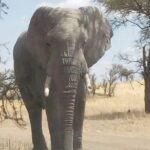
Tarangire is one of those parks that feels instantly distinctive. It is huge, about 2,800 square kilometers, and its signature combo is elephants plus baobab trees. That means you are not only searching for animals, you are also absorbing the park’s look and rhythm.
The way Day 1 is structured works for wildlife viewing. After breakfast, you head into Tarangire for full day game drives with a packed lunch. The plan includes stopping at a picnic site for lunch, then continuing the drive after.
Why that dry-season focus matters: Tarangire is especially spectacular during June to November. That is because wildlife concentrations can rival Serengeti at times, since so many animals come to the Tarangire River as a critical water source. If you are traveling in that window, you should expect stronger chances of close sightings and more active animal movement near watering areas.
Also, Tarangire is not just about elephants. You will likely see a wider range of wildlife once you get eyes on the habitat and start scanning the edges of the river and open areas. A good guide will read the terrain and adjust where the animals are likely to be, instead of driving in straight lines.
A practical consideration on Day 1: it is a full day in the field. That is great for maximizing your safari time, but it means you should pace your energy. Bring sun protection, and plan to stay flexible with timing based on where animals are showing.
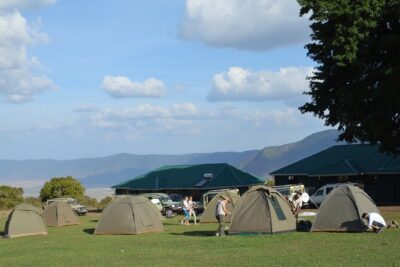
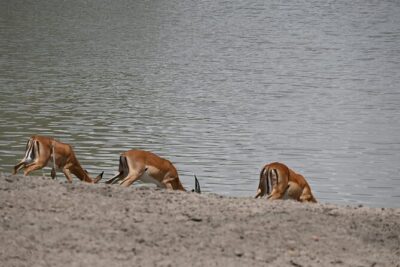
Day 2 Ngorongoro Crater: The One-Day Ecosystem Test
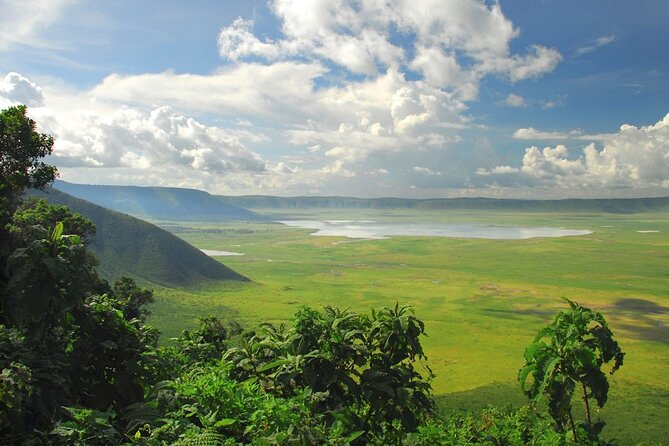
Ngorongoro Crater is famous for a reason. You descend into a natural enclosure with steep walls and a “bowl” effect that concentrates wildlife into a relatively small area.
On this trip, Day 2 is built around that big moment. After breakfast you drive to Ngorongoro and descend into the crater for a game drive with picnic lunch boxes. The duration listed is about six hours, which is a solid amount of time to explore different areas.
What makes Ngorongoro special is habitat mix. The crater includes acacia forest, hippo-filled swamps, and open grasslands. That variety means your guide can shift routes as conditions change, instead of doing the same kind of drive all day.
If you are hoping for iconic crater sightings, think in terms of “watching patterns,” not just animal names. Hippos are a clear clue you are in swamp country. Grasslands can bring different species into view than forest edges. The acacia areas often act like meeting points for grazers and predators.
The only drawback to flag is the physical pace of the day. Descending and then climbing back up is part of the experience, and the day is still a long drive day overall. If you get motion sick easily or have mobility challenges, this is the day to keep that in mind.
Days 3 and 4 Serengeti: Mara River Timing Plus Two Chances to Hit It
Serengeti is where the story becomes big. The itinerary gives you not one, but two days inside Serengeti, both centered on the migration timing.
After breakfast on Day 3, you head to Serengeti, passing through Karatu and the Ngorongoro conservation area, then descending into the heart of wildlife. You will drive through the Seronera area, and the plan includes lunch and a sunset drive to your accommodation.
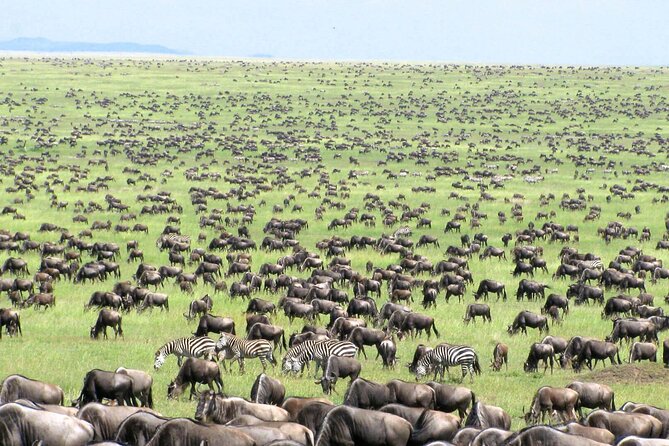
Day 3 is described as a migration day in the northern Serengeti window. During June to September, you have the best chance to see thousands of wildebeest and zebras crossing the Mara River. That is the key: you are not just hoping for wildlife in Serengeti, you are aiming for a specific behavior and location.
Day 4 is another full day game drive inside Serengeti, also focused on witnessing the great wildebeest migration. The wording around the best chance stays consistent, again pointing you toward northern Serengeti in June to September and crossings around the Mara River.
So why are two days worth it? Migration is not a single fixed event. Herds move and timing can vary. Having a second day means you can adjust routes based on what your guide is seeing that day. Even if you do not get the exact moment you dreamed about, you still get more chances for close sightings of migration energy, wildebeest movement, zebra herds, and predator activity that often follows the action.
One practical tip for the Serengeti days: in migration season, patience is part of the product. If you spot animals, the best move is to let your guide work the scene, scan for movement from different directions, and stay quiet long enough for the drama to unfold.
Day 5 Lake Manyara: Flamingos, Tree-Climbing Lions, Rift Valley Energy
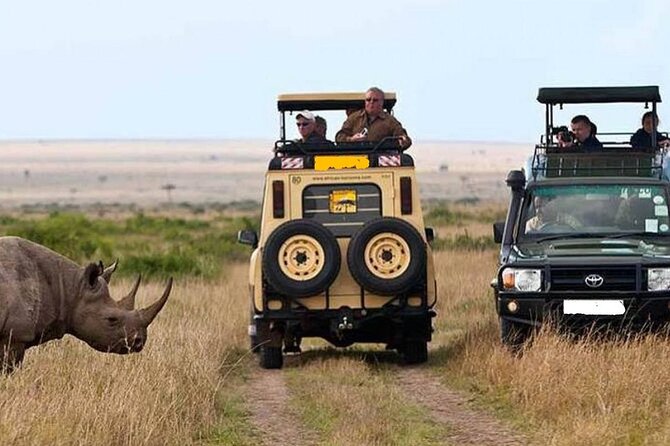
After the intensity of Serengeti and Ngorongoro, Lake Manyara offers a different mood. It is located at the base of the Great Rift Valley on its western escarpment, and the park is known for two headline attractions: tree-climbing lions and flamingos.
Day 5 is a game drive day. After your drive, you are transferred back to Arusha town for your flight. The listed time on this day is also about six hours, which means you will keep moving, but you should still get meaningful time spotting wildlife.
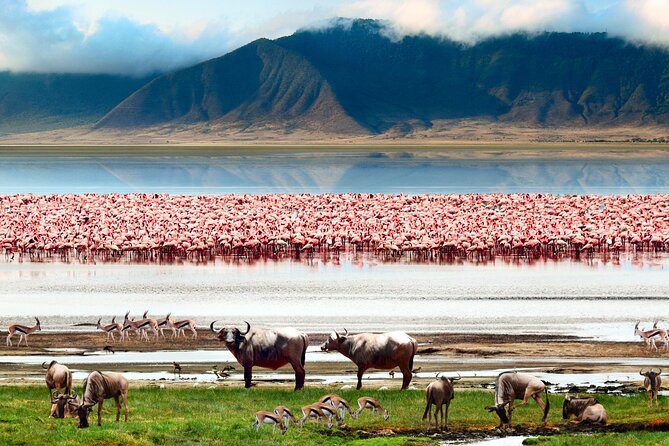
Flamingos make sense here because Lake Manyara’s shoreline can attract large, colorful flocks. The algae connection matters, since it helps explain why the birds gather.
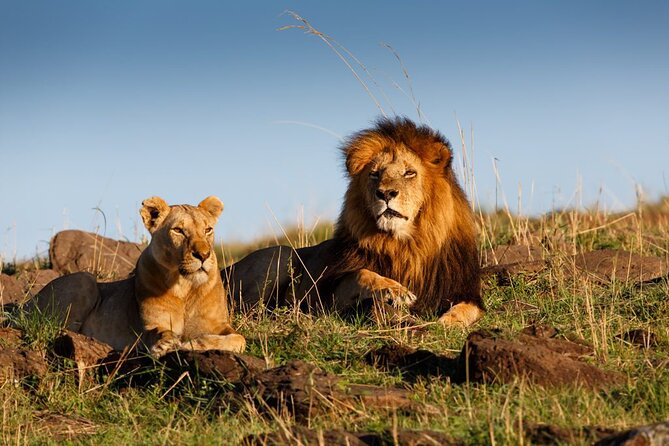
The tree-climbing lions part is the thing people talk about. Lions are not just roaming on the ground in every safari. With the right habitat and positioning, they can be seen in trees, which changes how you scan for them. A guide who knows where to look and how to read the terrain can turn Lake Manyara into a memorable finale.
This is a good ending point if you want your last day to feel lighter than crater and full Serengeti driving. You still get game drives, but the park’s identity is clear and visual.
The Private Guide Factor: How You Get More From the Same Parks
This is a private safari, meaning your group is the only one scheduled for the day. That matters more than it sounds.
With shared tours, you often lose time to pickup coordination and you rarely get to linger where the action is. Here, your driver guide can focus on your pace and your priorities, which usually translates into better viewing moments and fewer forced stops.
Past experiences with this company include praise for friendly, detailed guiding. Names that came up include Brian and Mike, described in terms of arranging and guiding smoothly, and Kelvin, who was specifically praised for going into details at each stop.
Even if you do not get the exact same guide, the takeaway is what you should look for when you travel:
- a guide who can explain what you are seeing in simple terms
- a guide who adjusts the route when animals appear
- a driver who drives safely and calmly on long stretches
That last point is not minor. Safari roads can be uneven, and if you are getting tired, a steady, safe driving style helps your whole day feel better.
Timing, Driving Hours, and What Comfort Looks Like
On paper, this tour is listed as about 5 days. In practice, the itinerary descriptions include about six hours per day of activity. That is a normal safari rhythm in Northern Tanzania, but you should still plan for the reality of time in the vehicle.
I like that the trip includes lunch solutions for long drives, like packed lunch or picnic lunch boxes. That reduces decision fatigue and keeps you from hunting for meals while wildlife time ticks by.
WiFi on board is included. That is a nice perk for staying in touch, but it should be treated as a bonus, not a reason to rely on it. The real value is that it can help you handle messaging, photos, or quick check-ins without digging into your phone plan every day.
Bring a basic comfort kit:
- sun protection for open safari time
- a light layer for mornings and evenings
- a hat and sunglasses
- water from what is provided, plus anything extra you personally prefer
Also, remember that wildlife days often mean early starts. If you can, give yourself room to be flexible with your body clock.
Who This Safari Fits Best
This is best for you if:
- you want a private Northern Tanzania route, not a crowded group shuffle
- you are traveling during June to September and you care about wildebeest migration odds around the Mara River
- you prefer a structured itinerary with all meals and park fees included
- you want to see multiple major parks in one go, including Tarangire, Ngorongoro, Serengeti, and Lake Manyara
It may not be the best fit if you want a relaxed, low-driving schedule. Every day is built around drives and game viewing blocks, with the crater and migration days being physically and mentally intense.
Should You Book This 5-Day Private Migration Safari?
I think it is a strong booking choice if you are serious about hitting the migration window and you want the planning handled for you. The value case is clear because park fees, all meals, accommodations, and private guiding are included, and you get two Serengeti days aimed at the June to September northern sightings.
Before you book, do two quick checks:
- confirm the accommodation style included in the price, since the standard is not described here
- budget for tips and make sure your flights fit the timing of the Lake Manyara day return to Arusha
If you want a classic Northern Tanzania circuit with a focused migration aim, this private format gives you the most important ingredient, time in the right places, guided by a team that has been praised for friendly, detailed guiding.
FAQ
What parks are included on this 5-day safari?
You visit Tarangire National Park, Ngorongoro Crater (Ngorongoro conservation area), Serengeti National Park, and Lake Manyara National Park.
Is this tour private or shared?
This is a private tour/activity, so only your group participates.
What is the starting point for the tour?
The start point is Arusha Airport, Arusha Tanzania. Pickup is also offered.
How long is the tour?
The tour duration is listed as 5 days (approx.), with about 6 hours per day described in the itinerary.
When is the best chance to see the wildebeest migration on this route?
The best chance is during June to September, focusing on northern Serengeti and crossings around the Mara River.
Are park fees included?
Yes. All park fees are included.
Are meals included?
Yes. All meals are included, including breakfast five times, lunch five times, and dinner four times.
Is WiFi included?
Yes, WiFi on board is included.
Are flights included?
No. Flights are not included.
Is cancellation free?
Yes, free cancellation is available. You can cancel up to 24 hours in advance for a full refund.
Following the Migration
- 8 Days Great Wildebeest Calving Migration Safari from Arusha
★ 5.0 · 254 reviews - 10-Day Serengeti Wildebeest Migration Safari from Arusha
★ 5.0 · 218 reviews - 8 Day Spectacular Migration Serengeti mid -Range Tanzania Safari
★ 5.0 · 161 reviews - 9-Day Serengeti Migration Footsteps Tanzania Safari
★ 5.0 · 96 reviews - 7 days great migration safari
★ 5.0 · 77 reviews
Just added from around Arusha
Great Wildebeest Migration Safaris, compared.
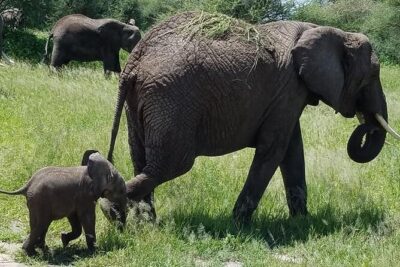 ★ 5.08 Days Great Wildebeest Calving Migration Safari from ArushaFrom $2,999254 reviews
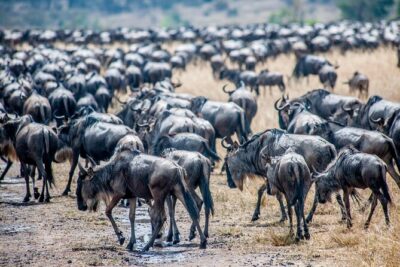 ★ 5.010-Day Serengeti Wildebeest Migration Safari from ArushaFrom $5,512218 reviews
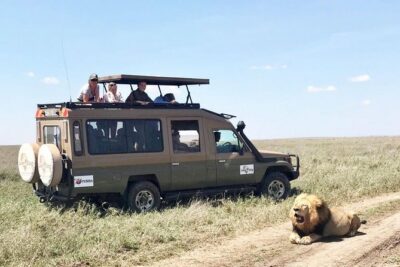 ★ 5.08 Day Spectacular Migration Serengeti mid -Range Tanzania SafariFrom $4,257161 reviews
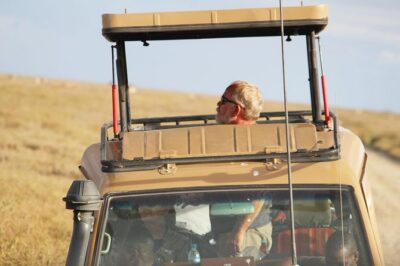 ★ 5.09-Day Serengeti Migration Footsteps Tanzania SafariFrom $4,53996 reviews
 ★ 5.07 days great migration safariFrom $4,51477 reviews
 ★ 5.0Great Migration Safari In TanzaniaFrom $3,90071 reviews
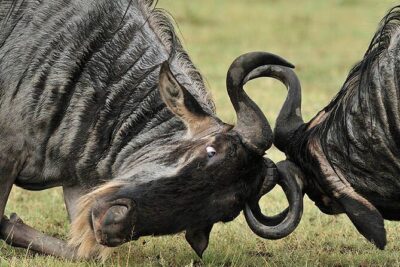 ★ 5.0Private 6-Day Great Migration Ndutu Serengeti Safari TourFrom $2,82747 reviews
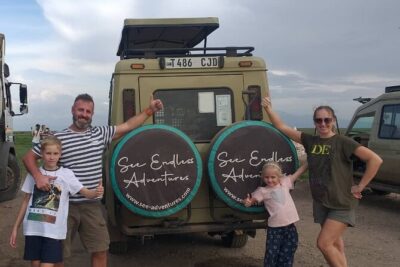 ★ 5.04 Day Great Migration Safari Serengeti & Ngorongoro CraterFrom $2,68033 reviews
Browse the lists this tour appears in