
REVIEW · MULTI-DAY NORTHERN CIRCUIT SAFARI PACKAGES
4-Day Shared Safari Tour with Complete Meals
Safari starts fast, right from your hotel. This 4-day shared safari threads Tarangire, Serengeti, and Ngorongoro Crater together with pickup and complete meals, so you spend your energy on wildlife, not planning. I like the odds of Big Five sightings, and I also like that meals are built in and can be adjusted for vegetarian diets.
The main tradeoff is pace. Expect early starts and long road stretches between parks, plus two campsite overnights, at Kizumba and Simba.
In This Review
- Key things to know before you go
- Tarangire, Serengeti, and Ngorongoro in Four Days, what that really means
- Why the shared-group setup works (and when it might not)
- Day 1: Tarangire National Park game time and Kizumba campsite nights
- Day 2: Serengeti drive through Ngorongoro Gate and Masai country
- Day 3: Serengeti central plains morning, bush breakfast, and Simba campsite
- Day 4: Ngorongoro Crater early viewing and black rhino hope
- Meals on safari, including vegetarian-friendly planning
- Price and value for a $1,000 shared safari
- Guides who make the day flow, from Peter to Mike to Godfrey
- Who this 4-day tour suits best
- Should you book this Moshi shared safari tour?
- FAQ
- What parks are included in this 4-day tour?
- Is pickup offered, and what time does Day 1 start?
- Are park admissions included?
- What kind of meals are included?
- How big is the group?
- What is the cancellation policy?
Key things to know before you go
- Three major parks, one tight circuit: Tarangire, Serengeti, and Ngorongoro Crater in about four days
- Tarangire gets real game-drive time: roughly 4 to 6 hours once you arrive
- Ngorongoro Gate stop matters: you sort out permits and you also get a look at Masai livelihoods in the wider area
- Serengeti runs on mornings: early central plains drives, plus bush breakfast and hot lunch timing
- Ngorongoro Crater is the black rhino focus: it’s described as a natural breeding site for endangered black rhinos in East Africa
- Small group by design: maximum 15 travelers, with the shared safari format keeping things social but not huge
Longer northern circuit routes, side by side
- Big Five Safari In Tanzania★ 5.0 · 99 reviews
- Unforgettable Tanzania Safari And Zanzibar Beach★ 5.0 · 97 reviews
- 8-Day Essence of Tanzania Safari – Luxury★ 5.0 · 72 reviews
- 4-day Tanzania Safari★ 5.0 · 53 reviews
Tarangire, Serengeti, and Ngorongoro in Four Days, what that really means
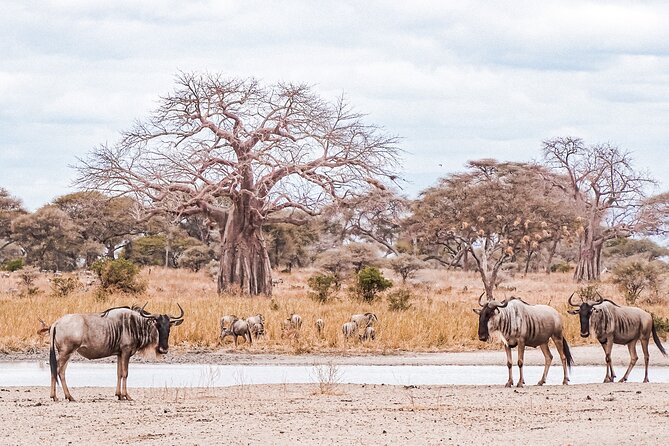
This tour is about seeing multiple habitats fast, without switching companies or rebuilding your day. You’ll start in the Tarangire area, then move into Serengeti, then finish by dropping into the Ngorongoro Crater for the kind of wildlife viewing that draws people back again and again.
The value in this routing is that each day has a clear purpose. Tarangire is your first big wildlife hit, Serengeti is your long viewing block, and Ngorongoro Crater is your high-emphasis day. If you want one trip that covers the big names rather than spreading them over a week, this is the format.
The tight schedule also means you’ll feel safari logistics as part of the experience. Driving hours are a real part of the day, not a background detail. If you hate mornings, or you’re the type who needs a slow start, this tour may feel like it runs a bit hot.
Why the shared-group setup works (and when it might not)
This is a shared safari with a group cap of 15. In practice, shared can mean you meet nice people and still have enough comfort in the vehicle, as long as your expectations match the format.
The biggest benefit of sharing is cost and efficiency. You’re paying for access, guiding, transport, and meals across multiple parks in a single package. The shared approach helps keep that package within reach while still giving you a real wildlife schedule.
The downside is that your day is not fully private. You’ll move with the group rhythm. That’s usually fine, and it often creates a friendly vibe, but if you want quiet, your own pace, or a strictly private vehicle, you might find shared tours harder to love.
Day 1: Tarangire National Park game time and Kizumba campsite nights
Your day begins with pickup from your hotel at 7:00 am. Then it’s a drive toward Tarangire National Park, your first stop on this circuit.
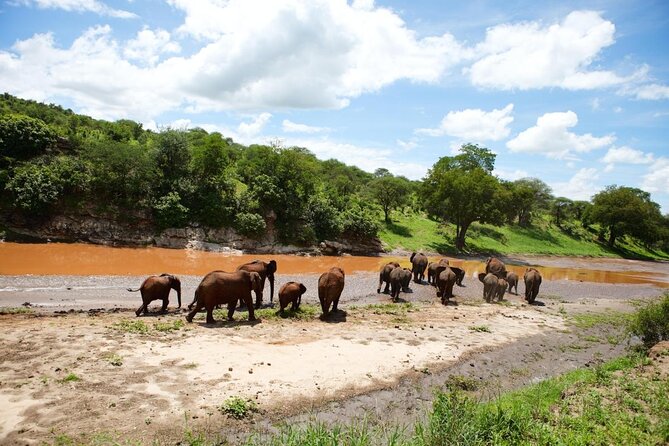
Tarangire is specifically highlighted for its largest herds of elephants. The park also has a huge overall wildlife density, described as housing almost 250,000 animals. That matters because it increases your odds that you’ll see multiple species within the time window you have.
Once inside the park, you get about 4 to 6 hours of game time. That block is long enough to feel satisfying, especially since your next move is straight out of Tarangire toward the campsite.
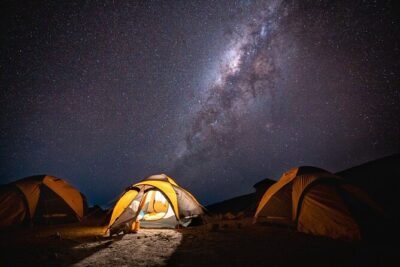
After the drive, you head to Kizumba campsite, where dinner is served and you stay overnight. Camping nights are often where safari trips feel most real. It’s also where you’ll likely start feeling the rhythm of early starts, because you’re back out the next morning for Serengeti.


Day 2: Serengeti drive through Ngorongoro Gate and Masai country
Day 2 shifts from Tarangire into Serengeti country. After breakfast, you travel toward Serengeti, with a notable stop at Ngorongoro Gate.
The gate stop is not just a formality. You’ll sort out the permit there, and you’ll also spot the livelihoods of Masai people around the Ngorongoro area before continuing into Serengeti. This is one of the parts of the day that adds meaning beyond wildlife spotting. You get context for the region you’re driving through, not just a string of viewpoints.
The day is described as about 7 hours total. That likely means a long stretch of transit plus time looking around during the approach. If you’re hoping for a huge amount of continuous game-drive time on Day 2, you may find Day 3 hits harder.
Still, this day is valuable because it gets you into position for the next morning’s Serengeti work. Serengeti is a place where morning conditions and animal activity can make a real difference, so arriving with energy matters.
Day 3: Serengeti central plains morning, bush breakfast, and Simba campsite
Day 3 is your bigger Serengeti day. You wake up early for a morning game drive in the central plains, then you add a bush-breakfast moment. The idea here is simple: you’re out when wildlife is most likely to be active, and you’re not just sitting in the vehicle.
After that early drive, there’s more game viewing until around noon. Then you return to the campsite for a hot lunch, which is a big deal on safari, because it’s one of the few times you get a proper reset.
Then you move onward to Simba campsite for dinner and overnight. That swap between campsites can feel like a small adventure by itself. You get a fresh base for the final day, instead of repeating the same overnight location.
This is also the day where you can feel the practical reality of safari touring. You’ll want to be comfortable in the vehicle and flexible with timing. But if you like the rhythm of early viewing, food stops, and a return to the vehicle, this schedule fits.
Day 4: Ngorongoro Crater early viewing and black rhino hope
The final day starts with an early morning drive to Ngorongoro Crater for game viewing. This is the tour’s most specific wildlife focus: the crater is described as a natural breeding site for the endangered black rhinos in East Africa.
Ngorongoro Crater is often a headline stop for a reason. When you’re going specifically to see black rhino habitat, your expectations should be realistic, because wildlife is wildlife. But the fact that the tour explicitly centers this day on that breeding-area angle tells you the viewing is treated as a priority, not an afterthought.
After the main early viewing block, there’s a bush breakfast, then you continue game viewing before heading back in the evening toward Arusha.
One practical thing to plan for: this is your long viewing stretch wrapped around your final travel day. By the time you’re returning, you’ll likely be tired in a good way, but still ready for a proper night’s rest.
Meals on safari, including vegetarian-friendly planning
This tour sells itself as complete meals, and the day-by-day structure supports it. You’ll have dinner and overnight at Kizumba on Day 1, then breakfast and the day’s schedule into Serengeti. Day 3 includes bush breakfast and a hot lunch, then dinner at Simba campsite. Day 4 includes bush breakfast again, plus the final return to Arusha.
What stands out from the experience descriptions is the meal flexibility. Meals are described as excellent, with attention to vegetarian diets. That’s the kind of detail that can make or break a safari package, especially when you’re out in the bush and you don’t want every meal to become a negotiation.
If you have dietary needs, this is one of the smarter formats to look at. You’ll still want to communicate your preferences clearly at booking, but the tour is already set up to handle at least some special diet requests.
Price and value for a $1,000 shared safari
At $1,000 per person for four days, this isn’t a bargain safari. But you’re also buying a lot that usually costs extra when you plan it yourself: transport between multiple parks, guided driving, meals across the full trip, and campsite overnights.
There’s also the admission structure to consider. Tarangire, Serengeti, and much of the viewing access are marked as admission ticket free for Day 1 to Day 3, and Day 4 is marked admission ticket included. Even if you don’t obsess over line-item costs, it signals that park entry is treated as part of the package, not something you’ll scramble to pay for mid-trip.
Shared format helps you get that bundle. With a maximum of 15 travelers, the value is aiming at efficient group logistics rather than luxury privacy.
The main value question is your tolerance for the schedule. If you’re comfortable with early starts and long drives, the price starts to make sense as “one ticket that covers the whole safari arc.” If you want long, slow breaks and lots of downtime, you may end up feeling you paid for movement, not rest.
Guides who make the day flow, from Peter to Mike to Godfrey
The difference between a good safari and a great one is usually the guide’s rhythm and explanations. In this case, the guiding service is repeatedly praised, and you can see the pattern in the names that come up.
People like Peter are described as organizing everything smoothly, including transfers connected to the Arusha side of the trip. Drivers such as Godfrey and guides like Mike show up with the same theme: making the day easy, keeping the pace workable, and turning sightings into something you understand.
That matters because safari days are full of “wait and scan” moments. A guide who can explain what you’re looking at, and who knows where to position the vehicle for wildlife, makes those hours feel productive instead of just random luck.
If you care about learning while you go, prioritize clear communication during the trip. Ask what you’re seeing, ask how the day’s plan connects to animal behavior, and ask for the basic background behind the parks you’re entering.
Who this 4-day tour suits best
This tour fits best if you want a classic circuit and you want to do it without running your own logistics. It’s also a good match if you like structure: early game drives, planned meal stops, and a clear end point back in Arusha.
I’d also consider it a strong option for groups of friends or small travel parties who don’t need private guiding. Shared can be a plus when you enjoy chatting during drives and sharing the excitement when animals pop into view.
On the flip side, it may feel less ideal if you’re traveling with someone who struggles with early starts or long road hours. The itinerary is built for viewing time, not rest days.
Should you book this Moshi shared safari tour?
Book it if you want one four-day plan that hits Tarangire, Serengeti, and Ngorongoro Crater, with complete meals and the kind of guiding support that helps the day make sense. The strongest reasons are the structured viewing blocks, the emphasis on the Ngorongoro crater’s black rhino breeding habitat, and the way vegetarian diets are handled.
Hold off or consider alternatives if you’re picky about pace. This is not a slow, lounge-your-way-through-a-paradise vacation. It’s a wildlife-first itinerary with mornings that arrive early and days that move.
If you’re new to safari, shared with a guide-led format is often the easiest on-ramp. It gives you park access, timing, and interpretation in one package, so you’re not trying to figure out everything while also trying to enjoy the sightings.
FAQ
What parks are included in this 4-day tour?
The itinerary covers Tarangire National Park, Serengeti National Park, and Ngorongoro Crater for game viewing.
Is pickup offered, and what time does Day 1 start?
Pickup is offered, and Day 1 starts with pickup from your hotel at 7:00 am.
Are park admissions included?
For Day 1, Day 2, and Day 3, admission ticket is listed as free. For Day 4 (Ngorongoro Crater), admission ticket is listed as included.
What kind of meals are included?
The tour is described as a 4-day experience with complete meals, including dinners at the campsites and bush breakfast on the Serengeti and Ngorongoro days. Vegetarian diets can be accommodated.
How big is the group?
The tour has a maximum of 15 travelers.
What is the cancellation policy?
You can cancel for a full refund if you cancel at least 24 hours in advance of the experience start time. Free cancellation is available up to 24 hours before.
Longer Trips Through the North
- Big Five Safari In Tanzania
★ 5.0 · 99 reviews - Unforgettable Tanzania Safari And Zanzibar Beach
★ 5.0 · 97 reviews - 8-Day Essence of Tanzania Safari – Luxury
★ 5.0 · 72 reviews - 7-Day Magical Tanzania Safari -Premium High End Package
★ 5.0 · 53 reviews - 4-day Tanzania Safari
★ 5.0 · 53 reviews
Just added from around Moshi

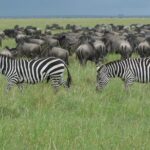
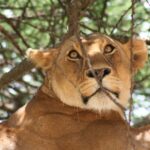
Multi-Day Northern Circuit Safari Packages, compared.
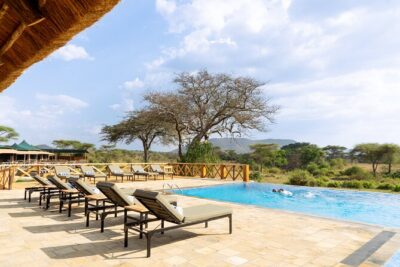 ★ 5.07-Day Premium Luxury Tanzania Safari All-InclusiveFrom $4,840426 reviews
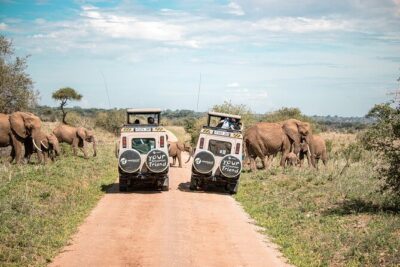 ★ 5.0Tanzania Wildlife Encounters – 6 DaysFrom $3,413277 reviews
 ★ 5.0Group Safari 7 Days in Tanzania’s Main ParksFrom $3,000240 reviews
 ★ 5.04 Days Join Group tour Tarangire Serengeti and Ngorongoro craterFrom $1,090219 reviews
 ★ 5.05-Day Private Northern Tanzania Safari from ArushaFrom $2,780182 reviews
 ★ 5.05 Days Best of Tanzania Luxury Safari Northern CircuitFrom $3,744174 reviews
 ★ 5.08 Day Spectacular Migration Serengeti mid -Range Tanzania SafariFrom $4,257161 reviews
 ★ 5.0Multi-Day Tanzania Odssey Safari from ArushaFrom $4,164120 reviews
Browse the lists this tour appears in