
REVIEW · SERENGETI NATIONAL PARK SAFARIS
3 Days Exploring Serengeti & Ngorongoro Crater from Arusha
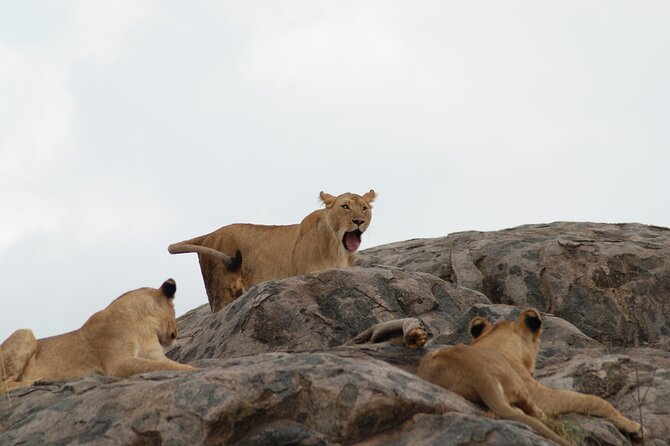
Big Five in one fast circuit. This Serengeti and Ngorongoro 3-day safari stands out because you get real time in wildlife country, guided by an English-speaking guide/driver (with names like Samson and Elisante showing up in the info as standout, patient guides).
What I like most is the way the day plans balance time for animal spotting with actual breaks for meals and rest, so the trip feels focused, not frantic.
I also like the push-pull between two different habitats: Serengeti plains game drives for migration and predators, then a crater morning where you’re descending specifically for the Big Five. The Ngorongoro rim dinner and the crater-floor picnic at Ngoitoktok swamp (near a hippo pool) make the timing feel intentional.
One possible drawback: you’ll be doing a lot of road time. Starting from the Kilimanjaro area early in the morning means long driving days, and that kind of transfer can be tiring if you dislike time in a vehicle.
In This Review
- Quick hits before you commit
- A 3-day route that strings Serengeti and Ngorongoro together well
- Price and what you really get for $2,190 per person
- Day 1 Serengeti National Park: plains, predators, and a sunset reset
- Day 2 Serengeti to Ngorongoro rim: more wildlife time plus positioning for tomorrow
- Day 3 Ngorongoro Crater descent: Big Five potential and birdlife you can name
- Wildlife viewing: setting expectations so the safari feels rewarding
- Guide, driver, and cook: where the comfort actually comes from
- What to budget for and how to pack when camping gear is included
- Who this Serengeti and Ngorongoro safari fits best
- Should you book this 3-day Serengeti and Ngorongoro safari?
- FAQ
- What parks are included in this 3-day safari?
- What’s included in the tour price?
- Is pickup included, and where does the tour start?
- Is this a private safari or shared group?
- What wildlife and birdlife should I expect?
- Can I cancel and get a full refund?
Quick hits before you commit
- Private tour for your group: no mixing with strangers on drives
- Serengeti game drives on two days: more chances for predators and big cats
- Ngorongoro rim dinner, then an early crater descent: better odds when animals are active
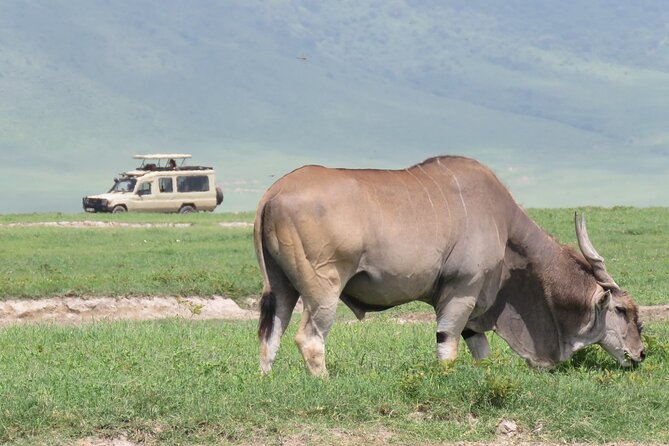
- Big Five on the crater floor: rhino, lion, buffalo, and elephant are specifically called out
- Flamingos and birds at Soda Lake: you’re not only chasing mammals
- Park fees, meals, and camping gear included: you’re not piecing the budget together later
More of the Serengeti, drive by drive
- Safari Serengeti And Ngorongoro★ 5.0 · 288 reviews
- 5 Days Camping Tarangire, Serengeti & Ngorongoro crater & Visiting Maasai★ 5.0 · 58 reviews
- 4 Days Group Joining Camping Safari to Tarangire Serengeti Ngorongoro Crater★ 5.0 · 50 reviews
- 4 Day Private Tour Throughout Tarangire, Serengeti and Ngorongoro★ 5.0 · 42 reviews
A 3-day route that strings Serengeti and Ngorongoro together well
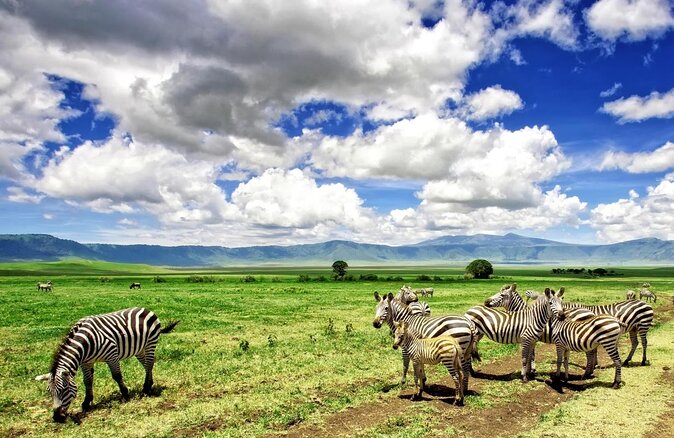
This is a classic Tanzania combo: Serengeti National Park first, then Ngorongoro Crater. The big advantage of doing both in three days is efficiency. You see open plains wildlife and then switch to a crater ecosystem that concentrates animals in a way that’s easy to understand, and easy to photograph.
The pace works best if you’re the type who likes mornings. Day 1 starts after breakfast and pushes straight into Serengeti, then Day 3 begins very early for the crater. That structure matters because wildlife viewing tends to be strongest when the animals are moving and the light is good.
There’s also a clear logic to the overnight choices. On Day 2 you position at the rim for dinner and overnight with a view down into the crater, so Day 3 doesn’t waste time getting ready to descend. It’s one of those small planning decisions that makes the whole safari feel smoother.
Price and what you really get for $2,190 per person
At $2,190 per person, this safari is not a budget toy. It’s priced like what it is: a short, high-demand circuit that includes significant “hard costs” up front.
Here’s what helps the value. The package includes all park fees and taxes, plus a tour guide/driver and professional cook. Meals are covered for the safari days, listed as 2 breakfasts, 3 lunches, and 2 dinners. Camping gears are also included, including mattress, sleeping bag, and pillow, which is useful if your overnight arrangements include camping.
What’s not covered is equally important. You’ll need to budget for tips/gratuities, personal items, and domestic or international flights. Also, accommodation and meals for the night before and after the safari are not included, so plan your pre- and post-safari stay separately.
If you want a simple math test, do this: ask yourself whether you’d rather pay for park fees and meal logistics yourself, or let a single operator bundle them. With this setup, you’re paying for fewer loose ends.
Day 1 Serengeti National Park: plains, predators, and a sunset reset
Day 1 begins with an early breakfast, then a drive from Arusha toward Serengeti. The route passes through Ngorongoro Conservation Area, and there’s an optional stop that can add interest depending on what you like, either Olduvai Gorge or staying focused on the park.
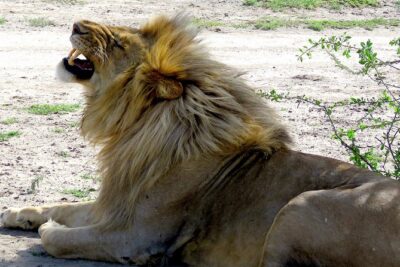
Once you’re in Serengeti, the main activity is a game drive focused on the big stuff: big game animals, predators, and the great wildebeest migration. Even if the migration timing isn’t perfect for your dates, the park is still built to deliver drama. You’re also specifically told to expect Nile crocodiles during this part of the day, which hints at where you might spend time and why the guide will keep scanning the edges of water.
Timing is another quiet strength. Around 6:30 p.m., you shift from driving to dinner and overnight at a lodge or camp. That matters because it gives you a real reset before tomorrow’s animal time.
A practical note: if you’re sensitive to early mornings and long drives, Day 1 is when you’ll feel it most. But it’s also the day that sets your baseline for what kind of animal sightings you can expect.
Other ways down into the Ngorongoro Crater
Day 2 Serengeti to Ngorongoro rim: more wildlife time plus positioning for tomorrow
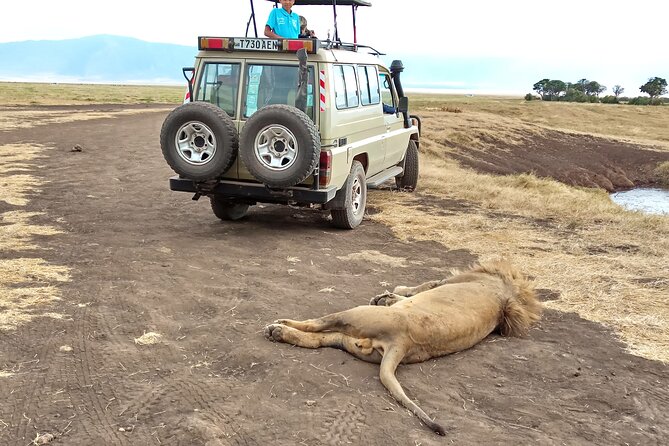
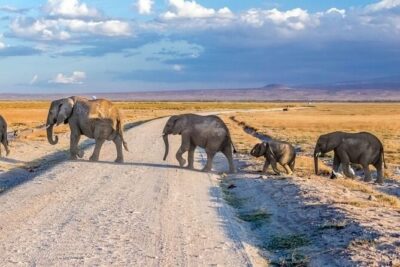
Day 2 keeps you in Serengeti for another game drive. That second drive is a smart move because wildlife doesn’t show up on a schedule that fits your itinerary. A longer safari can help, but in a short one, the best substitute is repetition. Day 2 gives you another shot at predators and the larger mammals that might be less active earlier or later.
In the afternoon, you start the transfer toward the Ngorongoro crater rim. There’s time for optional stopovers on the way, either Olduvai Gorge or a Maasai village stop. This is a good moment to choose what kind of day you want: history and natural heritage at Olduvai, or cultural context with the Maasai village option.
You end Day 2 with dinner and overnight at the rim, with an excellent view of the crater floor. Even if you never get tired of wildlife, that view helps your brain understand what you’re about to do on Day 3. You’re not just going “down into a hole,” you’re descending into a whole wildlife system that you’ve already seen from above.
The only real consideration for Day 2 is that it’s a two-part day. You’ll shift from game drives to road time and then to crater rim downtime.
Day 3 Ngorongoro Crater descent: Big Five potential and birdlife you can name
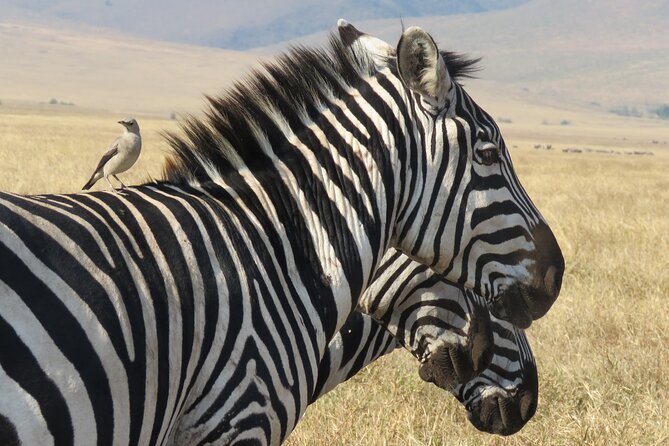
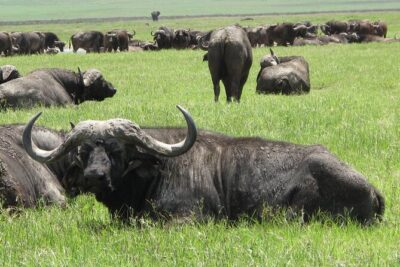
Day 3 starts early, after breakfast, and then you descend into the crater for game drives. This is the centerpiece of the entire safari because it’s where the itinerary calls out the Big Five: rhino, lion, buffalo, and elephant.
The crater setup is different from Serengeti. Instead of hunting across open plains, you’re moving through a more concentrated space where animals can be easier to spot and where your guide can plan routes based on what’s active nearby. The itinerary also lists other species living in the caldera, including zebra, hippo, wildebeest, and hyena.
Birds get their own spotlight here. Flamingos are specifically mentioned for Soda Lake, along with geese, storks, and vultures. That’s helpful for first-timers because it broadens what counts as a successful day. You’re not stuck waiting for the next lion sighting to feel satisfied.
Lunch is served at a picnic site inside the crater at Ngoitoktok swamp, described as a hippo pool. It’s one of those details that makes the whole day feel “place-based,” not just a series of drives. After lunch, you drive back straight to Arusha for dinner and overnight at the lodge.
Wildlife viewing: setting expectations so the safari feels rewarding
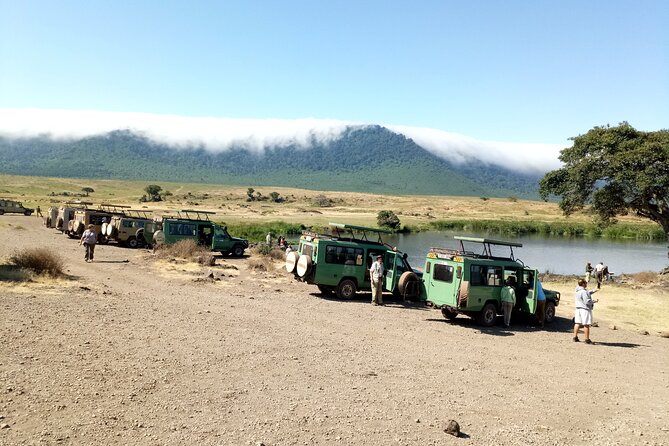
With any safari, I like to set expectations the right way. You’re not guaranteed every animal. But this route is designed around two zones where animals are strongly represented.
In Serengeti, the itinerary leans into the big-picture roles of predators and migration. You’re looking for big mammals plus the drama that comes with them: lions and other predators, and water-edge sightings like Nile crocodiles.
In Ngorongoro, the itinerary is more specific: Big Five on the crater floor and a defined list of other animals. Birdlife is also spelled out, especially flamingos at Soda Lake.
One more thing I value is guide effectiveness. In the provided info, guides are described as patient and very focused on getting you the sightings you want. One of the credited strengths is knowing where animals are, which is exactly how you turn “we passed a patch of grass” into “we actually saw what you came for.” If you care about close, steady viewing from the vehicle, this is the part of the trip where that skill pays off.
Guide, driver, and cook: where the comfort actually comes from
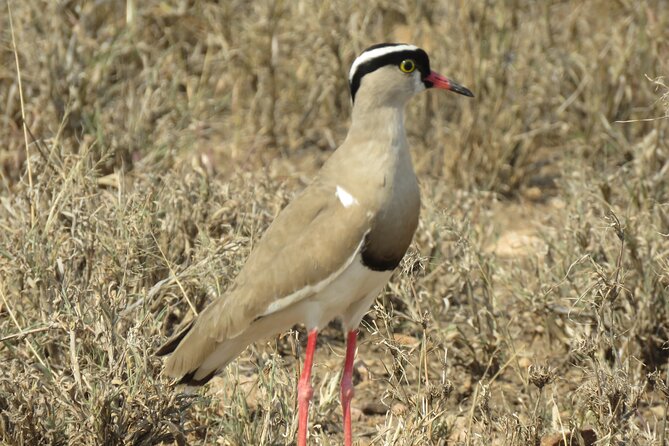
A lot of safari reviews talk about wildlife. I’m more interested in the human side that affects your day.
This tour includes a guide/driver and a professional cook. That matters because you’re spending long hours in the vehicle and eating on the go. When the cooking and schedule flow well, you’re less likely to feel drained before the best viewing hours.
The guide role also affects how you experience the parks. English-speaking guidance is called out, and the info includes examples of guides adjusting to what people want to see. Names like Samson and Elisante come up as patient, caring, and good at helping you spot animals.
There’s also a practical upside to having one team responsible for the whole flow. You avoid the “wait here, figure it out there” feeling. In a short three-day trip, that coordination is not a luxury, it’s what keeps the safari from turning into logistics.
What to budget for and how to pack when camping gear is included
The package includes camping gears, including mattress, sleeping bag, and pillow. That’s a real cost saver if you’re trying to travel light or avoid renting gear.
What you still need to think about is personal items. The tour explicitly lists personal items as not included. Since tips/gratuities are also not included, I’d factor that into your total budget before you leave.
Also remember the safari starts early and includes multiple days of driving. So build your packing around comfort for early mornings and long seated hours, and keep essentials easy to reach. Since the package covers the big pieces of safari equipment, you can focus on the items you personally can’t skip.
Who this Serengeti and Ngorongoro safari fits best
I think this tour suits you best if you want a concentrated highlight trip. Two days in Serengeti gives breathing room for repeat sightings, and Day 3 is built around the crater descent for Big Five potential.
It’s also a good match if you prefer a private group. The tour is private, meaning only your group participates. That usually helps with timing and attention. If you’re traveling as a couple or small group and want the schedule tailored to your pace, private makes a difference.
If you dislike early mornings and long drives, take that into account. This itinerary is built on early departures from the Kilimanjaro area and then moving between parks fast.
Should you book this 3-day Serengeti and Ngorongoro safari?
Book it if you want a short, well-structured safari that hits the headline parks and includes park fees, guided drives, meals, and camping gear. The itinerary is designed so you’re not only “there,” you’re actively doing game drives at the right times, with Ngorongoro built around an early crater descent.
Skip it or look for another option if long road time is a dealbreaker for you. Day 1 and the Kilimanjaro-area start time mean you’ll spend more hours in transit than you might expect for a three-day trip.
If you’re choosing based on value, I’d focus on this: this price includes the costly parts you’d otherwise pay separately, and it also includes the people who make the day run. For a first safari or a highlights-focused trip, that’s usually a win.
FAQ
What parks are included in this 3-day safari?
The safari includes game drives in Serengeti National Park and a crater game drive in Ngorongoro Crater.
What’s included in the tour price?
Park fees and taxes are included, along with a guide/driver and professional cook. Meals are included during the safari (2 breakfasts, 3 lunches, and 2 dinners), and camping gear is included (mattress, sleeping bag, and pillow).
Is pickup included, and where does the tour start?
Pickup is offered. The tour start point is listed as Kilimanjaro Airport, with a start time of 7:00 am.
Is this a private safari or shared group?
This is a private tour/activity. Only your group will participate.
What wildlife and birdlife should I expect?
The itinerary calls out big game and predators in Serengeti, and the great wildebeest migration. At Ngorongoro, it specifically mentions the Big Five, plus other animals like zebra, hippo, wildebeest, and hyena. Birds mentioned include flamingos on Soda Lake.
Can I cancel and get a full refund?
Yes. Free cancellation is available up to 24 hours in advance of the experience’s start time for a full refund. If you cancel less than 24 hours before, the amount you paid will not be refunded.
Still Thinking About the Crater?
- Safari Serengeti And Ngorongoro
★ 5.0 · 288 reviews - 5 Days Camping Tarangire, Serengeti & Ngorongoro crater & Visiting Maasai
★ 5.0 · 58 reviews - 4 Days Group Joining Camping Safari to Tarangire Serengeti Ngorongoro Crater
★ 5.0 · 50 reviews - 3-Day Ngorongoro Crater Manyara and Tarangire Safari from Arusha
★ 5.0 · 49 reviews - 4 Day Private Tour Throughout Tarangire, Serengeti and Ngorongoro
★ 5.0 · 42 reviews
The Serengeti, Three More Ways
- Safari Serengeti And Ngorongoro
★ 5.0 · 288 reviews - 5 Days Camping Tarangire, Serengeti & Ngorongoro crater & Visiting Maasai
★ 5.0 · 58 reviews - 4 Days Group Joining Camping Safari to Tarangire Serengeti Ngorongoro Crater
★ 5.0 · 50 reviews - 4 Day Private Tour Throughout Tarangire, Serengeti and Ngorongoro
★ 5.0 · 42 reviews - 7 Days Safari. Serengeti, Tarangire, Lake Manyara & Ngorongoro Crater.
★ 5.0 · 34 reviews
Just added from around Moshi
Serengeti National Park Safaris, compared.
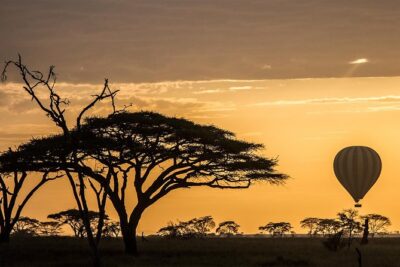 ★ 5.0Serengeti Balloon Safari and authentic bush breakfastFrom $5502,480 reviews
 ★ 5.0Balloon Safari & Bush Breakfast in Serengeti – Miracle ExperienceFrom $5991,646 reviews
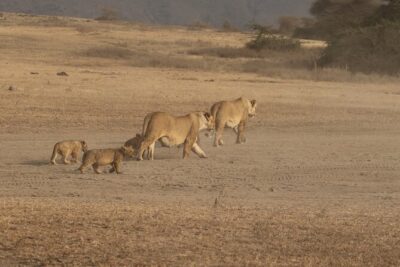 ★ 5.03 Days Serengeti & Ngorongoro Group Camping SafariFrom $815574 reviews
 ★ 5.05-Day Highlights mid-Range Crater, Serengeti, TarangireFrom $2,327296 reviews
 ★ 5.0Safari Serengeti And NgorongoroFrom $2,845288 reviews
 ★ 5.03-Day Classic Serengeti SafariFrom $1,455263 reviews
 ★ 5.0Private 6-Day Tarangire Manyara Crater and Serengeti with Mid-Range LodgesFrom $2,685238 reviews
 ★ 5.05 Days Camping Tarangire, Serengeti & Ngorongoro crater & Visiting MaasaiFrom $1,254229 reviews
Browse the lists this tour appears in