
REVIEW · BIG FIVE AND GAME DRIVE SAFARIS
Tanzania Wildlife Safari Budget Camping
Five days, four nights, and the wildlife keeps coming. In this Northern circuit camping safari from Arusha, you cover the big Tanzanian icons in a tight loop, with park access and meals handled. I especially love the chance to see Tarangire elephants moving like they own the road, and the payoff of a Ngorongoro crater-floor game drive for rhino and big cats. One consideration: you will be on the road a lot each day, so if you want zero driving and lots of downtime, this is not that kind of trip.
What makes it feel practical is the way it runs, not just where you go. I like that there are experienced guides named in past trips, like Emmanuel (Manu) and James, plus strong coordination from Vincent, including help via WhatsApp during the safari. I also appreciate that this is capped at 15 travelers, so the experience stays manageable rather than chaotic.
Finally, camping is part of the value, and you should know what that means. You get multiple meals included and you sleep at real campsites, with tents set up for you, but it is still a camping experience, not a hotel. If you want polished comfort 24-7, consider upgrading to a lodge safari instead.
In This Review
- Key things that make this Tanzania budget camping safari work
- How the price stacks up for this 5-day Northern circuit camping route
- Day 1 Tarangire National Park elephants, baobabs, and a thirsty river
- Day 2 Lake Manyara birdlife, flamingos, and the plains-meet-forest feel
- Day 3 Serengeti plus Oldupai Gorge for context before the big game
- Day 4 an early Serengeti morning then a crater rim night
- Day 5 Ngorongoro Crater floor wildlife, then back to Arusha
- Guides, communication, and why names matter on a safari
- Camping logistics: what to expect beyond the word camping
- Transportation and timing: how a 7-hour day can still feel manageable
- Wildlife reality check: what you can reasonably hope for
- Who should book this Tanzania budget camping safari, and who should think twice
- Should you book Lem Carnivores Tours for this route
- FAQ
- What parks are included on this 5-day, 4-night safari?
- Is pickup included, and where do I meet?
- What is included in the price?
- What is not included?
- How big is the group?
- What kind of tickets do I get?
- What is the cancellation window?
Key things that make this Tanzania budget camping safari work
- Tarangire elephants and baobabs: slow, close wildlife moments in a park known for both.
- Lake Manyara bird focus: flamingos and other water birds, with plains and forest edge viewing.
- Serengeti drives in two parts: one afternoon on arrival and one early morning for fresh odds.
- Oldupai Gorge stop: a structured detour to the Cradle of Mankind before you hit Serengeti.
- Ngorongoro crater floor game drive: you descend for dense wildlife, then come back up for the trip to Arusha.
Longer northern circuit routes, side by side
- Tanzania Classic – 7 Days★ 5.0 · 1,151 reviews
- Tanzania Wildlife Encounters – 6 Days★ 5.0 · 277 reviews
- Group Safari 7 Days in Tanzania’s Main Parks★ 5.0 · 240 reviews
- 4 Days Join Group tour Tarangire Serengeti and Ngorongoro crater★ 5.0 · 219 reviews
How the price stacks up for this 5-day Northern circuit camping route
At $1,155 per person, this is a budget-leaning way to get into four major parks without piecing things together yourself. The package includes all fees and taxes, plus breakfast, lunch, and dinner each day as listed (breakfast 5 times, lunch 5 times, dinner 4 times). It also includes admission for the last day in Ngorongoro, while the schedule notes admission tickets as free for the earlier park days.
The practical value here is that your money covers the structure: transportation with a driver guide, park access, and a plan that does not waste days. You also get pickup offered and a mobile ticket, which helps you avoid last-minute confusion.
Where the value can feel less exciting is simple: you are paying for parks and time outside, not for luxury. Camping, early starts, and long drives are part of the bargain.
Day 1 Tarangire National Park elephants, baobabs, and a thirsty river
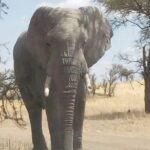
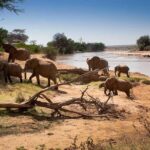
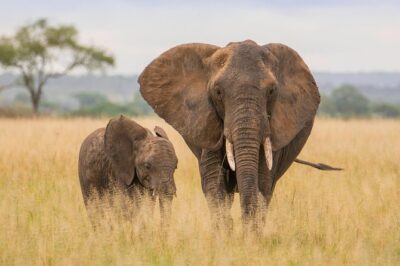
Your safari day starts in Arusha with collection by your driver guide, heading out to Tarangire National Park. Tarangire is famous for African elephants, and the idea is that you arrive early enough to catch them in that slow, deliberate rhythm elephants do best, moving as families across open ground.
You will also see Tarangire’s signature baobabs, the kind of massive trees that dwarf the animals and make the scene feel oddly fairytale-like, in a good way. Even though the route describes the Tarangire River as shrunken compared to wet season, the point is that wildlife still gathers where water remains, so your drive does not become a dry disappointment.
You get picnic lunch in Tarangire, then game drives continue before overnight at a campsite. Expect a classic first-day pace: settle in, drive, spot animals, eat, sleep, repeat.
Possible drawback: your first day is all about transition and atmosphere. If you are hoping for a guaranteed set of sightings on day one, nature will politely remind you it runs on its own schedule.
Day 2 Lake Manyara birdlife, flamingos, and the plains-meet-forest feel
After breakfast, you drive to Lake Manyara National Park. This is the most bird-forward stop on the itinerary, with more than 400 bird species recorded and a realistic expectation of seeing a large slice of them in one day.
The standout is the flamingos. You are looking for those pink birds and the way they collect along the lake as they move through the seasons. Beyond flamingos, you can also expect other water birds like pelicans, cormorants, and storks, plus the broader mix that comes from a lake plus grassy floodplains plus nearby forest edges.
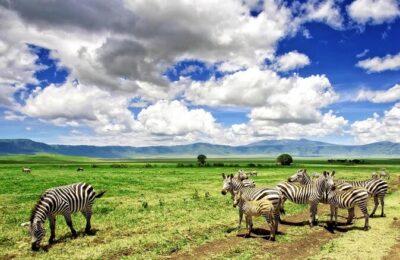
Lake Manyara is also where you start to feel the region’s geography. The views look eastward across an alkaline lake toward jagged volcanic peaks, and the park’s grassy plains can attract bigger mammals too, including buffalo, wildebeest, and zebra herds. Giraffes show up as well, sometimes so dark from a distance that they can look almost black until you get closer.
Lunch is included, and the timing is built around a full drive day. The vibe is calmer than the biggest Serengeti days, but still very active.
One small reality check: in birding, timing and conditions matter. If weather is off, you might not get the exact flamingo numbers you were imagining, but you should still enjoy the bird diversity and the overall “lake day” feeling.
More camping safaris at this price
Day 3 Serengeti plus Oldupai Gorge for context before the big game
Day 3 begins with a drive to Serengeti via Oldupai Gorge, known as the Cradle of Mankind. This stop adds meaning to the trip beyond spotting animals. You get a museum visit and on-site interpretation, which helps you understand why this region matters to human prehistory before you shift back into wildlife mode.
Then it is time for Serengeti. The itinerary frames Serengeti as a place of large-mammal concentration, and the day is structured for an afternoon game drive on arrival. This matters because you get time to acclimate, you learn the vehicle rhythm, and you start building your personal “what should I look for” checklist.
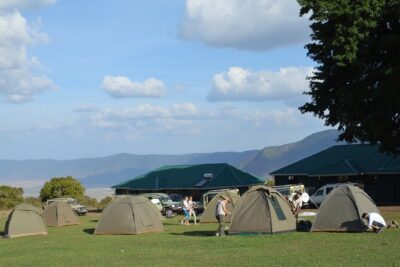
You overnight at Seronera Public Campsite, which keeps you close to the action the next day. It is the kind of sleep that turns your next morning from a hope into a plan.
Possible drawback: the day is not purely wildlife from the first minute. You trade some immediate safari time for the Oldupai learning stop. For many people, that is a feature, not a bug, but if you want nonstop animals only, plan for the extra stop.
Day 4 an early Serengeti morning then a crater rim night
Day 4 is built around a classic safari idea: start early for the best chance at animal activity. You take a picnic breakfast and head out for an early morning game drive through Serengeti. This is when you can spot animals that might look different later in the day, both in behavior and in light.
The schedule also notes a chance to see dramatic predator-prey moments, including the possibility of a hunt and a kill. You should treat that as a wildlife outcome, not a promise. What you can count on is that Serengeti is designed for encounters, and the early timing improves your odds.
After the morning drive, you come back for lunch at the lodge or you can opt for picnic lunch with the park, depending on what is available in the moment. Then you depart for Ngorongoro Crater rim, sleeping at Simba Campsite so you are positioned for a crater-floor drive early the next day.
This day can feel like two different safaris in one: Serengeti first, then the crater rim vibe. The transfer is long enough that you will notice it, but the rim night is what makes the crater day special instead of rushed.
Day 5 Ngorongoro Crater floor wildlife, then back to Arusha
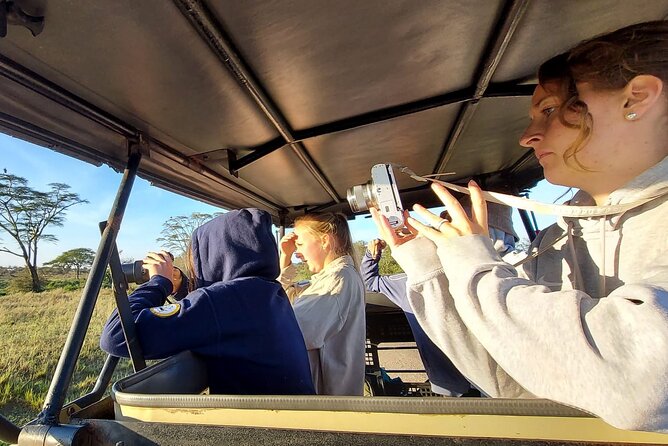
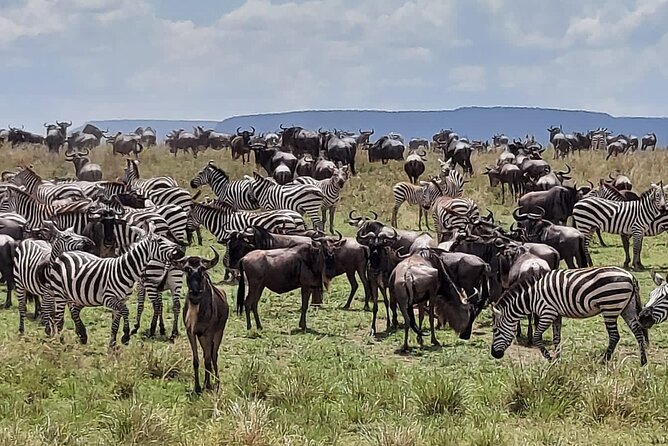
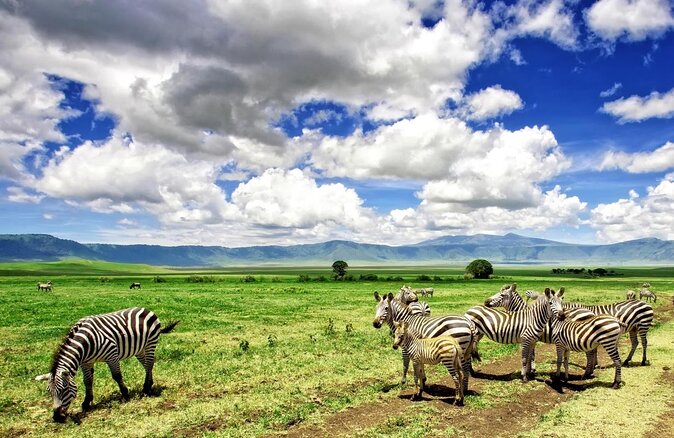
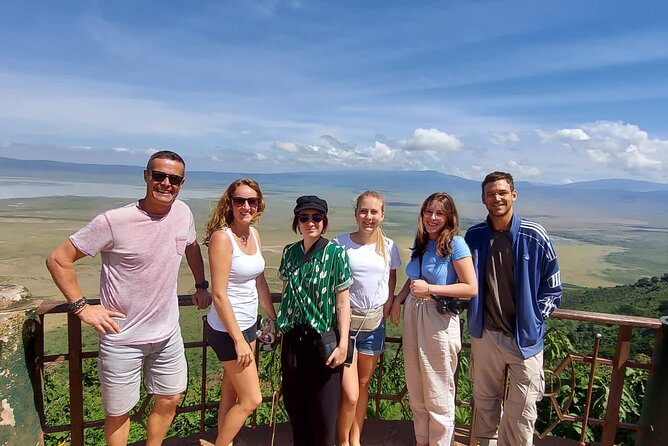
The final day is the big finale: descent to the Ngorongoro Crater floor for a game drive. Ngorongoro is described as a huge caldera formed by the collapse of an ancient volcano crater, and the key practical result is that the crater floor supports fertile soil and permanent water. That combination drives high wildlife density, so your crater drive is designed to feel like a lot is happening in a relatively concentrated area.
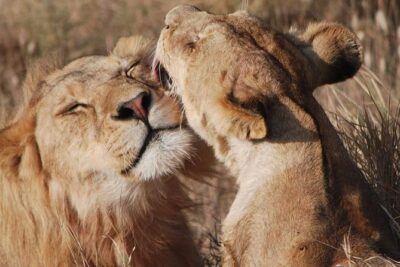
The itinerary calls out sighting possibilities like rhino, black-maned lion, and giant tusked elephants, plus many more animals. Again, sightings are never guaranteed, but the route clearly aims at a diverse big-wildlife mix.
After the drive, you ascend back to the crater rim in late afternoon and then go out and return to Arusha town. The day has a full feel, but it is also a tidy finish: wildlife in the morning, then the return journey without an extra park stop layered on top.
Guides, communication, and why names matter on a safari
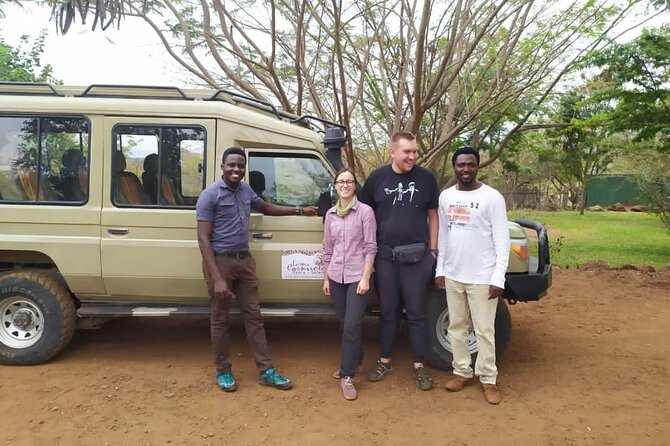
One of the strongest signals from past experiences is how organized the guiding feels. Vincent is highlighted as the person who organized communication and helped handle issues directly. What I like about that for your trip is simple: when problems pop up, you want fast answers, not a paper trail.
You may also be guided by people like Emmanuel (Manu) or James, and the vibe from the guide descriptions is that they focus on finding wildlife effectively. Emmanuel is described as having a keen eye for spotting animals high in the landscape, including an eagle. James is noted for depth of knowledge, and that kind of guide helps you see more because you spend less time guessing and more time learning what to look for.
Even if you never meet the exact same guide, this matters: you want a driver guide who can spot, explain, and keep the schedule moving without making you feel rushed. This route is built to run on that style.
Camping logistics: what to expect beyond the word camping
Camping is where this safari earns its budget value. You sleep at designated campsites each night, with tents set up and dismantled for you. From the comfort details that have been mentioned, you can expect items like a thicker mat and blankets, plus the basic setup you need to be able to sleep through the night.
Food is included in a very clear way: dinner on four nights, and lunch plus breakfast each day in the package list. That means you are not constantly hunting for meals or paying extra at each stop.
What you need to bring is the mindset. Camping means you are closer to the elements than a lodge stay. You should pack for early mornings and cooler air, plus something warm enough for a dawn game drive. If you are comfortable outdoors and you like doing things the safari way, camping becomes part of the fun.
If you are expecting hotel-level silence or soft bedding like you would at home, this will feel rough around the edges.
Transportation and timing: how a 7-hour day can still feel manageable
Most park days are described as around 6 to 7 hours in total for the park block. That time includes driving, game drives, and meals in some order. With long drives between parks, you will be spending a lot of your day looking out the window and getting settled in the vehicle.
This is where group size helps. With a maximum of 15 travelers, you typically get a better rhythm: fewer people to coordinate, more space to move when needed, and less feeling like you are herded.
The route also starts at 7:00 am at Arusha Airport, while pickup from your hotel is offered. Either way, plan for an early start. Safaris reward mornings, and the itinerary is clearly built around that reality.
Wildlife reality check: what you can reasonably hope for
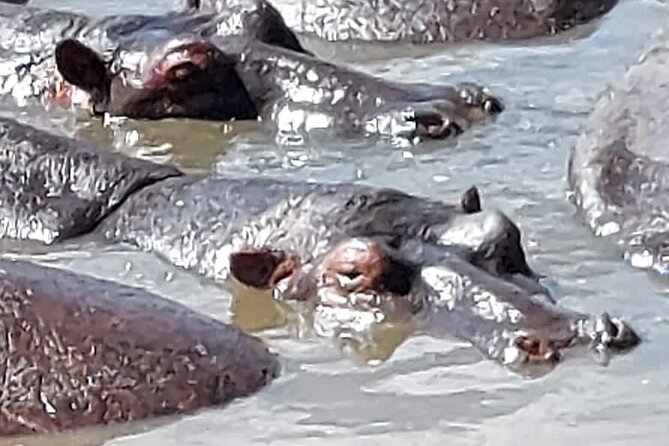
This route hits the parks where wildlife viewing is the main event, not just a bonus. Tarangire is known for elephants. Lake Manyara is ideal for birdlife and the lake-plains ecosystem. Serengeti gives you repeated chances through two different game-drive windows. Ngorongoro crater is the finale with dense wildlife potential and the chance to see species like rhino and big cats.
Here is the honest part: the itinerary includes language about big moments, like the possibility of a hunt and a kill. Nature decides. But the design is still smart because you get multiple drives across different habitats and you do one early morning, one afternoon on arrival, and one dedicated crater descent day.
If you keep your eyes flexible and your expectations wide, you will likely come home with photos and stories that feel like more than checkboxes.
Who should book this Tanzania budget camping safari, and who should think twice
This safari is a good fit if you:
- want the Northern circuit highlights without upgrading to a lodge-heavy price tag
- like camping and you are okay with basic comfort in exchange for value
- are excited about a mix of elephants, birds, big game, and the crater-floor finale
- want a small group size capped at 15 and a guide who helps you see and understand what you are looking at
You might think twice if you:
- hate long driving days and want lots of downtime
- need hotel-style bedding and quiet comfort as a top priority
- are booking only for one very specific animal and cannot handle the idea that it might not show up
Should you book Lem Carnivores Tours for this route
If you want a practical, value-minded way to do Tarangire, Lake Manyara, Serengeti, and Ngorongoro in one loop, this itinerary makes sense. The package includes major costs like fees and taxes plus multiple meals, and the camping format keeps the price from drifting upward.
The biggest reason to book is the structure: repeated wildlife time in Serengeti, plus the Oldupai Gorge context, plus a dedicated crater descent day. The biggest reason to pause is the camping plus the driving. Decide honestly how much you care about comfort versus time outside.
If camping feels like part of the adventure for you, and you can handle early starts, this is a strong Northern circuit option.
FAQ
What parks are included on this 5-day, 4-night safari?
The safari covers Tarangire National Park, Lake Manyara National Park, Serengeti National Park, and Ngorongoro Crater.
Is pickup included, and where do I meet?
Pickup is offered from your hotel in Arusha. The listed start meeting point is Arusha Airport with a start time of 7:00 am.
What is included in the price?
The price includes all fees and taxes, plus dinner (4), lunch (5), and breakfast (5). An admission ticket is included for Ngorongoro Crater day as noted.
What is not included?
Tips, things of your personal interest, and Visa are not included.
How big is the group?
The maximum group size is 15 travelers.
What kind of tickets do I get?
You receive a mobile ticket.
What is the cancellation window?
You can cancel for a full refund up to 24 hours in advance of the experience start time. If you cancel less than 24 hours before, you do not get a refund.
More Time in the Vehicle
- Tanzania Simba Safari – 5 Days
★ 5.0 · 217 reviews - Living Among Lions
★ 5.0 · 191 reviews - Big Five Luxury Safari in Tanzania
★ 5.0 · 68 reviews - From Arusha: 6 Day Classic Game Drive Serengeti & Ngorongoro
★ 5.0 · 49 reviews - 4-Day Simba Safari – Mid Range Tour
★ 5.0 · 47 reviews
More Under Canvas
- 4 Days Group Camping Safari
★ 5.0 · 1,101 reviews - 5 Days Group Camping Safari
★ 5.0 · 730 reviews - 3 Days Serengeti & Ngorongoro Group Camping Safari
★ 5.0 · 574 reviews - 5 Days Camping Tarangire, Serengeti & Ngorongoro crater & Visiting Maasai
★ 5.0 · 229 reviews - 5 Days Budget Private Safari, Tanzania
★ 5.0 · 191 reviews
Longer Trips Through the North
- Tanzania Classic – 7 Days
★ 5.0 · 1,151 reviews - 7-Day Premium Luxury Tanzania Safari All-Inclusive
★ 5.0 · 426 reviews - Tanzania Wildlife Encounters – 6 Days
★ 5.0 · 277 reviews - Group Safari 7 Days in Tanzania’s Main Parks
★ 5.0 · 240 reviews - 4 Days Join Group tour Tarangire Serengeti and Ngorongoro crater
★ 5.0 · 219 reviews
Just added from around Arusha
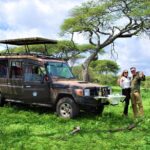
Big Five and Game Drive Safaris, compared.
 ★ 5.0Tanzania Simba Safari – 5 DaysFrom $2,897217 reviews
 ★ 5.0Living Among LionsFrom $3,872191 reviews
 ★ 5.0Big Five Safari In TanzaniaFrom $3,75099 reviews
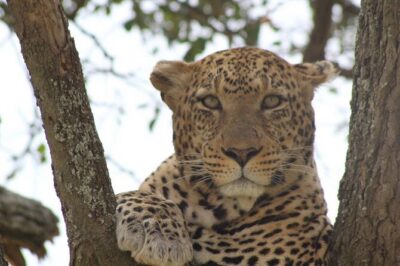 ★ 5.0Big Five Luxury Safari in TanzaniaFrom $2,90068 reviews
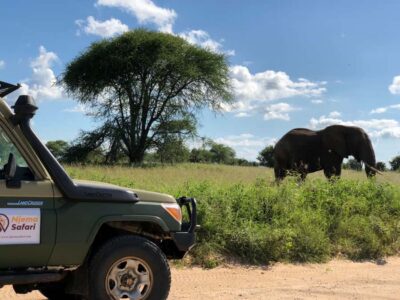 ★ 4.3From Zanzibar: Nyerere National Park Game Drive with LunchFrom $55059 reviews
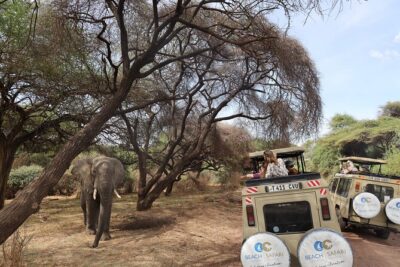 ★ 5.0From Arusha: 6 Day Classic Game Drive Serengeti & NgorongoroFrom $2,86449 reviews
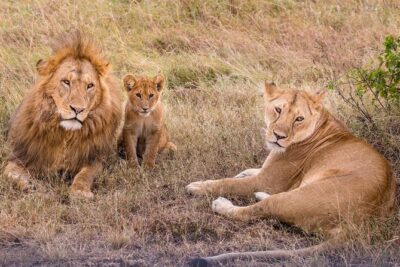 ★ 5.04-Day Simba Safari – Mid Range TourFrom $2,17947 reviews
 ★ 5.05 Days 4 Nights Tarangire, Serengeti , Ngorongoro & Manyara Wildlife SafariFrom $2,60040 reviews
Browse the lists this tour appears in