
REVIEW · WALKING TOURS
9 Days 8 Nights Walking Safari
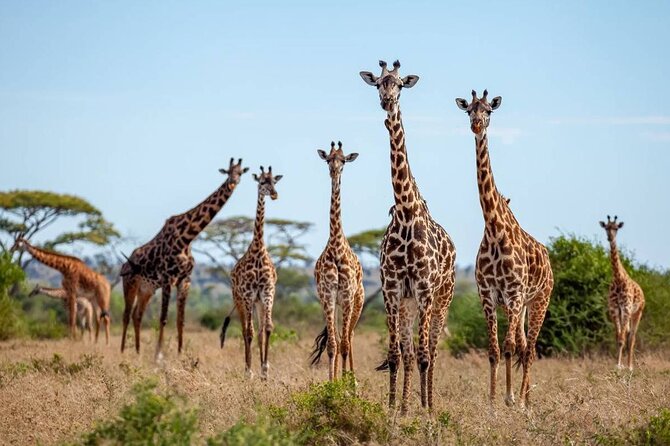
Lake views and walking trails, then Big Five luck. This 9-day safari out of Moshi mixes classic game drives with feet-on-ground moments and real Maasai encounters. You’ll also pass through the wider northern Tanzania wildlife circuit, where the Rift Valley backdrop can feel huge even before the first animal appears.
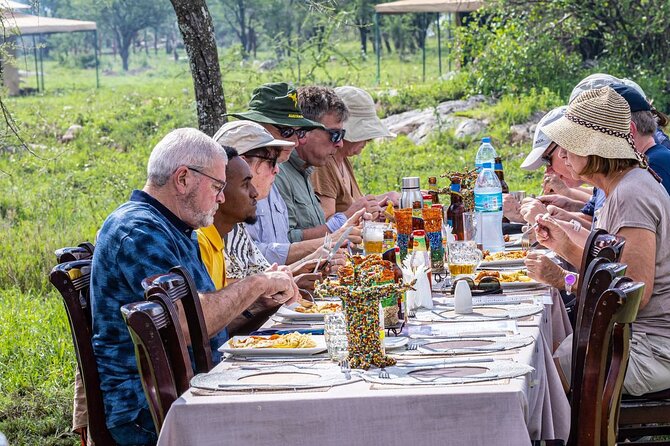
I like that the trip bundles the big practical stuff, like park gate fees and daily meals, so you’re not doing constant math while on the road. I also like the small-group setup, with a max of 12 travelers and just 4 people per 4×4, which keeps game-spotting and conversations with your guide easier.
One thing to consider: it’s a walking-focused itinerary with treks and crater walking, so you’ll want a moderate fitness base and the right socks. If you’re hoping for mostly sitting in the vehicle time, this probably will not feel like your kind of safari.
In This Review
- Key things I’d circle before you book
- Rift Valley start from Moshi, with walking built in
- Price and value: what $2,688 per person really covers
- Group size and vehicle reality: comfort for spotting animals
- Day 1 in Moshi: Springlands Hotel briefing and reset day
- Day 2: crater driving for Big Five chances
- Day 3: Maasai donkeys and a trek toward Embulmbul village
- Day 4: Empakaai Crater walk and flamingo viewing
- Day 5: learning daily life through a community visit
- Day 6: Old Doinyo Lengai, the mountain of god
- Day 7: Lake Natron and a trek with a Maasai village stop
- Day 8: Maasai central market and street-life stops
- Day 9: return to Springlands Hotel Moshi and departure prep
- What you’ll remember most, beyond the checklist
- Who this safari suits best
- Should you book this 9-day walking safari from Moshi?
- FAQ
- What’s included in the walking safari package?
- Are meals included, and can I request vegetarian food?
- How many people are in the group and what kind of vehicle do you use?
- How physically demanding is the trip?
- Is airport pickup or transfer included?
- What is the cancellation policy?
Key things I’d circle before you book
- Park fees and most meals are included, which cuts down on surprise add-ons.
- Small group, 4×4 with viewing roofs, meaning better sightlines when animals decide to appear.
- Walking days are built in, not tacked on at the last minute.
- Maasai donkeys and village time, so you’re not just watching culture from a distance.
- Oldoinyo Lengai and Lake Natron are true showstoppers, with specific local meaning tied to what you’re seeing.
- Guides get named in operator feedback for spotting wildlife and keeping the pace smooth, for example Tarimo, Yesse, Bright, Isdory, Salehe, and Musa.
Still weighing it up? These Moshi trips came out well when we reviewed them.
- Kilimanjaro climb by Lemosho Route (7-day)★ 5.0 · 651 reviews
- Safari Serengeti And Ngorongoro★ 5.0 · 288 reviews
- Kilimanjaro climb, Machame Route (7-day)★ 5.0 · 262 reviews
- Kilimanjaro Climbing Lemosho Route 8 Days.★ 5.0 · 186 reviews
Rift Valley start from Moshi, with walking built in
You’ll start in Moshi, in Tanzania’s north, and the route is designed to put you in the right places to see big wildlife country and dramatic geology. As you approach areas near the Rift Valley escarpment, the scenery is the kind that makes you pause. One side is the lake and its bird life, the other side is the steep wall of the escarpment, and it can feel like the whole area is pushing you outward to look.
What makes this safari different from the pure “game-drive-only” formula is how often you step away from the vehicle. There’s crater walking, village encounters, and treks connected to Oldoinyo Lengai and Lake Natron. You’re still in 4x4s for the wildlife and transfers, but you’re not stuck watching everything from the same seat.
If you’re the type of traveler who likes a mix of safari classics and human-scale experiences, this fits. You’ll see the wildlife, but you’ll also spend real time with local communities and learn what daily life looks like beyond the parks.
Price and value: what $2,688 per person really covers
At $2,688 per person for 9 days and 8 nights, the value comes from what’s packed into the price. You’re paying for more than a vehicle and a guide.
Here’s what you get based on the tour inclusions:
- National park gate fees included
- Transportation with a driver-guide, with 4×4 vehicles and viewing roofs
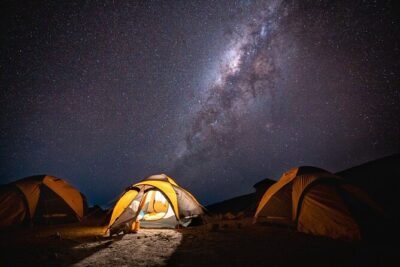
- All camping equipment
- Accommodation full board, double occupancy, described as lodge safari
- Breakfast, lunch, and dinner included across the trip
- Maasai guide and donkeys included
What you should budget separately:
- Tips for your driver-guide
- Airport transfer to/from Tanzania locations (not listed as included)
- Visa fees and travel insurance
- Personal expenses
The practical upside is fewer “once you arrive, pay this” moments. Gate fees can add up fast on multi-park itineraries, and meals are one of the easiest costs to lose control of when you’re moving every day. If you like planning without last-minute surprises, the bundle helps.
Group size and vehicle reality: comfort for spotting animals
This is not a huge bus tour. It’s capped at 12 travelers, and your vehicle limits matter: maximum 4 pax per vehicle with 4x4s and viewing roofs.
That means:
- You’re less likely to be stuck behind someone’s hat or camera the whole day.
- Stops for animal sightings tend to feel more efficient.
- You can hear your guide explaining behavior and habitats without shouting across a crowd.
The pace is still safari pace, meaning early starts can happen and you’ll spend long hours driving on safari days. But the smaller group setup keeps it from feeling chaotic.

Day 1 in Moshi: Springlands Hotel briefing and reset day
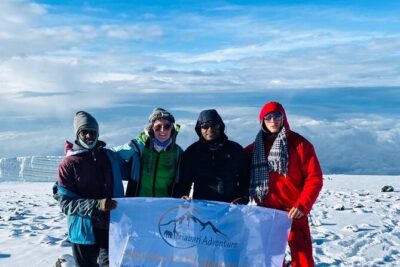
Day 1 is about arrival and getting your bearings. You’ll be welcomed at Springlands Hotel Moshi, get mountain and safari briefings, and receive a room. Meals are available at the hotel, and this day is your chance to sort your gear and prepare for the walking days ahead.
This matters more than it sounds. When the next days include crater walking and treks, your body needs time to adjust to heat, humidity, and uneven terrain. I’d treat Day 1 like your “prep day,” even if you’re eager to rush into the parks.
Day 2: crater driving for Big Five chances
Your second day focuses on a crater drive and game-viewing with your accredited driver. The emphasis is on the classic odds: black rhinos, elephants, lions, buffalos, and leopards. None of that is a guarantee, but this is exactly the kind of habitat where careful driving and good timing can pay off.
Crater driving has a particular rhythm. You’ll likely spend time scanning from strategic viewpoints, and your guide will keep you oriented as animals move between cover and open spaces. You’ll want to stay flexible here. If everyone insists on the same photo spot every time, you can miss the quick action.
If you’re chasing that first-day adrenaline hit, this is your day for it. And if you’re more patient, it’s still a great fit, because crater safaris often come with several separate sightings instead of just one big moment.
Day 3: Maasai donkeys and a trek toward Embulmbul village
Day 3 is where the safari leans into walking and learning. You’ll work with a Maasai team to prepare the donkeys using the equipment, then head out on a trek toward Embulmbul village.
This is one of those experiences that changes how you see the day. Donkeys are not just a novelty. They’re part of how people move goods and families through rural terrain. Seeing the setup and participating in the trek helps you understand the practical side of local life, not just the performance side.
What to expect:
- More time on foot, more dust and sun management
- A cultural interaction component built around the Maasai and village movement
Potential drawback: you’ll want solid footwear and a plan for sun protection. A walking day is not the time to trust brand-new shoes.
Day 4: Empakaai Crater walk and flamingo viewing
After lunch, the day shifts to Empakaai Crater. You’ll walk down into the crater to view flamingo population, then walk back to camp on the crater rim for dinner and an overnight.
Flamingos in crater settings can be stunning, especially when the light hits the birds and the shallow areas reflect the sky. The crater walk is also the point where the itinerary shows its walking identity. You’re not just looking, you’re moving with the landscape.
A practical consideration: crater rim walking and the descent can be uneven. Take your time, and let the guide set the pace. You’ll get more out of this day if you treat it like a guided hike rather than a race.
Day 5: learning daily life through a community visit
Day 5 is a community engagement day. You’ll see and interact with people of the local ward, and you’ll learn their way of life, culture, norms, and traditions.
This is the day where you should come with curiosity and patience. Community experiences work best when you keep your questions respectful and your expectations realistic. Expect conversation and explanations, not staged entertainment.
The plus side is you’ll come away with context for what you’ve been seeing in the landscape and on the roads. Even wildlife photography can feel different once you understand how local people use land and resources.
Day 6: Old Doinyo Lengai, the mountain of god
Day 6 spotlights Old Doinyo Lengai, known for its unique low-temperature carbonatitic lava. It’s described as the only active volcano that emits natrocarbonatites, and locals call it the mountain of god.
This is not just a scenic stop. It’s a geological and cultural meeting point. You’re getting a sense of how people interpret natural forces, and you’re seeing a part of the region that is specific, not generic.
What makes this day compelling is the combo:
- a standout natural feature with scientific uniqueness
- a local spiritual name that gives the place meaning beyond the photos
If you’re the type who reads labels at museums, you’ll like that your guide can connect what you see to the local worldview. If you’re more of a “just show me the view” person, you’ll still get a memorable setting.
Day 7: Lake Natron and a trek with a Maasai village stop
Day 7 continues the theme of sacred places tied to natural wonders. Your guide accompanies you on a trek, explains what there is to be known, and connects Lake Natron to Oldoinyo Lengai. The day also includes time with an authentic Maasai village and views of the lake itself.
Lake Natron is one of those names you hear with a sense that it’s different. The itinerary’s link to Oldoinyo Lengai helps you understand why it’s on most northern Tanzania bucket lists. The “mountain of god” theme gives the scenery extra weight.
Practical note: this is another walking day. Even if the terrain is manageable, you’ll still deal with sun exposure and long outdoor stretches. Pack for layers and protect your skin early.
Day 8: Maasai central market and street-life stops
Day 8 shifts from parks and geology to people and daily shopping. You’ll visit the Maasai central market, plus flea and street markets, giving you a view into street-level African life.
This is where you can slow down and practice the art of looking without rushing. Markets are great for spotting small items, fabrics, tools, and everyday goods. They’re also where you learn that “safari Tanzania” is only one slice of life.
If you like souvenirs, this is your best chance within the itinerary. Just keep your spending realistic and your bargaining respectful.
Day 9: return to Springlands Hotel Moshi and departure prep
Day 9 brings you back to Springlands Hotel Moshi. You’ll be welcomed back, get a room to prepare for departure, and then head out.
I like having a buffer day like this. After several days of early starts and outdoor walking, you don’t want your last hours to be “panic luggage” time. Use the return to rest, shower, and organize for travel so you don’t end your trip feeling rushed.
What you’ll remember most, beyond the checklist
Some safari companies sell the same photo promises in every brochure. This one feels more grounded because it mixes wildlife country with walk time and cultural stops.
Three standout elements to expect:
- Big Five potential in a crater drive setting, where careful driving and timing matter
- Walking moments that put you closer to how the land works, especially the crater descent and return
- Oldoinyo Lengai and Lake Natron, with both natural and cultural meaning attached to what you’re seeing
And based on what I’ve learned about how ZARA TOURS staffing is described by past clients, guides such as Tarimo, Yesse, Bright, Isdory, Salehe, and Musa often come up for strong animal-spotting and smooth, steady driving. That matters because safari luck is real, but spotting skill is real too.
Who this safari suits best
This walking safari works best if:
- you want a mix of wildlife and walking, not only vehicle time
- you’re curious about Maasai culture and village life
- you like small-group travel, capped at 12 travelers with only 4 per 4×4
- you have moderate physical fitness and can handle uneven, outdoor terrain
It may feel too active if you want a mostly seated trip. It also may not be ideal if you don’t enjoy market days or community interactions.
Should you book this 9-day walking safari from Moshi?
I’d book it if you want a safari that feels like more than watching animals from a window. The price is serious, but the value is also serious because park fees, daily meals, transport, camping equipment, and local guiding with donkeys are included. You’re paying for a full experience package, not just driving time.
I’d think twice if walking is a hard no for you, or if you need a very low-impact itinerary. The crater walk and treks are part of the identity here.
If you’re aiming for a true northern Tanzania blend, with Oldoinyo Lengai, Lake Natron, crater scenery, and cultural moments, this itinerary fits the bill.
FAQ
What’s included in the walking safari package?
The tour includes national park gate fees, transportation with a driver-guide, all camping equipment, Maasai guide and donkeys, and accommodation full board in double occupancy. Breakfast, lunch, and dinner are included.
Are meals included, and can I request vegetarian food?
Yes. Breakfast, lunch, and dinner are included. A vegetarian option is available if you advise at booking.
How many people are in the group and what kind of vehicle do you use?
The tour has a maximum of 12 travelers. Each vehicle is 4×4 with viewing roofs and can carry up to 4 passengers.
How physically demanding is the trip?
The tour is recommended for travelers with moderate physical fitness level. It includes treks and a crater walk.
Is airport pickup or transfer included?
Pickup is offered, but transfer to/from the airport is listed as not included. You’ll want to confirm what they will do for your specific arrival and departure timing.
What is the cancellation policy?
You can cancel for a full refund if you cancel up to 24 hours in advance of the experience start time. Changes made less than 24 hours before the start time are not accepted.
Just added from around Moshi

Walking Tours, compared.
 ★ 5.0Stone Town Private Walking TourFrom $26371 reviews
 ★ 4.6Zanzibar: 3 Hours Private Stone Town walking Tour with GuideFrom $24301 reviews
 ★ 4.5Zanzibar: Stone Town Historical Cultural Walking Guided TourFrom $21179 reviews
 ★ 4.7Stonetown: Food Markets and Street Food Walking TourFrom $35151 reviews
 ★ 5.0Arusha Guided Walking City Tour, Culture, Lifestyle & HistoryFrom $26150 reviews
 ★ 5.0Zanzibar Stone Town Walking TourFrom $25145 reviews
 ★ 5.0Stone Town Historical Walking TourFrom $20143 reviews
 ★ 5.0Walking City Tour in Zanzibar IslandFrom $33122 reviews
Browse the lists this tour appears in