
REVIEW · MULTI-DAY NORTHERN CIRCUIT SAFARI PACKAGES
8 Days Tanzania Adventure Tented Camps Safari
Five parks in eight days sounds intense. This private safari stitches together Arusha, Tarangire, Lake Manyara, Serengeti, and Ngorongoro with the best kind of travel rhythm: two UNESCO-listed sites plus a private guide to keep each day purposeful.
What I like most is how much wildlife territory you cover without turning it into a frantic bus tour. You get full game drives in fully-equipped vehicles, plus real stops for scenery, birds, and local context, like the brief but memorable look at Olduvai Gorge on the way into the Serengeti.
The main drawback to plan for is the pace. You’ll have early mornings for game drives, and some days involve long drives between parks, so it helps to be comfortable settling in, spotting animals, and doing it all again the next day.
In This Review
- Key Things to Know Before You Go
- The Northern Safari Route That Actually Feels Like a Story
- Landing in Kilimanjaro and Getting Ready the Right Way (Day 1)
- Arusha National Park: Ngurdoto Crater, Flamingos, and a Picnic Lunch (Day 2)
- Tarangire National Park: River Concentration When the Dry Season Bites (Day 3)
- Lake Manyara: Birds First, Then the Lion Story (Day 4)
- Serengeti Days and Olduvai Gorge: Science Stop Before the Plains (Day 5)
- Two Full Serengeti Days: When You Can Stop Chasing (Days 6)
- Ngorongoro Crater: Early Descent and the Missing Giraffe Fact (Day 7)
- Wrapping Up in Arusha: Village Experience and a Maasai Market Stop (Day 8)
- Where the Comfort Really Comes From: Lodges, Tented Camps, and Meals Included
- Private Guide Benefit: More Than Convenience
- Price and Value: Is $3,400 Fair for This Route?
- Who This Safari Suits Best
- Should You Book This 8 Days Tanzania Adventure Safari?
- FAQ
- What locations and parks are included on this safari?
- Is this tour private?
- What’s included in the price?
- What accommodation style should I expect?
- When might I see the wildebeest migration?
- Is free cancellation available?
Key Things to Know Before You Go
- Two UNESCO sites in one trip: Serengeti and Ngorongoro Conservation Area
- Private touring style: only your group, so you can move at your guide’s pace
- Day-by-day variety: crater, river, lake, plains, and caldera walls
- Olduvai Gorge stop en route: a short culture and science break before Serengeti drives
- Serengeti mornings are scheduled for a reason: rise early, scan the plains, then slow down
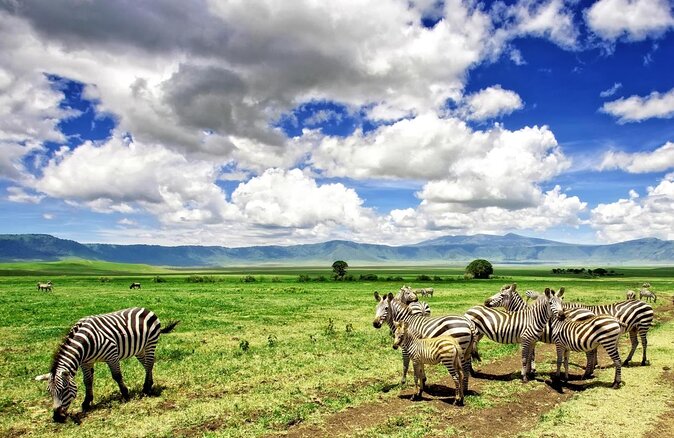
- Seasonal migration timing: December to February can bring large herds of wildebeest and zebra
Longer northern circuit routes, side by side
- Big Five Safari In Tanzania★ 5.0 · 99 reviews
- Unforgettable Tanzania Safari And Zanzibar Beach★ 5.0 · 97 reviews
- 8-Day Essence of Tanzania Safari – Luxury★ 5.0 · 72 reviews
- 4-day Tanzania Safari★ 5.0 · 53 reviews
The Northern Safari Route That Actually Feels Like a Story
This is the classic northern circuit, but with a smart order. You start near Kilimanjaro, warm up with Arusha National Park, then work your way through Tarangire and Lake Manyara before landing in Serengeti for the big plains. From there, you finish with the dramatic bowl of Ngorongoro Crater.
For you, the value is simple: each stop has a different “camera setting.” Arusha brings crater wildlife and high views of Mount Meru. Tarangire is its own world with the river draw. Lake Manyara is about birds and the chance of tree-climbing lions. Serengeti is the open-grassroom for lions, cheetahs, and everything in between. Ngorongoro is the natural amphitheater where animal sightings tend to cluster because the crater walls limit where they move.
Landing in Kilimanjaro and Getting Ready the Right Way (Day 1)
Day 1 is built around a stress-free arrival. If you come into Kilimanjaro International Airport (JRO), a safari driver meets you and transfers you to Moivaro Coffee Lodge in Arusha, on the coffee farms. That location matters. It’s not a generic hotel stop, it’s a calmer place to reset your body clock before safari days begin.
You also get two practical things that make the rest of the trip smoother. There’s a pre-safari briefing plus an equipment check, so you’re not figuring out camera straps and power banks after you’re already in the parks. And you confirm your mandatory medical coverage and travel insurance. It sounds formal, but it’s a good habit in Tanzania, where conditions and access can vary.
That’s the vibe: laid-back afternoon at the lodge, then you’re organized for the long days ahead.
Arusha National Park: Ngurdoto Crater, Flamingos, and a Picnic Lunch (Day 2)
On Day 2 you head into Arusha National Park for the “warm-up safari.” The park is small, only about 53 square miles, but it’s not empty. It’s a nice example of how Tanzania can deliver wildlife without needing an all-day slog.
Here’s what you’re looking at, based on the route: buffalo in the spectacular Ngurdoto Crater, flamingos at the Momela Lakes, and the imposing presence of Mount Meru. If you like animals with a side of variety, this day hits it well. You can also encounter giraffe and zebra, plus colobus monkeys, hyenas, and the possibility of leopards.
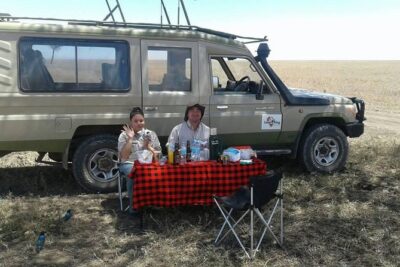
The picnic lunch is one of those details that turns a drive into a real break. Instead of eating while standing by the vehicle, you get a proper lunch stop with views over wooded savannah and rolling hills. If you’re traveling with kids or you want an easier “first wildlife day,” this is a good choice because it’s full, but not overwhelming.
Main consideration: because Arusha is closer and the sightings are more mixed than in Serengeti, you should keep expectations realistic. This day sets you up for the bigger parks, not to recreate the Serengeti experience.
More camping safaris at this price
Tarangire National Park: River Concentration When the Dry Season Bites (Day 3)
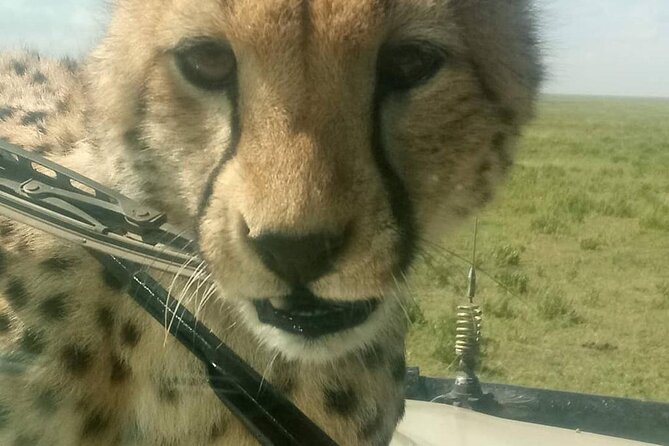
Tarangire is the kind of park that makes you glad you started early on this route. It’s smaller, but it’s famous for the way animals gather around the Tarangire River, especially in the dry seasons when water is limited.
Your game viewing here is often excellent because the concentration effect is real. You spend the day in and around the best sightings areas, then you overnight outside the park at Eileen’s Trees Inn Lodge, which offers stunning views and a unique atmosphere.
Staying just outside the park is a practical advantage. It tends to reduce stress, and you can slide into the rhythm of safari without losing time to extra logistics.
What to consider: Tarangire is very seasonal in what you notice most. If you’re going at a different time of year than the dry-season peak, you might still see plenty, but the “river draw” effect may not be as strong.
Lake Manyara: Birds First, Then the Lion Story (Day 4)
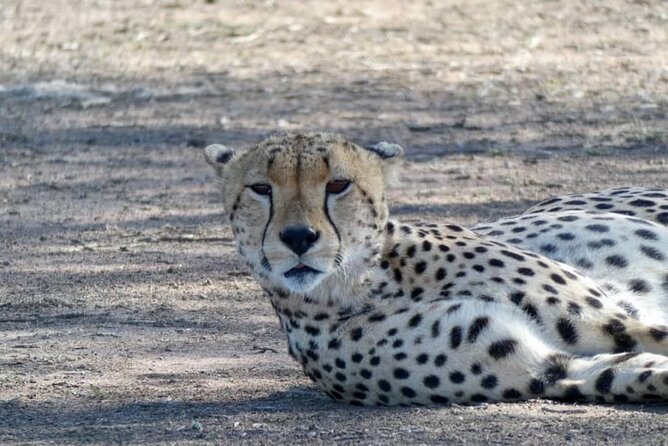
Lake Manyara National Park is smaller than the giants, but it can be rewarding. This day is designed as a full day of game drives, and the emphasis is clear: you’ll spend time on the lakeshore for birdlife, with the possibility of one of Tanzania’s more unusual lion behaviors.
The itinerary points out tree-climbing lions as a real possibility. That doesn’t mean they’re guaranteed, but it tells you where to look and what to listen for, because the terrain and search pattern matters.
You’ll also see other large mammals, and the Rift escarpment cliffs create a dramatic backdrop for photos. Even if you’re not a professional photographer, those cliffs help you understand the geography of where animals are moving and why.
The late afternoon matters too. After your game drives, you take a short journey to Marera Valley Safari Lodge, then settle in for dinner and overnight. That transition day structure is good. You get a long wildlife day, then you’re not driving into the night.
Serengeti Days and Olduvai Gorge: Science Stop Before the Plains (Day 5)
Day 5 is your shift from “variety safari” to “Serengeti safari.” You drive toward Serengeti, and en route there’s an opportunity to visit Olduvai Gorge, where Louis and Mary Leakey made important archaeological discoveries in the 1950s.
It’s not a long detour, but it adds real texture. You visit a small museum and see evidence of human ancestors dated back 2.5 million years. That context can make the whole safari feel deeper, because you’re seeing land that has shaped lives for far longer than modern national parks.
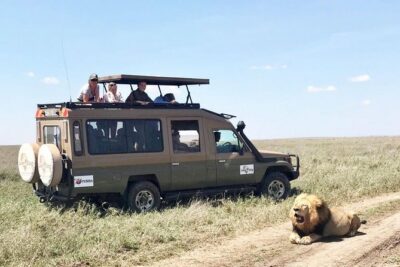
After lunch, you drive into the Serengeti and spend the afternoon game viewing across vast plains broken by stands of acacia trees and occasional kopjes. If you’re hoping for the big cat moments, Serengeti is where your odds climb because it’s open enough to spot movement at distance.
Seasonal note that actually helps you plan your expectations: in December, January, and February, you normally meet the wildebeest migration with large herds of wildebeest and zebra. If your dates land in that window, expect a lot more animal energy and predator opportunity.
Two Full Serengeti Days: When You Can Stop Chasing (Days 6)
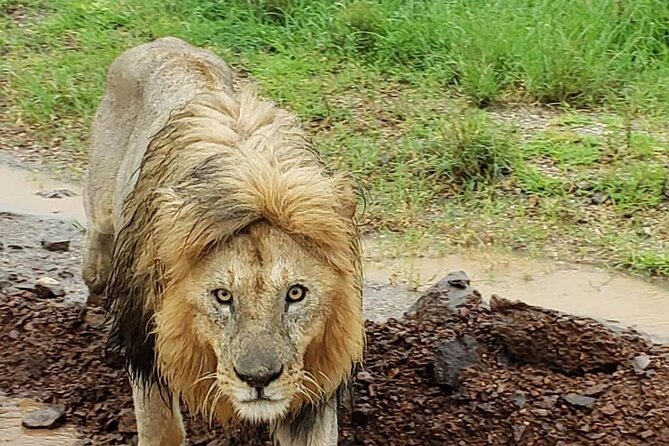
Day 6 is another full day in Serengeti, with an early start so you can get the best of the morning light and animal activity. This is a practical approach because Serengeti sightings often come from hours, not minutes. One good drive doesn’t guarantee everything, but two days gives you time to adjust.
The day’s goal is clear: see the plain games like elephants, giraffe, zebra, wildebeest, lions, and if you’re lucky, leopard and cheetah. You’ll also have birdlife to watch for, including secretary birds and even the flightless ostrich.
What I like here is that the itinerary doesn’t treat Serengeti like a checklist. It treats it like a place you learn while you’re there. With a private guide, you’re not stuck with a one-size-fits-all schedule. Your guide can point out tracks, behavior, and why the animals might be in one area rather than another.
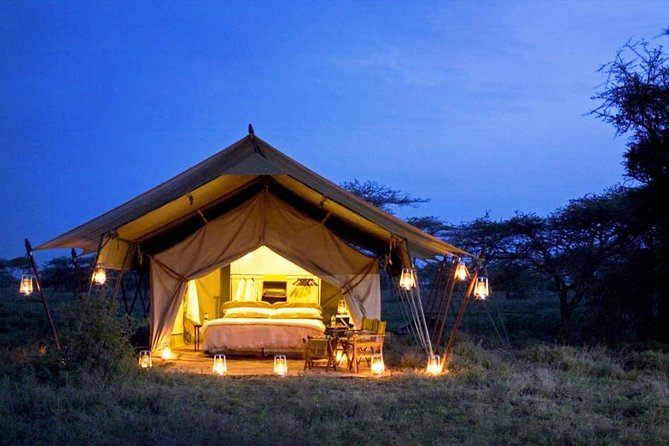
At night you return to Serengeti Kati Kati Tented Camp for dinner and overnight. This is where your “tents and stars” part comes in, but you still get full board so you’re not hunting for meals after a long day.
Ngorongoro Crater: Early Descent and the Missing Giraffe Fact (Day 7)
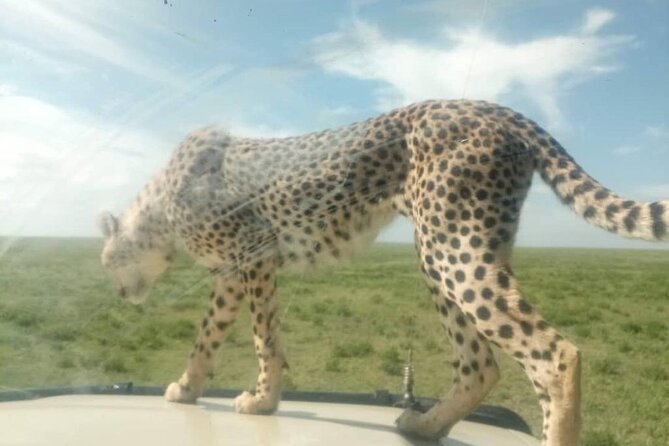
Day 7 is the morning game drive, then the real event: Ngorongoro Conservation Area and the descent into the crater. The crater walls create a natural sanctuary. Translation for you: animals often seem more concentrated, and the crater setting can make the whole drive feel more like a contained ecosystem than open wilderness.
Once you’re inside, you’re looking for lions, elephants, buffalo, rhino, and leopard, with sightings depending on your luck and where your guide steers you. This is one of those days where the terrain itself helps you, because the crater channels where animals can be.
A fun detail that also helps set expectations: giraffe are the one animal you likely won’t see in the crater. The long legs don’t work with the steep crater sides. That’s the kind of information a guide can use to help you focus on what’s realistic once you’re down there.
In the late afternoon you drive out to Ngorongoro Kirurumu Tented Camp for dinner and overnight. That keeps your night outside the crater area and avoids doing long descents and climbs right before sleeping.
Wrapping Up in Arusha: Village Experience and a Maasai Market Stop (Day 8)
Day 8 is your decompress day after the northern safari. You get a free morning to relax or explore Arusha town, especially the Maasai market.
That’s a smart end. After days of wildlife windows, it’s nice to have a slower start where you can stretch, shop for small souvenirs, and soak in day-to-day life.
Then you get the return transfer to Kilimanjaro International Airport (JRO) after the safari. For you, that matters because it prevents an awkward scramble at the end of the trip. You can plan flights with a little more confidence.
Where the Comfort Really Comes From: Lodges, Tented Camps, and Meals Included
This safari uses a mix of comfortable lodge stays and tented camp nights. The details included here emphasize comfort with structure: meals and mineral water are covered, and you’re on a full-board setup on most park nights (with dinner and breakfast each day, plus lunch where listed).
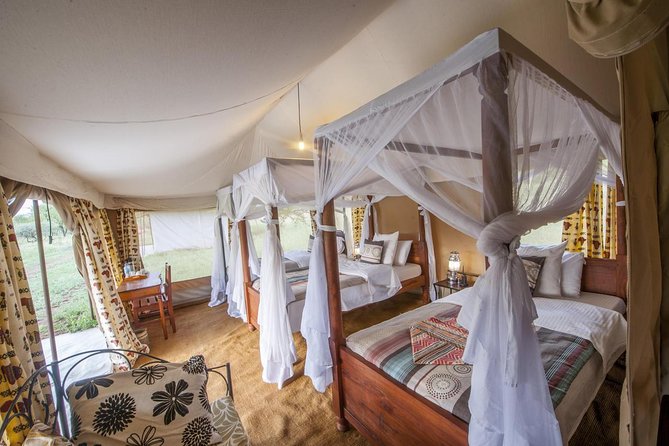
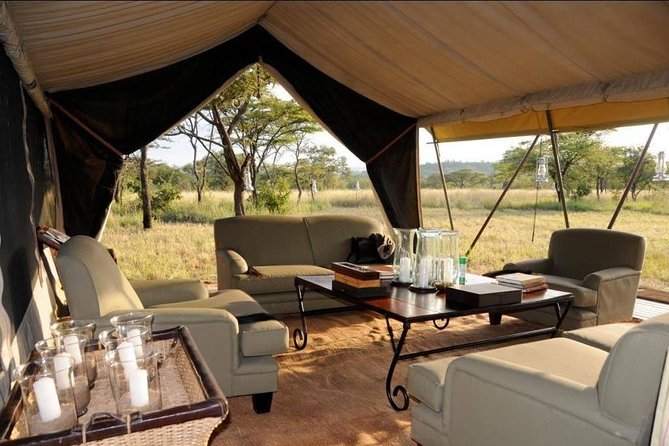
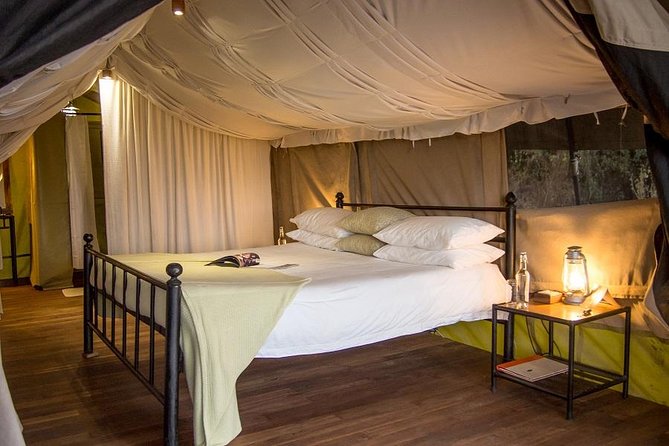
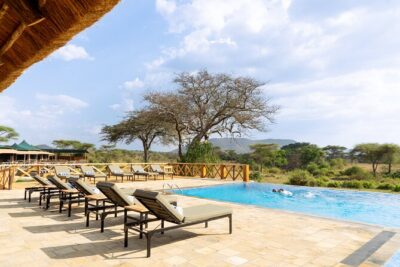
So what does “tented camp” mean in practice? In this package, it means you’re sleeping in a safari-style setting, typically with proper comfort and the basic amenities you need to recharge. It’s not rough camping, and it’s not a city hotel either. You’re choosing the atmosphere: closer to the feel of safari at night.
The balanced part is that your days do not revolve around hunting down food. When you finish game drives, dinner is waiting. You can focus on the wildlife, not on logistics.
Private Guide Benefit: More Than Convenience
The tour is private, meaning only your group participates. That changes how safari days feel.
You get more flexibility with your timing, and your guide can adjust where you go based on sightings and conditions. It also helps with comfort. You’re not riding around while strangers react differently to the same animal spot. Your group can have a consistent pace, and you can spend longer on interesting moments instead of packing up because someone else’s child is tired.
In the feedback used to shape this kind of experience, names like Rama and Emmanuel show up as standout guides. The common thread is not just spotting animals, it’s making you feel safe and comfortable in the vehicle all day, with a motivating, supportive vibe.
And yes, that matters. Game driving is long. Good guidance makes the difference between surviving the day and enjoying it.
Price and Value: Is $3,400 Fair for This Route?
At $3,400 per person for an eight-day safari, the big question is value, not just cost.
What you’re getting for the money is substantial:
- A private tour with a professional guide
- Private transportation and all transfers
- Accommodation throughout
- Fully game driving with equipped vehicles
- Meals included (breakfast, most lunches, and dinners as listed)
- Mineral water
- All fees and taxes
That “all-in” structure is where your value comes from. When park fees, transportation, and meals are included, you’re not constantly negotiating add-ons. You can budget for tips and personal spending, then enjoy the big-ticket parts without surprise bills.
The best-fit travelers are people who want the northern circuit without sharing vehicles with strangers, and who understand that safari is a full-day rhythm: drive, scan, stop, watch, repeat.
Who This Safari Suits Best
This is a strong match if you:
- Want a classic Tanzania northern safari in one trip
- Prefer private game drives over group shuttles
- Like a mix of wildlife and short, meaningful cultural or educational stops
- Are okay with early mornings and long drives between parks
It’s also a good choice if you’re traveling as a family or mixed-age group. The day structure is steady, and the picnic and lodge breaks help everyone reset.
If you hate driving days or you need a completely relaxed pace with minimal road time, you might find the schedule more intense than you want.
Should You Book This 8 Days Tanzania Adventure Safari?
I’d book it if you want the Tanzania big-hits route, but you also want it to feel organized and guided rather than chaotic. The parks you visit are the heavyweights, and the itinerary gives you real time in Serengeti, not just a quick hit.
You should think twice if you’re sensitive to early starts and prefer a slower, fewer-park approach. This trip is designed to cover a lot, and that means you’ll be awake and scanning for animals for a good chunk of the day.
If you do book, plan your packing around comfort for game drives, bring sun protection, and keep your schedule flexible for the wildlife itself, because sightings are never guaranteed.
FAQ
What locations and parks are included on this safari?
The safari runs from Arusha and includes game drives in Arusha National Park, Tarangire National Park, Lake Manyara National Park, Serengeti National Park, and the Ngorongoro Crater area (Ngorongoro Conservation Area).
Is this tour private?
Yes. It is a private tour/activity, so only your group participates.
What’s included in the price?
The package includes all fees and taxes, private transportation, all transfers, all accommodation, a professional guide, fully game driving, mineral water, and meals including breakfast (8) and dinner (7), plus lunch (7) where listed.
What accommodation style should I expect?
You’ll stay in a lodge or tented camp accommodation. The itinerary specifies stays like Moivaro Coffee Lodge in Arusha and tented camps such as Serengeti Kati Kati Tented Camp and Ngorongoro Kirurumu Tented Camp.
When might I see the wildebeest migration?
The itinerary notes that in December, January, and February you will normally meet the migration with large herds of wildebeest and zebra.
Is free cancellation available?
Yes. You can cancel up to 24 hours in advance for a full refund. If you cancel less than 24 hours before the start time, the amount you paid will not be refunded.
More Under Canvas
- 5 Days Camping Tarangire, Serengeti & Ngorongoro crater & Visiting Maasai
★ 5.0 · 58 reviews - 4 Days Group Joining Camping Safari to Tarangire Serengeti Ngorongoro Crater
★ 5.0 · 50 reviews - 4 days adventure camping safari
★ 5.0 · 44 reviews - 6 Days Tanzania Budget Camping Safari with Migration
★ 5.0 · 31 reviews - 5 days Tanzania Camping Safari
★ 5.0 · 29 reviews
Longer Trips Through the North
- Big Five Safari In Tanzania
★ 5.0 · 99 reviews - Unforgettable Tanzania Safari And Zanzibar Beach
★ 5.0 · 97 reviews - 8-Day Essence of Tanzania Safari – Luxury
★ 5.0 · 72 reviews - 7-Day Magical Tanzania Safari -Premium High End Package
★ 5.0 · 53 reviews - 4-day Tanzania Safari
★ 5.0 · 53 reviews
Just added from around Moshi
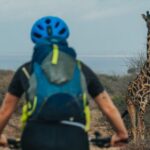
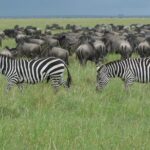
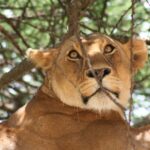
Multi-Day Northern Circuit Safari Packages, compared.
 ★ 5.07-Day Premium Luxury Tanzania Safari All-InclusiveFrom $4,840426 reviews
 ★ 5.0Tanzania Wildlife Encounters – 6 DaysFrom $3,413277 reviews
 ★ 5.0Group Safari 7 Days in Tanzania’s Main ParksFrom $3,000240 reviews
 ★ 5.04 Days Join Group tour Tarangire Serengeti and Ngorongoro craterFrom $1,090219 reviews
 ★ 5.05-Day Private Northern Tanzania Safari from ArushaFrom $2,780182 reviews
 ★ 5.05 Days Best of Tanzania Luxury Safari Northern CircuitFrom $3,744174 reviews
 ★ 5.08 Day Spectacular Migration Serengeti mid -Range Tanzania SafariFrom $4,257161 reviews
 ★ 5.0Multi-Day Tanzania Odssey Safari from ArushaFrom $4,164120 reviews
Browse the lists this tour appears in