
REVIEW · 5-DAY EXPERIENCES
5 Days Tanzania Private Safari Tour
Five days, three major parks, one crater. This Moshi-based private safari is a strong mix of wildlife drives and culture stops, and I like that you get variety fast across Lake Manyara birds, Serengeti big-game country, and the Ngorongoro crater. The main trade-off is the schedule feels busy, so expect long driving days and early starts, with less slow travel time.
Two things I really like: the route hits big Tanzania highlights rather than padding days, and the inclusions are clear, with meals, park fees, and airport transfers built in. You should also know one possible drawback up front: some activities are set-time experiences, like museum and crater viewing, so you do not have full free-form flexibility if you want to linger only where animals are best.
I found the best value in how the day structure is timed around safari time: mornings get you into the parks, afternoons shift to sites like Olduvai Gorge or crater viewing, and evenings land you at your lodge for dinner. If you’re pairing this with other plans, it helps to know the starting meeting point is Kilimanjaro Airport around 7:30 am, so the trip rhythm is designed for that early pickup.
In This Review
- Key highlights to know before you go
- Meeting in Moshi country, starting at Kilimanjaro Airport
- Day 1: Arusha to Lake Manyara for birds, forest, and a Maasai market stop
- Day 2: From Lake Manyara into Serengeti, then Olduvai Gorge history
- Day 3: Serengeti early for big-game odds and the Serengeti hippo pool
- Day 4: Ngorongoro crater, the 600-meter descent, and a chance at black rhino
- Day 5: Tarangire half-day safari plus Mto wa Mbu culture on the way back to Arusha
- Price and what $2,900 really buys you for 5 days
- Private safari pacing: what the schedule feels like day to day
- What to pack and how to prepare for these parks
- Sustainability and local culture stops that feel purposeful
- Should you book this 5-day Moshi private safari?
- FAQ
- Where does this safari start?
- Is this a private tour?
- What parks are included in the 5 days?
- Are park fees and other admissions included?
- Are meals included?
- What about airport transfers and transportation?
- What is not included in the price?
- Can I cancel for a full refund?
Key highlights to know before you go
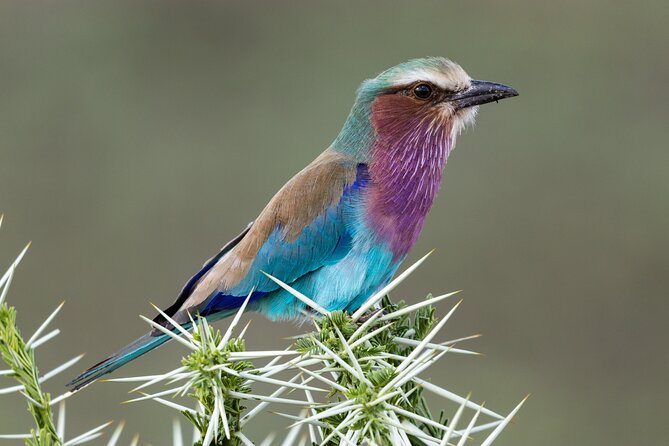
- Lake Manyara’s birdlife: flamingos and water birds, plus woodland and forest areas where large mammals can show up.
- Maasai Market craft time: see how jewelry and local baskets are made, and buy directly on the way to the park.
- Olduvai Gorge Museum: a focused historical stop after your Serengeti move.
- Serengeti early start: a full morning window aimed at big-game country, then a calmer late-day lodge return.
- Ngorongoro’s 600-meter descent: crater floor driving in a dense ecosystem, with a chance at rare wildlife like black rhino.
- Tarangire and Mto wa Mbu culture: a half-day safari finish plus market and village culture before heading back.
Still weighing it up? These Moshi trips came out well when we reviewed them.
- Kilimanjaro climb by Lemosho Route (7-day)★ 5.0 · 651 reviews
- Safari Serengeti And Ngorongoro★ 5.0 · 288 reviews
- Kilimanjaro climb, Machame Route (7-day)★ 5.0 · 262 reviews
- Kilimanjaro Climbing Lemosho Route 8 Days.★ 5.0 · 186 reviews
Meeting in Moshi country, starting at Kilimanjaro Airport
This safari is set up for convenience the moment you land. Your day starts at Kilimanjaro Airport with a pickup and a safari briefing, then you drive out toward the parks. The listed start time is 7:30 am, which tells you this is built for efficient park days rather than leisurely arrivals.
Because it’s private transportation, you’re not waiting around for other groups to roll in. That matters in Tanzania, where timing can affect how much quality game-driving you get before lodge check-in and evening routines.
One practical note: the tour is “near public transportation,” which is fine if you’re curious and want flexibility, but the core experience is still private, so you should plan on staying with the vehicle schedule you’re given. You’ll feel the structure quickly, especially on days with long drives and multiple stops.
Day 1: Arusha to Lake Manyara for birds, forest, and a Maasai market stop
Day 1 is about easing into safari with a park that packs in different habitats. You land, do a briefing, then head to Lake Manyara National Park for a full day of game driving. Manyara is smaller than the major headline parks, but it’s not small on variety.
Here’s what your drive is built to cover:
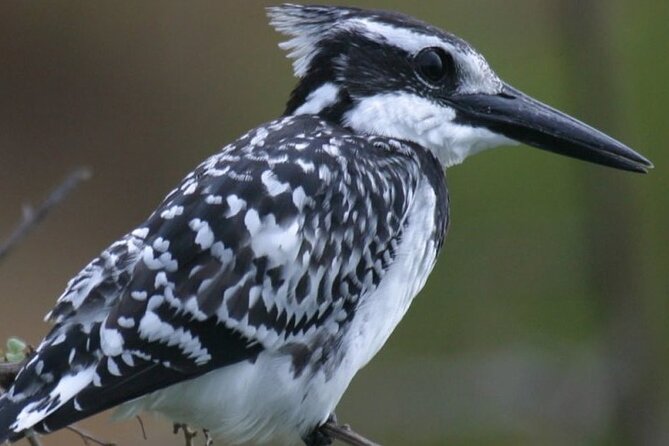
- Lake shore areas where the water can bring birds such as flamingos and other water birds.
- Forest and underground water areas, where animals like elephants and antelopes may show up.
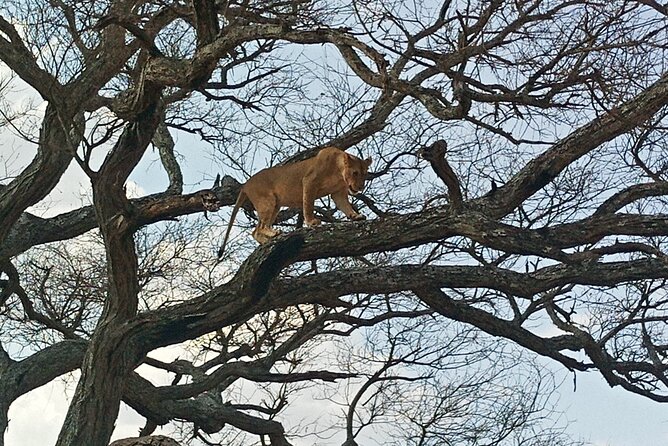
- Savanna woodland, where you might spot giraffes and more grazing wildlife.
In late afternoon, the day shifts gears to culture with a Maasai Market stop. You’ll see Maasai crafts and items like jewelry and local baskets being made, and you can buy along the way. This is a good way to break up a safari day without feeling like you’ve been herded into a generic shopping stop.
The “watch it” part of Day 1 is energy. You’ll do wildlife driving first, then market time, then dinner and overnight at your accommodation. If you hate moving on day one, you might prefer a slower itinerary. But if you want to start seeing Tanzania right away, this day works.
Day 2: From Lake Manyara into Serengeti, then Olduvai Gorge history
Day 2 starts with breakfast and continues the safari jump. You do more driving around the Crater rim and then move on toward the central Serengeti area, with Seronera as a named focus. The point of that area is simple: water draws wildlife, and wildlife draws sightings.
Then you’re into the “why Serengeti matters” zone. The route description is aimed at the animals and the motion of the ecosystem, not just a checklist. You’re looking at the kinds of sightings that put Serengeti on people’s bucket lists, including big-game species and the broader mix of predators, grazers, and birds in the Masai Mara ecosystem context.
After Serengeti time, you head to Olduvai Gorge Museum for a historical tour. This is a nice balance day: you go from animal country to human history, then reset for the next safari push. It’s also a smart change of pace. Even if you’re a pure wildlife person, a museum stop gives your brain something to chew on besides scanning the grass for movement.
The consideration here is time after a full day in the vehicle. Museum time is typically easier than a long safari drive, but you may still feel the day is packed. If you’re prone to motion sickness, it’s worth being prepared, since Tanzania routes between parks tend to use road time heavily.
Day 3: Serengeti early for big-game odds and the Serengeti hippo pool
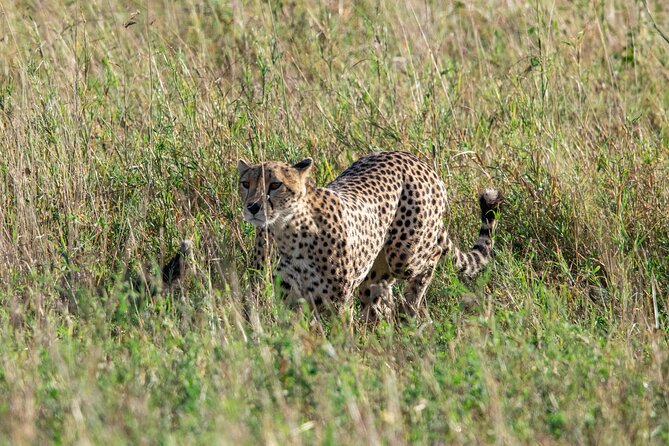
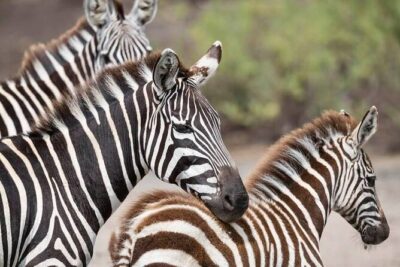
Day 3 is your classic full-on Serengeti day. You start early in the morning, which is key because wildlife activity often lines up with cooler hours and better visibility. This is where the description leans into the idea of Serengeti as home of the big-game experience, with the chance of spotting animals such as giraffes, cheetahs, hyenas, antelopes, wildebeest, and zebra, along with birds, baboons, monkeys, and hippos.
Late afternoon, you head back to your lodge for dinner and overnight. That rhythm helps. You get the best part of the day for driving, then you’re not scrambling at night.
The second stop is Serengeti Hippo Pool, which is another named activity on the list. It’s a helpful option if you love “wildlife behavior” more than just animal portraits. A hippo pool is about watching how these animals use water and space, and it keeps the day from being only about driving endlessly.
Drawback to keep in mind: even with early starts, sightings are never guaranteed on any safari. What you can control is how much time you’re given in habitat, and this day gives you a long block of Serengeti time plus an additional wildlife stop. That’s exactly what you want from a compact 5-day trip.
Day 4: Ngorongoro crater, the 600-meter descent, and a chance at black rhino
Day 4 is the “wow, this feels different” day. After breakfast you head toward Ngorongoro Conservation Area, then you descend 600 meters into the crater floor for game drive. That descent is not just dramatic, it changes the whole feel of the day, because crater floors bring dense ecosystems into one visible zone.
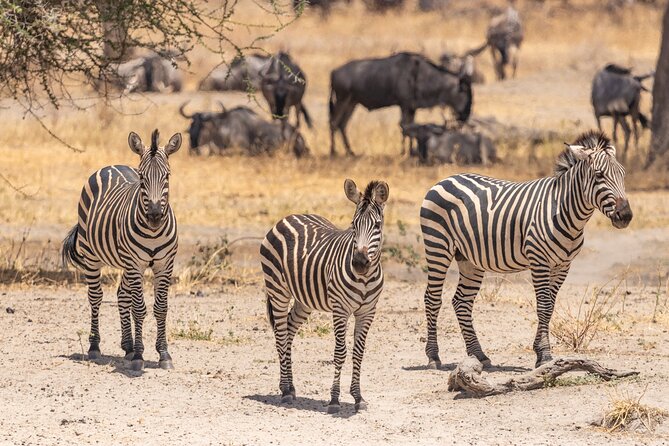
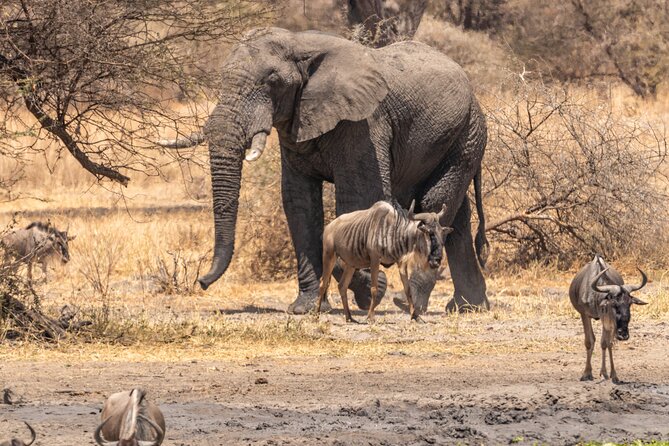
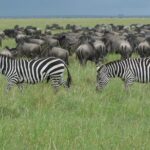
Your driving focus inside the crater includes wildlife supported by water and fodder. The listed animals are the kind you hope for in high-density terrain: herds of wildebeest, zebra, buffalo, eland, warthog, hippos, and giant African elephants. That combination matters, because you’re more likely to see multiple species in a smaller area compared to wider open plains.
The description also highlights the chance of black rhino in their natural habitat, noting it is among the few areas where you can see them in the wild. That line is important, because it sets expectations correctly. You’re not promised a specific sighting, but you’re in a place with rare opportunity.
In addition to the game drive, there’s also crater viewing activity. That helps you slow down for a moment and take in the scale of the crater itself, not only what’s happening on the road.
Practical consideration: crater days can be cool and visually intense. You’ll be looking down into a big bowl of life, so bring layers and keep your camera ready, especially for wide views after the descent and for close animal moments during the drive.
Day 5: Tarangire half-day safari plus Mto wa Mbu culture on the way back to Arusha
Your final day keeps the safari theme but shifts toward a softer landing. You start with a half day in Tarangire National Park with a game drive. Tarangire is a smart choice for a last day because it gives you one more chance at wildlife without the pressure of trying to cover too much ground before you fly or continue onward.
On the way to Arusha, you visit Mto wa Mbu for a cultural tour and local market tour. This is a good bookend to the Maasai Market on Day 1. The experience on Day 5 is more about everyday life and local commerce, and it gives you a chance to see how people live beyond the park gates.
Then you either head to the airport for your flight or you stay overnight, depending on what you’ve planned.
If you want one more piece of advice before you go, it’s this: reserve some energy for the last cultural stop. Many people come home tired but happy, and that market time is often where the trip turns from photos into stories you can actually tell.
Price and what $2,900 really buys you for 5 days
At $2,900 per person, this safari sits in the “private and all-in” category for Tanzania. The value comes from what’s included, not just the label of private.
What’s included in the price:
- Private transportation
- All fees and taxes
- Transfer from and to the airport
- Meals: dinner (4), breakfast (4), lunch (5)
That matters because safari costs can balloon when park fees, vehicle arrangements, and meals get added later. Here, the structure is set so you can budget once.
What’s not included:
- Visas
- International flights
- Tips and gifts
The biggest practical takeaway is that you should budget for your visa and your flight planning separately, and you should decide in advance what you’ll do for tips. That way, there are no awkward surprises at the end.
For who the price works best:
- If you want your own vehicle and a schedule built around your time, this is a clean fit.
- If you hate administrative planning, the list of inclusions helps you focus on the experience.
- If you’re traveling solo and don’t want to share a vehicle, private cost can make sense fast.
The only caution is that the itinerary is fairly packed, so this is better if you can handle a tight travel rhythm. If you’re the type who wants long lodge afternoons and slow mornings, you may feel the schedule squeezing your downtime.
Private safari pacing: what the schedule feels like day to day
This tour is built around a common safari rhythm:
- morning drive time to maximize your park hours
- afternoon shifts to a specific activity, like the museum or crater viewing
- evenings at your lodge for dinner and overnight
The durations in the plan are helpful for setting expectations. You’ll see blocks like 4 hours at some parks and activities, 6 hours in Serengeti on one day, plus additional driving and site time. That mix is meant to keep you in animal habitat long enough to feel satisfied in a short window.
Because it’s private, you also have some advantage over group travel. You’re less likely to deal with delays from other vehicles or different pacing styles. You still follow the plan, but your day is not being reshaped constantly by strangers.
From the experience side, one of the most praised elements from communication to the guides is how smoothly everything gets handled from the start. Names that come up in that feedback include Jesca and Charles for communication, and safari guides such as Evans and Abu, plus a mountain guide named Sebastian in a separate trip context. I can’t say which guide you’ll get on your dates, but the pattern is consistent: clear messages before arrival, and a guide who pays attention to your needs.
What to pack and how to prepare for these parks
Because the itinerary spans Lake Manyara, Serengeti, Ngorongoro, and Tarangire, you should prepare for changing conditions, not just one weather pattern. The provided details do not list exact temperatures, but your best bet is to pack layers for vehicle time and possible cooler crater moments.
I’d focus on:
- Neutral safari clothing (easy to wash, comfortable for sitting)
- Good sun protection (hat or cap, sunglasses, sunscreen)
- A camera strap you trust (you will be reaching and aiming constantly)
- Light rain protection in case conditions shift
- Small day bag for water and essentials
Also, keep expectations grounded. This itinerary is designed to maximize your chances by giving you multiple park days and named wildlife areas. But wildlife is wild. The value here is the time you’re given in prime locations and the way the days are structured so you do not lose whole mornings to logistics.
Sustainability and local culture stops that feel purposeful
The overview mentions a commitment to sustainable tourism, and the itinerary supports that idea in a practical way. You get market and craft stops that focus on local making and local life, like Maasai crafts and jewelry on Day 1 and Mto wa Mbu culture and a market on Day 5.
Those stops can feel real when the pace is right and you’re not rushed. Here, they appear as planned breaks rather than a last-minute add-on. That’s the difference between culture as a checkbox and culture as something you can actually notice.
If sustainability matters to you, I’d treat those moments as part of your safari, not an interruption. Buy responsibly, ask questions if you’re invited to, and respect how the people around you want to interact. Simple behavior goes a long way.
Should you book this 5-day Moshi private safari?
If you want a Tanzania circuit that hits Lake Manyara, Serengeti, Ngorongoro Crater, and Tarangire in just 5 days, this is a strong plan. The private setup, the included park fees and taxes, and the meal coverage are the big wins, especially at a price point where you’d otherwise be paying extra for the basics.
Book this if:
- you value organized timing with airport transfer and private transport handled
- you want a mix of wildlife drives plus culture stops
- you prefer fewer moving parts and clear inclusions
Skip or reconsider if:
- you need lots of downtime and hate a packed schedule
- you dislike being on the road between major sites
- you want maximum flexibility to linger in one area without shifting to the next planned activity
If your goal is a fast, high-impact Tanzania safari with solid structure and thoughtful local add-ons, I’d say this is the kind of trip that does what it promises, and then some.
FAQ
Where does this safari start?
It starts at Kilimanjaro Airport with a safari briefing and pickup, listed with a start time of 7:30 am.
Is this a private tour?
Yes. It’s described as a private tour/activity, meaning only your group participates.
What parks are included in the 5 days?
The safari includes Lake Manyara National Park, Serengeti National Park, Ngorongoro Conservation Area (Ngorongoro Crater), and Tarangire National Park.
Are park fees and other admissions included?
Yes. The tour lists all fees and taxes as included, with specific admissions marked included for sites like Olduvai Gorge Museum, Serengeti Hippo Pool, and Ngorongoro crater viewing, plus Maasai Market.
Are meals included?
Yes. The tour includes breakfast (4), lunch (5), and dinner (4).
What about airport transfers and transportation?
Both are included. The tour includes private transportation and transfers from and to the airport.
What is not included in the price?
The tour lists visas, international flights, and tips and gifts as not included.
Can I cancel for a full refund?
Yes. You can cancel up to 24 hours in advance for a full refund, based on the experience’s local time.
Just added from around Moshi
5-Day Experiences, compared.
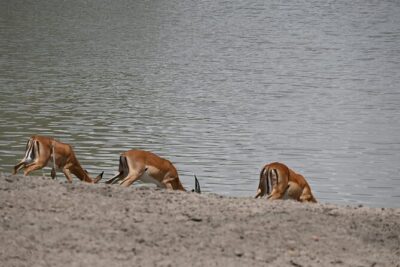 ★ 5.05 Days Group Camping SafariFrom $1,100730 reviews
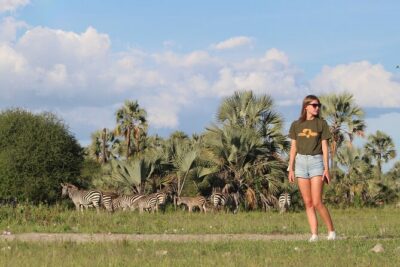 ★ 5.05-Day Highlights mid-Range Crater, Serengeti, TarangireFrom $2,327296 reviews
 ★ 5.05 Days Camping Tarangire, Serengeti & Ngorongoro crater & Visiting MaasaiFrom $1,254229 reviews
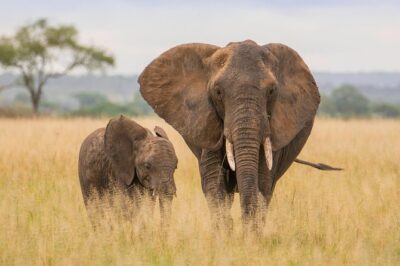 ★ 5.0Tanzania Simba Safari – 5 DaysFrom $2,897217 reviews
 ★ 5.05 Days Budget Private Safari, TanzaniaFrom $0191 reviews
 ★ 5.05-Day Private Northern Tanzania Safari from ArushaFrom $2,780182 reviews
 ★ 5.05 Days Best of Tanzania Luxury Safari Northern CircuitFrom $3,744174 reviews
 ★ 5.05-Day Private midrange Tour in Arusha with Airport PickupFrom $3,600160 reviews
Browse the lists this tour appears in