
REVIEW · TANZANIA CAMPING AND BUDGET SAFARIS
Unforgettable 5 days Tanzania Private Budget Camping safari
Camping in Tanzania turns wildlife into your soundtrack. This 5-day private budget safari from Arusha strings together Tarangire and Serengeti, plus Ngorongoro Crater and Lake Manyara, so you get big-park variety without a luxury price tag.
I love the way the days are built for sightings, especially with two Serengeti game drives and a full focus window for the crater later on. I also like the camp rhythm, where campfire-style dinners and sleeping near nature make the trip feel less like a checklist and more like a real safari week.
The main tradeoff is comfort level and long driving days, since this is a budget camping setup with early starts. If you want a slow pace or hotel-level beds every night, you might find this style demanding, even though it’s well organized.
In This Review
- Key highlights at a glance
- Is this Tanzania private budget camping safari actually good value?
- The 8:00 am Arusha start, long park days, and what to expect
- Tarangire National Park: baobabs, elephants, and a camp-night reset
- Serengeti: why two days matter for lions, plains, and the Great Migration (seasonal)
- Ngorongoro Crater day: UNESCO caldera, dense wildlife, and the full-day payoff
- Lake Manyara: tree-climbing lions and a park that rewards patience
- Maasai culture as the emotional high point (and how to get more from it)
- Camping, meals, and what “budget” really means in practice
- Wildlife reality check: Big Five chances, but no guarantees
- Price and the extras you still need to plan for
- Should you book this 5-day budget camping safari?
- FAQ
- What parks are included in this 5-day safari?
- Is pickup available from Arusha?
- What time does the safari start?
- Is this tour private?
- Are meals included?
- Are park admissions included in the price?
- What is included and not included besides meals and guiding?
- Are mobile tickets provided?
- Can I cancel and get a refund?
Key highlights at a glance
- Four Tanzania parks in five days with a logical route from Arusha outward
- Serengeti twice to improve your odds for predators and (seasonal) Great Migration moments
- Ngorongoro Crater day trip with a full-day descent for dense wildlife
- Lake Manyara and tree-climbing lions in a park known for unusual behavior
- Maasai culture is a real focus, with lots of interest in meeting local people and learning their traditions
- Private safari feel, since it is set up for only your group
More camping safaris at this price
- 4 Days Group Camping Safari★ 5.0 · 1,101 reviews
- 5 Days Group Camping Safari★ 5.0 · 730 reviews
- 3 Days Serengeti & Ngorongoro Group Camping Safari★ 5.0 · 574 reviews
- 5 Days Camping Tarangire, Serengeti & Ngorongoro crater & Visiting Maasai★ 5.0 · 229 reviews
Is this Tanzania private budget camping safari actually good value?
At about $2,088 per person, this 5-day safari lives in the “serious wildlife, practical budget” lane. For many people, the value here is not just that you are paying less than a high-end lodge safari, but that you are still covering the big hitters: Tarangire, Serengeti, Ngorongoro Crater, and Lake Manyara.
You also get what really drives the safari experience: an experienced professional tour guide plus multiple included meals. That matters because a safari is expensive mostly because of time, logistics, and park access. In this package, you are getting the structure to spend your best hours in the parks rather than figuring out transport on your own.
One more value point: because it is private, you do not have to fight the schedule or crowd energy of a shared group. You can move with your guide’s plan, and your day-to-day pace feels more personal.
The 8:00 am Arusha start, long park days, and what to expect
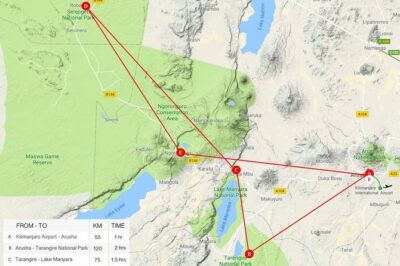
Your day begins at 8:00 am in Arusha, and then the trip moves like a classic safari road plan: drive, game drive, camp, repeat. The park time is substantial, with days around 6 to 8 hours of activity, depending on where you are going.
Here is how I’d frame it for you: the schedule is intense, but it is built for wildlife. Predators often show well in the cooler hours, and the most dramatic moments in places like Serengeti and Ngorongoro happen when you are on the ground early enough to read the animals’ rhythms.
If you are the type who likes to wander slowly and take a lot of breaks on your own, you may need to adjust expectations. But if your goal is maximum time spotting animals across multiple parks, this kind of timing is exactly what you want.
Also, the package includes pickup offered, and you return to the meeting point at the end. That simplifies the “how do I get there” headache that can otherwise add stress and hidden costs when you plan a safari yourself.
Tarangire National Park: baobabs, elephants, and a camp-night reset
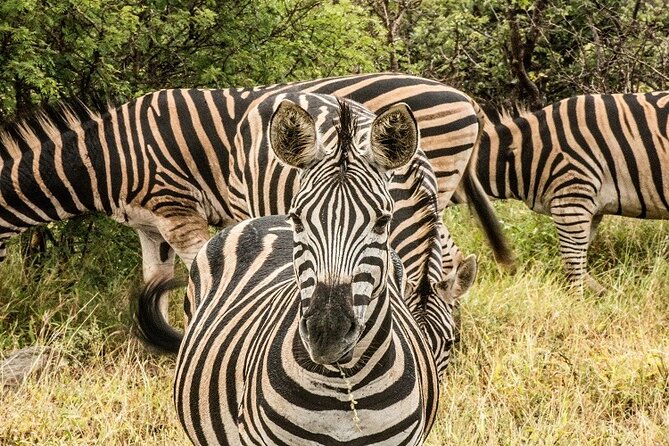
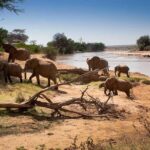
Day one points you toward Tarangire National Park, famous for its big baobab trees and open, golden light. Tarangire is a great opener because the park often gives you early payoff: you spend time on game drives looking for elephants and other wildlife in a setting that feels distinct from the later Serengeti plains.
What I like about starting here is that it gets you safari-ready fast. You learn how your guide talks about tracks, movement, and behavior, and you build your own rhythm for scanning for wildlife without feeling rushed.
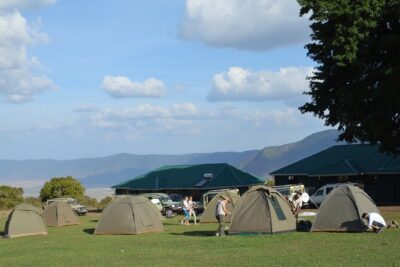
Then comes the budget camping night. You are not just driving to a meal and a bed, you are actually camping under the sky. That changes the feel of the trip. Even if you do not love camping style comfort, it is one of the best ways to feel the safari at night, when sounds carry across camp and the landscape is quieter and darker than most of what you’ve seen on previous vacations.
Serengeti: why two days matter for lions, plains, and the Great Migration (seasonal)
Serengeti is where most people want to spend time, and this route gives you two separate days there. That is a smart move.
On the first Serengeti day, you arrive in the afternoon for a game drive timed to catch wildlife activity as the light shifts. Then you return the next day for an early morning drive, when animals are often easier to spot in the cooler conditions and the day feels fresh.
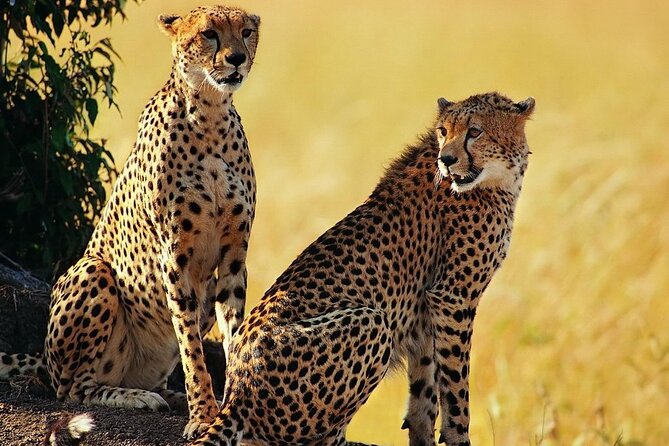
The practical takeaway for you: with two drives, you are not relying on one perfect moment. You get multiple chances to find lions, observe hunting behavior, and also spot the everyday Serengeti characters like giraffes and grazing herds. Even the way the ecosystem looks changes between morning and afternoon, so you get more than one version of the same place.
The Great Migration is mentioned as seasonal, which is important. If your travel dates line up with migration timing, you may get dramatic river crossings and rolling movement across the plains. If not, Serengeti still delivers with predators, huge numbers of herbivores, and the wide-open feel that makes you understand why people build bucket lists around this park.
Ngorongoro Crater day: UNESCO caldera, dense wildlife, and the full-day payoff
Ngorongoro Crater is one of those places that changes your sense of scale. The crater is described as a UNESCO-listed, unbroken volcanic caldera, and the experience is built around spending a long day in the basin.
You drive to Ngorongoro Conservation Area, settle in around the rim, and then the next day focuses entirely on the crater. The big moment is the descent and then a full-day game drive where the density of wildlife can feel intense.
What makes this day special is simple: it compresses variety into one bowl-like setting. You are likely to find rhinos and plenty of other animals sharing the same space, which is different from parks where you might spend a lot of time searching across wider ground.
A picnic lunch inside the crater adds another layer of convenience. Instead of racing to find a meal or losing prime drive hours, you eat where the action is. The timing also helps your brain stay in safari mode rather than switching into break mode too often.
Lake Manyara: tree-climbing lions and a park that rewards patience
Lake Manyara is a different kind of safari, and that’s a good thing after Serengeti and the crater. This park is known for tree-climbing lions, a behavior that can be rare elsewhere and is a signature Manyara feature.
You also get the chance for diverse wildlife and birdlife as you move through different areas of the park, from woodlands to grassy plains. The practical tip here is patience. Lake Manyara can be more about spotting activity in specific patches, and your guide’s scanning matters. When the sightings come, you often feel like you earned them.
If your goal is not only to see famous animals but also to see unusual behaviors, Manyara tends to deliver. Tree-climbing lions are the headline, but the overall park character keeps the day from feeling repetitive after the previous parks.
Maasai culture as the emotional high point (and how to get more from it)
One of the strongest themes in the praise for this kind of Tanzania experience is the Maasai cultural touch. People mention meeting Maasai and learning what makes their traditions meaningful, especially the warm hospitality and the detail behind everyday customs.
From your perspective, the best way to get value out of this portion is to treat it like an exchange, not a photo stop. Ask questions. Pay attention to what you’re being shown. If there is a chance to meet Maasai around community life, you can connect what you saw in the bush to how people live alongside that wildlife world.
The reviews also highlight traditional arrows as a memorable detail, which tells me the cultural stop is not just about singing and dancing. It often includes hands-on learning or demonstrations tied to daily skills and storytelling.
Important note: Maasai visits are described as optional in the trip concept. So before you go, confirm whether you want that add-on time and what kind of village experience fits your comfort level. If culture is a top reason you are booking, prioritize it early in planning rather than treating it as a last-minute add-on.
Camping, meals, and what “budget” really means in practice
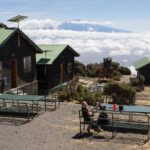
This is a camping safari, not a lodge safari. That means you should mentally prepare for simpler comfort, more time outdoors, and the kind of basic practical setup that lets you spend more of your budget on wildlife access and guide time.
On the food side, meals included are clearly listed:
- Breakfast: 4
- Lunch: 5
- Dinner: 4
So you will be fed most days, and you won’t need to hunt for meals while you are out in parks. That is a big quality-of-life win on safari days because it protects your game drive time.
Dinner is described as a shared moment around the camp, with campfire time being part of the vibe on at least the first night. For many people, that’s when the trip clicks emotionally, because you can look back on wildlife sightings while the sky cools down.
What is not included is your personal spending, tips, flights, and visas. That does not mean you will be short of what you need day to day, it just means you should budget for the extras that always come up on a real trip.
Wildlife reality check: Big Five chances, but no guarantees
The promise here is high chances for seeing Big Five animals: lions, elephants, rhinos, leopards, and buffalos. I like that the language stays realistic by talking about chances, not certainties.
Here is how to think about it:
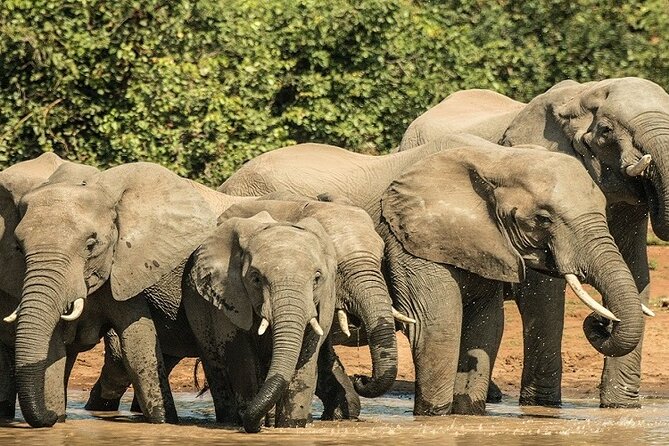
- Tarangire is often elephant-friendly and gives you good early wildlife momentum.
- Serengeti is where predator action and big-herd sightings can come together.
- Ngorongoro Crater can feel especially productive for certain animals because of the concentrated basin setting.
- Lake Manyara brings a strong chance for distinctive sightings like tree-climbing lions.
You can raise your odds by doing two things well: go when your guide suggests and keep your eyes active during drive time. Safari success is rarely about one magic moment. It is about your attention span and being ready when the animal appears.
Also, remember that rhino and leopard sightings in particular can take time and luck. Your best strategy is to stay calm, scan consistently, and trust your guide’s reading of the habitat.
Price and the extras you still need to plan for
The headline price is $2,088 per person, and the package includes the guide and meals. It also states that admission tickets are free for some days, with Ngorongoro Crater admission included.
That is why the price can work well for a budget traveler: you are not paying separately for every entry day in the same way you might on a DIY plan. Still, the trip does not include:
- Flights
- Tipping the crew
- Visas
- Personal needs
If you are comparing options, include those items in your full budget. Flights and visas can vary a lot depending on your passport and where you are coming from, and tips are a real safari cost even when the base package looks affordable.
One more practical note: the tour is described as private for your group, and it also lists group discounts. If you are traveling with friends or family, it may be worth asking whether your group size qualifies, since some operators scale pricing based on party size.
Finally, you get a mobile ticket, and you receive confirmation at booking. That usually makes it easier to manage the trip close to departure.
Should you book this 5-day budget camping safari?
Book it if you want:
- Four top parks in one trip without a luxury lodge budget
- A private safari feel with an experienced guide and included meals
- The camping experience, meaning you want to sleep near nature and feel the safari atmosphere at night
- A route that gives you Serengeti time across two game drives and a dedicated Ngorongoro full-day crater experience
- Maasai culture as a meaningful part of the trip, not just a quick stop
Skip it or adjust expectations if:
- You need hotel-level comfort every night
- You hate early starts and long driving days
- You only want one park focus rather than a multi-park route
If your dream trip is classic Tanzania wildlife, plus real camp nights, and you’re happy to trade some comfort for access and value, this is a strong match. I’d especially lean toward it if Maasai culture is part of what you want to understand about Tanzania, because that human side is where this experience often leaves the biggest impression.
FAQ
What parks are included in this 5-day safari?
The safari route includes Tarangire National Park, Serengeti National Park, Ngorongoro Crater (Ngorongoro Conservation Area), and Lake Manyara National Park.
Is pickup available from Arusha?
Yes. Pickup is offered, and the tour starts in Arusha, Tanzania, with the trip ending back at the meeting point.
What time does the safari start?
The start time is 8:00 am.
Is this tour private?
Yes. This is a private tour or activity, and only your group will participate.
Are meals included?
Yes. Included meals are breakfast (4), lunch (5), and dinner (4).
Are park admissions included in the price?
Admission tickets are listed as free for some days, and Ngorongoro Crater admission is included. Other listed days show admission as free.
What is included and not included besides meals and guiding?
Included: an experienced professional tour guide and the listed meals. Not included: flights, tipping the crew, visas, and personal needs.
Are mobile tickets provided?
Yes. The experience includes a mobile ticket, and you will receive confirmation at time of booking.
Can I cancel and get a refund?
No. This experience is non-refundable and cannot be changed for any reason. If you cancel or ask for an amendment, the amount paid will not be refunded.
More Under Canvas
- 4 Days Group Camping Safari
★ 5.0 · 1,101 reviews - 5 Days Group Camping Safari
★ 5.0 · 730 reviews - 3 Days Serengeti & Ngorongoro Group Camping Safari
★ 5.0 · 574 reviews - 5 Days Camping Tarangire, Serengeti & Ngorongoro crater & Visiting Maasai
★ 5.0 · 229 reviews - 5 Days Budget Private Safari, Tanzania
★ 5.0 · 191 reviews
Just added from around Arusha
Tanzania Camping and Budget Safaris, compared.
 ★ 5.04 Days Group Camping SafariFrom $9001,101 reviews
 ★ 5.05 Days Group Camping SafariFrom $1,100730 reviews
 ★ 5.03 Days Serengeti & Ngorongoro Group Camping SafariFrom $815574 reviews
 ★ 5.05 Days Camping Tarangire, Serengeti & Ngorongoro crater & Visiting MaasaiFrom $1,254229 reviews
 ★ 5.05 Days Budget Private Safari, TanzaniaFrom $0191 reviews
 ★ 5.06 Days Private Budget SafariFrom $2,300163 reviews
 ★ 5.02 Days Tarangire and Ngorongoro Group Camping SafariFrom $550146 reviews
 ★ 5.06 Days Tanzania Budget Camping SafariFrom $1,600145 reviews
Browse the lists this tour appears in