
REVIEW · SERENGETI NATIONAL PARK SAFARIS
Tanzania safari with guide in Italian, the great Migration of the Serengeti
Four-wheel drives, migration timing, and Italian guidance. This Tanzania safari is built for people who want the Great Migration at work, not just wildlife sightings from a distance. You’ll move through classic parks that each feel different, from Rift Valley scenery to crater wildlife density.
I like that it’s a small group (max 6), so your guide can keep the pace sane and focus on your sightings instead of herding a crowd. I also like the mix of Serengeti plus Ngorongoro, Lake Manyara, and Tarangire, because the animal stories change park to park.
One consideration: some add-on trekking plans can depend on conditions. In this itinerary, there’s information about Ol Doinyo Lengai, but trekking to its top is not organized because the path was canceled after the 2007-2008 eruption.
In This Review
- Key things I’d pay attention to
- Why the Great Migration timing changes everything
- Small-group 4×4 safari in Italian, and why that matters
- Day 1: Land at Kilimanjaro or Arusha, then switch to safari mode
- Day 2: Lake Manyara photosafari under the Rift Valley escarpment
- Day 3: Ngorongoro Crater, where the animal density does the work
- Day 4: Serengeti Park and the Seronera base for classic sightings
- Day 5: Mara River day and the Great Migration north search
- Day 6: Lake Natron, flamingos, and the Ol Doinyo Lengai reality check
- Day 7: Walking near Lake Natron, then Tarangire for elephants and baobabs
- Day 8: Tarangire early drive, then back to Arusha
- Price and logistics at $4,100: what you’re really paying for
- What to pack and how to handle safari pacing
- Who this safari suits best
- Should you book this Great Migration safari?
- FAQ
- Is this safari in Northern Tanzania and how long is it?
- Will I have a guide who speaks Italian?
- How many people are in the group?
- What is included in the price?
- What is not included?
- Do you handle airport transfers?
- When is the Great Migration targeted in this itinerary?
- What are the cancellation terms?
Key things I’d pay attention to
Italian-speaking guiding for the whole route, so you get real context and not just a checklist of animals.
Great Migration focus for July to October in the north, when wildebeest and zebra activity is highest in this area.
A practical park circuit that covers different habitats, from crater savannah to alkaline-lake country.
Ngorongoro Crater for concentrated viewing, where lots of animals share a smaller stage.
Lake Natron for flamingos and a rugged on-foot stop, if conditions allow the walking portion.
Full board plus park fees and water included, which makes the $4,100 price feel more realistic.
More of the Serengeti, drive by drive
- Balloon Safari & Bush Breakfast in Serengeti – Miracle Experience★ 5.0 · 1,646 reviews
- 3 Days Serengeti & Ngorongoro Group Camping Safari★ 5.0 · 574 reviews
- 5-Day Highlights mid-Range Crater, Serengeti, Tarangire★ 5.0 · 296 reviews
- 3-Day Classic Serengeti Safari★ 5.0 · 263 reviews
Why the Great Migration timing changes everything
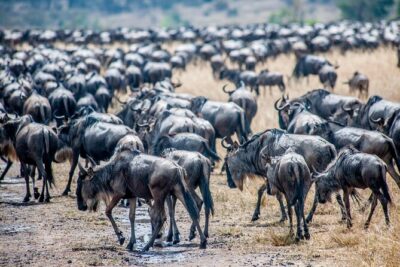
The Great Migration is not a single event you can schedule like a museum visit. In this safari, the migration emphasis is on the northern sector of the Serengeti between July and October, when you stand a better chance of seeing the action connected to river crossings and herds moving for fresh grass and water.
What I think most people underestimate is how much the day-to-day search matters. Your guide is working with real movement, not a guaranteed script. That’s why the “best” safari moment can shift slightly, even within the right month.
If you travel outside July to October, you might still see amazing wildlife, just with less certainty about the classic crossing drama. Think of this trip as “migration-forward,” not “guaranteed crossing every day.”
Small-group 4×4 safari in Italian, and why that matters
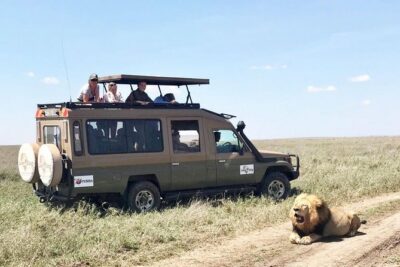
This safari runs as a small group of up to 6 people with a guide in Italian. In a region where schedules and road time can be intense, smaller groups usually mean better communication, less waiting, and a calmer rhythm on game drives.
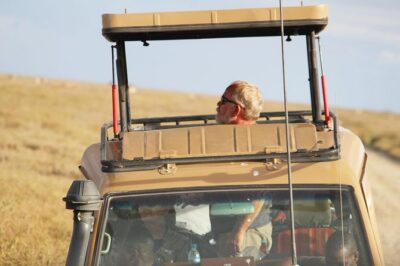
You’ll be in a 4×4 for the safari circuit, which is the right vehicle type for park tracks and the kind of positioning you need for sighting chances. You also get water on board, which sounds basic until you’re actually doing long days in sun and dust.
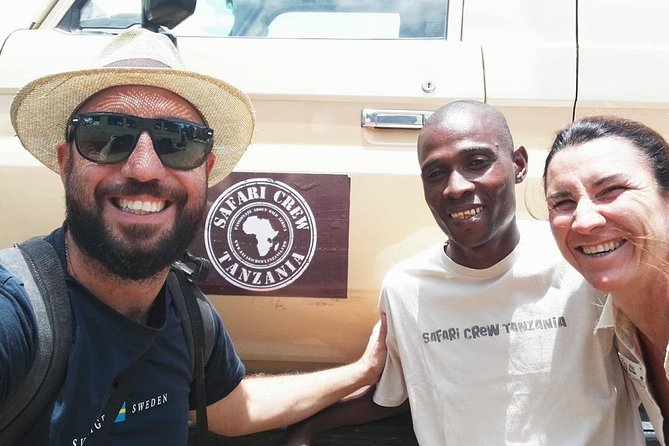
From the names people reported in past trips, the operator team includes key planning support from Rocco Stella, while on-the-ground guiding has included guides and drivers such as Jo, Omari, Mussa, Kahim, Michael, and a guest mentioned Naftal speaking perfect Italian. You should treat names like this as clues to the style of service, not promises that you’ll get the same person. The bigger point is that you’re not stuck with random language support.
Day 1: Land at Kilimanjaro or Arusha, then switch to safari mode
Day 1 is all about getting you handled smoothly: you arrive at Kilimanjaro International Airport or Arusha Airport, complete entry formalities, meet your guide, and transfer to Arusha. It’s an important setup day because safari success depends on starting fresh, not rushing.
You’ll then be ready for the next day’s game drives and park transitions. Even if you feel eager, treat Day 1 like a reset. Sleep, hydrate, and let your body adjust before the long drives.
If you’re sensitive to travel days, this is also where having pickups and transfers included helps. It reduces the stress of figuring out connections after a long flight.
Chasing the herds? Compare these first
Day 2: Lake Manyara photosafari under the Rift Valley escarpment
Lake Manyara is a compact park area compared with the Serengeti, but it packs variety because it sits under the Rift Valley escarpment. The park includes dense forest pockets fueled by resurgences at the Rift Valley edge, savannas, and marshy areas near the lake.
Wildlife and bird life here can feel different from the big open plains. In particular, Lake Manyara is famous for monkeys and big bird density, and the itinerary highlights pink flamingos that can be present December to March (and then the flamingos are said to migrate to Lake Natron between June and October). That seasonal detail is useful because it helps you match your trip month to what you want to see.
A practical tip: treat Lake Manyara as a morning-to-afternoon storytelling park. You’re not only chasing one animal species. You’re collecting different habitats and watching how animals use them.
The trade-off is that Lake Manyara’s size means you’ll cover a lot of ground in search of the best viewpoints in the time you have. That’s normal, just plan for a day that can feel busy, not lazy.
Day 3: Ngorongoro Crater, where the animal density does the work
If you want a “wow” day that’s efficient, Ngorongoro Crater usually delivers. The crater is described as the collapsed remains of an ancient volcanic cone, forming a caldera where a savannah developed. What that means for you is a natural bowl that concentrates ecosystems and wildlife.
The itinerary emphasizes that the crater supports more than 25,000 large animals, and it lists typical species for the region. It also notes that giraffes do not find nourishment there, which is a reminder that even iconic animals have their limits.
From a viewing standpoint, Ngorongoro is less about “finding” in the way you might in far larger spaces and more about “positioning” for what’s already there. You’re still searching, but the environment helps.
The main consideration here is altitude and weather variability. The crater rim reaches about 2,300 meters above the bottom, and temperature can feel different from Arusha. Bring a light layer even if your day starts warm.
Day 4: Serengeti Park and the Seronera base for classic sightings
You’ll spend a full game drive day in the Serengeti area around Seronera, described as the most famous part of Tanzania safari viewing. This ecosystem supports huge numbers of animals, including large predators and lots of herbivores, plus crocodiles and hippos in waterways and a long list of birds.
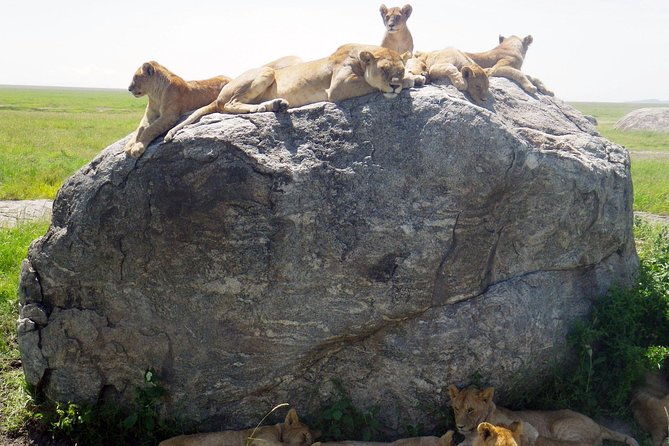
This day is about building context. When you see lions and prey animals near each other in an open savanna setting, your brain starts to understand how the Great Migration system works. Even when the migration crossing drama is not the focus that day, the Serengeti’s food chain is visible.
The itinerary notes big predator potential like lions, leopards, and cheetahs, alongside elephants and giraffes. It also mentions ostriches, water antelopes, and lots of birds.
What I’d keep in mind: you’re doing a long 8-hour style drive. The goal is patient searching, not one instant moment. If you bring that mindset, you’ll enjoy how many different species you can spot across the day.
Day 5: Mara River day and the Great Migration north search
This is the migration-focused day tied to the Mara River area. The key point: the herds of wildebeest and zebra are constantly searching for pastures and water, so this day is designed for when that activity is most relevant in the northern sector.
Between July and October, this is when you’re aiming for the classic movement pattern described in the itinerary. But even with the right season, the action can be spread out. Some days deliver dramatic river moments. Other days can be “close contact” herding, with the drama building around the edges.
This is where an Italian-speaking guide helps most. When your guide explains what you’re looking at, you don’t just see animals. You start reading the situation: direction of travel, herd behavior, and why one area might be holding more interest than another.
The practical drawback is that Mara River days can feel like waiting with purpose. You may stop and scan multiple times. That’s part of the game.
Day 6: Lake Natron, flamingos, and the Ol Doinyo Lengai reality check
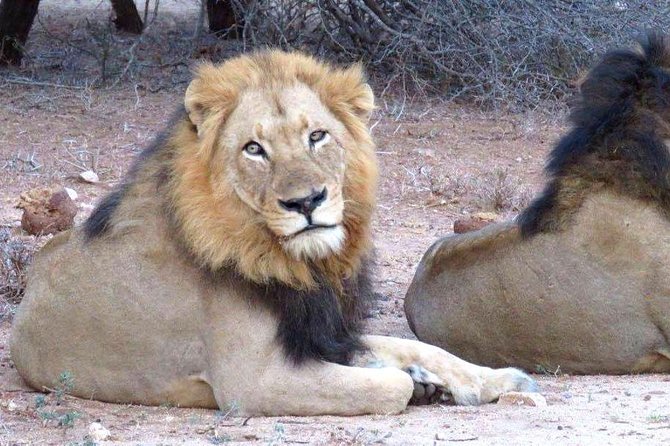
After your last drive in the north-eastern Serengeti, you head toward Lake Natron and do a shorter set of stops. Lake Natron is an alkaline lake in a Rift Valley depression, described as sitting in a rugged lava desert area.
This is the flamingo day for the June to October dry season window. The itinerary says millions of pink flamingos nest here because they feed on cyanobacteria in high concentration in the lake water during the dry season.
In the afternoon you’re also given context and an excursion on foot in the area named in the itinerary, connected to the Engare region. The hike is described as along rugged terrain through a track that matches the feeling of lunar, Rift Valley geology.
Then there’s Ol Doinyo Lengai. The volcano is described as sacred to the Maasai, and the itinerary notes it is the only volcano in the world emitting natro-carbonatitic lava. But it also clearly states that trekking to the summit is no longer organized since the path was canceled after eruptions in late 2007 and early 2008.
So if you’re dreaming of a volcano-top trek, adjust expectations. You can still enjoy the place, its meaning, and the surrounding views, but not the summit walk in this format.
Day 7: Walking near Lake Natron, then Tarangire for elephants and baobabs
Day 7 starts with an on-foot walk to the shores of Lake Natron through a rugged, almost lunar landscape. Walking here is about getting closer to how the area feels, not about luxury comfort. If you’re the kind of person who likes sensory travel, this part is usually a highlight.
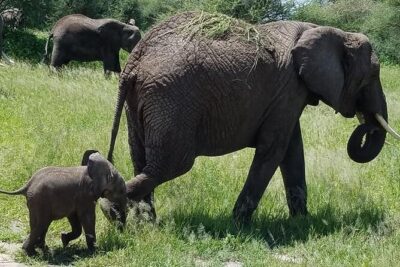
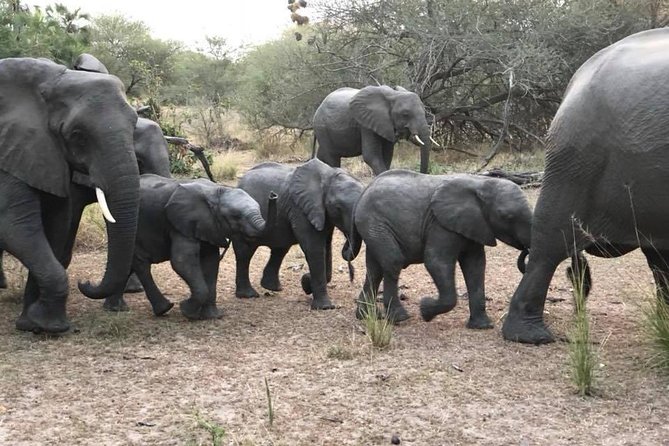
After that, you move on to Tarangire National Park, which is framed as a different environment from the other north parks. Tarangire is described as the park of the giants, with baobabs and large herds of elephants.
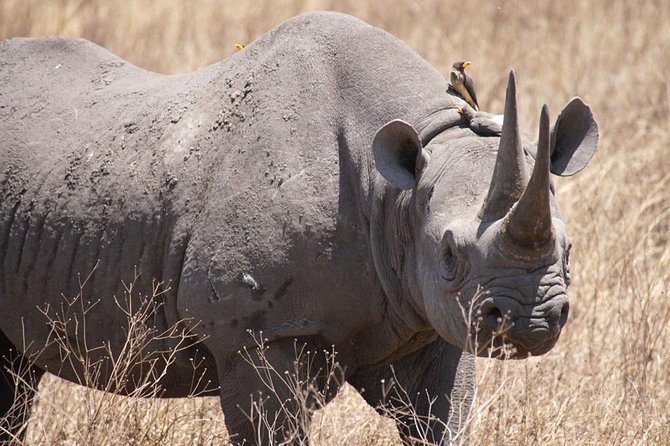
This park also has big wildlife variety, including lions, leopards, antelopes, gazelles, wildebeest, zebra, and buffalo, plus about 500 species of birds. The itinerary says the center of life is the Tarangire River, and during the dry season it, along with the Silale Marsh, becomes a main water source. That explains why animals gather here even when water is scarce elsewhere.
A nice rhythm here is that you’re not repeating the same habitat twice. You go from alkaline-lake walking to river-focused game driving.
Day 8: Tarangire early drive, then back to Arusha
You start with an early morning last game drive in Tarangire. Early drives typically work because animals move with daily temperature changes, and your guide can cover multiple sighting zones while the light is still helpful.
Then you return to Arusha for lunch and transfer to the airport. This matters because you avoid the worst kind of travel day, the one where you end your safari in a scramble.
Since this trip is full board, your meals are handled across the days included. Still, do keep in mind that lodge drinks are not included, so plan on bringing your own budget for beverages beyond water on board.
Price and logistics at $4,100: what you’re really paying for
At $4,100 per person, this safari is not cheap. The value comes from what’s inside the price, not from the sticker.
Included items include:
- Safari circuit in a 4×4
- Full board plus breakfast, lunch, and dinner
- Park fees and all fees and taxes
- Transfers (including handling from the airports to Arusha)
- AMREF insurance
- Water on board
Not included:
- International and local flights
- Entry visa
- Lodge drinks
- Personal extras
When park fees and most driving logistics are in the package, you reduce the risk of surprise costs once you arrive. You also get a consistent guide setup in Italian throughout the trip, which is part of why the pacing and day-to-day routing work.
If you compare this to DIY safari arrangements, the real trade is flexibility. You’ll follow this crafted circuit, but in exchange you’ll spend less time coordinating and more time watching animals.
What to pack and how to handle safari pacing
The itinerary is built like a classic Northern Tanzania run, with long drives and time in parks. Your best friend is comfort that works in sun, dust, and cooler moments at higher elevations like Ngorongoro.
I’d pack:
- A light layer for cooler rim or early morning conditions
- Sunscreen, hat, and sunglasses
- Comfortable closed shoes for the on-foot days near Lake Natron
- A small day bag for water and essentials
And manage expectations. Game drives are not like zoos. Animals move. You look. You reposition. You repeat. That patient routine is how you get to the good sightings, especially when you’re targeting migration timing.
Who this safari suits best
This trip fits you if:
- You want an Italian-speaking guide and clear explanations while you drive
- You want a route that covers Serengeti plus crater country, flamingo season, and Tarangire
- You’re traveling as a couple, small group, or family unit that will enjoy a more focused safari rhythm
It might not fit if:
- You need constant comfort and short days, because you will spend meaningful time in vehicles
- You’re expecting Ol Doinyo Lengai summit trekking in this specific format, since trekking is not organized after the path disruption noted in the itinerary
Should you book this Great Migration safari?
I’d book it if your priority is the Great Migration window (July to October) with an organized park circuit that covers multiple habitats and keeps logistics handled. The $4,100 price is easier to stomach because park fees, driving, full board, and insurance are included, not added later like a scavenger hunt.
Before you decide, match your travel month to the seasonal notes. Lake Manyara flamingos are tied to December to March, while Lake Natron flamingos are described for June to October. And remember the migration is seasonal and movement-based, so you’re aiming for the best odds, not a locked-in guarantee of one exact crossing moment.
FAQ
Is this safari in Northern Tanzania and how long is it?
It’s an 8-day safari starting from Arusha, Tanzania, with time in parks including Lake Manyara, Ngorongoro Crater, Serengeti, Lake Natron, and Tarangire.
Will I have a guide who speaks Italian?
Yes. The safari includes a small group guide in Italian.
How many people are in the group?
The safari runs as a maximum of 6 participants.
What is included in the price?
The tour includes a 4×4 safari circuit, full board, park fees, transfers, AMREF insurance, and water on board, plus lunch, breakfast, and dinner.
What is not included?
It does not include international and local flights, the entry visa, lodge drinks, and personal extras.
Do you handle airport transfers?
Yes. Pickup is offered, and the day 1 process includes meeting after arrival at Kilimanjaro International Airport or Arusha Airport and then transferring to Arusha.
When is the Great Migration targeted in this itinerary?
The Great Migration is described as affecting the northern sector of the Park between July and October.
What are the cancellation terms?
You can cancel up to 6 days in advance for a full refund. For a 50% refund, cancel 2 to 6 days before the start time. If you cancel less than 2 days before the start time, the amount you paid is not refunded. Cut-off times are based on the experience’s local time, and the tour can also be canceled if a minimum number of travelers is not met, with an alternative date or a full refund.
Longer Trips Through the North
- Tanzania Classic – 7 Days
★ 5.0 · 1,151 reviews - 7-Day Premium Luxury Tanzania Safari All-Inclusive
★ 5.0 · 426 reviews - Tanzania Wildlife Encounters – 6 Days
★ 5.0 · 277 reviews - Group Safari 7 Days in Tanzania’s Main Parks
★ 5.0 · 240 reviews - 4 Days Join Group tour Tarangire Serengeti and Ngorongoro crater
★ 5.0 · 219 reviews
Following the Migration
- 8 Days Great Wildebeest Calving Migration Safari from Arusha
★ 5.0 · 254 reviews - 10-Day Serengeti Wildebeest Migration Safari from Arusha
★ 5.0 · 218 reviews - 8 Day Spectacular Migration Serengeti mid -Range Tanzania Safari
★ 5.0 · 161 reviews - 9-Day Serengeti Migration Footsteps Tanzania Safari
★ 5.0 · 96 reviews - 7 days great migration safari
★ 5.0 · 77 reviews
The Serengeti, Three More Ways
- Balloon Safari & Bush Breakfast in Serengeti – Miracle Experience
★ 5.0 · 1,646 reviews - 3 Days Serengeti & Ngorongoro Group Camping Safari
★ 5.0 · 574 reviews - 5-Day Highlights mid-Range Crater, Serengeti, Tarangire
★ 5.0 · 296 reviews - 3-Day Classic Serengeti Safari
★ 5.0 · 263 reviews - Private 6-Day Tarangire Manyara Crater and Serengeti with Mid-Range Lodges
★ 5.0 · 238 reviews
Just added from around Arusha
Serengeti National Park Safaris, compared.
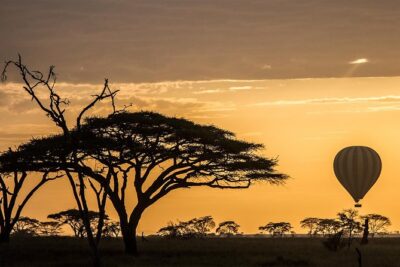 ★ 5.0Serengeti Balloon Safari and authentic bush breakfastFrom $5502,480 reviews
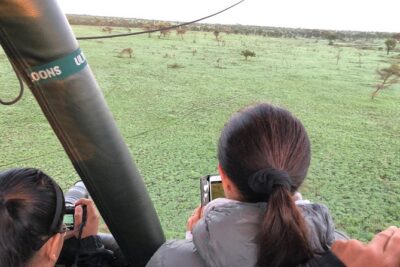 ★ 5.0Balloon Safari & Bush Breakfast in Serengeti – Miracle ExperienceFrom $5991,646 reviews
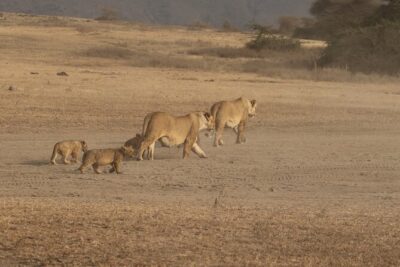 ★ 5.03 Days Serengeti & Ngorongoro Group Camping SafariFrom $815574 reviews
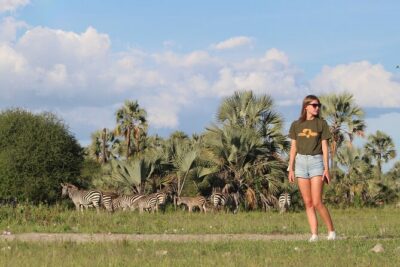 ★ 5.05-Day Highlights mid-Range Crater, Serengeti, TarangireFrom $2,327296 reviews
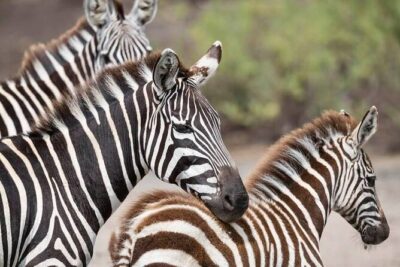 ★ 5.0Safari Serengeti And NgorongoroFrom $2,845288 reviews
 ★ 5.03-Day Classic Serengeti SafariFrom $1,455263 reviews
 ★ 5.0Private 6-Day Tarangire Manyara Crater and Serengeti with Mid-Range LodgesFrom $2,685238 reviews
 ★ 5.05 Days Camping Tarangire, Serengeti & Ngorongoro crater & Visiting MaasaiFrom $1,254229 reviews
Browse the lists this tour appears in