
REVIEW · BIG FIVE AND GAME DRIVE SAFARIS
Safari “Kifaru” – 5 days in the most famous Parks in the world
Five days later, you will remember everything. This Kifaru circuit pulls together Lake Manyara and Ngorongoro Crater and adds Serengeti and the Ngorongoro Conservation Area, so you get big-animal variety without bouncing between far-flung operators. I love that the trip is private, so your group sets the pace, and I love that meals, accommodations, and listed fees are handled for you.
One watch-out: when you land early, the day starts early too. Between game drives and transfers, expect long full days in the truck, and the schedule may feel tight if your flight times are awkward.
In This Review
- Quick highlights
- Setting Off From Arusha, and How Arrival Time Shapes Your Day
- Lake Manyara: A Small Park With Multiple Worlds of Wildlife
- Ngorongoro Crater Photo Safari, Inside a Caldera That Holds the Herds
- Serengeti National Park: Open Grasslands That Help You See More
- The Great Migration, and Why Overnights Change Everything
- Ngorongoro Conservation Area: Where Protection and Maasai Settlement Coexist
- The Day-by-Day Flow: How the Long Days Work in Real Life
- Price and Value: What $2,930 Includes, and What It Does Not
- Private Touring: Your Schedule, Your Group, Your Pace
- Comfort, Timing, and Packing Choices That Actually Fit This Route
- So, Should You Book Safari Kifaru?
- FAQ
- What parks and areas are included in this 5-day Kifaru safari?
- Does the price include meals and accommodations?
- Are airport transfers included?
- If I arrive before 9:00 am, what can I do on day one?
- When is the great migration timing built into the itinerary?
- What is the cancellation window for a full refund?
Quick highlights
- Five parks and ecosystems in one tight circuit (Manyara, Ngorongoro Crater, Serengeti, plus the Ngorongoro Conservation Area)
- Ngorongoro’s wildlife bowl: a caldera with savannah inside and more than 25,000 large animals
- Serengeti sightings aided by open grasslands where volcanic ground limits tall trees
- Great Migration timing built into the plan during end of December to April, with Ndutu and Seronera overnights
- A long-running operator with real communication wins including Italian-speaking guide Michael and quick-response coordination noted in guest feedback
More game drives with the same aim
- Tanzania Simba Safari – 5 Days★ 5.0 · 217 reviews
- Living Among Lions★ 5.0 · 191 reviews
- Big Five Luxury Safari in Tanzania★ 5.0 · 68 reviews
- From Arusha: 6 Day Classic Game Drive Serengeti & Ngorongoro★ 5.0 · 49 reviews
Setting Off From Arusha, and How Arrival Time Shapes Your Day
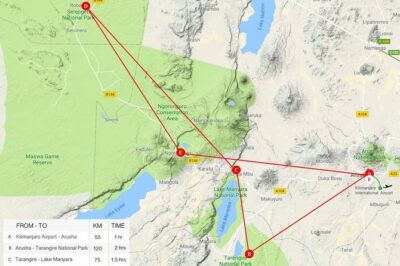
You start in the Arusha area, with pickup tied to either Kilimanjaro Airport or Arusha itself, then you head toward Karatu in the Ngorongoro region. Transfers are included from both JRO and ARK, so you should not be hunting for shuttles on day one. This matters because safari days are already busy, and you want your brain focused on wildlife, not transport.
The route also has a smart built-in fork depending on when you land. If you arrive before 9:00 am, you can choose between a game drive at Lake Manyara or an early cultural stop at Mto wa Mbu, the agricultural village at the base of the Rift cliff. If you land late morning, you can still reach Karatu by around 1:00 pm, but without the extra stops along the way to the parks day.
That schedule flexibility is one of the better parts of the experience design. You can match the first day to your energy, rather than being forced into a single option no matter your flight. The trade-off is simple: if you arrive early, you will move early.
Lake Manyara: A Small Park With Multiple Worlds of Wildlife
Lake Manyara is the kind of place that makes you understand the Rift Valley fast. Even though it is relatively small, about 330 sq km with roughly 200 sq km taken by the lake, the habitats stack up. You can see dense forest near spring-fed areas, then savannah, then marshy lake-edge zones.
And because the park shifts environments, animals come in different flavors. The list of species mentioned includes big mammals like elephants and giraffes, plus the monkey crowd, especially baboons and vervets. There are also very strong bird numbers, with about 380 species recorded. Even if you are the type who thinks you only came for the big stuff, the birds here can steal the show.
One practical consideration, based on how this day is timed in the itinerary, is that Lake Manyara tends to fit your first-day window. If you arrive early, you can slot it in. If you arrive later, you may skip straight to Karatu and then save the full focus for the later parks days.
If you would rather trade animals for a human look at rural life, you can choose Mto wa Mbu instead. It is described as a large agricultural village where people from different ethno-linguistic groups live. This is not a staged attraction in the description, it is more about getting an authentic glimpse of contemporary rural Tanzania. You might find it adds a grounded contrast to the wildlife-heavy days that follow.
Ngorongoro Crater Photo Safari, Inside a Caldera That Holds the Herds
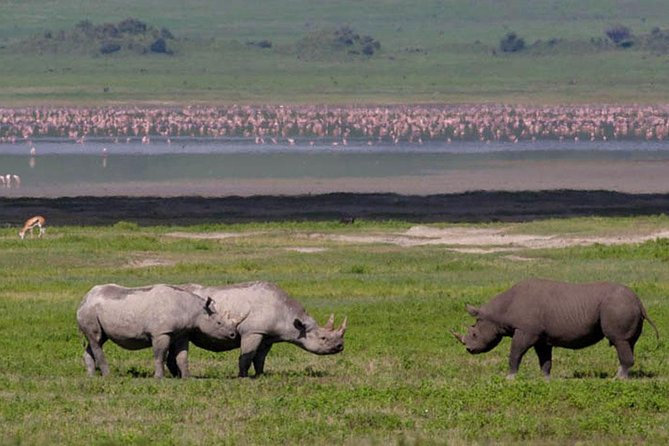
Ngorongoro Crater is the centerpiece for many first-time Tanzania safaris, and the reason is physical. The crater is the remnant of an ancient volcanic cone, with collapse creating a caldera. The caldera interior is described as a “pan” about 16 to 20 km in diameter, and the raised edges sit roughly 600 m above the bottom.
Inside that natural bowl, savannah developed, and the numbers in the description are big: more than 25,000 large animals living there. The typical species of the region are present, with one notable exception stated in the itinerary info: giraffes do not find nourishment here. That is a great reminder that even iconic animals are not guaranteed in every park.
The viewpoint piece is also key. The crater edge reaches about 2,300 m above sea level, and you get breathtaking views from the rim. If you tend to get impatient in early mornings, that rim scenery can be a nice payoff before the main sightings begin.
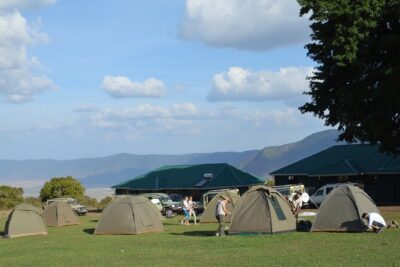
From a comfort standpoint, this is also one of the days where you want to be ready for altitude and temperature swings. The itinerary includes a long session here, listed as about 8 hours. Bring layers, even if you think it will be hot, because rim altitude can feel cooler.
Serengeti National Park: Open Grasslands That Help You See More
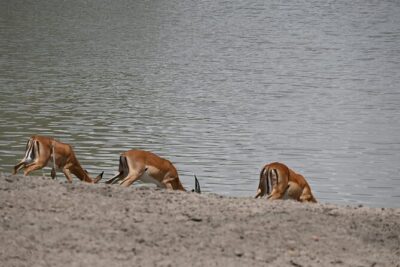
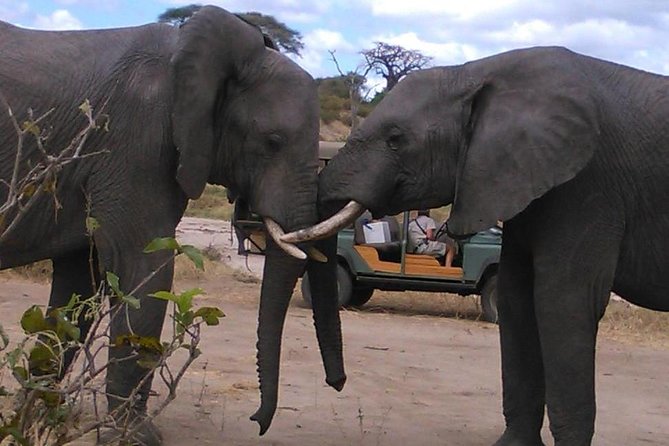
Serengeti is the park people talk about for a reason. The ecosystem numbers in the plan are enormous: more than 1,500,000 wildebeest, about 300,000 zebras, roughly 500,000 Thompson’s gazelles, plus predators like over 2,700 lions, about 1,000 leopards, and around 500 cheetahs. Add elephants, eland, impala, water antelope, giraffe, ostrich, and even crocodiles and hippos in the waterways.
The description also notes around 400 bird species. That means Serengeti rewards more than one kind of safari style. If your focus is mammals only, you will still have plenty. If you love birds and scenery, you will not feel like you are wasting time.
What I like most about how the itinerary frames Serengeti is the explanation of why sightings can be easier here. The subsoil, especially in the southern part, is described as volcanic rocks that prevent tall tree growth in most areas. Grasslands prevail, and that open environment helps you spot animals across distances.
This is your value moment in the whole experience. You are not just passing through. You get multiple Serengeti sessions across different days, with the plan designed to match migration timing during a specific season window.
The Great Migration, and Why Overnights Change Everything
Here is the part of the plan that can make or break your Serengeti experience: timing. The itinerary states that in the period from the end of December to April, you plan to stay overnight on day three in southern Serengeti, specifically Ndutu. Then you stay overnight on day two in central Serengeti, Seronera. The goal is to meet the great migration.
This matters because migration is not a one-time photo stop. It is movement, and being in the right region at the right time changes what you see. Overnights like Ndutu and Seronera are a way to buy time on the ground rather than just rushing through one area and hoping the animals line up for your schedule.
The plan also keeps Serengeti in play across day three and day four. That gives you more than one chance to find active herds and predator activity. It is still the wild, so you cannot treat it like a guaranteed checklist. But the itinerary is clearly built around the idea that your odds improve when you build your nights around the migration route.
Ngorongoro Conservation Area: Where Protection and Maasai Settlement Coexist
After Serengeti on day four, the route shifts to the Ngorongoro Conservation Area. This is not a national park in the way some people define them. It is a conservation area administered independently, where the environment is preserved and the right of settlement to Maasai communities is recognized.
The plan notes UNESCO World Heritage status since 1978 and International Biosphere Reserve status since 1981. Those are not just labels. They help explain why the area is managed with both conservation and local livelihood in mind.
The conservation area covers about 8,300 sq km and includes multiple ecosystems: rainforests, mountain grasslands, and vast grassy expanses bordering the Serengeti. It also includes the famous Ngorongoro Crater, and the crater highlands to the northeast of the crater.
In practical terms, this stop adds a different texture to your safari. Serengeti and the crater are about concentrated wildlife and huge views. The conservation area adds a more grounded sense of place, where people live inside the broader conservation landscape. If you want your safari to feel like you understand the region, not just the animals, this day is a good fit.
The Day-by-Day Flow: How the Long Days Work in Real Life
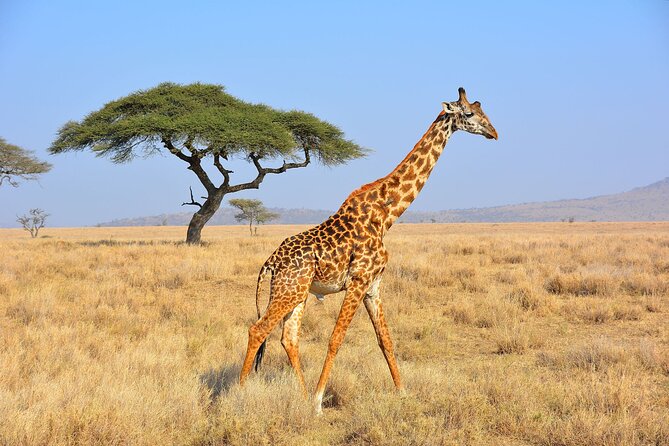
Even without getting overly technical, the itinerary structure tells you how your time will feel. Many days are listed as long blocks, and the pacing is designed around reaching the right ecosystems on the right day.
Day one starts by moving you toward Karatu, then fitting in either Lake Manyara or Mto wa Mbu depending on your arrival. It is a smart start because it sets you up for the Ngorongoro and Serengeti days that follow, rather than spending the first hours in transit delays.
Day two is a dedicated Ngorongoro crater photo safari session, set up for the wildlife bowl effect and those rim views. Day three and day four keep Serengeti central, with day four also adding the Ngorongoro Conservation Area. That sequencing makes sense: Serengeti is your big-picture wildlife days, then you transition back toward the wider conservation landscape.
Day five brings you back toward Arusha via a panoramic road descending along the Rift wall. Then, depending on your flight timing, you either do lunch in Arusha plus transfer to the airport, or you add an on-request visit to Arusha city. The plan specifically mentions Arusha as the capital of the district and region, and it notes the headquarters of the East African Community.
Because your day five plan depends on flight timing, be sure you align it with your own travel style. If you want one last city moment, ask for option two. If you would rather recover after full safari days, option one is a clean landing.
Price and Value: What $2,930 Includes, and What It Does Not
At $2,930 per person, you are paying for more than the “safari name.” You are paying for a private, end-to-end circuit with a lot already handled. The inclusions list says private transportation, all fees and taxes, accommodations, transfers to and from JRO and ARK, and a full set of meals: dinner 4 times, breakfast 4 times, lunch 5 times.
That package matters because it protects you from the most annoying part of safaris. Park fees, daily logistics, and meal planning can eat time and energy if you are arranging everything separately. With this kind of setup, you can spend your mental bandwidth on what you came for, animal spotting and learning how each ecosystem works.
The big items not included are also clear. International and local flights are not included, and visas for EU, CH, and UK citizens are not included. Tips are not included either, and the general rule in the inclusions list is “everything not specified” falls outside the package.
So the value question becomes: do you want to simplify the hardest parts? If you do, this price can feel fair for a five-day private circuit across some of the world’s most famous areas. If you want to keep costs down through DIY planning, you might find other formats cheaper, but they will ask you to do more work.
Private Touring: Your Schedule, Your Group, Your Pace
The experience is described as private, meaning only your group will participate. That matters for safari comfort because you are not constantly shifting around other people’s preferences. It also helps when arrival times are unusual. The plan already reacts to arrival time on day one and flight timing on day five, so having your own group is a natural fit for that flexibility.
There is also evidence of communication and personalization in the feedback. One review mentions quick responses and requests being handled well, with the coordinator named Rocco. Another review highlights a guide named Michael who speaks Italian. When you are paying a premium, the quality of communication and the ability to match your preferences becomes part of the value.
If you care about language and explanation, this is worth noting. In wildlife viewing, the difference between seeing and really understanding often comes down to a guide who can describe what you are looking at and why it is happening.
Comfort, Timing, and Packing Choices That Actually Fit This Route
This safari is built around long days and repeated time in vehicles, and the itinerary lists major sessions of about 8 hours on multiple days. So your comfort planning should match that reality. Focus on practical clothing and layers. The crater rim altitude is around 2,300 m, and that can mean cooler air and quick shifts, especially early or later in the day.
Bring something for sun and something for wind or cool moments. Also, think about how you handle midday. The plan includes meals across the days, but you still spend time moving between viewpoints and wildlife zones. Small comfort items can save your energy, like a light layer you can grab quickly.
One more timing note: your first-day option depends on landing before or after 9:00 am. If you can influence your flight choice, arriving earlier gives you more chances for variety on day one, either Lake Manyara or Mto wa Mbu before you settle into Karatu.
So, Should You Book Safari Kifaru?
You should strongly consider booking if you want a classic Tanzania circuit that hits the headline parks, with a plan that supports migration-season strategy. If your travel window is end of December to April, those Ndutu and Seronera overnights are the kind of detail that can materially improve what you see.
You should also book if you value low-drama logistics. With private transportation, accommodations, and multiple meals already included, you can treat the trip like a single experience instead of a puzzle.
I would think twice if you dislike long days in vehicles or if your flights are likely to be awkward. The itinerary flexes based on arrival and departure times, but safari days still have that “full schedule” feel.
If you want your safari to mix big wildlife with a human sense of the Rift Valley, the Mto wa Mbu village option and the Ngorongoro Conservation Area day both add meaning beyond just spotting animals.
FAQ
What parks and areas are included in this 5-day Kifaru safari?
The route includes Lake Manyara, Ngorongoro Crater, Serengeti National Park, and the Ngorongoro Conservation Area.
Does the price include meals and accommodations?
Yes. The inclusions list includes accommodations and meals: breakfast (4), lunch (5), and dinner (4). It also lists all fees and taxes.
Are airport transfers included?
Yes. Transfers are included to and from Kilimanjaro Airport (JRO) and Arusha Airport (ARK).
If I arrive before 9:00 am, what can I do on day one?
If you land before 9:00 am, you can choose between a game drive in Lake Manyara or a visit to the village of Mto wa Mbu.
When is the great migration timing built into the itinerary?
The plan states that during the period from the end of December to April, overnight stays are scheduled in southern Serengeti (Ndutu) on the third day and in central Serengeti (Seronera) on the second day to meet the great migration.
What is the cancellation window for a full refund?
You can cancel up to 6 days in advance for a full refund, which requires canceling at least 6 full days before the experience start time. For a 50% refund, cancel 2 to 6 full days before the start time.
More Time in the Vehicle
- Tanzania Simba Safari – 5 Days
★ 5.0 · 217 reviews - Living Among Lions
★ 5.0 · 191 reviews - Big Five Luxury Safari in Tanzania
★ 5.0 · 68 reviews - From Arusha: 6 Day Classic Game Drive Serengeti & Ngorongoro
★ 5.0 · 49 reviews - 4-Day Simba Safari – Mid Range Tour
★ 5.0 · 47 reviews
Just added from around Arusha
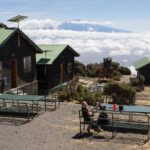
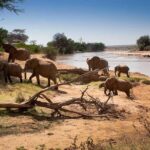
Big Five and Game Drive Safaris, compared.
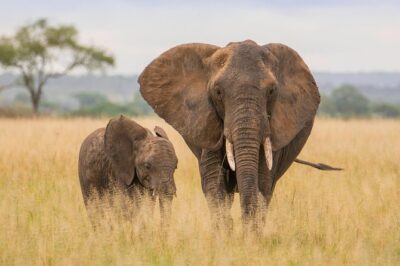 ★ 5.0Tanzania Simba Safari – 5 DaysFrom $2,897217 reviews
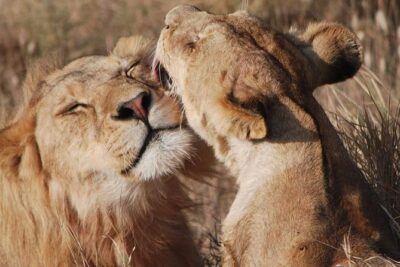
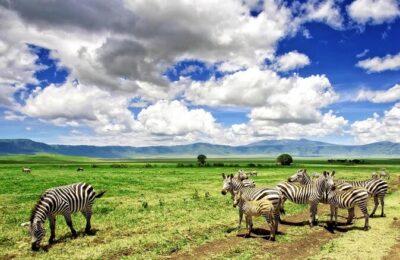 ★ 5.0Living Among LionsFrom $3,872191 reviews
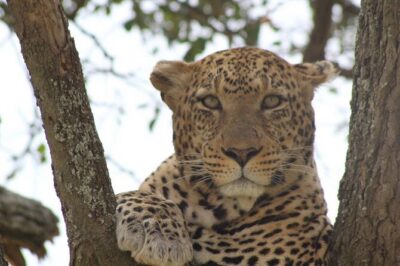
 ★ 5.0Big Five Safari In TanzaniaFrom $3,75099 reviews
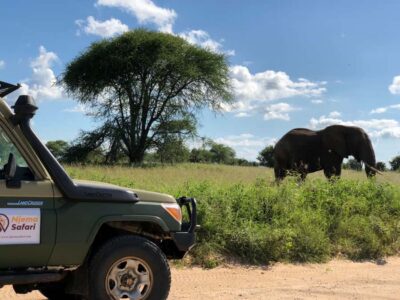
 ★ 5.0Big Five Luxury Safari in TanzaniaFrom $2,90068 reviews
 ★ 4.3From Zanzibar: Nyerere National Park Game Drive with LunchFrom $55059 reviews
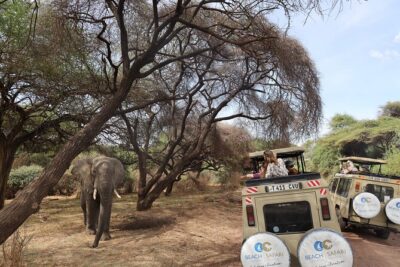 ★ 5.0From Arusha: 6 Day Classic Game Drive Serengeti & NgorongoroFrom $2,86449 reviews
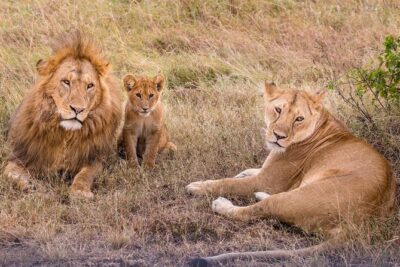 ★ 5.04-Day Simba Safari – Mid Range TourFrom $2,17947 reviews
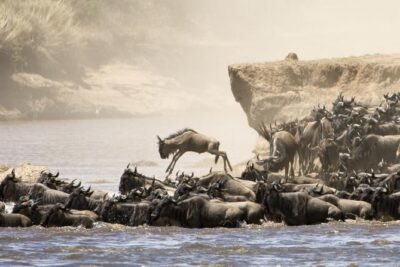 ★ 5.05 Days 4 Nights Tarangire, Serengeti , Ngorongoro & Manyara Wildlife SafariFrom $2,60040 reviews
Browse the lists this tour appears in