
REVIEW · MOSHI AND THE KILIMANJARO FOOTHILLS
Rau Forest Bike tour
Rau Forest feels like a secret after a long day. This tour mixes village life with farm work and wildlife, and I really like how the stops explain the effort behind Tanzania’s staples. The lunch with a local family and a chance to taste pilau on their veranda is a highlight. The main drawback is simple: it is a long 9-hour ride, so if you dislike sustained cycling, plan for it.
What makes this one stand out is the people you ride with. Guides such as George, Roy, Richard, and Yasin show up ready to talk, and the pacing stays flexible for different groups. You also get mountain bikes and helmets, bottled water, lunch, and private transportation, which helps the whole day run smoothly.
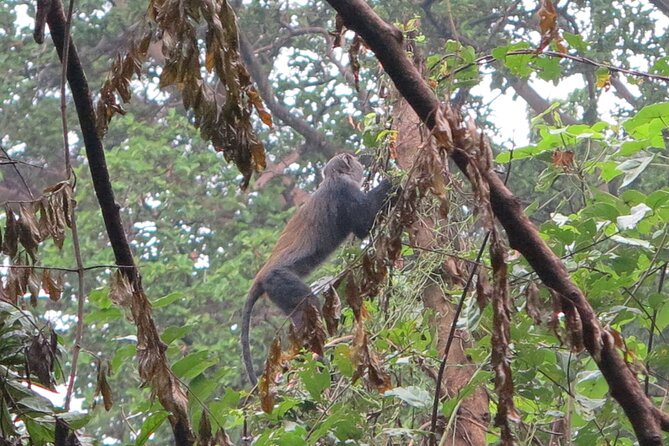
The route itself is not just scenery. You cycle past sugar cane areas and small farms, pass schools and religious buildings, visit rice fields, then continue into Rau Forest behind Moshi, where colobus monkeys can appear in the treetops.
In This Review
- Quick highlights you will actually notice
- From Pickup to Plantation Roads Near Moshi
- Sugar Cane, Schools, Mosques, Churches, and Real Village Life
- Rice Fields Stop, Helping Hands, and the Work Behind a Sack
- Lunch With a Local Family and Pilau on the Veranda
- Rau Forest Ride and Colobus Monkey Spotting
- Bikes, Time, and What a 9-Hour Day Feels Like
- Value at $75: What You Get, and What to Budget for
- Who This Tour Suits Best, and Who Might Want a Different Plan
- Should You Book the Rau Forest Bike Tour?
- FAQ
- What time does the Rau Forest Bike tour start?
- What is included in the price?
- Is pickup included?
- Do I have to tip?
- What food will I eat?
- Will I see monkeys in Rau Forest?
- How should I plan for cancellation or weather?
Quick highlights you will actually notice
- Sugar cane to rice fields, with village buildings along the way
- Hands-on rice field time if you want to help the workers
- Lunch at a local family home, including pilau tasting
- Rau Forest monkey spotting, especially colobus monkeys
- Top-condition bikes and helmets, plus bottled water and guide support
More from Moshi and the foothills
- Arusha or Moshi : Hot Spring, Waterfall & Coffee Farm Tour★ 4.8 · 80 reviews
- Moshi: Town tour and Local Markets tour★ 4.9 · 36 reviews
- Moshi sunset experience★ 4.5 · 31 reviews
- Moshi city bike day trip★ 5.0 · 17 reviews
From Pickup to Plantation Roads Near Moshi
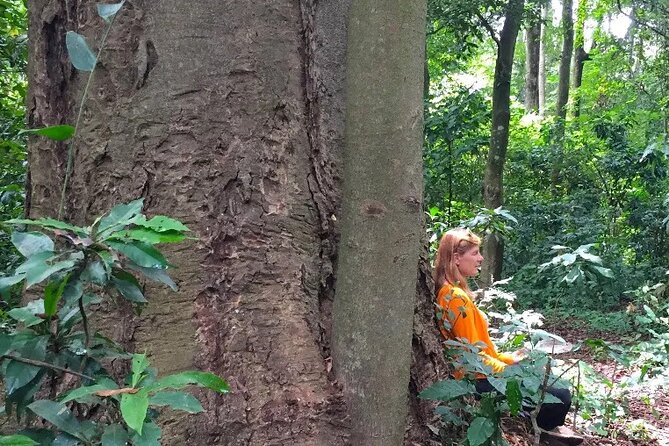
The day starts at 9:00 am in Moshi, with pickup offered and private transportation included. That matters because you are not spending your morning figuring out where to meet or how to get out to the countryside. You just show up, get your bike and helmet, and get moving.
A big part of the value here is that you are not “just” cycling. You are also being carried between the town side of Moshi and the farming and forest areas behind it. For a single-day experience, that kind of support lets you focus on the ride and the interactions instead of logistics.
Sugar Cane, Schools, Mosques, Churches, and Real Village Life
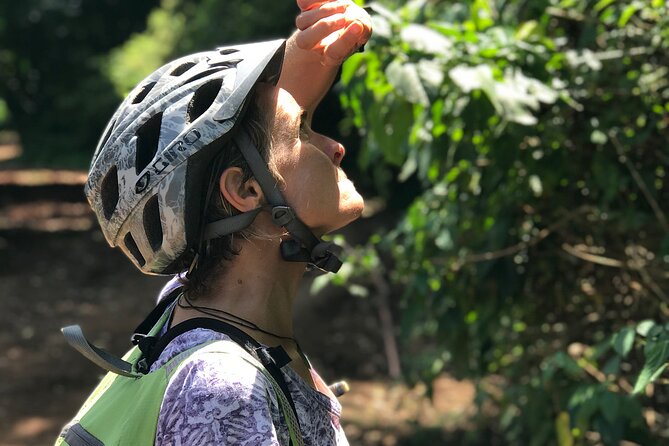
Your first cycling section runs through a sugar cane plantation area with small farms and houses. This is the part where you get an eye-level look at how everyday life fits into the landscape around Moshi.
You will also pass places that anchor the community, including schools, mosques, and churches. It is a small detail, but it changes the whole feel of the ride. You are not only seeing crops, you are seeing neighbors, routines, and the rhythm of the area.
One practical thing I appreciate about this kind of route: it helps you get your bearings fast. Before you even reach the rice fields or Rau Forest, you start to understand how people in Moshi live alongside agriculture.
Rice Fields Stop, Helping Hands, and the Work Behind a Sack
After the sugar cane section, the ride continues toward nearby rice fields. You make a stop there, and this is where the tour shifts from scenic cycling to hands-on understanding.
If you wish, you can lend a helping hand to the field workers. You do not need experience to be included, but you should show up with a willing attitude. This is not a “watch from the road” moment, it is the kind of stop that makes the work feel real.
The tour also aims to show you how hard it takes to produce something as common as one sack of rice. That perspective lands differently when you have just pedaled past the farms and then stood close to the work.
A consideration to keep in mind: this part of the day can be physically active depending on what you choose to do. Even if you stay mostly observant, you may be in dusty or uneven ground conditions while you are near the fields.
Lunch With a Local Family and Pilau on the Veranda
Then comes the best kind of reset: lunch with a local family. You get taken to their home in the Rau Forest area for a traditional meal called pilau, and the day slows down in the most human way.
Sitting on the veranda and sharing a meal and thoughts about life is a core part of the experience. This is one of the tour’s most praised elements, because it turns “cultural sightseeing” into conversation and connection.
Rice is described as one of the main components of meals in Tanzania, and that shows up in what you eat at lunch. If you like tasting your way through a place, this is a straightforward win.
From a practical standpoint, I suggest you come hungry. A full day of cycling plus time in the sun will make that lunch feel like the best idea you have had all week.
Rau Forest Ride and Colobus Monkey Spotting
After lunch, you keep biking through Rau Forest, a natural area just behind the city of Moshi. This is where the day shifts again, from farms and homes into a more wooded, wildlife-focused setting.
The tour also encourages monkey spotting, especially colobus monkeys with their long, fluffy tails. You are not guaranteed a sighting, but having the right environment and the right eyes helps. Going slowly when you need to, and stopping when your guide spots movement, can make a noticeable difference.
I like that Rau Forest is placed later in the day. It feels earned. After seeing how people work in agriculture, stepping into a forest area feels like a change of pace, not a random add-on.
If you are into photos, bring your best patience. Wildlife watching often means waiting, watching, and then reacting quickly when something shows up in the trees. One past group even mentioned a photographer on a motorcycle following along and sending photos by email afterward, for free, which is a nice bonus if it happens on your date.
Bikes, Time, and What a 9-Hour Day Feels Like
This is built as a 9-hour experience, so it is not a short nature stroll. It is a full day where the cycling is only part of the time, since you also have stops for farming and lunch.
The bikes and helmets are included, and multiple reviews specifically praised the bikes as top-notch, not the usual beat-up rental you sometimes get. That matters for comfort and safety, especially on rural roads where you want your bike to behave.
In terms of distance, there are reports of roughly 25 km on a loop for some groups, and around 40 km for others. Expect the ride length to vary by pacing and how the route gets timed around stops.
For you, the main “feel” of the day should be this: you will pedal, then stop often, then pedal again. It is active, but it also has breaks that keep you from cooking in the sun for hours nonstop.
Value at $75: What You Get, and What to Budget for
At $75 per person, this tour is priced as a one-day package, not just bike rental. The included basics are strong for the price: mountain bike, helmet, bottled water, lunch, all fees and taxes, a tour guide, and private transportation.
It is also a private tour activity, meaning your group rides together rather than getting blended into a larger crowd. That is a real value for many people. It makes it easier to ask questions and adjust pacing.
What is not included is also clear: tipping, airport transfers, and accommodation. I would budget for a tip if you feel the guide earned it, especially since these guides are repeatedly singled out for being helpful and flexible.
If you are planning ahead, note that this is booked on average about 40 days in advance. That suggests demand. If your dates are fixed, booking early is smart.
Who This Tour Suits Best, and Who Might Want a Different Plan
This fits best if you like experiences that mix riding with real local moments. If you enjoy farms, food, and talking with people, you will probably find the day memorable for the right reasons.
It also suits couples, friends, and solo travelers who want a guided route out of Moshi and into Rau Forest without guessing. The private format helps with that.
If you are a beginner cyclist or you know you cannot handle a long day on a bike, the ride length and duration may be the sticking point. The tour is manageable for many people, but “9 hours” is the headline you should respect.
Should You Book the Rau Forest Bike Tour?
I would book it if you want more than scenery and you like getting a story with your ride. The mix of sugar cane areas, rice field work, a home-style lunch featuring pilau, and Rau Forest monkey spotting creates a full day that feels connected rather than random stops.
It is also a strong choice if you value a good guide. Reviews and responses from Kili Bike Adventures repeatedly highlight guides such as George, Richard, Yasin, and Roy for knowledge, flexibility, and pacing. That kind of guiding makes a difference when the day includes farming time and wildlife searching.
The only real “don’t book” warning is if you truly hate long bike days. If you can handle 9 hours with frequent pauses, this is a great way to see Moshi beyond the city and feel how people’s work shapes what you eat.
FAQ
What time does the Rau Forest Bike tour start?
The tour start time is 9:00 am, and the experience runs for about 9 hours (approx.).
What is included in the price?
The price includes mountain bikes and helmets, bottled water, lunch, all fees and taxes, private transportation, and a tour guide.
Is pickup included?
Yes, pickup is offered, and private transportation is included.
Do I have to tip?
Tipping is not included, so you will need to budget for it if you choose to tip.
What food will I eat?
Lunch is included, and the traditional meal mentioned is pilau at a local family home.
Will I see monkeys in Rau Forest?
You may have the chance to spot colobus monkeys in the tree crowns, but sightings are not guaranteed.
How should I plan for cancellation or weather?
The experience requires good weather. If it is canceled due to poor weather, you will be offered a different date or a full refund. Free cancellation is available up to 24 hours in advance for a full refund.
Around Moshi
- Arusha or Moshi : Hot Spring, Waterfall & Coffee Farm Tour
★ 4.8 · 80 reviews - 1-Day Moshi Villages bike tour
★ 5.0 · 59 reviews - Moshi: Town tour and Local Markets tour
★ 4.9 · 36 reviews - Moshi sunset experience
★ 4.5 · 31 reviews - Moshi city bike day trip
★ 5.0 · 17 reviews
Just added from around Moshi

Moshi and the Kilimanjaro Foothills, compared.
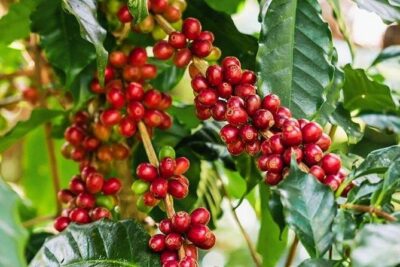 ★ 5.0Materuni Waterfalls & Coffee Tour from MoshiFrom $6092 reviews
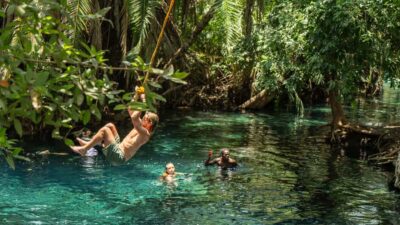 ★ 4.8Arusha or Moshi : Hot Spring, Waterfall & Coffee Farm TourFrom $5380 reviews
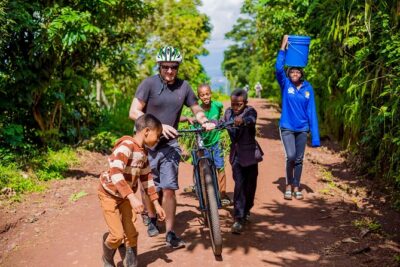 ★ 5.01-Day Moshi Villages bike tourFrom $5059 reviews
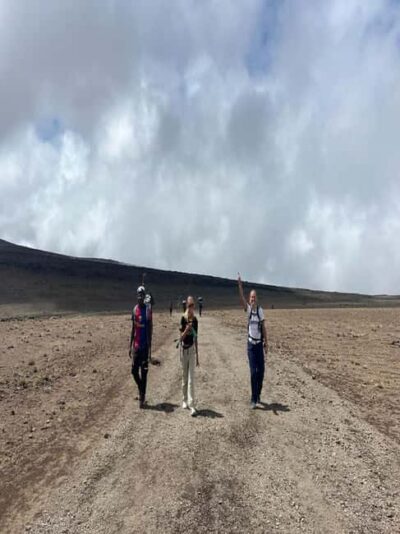 ★ 4.5From Arusha/Moshi: Kilimanjaro Hike Marangu Route Day TripFrom $10154 reviews
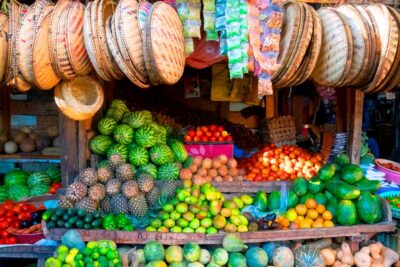 ★ 4.9Moshi: Town tour and Local Markets tourFrom $2536 reviews
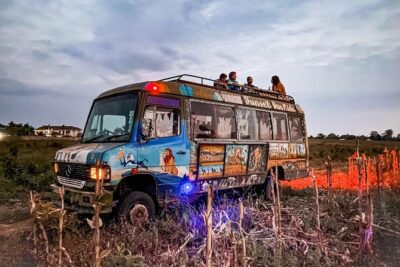 ★ 4.5Moshi sunset experienceFrom $2031 reviews
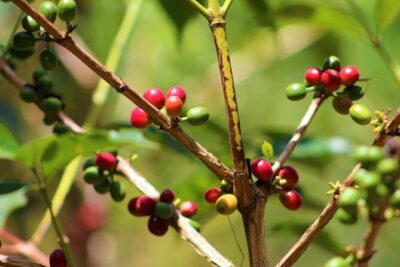 ★ 5.0Materuni Thundering Waterfalls,Coffee Experience with Moshi Town TourFrom $6017 reviews
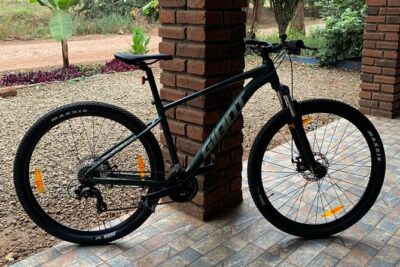 ★ 5.0Moshi city bike day tripFrom $4517 reviews
Browse the lists this tour appears in