
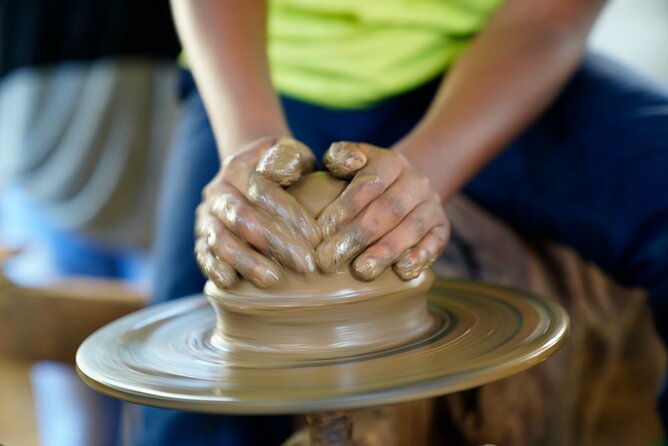
REVIEW · MAASAI VILLAGE AND CULTURAL EXPERIENCES
Private Traditional Pottery Class near Arusha
Pottery in Tanzania beats a souvenir shop. I love the hands-on feel of the foot-powered wheel and the way the session connects your clay work to Meru culture through the guide teaching you along the way. I also like that you leave with a take-home fired creation, not just photos. One consideration: it is small-group (up to 8) rather than a true one-on-one, and there is no hotel pickup.
You start at The Small Things to understand their work supporting orphaned and vulnerable children and families, then you head to Tengeru to learn the full pottery process from clay prep to shaping, trimming, and firing. The lesson runs about 2 hours, and bottled water plus all tools and materials are included.
This is a great fit if you want something real and active. The only thing to watch is the weather, since the experience requires good conditions for the firing and outdoor parts of the day.
In This Review
- Key highlights worth your time
- Entering Tengeru pottery, where the craft is the story
- The Small Things visit, charity with a human face
- The pottery class itself, clay prep to a finished piece
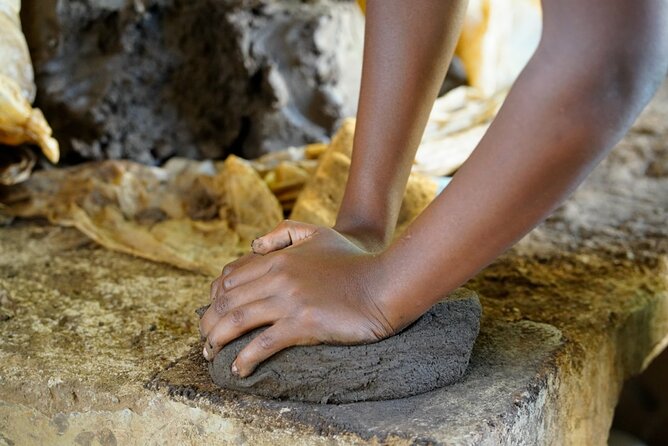
- 1) Getting the clay ready
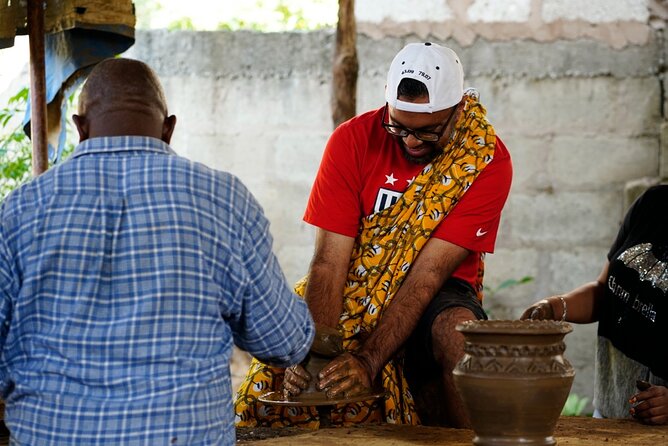
- 2) Turning on the foot-powered wheel
- 3) Trimming and shaping into something you actually want to keep
- 4) Firing in a traditional kiln
- Meru culture in plain language, not a lecture
- Price and value, is $50 worth it?
- Logistics that actually matter, meeting point and timing
- Who should book this pottery class?
- Should you book it? My decision guide
- FAQ
- Where is the meeting point for this pottery class?
- How long does the pottery class last?
- What is included in the $50 per person price?
- Is lunch included?
- Do they pick you up from your hotel in Arusha?
- How many people are in a group?
- What happens if weather is poor?
- What is the cancellation policy?
Key highlights worth your time
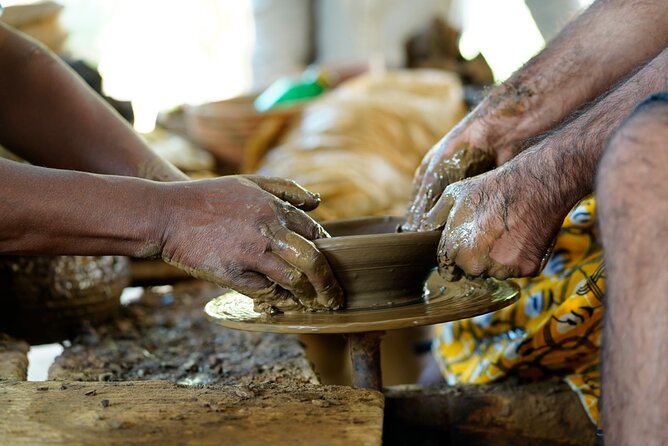
- The Small Things first: you see the community support side before you make anything.
- Full clay process, not a demo: prepare clay, shape on a wheel, trim, then fire.
- Locally mined clay and local tools: the materials feel of-the-place, not imported props.
- Small group size (max 8): more hands-on attention than bigger workshops.
- Meru culture guide time: you get context on history and culture, alongside making your piece.
- You take it home: your fired pottery becomes a personal souvenir you made.
Other visits hosted by Maasai communities
- 5 Days Camping Tarangire, Serengeti & Ngorongoro crater & Visiting Maasai★ 5.0 · 229 reviews
- Maasai village visit, Materuni waterfalls & coffee experience★ 4.5 · 95 reviews
- Hidden Arusha Waterfall, Coffee & Village Tour (All-Inclusive)★ 5.0 · 42 reviews
- Kilimanjaro: Maasai Village Visit, Waterfalls, & Coffee Tour★ 4.9 · 27 reviews
Entering Tengeru pottery, where the craft is the story
A lot of “cultural experiences” are mostly watching. This one is mostly doing, and that changes everything. When you shape clay with your hands, then crank a wheel, then wait for firing, you start understanding why pottery matters in everyday life, not just as an activity for visitors.
The workshop style also helps you learn at a comfortable pace. Your instructor and guide walk you through steps like preparing the clay, turning it on a foot-powered wheel, and then trimming it into something functional and clean. Even if you have never made anything on a wheel before, the process breaks down into manageable motions.
And because the class is tied to the Meru community and taught by local people, you get the “why” as well as the “how.” Guides you might meet, including Reuben and Andrew, are described as friendly and strong teachers who share how they work with clay and explain the culture behind it.
The Small Things visit, charity with a human face
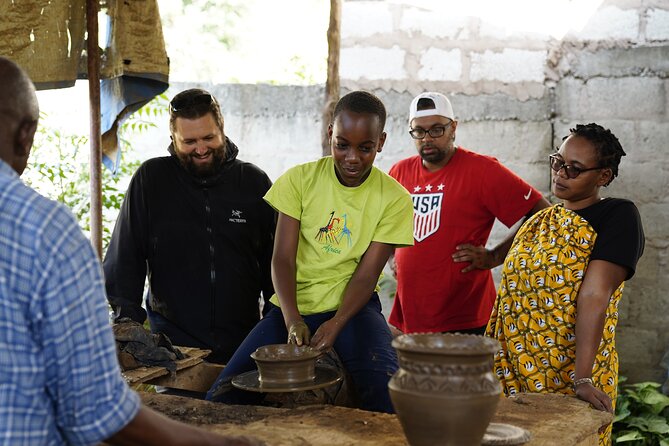
You begin at The Small Things, and that stop is more than a quick photo stop. You learn about the organization’s work supporting orphaned and vulnerable children and families in the community. It’s the kind of context that makes your afternoon feel connected, not transactional.
What you should like here is the order. Instead of jumping straight into pottery, you first understand who benefits from the tourism that funds local programs. That matters because you are not just spending money for a craft, you are also supporting ongoing community help.
There is also an extra option worth knowing: lunch can be provided for an additional $10 USD at The Small Things site. If you are hungry and you want a smoother day, this is the moment to ask about it rather than trying to piece together food plans later.
One practical note: the tour info does not say lunch is included by default. So if you want a seated lunch, budget the extra cost or plan another meal nearby.
The pottery class itself, clay prep to a finished piece
This is the heart of the day, and it is built like a real workflow.

1) Getting the clay ready
First comes clay preparation. You will work with locally mined clay, and you learn how to condition it so it handles well on the wheel. This step is quietly important. If the clay is too dry or too stiff, your shaping struggles. When the instructor shows you what the right feel is, you start to understand why potters can read materials with their hands.
2) Turning on the foot-powered wheel
Then you get onto the foot-powered wheel. If you have only seen wheels in studios with modern motors, this is a different experience. The rhythm comes from your feet and timing, and you control the pace more directly. Expect a learning curve. Your first attempt might be more bowl-shaped blob than masterpiece, but that is part of the fun.
The most praised part of the experience is how well instructors teach, and that shows up clearly in the reviews. People highlight that the teacher is a true artist who shares what he knows, and that the ambiance feels welcoming. You are not treated like a tourist who should keep their hands clean. You are encouraged to try, then refine.
3) Trimming and shaping into something you actually want to keep
After the initial form, you move into trimming. Trimming is where your piece becomes cleaner and more intentional. It is the stage that often makes the difference between something that is technically made and something you genuinely want on a shelf at home.
The workshop includes what you need, including tools, equipment, and materials. That means you can travel light. Just show up ready to work with your hands.
4) Firing in a traditional kiln
Finally, your creation is fired in a traditional kiln. This is the step that turns your work from fragile to durable, so it is also the step that requires good conditions. You will not control the firing timing yourself, but you will learn how the process fits into a traditional workflow.
In one review, a family mentioned extra farm-style moments like milking a cow during their day. The pottery is the focus, but you may see small additions that make it feel like a real village routine rather than a factory workshop. Keep an open mind.
Meru culture in plain language, not a lecture
One of the best parts of this experience is that the pottery class is paired with cultural context. You will have a local guide teaching history and culture of the Meru tribe while you go through the steps.
This matters because it keeps you from treating pottery as a random craft lesson. Instead, you get a sense of how clay work connects to daily life and community knowledge. The guide time also makes the experience feel more respectful. You are learning in context, not just copying a technique.
The reviews also point to the guides as a key part of the warmth of the day. People mention feeling welcomed and meeting friendly local artists and guides, with Reuben standing out for teaching and sharing. That kind of guidance changes how comfortable you feel when your piece starts wobbling.
Price and value, is $50 worth it?
At $50 per person for about 2 hours, this sits in the middle of the price range for hands-on craft experiences in the Arusha area. The value comes from what is included and what you take home.
Included elements that make the price feel fair:
- All tools, equipment, and materials
- Bottled water
- Your fired pottery creation as a take-home souvenir
What you might add:
- Lunch is available for an extra $10 USD at The Small Things site
- Pickup from local hotels or Arusha is not provided, so you will need to arrange your own way to the meeting point
There is also a small-group cap of up to 8 travelers. That is not huge, and it typically means more attention as you work on the wheel. The fact that it is often booked about 62 days in advance also suggests it is popular, so if you are traveling at peak times, lock it in early.
My take: if you want a memorable souvenir that you made yourself, and you like practical workshops where you are doing the work, the price makes sense. If you are hoping for a fully private, one-on-one session and guaranteed lunch included, you should plan for the limits ahead of time.
Logistics that actually matter, meeting point and timing
This tour does not include hotel pickup. The meeting point is listed as an unnamed road in Tanzania, and the activity ends back at the meeting point. Translation: you will want to confirm exactly where the guide meets you, and plan a simple route from where you are staying.
Duration is about 2 hours. That is a sweet spot. Long enough to learn real steps, short enough that you can still do other Arusha activities the same day.
Also note that the experience uses local outdoor and firing elements, so the weather matters. If conditions are poor, you should expect a different date or a full refund, depending on what the operator offers.
Good weather can also help the rest of the day flow. If you are pairing this with other activities in the Arusha area, keep some buffer time so you are not rushing.
Who should book this pottery class?
This is a strong choice if you:
- Want an authentic, hands-on activity near Arusha
- Like learning craft techniques plus cultural context
- Want a meaningful souvenir that is yours, fired and finished
- Prefer small groups where you can actually practice
It might be less ideal if you:
- Need hotel pickup, or you prefer door-to-door transfers
- Want a guaranteed private class with no other people present
- Are traveling with tight scheduling and no flexibility for weather
It is described as suitable for most travelers, and service animals are allowed. If you have limited mobility, the tour details provided do not specify accommodations, so you might want to ask questions directly before booking.
Should you book it? My decision guide
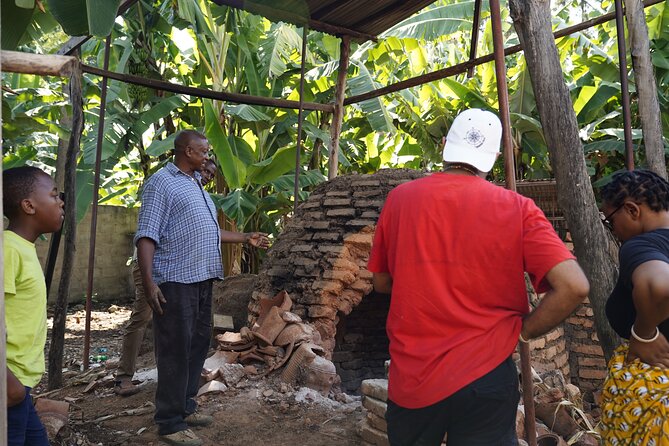
If your goal is to do something hands-on, learn from local artists, and take home a piece of pottery you made yourself, I would book this. The best parts are the combination: the full process from clay to firing, plus the cultural and community context at The Small Things.
Before you book, do two quick checks:
- Confirm what you will pay for lunch, since it is not included by default
- Plan how you will get to the meeting point since there is no pickup
If those points work for your day, this is the kind of activity that feels personal. You do the work, you learn the why, and you leave with an object that actually tells a story.
FAQ
Where is the meeting point for this pottery class?
The start location is listed as an unnamed road in Tanzania. The experience also ends back at the same meeting point.
How long does the pottery class last?
The duration is approximately 2 hours.
What is included in the $50 per person price?
Bottled water is included, and all tools, equipment, and materials are provided.
Is lunch included?
Lunch is not included in the base price. Lunch can be provided for an extra $10 USD at The Small Things site.
Do they pick you up from your hotel in Arusha?
No. Pickup from local hotels or from Arusha is not included.
How many people are in a group?
The experience has a maximum of 8 travelers.
What happens if weather is poor?
This experience requires good weather. If it is canceled due to poor weather, you will be offered a different date or a full refund.
What is the cancellation policy?
You can cancel for a full refund up to 24 hours in advance of the experience start time. If you cancel less than 24 hours before the start time, the amount paid is not refunded.
Time With Maasai Hosts
- 5 Days Camping Tarangire, Serengeti & Ngorongoro crater & Visiting Maasai
★ 5.0 · 229 reviews - Maasai village visit, Materuni waterfalls & coffee experience
★ 4.5 · 95 reviews - Hidden Arusha Waterfall, Coffee & Village Tour (All-Inclusive)
★ 5.0 · 42 reviews - Kilimanjaro: Maasai Village Visit, Waterfalls, & Coffee Tour
★ 4.9 · 27 reviews - 4 Days Wildlife Safari and Cultural Experience in Tanzania
★ 5.0 · 23 reviews
Just added from around Arusha





Maasai Village and Cultural Experiences, compared.
 ★ 5.05 Days Camping Tarangire, Serengeti & Ngorongoro crater & Visiting MaasaiFrom $1,254229 reviews
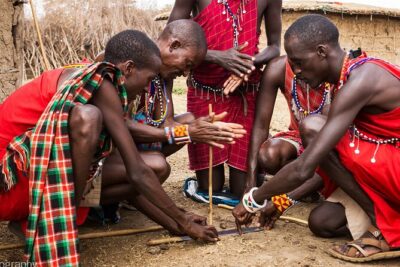 ★ 4.5Maasai village visit, Materuni waterfalls & coffee experienceFrom $15495 reviews
★ 5.05 Days Camping Tarangire, Serengeti & Ngorongoro crater & Visiting MaasaiFrom $1,28058 reviews
★ 4.5Maasai village visit, Materuni waterfalls & coffee experienceFrom $15495 reviews
★ 5.05 Days Camping Tarangire, Serengeti & Ngorongoro crater & Visiting MaasaiFrom $1,28058 reviews
 ★ 5.0Hidden Arusha Waterfall, Coffee & Village Tour (All-Inclusive)From $4042 reviews
 ★ 4.7Massai village & Baraka turtules aquariumFrom $5742 reviews
 ★ 5.0Maasai village visit and Chemka hot-springs with hot lunch.From $12233 reviews
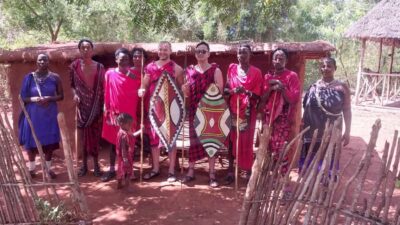 ★ 4.3Zanzibar: Maasai village Tour with Sunset Dhow CruiseFrom $5232 reviews
 ★ 4.9Kilimanjaro: Maasai Village Visit, Waterfalls, & Coffee TourFrom $18527 reviews
Browse the lists this tour appears in