
REVIEW · MOSHI AND THE KILIMANJARO FOOTHILLS
Private Market Tour and Tanzanian Cooking Class in Moshi
One market stop, then dinner with a family. This private Moshi experience starts at the market and ends in Shida’s mud house, with hands-on cooking over a wood fire. You’ll meet Shida, Marissa, and William, and learn why a few simple ingredients can taste like the whole region.
I especially love how private it feels from minute one. William picks you up from your Moshi hotel, then guides you through the local stalls before you cook with the family. I also like that you learn core Tanzanian staples, including traditional coconut milk and ugali, not just a single recipe.
One thing to consider is that you’ll be working close to heat and hands-on prep, including grating coconut and stirring cornmeal over a wood fire. If you prefer cooking that stays totally clean and cool, this might feel intense at times.
In This Review
- Key things that make this experience worth your time
- From Moshi hotel pickup to a mud house meal
- The market stop: ingredients, vendor chats, and quick food samples
- Learning coconut milk with the buzi (traditional tool and real work)
- Ugali on a wood fire: simple ingredients, serious technique
- The family meal outdoors: peanut brittle and homemade alcohol
- Price and logistics: is $86 per person good value?
- Who should book this cooking class in Moshi
- Quick tips to get the most out of your day
- Should you book Private Market Tour and Tanzanian Cooking Class in Moshi?
- FAQ
- How long does the private cooking class last?
- Is this tour private or shared?
- Do you get hotel pickup and drop-off in Moshi?
- What happens at the market?
- What dishes will I learn to make?
- How is coconut milk made during the class?
- Do you eat the meal after cooking?
- What is the price per person?
- Will I receive a mobile ticket?
- What is the cancellation policy?
Key things that make this experience worth your time
- Market-to-home flow that shows ingredients before you cook them
- William’s local guidance on what you’re buying and why
- Traditional coconut milk method using a buzi (wooden coconut grinder seat)
- Ugali practice where you learn the real technique, not just the idea
- Family-style meal outdoors with ugali, peanut brittle, and homemade alcohol
More from Moshi and the foothills
- Arusha or Moshi : Hot Spring, Waterfall & Coffee Farm Tour★ 4.8 · 80 reviews
- Moshi: Town tour and Local Markets tour★ 4.9 · 36 reviews
- Moshi sunset experience★ 4.5 · 31 reviews
- Moshi city bike day trip★ 5.0 · 17 reviews
From Moshi hotel pickup to a mud house meal
Moshi has a way of pulling people toward Mount Kilimanjaro, but this is a great detour into everyday life. Your day starts with pickup in Moshi, then you head to the market with William. After that, you move to Shida’s home, about 20 minutes away, either by a relaxed walk or a tuk-tuk ride.
The tour runs about 5 hours 30 minutes, which is a nice length when you want something memorable without eating the whole day. And because it’s private, your pace is your pace, not a crowd’s.
For me, the big value is that you’re not just watching someone cook. You’re learning how ingredients get turned into the meal Tanzanians eat at home, including the parts that take time and physical effort.
The market stop: ingredients, vendor chats, and quick food samples
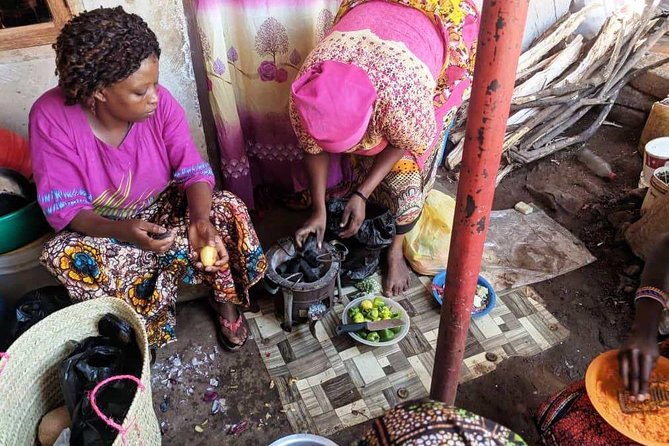
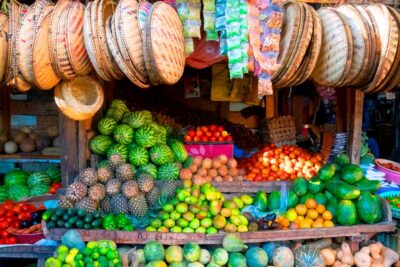
The market is where the story starts. You’ll explore stalls with Shida, Marissa, and William, and you’ll learn what fresh local produce means in real Tanzanian cooking. Expect to see fruits, vegetables, and aromatic herbs, then have the chance to pick up cooking ingredients with your hosts.
One useful detail from past experiences on this activity: William often points out items you can try on the spot, like fruit and other small samples. In some runs, dried sardines are part of the tasting. That kind of stop helps you understand flavors, not just menus.
Practical tip: bring an open mind and some patience. Markets run on conversation, and your hosts will likely spend time explaining what they’re choosing and how it will show up later in the stew and sides.
Learning coconut milk with the buzi (traditional tool and real work)
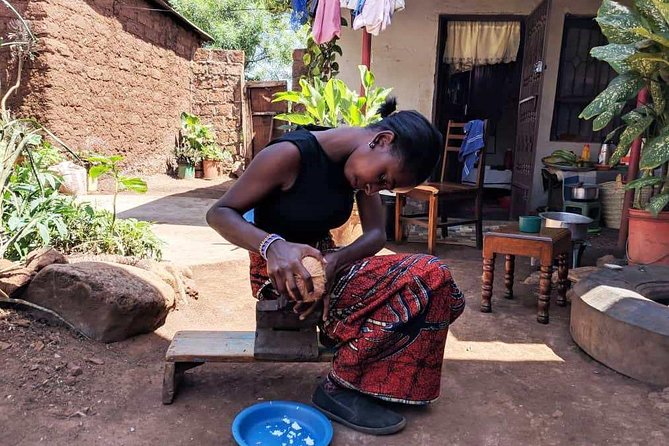
Next you head to Shida’s mud house, where the cooking class starts. Your hosts focus on coconut milk first, because it becomes the base for vegetable and stew dishes. The hands-on part is the key here: you’ll grate coconut and learn the traditional method using a buzi, a small wooden seat with a grinder.
This is not a “press a button and watch” cooking moment. It’s manual. Coconut meat gets shaved down, then worked into milk the traditional way. If you’ve had coconut milk from a can or carton, you’ll notice the difference in feel and flavor when you see how it’s made.
Why this matters for your food memory: coconut milk is one of the ingredients that can dominate a whole meal. Learning the process makes you understand what changes when you use fresh coconut versus pre-made coconut products.




Ugali on a wood fire: simple ingredients, serious technique
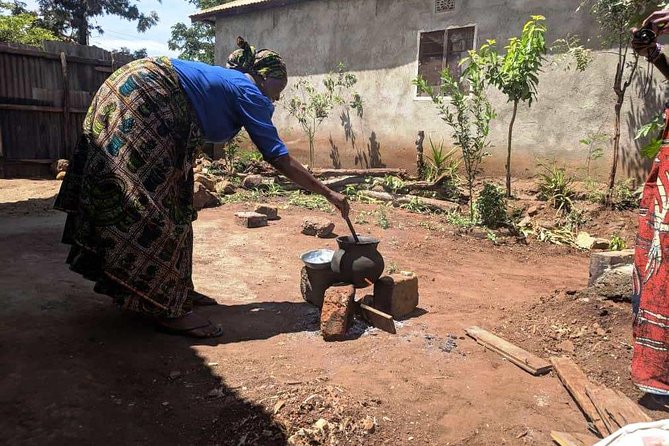
Then comes ugali, the cornmeal staple that shows up across East Africa. You’ll learn how to make it at Shida’s home using a wood fire. The process sounds straightforward, and it is, in terms of ingredients. But ugali has technique, especially in how the cornmeal cooks and how it reaches the right texture.
You’ll see that it’s labor-intensive. Cooking ugali takes time, and the stirring and attention are what turn it from “cornmeal in a pot” into the food people actually look forward to.
What you’ll serve alongside ugali matters too. You’ll make sautéed vegetables, and the coconut milk base also supports vegetable and stew dishes. So even if ugali is the headline, you’ll get a full view of how it functions on the plate: as the dependable carb that soaks up sauces.
The family meal outdoors: peanut brittle and homemade alcohol
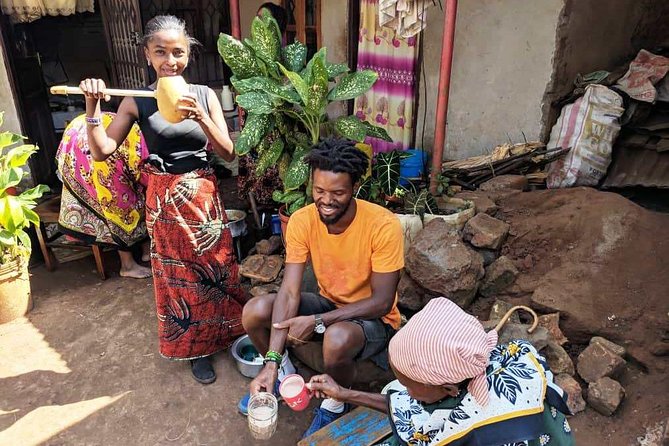
After the cooking, you sit down with the family. The meal is served outside on benches, which keeps the atmosphere relaxed and communal. This setup also makes the whole experience feel like a real household meal, not a staged restaurant dinner.
You’ll enjoy ugali with accompaniments like sautéed vegetables. And the meal includes peanut brittle plus homemade alcohol. The alcohol is part of the hospitality here, but you should feel free to pace yourself, or skip it, like any guest would.
If you’re wondering what the “culture” part feels like, it’s this: you’re eating the food you helped make, in the same shared space your hosts use in daily life. Conversation, shared benches, and the rhythm of the meal are what make it stick.
Price and logistics: is $86 per person good value?
At $86 per person, this is priced like a small, hands-on cultural experience, not a budget activity. The good news is that you get several things that usually cost extra when booked separately: market guidance, a real cooking class, pickup and drop-off in Moshi, and a meal with drinks.
The private format boosts value, especially if you’re traveling with a friend or as a couple. You’re not waiting your turn in a group kitchen, and William can slow down for questions at the market.
Duration also helps. About 5.5 hours is long enough to learn coconut milk and ugali properly, but short enough to still plan something else later in Moshi. If your schedule is tight around Kilimanjaro, this fits well as a meaningful activity between climbing days and travel days.
One more small note: the experience includes mobile ticket delivery, and it’s confirmed at booking. That reduces the typical stress of figuring out paperwork while you’re already on the ground.
Who should book this cooking class in Moshi
This is a strong match if you:
- want a day that connects ingredients to everyday Tanzanian meals
- like learning cooking technique, especially coconut milk and ugali
- prefer private experiences where you can ask questions and set the pace
It’s also a nice fit for travelers who want a cultural activity that feels grounded and practical, not like a performance. If you’re in Moshi for Mount Kilimanjaro and you want to balance the mountain with local life, this does that well.
You might skip it if you:
- dislike any hands-on cooking work, especially near heat
- want a meal focused only on lighter, non-stew styles and won’t want coconut-based dishes
Quick tips to get the most out of your day
A few things will help you enjoy the experience more:
- Ask about ingredients while you’re at the market. The answers make the cooking make sense.
- Expect a bit of physical work. Coconut prep and stirring take effort.
- If alcohol is not your thing, plan to politely decline or take very small tastes.
- Bring a curious, patient attitude. This is a household-style class, and the day runs on how the family is cooking, not on a strict show schedule.
Should you book Private Market Tour and Tanzanian Cooking Class in Moshi?
Yes, if you want an experience that actually teaches you something you can repeat, especially coconut milk and ugali. The combination of William’s market guidance, the traditional buzi method, and a family meal outdoors makes it feel personal and memorable.
Book it if you’re in Moshi with time for a half-day and you want your trip to include more than scenery. It’s also a great first food stop if you want Tanzanian flavors to be the lens through which you understand the rest of your trip.
One last practical thought: at $86 per person, go into it expecting a guided, private learning experience plus a real meal. If that sounds like your kind of travel day, you’ll likely love how this one turns ingredients into a story you can taste.
FAQ
How long does the private cooking class last?
It runs about 5 hours 30 minutes.
Is this tour private or shared?
It’s private, meaning only your group participates.
Do you get hotel pickup and drop-off in Moshi?
Yes, pickup and drop-off at your Moshi hotel are included.
What happens at the market?
You visit a local market with your hosts to see fresh ingredients and learn about traditional Tanzanian cuisine, and you purchase items for the cooking class.
What dishes will I learn to make?
You’ll learn to make fresh coconut milk and prepare ugali, plus vegetable dishes made with coconut milk and sautéed vegetables.
How is coconut milk made during the class?
You make coconut milk traditionally by grating coconut and using a buzi, a small wooden seat with a grinder.
Do you eat the meal after cooking?
Yes, you join the family to enjoy the meal outdoors on benches, including ugali with peanut brittle and homemade alcohol.
What is the price per person?
The price is $86.00 per person.
Will I receive a mobile ticket?
Yes, a mobile ticket is included.
What is the cancellation policy?
You can cancel for free up to 24 hours in advance of the experience start time for a full refund. Changes made less than 24 hours before the start time are not accepted.
Around Moshi
- Arusha or Moshi : Hot Spring, Waterfall & Coffee Farm Tour
★ 4.8 · 80 reviews - 1-Day Moshi Villages bike tour
★ 5.0 · 59 reviews - Moshi: Town tour and Local Markets tour
★ 4.9 · 36 reviews - Moshi sunset experience
★ 4.5 · 31 reviews - Moshi city bike day trip
★ 5.0 · 17 reviews
Just added from around Moshi




Moshi and the Kilimanjaro Foothills, compared.
 ★ 5.0Materuni Waterfalls & Coffee Tour from MoshiFrom $6092 reviews
 ★ 4.8Arusha or Moshi : Hot Spring, Waterfall & Coffee Farm TourFrom $5380 reviews
 ★ 5.01-Day Moshi Villages bike tourFrom $5059 reviews
 ★ 4.5From Arusha/Moshi: Kilimanjaro Hike Marangu Route Day TripFrom $10154 reviews
 ★ 4.9Moshi: Town tour and Local Markets tourFrom $2536 reviews
 ★ 4.5Moshi sunset experienceFrom $2031 reviews
 ★ 5.0Materuni Thundering Waterfalls,Coffee Experience with Moshi Town TourFrom $6017 reviews
 ★ 5.0Moshi city bike day tripFrom $4517 reviews
Browse the lists this tour appears in