
REVIEW · TANZANIA CAMPING AND BUDGET SAFARIS
Multi-Day Camping Safari Experience in Arusha
Calving season turns Serengeti into a real drama. This 6-day Arusha camping safari is built around the wildebeest calving migration in Ndutu, with predator action and multiple parks in one efficient run.
I love the open-roof pop-up safari jeep style game drives, where the roof rises for better sightings and photos. I also like the small group, max 6 travelers, which makes timing and communication feel smooth.
The main consideration is logistics. Expect early starts and long days, and camping nights are described as only ok. Also, calving peaks from around February for roughly three weeks, so newborn sightings can vary if your dates land outside that window.
In This Review
- Key highlights before you go
- Ndutu calving season: why this safari starts timing your trip
- Arusha pickup, max 6 travelers, and life in a camping safari
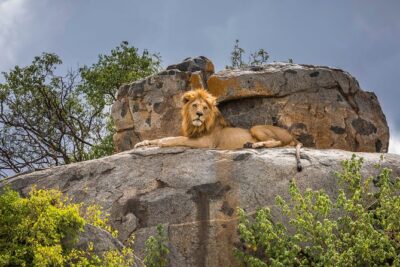
- Tarangire day one: baobabs, elephants, and tree-climbing lions
- Ndutu plains all day: short grass, newborn wildebeest, predator odds
- Sunrise drives in Serengeti, then onward to Ngorongoro
- Ngorongoro crater descent: 600 meters down and Lake Magadi
- Lake Manyara and the Mto wa Mbu biking change of pace
- Meals, comfort, and the practical perks that add up
- Price and value for a 6-day calving-focused circuit
- Who should book this 6-day Arusha safari
- Should you book this calving safari now?
- FAQ
- Where is this safari based?
- How long is the experience?
- Do you get pickup?
- What is included for wildlife viewing?
- What parks and activities are included?
- What meals are included?
- What is not included in the price?
- Is free cancellation available?
- What is the group size?
Key highlights before you go
- Ndutu is the calving bullseye during the Dec to Apr migration period
- Game drives timed for action, including early morning sunrise viewing
- Ngorongoro crater descent takes you 600 meters down for dense predator country
- Lake Magadi inside the crater brings flamingos, hippos, and waterbirds to the mix
- Practical comfort perks like unlimited drinking water, WiFi on board, and included meals
More camping safaris at this price
- 4 Days Group Camping Safari★ 5.0 · 1,101 reviews
- 5 Days Group Camping Safari★ 5.0 · 730 reviews
- 3 Days Serengeti & Ngorongoro Group Camping Safari★ 5.0 · 574 reviews
- 5 Days Camping Tarangire, Serengeti & Ngorongoro crater & Visiting Maasai★ 5.0 · 229 reviews
Ndutu calving season: why this safari starts timing your trip
This safari is designed around one simple idea: in the right place at the right time, you see wildlife behavior change by the day. The Great Serengeti wildebeest migration runs through the Serengeti ecosystem, and the calving phase has a particular hotspot in the Lake Ndutu area, usually from December through April.
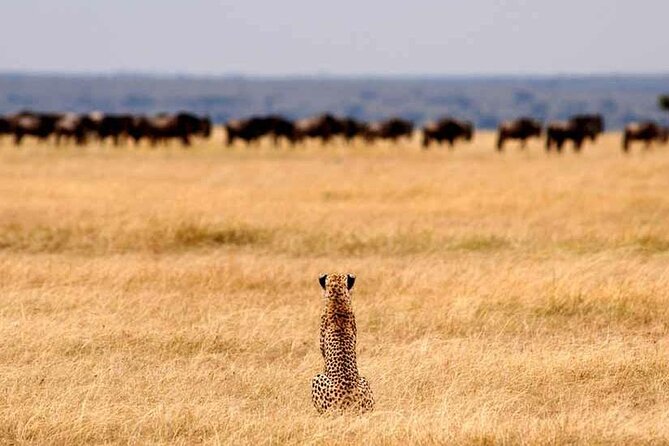
What makes Ndutu special is the short-grass plains. In a sea of grass with limited cover, newborns stand out fast, and that shapes everything that happens next. Wildebeest calves can run within minutes of being born, and within a few days they are strong enough to keep up. That means predator activity is not just present, it is often urgent.
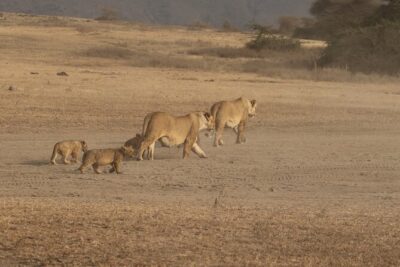
If your goal is to see predator-prey drama, this timing matters. The plan also targets cheetah, lion, hyena, and leopard, with an especially good chance of seeing big cat behavior where the odds are high. Realistically, wildlife never guarantees a kill scene on demand, but the itinerary is built to put you in the areas where action tends to happen most often.
Arusha pickup, max 6 travelers, and life in a camping safari
This is an Arusha-based safari with pickup offered, and it runs with a small group size, capped at 6 travelers. That is a big deal in Tanzania safaris, because fewer people usually means fewer voices competing in the vehicle, better pacing, and less time lost on coordination.
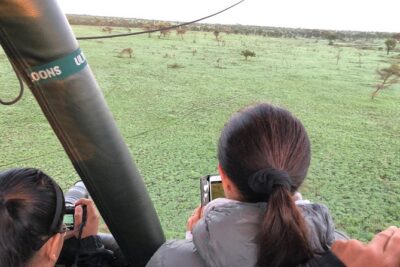
You also get a pop-up roof safari jeep. That helps on two levels. First, spotting is easier when the viewing angle is higher. Second, your photos improve because you are not fighting through the same low sightline over and over.
On the practical side, you also get WiFi on board and unlimited drinking water. Small comfort details like that matter more than you think on multi-day road trips where you are constantly scanning the horizon. When you do not have to ration water or ask for stops, you can stay focused on the wildlife.
Tarangire day one: baobabs, elephants, and tree-climbing lions
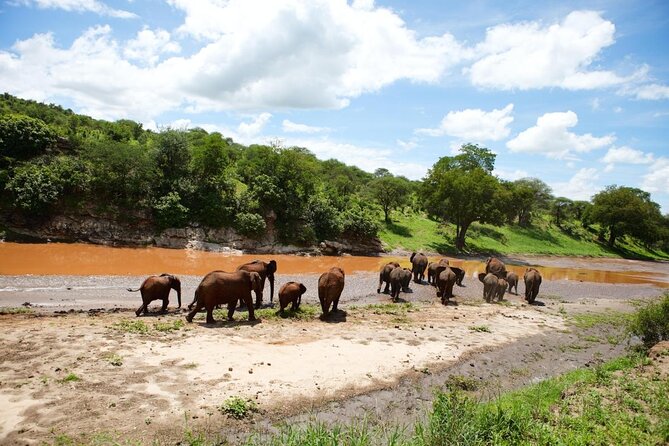
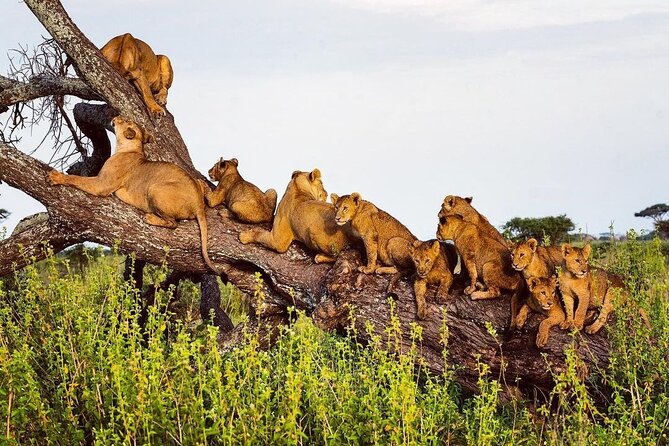
Day one starts in Tarangire National Park, and it is a great warm-up before the bigger draw of Serengeti and Ngorongoro. Tarangire has a strong identity. It is known for large elephant herds, baobab trees (often called the Tree of Life), and tree-climbing lions.
The park is also anchored by the Tarangire River, which flows all year. During dry periods, that steady water becomes a magnet, especially because it is described as the only source of water for wild animals in those seasons. So even if you are tired from the start, the wildlife density can feel like it is building around you instead of vanishing.
If you want an easy first day, Tarangire fits. It gives you big-animal energy fast, without requiring you to already be a Serengeti expert about micro-areas.
Ndutu plains all day: short grass, newborn wildebeest, predator odds
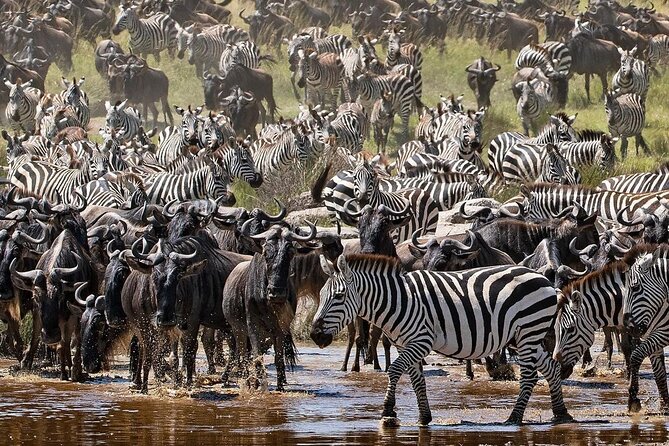
Two full days focus on the Lake Ndutu area in the Ngorongoro Conservation area, which is part of the southern Serengeti ecosystem. This is the heart of the whole trip, and the schedule is built to keep you in place for the behavior you came for.
Game driving here is not just about watching. It is about reading habitat. The plan is set up so you move through different environments such as swamps, woodland edges, soda lakes, and the short-grass plains. Those habitat shifts matter because predators and prey use them differently. If you stay in only one kind of ground, you miss part of the story.
Calving timing is the other big reason you are here. The plan describes a window around February, lasting about three weeks, where many wildebeest calves are born. That is why you spend multiple days in Ndutu rather than rushing through in a single afternoon.
Here is the behavior logic to keep in mind when you are watching: little cover means calves are easier to spot. The flip side is that adults also react fast, and that reaction can pull predators into view. This is the safari version of watching a live ecosystem instead of a static zoo exhibit.
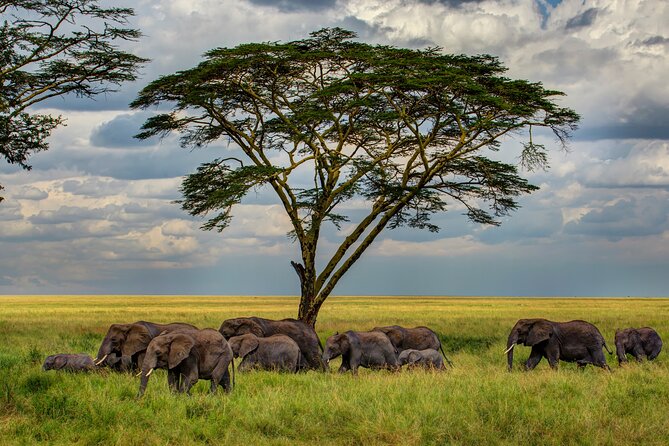
You can also expect resident game in the area, along with elephants and lots of birdlife. The birds are not just decoration, either. When bird activity spikes, it often signals an underlying change in movement and attention around the herd.
Sunrise drives in Serengeti, then onward to Ngorongoro
After a focused Ndutu couple of days, you shift into Serengeti with a big emphasis on timing. One day starts early, with wake-up around 5:45 and an early breakfast. The idea is to catch a sunrise experience inside Serengeti, followed by an early morning game drive that runs until about 11:30.
Then you head back for a hot lunch, pack your stuff, and continue with a game drive as you travel toward the Ngorongoro crater area for dinner and overnight at Simba campsite.
This split schedule can feel like whiplash if you are not used to safaris. But it is also how you maximize both light and animal movement. Early morning has clearer visibility and often higher wildlife activity. Later, you still get driving time, but it is not wasted in the exact middle of the day when heat and glare can flatten sightings.
Ngorongoro crater descent: 600 meters down and Lake Magadi
Ngorongoro is famous for a reason, and this safari treats it like the centerpiece it is. You drive to the conservation area, then descend into the crater, 600 meters down.
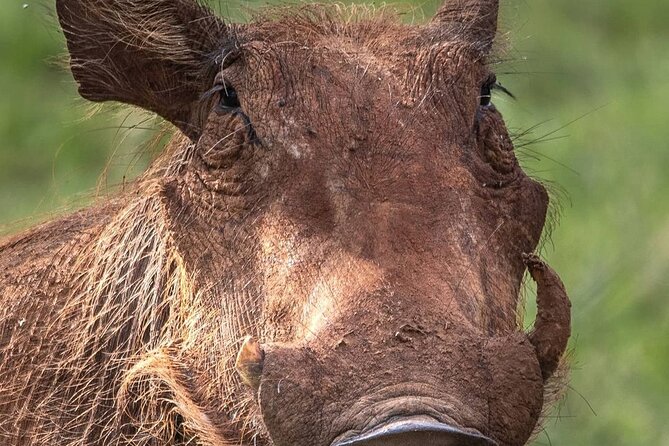
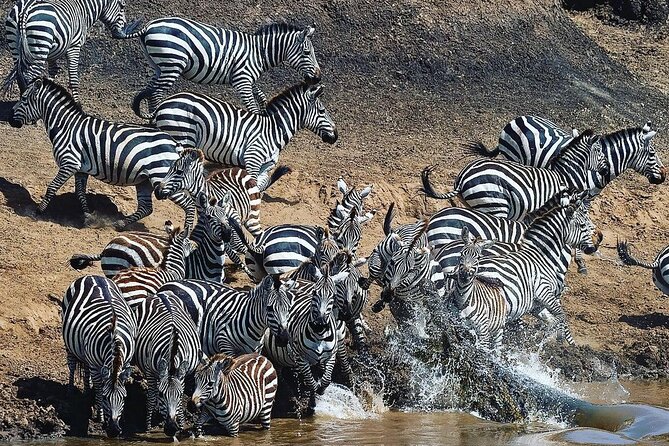
Once you are down there, the experience becomes about concentration. The crater is described as supporting a vast variety of animals thanks to year-round water and fodder. You can see wildebeest, zebra, buffalo, eland, warthog, hippo, and giant African elephants among others.
The predator angle is a major focus too. Ngorongoro is known for dense predator populations, including lions, hyenas, jackals, cheetahs, and the leopard that often requires a trained eye to spot. In plain terms, this is where you want a guide who can scan for small movements and judge distance without panicking the whole vehicle crowd.
You also visit Lake Magadi, a large but shallow alkaline lake in the crater’s south-west corner. That part of the crater tends to bring flamingos, hippos, and other water birds into the mix.
If you like variety, this day delivers. You get open grass and resident herds, plus a water area with birds that stand out even when the rest of the action is quieter.
Lake Manyara and the Mto wa Mbu biking change of pace
After Ngorongoro, the safari moves to Lake Manyara National Park. This is a very different mood from crater country. It is scenic, with the Great Rift Valley wall as a backdrop, and it is described as having a compact-game viewing circuit.
Manyara also earns attention for birdlife. The plan notes over 400 species of birds and thousands of pink-hued flamingos. If you want a day where you can slow down mentally and enjoy wildlife variety beyond the big cats, this is a good shift.
The overall safari also includes a biking adventure in Mto wa Mbu. The exact timing of that activity can vary within multi-day plans, but it is part of the trip. In practice, it is a nice contrast to long vehicle days, because it gets you moving under your own power.
Meals, comfort, and the practical perks that add up
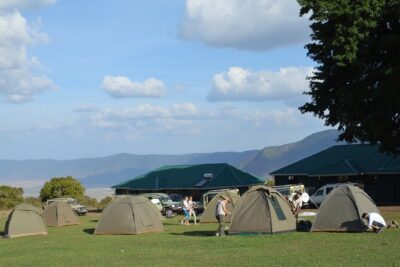
This is a camping safari, so you will trade some luxury for schedule flexibility and close access to wildlife areas. The good news is that the essentials are handled, and your downtime is not wasted.
Your meals are included: 6 breakfasts, 6 lunches, and 5 dinners. You also get unlimited drinking water and WiFi on board. That combination matters because it reduces the stress of finding food or paying for water during long drives.
Food quality comes up in the feedback, with specific praise for delicious meals. Camping sleeping is described as ok, so keep expectations realistic. If you need a perfectly quiet, cushy bed to sleep well, you may want to mentally plan for that compromise in advance.
The best comfort upgrade here is the vehicle experience. The pop-up roof jeep is a real tool, not just a gimmick. When the top rises, you stop fighting the vehicle and start watching like a hunter with a seat at the best vantage point.
Price and value for a 6-day calving-focused circuit
The price is $1,496 per person for an approximately 6-day safari. That is not a budget number, but it does include a lot that drives real cost in Tanzania: all fees and taxes, admission ticket free entry, and most of the on-the-ground logistics.
You also get the core experience package working in your favor. Instead of paying separately for park entries, vehicle time, and meal stops, the safari bundle handles those pieces. That matters most when you are building a trip around a time-sensitive wildlife event like calving.
The small group size also helps justify the price. With a max of 6 travelers, you are more likely to get attention when the guide is tracking animals and adjusting the drive route. That is the difference between a smooth safari and one where everyone is shouting at once.
What you should budget for outside the included price is clearly listed: tips, visa and air tickets, items of personal use, and alcohol. If you are the type who always underestimates tipping and alcohol costs, build that into your total travel math now.
Who should book this 6-day Arusha safari
This safari fits best if you want to prioritize one of the most intense wildlife moments on Earth, the calving period tied to the Serengeti ecosystem. If your dream is short-grass plains action, newborn wildebeest movement, and predator behavior that comes from that high-energy feeding cycle, Ndutu is the right place to focus.
It also suits you if you enjoy a mix of parks instead of one long drive into a single reserve. Tarangire brings elephants and baobabs. Serengeti brings the migration story and early morning viewing. Ngorongoro brings crater concentration. Lake Manyara adds birdlife and a calmer circuit.
If you are traveling as a first-time safari person, the itinerary is structured so each day adds a new type of wildlife viewing. If you are more experienced and want only one park, you might find the pace feels busy. But if you want value and variety in one trip, this plan is built for that.
Should you book this calving safari now?
I would book it if your travel dates line up with the calving window around February through the nearby weeks, and if you want a safari that is more about wildlife behavior patterns than just ticking off parks. The route makes sense: Ndutu for calving focus, Serengeti for timing and early light, Ngorongoro for density, and Manyara for birdlife and a different pace.
I would think twice if you hate early mornings or you know you will struggle with camping-style sleep. Also, no safari can guarantee exact newborn sightings on a precise calendar day, so bring patience. The upside is that the itinerary is designed to increase your odds by spending real time in the right areas instead of doing quick passes.
FAQ
Where is this safari based?
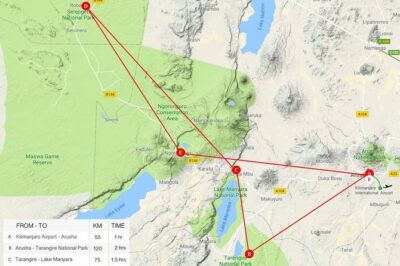
It is based in Arusha, Tanzania, and the itinerary covers several nearby wildlife areas including Tarangire, Serengeti (Ndutu), Ngorongoro Conservation area, and Lake Manyara.
How long is the experience?
The experience is listed as 6 days approximately.
Do you get pickup?
Pickup is offered.
What is included for wildlife viewing?
You travel in a pop-up roof safari jeep, and the plan includes unlimited drinking water and WiFi on board.
What parks and activities are included?
The safari includes Tarangire National Park, Serengeti National Park (focusing on the Ndutu area), Ngorongoro Conservation Area (including the crater and Lake Magadi), and Lake Manyara National Park. It also includes a biking adventure in Mto wa Mbu.
What meals are included?
Breakfast is included 6 times, lunch is included 6 times, and dinner is included 5 times.
What is not included in the price?
Tips, visa and air tickets, items of personal use, and alcoholic beverages are not included.
Is free cancellation available?
Yes. You can cancel up to 24 hours in advance of the experience for a full refund.
What is the group size?
The safari has a maximum of 6 travelers.
More Under Canvas
- 4 Days Group Camping Safari
★ 5.0 · 1,101 reviews - 5 Days Group Camping Safari
★ 5.0 · 730 reviews - 3 Days Serengeti & Ngorongoro Group Camping Safari
★ 5.0 · 574 reviews - 5 Days Camping Tarangire, Serengeti & Ngorongoro crater & Visiting Maasai
★ 5.0 · 229 reviews - 5 Days Budget Private Safari, Tanzania
★ 5.0 · 191 reviews
Just added from around Arusha
Tanzania Camping and Budget Safaris, compared.
 ★ 5.04 Days Group Camping SafariFrom $9001,101 reviews
 ★ 5.05 Days Group Camping SafariFrom $1,100730 reviews
 ★ 5.03 Days Serengeti & Ngorongoro Group Camping SafariFrom $815574 reviews
 ★ 5.05 Days Camping Tarangire, Serengeti & Ngorongoro crater & Visiting MaasaiFrom $1,254229 reviews
 ★ 5.05 Days Budget Private Safari, TanzaniaFrom $0191 reviews
 ★ 5.06 Days Private Budget SafariFrom $2,300163 reviews
 ★ 5.02 Days Tarangire and Ngorongoro Group Camping SafariFrom $550146 reviews
 ★ 5.06 Days Tanzania Budget Camping SafariFrom $1,600145 reviews
Browse the lists this tour appears in