

REVIEW · MOSHI AND THE KILIMANJARO FOOTHILLS
Moshi Town: Walking Tour: Theme Urban lifestyle
Moshi has a daily rhythm you can walk into. This theme urban lifestyle tour puts you on the streets of Moshi for a tight 2 hours, moving between market stalls, art workshops, and transport hubs, so you learn how the town actually runs. Two things I really like are the fruit and snack tastings at the food market and the chance to see handmade art up close before you buy. One thing to keep in mind is the pace, it involves about 2 hours or more of walking, so bring basic walking stamina.
You also get the kind of context that makes a town feel less random. I like that the route includes transport, from the train station area to the Moshi bus stand, plus a real history thread through KNCU, which connects everyday life to Tanzania’s cooperative movement. The possible drawback is that the overall experience can depend on whether the operator is on time and you get your assigned guide, since at least one past booking reported a no-show.
In This Review
- Key highlights worth your attention
- A Two-Hour Urban Lifestyle Walk Through Moshi
- Starting Points at KNCU or Coffee Union Cafe
- Tinga Tinga and Makonde Art Stops: How to Shop Without Guesswork
- The Food Market: Fruits, Vegetables, and Snack Sampling
- Train Station Area: Old Infrastructure, New Movement
- Moshi Bus Stand: The Lifeline of Local Routes
- KNCU Break and Cooperative History in Plain Language
- Local Restaurant Stops and the Question of Tastings
- Price and Value: Is $20 Fair for This Route?
- What to Bring, and How Hard Is This Walk?
- Who This Walking Tour Is Best For
- Should You Book Moshi Town: Theme Urban Lifestyle?
- FAQ
- How long is the Moshi Town walking tour?
- How much does the tour cost?
- Where can pickup and drop-off happen?
- What languages will the guide speak?
- What is included in the tour price?
- What should I bring, and is it suitable for kids?
Key highlights worth your attention
- Small group (up to 10 people) for easier conversation with the guide and locals at stops
- Pickup and drop-off at your choice of locations, including Coffee Union Cafe and KNCU
- Art market time, with handmade works you can watch being made and purchase souvenirs
- Transport-focused stops at the train station area and Moshi bus stand so you understand local routes
- KNCU cooperative history with a short break, turning a quick tour into something with meaning
- Fruit and snack sampling so you taste Moshi’s everyday flavors, not just look at them
More from Moshi and the foothills
- Arusha or Moshi : Hot Spring, Waterfall & Coffee Farm Tour★ 4.8 · 80 reviews
- Moshi: Town tour and Local Markets tour★ 4.9 · 36 reviews
- Moshi sunset experience★ 4.5 · 31 reviews
- Moshi city bike day trip★ 5.0 · 17 reviews
A Two-Hour Urban Lifestyle Walk Through Moshi
This is the kind of tour that works best when you want more than photos. In 2 hours, you cover Moshi’s public life, from what people eat and sell to where they go to move around town and beyond. It’s practical, too. Instead of staying in one scenic pocket, you’re walking through the places where routine happens.
I like the theme because it connects dots. Markets are not just for tourists, they are where neighbors compare prices, ask questions, and plan the day. Art markets are not just shopping, they are where money supports skilled makers. And transport stops are not just infrastructure, they show you how people actually get jobs, school, and errands done.
Because it’s a walk-based tour, it’s best for travelers who enjoy street-level encounters. If you prefer a car-and-window style day, this one may feel too hands-on.
Starting Points at KNCU or Coffee Union Cafe
You can usually start from one of two pickup spots: Coffee Union Cafe or KNCU. That matters more than it sounds. In Moshi, good walking times depend on where you’re staying, and a flexible pickup reduces the stress of getting to a meeting point you might not know yet.
If you’re staying near the center and feel comfortable with the streets, you can also meet at the listed pickup locations. Your guide will then take you through the planned route, with drop-off back at KNCU or Coffee Union Cafe at the end.
Tip: if you’re not sure where your hotel sits in relation to these landmarks, confirm your pickup time the day before. Moshi is active and there can be traffic and foot movement, so being precise helps.
Tinga Tinga and Makonde Art Stops: How to Shop Without Guesswork
The tour includes time at an artist cooperative, and the plan also highlights Makonde art markets and handmade works. Practically, that means you’re not just seeing souvenirs, you’re seeing the making and the story behind what you might take home.
Here’s what I’d pay attention to during the art stop:
- Ask how the pieces are made, especially if it’s carving or painting work.
- Look for differences in style so you can choose what truly appeals to you, not just what looks similar in every stall.
- If you plan to buy, treat the conversation like part of the experience, not an interruption.
There’s also a strong value angle here. When a guide helps you interpret what you’re looking at, the purchase becomes more confident. You spend less time wondering if you paid a fair price and more time choosing what fits your taste.
Drawback to consider: if you’re not interested in souvenirs or craft stories, this segment may feel like a shopping stop. Still, even then, it’s useful for understanding local creativity as an economic reality.



The Food Market: Fruits, Vegetables, and Snack Sampling
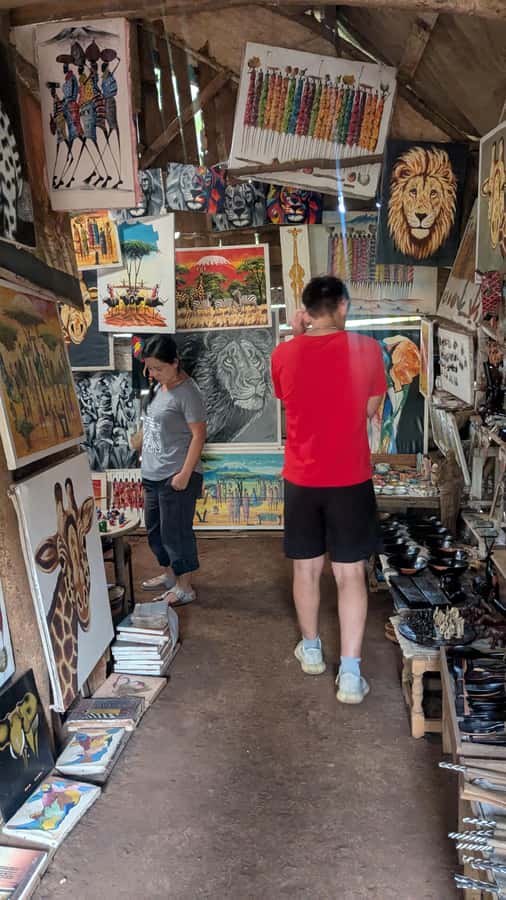
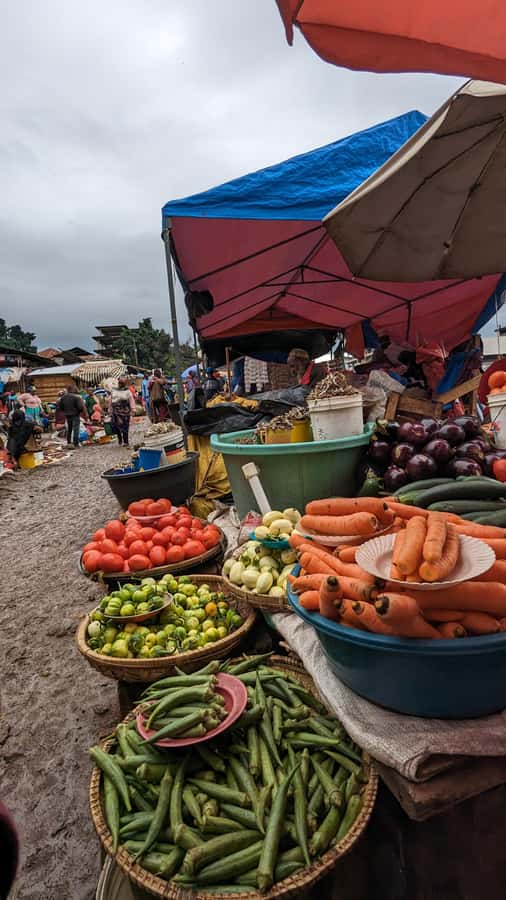
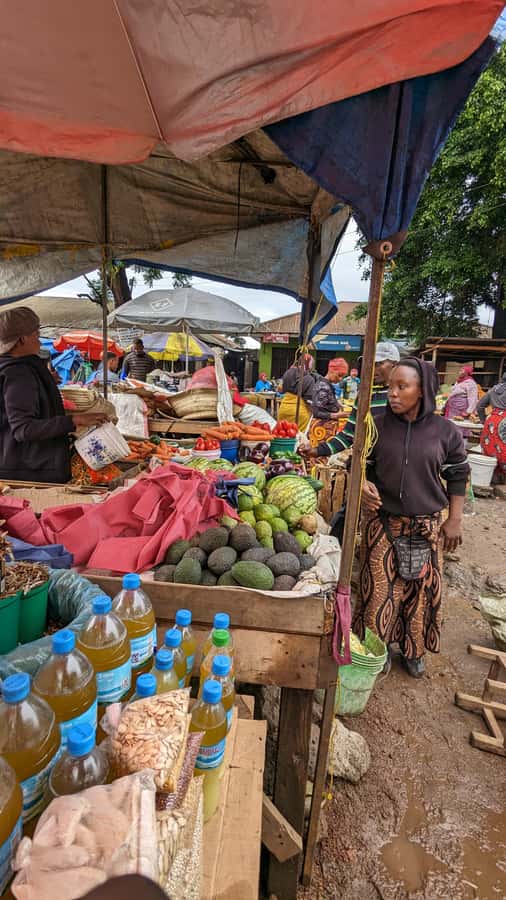
A core part of the experience is the lively food market experience, focused on fresh fruits and vegetables. You get a guided walk through how locals shop, talk, and compare quality.
This is one of the best parts for first-time Moshi visitors because it answers a big question fast: what does daily commerce actually look like here? You’ll notice how produce is handled, how vendors describe items, and how everyday customers make choices.
The tour also includes sampling of local fruits and snacks. That’s a smart way to balance curiosity and comfort. You don’t need to guess what to order in a busy place, and you get small tastes instead of committing to a full meal you might not like.
If you have a sensitive stomach, ask your guide what the tastings will include before you eat. It’s usually an easy adjustment to keep things comfortable.
Train Station Area: Old Infrastructure, New Movement
You’ll also spend time near the train station, with sightseeing and a walk of about 20 minutes. The theme here is transformation. The area is described as once dormant but now active again, which makes the stop more than a quick look at buildings.
I like this part because it gives you a wider view of what change looks like in a town. Even if you don’t ride the train, the station area teaches you about priorities and momentum. You see people waiting, moving, and working around a transportation hub, so you understand how infrastructure shapes daily life.
Practical tip: if it’s hot or sunny, keep your sunglasses and sunscreen ready. This tour is short, but it still spends time outdoors between stops.
Moshi Bus Stand: The Lifeline of Local Routes
Next up is the Moshi bus stand, with about 30 minutes of sightseeing and walking. This is where you learn the practical side of movement, the local and regional connections that make Moshi function as a gateway.
What makes this stop valuable is the guide explanation. A bus stand can look chaotic if you do not understand the system. With the tour, you get a breakdown of how routes work in real terms, so you can later make better decisions on your own.
If you’re planning day trips around Kilimanjaro region, this is especially helpful. Even if you don’t use buses right away, you’ll come away with a mental map of how people think about travel time and destinations.
KNCU Break and Cooperative History in Plain Language
KNCU is one of the tour’s most meaningful stops. You get history and significance tied to Tanzania’s cooperative movement, plus a short break time of about 10 minutes.
Why this matters: cooperatives are not just a political concept, they affect how people organize buying and selling, how profits flow, and how communities build stability. With this stop, the tour connects the story behind local economic life to the markets and shopping areas you saw earlier.
KNCU also works as a pacing reset. You get a short pause before heading back out for the final drop-off.
If you’re the kind of traveler who wants one part of the day that feels educational without being heavy, KNCU is that anchor.
Local Restaurant Stops and the Question of Tastings
The tour description includes discoveries of local restaurants and mentions tastings of traditional Moshi dishes and beverages. But the details provided also list tastings of traditional dishes and beverages as not included.
So here’s the practical advice: assume you will get the fruit and snack sampling at the market, since sampling is listed as included. For any heavier dish or beverage tastings, confirm what’s actually planned on your departure. It may depend on the guide’s approach and the stops they use that day.
You’ll still come away with value because the tour is structured around multiple street-level experiences, not only food. The art and transport stops help you understand how people spend, move, and socialize.
Price and Value: Is $20 Fair for This Route?
At $20 per person for a 2-hour walking tour, the value is strong if you want context, not just sightseeing. Here’s what you’re paying for, based on what’s included:
- A guided walk with local guide support
- Interactive experiences with locals at each stop
- Fruit and snack sampling at the food market
- Opportunity to purchase handmade art
- Historical storytelling at the train station area
- Explanation of how Moshi bus system routes work
- KNCU history overview
- Traditional tastings and beverage mentions, with the note that what’s included may need confirmation
Group size also affects value. With a small group limited to 10, you’re more likely to ask questions and get real answers, rather than watching the guide talk at a wall of people.
One more reality check: the overall rating is mixed, with at least one reported no-show issue. That doesn’t mean every departure fails, but it does mean you should plan smart. When you book, make sure you have your guide contact details and be ready to confirm pickup shortly before start time.
What to Bring, and How Hard Is This Walk?
This tour is listed as wheelchair accessible, which is great for travelers who need mobility support. It’s also described as moderate fitness because it involves 2 hours or more of walking.
Bring:
- Sunglasses
- Sunscreen
If you can, wear breathable shoes with grip. Market areas and station zones can be uneven, and you’ll walk between several stops in a short time. A light hat can also help, even though it’s not listed, because sun exposure in Moshi can add up fast.
Not suitable for children under 5 years. If you’re traveling with toddlers or very young kids, this is likely not the right format.
Who This Walking Tour Is Best For
I’d point you to this tour if you want:
- A first taste of Moshi beyond the obvious photo spots
- Market-to-transport context, so you understand local rhythms
- A short, guided walk with small-group discussion
- Art time with a chance to buy directly from makers
It may not suit you if:
- You hate walking and want minimal time on your feet
- You want a purely scenic itinerary with long stops sitting down
- You are extremely sensitive to crowd noise, since bus stands and markets are active
The sweet spot is travelers who enjoy practical urban experience, and who like learning how locals eat, shop, and move.
Should You Book Moshi Town: Theme Urban Lifestyle?
I think you should book if you’re after a compact introduction to Moshi’s daily life: market flavors, art you can actually understand, and transport clues you can use later. The price feels reasonable for the number of guided stops, and the small group size makes it easier to ask questions.
I’d book with two conditions in mind:
- Confirm what tastings are guaranteed, since the information provided is a bit inconsistent about dish and beverage tastings beyond fruit and snacks.
- Be proactive about pickup confirmation on the day. While many experiences run smoothly, one past booking reported a no-show, so it’s worth verifying your meeting point before you step away.
If you want a tour that helps you get your bearings fast, this one fits the bill.
FAQ
How long is the Moshi Town walking tour?
The tour duration is listed as 2 hours.
How much does the tour cost?
The price is listed as $20 per person.
Where can pickup and drop-off happen?
Pickup is available at either Coffee Union Cafe or KNCU. Drop-off is also listed at KNCU or Coffee Union Cafe.
What languages will the guide speak?
The live tour guide speaks English and Swahili.
What is included in the tour price?
Included items list a guided tour with local experts, interactive experiences with locals at each stop, fruit and snack sampling at the food market, and opportunities for historical insights and explanations, including KNCU history. The plan also mentions tastings, while separate details list some tastings as not included, so it is worth confirming what you will specifically receive.
What should I bring, and is it suitable for kids?
Bring sunglasses and sunscreen. The tour involves 2 hours or more of walking and is listed as moderate fitness. It is not suitable for children under 5 years.
Around Moshi
- Arusha or Moshi : Hot Spring, Waterfall & Coffee Farm Tour
★ 4.8 · 80 reviews - 1-Day Moshi Villages bike tour
★ 5.0 · 59 reviews - Moshi: Town tour and Local Markets tour
★ 4.9 · 36 reviews - Moshi sunset experience
★ 4.5 · 31 reviews - Moshi city bike day trip
★ 5.0 · 17 reviews
Just added from around Moshi




Moshi and the Kilimanjaro Foothills, compared.
 ★ 5.0Materuni Waterfalls & Coffee Tour from MoshiFrom $6092 reviews
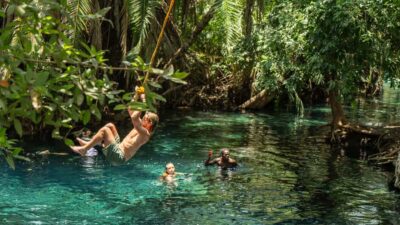 ★ 4.8Arusha or Moshi : Hot Spring, Waterfall & Coffee Farm TourFrom $5380 reviews
 ★ 5.01-Day Moshi Villages bike tourFrom $5059 reviews
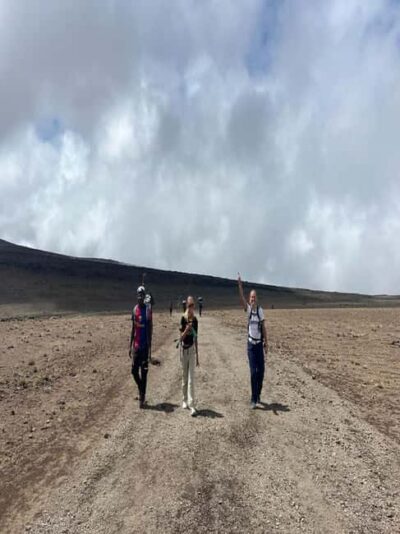 ★ 4.5From Arusha/Moshi: Kilimanjaro Hike Marangu Route Day TripFrom $10154 reviews
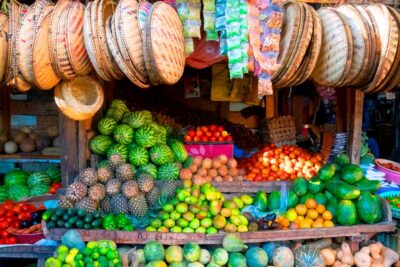 ★ 4.9Moshi: Town tour and Local Markets tourFrom $2536 reviews
 ★ 4.5Moshi sunset experienceFrom $2031 reviews
 ★ 5.0Chemka Hot Springs Tour from MoshiFrom $5917 reviews
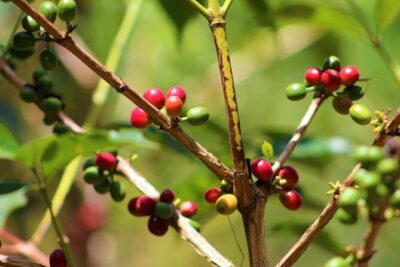 ★ 5.0Materuni Thundering Waterfalls,Coffee Experience with Moshi Town TourFrom $6017 reviews
Browse the lists this tour appears in