
REVIEW · MOSHI AND THE KILIMANJARO FOOTHILLS
Moshi town 1 day tour
Moshi stops for more than photos. In one focused 7-hour outing in and around town, I really like how you get the everyday rhythm at markets and also see how rice and banana are grown, not just the view from a taxi. The big consideration is the price at $1,000 per person, so go only if you truly want a guided culture day, not a budget sightseeing add-on.
You start around 8:00 AM with pickup at Keys Hotel, then work through the bus terminal and central market early, followed by Mbuyuni, the Manyema fish market, and ending at the Old Railway Station. This is a small group tour limited to 10 people, with a live English guide, often Thomas, a former Mt. Kilimanjaro guide who is used to navigating the town and helping you feel at ease.
In This Review
- Key highlights worth planning around
- Moshi in a single day, if you have one gap
- Meeting at Keys Hotel and starting with the bus terminal
- Thomas the guide, and what his Mt. Kilimanjaro background changes
- Central market first, so everything else makes sense
- Mbuyuni market: tomatoes, produce, and the way selling happens
- Manyema fish market: history in your ears, fish in your eyes
- Rice farms in Mabogini: irrigation and the work behind your meal
- Banana plant farm: cultivation history you can picture
- Coffee Union Cafe and a break that feels local
- Old Moshi and the Old Railway Station name story
- Price and value: $1,000 per person, what you’re really paying for
- Who this Moshi day tour fits best
- Should you book this Moshi day tour?
- FAQ
- How long is the Moshi town tour?
- What language is the live guide?
- What group size is this tour?
- What stops are included on the day?
- Is hotel pickup and drop-off included?
- Can I cancel for a refund?
Key highlights worth planning around
- Old Railway Station name story: you learn how Moshi relates to Old Moshi, not just where to take a photo
- Three market styles in one day: central market vegetables and grains, Mbuyuni produce, then Manyema fish with local context
- Farm stops you can actually understand: banana cultivation basics, then irrigated rice farming at Mabogini
- Food and drink in the middle of town: Coffee Union Cafe gives a simple, local pause before the historical finish
- A guide who connects dots: Thomas is known for explaining daily life and translating the culture into plain English
- Short walks, frequent turns: the day is broken into manageable pieces, with visits and walking blocks at each stop
More from Moshi and the foothills
- Arusha or Moshi : Hot Spring, Waterfall & Coffee Farm Tour★ 4.8 · 80 reviews
- Moshi: Town tour and Local Markets tour★ 4.9 · 36 reviews
- Moshi sunset experience★ 4.5 · 31 reviews
- Moshi city bike day trip★ 5.0 · 17 reviews
Moshi in a single day, if you have one gap
This Moshi town tour is designed for the traveler who has a limited window, often because you’re juggling a safari stop, Kilimanjaro trekking, or Zanzibar plans. It’s seven hours total, which is long enough to feel like you left the hotel bubble, but short enough to still come back to rest.
The tour is built around real daily life, not museum-style sightseeing. You move from transport hubs to neighborhood markets, then out to working farms and back into a historical area. That flow matters because Moshi is not just “things to see,” it’s systems people rely on each day: how food moves, how sellers and buyers meet, and how agriculture fits into the town’s routine.
Also, the group size cap of 10 people is a practical plus. In a small group, your guide can actually explain what you’re seeing and keep the pace comfortable. If you’re traveling solo, that companionship and guidance can also make the day feel easier to handle.
Meeting at Keys Hotel and starting with the bus terminal
Pickup is included, and you start at your hotel, Keys Hotel. From there you head to Moshi’s bus terminal. This early stop sets the tone. You’re not immediately in a “tourist zone,” you’re looking at how people get in and out of Moshi and how daily movement works.
You’ll also have a chance for a photo stop and a short guided walk here. That matters because buses are not just a backdrop in Tanzania. They’re part of the social map. Even a quick stop helps you understand why markets, clinics, and farms are positioned where they are.
From a practical standpoint, an early start also helps with energy. The day includes multiple short blocks of walking, and the sun and dust can add up. Starting earlier is a good way to keep the day comfortable.
Thomas the guide, and what his Mt. Kilimanjaro background changes
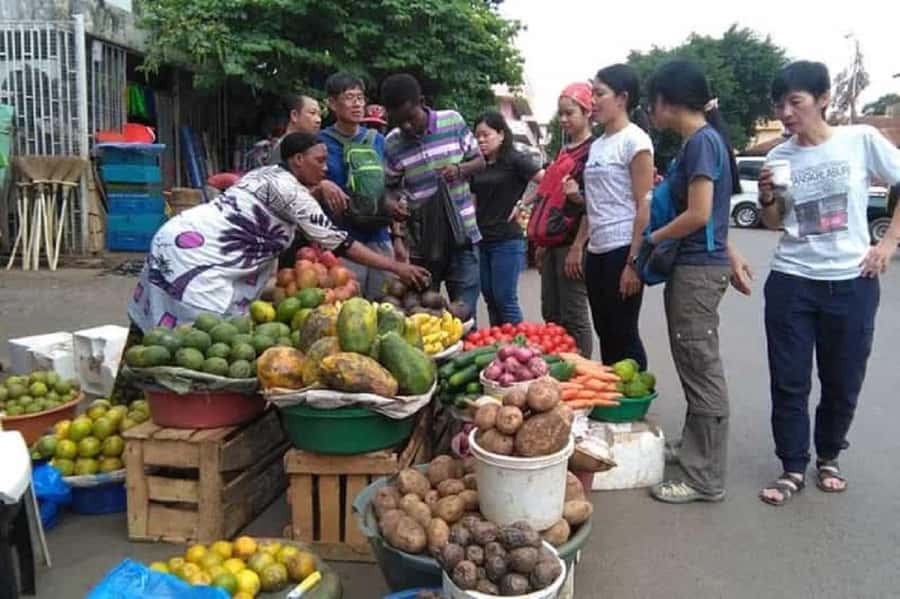
A standout feature of this tour is the way the guide turns “sights” into understanding. Thomas, a former Mt. Kilimanjaro guide, is well known for explaining daily life in Moshi in clear English and for keeping people oriented as you move through town.
That Mt. Kilimanjaro experience shows in the pacing. Trek guiding requires logistics, patience, and communication, and it often translates into calmer street navigation here. In practical terms, it means you’re more likely to know what you’re looking at and why it’s important, instead of just following someone from one stop to the next.
Thomas also has a reputation for being socially connected in Moshi, which can make a market visit feel more like a conversation than a checklist. If you want your day to feel human, not staged, this is the kind of guide you want.
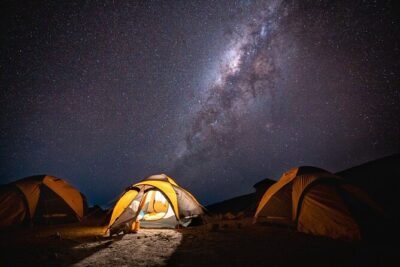



Central market first, so everything else makes sense
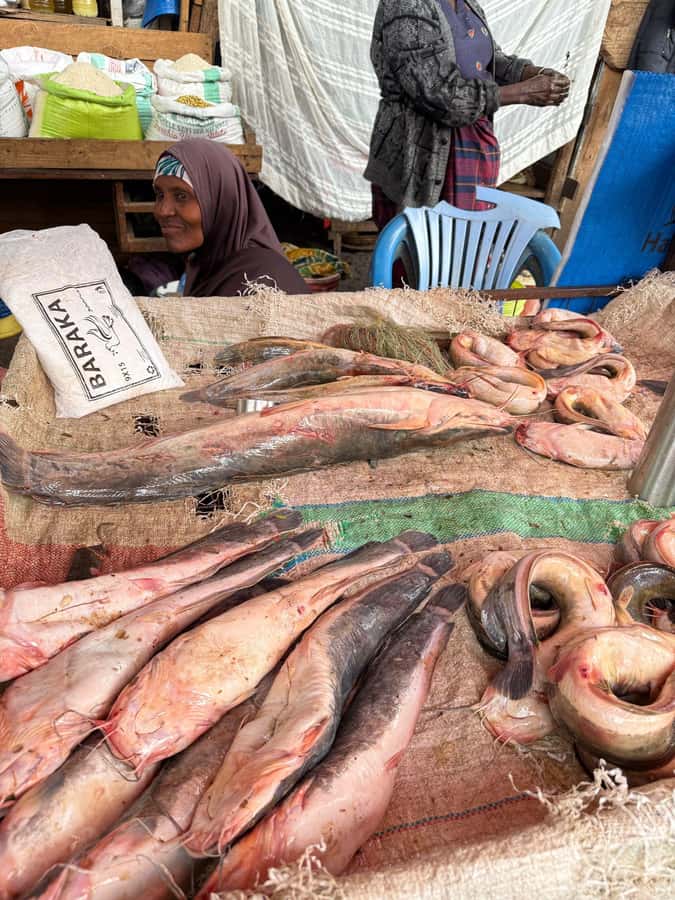
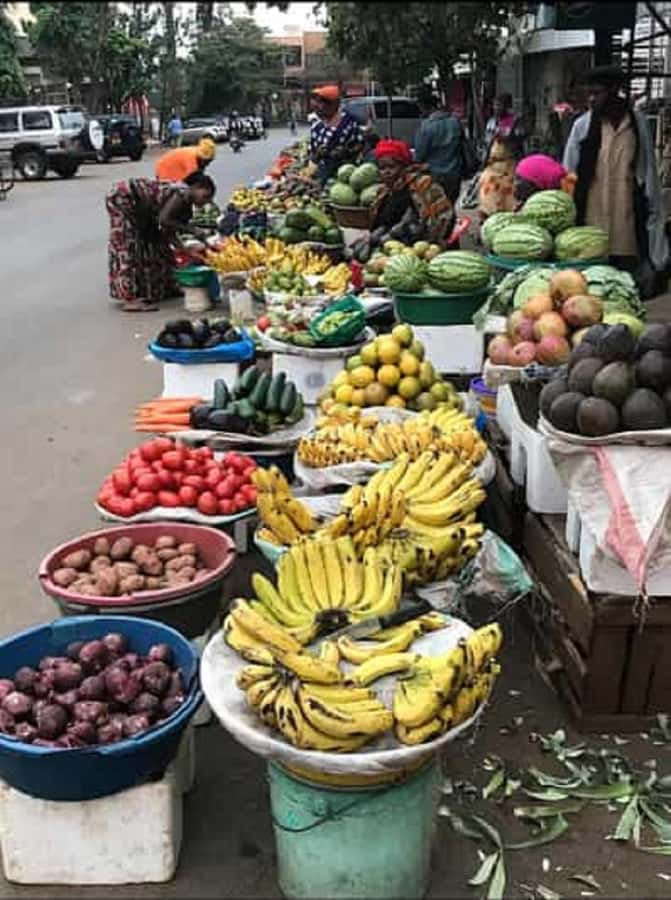
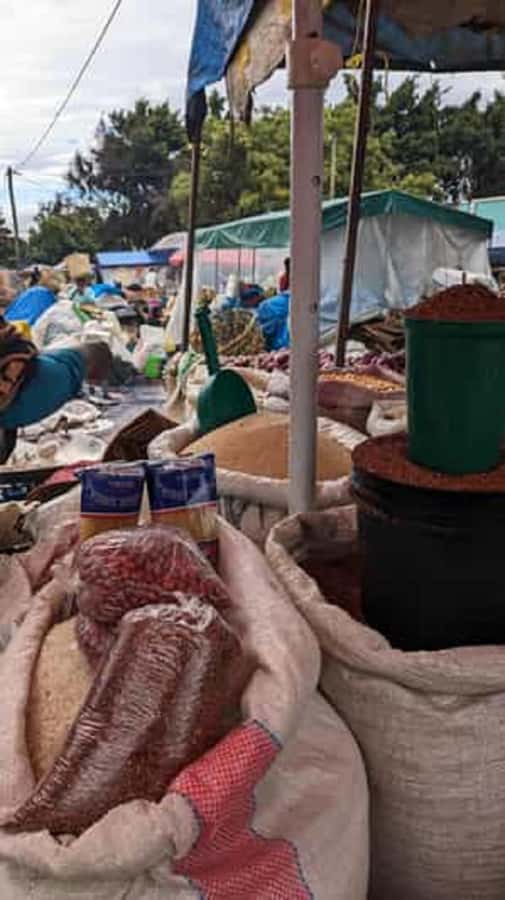
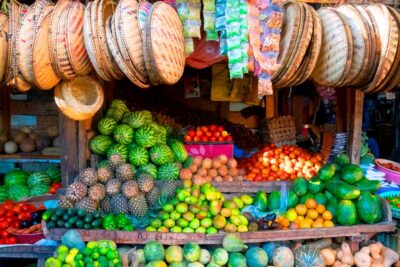
The central market is the first big food and produce focus. Here you’ll see vegetables, cereal crops, and other items sold by local people. This is the kind of stop where you can learn a lot fast because markets pack in the whole supply chain in one view.
You’ll likely notice variety in what’s on display, plus how sellers arrange goods and how buyers move through the space. Even if you don’t speak Swahili, the structure is easy to follow once your guide explains what’s being sold and when, and how people use these products day to day.
This is also where you start building the “why” behind later stops. When you understand what comes into town, the farm visits outside Moshi land better. You see the downstream effect of irrigation, cultivation, and harvesting later in the day.
Mbuyuni market: tomatoes, produce, and the way selling happens
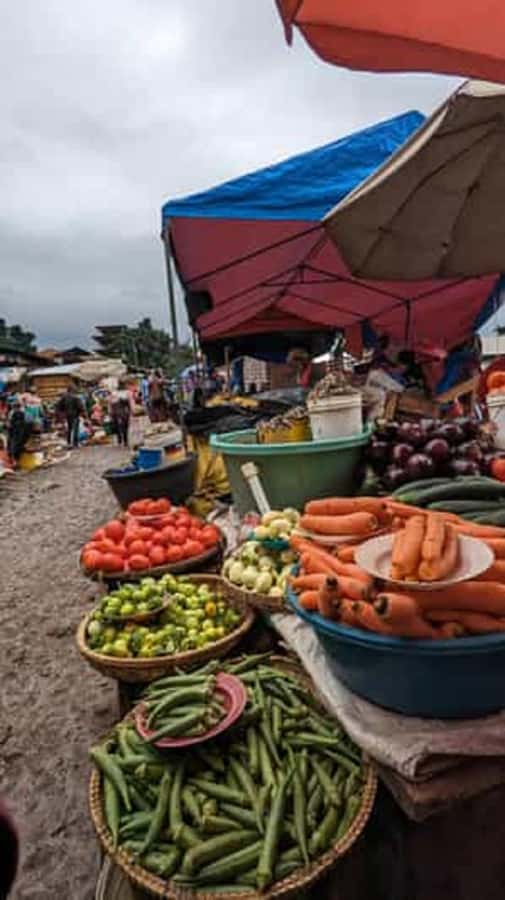
Next up is Mbuyuni market. This one has a more specific feel because you’ll be pointed toward items like tomatoes and other produce sold directly on the ground. That detail sounds small, but it changes the vibe. It’s less formal-looking, more grounded in the everyday workflow.
A guided walk here helps you pay attention to what you might miss if you were wandering alone. Your guide can point out what different sellers are doing, which products tend to be seasonal, and how market life links back to farming areas around Moshi.
If you’re the type of traveler who likes to watch real routines, this market is usually where the day feels most authentic.
Manyema fish market: history in your ears, fish in your eyes
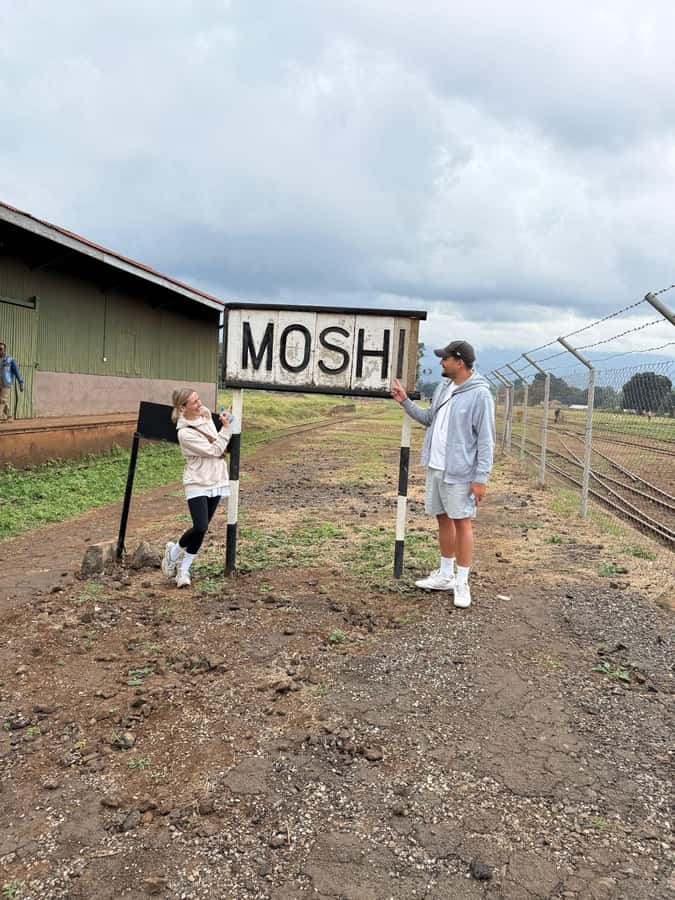
Manyema fish market is next. You’ll get a short history of the word Manyema, plus a look at different local fish sold there. Fish markets are sensory in a way produce markets can’t fully match. The smells, the handling, and the variety of fish are all part of the lesson.
What I like about adding a fish market stop is that it broadens the idea of local food. You’re not only thinking about grains, fruits, and vegetables. You’re seeing another core protein route into town.
If you’re food-curious, this stop is often a highlight because it brings explanation and observation together. And since it’s guided, you’re not guessing, you’re learning what you’re seeing and how it fits into Moshi’s daily life.
Rice farms in Mabogini: irrigation and the work behind your meal

After the markets, the tour moves out toward rice farms in Mabogini. Here you learn how rice is cultivated and irrigated. This is the kind of stop that turns your earlier market experience into something practical.
Rice farming is water-dependent, and that’s exactly why an irrigation explanation matters. When your guide connects the farm method to the food you saw earlier in town, the trip stops being “pretty photos” and becomes real understanding.
Timing also helps. You get a shift from market intensity to slower farm pacing. It’s a good mental reset between town stops and the historical finish later in the day.
Dress for this part accordingly. Farms mean dirt paths, dust, and sun. Comfortable shoes are not optional, and a hat can make the difference between enjoying the walk and just powering through it.
Banana plant farm: cultivation history you can picture
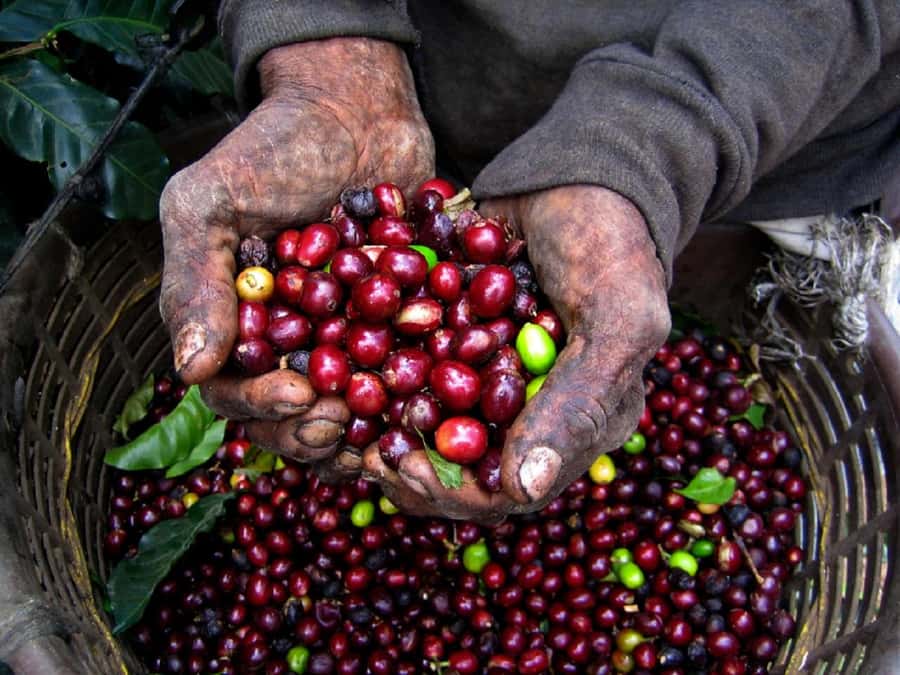
The banana plant farm stop focuses on the history of banana and how bananas are cultivated. Banana growing can look simple if you only see fruit in a supermarket. On a farm visit, you start seeing it as a process with seasons, growing cycles, and care.
A guided explanation helps you understand why banana cultivation is meaningful to the local economy and how it fits alongside other crops in the Moshi region. The tour doesn’t try to turn this into a biology class. Instead, it keeps things practical and visual.
This farm stop also gives you a chance to breathe a little. If your markets day was fast-paced and busy, the plant farm is a calmer change of scenery.
Coffee Union Cafe and a break that feels local
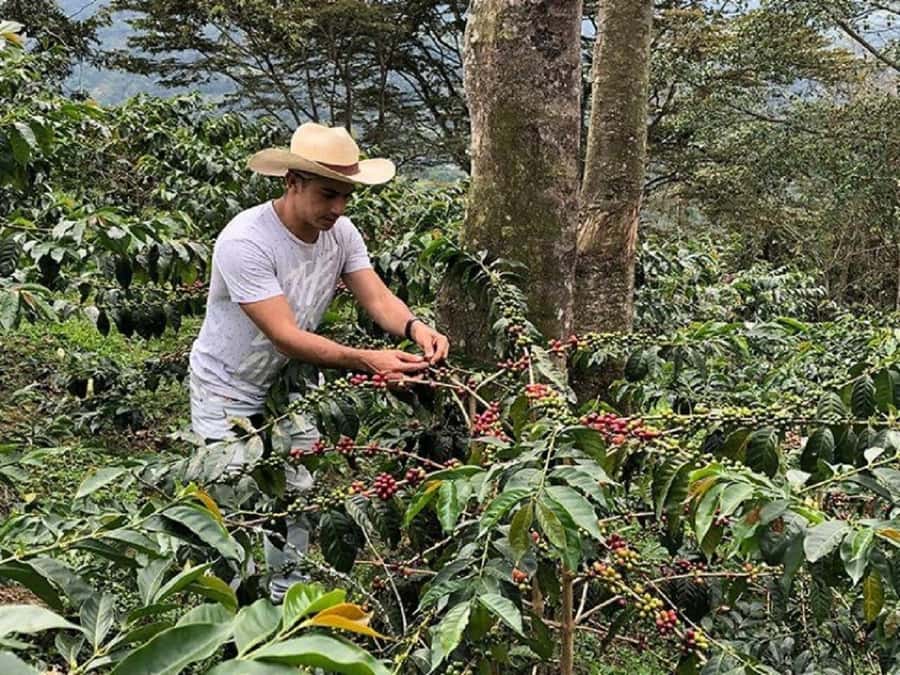
Coffee Union Cafe is one of the town-based pauses. You’ll have a visit and guided walkthrough time here, then continue on to the historical area finish.
What I like about a cafe stop in the middle is that it gives you a moment to slow down. Even if you don’t buy anything specific, it’s a chance to reset after farm and market walking. It also puts you back into town rhythm before the last leg.
From a value perspective, this is important. A seven-hour tour can feel long if there’s no downtime. A cafe stop makes the day feel more human.
Old Moshi and the Old Railway Station name story
The finish takes you to the Old Railway Station. This is one of the most memorable parts because you get a guided story about the name Moshi and its relation to Old Moshi.
Railways often shape towns, but you rarely hear the local naming logic in a quick stop. Here, the station is treated as more than a photo spot. You hear how the name connects to place history and to the nearby village area.
This ending is a good payoff for the day. You started with modern movement at the bus terminal, then saw how people live and trade, then learned about farming, and you wrap it up by connecting Moshi’s identity to its geography and past.
If you’re a “why does this place look like this” type of traveler, the Old Railway Station stop is your reward.
Price and value: $1,000 per person, what you’re really paying for
Let’s talk money honestly. At $1,000 per person for a 7-hour guided day, this is not a cheap add-on.
So what are you paying for, in plain terms?
- A live English guide for the whole day, including history and explanations
- A small group size limited to 10, which helps the experience feel personal
- A route that mixes town markets, farms, and historical sites, instead of repeating the same kind of stop
- Pickup and drop-off from your hotel, which matters in a city where you want to spend time actually learning, not figuring out logistics
If you already have a higher-budget trip in Tanzania, like a safari or Kilimanjaro plan, this can feel like a worthwhile cultural “bridge day.” It’s a way to avoid coming away with only wildlife sightings or only mountain views.
If you’re on a tight budget, this price is the first thing to question. A short market stroll with a random local guide might be cheaper, but it likely won’t come with the same structured day flow and English history context.
One more practical note: there has been at least one report of the agency being late and not very responsive. That doesn’t change the value of the day itself, but it does mean you should plan to confirm timing clearly before you leave your hotel.
Who this Moshi day tour fits best
You’ll likely enjoy this tour if you:
- Want one full day to understand everyday Moshi life before or after safari or Kilimanjaro
- Like markets and food culture, and you want an explanation while you walk
- Prefer guided learning with an English-speaking local rather than self-navigation
- Enjoy agriculture visits, especially rice cultivation and crop growing stories
- Value feeling safe and supported, especially if you are traveling solo
You might want to reconsider if you:
- Are price sensitive and need a low-cost option
- Hate walking on dusty roads and prefer minimal outdoor time
Should you book this Moshi day tour?
If you have one day in Moshi and you want it to count, I’d say yes, but with one condition: make sure you’re booking it for the right reason, a guided, culture-first day with markets and farm learning.
This isn’t a “stand by the roadside for photos” experience. The guide approach, the market sequence, and the way the day ends with the Old Railway Station story all work together. You come away with a better sense of how Moshi functions day to day, not just how it looks.
If you’re paying $1,000 per person, check your expectations. Treat this as a premium cultural day that complements your safari or mountain trip, then you’ll feel like the price matches the value.
FAQ
How long is the Moshi town tour?
The tour lasts 7 hours.
What language is the live guide?
The live tour guide speaks English.
What group size is this tour?
It is a small group limited to 10 participants.
What stops are included on the day?
The tour includes stops such as the Moshi bus terminal, central market, Mbuyuni market, Manyema fish market, a banana plant farm, rice farms in Mabogini, Coffee Union Cafe, and the Old Railway Station area.
Is hotel pickup and drop-off included?
Yes, pickup and drop-off are included, along with the guide fee.
Can I cancel for a refund?
Yes, you can cancel up to 24 hours in advance for a full refund.
Around Moshi
- Arusha or Moshi : Hot Spring, Waterfall & Coffee Farm Tour
★ 4.8 · 80 reviews - 1-Day Moshi Villages bike tour
★ 5.0 · 59 reviews - Moshi: Town tour and Local Markets tour
★ 4.9 · 36 reviews - Moshi sunset experience
★ 4.5 · 31 reviews - Moshi city bike day trip
★ 5.0 · 17 reviews
Just added from around Moshi




Moshi and the Kilimanjaro Foothills, compared.
 ★ 5.0Materuni Waterfalls & Coffee Tour from MoshiFrom $6092 reviews
 ★ 4.8Arusha or Moshi : Hot Spring, Waterfall & Coffee Farm TourFrom $5380 reviews
 ★ 5.01-Day Moshi Villages bike tourFrom $5059 reviews
 ★ 4.5From Arusha/Moshi: Kilimanjaro Hike Marangu Route Day TripFrom $10154 reviews
 ★ 4.9Moshi: Town tour and Local Markets tourFrom $2536 reviews
 ★ 4.5Moshi sunset experienceFrom $2031 reviews
 ★ 5.0Materuni Thundering Waterfalls,Coffee Experience with Moshi Town TourFrom $6017 reviews
 ★ 5.0Moshi city bike day tripFrom $4517 reviews
Browse the lists this tour appears in