
REVIEW · MAASAI VILLAGE AND CULTURAL EXPERIENCES
Maasai Boma Cultural Experience (maasai village tour)
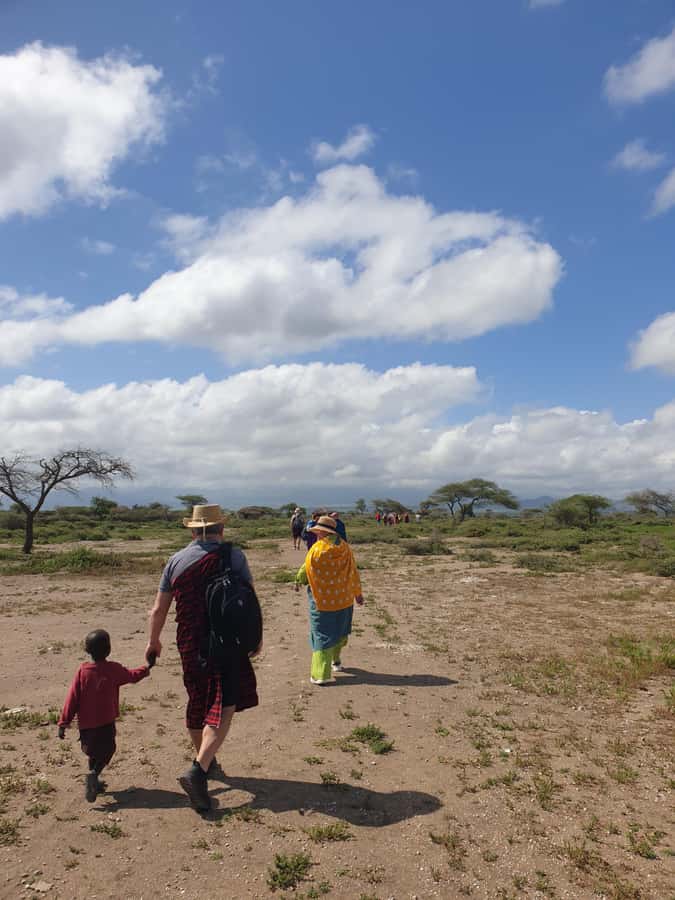
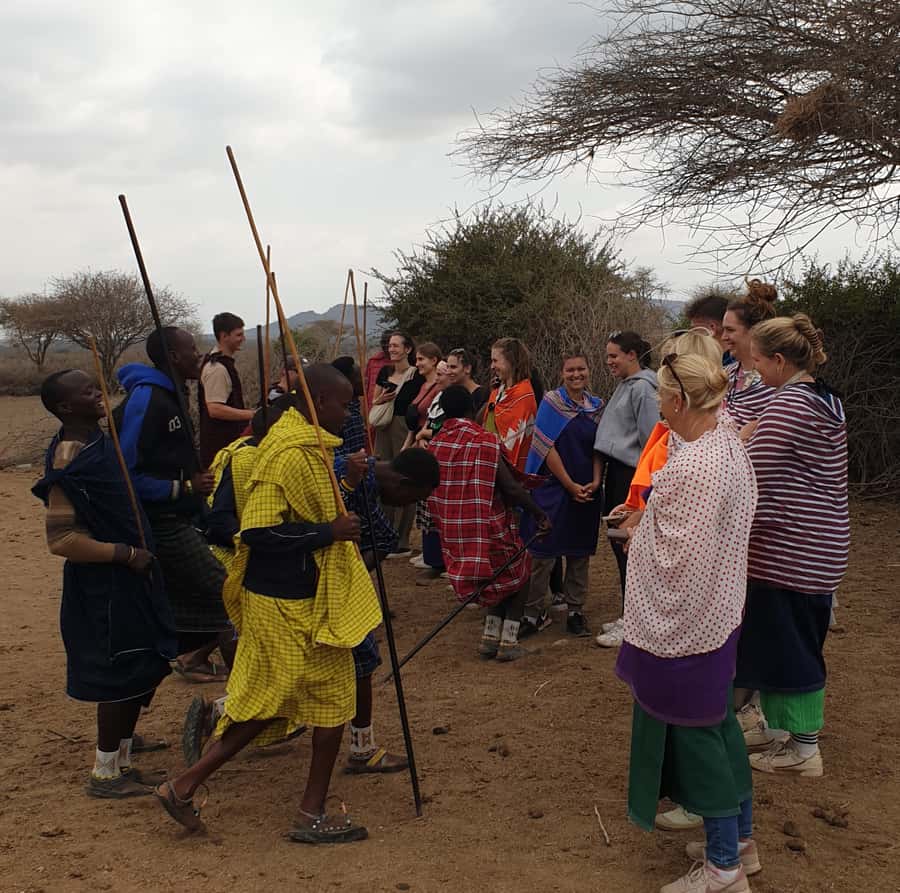
Maasai life comes close in a boma visit. I love the warm welcome with singing from Maasai women, and I like that the day is built around real routines inside the compound, not just one scripted performance. You’ll also get a chance to watch the adumu jumping dance, and if you feel game, you can join in.
One thing to keep in mind is timing. Based on past experiences, the day can run a bit shorter than the headline duration, so build in schedule slack rather than locking in tight plans right after pickup.
In This Review
- Key highlights at a glance
- Stepping into a Maasai boma, with songs and shuka dressing
- The boma tour itself: fire, cows, water, and bee hives
- Adumu jumping dance: strength, pride, and how to join
- Lunch at the boma: what you’re really paying for
- Timing, pace, and what to plan around
- Getting picked up in Arusha or Moshi, and why it matters
- Who this tour fits best
- Should you book the Maasai Boma Cultural Experience?
Key highlights at a glance
- Singing welcome at the boma: Maasai women greet you right as you arrive, setting the tone for the visit
- Daily life, up close: you learn how families handle tasks like fire making, milking cows, fetching water, and tending bee hives
- Adumu jumping dance energy: watch the men perform, then try it yourself if the mood hits
- Shuka and jewelry dressing moment: you may be adorned with typical Maasai items for the visit
- Lunch at the boma: the meal is part of the experience, not an afterthought
- Real guidance in English: the tour is led by an English-speaking guide, and names you may hear include Johnson and Arthur
Other visits hosted by Maasai communities
- 5 Days Camping Tarangire, Serengeti & Ngorongoro crater & Visiting Maasai★ 5.0 · 229 reviews
- Maasai village visit, Materuni waterfalls & coffee experience★ 4.5 · 95 reviews
- Hidden Arusha Waterfall, Coffee & Village Tour (All-Inclusive)★ 5.0 · 42 reviews
- Kilimanjaro: Maasai Village Visit, Waterfalls, & Coffee Tour★ 4.9 · 27 reviews
Stepping into a Maasai boma, with songs and shuka dressing
The Maasai Boma Cultural Experience is designed to feel like you’re visiting a living home, not touring a museum. You start with pickup from either Arusha or Moshi, then you head out to a typical Maasai compound, called a boma, where several families live together. This matters because it frames the whole day as everyday culture, not just folklore.
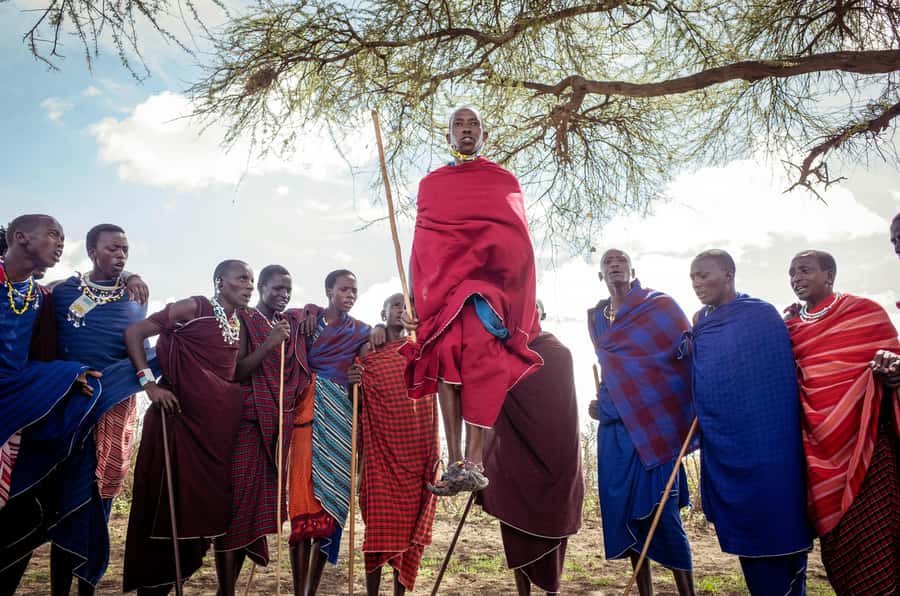
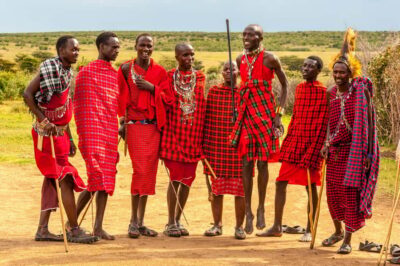
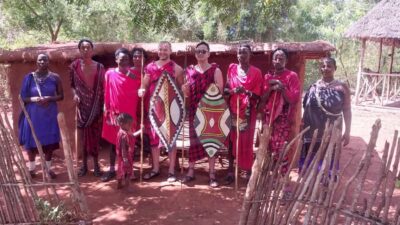
When you arrive, you’re welcomed by songs performed by Maasai women. That first moment sets the pace: it’s lively, communal, and it signals that you’re there to learn through interaction. Many visitors also get offered traditional clothing and accessories to wear during the visit, like a shuka and Maasai-style jewelry. It’s a fun, visual way to slow down and pay attention, but you should treat it with respect. If you’re given items, ask how to wear them, and keep them clean, since it’s meant to be part of the greeting, not a prop photo session.
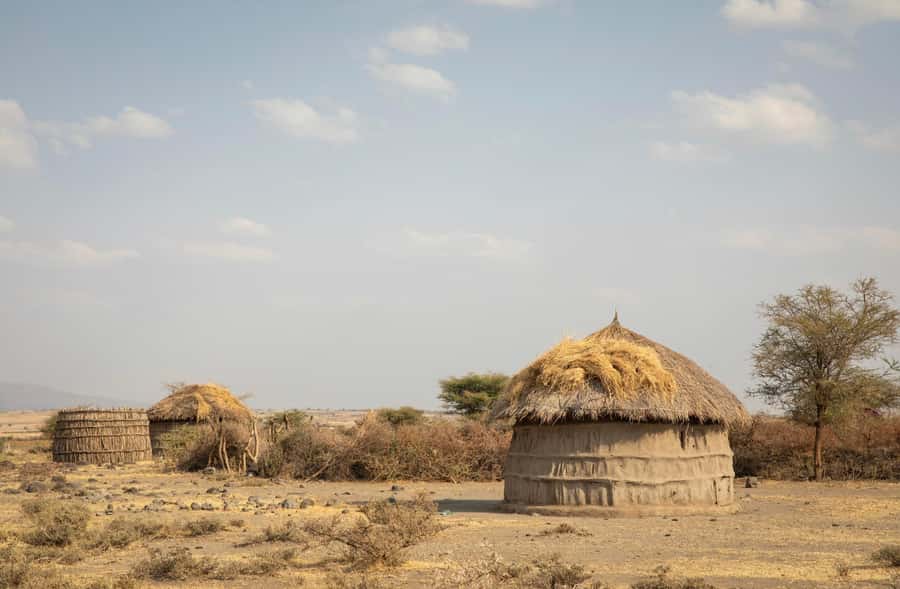
The boma setting also gives you a chance to notice details most safaris don’t cover. You see how homes are organized, how tasks are shared, and how children and adults move around the compound while visitors are present. That constant background activity is part of the value, because it shows cultural preservation in action, not in theory.
The boma tour itself: fire, cows, water, and bee hives
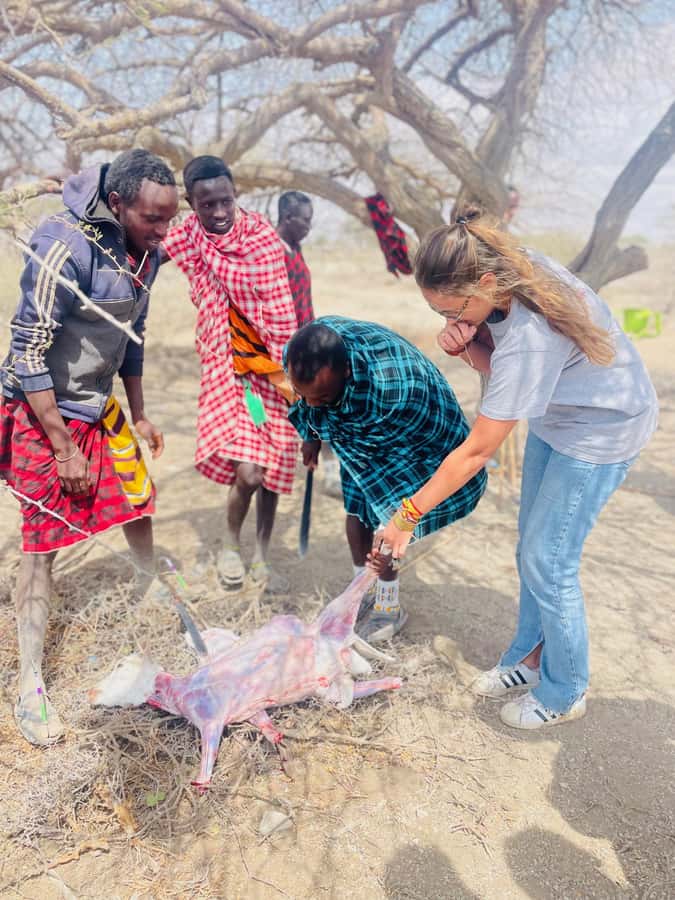
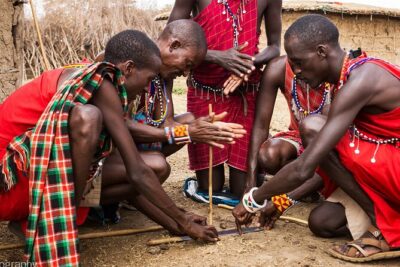
Once the greeting settles, your guide takes you through the compound and explains daily activities you might not realize are so connected to survival and community. This is where the tour earns its keep. Instead of only talking, it points you toward specific, hands-on topics.
Here are the kinds of tasks you may learn about during the walk through the boma:
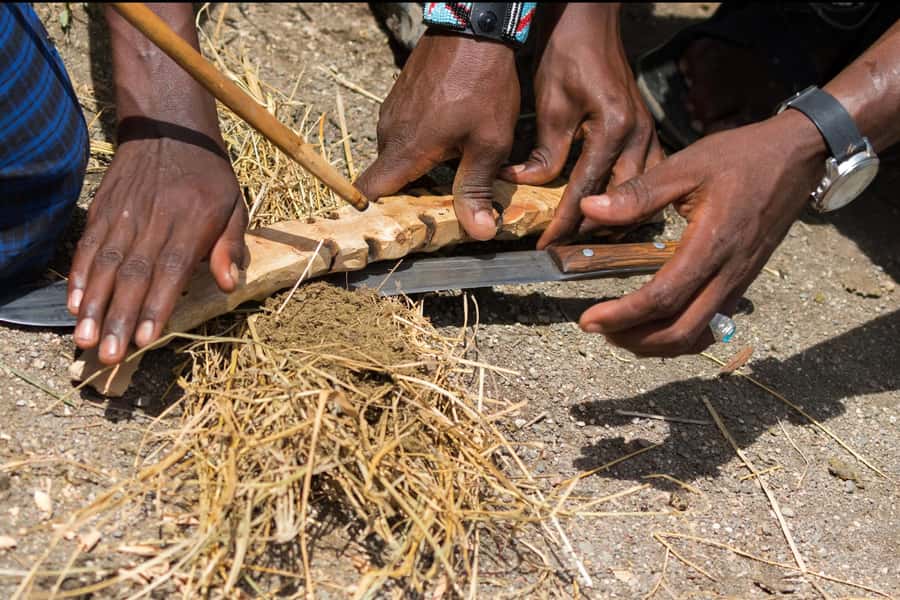
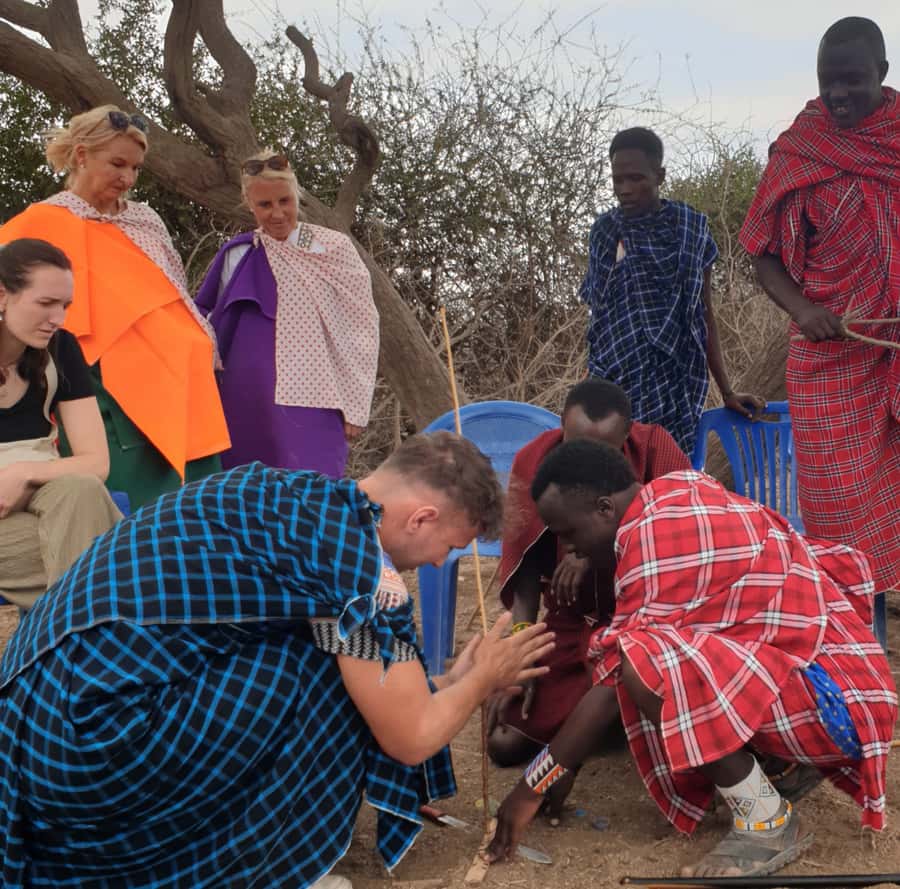
- how to make fire
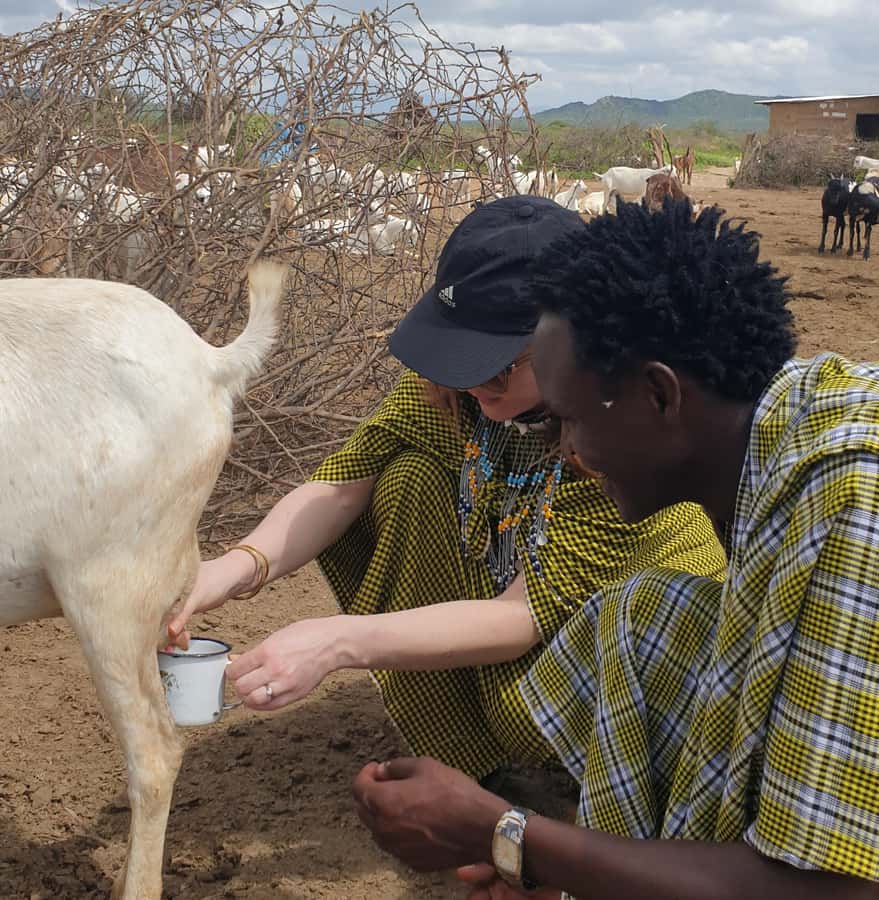
- how families milk cows
- how to fetch water
- how they check on bee hive progress
Even if you don’t do every task physically, the explanations help you understand the logic behind the routine. Fire making is never just a novelty. It ties to cooking, daily warmth, and how food gets prepared. Milking cows points to livelihoods and food sources. Water fetching is physically demanding, and watching how it gets handled gives you a clearer view of what everyday work looks like when you don’t have modern infrastructure doing it for you. And bee hives, when included, add another layer, because they connect food, trade value, and careful timing.
One bonus from a past experience: during a walk tied to water, you may catch views that include Kilimanjaro in the distance, along with the surrounding landscape. The exact viewing depends on route and conditions, but it’s a reminder that you’re not only learning about people, you’re also moving through a real environment that shapes their daily choices.
A good guide makes this feel coherent. In English-language tours, you should be able to ask questions throughout and get straight answers. Guides you may encounter include Johnson and Arthur, both mentioned as friendly, punctual, and willing to explain.
Adumu jumping dance: strength, pride, and how to join
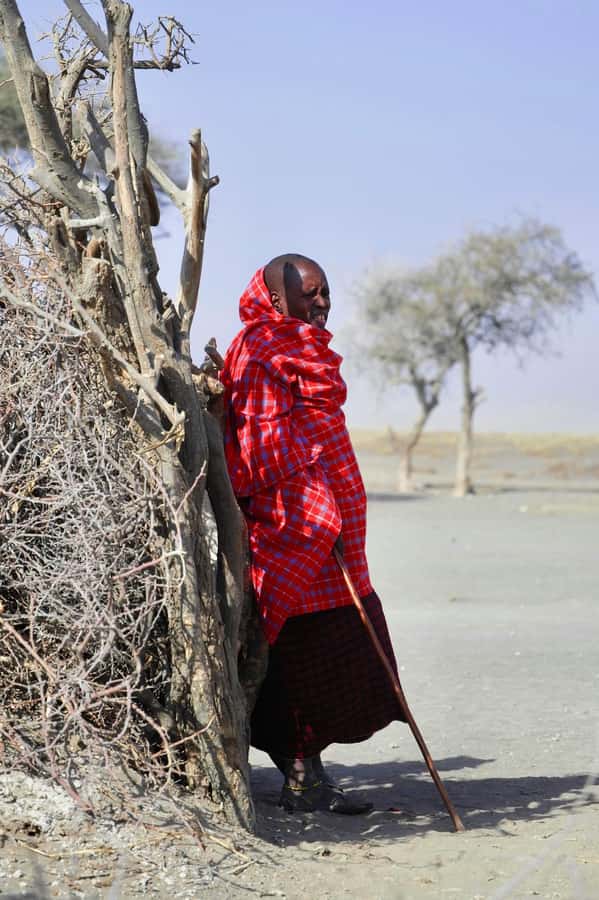
The Maasai men perform adumu, the famous jumping dance. It’s not random entertainment, and your guide should explain what it represents. In simple terms, it’s a display of young men’s strength, and it also functions as a social spotlight in the moment you’re visiting.
Watching it is the obvious part, but the more interesting value is the context your guide provides, and the way the whole group treats the performance as something alive rather than a staged trick. When the dance starts, you’ll feel the rhythm take over the space. If you’re invited to participate, take it seriously but don’t overthink it. You’re joining a tradition you’re being welcomed into, not auditioning for an athletic competition.
Practical tip: wear comfortable shoes. A boma visit may involve walking and standing. If you join the dance, you’ll likely appreciate footwear that gives grip and doesn’t force you to baby your footing. If you’re nervous about participation, it’s okay to step back at first. You can watch, learn the rhythm, then decide.
Also, keep your camera habits in check. One of the more praised parts of the experience is that the guides help with photos and interaction, so you can rely on them to keep things smooth. Still, ask before filming or photographing closely, especially if people shift from casual conversation into a performance moment.

Lunch at the boma: what you’re really paying for
The tour ends with lunch at the boma, and this is more important than it sounds. Many cultural tours treat food as a fuel stop. Here, lunch is part of the pacing and part of the hospitality.
What you should expect:
- You’ll eat in the same compound environment where you learned about daily routines.
- The lunch portion is described as generous in past experiences.
- Lunch is included in the $90 price, along with food and drinks.
At $90 per person for a full 7 to 10 hour day, the value comes from the combination: transport plus guided explanation plus access to a family home setting plus the meal. You’re not just buying tickets to watch something. You’re paying for time, communication, and local hosting.
The best way to think about the lunch: it’s where the day relaxes. If the morning included walking, fire and water topics, and a lively dance segment, lunch gives you a chance to reset and ask follow-up questions. It’s also a practical moment to plan your energy for the return trip to town.
Timing, pace, and what to plan around
This experience runs 7 to 10 hours, with pickup from Arusha or Moshi and drop-off back in those same areas. That means your day includes driving time plus the on-site visit plus lunch. In practice, the exact number of hours can vary, and at least one past experience noted the day tour came in about 2 to 3 hours shorter than described.
So plan your day like this:
- Don’t schedule a critical commitment right after your pickup window.
- If you’re trying to connect to another activity or flight, add buffer time.
- Use the guide’s updates during the day to adjust your expectations in real time.
For a lot of people, that’s the easiest way to stay happy: treat the listed duration as a guideline, not a countdown timer. A punctual pickup helps a lot here. Past experiences mentioned absolute punctuality from the driver and guide, and that sets the tone. When pickup is smooth, you usually get a more relaxed experience at the boma, too.
Getting picked up in Arusha or Moshi, and why it matters
The Maasai boma tour is convenient if you’re basing yourself in Arusha or Moshi. You don’t have to arrange separate transport to reach the area, and you get pick-up and drop-off included. That’s a big deal for value, because it removes the “hidden logistics tax” that can inflate other experiences.
You also get a better sense of flow. The driver and guide coordinate timing, and the guide can explain what’s happening as you move. Some past experiences even mentioned early sightings of wildlife en route, like giraffes, which can add a little extra fun if your route aligns.
One thing to consider: because your route depends on where you’re picked up, the boma experience may feel slightly different day to day. What stays consistent is the structure: greeting, guided compound tour, adumu dance segment, lunch, then return.
Who this tour fits best
This Maasai Boma Cultural Experience is a good match for you if you want:
- real interaction with a Maasai family setting
- learning focused on daily life, like work tasks and food routines
- a guide who answers questions in English and keeps the day organized
- a day that is cultural and active, not just a photo stop
It’s also a solid option if you appreciate guides who have a comfortable relationship with the Maasai community. Past experiences specifically noted that guides seemed to have a good understanding and relationship with the people involved, and that shows in how smoothly the visit runs.
Who might find it less ideal? If you hate any kind of “participation” element, like joining the jumping dance, you may feel out of your depth. You can always watch from the edges, but the experience is built to invite you in. Also, if your schedule is extremely tight and you cannot tolerate a shorter-than-expected timeline, plan extra buffer.
Should you book the Maasai Boma Cultural Experience?
If you want a culturally focused day around Maasai daily life, I think this is a strong booking. The big selling points are consistent: a warm welcome, guided explanations you can ask questions about, the chance to see and even join the adumu dance, and lunch that’s part of the hosting experience rather than a rushed stop.
Book it if:
- you like guided cultural learning with clear structure
- you want to spend time inside a living compound setting
- you value punctual pickup and smooth English-guided storytelling
- you’re okay with a day that may run a bit shorter than the broad 7 to 10 hour range
Skip or choose carefully if:
- you have a hard, immovable schedule with zero slack
- you’re uncomfortable with dressing moments or participation invitations
In short, this tour is best when you treat it like a real visit. Bring respectful curiosity, wear comfortable shoes, and keep your afternoon flexible. That’s the recipe for getting the most out of the day.
Time With Maasai Hosts
- 5 Days Camping Tarangire, Serengeti & Ngorongoro crater & Visiting Maasai
★ 5.0 · 229 reviews - Maasai village visit, Materuni waterfalls & coffee experience
★ 4.5 · 95 reviews - Hidden Arusha Waterfall, Coffee & Village Tour (All-Inclusive)
★ 5.0 · 42 reviews - Kilimanjaro: Maasai Village Visit, Waterfalls, & Coffee Tour
★ 4.9 · 27 reviews - 4 Days Wildlife Safari and Cultural Experience in Tanzania
★ 5.0 · 23 reviews
Just added from around Arusha

Maasai Village and Cultural Experiences, compared.
 ★ 5.05 Days Camping Tarangire, Serengeti & Ngorongoro crater & Visiting MaasaiFrom $1,254229 reviews
 ★ 4.5Maasai village visit, Materuni waterfalls & coffee experienceFrom $15495 reviews
★ 5.05 Days Camping Tarangire, Serengeti & Ngorongoro crater & Visiting MaasaiFrom $1,28058 reviews
★ 4.5Maasai village visit, Materuni waterfalls & coffee experienceFrom $15495 reviews
★ 5.05 Days Camping Tarangire, Serengeti & Ngorongoro crater & Visiting MaasaiFrom $1,28058 reviews
 ★ 5.0Hidden Arusha Waterfall, Coffee & Village Tour (All-Inclusive)From $4042 reviews
 ★ 4.7Massai village & Baraka turtules aquariumFrom $5742 reviews
 ★ 5.0Maasai village visit and Chemka hot-springs with hot lunch.From $12233 reviews
 ★ 4.3Zanzibar: Maasai village Tour with Sunset Dhow CruiseFrom $5232 reviews
 ★ 4.9Kilimanjaro: Maasai Village Visit, Waterfalls, & Coffee TourFrom $18527 reviews
Browse the lists this tour appears in