
REVIEW · MOSHI AND THE KILIMANJARO FOOTHILLS
Full-Day Moshi Private Forest Walk and Local Market Tour
Moshi can feel like a waiting room for Kilimanjaro, but this day tour adds real local color. I like that it strings together Moshi town views and a Rau Forest walk into one smooth day. The only drawback to plan for is the full-day length, you are out roughly 7 to 9 hours, so it is not a quick stop-and-stroll.
Two things I really like: you get a professional, local guide to explain what you are seeing, and you have time in the Mbuyuni Market to actually buy seasonal food. It also helps that it is private, so you can move at a comfortable pace and ask practical questions without feeling rushed.
One consideration: the forest part is a walk, not a sit-on-a-bench tour. If you have limited mobility or you just prefer very flat, very short outings, you may want to ask what the pace will be like for your group.
In This Review
- Key things to know before you go
- Starting in Moshi Urban: coffee country and Kilimanjaro in view
- Rau Forest walk near Moshi: natural springs and an underground-water ecosystem
- Mbuyuni Market: fresh-from-the-farm produce and easy real shopping
- Coffee region context: why your guide’s explanations change the day
- A realistic 7 to 9 hour plan with private pickup and return
- Price and value: what $120 includes, and what costs extra
- What to bring for Rau Forest and a market hour
- Should you book this private forest walk and local market tour?
- FAQ
- How long is the Moshi private forest walk and local market tour?
- What does the tour cost?
- Do I get pickup from Moshi?
- Is there a mobile ticket?
- What is included in the price?
- Are admissions included for the stops?
- Can I bring a service animal?
- Is cancellation free?
- Is this tour suitable for most travelers?
Key things to know before you go
- Kilimanjaro views early while you are still fresh, with Moshi as your starting point
- Rau Forest near Moshi, known for natural springs and its underground-water character
- Mbuyuni Market time that is long enough to shop, snack, and compare produce
- A guide who connects places to daily life, including Moshi’s coffee region
- A private day with pickup and return to the same meeting point
More from Moshi and the foothills
- Arusha or Moshi : Hot Spring, Waterfall & Coffee Farm Tour★ 4.8 · 80 reviews
- Moshi: Town tour and Local Markets tour★ 4.9 · 36 reviews
- Moshi sunset experience★ 4.5 · 31 reviews
- Moshi city bike day trip★ 5.0 · 17 reviews
Starting in Moshi Urban: coffee country and Kilimanjaro in view
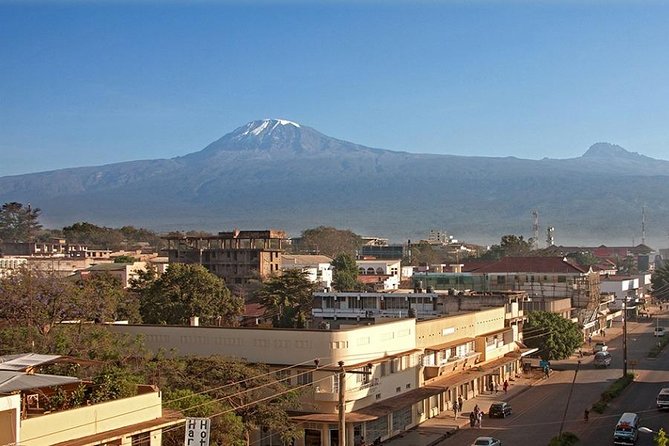
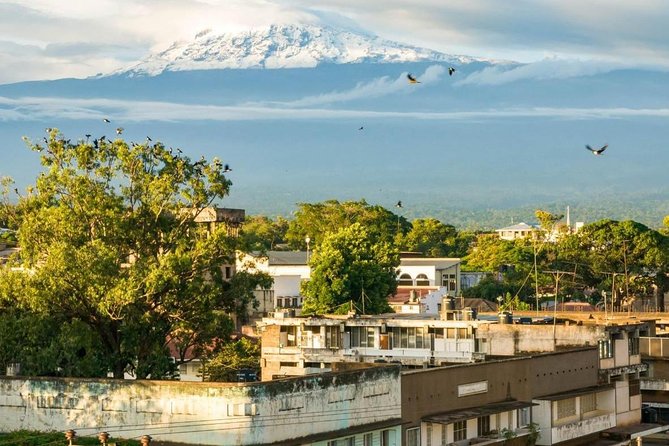
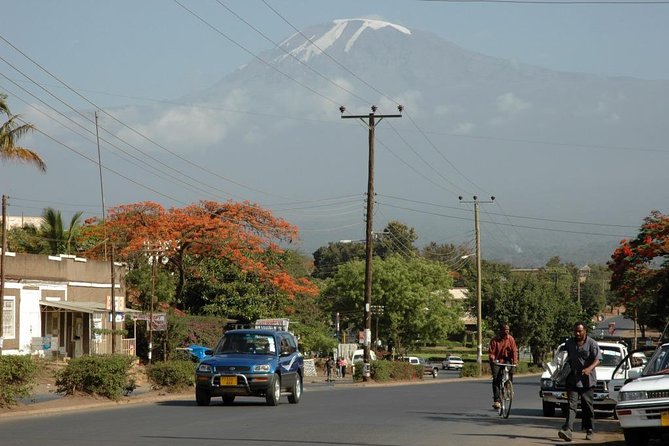
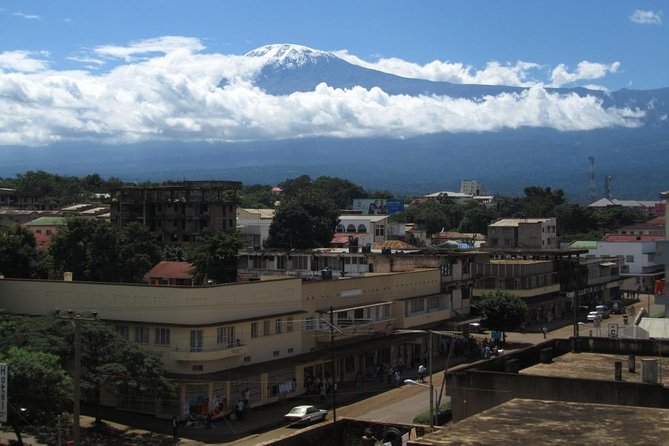
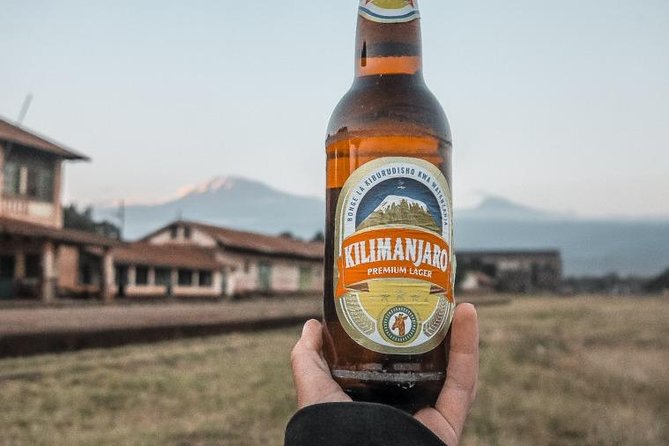
Moshi sits at the foot of Mount Kilimanjaro, and it feels like a real town, not a theme park. In about an hour you get a quick introduction to why people come here in the first place: Kilimanjaro is the big draw, but Moshi has its own rhythm. It is also known for a clean, orderly feel and a “working town” vibe in Tanzania’s north.
What I like most about the morning start is the timing. You get views of Kilimanjaro early, when the day is younger and your photos are easier. You are also introduced to Moshi’s mix of influences, with an African and Asian blend that shows up in daily life and local commerce. That matters because you will spend the rest of the day seeing how people eat, work, and earn a living, not just sightseeing.
A big theme here is coffee. Moshi is the center of one of Tanzania’s major coffee-growing areas, so your guide can explain the coffee connection as you move through the town. You will understand why coffee matters to families, and why Moshi feels so self-sufficient and prosperous compared with some smaller stops near major tourist zones.
The one possible downside of a town introduction is that it can feel like “just getting oriented” if you are expecting a big cultural show. If you want hands-on cultural time, treat this hour as setup, then lean into the market and forest segments later.
Rau Forest walk near Moshi: natural springs and an underground-water ecosystem
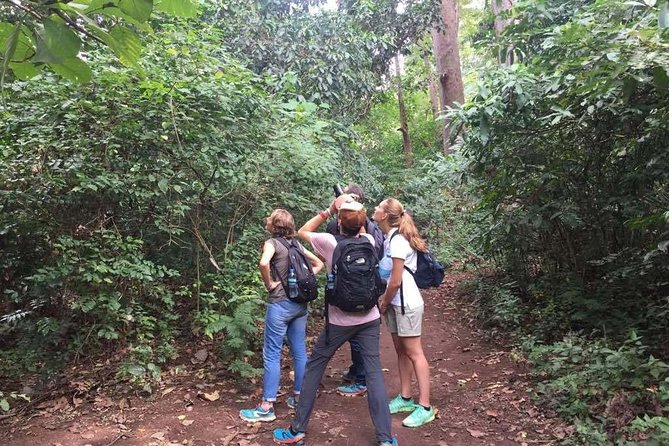
After town, you head toward Rau Forest, about 3 km south-east of Moshi. This is not far, but the change feels big. You step into a reserve with an altitude around 730 to 765 m, which helps keep the walk comfortable for most people.
Rau Forest is described as an underground water forest, and that is a key idea to understand while you are walking. The forest hosts natural springs, and those water sources are tied to local biodiversity and local livelihoods. In plain terms, the forest is not only “pretty nature.” It is part of how water stays available and how the surrounding community can live and work.
Your stop here is about 2 hours, which is a sweet spot. Long enough for a real walk and for your guide to point out plant life and explain the role of springs. Short enough that you still have energy for the market.
One practical note: since the description focuses on springs and water, you might want to expect areas that can be damp, even if the day feels dry. Wear shoes you trust and keep a little attention on your footing. Also, because it is a forest reserve connected to real water, it is worth asking your guide what the “do and do not” rules are, especially around where you step near spring areas.
If you are the type who likes explanations tied to everyday life, you will get a lot out of this section. It is easy to leave a forest walk thinking it is just trees, but Rau gives you a reason it matters beyond views.
Mbuyuni Market: fresh-from-the-farm produce and easy real shopping
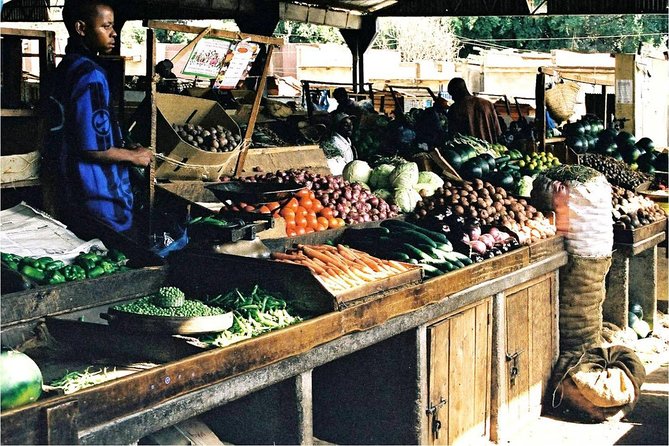
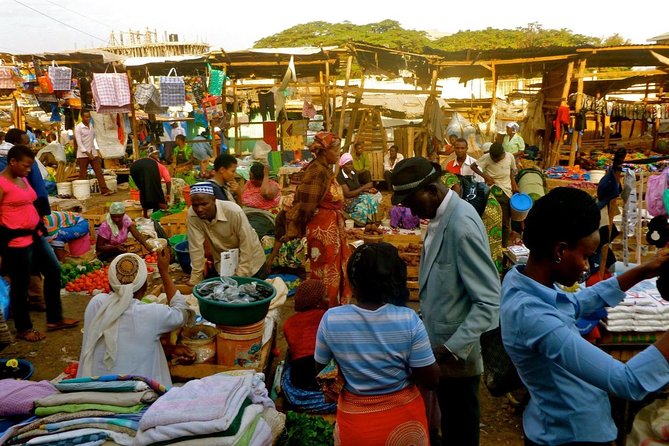
Then you switch gears to food and everyday commerce at Mbuyuni Market. This is Moshi’s fresh produce market, with a focus on fruits, vegetables, and local food. You get about 1 hour here, and that is ideal for a market visit in a private format. You do not feel trapped in a long shopping session, but you also have time to look, compare, and buy.
Here is what makes this market stop especially useful: you are not only seeing what is available, you can learn what locals consider normal, affordable, and seasonal. Your guide can point out common farm products and help translate what you are looking at, which makes it easier to make good choices if you want to snack on the go or bring something back.
One small detail stands out from recent experiences: guides may build in quick local snack moments like eating bananas right in the market. That kind of pause can break up the busy feeling and helps you actually taste what you are seeing, not just browse.
You can also treat the market like a mini “education” for your future days in Tanzania. You will get a sense of typical produce, what looks good, and what might be a good buy for a simple meal. Even if you do not purchase much, you come away with a better sense of local food culture.
The only drawback to consider is time. A market can grow on you fast, and one hour can feel short if you love slow shopping. If you are a serious shopper, you might want to come back later on your own day.

Coffee region context: why your guide’s explanations change the day
This is not a day that feels only about scenery. The coffee thread runs through the morning Moshi introduction and helps connect why people live and work here.
Moshi’s coffee-growing reputation is more than a slogan. When you have a professional local guide, you can connect coffee to the way the town functions, and to why many visitors eventually move through this region. Even if you do not do a full coffee tour that day, you still gain context that helps you interpret what you see.
If you are into agriculture and local economies, this added context is a big value boost. Instead of walking through a market like a tourist, you learn what stands behind the products.
I also like the private format for this reason. If you have questions, your guide can answer them in a way that fits your interests, whether you want simple background or more practical explanations about the coffee region.
A realistic 7 to 9 hour plan with private pickup and return
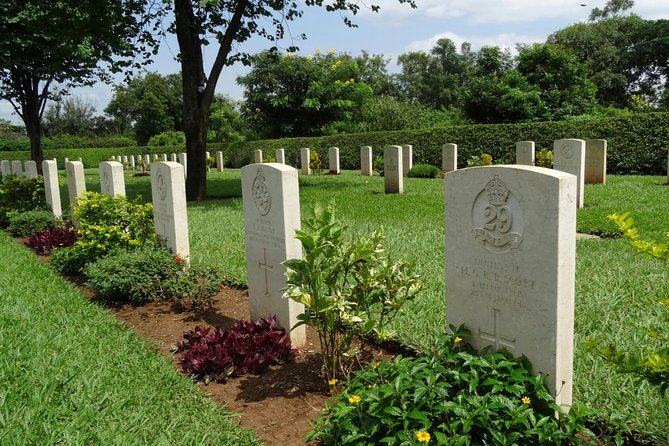
This is a private full-day tour, and that matters for two reasons: pacing and convenience. You are picked up from Moshi Urban and you end back at the meeting point. That makes it easier to plan around a restaurant stop or an evening plan without worrying about how you will get back.
The day is built with logical flow:
- morning town time for orientation and Kilimanjaro views
- afternoon forest walking time
- late segment market time for food and shopping
For most people, that sequence works. You start with the easier, view-focused part when your energy is highest. Then you do nature and movement while it is still daytime, and you finish with food when you are ready to snack and browse.
Because the tour is private, your guide can adjust the walking and the pacing to match your group. That flexibility is hard to get on group tours, especially in places where the “experience” depends on conversations, not just ticking boxes.
Plan your day with a buffer. If you have other obligations right after the tour, consider giving yourself extra time to cool down and shower, since you will be outside and walking. Also, if you are coming from the Kilimanjaro climbing circuit, you may want to mention that to the guide so the walk stays comfortable.
Price and value: what $120 includes, and what costs extra
At $120 per person, this tour is priced as a private day with a local guide, transport, and admissions covered. The key value here is that you are not paying separate fees for each stop, and you are not handling your own logistics around three different experiences.
Included:
- all fees and taxes
- bottled water
- private transportation
- a professional local guide and his wage
Not included:
- accommodation
- airport transfer
- items of personal nature
- visas, flights, insurance
So the real “value question” is not only the price tag. It is what you avoid. You avoid having to arrange transport between Moshi town, Rau Forest, and Mbuyuni Market. You also avoid the time cost of planning and researching. For a full-day like this, that convenience can be worth a lot, especially if you are short on time in Moshi.
If you are traveling as a couple or small group, private pricing usually starts to make more sense because transport and guidance costs spread out. If you are solo and you prefer the cheapest option, you might compare against group tours, but you would likely give up the flexible pace and the focused guide time.
What to bring for Rau Forest and a market hour
This day has two different environments: an outdoor forest walk and a market with food shopping. So pack like you are mixing comfort and practicality.
Bring:
- comfortable walking shoes you can get a little dusty or damp (forest areas can be wet)
- a light layer, since forest shade can feel cooler
- sun protection, because the town and market time still exposes you to daylight
- cash for any purchases at the market, since the tour price covers the guiding and admissions, not your food buys
You already get bottled water, which is a nice baseline. I still like having a small extra personal snack if you know you get hungry.
If you are a photographer, plan on quick stops and angles rather than long setups. Markets and forests both move, and a good guide will help you find views without dragging out the day.
Should you book this private forest walk and local market tour?
If you want one day in Moshi that feels real and not rushed, I think this is a strong choice. You get Kilimanjaro views early, a meaningful walk in Rau Forest with natural springs and local-life context, and you end with Mbuyuni Market shopping where you can taste and buy local produce. The private format and the included professional guide support are what make it more than a simple “drive to places” outing.
Book it if:
- you like guided context, not just photos
- you want a balanced day of town, nature, and food
- you want a smooth logistics package with pickup and return
Skip it or ask questions first if:
- you need very limited walking
- you prefer a half-day instead of a 7 to 9 hour day
FAQ
How long is the Moshi private forest walk and local market tour?
It runs for about 7 to 9 hours.
What does the tour cost?
The price is $120.00 per person.
Do I get pickup from Moshi?
Yes, pickup is offered, and the tour starts in Moshi Urban, Tanzania, then returns you to the meeting point.
Is there a mobile ticket?
Yes, a mobile ticket is included.
What is included in the price?
The tour includes all fees and taxes, bottled water, private transportation, and a professional local guide and his wage.
Are admissions included for the stops?
Admission is free at the Moshi stop and at Mbuyuni Market. Admission for the Rau Forest area stop is included.
Can I bring a service animal?
Yes, service animals are allowed.
Is cancellation free?
Yes, you can cancel for free up to 24 hours in advance for a full refund.
Is this tour suitable for most travelers?
Most travelers can participate, and it is a private tour/activity with only your group participating.
Around Moshi
- Arusha or Moshi : Hot Spring, Waterfall & Coffee Farm Tour
★ 4.8 · 80 reviews - 1-Day Moshi Villages bike tour
★ 5.0 · 59 reviews - Moshi: Town tour and Local Markets tour
★ 4.9 · 36 reviews - Moshi sunset experience
★ 4.5 · 31 reviews - Moshi city bike day trip
★ 5.0 · 17 reviews
Just added from around Moshi



Moshi and the Kilimanjaro Foothills, compared.
 ★ 5.0Materuni Waterfalls & Coffee Tour from MoshiFrom $6092 reviews
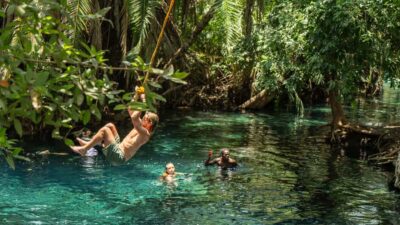 ★ 4.8Arusha or Moshi : Hot Spring, Waterfall & Coffee Farm TourFrom $5380 reviews
 ★ 5.01-Day Moshi Villages bike tourFrom $5059 reviews
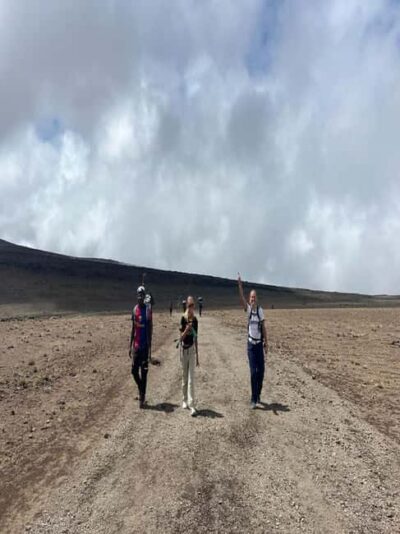 ★ 4.5From Arusha/Moshi: Kilimanjaro Hike Marangu Route Day TripFrom $10154 reviews
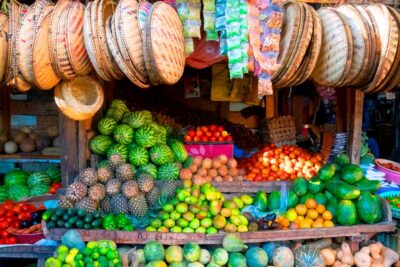 ★ 4.9Moshi: Town tour and Local Markets tourFrom $2536 reviews
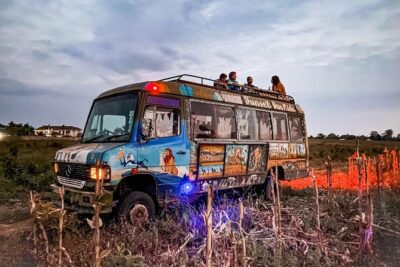 ★ 4.5Moshi sunset experienceFrom $2031 reviews
 ★ 5.0Moshi city bike day tripFrom $4517 reviews
 ★ 5.0Chemka Hot Springs Tour from MoshiFrom $5917 reviews
Browse the lists this tour appears in