
REVIEW · BIG FIVE AND GAME DRIVE SAFARIS
From Arusha: 9 Days Private Guided Classic Game Drive in Tanzania
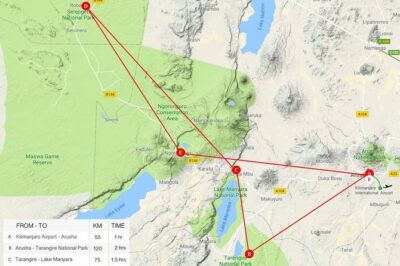
A nine-day safari can feel like a blur, but this one has a clear rhythm. You start in Arusha, then sweep through classic northern parks to chase the Great Migration in Serengeti, plus a memorable Maasai-led flamingo walk at Lake Natron.
I love how this route mixes different safari “styles” instead of repeating the same scenery every day. You get Tarangire elephants, Lake Manyara’s smaller, denser wildlife area, Serengeti migration game drives, and a full day in Ngorongoro Crater where Big Five chances are real. The one thing to consider is timing: migration location shifts by season, so your view of the herd depends on where they are when you travel.
In This Review
- Key things that make this safari work
- Arusha start, then straight into safari mode
- Tarangire National Park: elephants and open-park viewing
- Lake Manyara: bird life, baboons, and tree-climbing lion chances
- Lake Natron flamingo walk: the Maasai guide factor matters
- Loliondo game controlled area: why the transfer stop is worth it
- Serengeti full-day drives: Great Migration odds, with real flexibility
- Ngorongoro Crater: Big Five potential in a volcanic bowl
- Where you sleep and eat: full-board basics that actually help
- Price and value: what $4,114 per person covers, and what it doesn’t
- Practical tips for 6-hour game drives and long park days
- Should you book this 9-day private safari from Arusha?
- FAQ
- Where does the safari start and how is pickup handled?
- What is the start time for the experience?
- How long is the safari?
- Is this a private tour?
- Which parks and main sites are included?
- Does the trip follow the Great Migration?
- What is included for food during the trip?
- Are park fees included in the price?
- What taxes or charges are not included?
- What is the cancellation policy?
Key things that make this safari work
- Private guide-driver for your group, so you can set priorities and move efficiently between parks
- Serengeti Great Migration flexibility, with routing adjusted to where the herds are at that time
- Big day variety, from Tarangire elephants to Serengeti wide-open plains to Ngorongoro’s crater ecology
- Lake Natron flamingo walk with a Maasai guide, plus that volcanic, moon-like setting
- Full-board stays close to the parks, so you spend less time commuting and more time on the road watching wildlife
- Strong guide reputation in real feedback, with names like Joseph, Hamisi, John, and Alphonse showing up repeatedly
More game drives with the same aim
- Tanzania Simba Safari – 5 Days★ 5.0 · 217 reviews
- Living Among Lions★ 5.0 · 191 reviews
- Big Five Luxury Safari in Tanzania★ 5.0 · 68 reviews
- From Arusha: 6 Day Classic Game Drive Serengeti & Ngorongoro★ 5.0 · 49 reviews
Arusha start, then straight into safari mode
Most trips start with a little patience. This one starts with pickup from your Arusha place or the airport and an 8:00 am start, so you don’t waste a day getting organized. From there, the plan heads to Tarangire first, which I like because it’s a fast way to build excitement while your eyes are fresh.
You’ll be in a private setup, meaning you’re not trying to share scarce vehicle space or negotiate for viewing time. It’s also a practical advantage for families, small groups, or anyone who wants to do things at their pace. The driving days are long, but the structure is simple: game drive blocks, then an overnight base, then the next park.
One small planning note for you: “moderate physical fitness” is listed. That usually means you’ll be walking around lodges and viewpoints at times, and you’ll spend hours in a safari vehicle. Pack smart for comfort, and you’ll handle it fine.
Tarangire National Park: elephants and open-park viewing
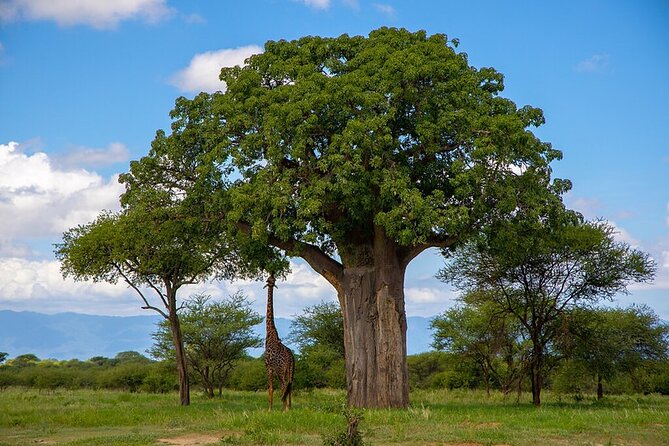
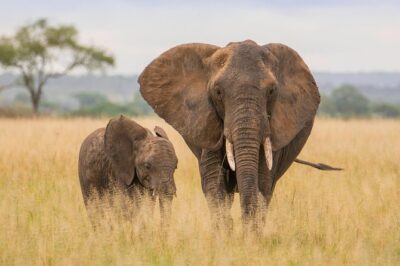
Tarangire is one of Tanzania’s best places to start because it’s often easier to spot wildlife here than in larger, denser ecosystems. This park is known for large herds of elephants, and the terrain is described as more compact and open, which matters when you’re trying to see animals from both close range and farther out.
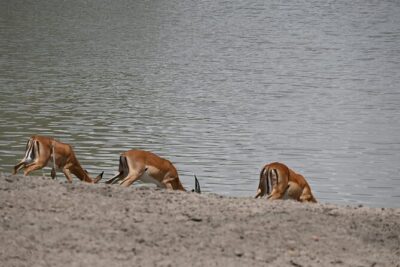
I also like Tarangire for how it sets expectations. You’re not only chasing big mammals. There are lots of birds, and the odds of spotting species like wildebeest, zebra, buffalo, giraffe (depending on where you are), plus predators like lion and leopard can all be part of the day.
Because this is a full day game drive, you can slow down for the “right” sighting instead of rushing past it. That’s a real value in safari planning. Wildlife isn’t on a schedule, so the ability to linger is often what turns a good day into a great one.
If you’re the type who likes photography, bring patience. In open parks, light can change quickly, and elephants can move in and out of view fast. A private guide-driver helps you position your vehicle when it counts.
Lake Manyara: bird life, baboons, and tree-climbing lion chances
Lake Manyara feels like a compact ecosystem with big personality. The lake’s alkaline soda supports impressive bird life, and the park is associated with thousands of strolling flamingos when conditions align. Even if flamingos aren’t the headline for your exact day, you’re still likely to see plenty of water birds.
The road through the park is part of the fun. You’ll pass through areas described as groundwater forest, and you may see baboon troops hanging out roadside and in trees. That little “street life” adds variety to the day and breaks up the classic safari loop of just scanning the horizon.
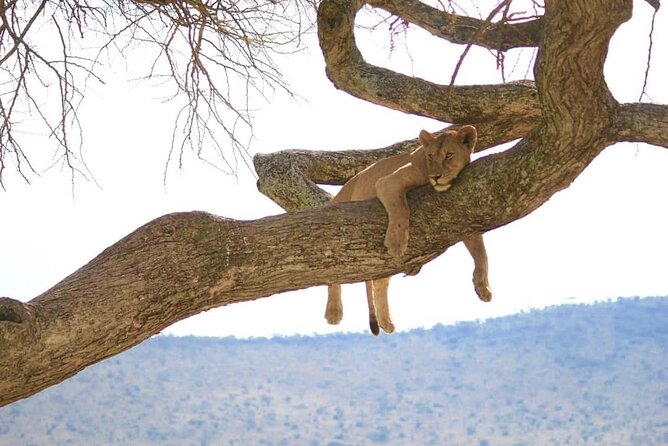
Then there are the trees. Lake Manyara is famous for tree-climbing lions, and this itinerary calls that out as a highlight. I’d treat that as a possible bonus rather than a promise, but it’s still worth showing up for because it’s such a distinctive behavior tied to this landscape.
This is another full day game drive, listed at about six hours. For you, that’s good pacing. You can see birds early, then shift to mammals and predators as the day warms up, and you’re not forced to rush to meet a hard schedule.
Lake Natron flamingo walk: the Maasai guide factor matters
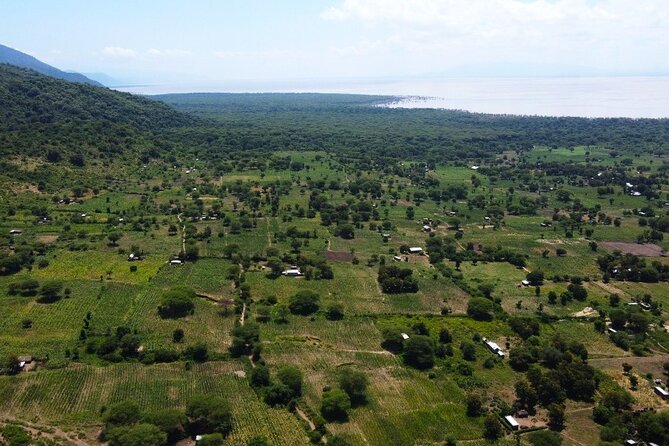
On paper, Lake Natron is known for flamingos. In practice, what sticks with you is the odd, dramatic setting. The tour describes a volcanic, moon-like landscape, and that backdrop is a huge part of why this stop feels special.
This day includes a road trip to Lake Natron followed by a Flamingo Walk with a Maasai guide. That’s one of the itinerary choices I really like, because it gives you a human guide layer, not just a drive-by viewing moment. You’ll be walking in the area associated with breeding for millions of lesser flamingos, so you’re there for the wildlife story in a more direct way.
A practical consideration: the terrain around Lake Natron can be stark. Wear shoes you’re comfortable walking in, and bring water and sun protection. If you’re prone to getting chilled, bring a light layer too, because conditions can shift.
This stop is also a good mental reset between longer drive days. You’re still in safari mode, but it’s different. It’s about the ecosystem, the breeding habitat, and the sheer scale of what’s happening out there.
Loliondo game controlled area: why the transfer stop is worth it
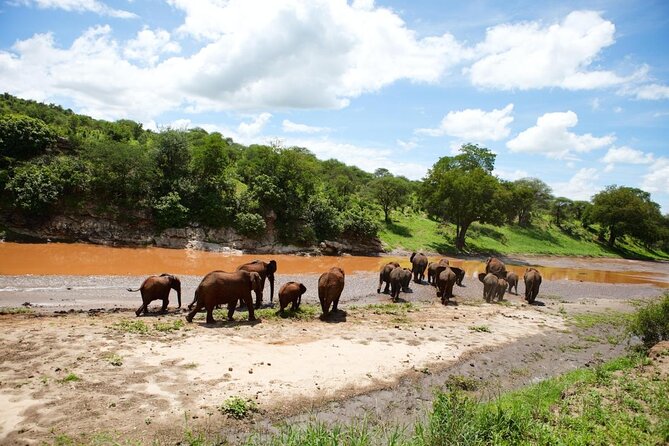
Day four includes a transfer through the Game Controlled Area of Loliondo. That can sound like a “between places” segment, but the itinerary frames Loliondo as a hidden treasure for wildlife, and it mentions that game drives here have been of strong quality.
This matters because it adds another chance to see animals without simply repeating the same parks in the same order. Game controlled areas can feel less like a single-spot attraction and more like a working wildlife landscape. That can mean a different mix of sightings, and it often feels more spacious.
If you’re planning around wildlife photography, a transfer day can be a smart use of time. You might get a fresh burst of sightings before you reach Serengeti, and it helps keep the overall trip from feeling like a long drive with only a few highlight days.
For you, the value is momentum and variety. You’re not just touring. You’re collecting different ecosystems and animal behaviors across the week.
Serengeti full-day drives: Great Migration odds, with real flexibility
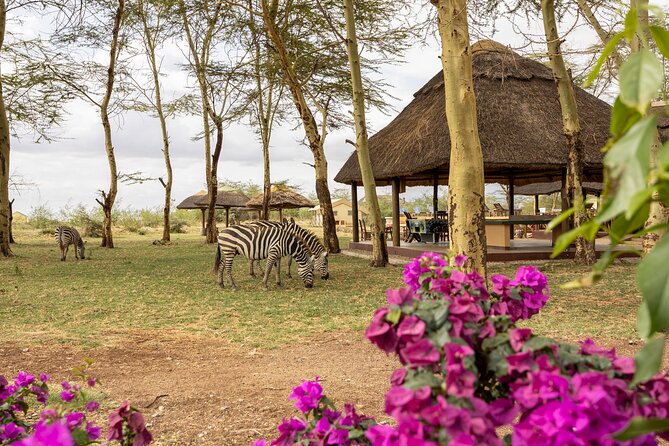
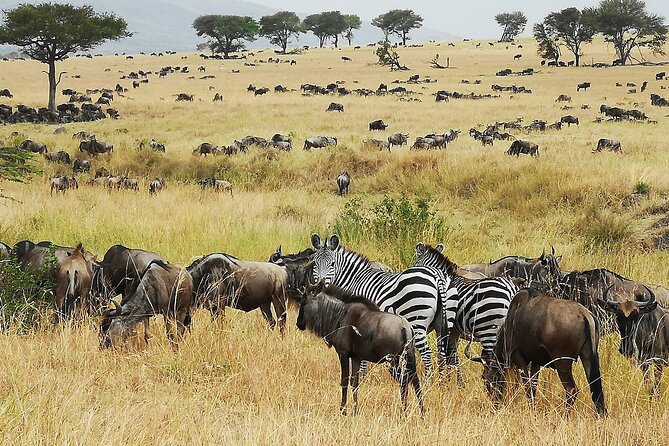
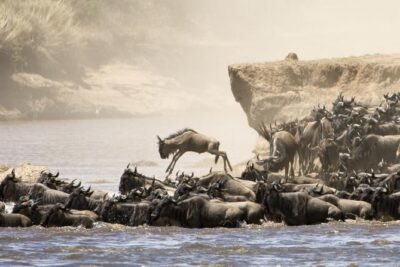
Serengeti is the centerpiece here, with multiple full-day game drives across three days aimed at getting at least an impression of the wildebeest migration. The key word in your planning is impression. The itinerary is flexible because the Great Migration depends on the time of year.
That flexibility is a big deal. Herd movement is not predictable on demand. So instead of promising one exact location, the plan focuses on being on the right track at the right time, adjusting where you drive based on where the migration is.
What I like for your experience is that you get repetition without getting stuck. Three full days in Serengeti, each described as about six hours of game drives, gives you multiple shots at the kind of scenes most people travel for: river crossings, dense herds, predators tracking movement, and wide plains filled with activity.
A couple of practical tips for how to make those days count:
- Bring a “scan and pause” mindset. Migration action can start suddenly, then vanish just as fast.
- Ask your guide to help you prioritize moments that match your interests, like predator hunting versus herd behavior.
- Keep water and snacks handy when possible, since full drives mean you’ll spend a lot of time away from lodge stops.
Also, Serengeti is where guide skill shows up. In real feedback tied to this operator, names like Joseph, Hamisi, and John show up with the idea that they’re not just driving, they’re finding the story in what you’re seeing. That kind of guidance changes how you experience the same landscape.
Ngorongoro Crater: Big Five potential in a volcanic bowl
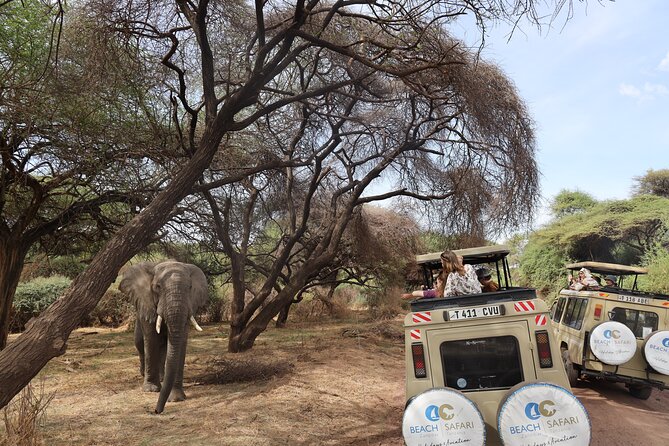
Ngorongoro Crater is the kind of day that makes you stop thinking about the clock. The tour includes a full day game drive in the crater, described as the world’s largest intact volcanic caldera, with abundant wildlife living in the conservation area.
This is billed as the best park for a chance to spot the Big Five, and that’s the kind of statement you should take seriously. In the feedback, people specifically mention seeing Big Five animals like lions, leopards, elephants, rhino, and buffalo. Even with that, you should still treat it as a chance, not a guarantee. But the ecological logic of the crater, plus the concentrated habitat, is why your odds can be better here than in some open plains.
The most valuable part of a crater day is the “context.” You’re not just looking at animals. You’re seeing them in a defined natural amphitheater. The itinerary notes breathtaking beauty from the rim and cool mountain breeze, which is exactly how it can feel when you’re standing above and then looking down into the crater floor.
This stop also helps round out the trip. Tarangire is elephants and birds. Serengeti is migration scale. Ngorongoro is a high-density nature day, where predators and prey can feel close together because they share a limited space.
Where you sleep and eat: full-board basics that actually help
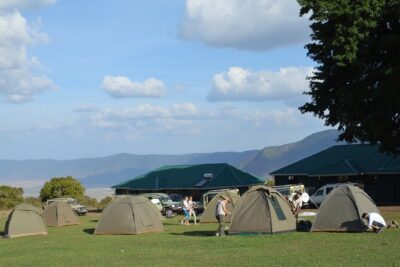
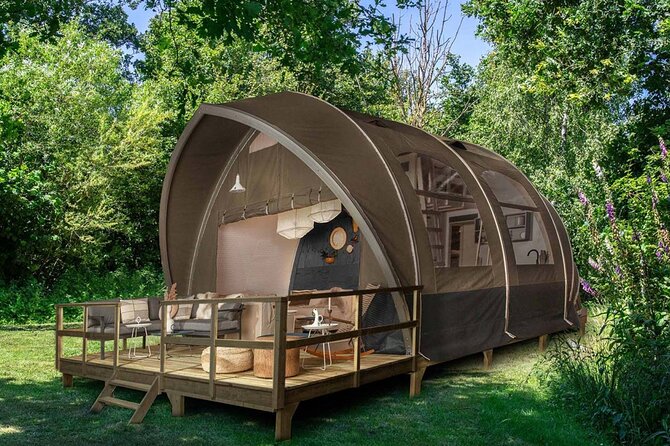
On safari, logistics can steal your energy. Here, overnight stays are described as “unique accommodations located close to the national park,” and the food is included on a full-board plan. You’re set for eight breakfasts, eight lunches, and eight dinners, with the driver-guide and transport included.
I like this setup because it reduces the small daily decisions that wear you out. You’re not hunting for where to eat, you’re not negotiating water and meal stops, and you’re not timing your day around restaurants instead of wildlife.
The “close to the park” point is underrated. Even if a lodge isn’t luxurious by city standards, being near the action can be what keeps your game drive quality high. You spend more time watching animals and less time turning roads.
Feedback also mentions lodges that feel comfortable and unique, plus staff and food that meet expectations. In the real world, this matters. Good meals and a decent place to sleep do not sound exciting until you’re two days into long drives, and then you’re really glad they were planned for you.
Price and value: what $4,114 per person covers, and what it doesn’t
At $4,114.00 per person for roughly nine days, you’re paying for a lot more than just access to parks. This includes park fees, transport, a driver-guide, and full-board accommodation with meals. That value piece is important because safari pricing can get messy fast once you add entries, drives, and daily logistics.
If you compare it to the cost of doing it “on your own,” the big cost of this style of trip is usually not the vehicle itself. It’s the time, coordination, and the number of moving parts: multiple parks, multiple park fee systems, and the need to be in the right place when migration shifts.
What’s not included is also clear:
- Tourism Development Levy of $1.50 per person per night, plus village tax of $1.00 per person per night, paid at check-in
- Personal expenses, drinks, and tips (optional)
For you, this is the best way to judge value: decide how much you want to manage. If you want the simplest version of northern Tanzania with minimal friction, this is the package style you should compare.
Also note the itinerary is private, and that’s part of the price logic. Private doesn’t mean “luxury only.” It means your time and your vehicle schedule belong to your group.
Practical tips for 6-hour game drives and long park days
This tour is built around full-day drives, with most driving blocks listed at about six hours, plus road time between parks. That’s a lot of time in the vehicle, so comfort planning is worth it.
Here’s how I’d prep:
- Dress in layers. Mornings can feel cooler, and afternoons can heat up fast.
- Bring sunscreen and a hat. Even when you’re focused on animals, sun exposure adds up.
- Have a small bag for essentials so you’re not rummaging every time something happens.
- If you’re camera-first, plan for frequent repositioning. Open terrain can make sightings pop up and disappear quickly.
The tour lists “moderate physical fitness.” That usually means you should be comfortable walking short distances at lodges and viewpoints, not training for a hike. Still, you’ll benefit from good shoes and staying hydrated, especially on the Lake Natron walk.
One more practical note: it’s a private tour, so your group controls the pace more than a shared-group safari. That can be great for flexibility, but it also means you should set expectations early, like how often you want stops and how quickly you want to return to the vehicle after sightings.
Should you book this 9-day private safari from Arusha?
If you want a classic northern Tanzania route with a real focus on the Great Migration, this is a strong choice. The mix is smart: Tarangire elephants to get you started, Lake Manyara’s unique wildlife vibe, Lake Natron for a special flamingo walk with a Maasai guide, Serengeti for multiple migration-targeted days, then Ngorongoro for Big Five odds.
You should book if:
- You want private guiding and a schedule built around wildlife time, not tourist stops
- You’re traveling in a season where migration routing is a key goal
- You like the idea of full-board lodges close to the parks so your days stay smooth
You might think twice if:
- You need a guaranteed, exact migration location or a specific herd scene. Migration depends on timing, and this tour adjusts to match it.
- You don’t enjoy long days in a safari vehicle. This trip is designed for full-day viewing blocks.
If you get the season right and you’re ready for a long but rewarding week, this one has the ingredients that usually make safari trips unforgettable: multiple ecosystems, smart pacing, and guides who help you spot the story, not just the animals.
FAQ
Where does the safari start and how is pickup handled?
It starts in Arusha. You can be picked up from your place of stay or from the airport by the driver-guide.
What is the start time for the experience?
The meeting start time is 8:00 am.
How long is the safari?
The safari duration is about 9 days.
Is this a private tour?
Yes. It is a private tour/activity, and only your group will participate.
Which parks and main sites are included?
You’ll visit Tarangire National Park, Lake Manyara National Park, Lake Natron (for a flamingo walk), the Loliondo game controlled area, Serengeti National Park, and Ngorongoro Crater, with a return toward Arusha at the end.
Does the trip follow the Great Migration?
Yes. The Serengeti portion is aimed at the Great Migration, and the location depends on the time of year.
What is included for food during the trip?
The package includes breakfast (8), lunch (8), and dinner (8) under a full-board meal plan.
Are park fees included in the price?
Yes. Park fees are included in the tour.
What taxes or charges are not included?
You need to pay at check-in: Tourism Development Levy ($1.50 per person per night) and village tax ($1.00 per person per night).
What is the cancellation policy?
Free cancellation is available. You can cancel up to 24 hours in advance for a full refund. If you cancel less than 24 hours before the start time, the amount paid is not refunded.
More Time in the Vehicle
- Tanzania Simba Safari – 5 Days
★ 5.0 · 217 reviews - Living Among Lions
★ 5.0 · 191 reviews - Big Five Luxury Safari in Tanzania
★ 5.0 · 68 reviews - From Arusha: 6 Day Classic Game Drive Serengeti & Ngorongoro
★ 5.0 · 49 reviews - 4-Day Simba Safari – Mid Range Tour
★ 5.0 · 47 reviews
Just added from around Arusha
Big Five and Game Drive Safaris, compared.
 ★ 5.0Tanzania Simba Safari – 5 DaysFrom $2,897217 reviews
 ★ 5.0Living Among LionsFrom $3,872191 reviews
 ★ 5.0Big Five Safari In TanzaniaFrom $3,75099 reviews
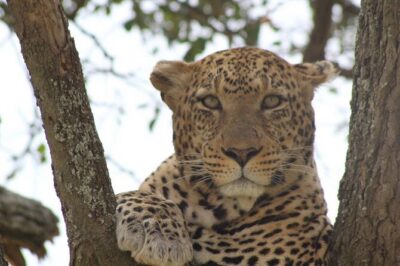 ★ 5.0Big Five Luxury Safari in TanzaniaFrom $2,90068 reviews
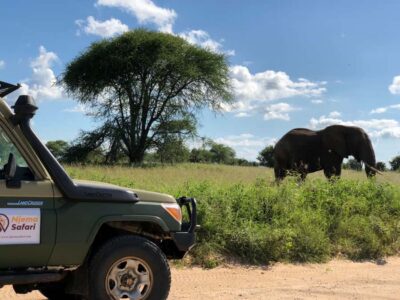 ★ 4.3From Zanzibar: Nyerere National Park Game Drive with LunchFrom $55059 reviews
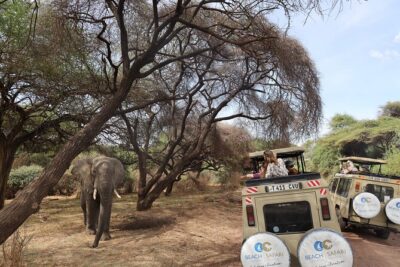 ★ 5.0From Arusha: 6 Day Classic Game Drive Serengeti & NgorongoroFrom $2,86449 reviews
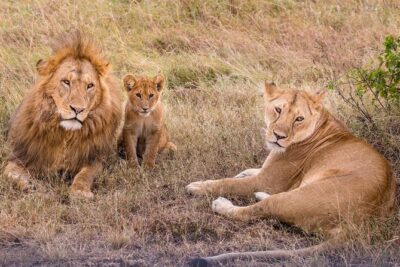 ★ 5.04-Day Simba Safari – Mid Range TourFrom $2,17947 reviews
 ★ 5.05 Days 4 Nights Tarangire, Serengeti , Ngorongoro & Manyara Wildlife SafariFrom $2,60040 reviews
Browse the lists this tour appears in