
REVIEW · TANZANIA CAMPING AND BUDGET SAFARIS
Discover The World’s Top Best 4-day Tanzania Group Camping safari
Wildlife, before breakfast, with no planning stress. This 4-day Tanzania camping safari from Arusha keeps the focus on Central Serengeti and Ngorongoro Crater, with guided game drives from a pop-up-roof 4×4.
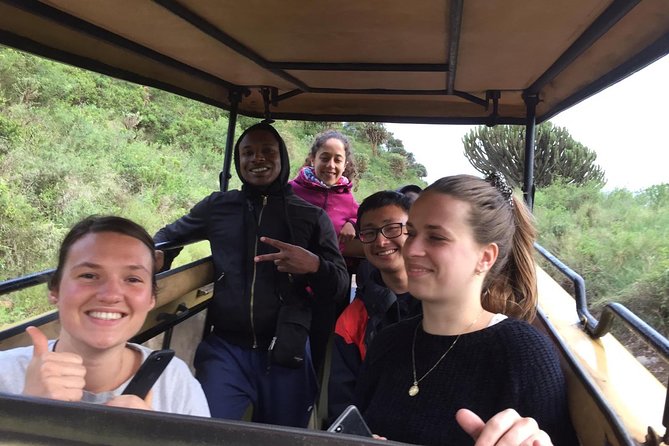
I especially like two things. First, the pop-up roof setup gives you cleaner sight lines for big cats and close-up behavior. Second, the small-group format (up to 50 people) means you are not lost in the crowd, and the guide can actually explain what you are looking at.
One consideration: camping days mean early starts, long game-drive hours, and basic comforts compared with a hotel stay. Also, the route names can vary by version, so confirm which parks your exact departure actually visits.
In This Review
- Quick reasons this safari works
- A pop-up roof safari built for big goals, not planning
- Price and what $1,334 really buys you
- The Arusha start, and why it matters for your first sightings
- Day 1: Arusha to Central Serengeti, Nyani Campsite, and that first sunset drive
- Day 2: Full day Central Serengeti drives for Big Five chances
- Day 3: Dawn drive, transfer toward Ngorongoro/Karatu, and Simba Campsite views
- Day 4: Ngorongoro Crater, a guided descent, and the picnic inside the bowl
- Why this camping rhythm changes what you notice
- Small-group size, big impact on your guide time
- What wildlife you can realistically plan around
- What to pack for a smoother safari day
- Who should book this safari, and who should skip it
- Should you book this 4-day Tanzania camping safari?
- FAQ
- Where does this safari start and end?
- Do I get hotel pickup and drop-off?
- How long is the safari?
- Which parks does the day-by-day itinerary include?
- What wildlife might I see?
- What kind of vehicle is used for game drives?
- What is included in the price?
- What is not included?
- How does cancellation work, and what if weather is bad?
Quick reasons this safari works
- Pop-up roof viewing helps you spot animals and photograph without craning your neck all day
- Small-group feel gives you more guide attention during drives and briefings
- Purified drinking water and medical kits are included, which adds real peace of mind
- Nyani Campsite and Simba Campsite keep the schedule tight between wildlife stops
- Ngorongoro crater guided tour includes a picnic in the crater for a full, structured experience
- Park entrance fees are covered, so the cost feels more predictable
More camping safaris at this price
- 4 Days Group Camping Safari★ 5.0 · 1,101 reviews
- 5 Days Group Camping Safari★ 5.0 · 730 reviews
- 3 Days Serengeti & Ngorongoro Group Camping Safari★ 5.0 · 574 reviews
- 5 Days Camping Tarangire, Serengeti & Ngorongoro crater & Visiting Maasai★ 5.0 · 229 reviews
A pop-up roof safari built for big goals, not planning
If you have ever looked at a Tanzania map and felt overwhelmed, this style of tour is meant for you. You get a set route, a driver guide, and a rhythm that puts you where the action is, without you thinking about checkpoints, timing, or park rules.
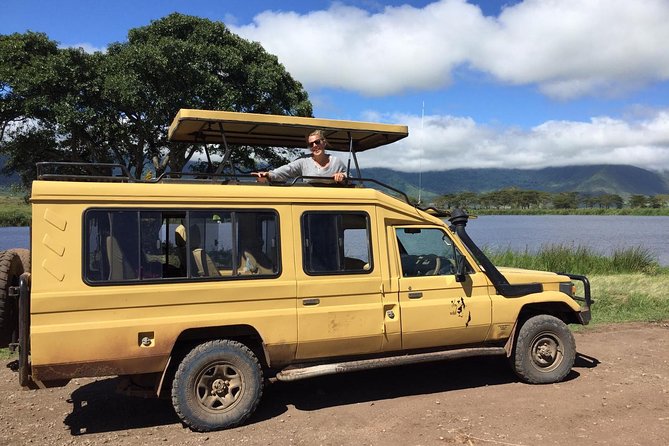
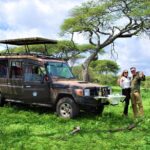
The big deal is the vehicle setup. A 4×4 safari land cruiser with a pop-up roof means you can see over scrub and other cars when animals move near the road. It also makes it easier to track behavior, not just poses.
And because the guide is there for the full experience, you get explanations about what is happening in the ecosystem. That turns a drive from random spotting into something that feels connected.
Price and what $1,334 really buys you
At $1,334 per person for about 4 days, the headline price might look high until you see what is packed into it. Here, park entrance fees are included, plus the game drives, the 4×4 vehicle, and the safari guide.
You also get accommodations during the safari, purified drinking water, and large portions of fresh healthy food. On top of that, there is pickup and drop-off from your hotel, plus a briefing and even a safari certificate as a keepsake.
Where you might feel the cost more is outside the package: tips for guide and chef, personal items, any hotel stay after the safari, and flights (domestic or international). If you are budgeting, treat those as separate line items so there are no surprises.
The Arusha start, and why it matters for your first sightings
Your trip begins in the Arusha region and ends back at the meeting point. Pickup and drop-off from your hotel are included, so you are not trying to solve transport on day one when everyone is tired and excited.
Arusha is a practical base for this kind of wildlife-focused schedule. It keeps transfers manageable, and it also gives you time to get a briefing before the wildlife days start stacking up.
The tour also uses a mobile ticket, which can simplify things once you are in-country and coordinating with your driver.
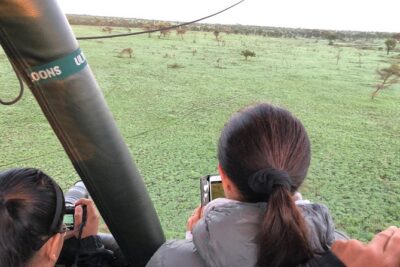
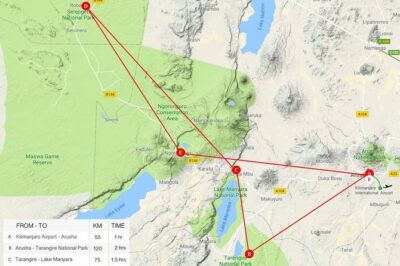
Day 1: Arusha to Central Serengeti, Nyani Campsite, and that first sunset drive
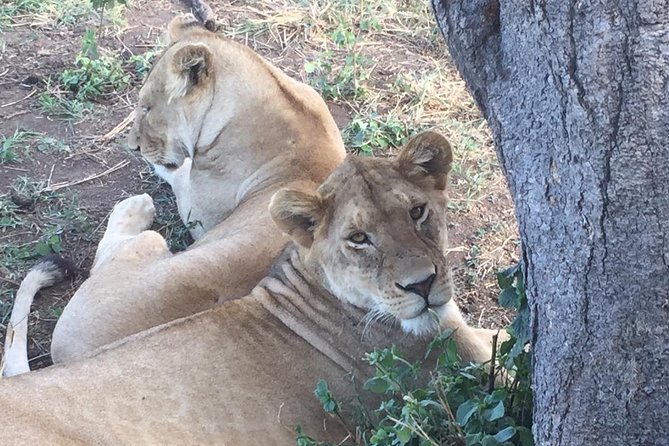
Day 1 starts with a transfer from Arusha to Central Serengeti. You arrive at Nyani Campsite for lunch, then head out for your first afternoon game drive.
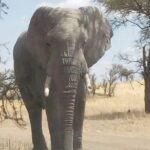
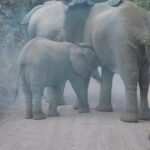
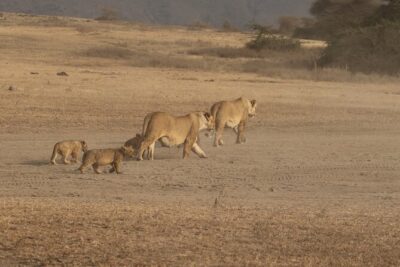
This timing is smart. Afternoon drives are often when animals move to water and feed, and you may catch predators on the move before the light drops. The chance to see lions and elephants is specifically mentioned, and those two can often frame your safari fast, because they anchor the landscape with constant activity.
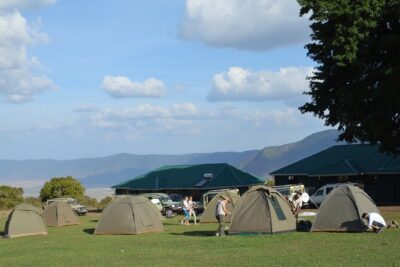
You will return to camp for dinner and rest under the stars. Camping nights early in the itinerary help you get into safari mode quickly. You stop thinking about logistics and start listening for what is happening around camp.
A small practical note: afternoon drives can be cooler than you expect once the sun goes down, so having a light layer helps.
Day 2: Full day Central Serengeti drives for Big Five chances
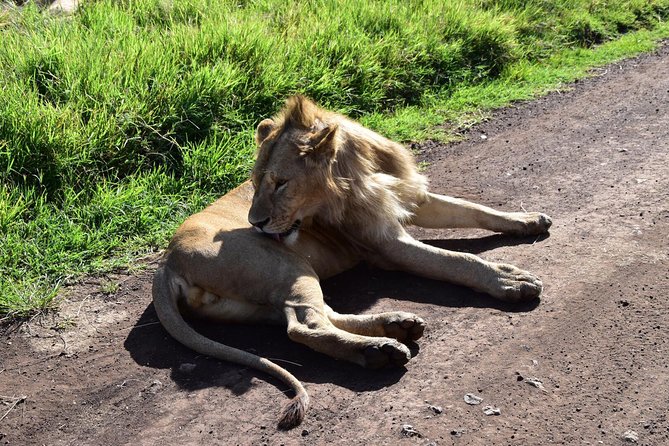
Day 2 is your full day of game drives in Central Serengeti. You will explore different areas and search for the Big Five, with the emphasis on long viewing time across shifting habitats.
This is the day most people remember because it is when patterns start clicking. Once you see how herds cluster, how predators stalk, and how the plains change as the light moves, you stop treating sightings as random luck. Even when you do not hit every target, you usually end up with a deeper sense of how the system works.
The guide’s ecosystem explanations matter here. They give you context for behavior you might otherwise miss, like why certain animals stay close together or why movement picks up at particular hours.
If you care about photography, this is also the day to pay attention to timing. With a pop-up roof vehicle, your job is mostly to watch the light and be ready when something steps into view.
Day 3: Dawn drive, transfer toward Ngorongoro/Karatu, and Simba Campsite views
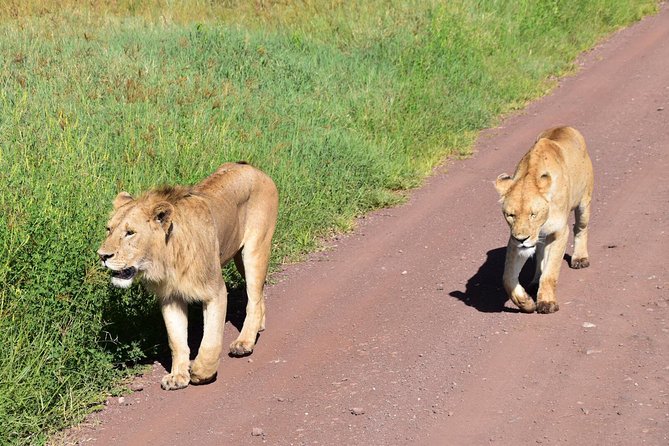
Day 3 begins with an early morning game drive before breakfast. Dawn can be excellent for spotting because animals are active, and the air is often clearer for viewing.
After the morning drive, you pack up and transfer toward the Ngorongoro area, with a stop for lunch at a scenic spot en route. The itinerary then includes check-in at Simba Campsite and downtime in the evening.
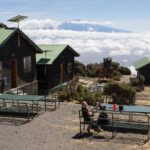
This part of the trip has a different feel than the flat plains day. Ngorongoro’s rim area can bring big changes in temperature and cloud cover as you move closer to the crater. Even if you are not inside it yet, the setting tends to make you feel like the safari is tightening toward something special.
The evening at camp is usually the moment to slow down. You get a view, you reset, and you prepare for the crater descent the next day.
Day 4: Ngorongoro Crater, a guided descent, and the picnic inside the bowl
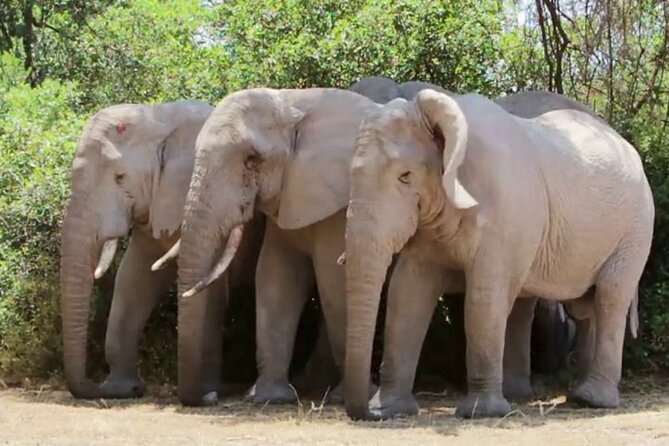
Day 4 is built around the Ngorongoro Crater tour. You descend into the crater for a guided visit that lasts about five hours, with a picnic lunch inside the crater before you head back up.
A guided tour is a big advantage here because Ngorongoro is a contained, concentrated wildlife zone. The guide can help you interpret what you are seeing quickly, from grazing patterns to predator positioning. You also have a structured tour length, which helps you avoid the stop-start feeling that can happen when everyone is waiting for the same sighting.
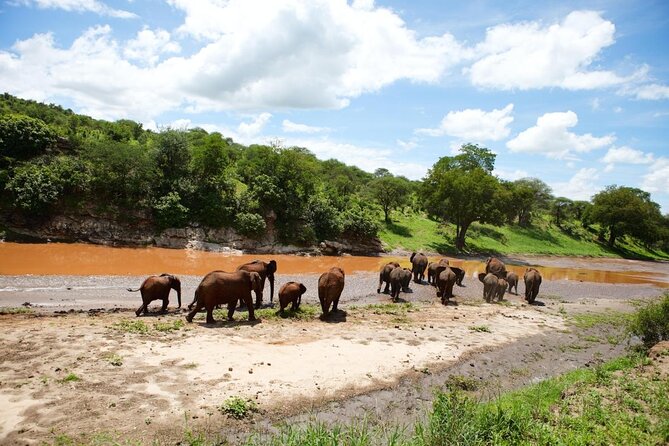
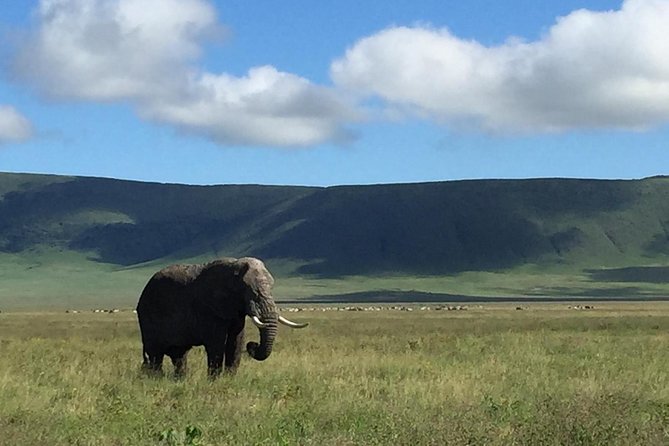
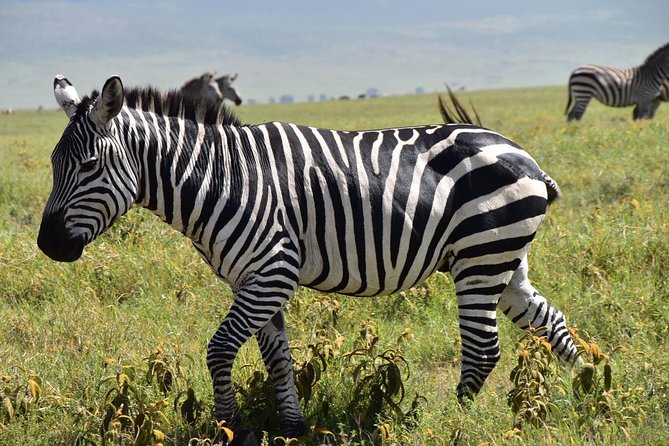
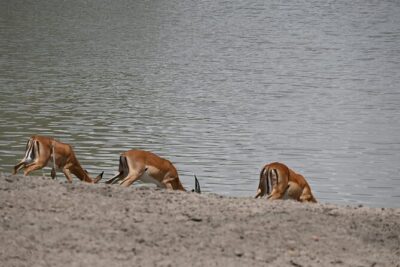
Wildlife at Ngorongoro can be diverse, and the tour description lists species you might see across the trip, including leopards, cheetahs, zebras, hippos, giraffes, and elephants. Realistically, not every animal is guaranteed on any day, but the plan sets you up to look in the right places for long enough.
After lunch and the crater time, you ascend and transfer back to Arusha to end your safari. It is a satisfying finish because the most iconic day is placed at the center of the final morning and early afternoon.
Why this camping rhythm changes what you notice
Camping in these reserves is not just about saving money. It compresses your time between wildlife viewing and sleeping, which keeps the days intense in a good way.
Because you return to camp after drives, you can reset without having to negotiate new routes each day. That reduces decision fatigue, which matters when you are trying to spot animals on fast-moving schedules.
Also, camping makes the night feel part of the safari. Dinner, rest, and stars under open sky tends to keep the trip grounded. You are not just visiting parks as a day trip, you are living the rhythm for those few days.
That said, camping does mean fewer comforts than a hotel. If you need hotel-style bedding and quiet, plan to bring a calm expectation set. Comfort is not the headline here. Wildlife time is.
Small-group size, big impact on your guide time
The tour lists a maximum of 50 travelers. That is not tiny, but it is still small enough for the guide to keep the group organized and give basic attention without everyone feeling like a number.
You also benefit from having pickup included. Once your group is loaded, the driver can keep a smoother pace across transfers and game-drive timing. That is one reason these “best-of” routes can feel efficient without being chaotic.
The guide is a licensed safari driver guide, and a briefing is included. That combination matters because it sets expectations for how to behave in parks, what to watch for, and how to interpret animal movement.
In feedback for this operator, people repeatedly credit the team behind the scenes for responsiveness, including an organizer named Godfrey. They also name guides such as Joseph and Ben, with Ben described as having long experience. Even if your guide differs, it signals that the company tends to staff people who know what they are doing on safari.
What wildlife you can realistically plan around
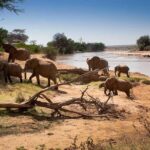
The tour description calls out a good list of species you may see during your safari: lions, leopards, cheetahs, elephants, zebras, hippos, and giraffes.
Here is the honest part: Tanzania wildlife is wild. You might see all of these, or you might see a smaller subset depending on season, timing, and animal movement.
What this itinerary does well is it gives you multiple chances in the right places. Central Serengeti gives you long viewing time across changing areas. Ngorongoro adds a concentrated, crater-based wildlife experience with a longer guided block.
If you have one must-see, pick the one you would still feel happy about even if it is not guaranteed. You will get the most joy by treating the rest as bonus.
What to pack for a smoother safari day
You do not need to overthink packing, but a few items can make the days easier.
Bring:
- A light rain layer or poncho, since you are told the experience requires good weather and conditions can shift
- Sun protection (hat and sunscreen), especially for crater visibility and long drives
- Comfortable layers for early mornings and evening camp time
- Binoculars if you own them, plus a camera strap that can handle motion
- Cash or a card plan for items that are not included, like tips and personal purchases
Also, keep your day bag simple. You want to grab what you need fast, not dig through a suitcase while everyone is rolling out for the next drive.
Who should book this safari, and who should skip it
I think this tour fits best if you want:
- A guided, no-planning way to experience Serengeti and Ngorongoro on a tight schedule
- Camping as part of the adventure, not as a deal-breaker
- More structure than you would get from self-driving
- A pop-up roof vehicle setup and long game-drive time
I would be more cautious if you:
- Want hotel comfort for the whole trip
- Hate early mornings and long days
- Are expecting a single fixed “guaranteed animal list” like a theme park
If your top priority is pure comfort, you would probably look for a higher-end lodging upgrade rather than switching tours entirely. If your priority is wildlife access without stress, this format makes a lot of sense.
Should you book this 4-day Tanzania camping safari?
I would book it if your idea of value is paying for a structured wildlife plan where key items are already covered, especially park entrance fees, transport in a 4×4, and guides who handle the driving and the on-spot explanations.
It is also a good call if you want the big Tanzania hits in a short time window, with Serengeti game drives and a focused Ngorongoro crater day. The schedule has enough hours on safari to feel like more than a quick drive-by.
Before you confirm, do one smart thing: double-check which parks are included for your exact departure. The description talks about the best of Tanzania reserves, while the day-by-day schedule is centered on Central Serengeti and Ngorongoro. If you want Tarangire or Manyara specifically, clarify it up front so your expectations match the actual route.
If that lines up, you are set for a classic Tanzania camping safari with strong guiding, clean logistics, and wildlife time that adds up fast.
FAQ
Where does this safari start and end?
It starts in the Arusha Region, Tanzania, and the experience ends back at the meeting point.
Do I get hotel pickup and drop-off?
Yes, pickup and drop-off to your hotel are included.
How long is the safari?
The duration is listed as approximately 4 days.
Which parks does the day-by-day itinerary include?
The itinerary includes game drives in Central Serengeti and a Ngorongoro Crater guided tour.
What wildlife might I see?
The tour description lists lions, leopards, cheetahs, elephants, zebras, hippos, and giraffes as species you may see.
What kind of vehicle is used for game drives?
Game drives are done in a 4×4 safari land cruiser, and the car has a pop-up roof for better views.
What is included in the price?
Included items are pickup and drop-off, a briefing, a professional licensed safari driver guide, game drives, Tanzania National Park entrance fees, clean purified drinking water, fresh healthy food, medical kits, a safari certificate, and accommodations during the safari.
What is not included?
Not included are tips for safari guide and chef, personal items, hotel accommodations after the safari, and flights (domestic and international).
How does cancellation work, and what if weather is bad?
Cancellation is free if you cancel up to 24 hours in advance for a full refund. The experience requires good weather, and if it is canceled due to poor weather you will be offered a different date or a full refund.
More Under Canvas
- 4 Days Group Camping Safari
★ 5.0 · 1,101 reviews - 5 Days Group Camping Safari
★ 5.0 · 730 reviews - 3 Days Serengeti & Ngorongoro Group Camping Safari
★ 5.0 · 574 reviews - 5 Days Camping Tarangire, Serengeti & Ngorongoro crater & Visiting Maasai
★ 5.0 · 229 reviews - 5 Days Budget Private Safari, Tanzania
★ 5.0 · 191 reviews
Just added from around Arusha
Tanzania Camping and Budget Safaris, compared.
 ★ 5.04 Days Group Camping SafariFrom $9001,101 reviews
 ★ 5.05 Days Group Camping SafariFrom $1,100730 reviews
 ★ 5.03 Days Serengeti & Ngorongoro Group Camping SafariFrom $815574 reviews
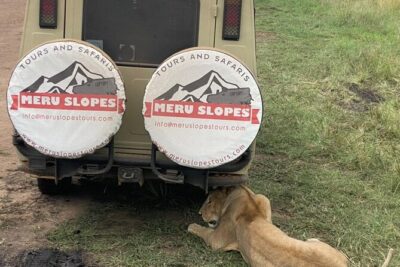 ★ 5.05 Days Camping Tarangire, Serengeti & Ngorongoro crater & Visiting MaasaiFrom $1,254229 reviews
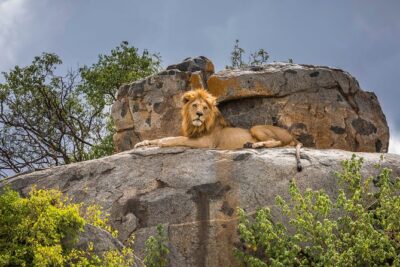 ★ 5.05 Days Budget Private Safari, TanzaniaFrom $0191 reviews
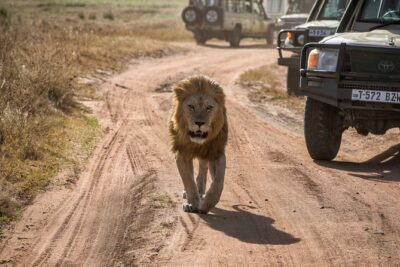 ★ 5.06 Days Private Budget SafariFrom $2,300163 reviews
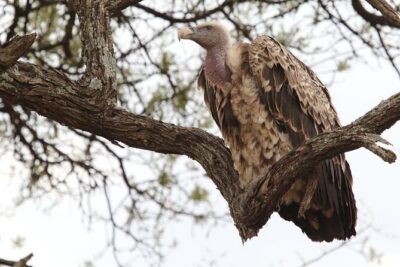 ★ 5.02 Days Tarangire and Ngorongoro Group Camping SafariFrom $550146 reviews
 ★ 5.06 Days Tanzania Budget Camping SafariFrom $1,600145 reviews
Browse the lists this tour appears in