
REVIEW · MOSHI AND THE KILIMANJARO FOOTHILLS
Book Day Hike at Rau Forest Reserve, Near Moshi Town in Tanzania
A forest walk with real stories. Rau Forest Reserve near Moshi blends monkey spotting with cultural tree lore, and you can also spend time in the tree nursery through a conservation activity. The only catch is that this is best in good weather and it calls for a moderate fitness level.
I like how this walk is built around practical nature viewing, not just a quick pass through trees. Rau is described as an underground water forest, known for catchment value, natural springs, and important tree species that support animals.
If you want more than the forest, the southern edge hike can be extended to nearby rice farms where farmers use an irrigation system across more than 3000 ha. And with a guide like Peter, the walk tends to feel lively, with explanations of trees, plants, animals, and farm life that keep you paying attention.
In This Review
- Key highlights before you go
- Rau Forest Reserve near Moshi, an underground water forest you can walk
- Your forest hike: medicinal tree bark stories and monkey spotting
- Conservation work inside the tree nurseries (30 to 45 minutes)
- Extending to the rice farms: irrigation on 3000+ hectares
- Price and value: what $39.47 gets you
- Booking and logistics that can make or break a short day
- Who should book Rau Forest, and who should reconsider
- Should you book this Rau Forest Reserve day hike?
- FAQ
- How long is the Rau Forest Reserve day hike?
- How much does the tour cost?
- Is pickup included?
- Is this a private tour?
- What is included in the price?
- What is not included?
- Where does the tour start and end?
- When will I receive confirmation after booking?
- Is the tour suitable for everyone?
- What happens if the weather is bad?
Key highlights before you go
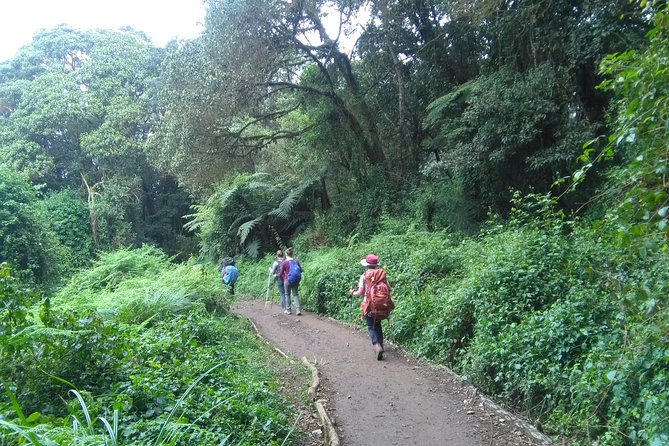
- Underground water forest feel with natural spring areas and catchment value that make this more than a casual stroll
- Colobus and blue monkey chances, including black-and-white colobus and blue monkeys
- Cultural tree connections, including bark used in traditional healer rituals and medicinal purposes
- Real conservation time (about 30 to 45 minutes), either watering seedlings or planting trees
- Optional rice farm extension into irrigation farming that covers over 3000 ha
- Private tour setup with guide support plus pickup and drop-off
More from Moshi and the foothills
- Arusha or Moshi : Hot Spring, Waterfall & Coffee Farm Tour★ 4.8 · 80 reviews
- Moshi: Town tour and Local Markets tour★ 4.9 · 36 reviews
- Moshi sunset experience★ 4.5 · 31 reviews
- Moshi city bike day trip★ 5.0 · 17 reviews
Rau Forest Reserve near Moshi, an underground water forest you can walk
Rau Forest Reserve sits near Moshi, and it has a special reason to exist beyond being pretty: it functions as an underground water forest with catchment importance. That matters because forests like this help feed springs and regulate water locally. On a day like this, you’re not just looking at trees, you’re walking through an area where water and plants are connected, and the wildlife that depends on that balance is part of what you come for.
Expect to move through a real forest environment with a guide who keeps the focus on what’s there. The reserve is also noted for valuable tree species and animal life, including two types of colobus monkeys, black-and-white colobus (listed as Collubus Guezzera) and blue monkeys. Seeing monkeys is never a guarantee in the wild, but the fact that these species are specifically mentioned as part of the reserve tells you what you should be prepared to look for.
This tour also includes plant and animal interpretation. You’ll get explanations about different trees and plants as you go, and that turns the walk into a learning route. It can also help you slow down. In forest country, the difference between rushing and really watching is huge.
Your forest hike: medicinal tree bark stories and monkey spotting
The heart of the experience is a nature forest hike inside Rau Forest Reserve. Plan on about 3 hours 30 minutes total, and keep in mind it’s for people with at least moderate physical fitness. This is not described as a rugged climb, but it is still a forest walk, so you should expect some uneven ground and steady walking.
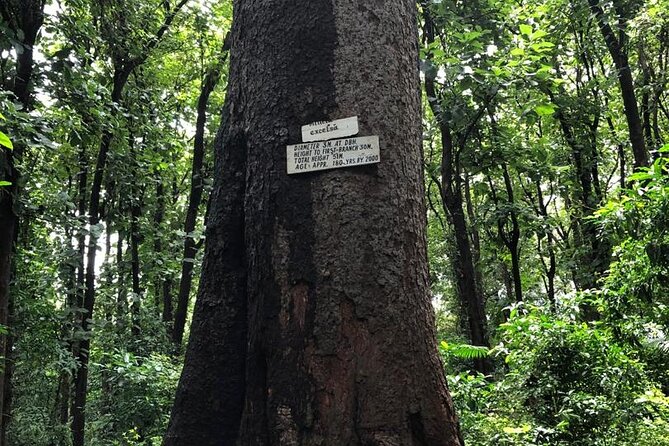
One of the most distinctive parts is how the guide connects the forest to local culture. The tree in the reserve is described as being used by traditional healers from nearby communities for rituals and medicinal purposes, using the tree bark. Some people also believe the tree can be used to chase away evil spirits. Whether you’re looking at this from a spiritual angle or purely cultural perspective, it gives the forest an extra layer. Instead of seeing trees as scenery, you’ll start treating them like part of a living local knowledge system.
While you’re processing that, you’ll also be scanning for animals. Rau is specifically associated with black-and-white colobus monkeys and blue monkeys. Even when you do not see them clearly at first, these hikes are often about spotting movement, hearing calls, and learning what the guide thinks is worth looking at. The best part of having a guide is not that they point, it’s that they teach you how to notice.
From the reviews, one name comes up for strong guide performance: Peter. People liked his pickup and drop-off routine, his humor, and the way he explains what you’re seeing, including animals, trees, and plants. That kind of guiding style makes a short day hike feel like a full experience, because you keep getting context as you walk.
Conservation work inside the tree nurseries (30 to 45 minutes)
A big reason this tour can feel more meaningful than a standard walk is the built-in conservation option. The forest walk can include a conservation initiative where you either:
- Spend about 30 to 45 minutes in tree nurseries, watering and managing young seedlings, or
- Participate in planting trees to help conserve the forest
This is one of those parts where you should set expectations correctly. This isn’t pitched as hard labor, but it does add hands-on time. If you choose the nursery or planting option, you’re not just looking at conservation ideas, you’re doing a small, concrete piece of it.
It also changes how you experience the forest. After you’ve watered seedlings or helped plant, you’ll likely understand why tree protection matters more than just in theory. You can also use this time to ask your guide practical questions about how the nursery work supports the reserve.
Practical note: since the conservation option is described as either nursery work or planting, pick what sounds comfortable to you. If you prefer staying close to seedlings and careful watering, go for the nursery time. If you like the idea of planting, choose that route. Your guide can help you decide during the day.


Extending to the rice farms: irrigation on 3000+ hectares
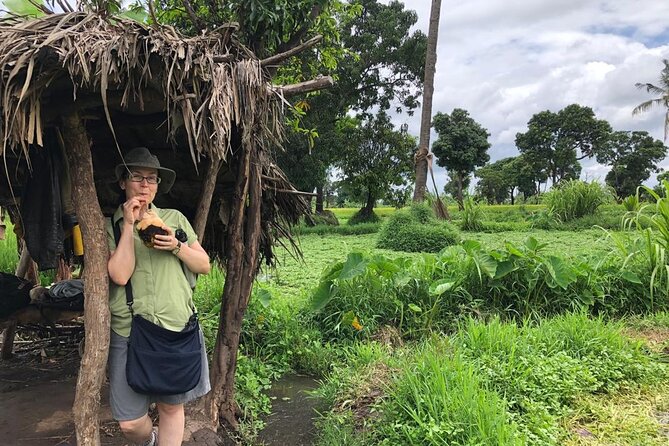
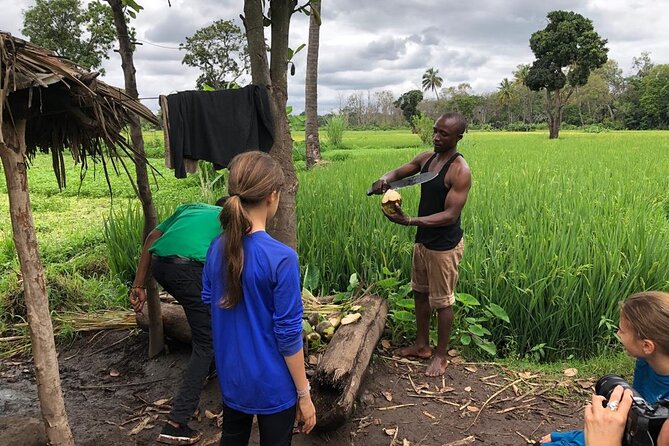
If you want to see how the forest connects to food production, the hike can be extended from the edge of the forest in the southern part to nearby rice farms. This is not described as a separate long tour, but as an extension you can add when you’re already at the right point in the walk.
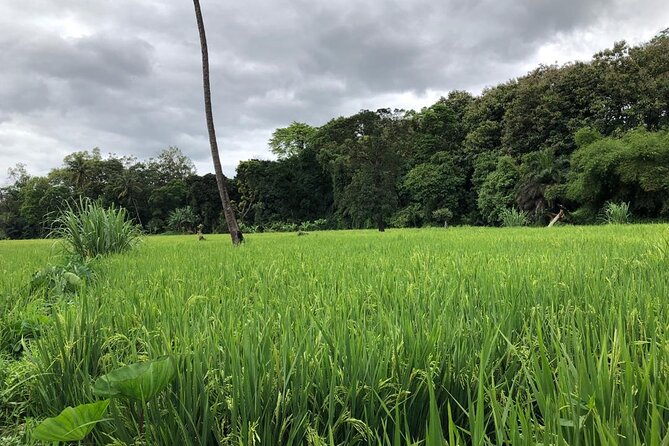
The rice area is described as having an irrigation farming system used by local farmers across more than 3000 ha of rice plots. That detail matters because it tells you the farming is not tiny-scale backyard agriculture. You’re looking at an established system.
On this farm extension, you’ll have a chance to walk between the fields. In places like this, walking matters because it gives you a feel for how water moves across planted areas and how farmers manage the timing and flow. Even if you’re not a farming expert, seeing the infrastructure and field layout helps you understand why irrigation affects everything from yields to daily routines.
This is also where the guide can shine, because you can connect the two halves of your day. The forest is about water catchment and springs. The farms are about irrigation. Seeing both in one day helps you grasp the local water story without needing a textbook.
Price and value: what $39.47 gets you
The price is $39.47 per person, and on average this is booked about 6 days in advance. That short lead time is useful if you’re building a flexible Moshi plan, but it also suggests you should not wait until the last minute if you want your preferred date.
What you get for the money is straightforward:
- A professional guide
- All fees and taxes included
Pickup is also offered, and the activity uses a mobile ticket. That bundle matters because it removes a lot of the small-cost surprises. You’re not trying to figure out how much to pay at different spots.
What is not included is a tip for your guide. That’s fairly typical, but it’s worth remembering because in small local businesses, tips can matter. If you like the guide, plan to tip.
How I judge value here: this is a half-day style experience that blends forest ecology, cultural context, optional conservation work, and a possible rice farm extension. Even at a modest duration, it can feel like you got multiple layers of Moshi’s surroundings in one go.
Booking and logistics that can make or break a short day
This is a private tour/activity, meaning only your group participates. Private is a big deal on hikes, because you can move at a pace that works for you, and you’re not stuck reacting to a slow or fast group rhythm.
The meeting point is Ghala Road, Tanzania, and the experience ends back at the meeting point. Pickup is offered, and in the reviews, Peter is praised for picking people up at their hotel and returning them again, which is exactly what you want when you’re trying to keep a day in Moshi simple.
You should also know the confirmation timing: confirmation will be received within 48 hours of booking, subject to availability. The activity is near public transportation, which can help if you’re not staying right next to your pickup point.
Timing wise, the hike runs about 3 hours 30 minutes. That’s a useful window for visitors who want a nature break without losing an entire day. The big scheduling variable is weather. This experience requires good weather, and if it is canceled due to poor weather, you’ll be offered a different date or a full refund.
Who should book Rau Forest, and who should reconsider
This hike fits best if you want a short, focused nature day near Moshi with a guide who explains what you’re seeing. If you like animals and want a real shot at seeing black-and-white colobus monkeys and blue monkeys, this is the type of route you should consider. If you also care about conservation beyond brochures, the nursery or tree planting option adds real value.
It can be a great option for people who enjoy learning while walking. The tour description and the guide praise point to a style where you hear about trees, plants, animals, and local farming life, not just random facts.
Consider skipping or changing plans if:
- You are not comfortable with a moderate physical fitness level for a forest walk
- You’re traveling on days where rain is likely, since the experience requires good weather
- You want a fully lounging, low-movement outing. This is still a walk, just a well-guided one
Should you book this Rau Forest Reserve day hike?
I’d book it if you want more than a walk in the trees. The combination of forest ecology, cultural tree lore tied to healer traditions, a chance to see colobus and blue monkeys, and an optional conservation task is a strong mix for the time. The rice farm extension is a bonus if you want to connect forest water and irrigation farming in one day.
I would not rush to book if your schedule is tight and you only have one good weather day to work with, because weather can affect whether the experience runs. But if you can be flexible, this is the kind of tour that gives you a clear sense of how people, water, and wildlife connect around Moshi.
If you can choose a guide, look out for Peter’s name. The feedback on his humor, his animal and plant explanations, and his hotel pickup and return pattern lines up well with what most people want from a half-day nature tour.
FAQ
How long is the Rau Forest Reserve day hike?
It runs about 3 hours 30 minutes (approx.).
How much does the tour cost?
The price is $39.47 per person.
Is pickup included?
Pickup is offered.
Is this a private tour?
Yes. It’s private, and only your group will participate.
What is included in the price?
It includes a professional guide and all fees and taxes.
What is not included?
Tips for your guide are not included.
Where does the tour start and end?
It starts at Ghala Road, Tanzania, and ends back at the meeting point.
When will I receive confirmation after booking?
Confirmation is sent within 48 hours of booking, subject to availability.
Is the tour suitable for everyone?
It’s best for travelers with a moderate physical fitness level.
What happens if the weather is bad?
The experience requires good weather. If it’s canceled due to poor weather, you’ll be offered a different date or a full refund.
Around Moshi
- Arusha or Moshi : Hot Spring, Waterfall & Coffee Farm Tour
★ 4.8 · 80 reviews - 1-Day Moshi Villages bike tour
★ 5.0 · 59 reviews - Moshi: Town tour and Local Markets tour
★ 4.9 · 36 reviews - Moshi sunset experience
★ 4.5 · 31 reviews - Moshi city bike day trip
★ 5.0 · 17 reviews
Just added from around Moshi


Moshi and the Kilimanjaro Foothills, compared.
 ★ 5.0Materuni Waterfalls & Coffee Tour from MoshiFrom $6092 reviews
 ★ 4.8Arusha or Moshi : Hot Spring, Waterfall & Coffee Farm TourFrom $5380 reviews
 ★ 5.01-Day Moshi Villages bike tourFrom $5059 reviews
 ★ 4.5From Arusha/Moshi: Kilimanjaro Hike Marangu Route Day TripFrom $10154 reviews
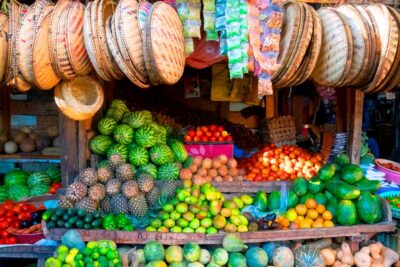 ★ 4.9Moshi: Town tour and Local Markets tourFrom $2536 reviews
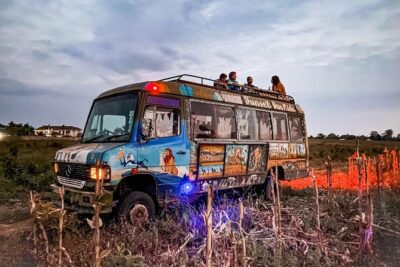 ★ 4.5Moshi sunset experienceFrom $2031 reviews
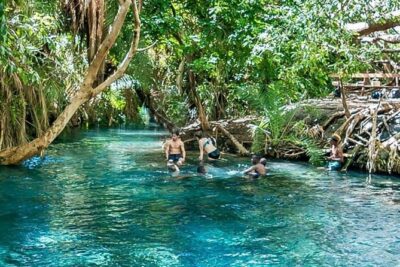 ★ 5.0Chemka Hot Springs Tour from MoshiFrom $5917 reviews
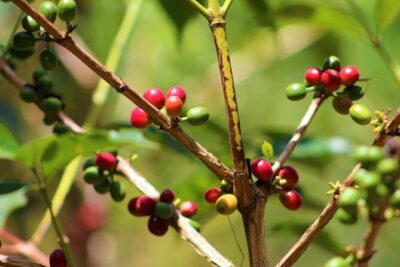 ★ 5.0Materuni Thundering Waterfalls,Coffee Experience with Moshi Town TourFrom $6017 reviews
Browse the lists this tour appears in