
REVIEW · TANZANIA CAMPING AND BUDGET SAFARIS
Best Of Six Days Safari Camping safari
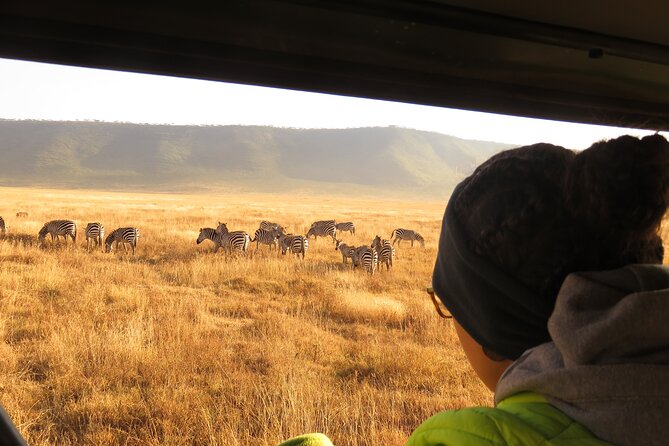
Calving season changes everything. This six-day safari is built around the wildebeest calving migration, aiming for the Lake Ndutu area and the southern and central Serengeti, so game drives feel less like sightseeing and more like watching nature work in real time. I love that the route is designed with a purpose, not just a checklist of parks.
I also like the variety. Tarangire brings elephants and even tree-climbing lions, and then you add Ngorongoro for a serious wildlife concentration. The main thing to consider is that part of the trip is budget camping, so this is not a resort-style comfort level.
In This Review
- Key highlights that matter on the ground
- The calving focus, and why it changes what you notice
- Arusha start: a briefing day that saves you headaches
- Tarangire National Park: elephants, baobabs, and tree-climbing lions
- Serengeti game drives on Days 3 and 4: watching births, not just animals
- Ngorongoro Crater on Day 5: UNESCO caldera, and a Big Five style day
- Lake Manyara on Day 6: a calmer finale with birds and flamingos
- Camping and comfort level: budget style, so pack like a realist
- Food, water, and day-to-day pacing that keep you going
- Value and price: what you are getting for $1,190
- Guides, responsiveness, and group size, the underrated part
- Who this safari fits best
- Should you book this six-day safari camping trip?
- FAQ
- Where does the safari start and end?
- How long is the safari?
- What is the price per person?
- Which parks are included?
- Is park entry included?
- What meals are included?
- What should I budget for since it is not included?
- What type of accommodations are provided?
- How many travelers are in the group?
- Is there free cancellation?
Key highlights that matter on the ground
- Calving-focused timing aimed at the Lake Ndutu and Serengeti calving zone
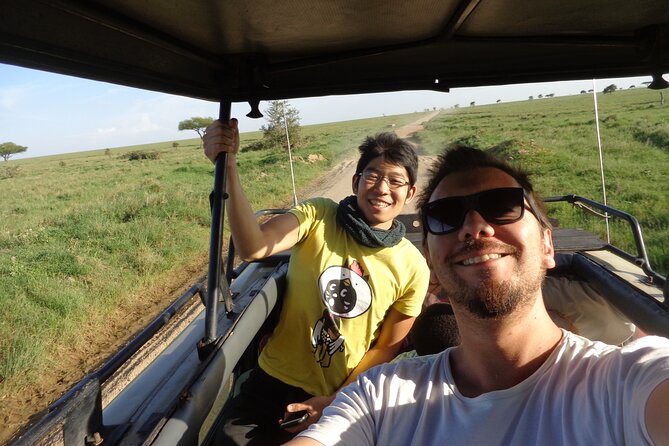
- Small group size (max 6), which usually makes the drive feel more personal and flexible
- Tarangire River year-round water that keeps wildlife moving and visible in dry conditions
- Two Serengeti days with day and late-game drives to improve your odds for births and big herds
- Ngorongoro crater UNESCO setting with a Big Five style game drive plan
- Bird-rich Lake Manyara circuit with a strong chance for pink flamingos
More camping safaris at this price
- 4 Days Group Camping Safari★ 5.0 · 1,101 reviews
- 5 Days Group Camping Safari★ 5.0 · 730 reviews
- 3 Days Serengeti & Ngorongoro Group Camping Safari★ 5.0 · 574 reviews
- 5 Days Camping Tarangire, Serengeti & Ngorongoro crater & Visiting Maasai★ 5.0 · 229 reviews
The calving focus, and why it changes what you notice
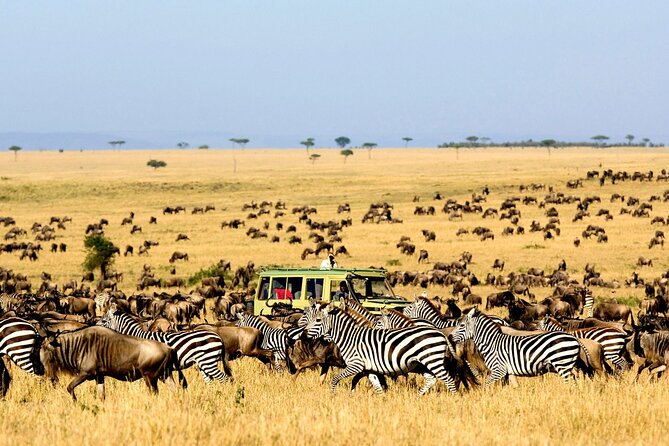
Most Serengeti safaris are great for big animals. This one leans into one very specific moment in the calendar, the great wildebeest calving migration. That matters because your attention shifts. Instead of only scanning for lions and elephants, you end up watching interactions, herd movement, and the constant churn of births and survival behaviors.
The big idea is simple: you travel through the areas linked with where calving typically happens, including Lake Ndutu and the southern and central Serengeti. If you’re the kind of person who likes patterns in nature, this route gives you more to track than a generic wildlife tour.
You should also know this: wildlife in Tanzania is never guaranteed. But when a safari is built around calving season, you are showing up at the time and place where the action is usually densest. That’s the difference between hoping and expecting to see real moments.
Arusha start: a briefing day that saves you headaches
Day 1 is all about getting oriented. A staff member from SerengetiLandmark Tours picks you up in Arusha, drives you into town, and gives you a safari briefing. Then you get a restful night before the real driving starts.
Why I like this setup: it helps you get your bearings fast. Safari days are long, and getting the logistics and expectations straight before you hit the parks keeps the whole trip calmer. You’ll also be in the right mindset for the next morning.
Even the way the day is scheduled, you’re not rushed straight from the airport into the bush. That extra buffer is valuable if you’re traveling from far away.
Tarangire National Park: elephants, baobabs, and tree-climbing lions
Tarangire is one of those parks that feels different from the open plains you might picture for Tanzania. After breakfast, you head out with your driver guide for the drive into the Manyara region.
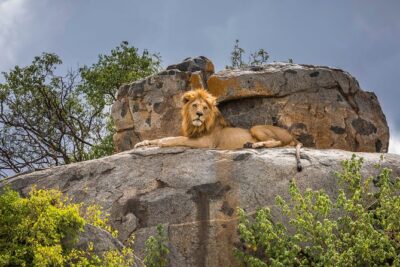
What stands out here is the combination of life and scenery. Tarangire is known for large herds of elephants, the baobab trees that are famous across East Africa, and the chance of tree-climbing lions. You also have a good chance to see zebra and giraffe as the park’s ecosystems roll by.
One detail that makes Tarangire practical, even for the dry season: the Tarangire River flows year-round and is described as the animals’ key source of water during dry months. That means wildlife doesn’t just vanish when the grass gets thin. It has a reason to stay in the area.
If you’re thinking about what day 2 does for your trip, it acts like the warm-up. You get your eyes trained for tracking animals, and you start noticing behavior patterns early.
Practical tip: keep your camera ready, but also keep your eyes up. With elephants and lions, the best moments can happen in seconds, especially if the animal is partially obscured by trees or rocks.
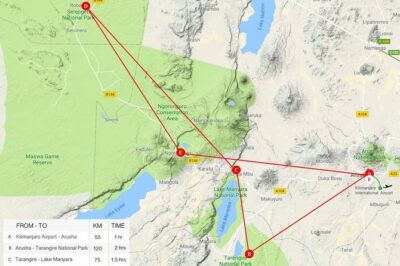
Serengeti game drives on Days 3 and 4: watching births, not just animals
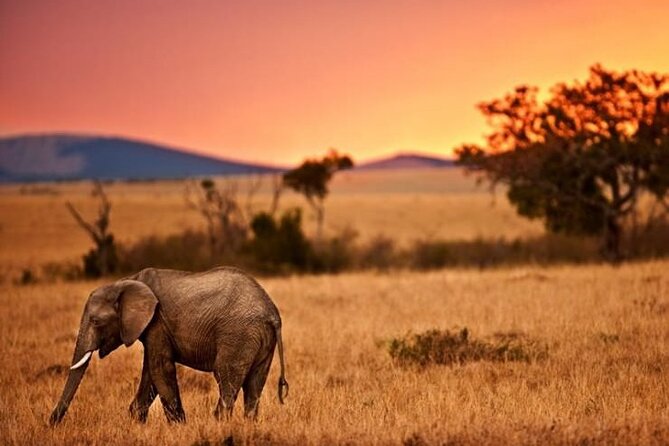
This is the core of the safari. You move from Tarangire into Serengeti National Park, and you carry a picnic lunch for the day. The schedule also includes time for a game drive en route (with Ngorongoro mentioned as part of the route timing) and then a late game drive once you’re in Serengeti.
Then Day 4 repeats the Serengeti rhythm: breakfast, picnic lunch, another set of game drives including time that’s linked with Ngorongoro en route and then late driving again in the park.
Here’s what that means for you in real terms. Two Serengeti days give you more chances for the kind of sightings a calving-focused safari aims for. You’re not burning one short window. You’re letting your guide follow movement and positioning through the day.
The calving numbers are dramatic in the safari description. It notes wildebeest can birth more than 8,000 calves daily during the peak of the period described. Even if you only catch a fraction of that activity at any one moment, you will likely notice how nonstop the herd dynamics can feel.
Also, Serengeti is famed for migration on a huge scale, described as involving over 1.5 million wildebeest and hundreds of thousands of zebras. When herds compress and relocate, you get dramatic scenes like animals crossing difficult areas and predators reacting quickly.
What to expect from the driving style: you’re on the hunt, with long stretches of scanning and then sudden payoff when the herd turns or lions appear. It’s not a slow museum tour. It’s living wildlife time.
Possible drawback: long days can be tiring, especially if you’re not used to sitting for long game-drive hours. Bring layers. Heat can flip fast once the sun angle changes.
Ngorongoro Crater on Day 5: UNESCO caldera, and a Big Five style day
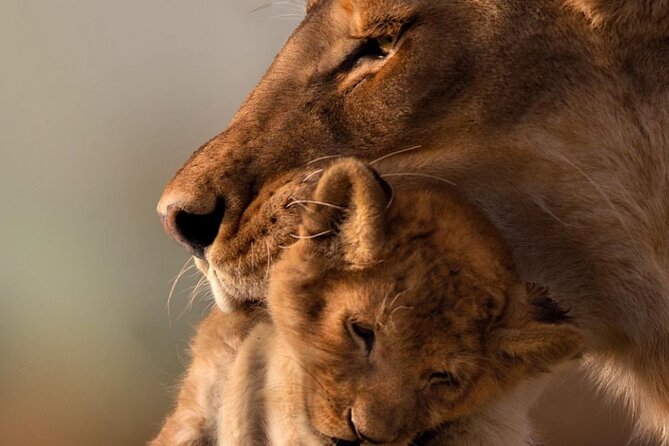
Ngorongoro Crater is a different kind of safari stage. On Day 5, you head out early to the crater area for a game drive, with the safari description noting you can be able to see all of the Big Five during this crater game drive.
It’s also described as part of a UNESCO World Heritage site, and the crater itself is known as the world’s largest caldera. What matters for your experience is how that bowl-like terrain shapes wildlife viewing. When animals are concentrated, a smaller movement can be more noticeable, and a single sighting can feel bigger because it sits in a ring of habitat.
The park’s highland plains and the concentration of wildlife are part of why it’s so famous. If you’ve been seeing animals spread out across open savanna, crater time can feel like a wildlife bottleneck, the kind that makes it easier to find what you’re searching for.
Practical note: early departures tend to pay off. You’re more likely to catch active animal behavior when the day is fresh.
Lake Manyara on Day 6: a calmer finale with birds and flamingos
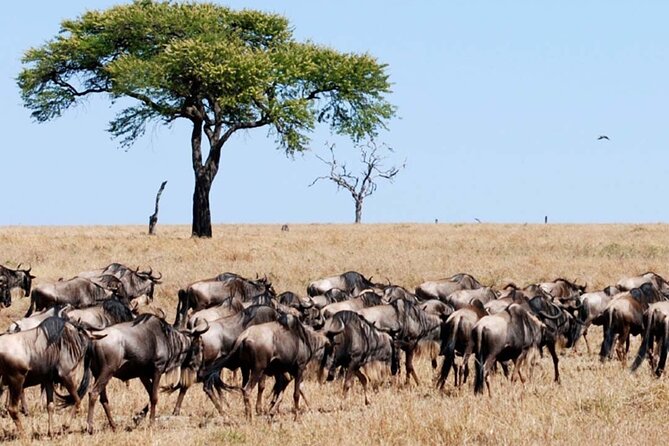
After the long Serengeti and Ngorongoro run, Day 6 gives you a scenic change of pace. You drive to Lake Manyara National Park, then do a compact game viewing circuit.
This park is described as diverse and scenic, with the Rift Valley wall as a backdrop. Lake Manyara is also noted for birds, with the safari description saying you can find over 400 species of birds, including thousands of pink-hued flamingos.
There’s also a famous anecdote tied to this place. It states that Ernest Hemingway praised it as the loveliest he had seen in Africa. You can treat that as a hint about the vibe, scenic and easy to enjoy, not just about big-cat drama.
Day 6 also includes a ride back to town after the evening circuit. That ending matters because it gives you a chance to pack, reflect, and get ready for your return without needing to squeeze in another full big-park day.
Camping and comfort level: budget style, so pack like a realist
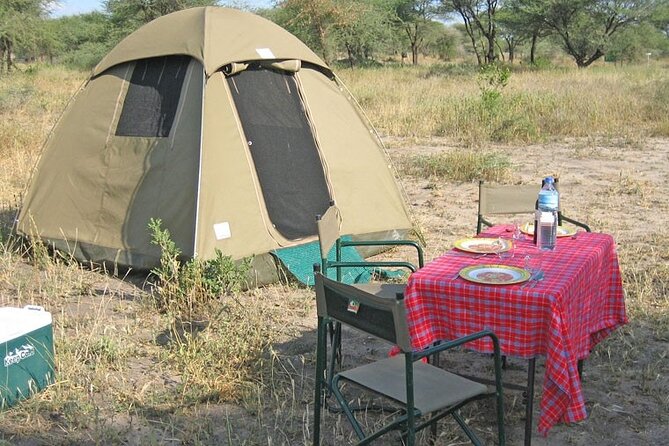
This safari includes Jambo lodge accommodation on Day 2, and then budget camping for Days 3 and 4. The listing doesn’t spell out the exact camping setup, so you should prepare based on what budget camping typically means in remote safari areas.
Plan for essentials: comfortable clothing you can layer, a way to keep dry items protected, and a mindset that the outdoors is part of the deal. If you hate camping, this is the biggest fork in the road for whether this trip fits you.
On the plus side, camping can make the whole experience feel more grounded and immersive in a good way, especially when you’re watching night skies after long drives. On the minus side, comfort won’t be the star of the show.
If you’re the kind of traveler who values the animals more than the bathroom, you’ll probably love the tradeoff.
Food, water, and day-to-day pacing that keep you going
This trip includes a lot of the routine things that can quietly make or break a safari:
- Park fees and entry fees
- Unlimited drinking water
- Airport pickup and drop-off
- Lunches, breakfasts, and dinners as listed (5 lunches, 5 breakfasts, 4 dinners)
- Unlimited water to help you stay on schedule
That matters because it reduces decision fatigue. You’re not spending your time negotiating meals after a long drive. You’re also not rationing water, which is crucial in hot conditions and under bright sun.
Timing-wise, many days are listed around 7 to 8 hours, which is normal for safari routing. You’ll feel the distance between parks, and you’ll likely spend a big chunk of the day on the move or searching.
A real-life comfort trick: bring snacks you can eat quietly during long drives, even with lunches included. Your guide may not always have a quick pause at the exact moment you want.
Value and price: what you are getting for $1,190
At $1,190 per person, this safari isn’t bargain-basement. It’s also not just a ticket price. Based on what’s included, a meaningful chunk of the expense is covered for you: park fees and entry fees, multiple meals, and airport transfers.
That combination is often the real value in safari travel. If you were to add park access, daily meals, and local transportation separately, the total commonly swells fast. Here, at least on paper, those costs are packaged.
What you should still budget for:
- Tips for safari
- Alcohol drinks
- Visa
I like being told up front what’s not included. It prevents that last-minute scramble that ruins the end of the trip.
Guides, responsiveness, and group size, the underrated part
One reason safaris feel good or stressful is who runs the show. SerengetiLandmark Tours has been praised for quick responsiveness from their organizer Raymond Ayo. One traveler also described needing an invitation letter for visa application and said Raymond helped make that happen.
That kind of support is surprisingly important, especially if you’re trying to manage paperwork before you fly.
The trip is limited to a maximum of 6 travelers, and it’s described as near public transportation. A small group can mean less noise, more flexibility during game drives, and a better chance your guide can keep everyone’s eyes on the action.
If you get a driver or guide like the ones named in the feedback, such as Rhinocent (mentioned as a professional driver) or Mud (mentioned as a guide name), that can raise the odds that you’ll spot things and understand what you’re seeing.
Who this safari fits best
This is a great fit if you:
- Want the Serengeti migration moment, not just generic wildlife
- Like the idea of a calving-focused route built around where births typically happen
- Are okay with camping for at least two nights
- Prefer a small group experience with fewer people in the mix
It might be less ideal if you:
- Expect hotel-style comfort every night
- Want a short, easy pace with minimal driving
- Get cranky sitting in a vehicle for long stretches
Should you book this six-day safari camping trip?
I’d book it if calving-season wildlife is your goal and you’re comfortable with budget camping. The pricing feels more reasonable because park fees, entry fees, meals, and airport transfers are bundled in. Plus, two Serengeti days plus a Ngorongoro crater morning gives you a solid shot at variety, not just one type of sighting.
I’d skip it if you need a soft landing on comfort every night. Camping is part of the deal here, and the trip is built for wildlife time, not lounge time.
If you’re choosing between a generic Serengeti safari and a calving-focused one, this route makes sense. It’s more specific, more purposeful, and that helps you notice the small moments that make Tanzania feel like a living story.
FAQ
Where does the safari start and end?
The safari is based in Arusha, Tanzania, and includes airport pickup and drop-off.
How long is the safari?
It runs for about 6 days.
What is the price per person?
The price is $1,190.00 per person.
Which parks are included?
You’ll visit Tarangire National Park, Serengeti National Park, Ngorongoro Crater, and Lake Manyara National Park.
Is park entry included?
Yes. The package includes park fees and entry fees.
What meals are included?
Lunch is included 5 times, breakfast is included 5 times, and dinner is included 4 times. Unlimited drinking water is also included.
What should I budget for since it is not included?
Tips for safari, alcohol drinks, and visa are not included.
What type of accommodations are provided?
One night is listed at Jambo lodge, and budget camping is listed for Days 3 and 4.
How many travelers are in the group?
The tour has a maximum of 6 travelers.
Is there free cancellation?
Yes. You can cancel up to 24 hours in advance for a full refund.
More Under Canvas
- 4 Days Group Camping Safari
★ 5.0 · 1,101 reviews - 5 Days Group Camping Safari
★ 5.0 · 730 reviews - 3 Days Serengeti & Ngorongoro Group Camping Safari
★ 5.0 · 574 reviews - 5 Days Camping Tarangire, Serengeti & Ngorongoro crater & Visiting Maasai
★ 5.0 · 229 reviews - 5 Days Budget Private Safari, Tanzania
★ 5.0 · 191 reviews
Just added from around Arusha
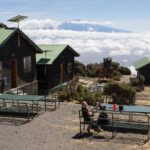
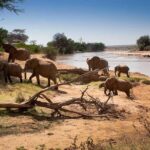
Tanzania Camping and Budget Safaris, compared.
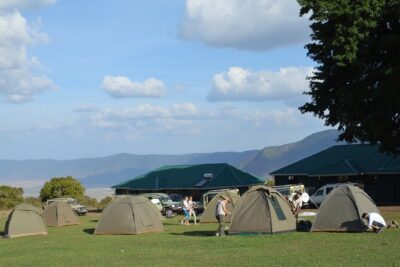 ★ 5.04 Days Group Camping SafariFrom $9001,101 reviews
 ★ 5.05 Days Group Camping SafariFrom $1,100730 reviews
 ★ 5.03 Days Serengeti & Ngorongoro Group Camping SafariFrom $815574 reviews
 ★ 5.05 Days Camping Tarangire, Serengeti & Ngorongoro crater & Visiting MaasaiFrom $1,254229 reviews
 ★ 5.05 Days Budget Private Safari, TanzaniaFrom $0191 reviews
 ★ 5.06 Days Private Budget SafariFrom $2,300163 reviews
 ★ 5.02 Days Tarangire and Ngorongoro Group Camping SafariFrom $550146 reviews
 ★ 5.06 Days Tanzania Budget Camping SafariFrom $1,600145 reviews
Browse the lists this tour appears in