
REVIEW · SERENGETI NATIONAL PARK SAFARIS
7 Days Serena Experience to Serengeti Great Migration
Serengeti magic is better with good timing.
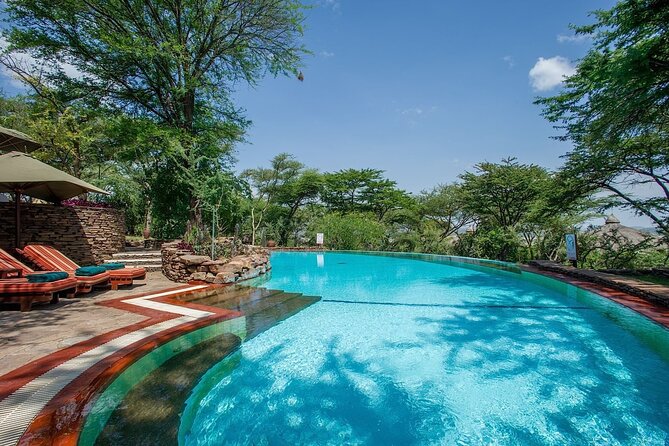
This 7-day safari lines up Tarangire and Serengeti game drives plus the Ngorongoro Crater, and it may line up with the Great Migration when conditions are right. I like the way the days are built around wildlife time, not just transit, and I like the Serena-style comfort where you can actually recover between drives. One possible drawback: the migration moment is seasonal and never guaranteed, so go in expecting a chance, not a promise.
The human part matters too. In the feedback I reviewed, guides like Samwel, Jacob (Jacobo), Saleem, and Florian show up for a reason: they’re praised for spotting animals early and helping you position for photos. If you want a safari that feels guided, not random, that track record is a good sign.
In This Review
- Key takeaways before you pack your safari bag
- Arusha arrival and the briefing that sets your safari pace
- Tarangire National Park: elephants, baobabs, and a full game-drive day
- From Ngorongoro viewpoints to Serengeti: how the scenery shifts fast
- Serengeti game drives on Day 4: where you try to catch the herds’ rhythm
- Another Serengeti day, then crater edge sleep on Day 5
- Ngorongoro sunrise and the crater descent you should plan for
- Day 7 wrap-up in Arusha: flights and options to extend
- Serena comfort and what the price really buys at $4,700 per person
- Who this 7-day Serengeti Great Migration safari fits best
- Should you book this Serena migration safari?
- FAQ
- Where does the tour start and when do you depart?
- Is pickup offered for this safari?
- Which parks and sites does the itinerary include?
- Is the Great Migration guaranteed?
- What is included in the price?
- What is not included?
Key takeaways before you pack your safari bag
- A true three-park circuit in 7 days, built to reduce backtracking
- Great Migration potential, but tied to rainfall and the herds’ yearly timing
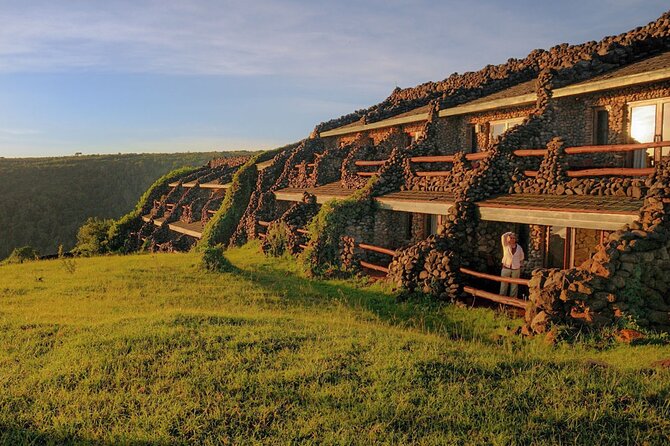
- Serena lodging touchpoints, including Farm of Dreams Lodge and Ngorongoro Serena Safari Lodge
- Early start crater day, because sunrise over the rim is part of the point
- Guides get named for a reason, including Samwel, Jacob (Jacobo), Saleem, and Florian
- Private tour format, so your group only shares the safari with itself
More of the Serengeti, drive by drive
- Balloon Safari & Bush Breakfast in Serengeti – Miracle Experience★ 5.0 · 1,646 reviews
- 3 Days Serengeti & Ngorongoro Group Camping Safari★ 5.0 · 574 reviews
- 5-Day Highlights mid-Range Crater, Serengeti, Tarangire★ 5.0 · 296 reviews
- 3-Day Classic Serengeti Safari★ 5.0 · 263 reviews
Arusha arrival and the briefing that sets your safari pace
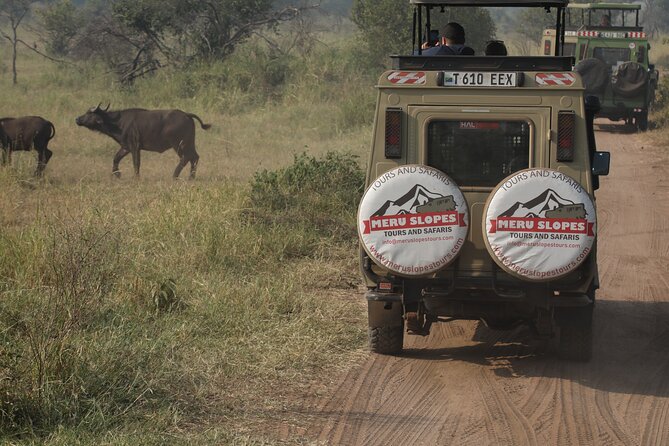
Day 1 starts with a simple, practical arrival into Arusha. You’re welcomed and transferred to your hotel, then you’ll have time to relax before the tour briefing. That briefing is worth paying attention to, especially because the following days mix long drives with early starts, and a clear plan helps you stay relaxed instead of constantly asking what happens next.
Your stay is full-board on Day 1, which helps you avoid the awkward scramble of finding meals after travel. You also get a smooth handoff into the safari routine, with the same driver/guide team concept through the trip.
One small thing to keep in mind: this experience is labeled as private for your group, which is great for flexibility, but it also means you should arrive with your questions ready. If you care about specific animals or photo goals, this is the time to say so.
Tarangire National Park: elephants, baobabs, and a full game-drive day
Tarangire is your first big wildlife day, and it’s a smart starting choice. You’re picked up from your Arusha hotel at 8:00 am, then you drive about three hours to the park. Once you’re in, you get a full day game drive, which is the way to do Tarangire because the animal action tends to move with water and habitat.
Tarangire is named for the Tarangire River, and that matters in a practical way. When animals need water, they concentrate. That makes it easier to spot wildlife, especially elephants, and to stay busy without feeling like you’re constantly searching.
This park also mixes big mammals with distinctive scenery. Expect a lot of wildlife attention and also tree species like baobabs, which act like living landmarks. And based on what’s listed, you may see everything from lions to leopards, plus pythons and a lot of the smaller everyday wildlife moments that make a safari feel real.
The only downside of a full-day drive is energy management. You’ll be in the vehicle most of the day, so bring sunscreen, a hat, and layers for cooler mornings and evenings. When the day ends, you’ll transfer to Farm of Dreams Lodge for dinner and overnight, so you can reset before heading toward the big names of the circuit.
From Ngorongoro viewpoints to Serengeti: how the scenery shifts fast
On Day 3, the route changes from Tarangire’s water-focused ecosystem into the Ngorongoro Conservation Area, then on to Serengeti. After breakfast you travel toward the Ngorongoro Conservation Area and visit the Ngorongoro Crater. The crater is described as formed around 3 million years ago from a volcano explosion, and whether you’re a geology fan or not, that kind of scale is hard to ignore.
You’ll then continue to Serengeti and arrive around midday. Serengeti is huge, and even arriving midday sets your expectations: you’re moving into full-time spotting mode, not touring in the relaxed sense. The good news is that you’ll cover different habitats there, including grassy plains, swamps, lakes, savannah areas, and mountainous regions, so the wildlife you see can look and behave differently from one area to the next.
I also like that the drive includes a human glimpse of the region, passing through areas where the Iraqw people grow wheat, coffee, and corn. It’s not a museum stop, it’s just a reminder that this is lived-in country, not only an exotic wildlife set.
Chasing the herds? Compare these first
Serengeti game drives on Day 4: where you try to catch the herds’ rhythm
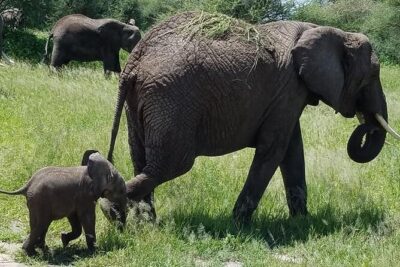
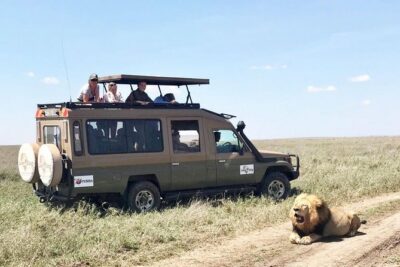
Day 4 is all about Serengeti game drives, which is exactly what you want in the middle of a safari circuit. This is the day you slow down, scan carefully, and wait for the animals to come to you, because in Serengeti they often do if you’re patient and your guide is sharp.
Serengeti wildlife is listed as including impalas, buffalo, crocodiles, and hippos. That range matters because it changes what kind of wildlife encounters you can have even within the same day. You’re not only looking for big cats, you’re also looking at river scenes, water-edge behavior, and how different species use the same space differently.
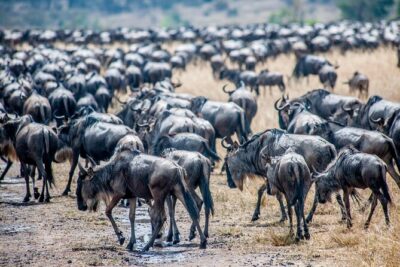
And yes, this is also the Great Migration zone people come for. The timing depends on rainfall, and the herds vary year to year. The seasons called out here are specific: in November and December, herds move from the north where woodlands and hills dominate toward the grassy plains in the south. They return to the north during the extended rainy season from April to June.
So what does that mean for you? It means you should plan your expectations around your travel dates. If you’re traveling in a migration window, you may get that iconic crossing moment. If you’re outside it, you can still see plenty of predators and herbivores, just not the same river spectacle.
Another Serengeti day, then crater edge sleep on Day 5
Day 5 begins with another game drive in Serengeti after breakfast. This is your second chance to catch those migration-related movements if they’re happening during your dates. The plan also notes that you might see the Big Five, listed as lion, elephant, buffalo, rhino, and leopard, which is a big claim, but it gives you the right mindset: you’re in country where those animals can show up, and your odds improve when you have more than one Serengeti day.
After the drive, you head for Ngorongoro Crater and arrive at the crater’s edge for overnight at Ngorongoro Serena Safari Lodge. That one night changes the feel of the trip. Being on the rim means you’re close to the wildlife density and the dramatic views, and it also sets you up for the early start on Day 6.
The lodge experience is described in a sensory way: sunset light on the crater edge, then you sleep while that orange glow fades. Even if the moment looks different on different nights, the practical value is the same. You don’t spend Day 6 traveling from far away, so you actually get the best viewing time.
Ngorongoro sunrise and the crater descent you should plan for
Day 6 is your classic Ngorongoro morning. You’ll get up early for sunrise over the crater’s edge, then have breakfast before driving down into the crater along an adventurous track. This crater is described as a UNESCO World Heritage Site and one of the Seven Wonders of Africa, and it’s also noted as having some of the most incredible ecosystems on Earth.
The facts are impressive and useful: it’s described as about 610 meters deep and roughly 260 square kilometers in area. Most importantly for wildlife lovers, the crater’s dense animal population is listed around 25,000. That changes the game-drive feel. In many parks, you spend time finding animals. Here, you’re often dealing with the opposite, you drive a short distance and realize you’ve already entered an active scene.
The list of what you can see includes wildebeest, zebras, gazelles, elephants, and many bird species, with more than 500 bird species mentioned. In practical terms, that means it’s a wildlife day for people who care about everything, not only the big mammals.
One thing to consider: crater weather can feel different from the rim, and mornings can be cool. Bring layers and expect that you’ll be focused and alert most of the day.
Day 7 wrap-up in Arusha: flights and options to extend
On Day 7, the safari winds down after breakfast. You’ll be taken to Kilimanjaro International Airport or Arusha Airport for drop-off. If you want to tack on beach time, Zanzibar is named as an option to extend the trip.
This is where the timing matters. Since the tour is about seven days, you’ll want to plan your flight schedule with buffer. Safari days run by wildlife opportunities, and even if the day feels smooth, it’s still safer to avoid booking the tightest possible connection.
Serena comfort and what the price really buys at $4,700 per person
Let’s talk value because Tanzania safaris can be expensive, and $4,700 per person is not a small number. What helps here is that the experience includes a lot of the cost items that often surprise people later.
Included are all accommodation, a professional driver/guide, all transportation, parking fees, and meals. The meal list is specific: breakfast is included for all 7 days, lunch for 5 days, and dinner for 4 days. That coverage matters because it reduces decision fatigue. You can focus on the safari.
Also, you have a private tour format, meaning your group is the only one participating. That can affect value in two ways. First, it can make timing feel less rushed. Second, it can make the guiding style more customized to your interests.
What isn’t included is tips. That’s normal, but it’s still a real cost you should mentally budget, because safaris depend on a team and not only on a vehicle.
If you’re trying to judge whether this price is fair, compare what you’re getting: three major destinations, Serena-associated lodging at least once on the crater edge, multiple full game-drive days, and meals that carry you through the schedule. If that matches your priorities, the price starts to look less random.
Who this 7-day Serengeti Great Migration safari fits best
This tour fits best if you want a structured route with real wildlife time. Two Serengeti days plus a crater day are the kind of rhythm that helps you with sightings, especially if you’re chasing migration timing.
It’s also a good fit if you care about guidance quality. The named guides in the feedback, including Samwel, Jacob (Jacobo), Saleem, and Florian, suggest that animal spotting and on-the-road decision-making are treated as key skills.
If you’re traveling with mobility limits, plan carefully. This is a safari with long drives and early starts, plus a crater descent on an adventurous track. The tour says most travelers can participate, but “can participate” doesn’t mean “easy.” If that’s a concern, talk to the operator before booking.
And if you’re the type who hates uncertainty, know that the Great Migration is conditional. You may see thousands of wildebeest and zebras cross the Mara River depending on the timing, but it’s still weather and herds deciding. You can still have an excellent safari if the migration moment doesn’t line up, but you should book with flexibility in your mind.
Should you book this Serena migration safari?
I’d book it if your top priority is wildlife concentration across Tarangire, Serengeti, and Ngorongoro, with comfort that keeps you from feeling wrecked between days. The mix of included meals, professional guiding, and targeted viewing time makes it a practical way to do a high-demand itinerary.
I would hesitate only if your travel dates fall outside your migration expectations and you’re set on seeing the river crossing as a must-see. The tour gives you a chance based on season and rainfall timing, but it does not lock the herds into your schedule.
If you can handle that one reality, this looks like a strong value for a private, seven-day Tanzania safari built around the animals, not around check-the-box stops.
FAQ
Where does the tour start and when do you depart?
It starts in Arusha, with the listed start location as Arusha Airport, Arusha Tanzania, and the start time is 8:00 am.
Is pickup offered for this safari?
Yes, pickup is offered, including picking you up from your hotel in Arusha for the start of the park days.
Which parks and sites does the itinerary include?
You visit Tarangire National Park, Serengeti National Park, and the Ngorongoro Crater within the Ngorongoro Conservation Area.
Is the Great Migration guaranteed?
No. You may have a chance to see the annual migration when timing lines up, and the text notes the herds’ movement depends on rainfall and varies yearly.
What is included in the price?
Accommodation is included, along with a professional driver/guide, transportation, parking fees, and meals. Breakfast is included for 7 days, lunch for 5 days, and dinner for 4 days.
What is not included?
Tips are not included.
Following the Migration
- 8 Days Great Wildebeest Calving Migration Safari from Arusha
★ 5.0 · 254 reviews - 10-Day Serengeti Wildebeest Migration Safari from Arusha
★ 5.0 · 218 reviews - 8 Day Spectacular Migration Serengeti mid -Range Tanzania Safari
★ 5.0 · 161 reviews - 9-Day Serengeti Migration Footsteps Tanzania Safari
★ 5.0 · 96 reviews - 7 days great migration safari
★ 5.0 · 77 reviews
The Serengeti, Three More Ways
- Balloon Safari & Bush Breakfast in Serengeti – Miracle Experience
★ 5.0 · 1,646 reviews - 3 Days Serengeti & Ngorongoro Group Camping Safari
★ 5.0 · 574 reviews - 5-Day Highlights mid-Range Crater, Serengeti, Tarangire
★ 5.0 · 296 reviews - 3-Day Classic Serengeti Safari
★ 5.0 · 263 reviews - Private 6-Day Tarangire Manyara Crater and Serengeti with Mid-Range Lodges
★ 5.0 · 238 reviews
Just added from around Arusha
Serengeti National Park Safaris, compared.
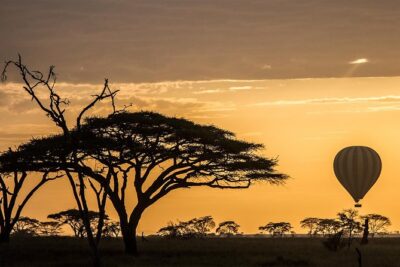 ★ 5.0Serengeti Balloon Safari and authentic bush breakfastFrom $5502,480 reviews
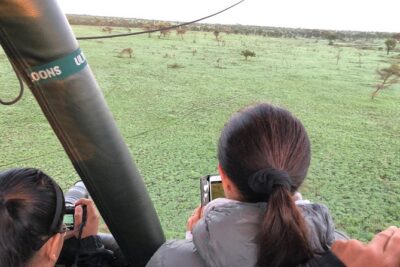 ★ 5.0Balloon Safari & Bush Breakfast in Serengeti – Miracle ExperienceFrom $5991,646 reviews
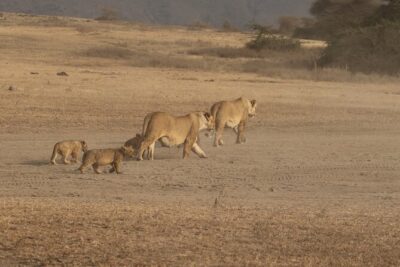 ★ 5.03 Days Serengeti & Ngorongoro Group Camping SafariFrom $815574 reviews
 ★ 5.05-Day Highlights mid-Range Crater, Serengeti, TarangireFrom $2,327296 reviews
 ★ 5.0Safari Serengeti And NgorongoroFrom $2,845288 reviews
 ★ 5.03-Day Classic Serengeti SafariFrom $1,455263 reviews
 ★ 5.0Private 6-Day Tarangire Manyara Crater and Serengeti with Mid-Range LodgesFrom $2,685238 reviews
 ★ 5.05 Days Camping Tarangire, Serengeti & Ngorongoro crater & Visiting MaasaiFrom $1,254229 reviews
Browse the lists this tour appears in