
REVIEW · SERENGETI NATIONAL PARK SAFARIS
7 Days Private Serengeti Wildebeest Migration Tour
Wildebeest drama starts before breakfast. This private 7-day Northern Circuit route strings together Tarangire’s big-elephant energy, Serengeti’s migration action, and Ngorongoro’s crater wildlife into one smooth flow. You also get a professional driver-guide and roundtrip airport transfers, so you spend less time organizing and more time watching.
I especially like the way the timing is built in, with early game drives that match when wildlife is most active and when you can get good light for photos. I also like the private format, since the guide can focus on what you want to see and keep things efficient between parks.
One thing to consider is that this is a top-end price tag, at $4,500 per person, so you’ll want to be sure your travel dates line up with your migration expectations and you’re comfortable budgeting for tips.
In This Review
- Key highlights worth booking for
- The Northern Circuit plan that actually makes sense
- Arusha arrival: get your bearings, not paperwork
- Tarangire: elephants, baobabs, river birds, and golden-hour photos
- Serengeti: the Great Migration focus, with “real safari” viewing time
- Two Serengeti days: sunrise starts aimed at the Mara River
- Ngorongoro rim lodge: a crater view to decompress
- Ngorongoro crater morning: Big Five chances and habitat variety
- Logistics and comfort: what the private format really means
- Price and value: $4,500 per person, but what it covers
- Who this safari fits best
- Should you book this 7-day private Serengeti migration safari?
Key highlights worth booking for
- Private driver-guide through multiple parks, with pickup from Arusha Airport.
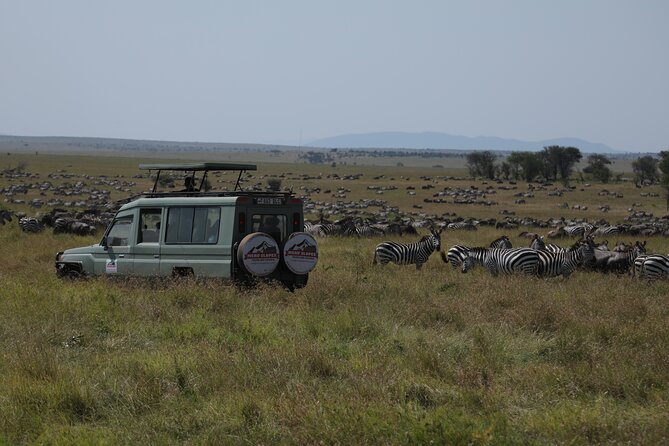
- Two Serengeti game-drive days, including a sunrise start aimed at the Mara River region.
- Tarangire river focus for wildlife concentration and strong birding chances (550+ species recorded).
- Ngorongoro crater morning game drive with Big Five odds and multiple crater habitats.
- Serena hotels/lodges as your base, including Serena Arusha Hotel and Ngorongoro Serena Safari Lodge.
More of the Serengeti, drive by drive
- Balloon Safari & Bush Breakfast in Serengeti – Miracle Experience★ 5.0 · 1,646 reviews
- 3 Days Serengeti & Ngorongoro Group Camping Safari★ 5.0 · 574 reviews
- 5-Day Highlights mid-Range Crater, Serengeti, Tarangire★ 5.0 · 296 reviews
- 3-Day Classic Serengeti Safari★ 5.0 · 263 reviews
The Northern Circuit plan that actually makes sense
Northern Tanzania safari routes can feel like a juggling act. This one has a clear logic: warm up with Tarangire, then go all-in on Serengeti for migration, then finish with Ngorongoro’s high-probability crater wildlife.
That sequencing matters. Tarangire tends to be great early in the trip when you are still fresh, the animals gather around the river, and you can learn the rhythm of game drives fast. Then Serengeti delivers the main event, including both daytime wildlife viewing and a sunrise departure when movement is often easiest to spot. Finally, Ngorongoro gives you a different kind of ecosystem, a steep-walled crater where you can cover a lot of ground in a single morning drive.
It’s not just about seeing three parks. It’s about getting a balanced “habitats and behaviors” safari, so you are not only chasing one spectacle.
Arusha arrival: get your bearings, not paperwork
Day one starts with an easy meeting point: Arusha Airport, with a start time listed as 8:00 am. A driver from Meru Slopes Tours & Safaris meets you and takes you into Arusha. After that travel stretch, it’s the right kind of start, no forced early game drive.
You check into Serena Arusha Hotel for the night. The schedule also leaves room for an optional Arusha city tour if time permits. That optional bit is smart, because it gives you a quick local orientation without derailing the rest of the week.
Also, the tour uses a mobile ticket and includes airport transfers. In Tanzania, small logistics details can save real energy. You will appreciate that on day two when you are up early anyway.
Tarangire: elephants, baobabs, river birds, and golden-hour photos
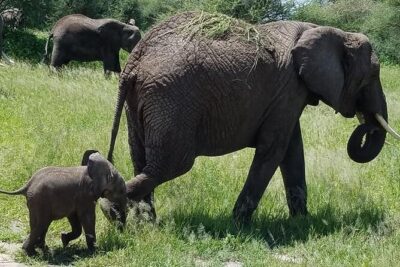
Tarangire is one of those parks where the scenery is not the main story. The animals are. The big hook is elephants, especially in larger herds, and you get a full day with morning and afternoon game drives.
Morning starts early. You head out with the expectation of elephant encounters first, and that is a solid plan. Tarangire is also a good place to look for lions and leopards, plus multiple antelope species. If you are a first-time safari person, I like that the park gives you variety in a single day, rather than focusing on only one animal group.
Then you move toward the Tarangire River, the part of the park where wildlife can become concentrated, particularly in the dry season. This is also where birding can get serious. The park is recorded with over 550 bird species, so even if you are not a hardcore birder, you will likely spot colorful birds while you wait for larger mammals to show.
Lunch is set up as a picnic lunch, and the schedule specifically calls out finding a safe and shaded spot. That’s not just comfort, it’s practical. Shade helps you cool down and keep your eyes scanning, not squinting.
The afternoon game drive is timed for late-day photography. That matters because you often get richer colors and better contrast when the sun is lower. You end back at your lodge for dinner and downtime.
Chasing the herds? Compare these first
Serengeti: the Great Migration focus, with “real safari” viewing time
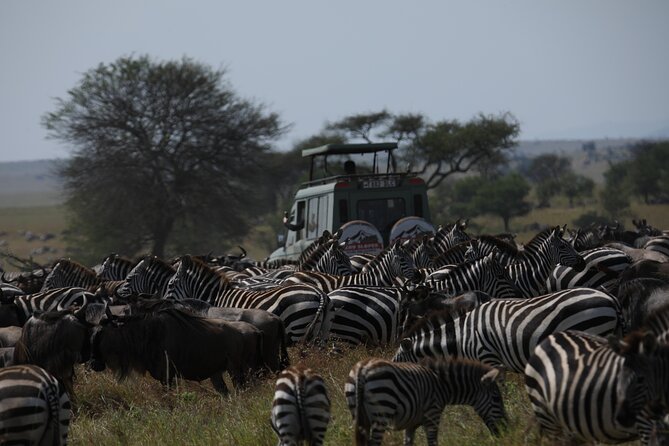
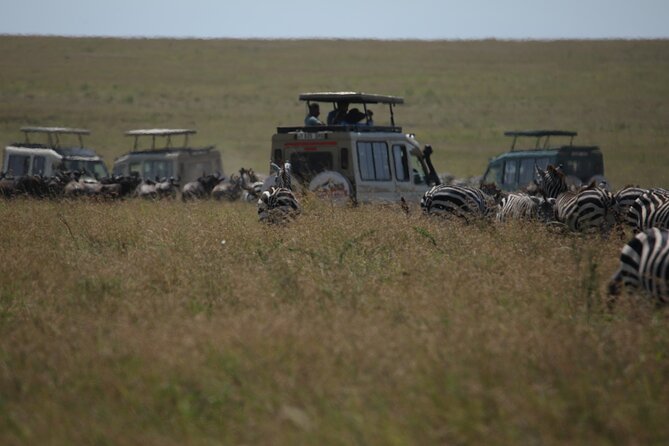
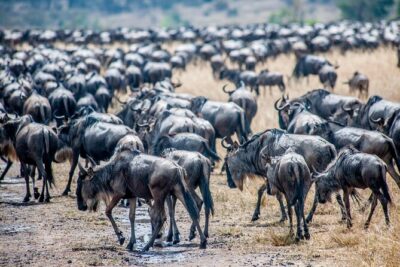
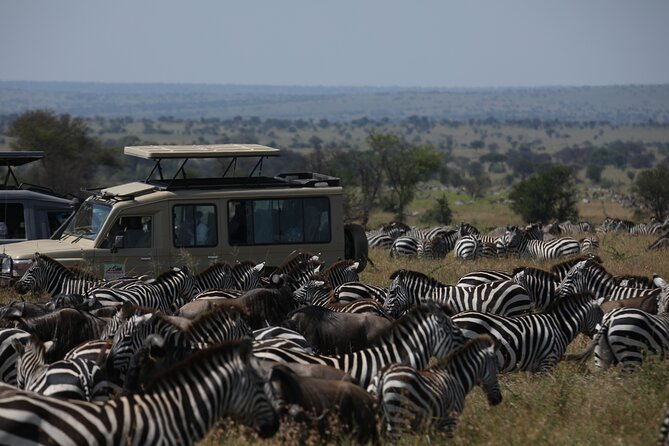
Serengeti is the reason most people come to Northern Tanzania. The schedule here is built around that famous Great Migration, when millions of wildebeest and zebras move across the plains looking for greener conditions. You also have strong chances for other iconic wildlife, including lions, elephants, buffalo, leopards, and rhinos, plus cheetahs and giraffes.
You arrive mid-afternoon on the first Serengeti day. That might sound like a late start, but it’s actually a useful way to ease in. You get a lunch, then you head out for game drive time while the light is still workable. When you land in Serengeti partway through the day, you are less likely to feel rushed and more likely to take in the scale.
Serengeti also has different ecosystems, including savannahs, woodlands, and river areas. That variety increases your odds of seeing animals behaving differently as the day changes. One game drive can look very different from the next just because you moved into another kind of habitat.
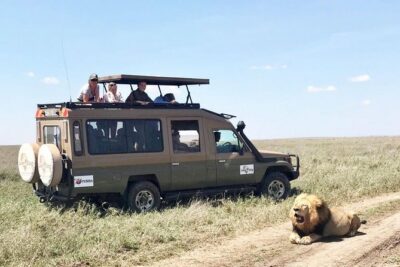
And yes, seeing cats can be part of the equation here. The schedule and park reputation both point to predators, so you’re not only waiting for herbivores to wander by.
Two Serengeti days: sunrise starts aimed at the Mara River
The next Serengeti day is where the schedule turns serious. You depart for a sunrise game drive around 6:00 am. That early start helps for two reasons: animals are often moving more, and sunrise light makes it easier to pick out motion at distance.
This day is focused on getting you from central Serengeti toward the northern parts to explore migration across the Mara River region. That’s a key detail, because the migration is not one fixed location. It shifts based on season and conditions, so a route that targets likely crossing areas is a practical way to chase the main drama.
You have a full day with your professional guide, plus a dinner and overnight in the Northern part. The schedule even notes the possibility of evening campfire or lodge entertainment. That might sound like a bonus, but it helps you reset after a long day of scanning bush and grass.
If you care about wildlife behavior, not just wildlife sightings, this kind of day structure works well. You’re not doing one quick drive and calling it a win. You’re getting time for animals to show up, for your guide to reposition, and for you to learn what to look for.
Ngorongoro rim lodge: a crater view to decompress
After Serengeti, the safari shifts gears. You depart Serengeti and drive toward Ngorongoro Crater. The travel time listed is approximately 3 to 4 hours, which is enough to feel like you are changing scenes without burning the whole day.
You check in at Ngorongoro Serena Safari Lodge, described as being on the crater rim with breathtaking views. Even without adding extras, rim lodges are valuable because you get that “scale moment” as the day settles. It’s not only about the view. It’s also about practical logistics, because it reduces how far you need to travel when it’s time to head down into the crater for an early drive.
The schedule keeps the afternoon flexible for relaxation after checking in. That downtime is not wasted. Game drives are physically tiring, and Ngorongoro is designed to hit hard in the morning. Being rested helps you enjoy it, not just survive it.
Ngorongoro crater morning: Big Five chances and habitat variety
Ngorongoro is a crater, and that shape creates a different kind of safari. You head into the crater in an early morning drive, and the schedule notes the crater is about 600 meters deep. That descent is part of the experience. You feel the change as you go, and the animals often seem easier to track once you’re down among the habitats.
You are looking for Big Five animals, and the schedule specifically includes elephants, lions, and rhinos as possible sightings. The crater ecosystem can concentrate wildlife in a smaller area than you might expect from a flat savannah, which is one reason this stop is so popular.
You also cover multiple habitats, including swamps and grasslands. That habitat variety helps because it changes where animals tend to hang out. A swamp area can bring different species and different movement patterns than open grass.
Lunch is planned as a picnic in a designated site, and the schedule then includes continuing game driving until lunch time. After that, you check out and start the drive back toward Arusha, listed at about 3 to 4 hours.
The route back includes scenic landscapes and local villages. When you check in for your final night, the schedule mentions views of Lake Duluti. That kind of final-night scenery can make the day feel complete, like you are closing the loop from plains to crater to lake.
Logistics and comfort: what the private format really means
This is a private tour/activity, meaning only your group participates. That has a few practical impacts.
First, your timing can be handled more cleanly. You’re not waiting for other people’s pace. When an animal is moving, the guide does not have to coordinate with a larger group. You also get a professional driver-guide throughout, plus roundtrip airport transfers, which keeps your arrival and departure from turning into a guessing game.
Second, planning support matters more than most people think. In the tour experiences tied to Meru Slopes, the planning communications are credited to people such as Shadrak, Kelvin, Jacob, and Jerome. The common thread there is fast, organized coordination and last-minute adjustments. You want that when migration conditions shift, because small changes in route or timing can make a difference in what you actually see.
Third, the included structure helps you stay present. Meals are built into the schedule: lunches are listed for five days, dinners for five days, and breakfasts for all seven days. That means fewer decisions while you are already managing early starts, dust, sun, and long drives.
One more small point: the tour offers pickup, and you get a mobile ticket. Those details may sound minor, but in real life they reduce friction at the start of each park day.
Price and value: $4,500 per person, but what it covers
At $4,500 per person, this is not a cheap safari. The value question is what you get for that money, and here the schedule suggests a lot of the expensive basics are included.
The package includes:
- All transportation
- All taxes, including VAT
- Roundtrip airport transfer
- Accommodation for each night, unless listed as an upgrade
- A professional driver-guide
- Multiple meals across the trip (breakfast, plus lunches and dinners)
- Park entry tickets appear covered on the schedule, with some days explicitly marked as included or free
What’s not included is tips.
So the practical way to judge the price is this: you are paying for a full Northern Circuit “do it for me” package with guides, drives, and lodging, not just park entry and transportation. If you would otherwise need to piece that together yourself, this price may start to look more like paying for time and reduced stress.
Still, be honest with your budget. A private Serengeti migration-focused trip is a luxury category. If you want the lowest cost possible, you may prefer a smaller-lodging or shared-safari style elsewhere. If you want your schedule managed tightly and your group staying together, this is aimed right at that.
Who this safari fits best
This one is a strong match for:
- Couples and honeymooners who want an organized private plan with romantic lodge settings
- First-timers to Northern Tanzania who want a clean route that hits Tarangire, Serengeti, and Ngorongoro in one week
- People who care about timing, especially with the sunrise drive built in for Serengeti
It may be less ideal if:
- You are chasing a very specific migration moment and your dates are off-season, because the schedule can target regions but nature still controls the final script
- You want a cheaper, more flexible “DIY style” experience, since this is private and guide-led by design
If you’re the type who likes to wake up early, sit quietly in a safari vehicle, and let the bush do the talking, you will likely enjoy the flow.
Should you book this 7-day private Serengeti migration safari?
I would book this tour if your priorities are private guiding, solid coverage of three top parks, and a schedule that includes sunrise game drive time in Serengeti. The combination of Tarangire river wildlife potential, Serengeti’s migration focus including movement in the Mara River region, and Ngorongoro’s crater morning all in one week is a good way to maximize your chances of seeing what you came for.
Before you pay, I’d do two quick checks:
- Confirm your travel dates and ask the operator how they are planning around the migration timing for those weeks.
- Budget for tips on top of the listed price, since tips are not included.
If those boxes fit your expectations, this is a well-structured Northern Circuit safari that aims for the big wildlife moments without turning your trip into a logistics puzzle.
Following the Migration
- 8 Days Great Wildebeest Calving Migration Safari from Arusha
★ 5.0 · 254 reviews - 10-Day Serengeti Wildebeest Migration Safari from Arusha
★ 5.0 · 218 reviews - 8 Day Spectacular Migration Serengeti mid -Range Tanzania Safari
★ 5.0 · 161 reviews - 9-Day Serengeti Migration Footsteps Tanzania Safari
★ 5.0 · 96 reviews - 7 days great migration safari
★ 5.0 · 77 reviews
The Serengeti, Three More Ways
- Balloon Safari & Bush Breakfast in Serengeti – Miracle Experience
★ 5.0 · 1,646 reviews - 3 Days Serengeti & Ngorongoro Group Camping Safari
★ 5.0 · 574 reviews - 5-Day Highlights mid-Range Crater, Serengeti, Tarangire
★ 5.0 · 296 reviews - 3-Day Classic Serengeti Safari
★ 5.0 · 263 reviews - Private 6-Day Tarangire Manyara Crater and Serengeti with Mid-Range Lodges
★ 5.0 · 238 reviews
Just added from around Arusha
Serengeti National Park Safaris, compared.
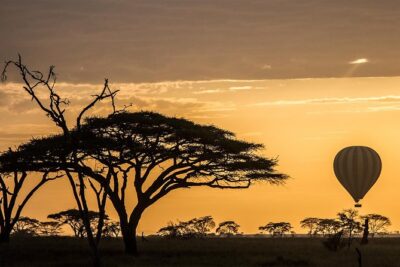 ★ 5.0Serengeti Balloon Safari and authentic bush breakfastFrom $5502,480 reviews
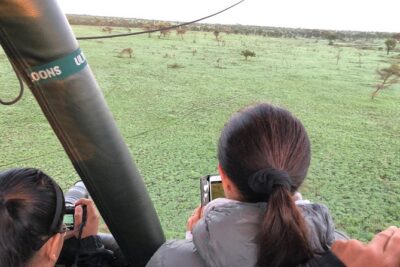 ★ 5.0Balloon Safari & Bush Breakfast in Serengeti – Miracle ExperienceFrom $5991,646 reviews
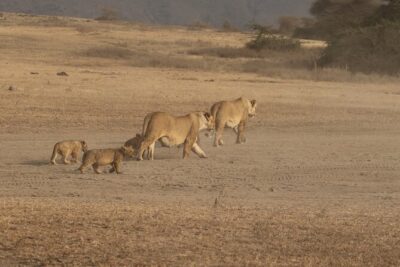 ★ 5.03 Days Serengeti & Ngorongoro Group Camping SafariFrom $815574 reviews
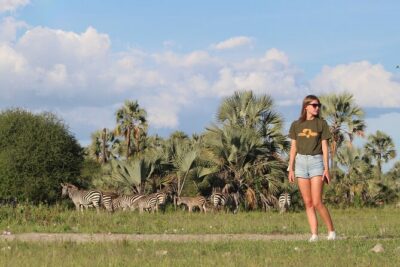 ★ 5.05-Day Highlights mid-Range Crater, Serengeti, TarangireFrom $2,327296 reviews
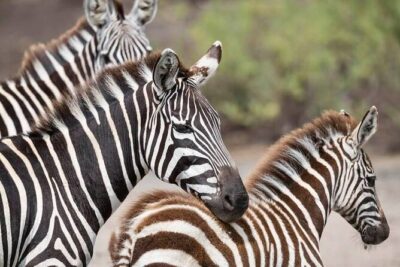 ★ 5.0Safari Serengeti And NgorongoroFrom $2,845288 reviews
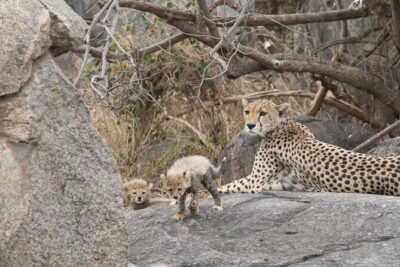 ★ 5.03-Day Classic Serengeti SafariFrom $1,455263 reviews
 ★ 5.0Private 6-Day Tarangire Manyara Crater and Serengeti with Mid-Range LodgesFrom $2,685238 reviews
 ★ 5.05 Days Camping Tarangire, Serengeti & Ngorongoro crater & Visiting MaasaiFrom $1,254229 reviews
Browse the lists this tour appears in