
REVIEW · BIG FIVE AND GAME DRIVE SAFARIS
7 Days Cultural and Wildlife Safari
One week can change your whole sense of Africa. This Northern Safari Circuit blends Lake Natron culture and waterfalls with big wildlife days in Serengeti, Ngorongoro, and Tarangire. I like that the trip is built around both walking and game drives, so you get variety beyond just sitting in a vehicle.
The other thing I really like is the planning weight you do not have to carry. You get park access handled through All Fees and Taxes, plus a steady rhythm of breakfasts, lunches, and dinners, and even bottled mineral water. The main drawback to consider is pace, because some days are early starts and long drives between parks, and you have a 2 to 3 hour hike on Day 1 that is not a quick stroll.
In This Review
- Key highlights worth marking on your calendar
- Why this Northern Safari Circuit works for wildlife and culture
- Day 1 at Lake Natron: Ngaresero falls on foot
- Day 2 Lake Manyara: flamingos, footprints, and a park game drive
- Day 3 Lake Eyasi: Hadzabe hunting plus Datoga culture time
- Day 4 Olduvai Gorge and the Ngorongoro rim view before Serengeti
- Day 5 Serengeti: full-day game drive across changing habitats
- Day 6 Ngorongoro crater: descent, Lake Magadi, and black rhino odds
- Day 7 Tarangire: baobabs, elephants, and a possible wild dog sighting
- Lodge and tented-camp style: how it affects your comfort
- Included perks that make the safari easier to live
- Price and value at $3,748 per person
- Who this safari is best for
- Should you book this 7 days cultural and wildlife safari?
- FAQ
- Where does the safari start and end?
- Do they offer pickup?
- What major parks and cultural sites are included?
- What meals are included?
- Is bottled water included?
- Is there emergency medical evacuation coverage?
- Is this safari refundable if you cancel?
Key highlights worth marking on your calendar
- Lake Natron hike with a local Maasai guide through the Engaresero river valley, plus a refresher walk to Ngaresero falls
- Lake Manyara flamingo breeding sites (around two million birds) and a chance to see ancient homosapiens footprints dated to nearly 120,000 years
- Lake Eyasi with the Hadzabe hunter-gatherer experience, including how they hunt and use bow and arrow materials
- Serengeti full-day game drive that targets both migration timing windows and year-round resident animals
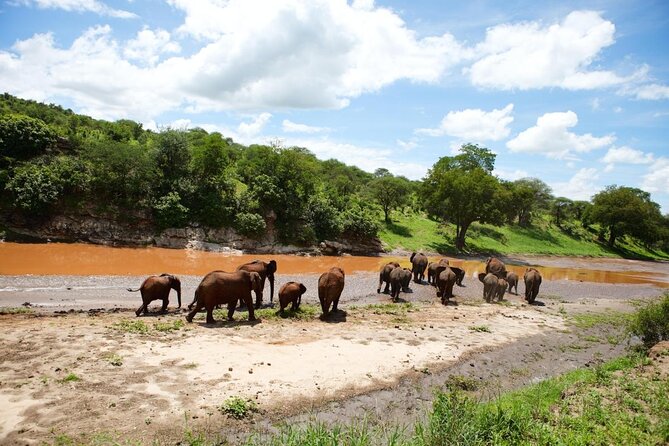
- Ngorongoro crater descent over 600 metres with a crater day that includes Lake Magadi and a hippo pool lunch stop
- Tarangire off the main route for elephants, baobabs, and a possible wild dog sighting
More game drives with the same aim
- 6 Days Big Five Tanzania Safari★ 5.0 · 15 reviews
Why this Northern Safari Circuit works for wildlife and culture
This kind of Tanzania safari can go two ways: either all wildlife, or all culture. This one does the harder thing, it mixes both, and it does it in a logical order that keeps the days from feeling random.
The wildlife core is the Northern Safari Circuit, with Serengeti National Park and Ngorongoro National Park doing the heavy lifting. But you do not waste time only chasing the big names. You also build in cultural stops at Lake Natron and Lake Eyasi, where the point is not just scenery, it is meeting local communities and learning how people live alongside the wildlife.
Value matters here. At $3,748 per person, you are paying for multiple national parks, park-related costs handled through All Fees and Taxes, most meals, and organized transport with an airport meet-up. What you need to budget for is simple: tips for the guide, which are not included.
Day 1 at Lake Natron: Ngaresero falls on foot
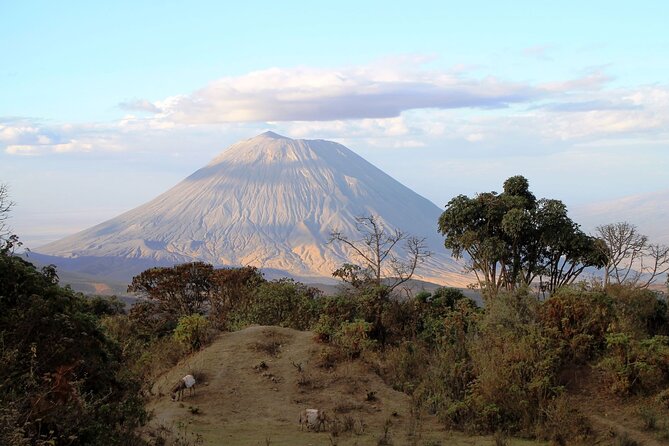
You start at Kilimanjaro International Airport. A Gilmag Safaris representative meets you, and you clear customs and immigration before heading toward Lake Natron, about 136 km west of Arusha.
Day 1 is the walking day, and it is the one that helps the safari feel real from the start. At Lake Natron you go with a local Maasai guide to begin a hike through the Engaresero river valley to reach many of the falls connected with Ngaresero river. The round hike runs about 2 to 3 hours, and it follows the riverbed, so you are not just looking at the view, you are moving through it.
Why I like this start for you: it breaks up the usual safari pattern of leaving your hotel and only seeing wildlife from a truck window. Here you get fresh air first, then you transition into the more classic big-game rhythm.
What to consider: the hike is part of the program, so bring sturdy shoes and be ready for uneven ground, even if the pace is not extreme.
Day 2 Lake Manyara: flamingos, footprints, and a park game drive
After a very early breakfast, you head out on an easy guided walk tied to the Lake Natron area and its ecological sites. The focus is flamingos, and the scale is hard to forget: the program talks about around two million flamingos migrating each year to nest during dry season, forming on the salty pack ice.
You also get a second, very different type of stop: the walk is extended to see one of the oldest homosapiens footprints, believed to date back nearly 120,000 years. That is a reminder that this region is not only about wildlife, it is also about human origins and deep time.
After the lake tour, you drive out through the three gates and head to Lake Manyara National Park for game viewing. This is a nice blend day: bird life and human history in the morning, then the classic safari format after.
One practical note: Day 2 has morning driving and a walk, so keep your camera ready but also keep your energy steady. If you pace yourself here, later big crater days feel less intense.


Day 3 Lake Eyasi: Hadzabe hunting plus Datoga culture time
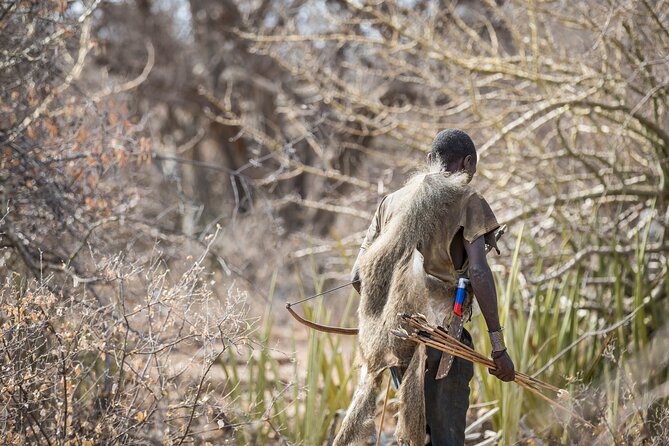
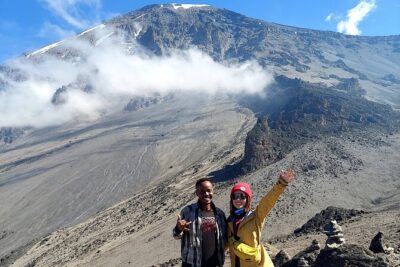
Day 3 is where the safari turns from spotting animals to understanding how people live with the land. You leave with a packed lunch for Lake Eyasi and join a hunt with the Hadzabe, described as East Africa’s last remaining true hunter-gatherers.
The program gives real specifics about the hunt. You learn about their bows, including that the string is made out of giraffe tendons. You also hear about arrows treated with poison extracted from the desert rose, and how they hunt animals using that system. It is not just a performance, it is framed as how they hunt sustainably and feed themselves from the landscape, including wild fruits and berries.
The cultural element does not stop there. The tour also includes time to mingle with the Datoga tribe. That matters because it rounds out the picture beyond one group and helps you see how different livelihoods share this region of the Rift Valley.
What to consider: this is described as a hunt experience. You will want to go in respectfully, ready to ask questions and accept that this is living culture, not a staged attraction.
Day 4 Olduvai Gorge and the Ngorongoro rim view before Serengeti
Day 4 is a smart connector day. You head toward Serengeti National Park, but you pass through Ngorongoro Conservation Area first, with a stop at the rim for spectacular views of the crater. Seeing Ngorongoro from above is a different kind of awe than being down in the crater later.
Then you stop at Olduvai Gorge Museum, connected with the Leakey family and early human history. The program notes fossils discovered there from almost two million years ago, along with early evidence of human ancestors, including fossilized bones and stone tools. The goal is to connect the dots between the Rift Valley’s geology and the story of people.
After the human story and rim view, the day rolls into the drive toward Serengeti. This pacing helps because you arrive at Serengeti with a little extra context, and the next day’s game drives feel like you are entering a living world, not just a park.
Day 5 Serengeti: full-day game drive across changing habitats
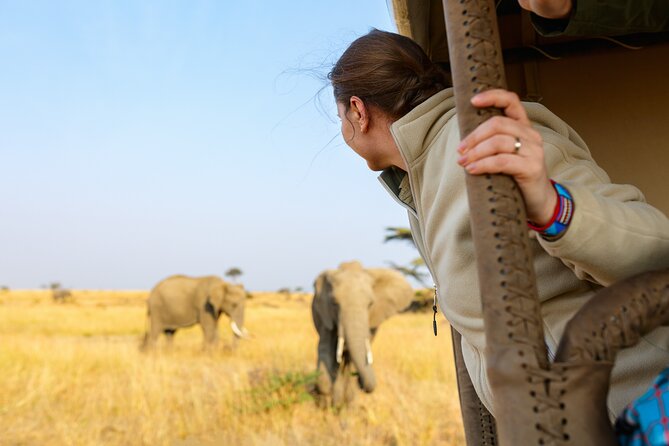
Serengeti is the star, and this day is built for it. After breakfast, you go out with lunch boxes for a full day game drive, covering as much area as possible.
The tour highlights the migration in timing terms: wildebeest migration normally passes through areas in April, May, and November. It also mentions that the Seronera area gives you access to both the southern plains and the Mara River on the north, which is useful if timing shifts your best odds.
The program keeps the promise of resident wildlife too. Expect sightings year-round of elephants, buffalo, gazelle, zebra, lions, and a variety of predators and herbivores. You also move through different habitats, including swamps, woodland, soda lakes, and the short grass plains.
Why this is valuable for you: a full day game drive gives you time to find patterns, not just one lucky sighting. Some days you will connect instantly with animals. Other days you will see tracks, groups, and behavior unfold slowly. That is part of the learning.
What to consider: a full day out in the field means you should plan for sun, dust, and breaks that happen on the driver’s schedule. Bring layers and stay hydrated, because this itinerary includes bottled mineral water, but you still need to drink regularly.
Day 6 Ngorongoro crater: descent, Lake Magadi, and black rhino odds
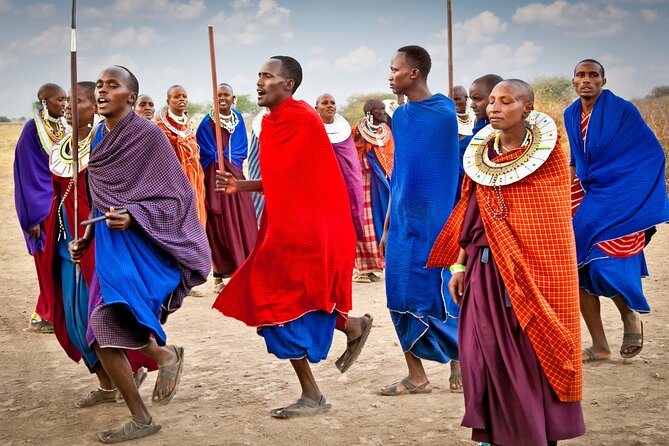
Day 6 is the crater day, and it is structured for that signature Ngorongoro experience. After early breakfast, you depart with a packed lunch and drive into the Ngorongoro Conservation Area.
You descend over 600 metres into the crater for a full day crater tour. The program notes that the crater supports a year-round supply of water and fodder, which is why you can find a huge concentration of animals in one place.
The itinerary names a long list: herds of wildebeest, zebras, buffalo, eland, warthogs, hippos, and giant African elephants. If you like the idea of “one dramatic container of wildlife,” this is it.
Then there are two especially important crater stops. You visit Lake Magadi, described as a large but shallow alkaline lake in the crater’s southwest corner and noted as one of the main crater features. The tour calls Lake Magadi the best place to spot the endangered black rhino. You also enjoy your packed lunch at the hippo pool, which is the kind of scene that makes you sit quietly, just watching.
What to consider: crater days can be intense. You are in a concentrated area, so animal viewing can feel constant. That is great for seeing wildlife, but it can also make it harder to get a break from the excitement. If you want quiet moments, take them when you can.
Day 7 Tarangire: baobabs, elephants, and a possible wild dog sighting
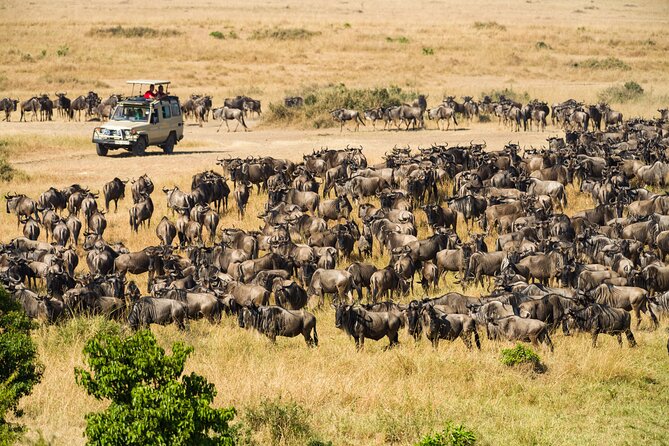
You finish the safari at Tarangire National Park. After early breakfast, you drive a short distance to begin game viewing. You have lunch overlooking the Tarangire River, then an afternoon game drive.
Tarangire gets its own personality from the baobabs. The program highlights that you will see thousands of baobab trees marking the landscape. More importantly for many people, it is described as having Tanzania’s largest concentration of elephants.
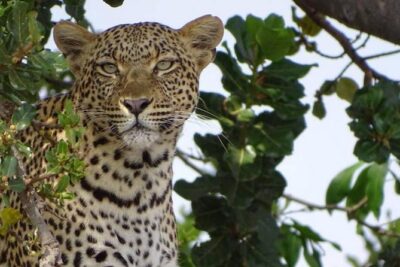
Other animals listed include leopards, ostrich, lions, warthog, zebras, and cheetahs. There is also a chance of seeing wild dog, described as endangered. The itinerary adds a reason this chance exists: Tarangire is slightly off the main safari route, so some visitors skip it for nearer parks. That can mean less pressure and more space in some areas.
Why I like the ending: after the huge drama of Serengeti and the crater concentration at Ngorongoro, Tarangire feels like a slower, more open chapter with elephants and baobabs. It also lets you look for different species that you might not have prioritized earlier.
Lodge and tented-camp style: how it affects your comfort
This safari is described as a mix of lodge and tented camp stays. That can be a good balance when you want real safari atmosphere without turning your trip into full-time roughing it.
Practically, what matters most is how it supports your rhythm. Several days are early start days, and you are out on game drives or walks. Lodges and tented camps give you a predictable reset after each day, plus dinner and overnight stays built into the plan.
From the included meals list, you also know the schedule is structured: breakfast 7 times, lunch 7 times, and dinner 6 times. That means you are not constantly hunting for food options, which is a major value point when you are spending time in remote areas.
If you prefer very consistent hotel-like routines, you might want to confirm the exact accommodation style at booking. The program confirms lodge and tented camp use, but it does not provide specifics here.
Included perks that make the safari easier to live
This is one of those packages that reduces the everyday headaches.
You get:
- Unlimited supply of bottled mineral water
- Flying Doctor Emergency Evacuation
- All Fees and Taxes
- Most meals, with lunch boxes and packed lunches for park days
You also get a mobile ticket and pickup offered. Your meeting point is clearly set at Kilimanjaro International Airport, and the experience ends back at that same meeting point.
If you care about “value,” these inclusions matter. Park fees and taxes can be one of the biggest hidden costs on safari. Here, the package says they are covered, and you are also not buying lunch and breakfast every day.
The only listed item not included is the tip for guide, so you can plan for that without guessing.
Price and value at $3,748 per person
At $3,748 per person, this is not a budget safari. You should treat it like a mid-to-upper range, all-in format that aims to do the full Northern Safari Circuit plus cultural days.
The value check is simple:
- You pay for multiple national parks and crater time across about 7 days
- You get All Fees and Taxes handled
- You get a full meal plan, including lunch during travel and field days
- You get bottled water included
- You get a documented emergency evacuation option through Flying Doctor
Where you should be cautious is where the data is silent. The itinerary confirms the major activities and timing structure, but it does not provide accommodation grades, exact vehicle type, or exact group size limits beyond saying it is private for your group. If you want a very specific comfort level, ask at booking so there are no surprises.
Also, this is non-refundable per the policy details given. So only book when your travel dates are fairly stable.
Who this safari is best for
This one fits best if you want:
- Big wildlife days in Serengeti and Ngorongoro
- A cultural component that is more than a quick photo stop
- At least one active day, because the Lake Natron hike is real time on your feet
- A guide team that can spot animals, based on past feedback tied to Erick being praised for finding the animals and helping with calm viewing advice, including how to handle fear around lions
It might be less ideal if you dislike early mornings or long drives, since you have several park jumps across the week. It is also not the pick if you want only animal viewing with zero walking.
If you like planning support, the tour coordination is associated with Mary, who has been described as patient and helpful when planning options and budgets. That is the kind of support that makes a complex multi-park safari feel smoother.
Should you book this 7 days cultural and wildlife safari?
I would book this if your ideal Tanzania trip includes both worlds: crater wildlife concentration and the cultural stops at Lake Natron and Lake Eyasi. The itinerary makes sense day to day, and the inclusions help you avoid “surprise costs” inside the parks and meal planning.
You should think twice if you do not want any hiking time, because Day 1 includes a 2 to 3 hour river-valley walk. You should also be honest about non-refundable terms, since changes are not supported by the policy details provided.
If you want the Northern Circuit highlights in one organized, mostly all-inclusive week, this is a strong match. Just confirm your accommodation style expectations at booking, pack for dust and sun, and plan to bring your best patience for long drive days, because the wildlife payoff is the point of the schedule.
FAQ
Where does the safari start and end?
The experience starts at Kilimanjaro International Airport and ends back at that same meeting point.
Do they offer pickup?
Yes. Pickup is offered, and a Gilmag Safaris representative meets you at Kilimanjaro International Airport.
What major parks and cultural sites are included?
The trip includes Lake Natron, Lake Manyara National Park, Lake Eyasi (Hadzabe and Datoga culture time), Olduvai Gorge Museum, Serengeti National Park, Ngorongoro National Park (crater day), and Tarangire National Park.
What meals are included?
Breakfast is included 7 times, lunch is included 7 times, and dinner is included 6 times. Packed lunches and lunch boxes are used on field days.
Is bottled water included?
Yes. The package includes an unlimited supply of bottled mineral water.
Is there emergency medical evacuation coverage?
Yes. Flying Doctor Emergency Evacuation is included.
Is this safari refundable if you cancel?
No. The experience is non-refundable and cannot be changed for any reason.
More Time in the Vehicle
- 6 Days Big Five Tanzania Safari
★ 5.0 · 15 reviews
Just added from around Kilimanjaro
Big Five and Game Drive Safaris, compared.
 ★ 5.0Tanzania Simba Safari – 5 DaysFrom $2,897217 reviews
 ★ 5.0Living Among LionsFrom $3,872191 reviews
 ★ 5.0Big Five Safari In TanzaniaFrom $3,75099 reviews
 ★ 5.0Big Five Luxury Safari in TanzaniaFrom $2,90068 reviews
 ★ 4.3From Zanzibar: Nyerere National Park Game Drive with LunchFrom $55059 reviews
 ★ 5.0From Arusha: 6 Day Classic Game Drive Serengeti & NgorongoroFrom $2,86449 reviews
 ★ 5.04-Day Simba Safari – Mid Range TourFrom $2,17947 reviews
 ★ 5.05 Days 4 Nights Tarangire, Serengeti , Ngorongoro & Manyara Wildlife SafariFrom $2,60040 reviews
Browse the lists this tour appears in