
REVIEW · GREAT WILDEBEEST MIGRATION SAFARIS
7 Day 6 nights Great Migration Classic Tanzania Safari
Six parks, one living migration story. This 7 day, 6 night Great Migration Classic Tanzania Safari routes you through the northern parks from Arusha, starting around 8:30am, and builds toward the moments you came for, especially in Serengeti and the Mara River area.
What I like most is how smoothly the trip runs and how clearly the company communicates. I also love the human side, with named local pros like Johnson driving and Emanuel guiding, plus the owner, Innocent, who comes across as responsive and organized.
One thing to consider is that this is a living system, not a show with a guaranteed script. Great Migration timing and the day’s animal action can vary, and the tour notes that it requires good weather, so conditions can influence what you see.
In This Review
- Key highlights you should care about
- Entering the Northern Circuit from Arusha at 8:30am
- Tarangire National Park: The river start that does most of the work
- Serengeti and the Mara River crossing: How to enjoy the big moment
- What you can expect in Serengeti
- A smart tip for your mindset
- Ngorongoro Crater: Dense wildlife and a different kind of viewing
- Lake Manyara plus hot springs: Rest stops that still feel like part of the story
- Why this balance matters
- Maasai culture stop: A chance to connect, not just photograph
- Comfort, guides, and the private group feel
- The guiding team names you’ll want to remember
- Price and value: What $2,323.08 buys you in real safari terms
- What to pack and how to enjoy safari days longer
- Is this safari right for you?
- Should you book this Great Migration Classic safari?
- FAQ
- How long is the safari?
- How many nights are included?
- What time does the safari start in Arusha?
- Is this tour private?
- Is pickup offered?
- What is the cancellation policy?
- Which areas are included in the route?
Key highlights you should care about
- Tarangire’s river draw: a water-centered start that pulls in animals when the day begins
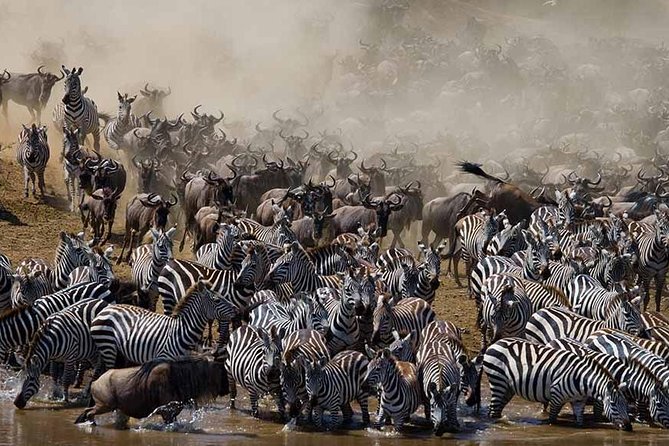
- Serengeti focused on the Mara River crossing: you are set up for one of the most dramatic Great Migration moments
- Named guiding team: Johnson as your driver and Emanuel as a guide stand out for hunt-the-animals energy
- Comfort-focused driving: comfortable jeep time and on-time, steady pacing matter on long park days
- Organization with no surprises: multiple reviews praise clear execution and professional, kind staff
Chasing the herds? Compare these first
- 8 Days Great Wildebeest Calving Migration Safari from Arusha★ 5.0 · 254 reviews
- 10-Day Serengeti Wildebeest Migration Safari from Arusha★ 5.0 · 218 reviews
- 8 Day Spectacular Migration Serengeti mid -Range Tanzania Safari★ 5.0 · 161 reviews
- 9-Day Serengeti Migration Footsteps Tanzania Safari★ 5.0 · 96 reviews
Entering the Northern Circuit from Arusha at 8:30am
Arusha is a smart starting point because it puts you close to several of Tanzania’s best circuits without wasting days on long transfers. This safari begins in the morning, around 8:30am, which helps you get your first park time in while wildlife is still active and the light is good for spotting.
From the start, the route is built around a simple idea: Tanzania’s best wildlife viewing happens when you are in the right place at the right hours. That means early starts, frequent stops for animal encounters, and a driving plan that keeps you moving without feeling like you are speed-running the parks.
Tarangire National Park: The river start that does most of the work
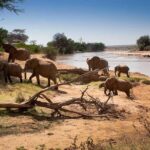
Your safari kicks off in Tarangire National Park, named for a river that winds through the area and becomes a magnet for wildlife. If you’ve ever felt like animals appear only when you stop looking, Tarangire is where that instinct gets rewarded quickly. Water concentrates the day’s energy: animals come to drink, predators come to watch, and everything keeps feeding into everything else.
Why this matters for you: starting in Tarangire gives you a strong wildlife baseline before you reach Serengeti. It also sets the tone for the whole week. By the time you get to the famous migration zones, you are already in safari mode, not still calibrating how the days will feel.
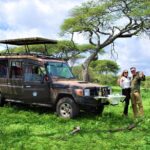
Practical reality to plan for: this is a full safari rhythm. You’ll likely be doing a lot of time in your vehicle, and you want to feel comfortable settling in. One review specifically mentioned a comfortable jeep and that it helped make long park hours easier to enjoy.
Serengeti and the Mara River crossing: How to enjoy the big moment
After Tarangire, the route heads to Serengeti National Park, the place many people picture when they hear Great Migration. What makes this classic version particularly appealing is its attention to the Mara River crossing area. This is one of the signature scenes of the migration story, when the herds push toward water and the drama becomes obvious even from a distance.
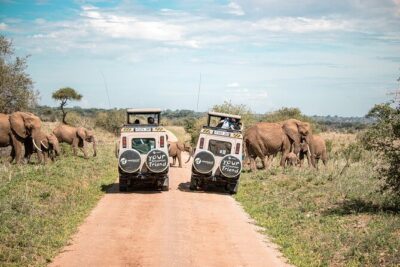
Here’s the balanced truth: you can’t control when animals arrive at the river, but you can control your readiness. This is where good guiding matters. In the reviews, guides like Emanuel and drivers like Johnson are repeatedly praised for taking guests where the animals are, not just where the map says you should be.
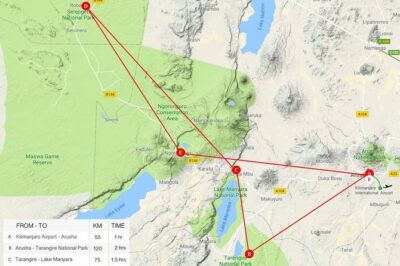
Longer northern circuit routes, side by side
What you can expect in Serengeti
- Plenty of animal sightings throughout the day, not only one highlight
- Time spent searching and re-positioning as the action changes
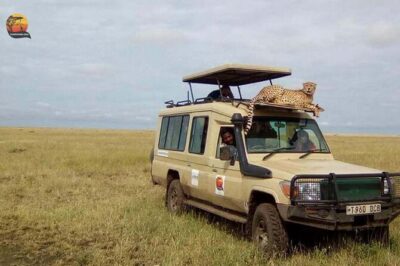
- A focus on finding the kinds of wildlife people dream about, including the big game that guides work hard to track
A smart tip for your mindset
Treat river crossing time like a sport, not a waiting room. You’ll get the most out of it if you expect movement to come in waves. When you are calm, you notice the little clues earlier: tracks, calls, dust behavior, and the way herds start to funnel.
Ngorongoro Crater: Dense wildlife and a different kind of viewing
Then you shift into Ngorongoro Crater, a setting that changes the feel of your safari. If Serengeti can be expansive and dramatic, the crater is more compressed, often with more wildlife visible in a smaller area. That density can make it easier to spot animals without having to travel as far for each encounter.
Why the crater is a valuable stop on a 7 day route: it breaks up the week and gives you a second style of viewing. Instead of hunting for movement across open ground, you spend more time scanning for animals near the crater floor and watching how predators and prey behave in closer quarters.
Potential drawback to keep in mind: the crater can also mean more people, more vehicles, and more “looking time” from your side. A strong guide becomes even more important here because you’ll want help reading where animals are likely to appear and when it’s worth staying put versus re-positioning.
Lake Manyara plus hot springs: Rest stops that still feel like part of the story
Next comes Lake Manyara, another classic Northern Circuit location. Lake Manyara is known for its variety of habitats, and that mix can help you broaden your wildlife impressions beyond what you’ve already seen in Tarangire and Serengeti.
Then there’s the add-on in the schedule that stands out from the standard safari-only day: hot springs. Even if you don’t treat it like a spa day, it’s a nice contrast. After several long wildlife mornings, a soak or even just a slow stop can restore your energy so you enjoy the next drives and game-viewing hours instead of fading by day four or five.
Why this balance matters
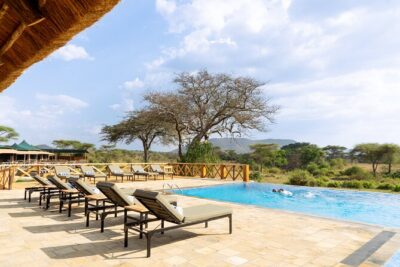
This safari isn’t just about stacking parks. It also seems to care about keeping your energy steady through the week. Reviews highlight that guests slept in beautiful lodges and that the drive times felt well managed. When you pair good lodging with one or two relaxing moments, you get a safari that feels like a trip, not a marathon.
Maasai culture stop: A chance to connect, not just photograph
You also include a Maasai culture stop. Cultural visits are at their best when you approach them as learning time, not a quick photo errand. The most meaningful moments usually come from conversation, questions, and listening to how people explain their land, routines, and values.
Practical advice: be ready with respectful curiosity. Ask about daily life and what has changed over time. And when it comes to photography, it’s always wise to wait and ask. That simple habit usually makes the interaction more comfortable for everyone.
Comfort, guides, and the private group feel
This is a private tour, meaning only your group participates. For me, that’s not a small detail. A private setup can make a big difference when you’re doing multiple parks over multiple days because it reduces the friction that happens when schedules and sighting styles don’t match.
It also gives your guiding team more flexibility. You can move at the pace that your driver and guide recommend, and if one animal encounter keeps pulling attention, you’re more likely to spend time with it rather than being yanked away by a large-group timetable.
The guiding team names you’ll want to remember
The standout names from the experience include:
- Johnson as the driver
- Emanuel as a guide
Multiple reviews praised them as kind and professional, and emphasized how hard they worked to find animals. That hunt-and-spot attitude is exactly what you want on a Great Migration route, because the best sightings often come from a mix of positioning and patience.
Price and value: What $2,323.08 buys you in real safari terms
At $2,323.08 per person, this is not a budget trip. You should think of it as paying for time, expertise, and logistics across multiple parks. A 7 day, 6 night Northern Circuit itinerary is inherently more expensive than a single-park visit, because you’re covering more ground and you’re stacking major wildlife locations.
So what is the value here?
- Multiple top-tier parks in one trip, including Tarangire, Serengeti, Ngorongoro, and Lake Manyara
- A private format so your group gets dedicated vehicle and guiding attention
- Professional, responsive handling. Reviews specifically mention a lack of hidden costs or surprises
- Comfort-focused driving. Several reviews mention comfortable jeep rides and on-time service
One more value point you should not ignore: you’re not only paying for “seeing animals.” You’re paying for someone else to manage the daily decisions, like where to position your vehicle for the right sightings and how to keep a full week moving smoothly.
The main drawback for the value equation is simple: if your goal is the lowest possible price, you’ll likely want a different style of safari. But if your goal is a guided, well-run, multi-park migration adventure, the price can make sense quickly.
What to pack and how to enjoy safari days longer
The tour data doesn’t list a packing checklist, so I’ll stick to practical, universally useful safari habits. If you want fewer hassles and better comfort:
- Bring a light rain layer, since wildlife days get affected by weather
- Wear neutral, not-too-bright colors for easier wildlife spotting
- Pack sunscreen and a hat, and don’t trust your way through sun exposure
- Bring binoculars if you like reading animal behavior up close
- Keep a small day bag accessible, so you can grab water and a layer fast
And mentally, don’t plan your day around one moment. Great Migration is a highlight, but the best trips include many good smaller sightings, plus the feeling of learning the animals’ rhythm as the week unfolds.
Is this safari right for you?
This tour fits best if you want:
- A classic Northern Circuit route with major Tanzania highlights in one week
- A focus on Great Migration moments, especially around the Mara River
- A private setup where the driver and guide team can chase sightings effectively
- Guides who are praised for being kind, professional, and proactive, including Johnson and Emanuel
You might want to think twice if:
- Your schedule is tight enough that weather risks would be hard to absorb
- You’re extremely price-sensitive and want the cheapest possible safari option
- You expect a perfectly timed guarantee of the migration crossing. The migration is nature, not a calendar entry.
Should you book this Great Migration Classic safari?
If you want a well-organized, multi-park Tanzania safari that takes Great Migration seriously while still covering Tarangire, Ngorongoro, and Lake Manyara, this is a strong candidate. The reviews emphasize no hidden costs, professional teamwork, and dedicated guiding that helps you actually find animals, not just pass by viewpoints.
I’d book it if your top priority is seeing a lot of wildlife across a full Northern Circuit week, with comfort and clear handling. If Great Migration timing is your one and only obsession, I’d still book, just do it with the right mindset: you are joining a living event, and your guides do their best to put you where it’s happening.
FAQ
How long is the safari?
It runs for about 7 days.
How many nights are included?
The itinerary is described as 6 nights.
What time does the safari start in Arusha?
The start time is 8:30am.
Is this tour private?
Yes. It is private, so only your group participates.
Is pickup offered?
Pickup is offered, and you receive a mobile ticket.
What is the cancellation policy?
You can cancel for free up to 24 hours in advance for a full refund. If you cancel within 24 hours of the start time, there is no refund.
Which areas are included in the route?
The safari includes Tarangire National Park, Serengeti National Park with a Mara River crossing experience, Ngorongoro, Lake Manyara, plus hot springs and a Maasai visit.
Longer Trips Through the North
- Tanzania Classic – 7 Days
★ 5.0 · 1,151 reviews - 7-Day Premium Luxury Tanzania Safari All-Inclusive
★ 5.0 · 426 reviews - Tanzania Wildlife Encounters – 6 Days
★ 5.0 · 277 reviews - Group Safari 7 Days in Tanzania’s Main Parks
★ 5.0 · 240 reviews - 4 Days Join Group tour Tarangire Serengeti and Ngorongoro crater
★ 5.0 · 219 reviews
Following the Migration
- 8 Days Great Wildebeest Calving Migration Safari from Arusha
★ 5.0 · 254 reviews - 10-Day Serengeti Wildebeest Migration Safari from Arusha
★ 5.0 · 218 reviews - 8 Day Spectacular Migration Serengeti mid -Range Tanzania Safari
★ 5.0 · 161 reviews - 9-Day Serengeti Migration Footsteps Tanzania Safari
★ 5.0 · 96 reviews - 7 days great migration safari
★ 5.0 · 77 reviews
Just added from around Arusha
Great Wildebeest Migration Safaris, compared.
 ★ 5.08 Days Great Wildebeest Calving Migration Safari from ArushaFrom $2,999254 reviews
 ★ 5.010-Day Serengeti Wildebeest Migration Safari from ArushaFrom $5,512218 reviews
 ★ 5.08 Day Spectacular Migration Serengeti mid -Range Tanzania SafariFrom $4,257161 reviews
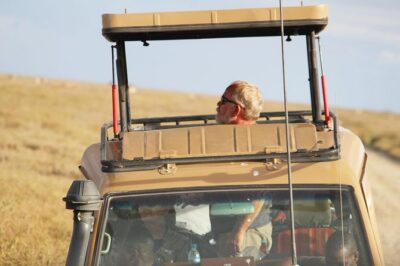 ★ 5.09-Day Serengeti Migration Footsteps Tanzania SafariFrom $4,53996 reviews
 ★ 5.07 days great migration safariFrom $4,51477 reviews
 ★ 5.0Great Migration Safari In TanzaniaFrom $3,90071 reviews
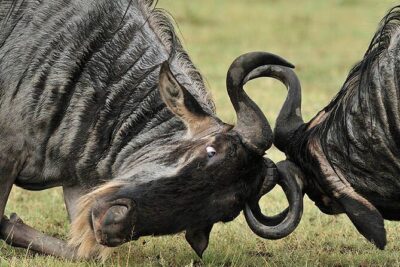 ★ 5.0Private 6-Day Great Migration Ndutu Serengeti Safari TourFrom $2,82747 reviews
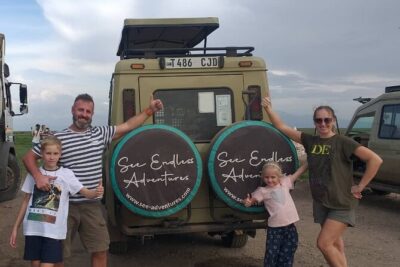 ★ 5.04 Day Great Migration Safari Serengeti & Ngorongoro CraterFrom $2,68033 reviews
Browse the lists this tour appears in