
REVIEW · SERENGETI NATIONAL PARK SAFARIS
6 Days Serengeti Wildebeest Migration Safari
Wildlife drama starts before sunrise. This six-day Serengeti to Ngorongoro safari gives you strong time in the parks, with picnic stops built into the schedule. I love the Naabai kopje picnic in Serengeti, because it’s a great setup for spotting the park’s pink-headed lizards, and I love the early Ngorongoro crater timing with a picnic at the crater lake where hippos and migratory birds are common. One consideration, though, is the pace: you are on the move most days, so plan for long road stretches and early mornings.
At $2,880 per person, the value depends on what you want most: extended wildlife time, private feel, and included meals. You are also traveling with a real human at the center of it, and in one set of feedback, the guide James Saitoti is called out for helping a group see key animals in Serengeti, plus two rhinos and a group of flamingoes in Ngorongoro. If you prefer ultra-light logistics, you’ll want to be okay with a packed itinerary.
In This Review
- Key points before you go
- Why This Serengeti-to-Ngorongoro Route Makes Sense
- Day 1 in Arusha: Airport Arrival, Transfers, and the Equipment Check
- Day 2 Serengeti National Park: Naabi Kopje Picnic and a Long Game Drive
- Day 3 Serengeti Deep-Search: More Big Cats, More Variety
- Day 4 Shift to Ngorongoro: Conservation Area Drives and Rhino Lodge Views
- Day 5 Ngorongoro Crater: Early Start, Hippo Lake Picnic, and Big Five Odds
- Day 6 Departure from JRO: Easy Transfer Home
- Price and Value: What $2,880 Buys You (and What It Does Not)
- Guide and Organization: When James Saitoti and Fast Support Matter
- Who This Safari Fits Best, and Who Should Reconsider
- Should You Book This 6-Day Migration Safari?
- FAQ
- What start time is listed for the tour?
- Is pickup included?
- What meals are included?
- Is this tour private or shared?
- What tickets or documents are provided?
- Where do you stay on the safari nights?
- What animal viewing opportunities does the itinerary mention in Serengeti and Ngorongoro?
- What is not included in the price?
- Endnote
Key points before you go
- Migration timing is a possibility, not a guarantee. Your plan focuses on Serengeti game drives where you may catch dramatic movement, including river-crossing moments.
- Naabi kopje is an intentional stop. It is not just driving, you get a picnic that puts you in position to look for pink-headed lizards.
- Ngorongoro crater starts early for better viewing. You head down after breakfast when animal activity is often strongest.
- Big Five odds are part of the pitch. The crater’s “oasis” effect is why the route puts effort into that full game drive day.
- A private setup helps your pacing. The tour is private, so your group can move as one unit with your guide.
- Organization seems to matter here. One booking credited fast responses to changes, including support from Verah.
More of the Serengeti, drive by drive
- Balloon Safari & Bush Breakfast in Serengeti – Miracle Experience★ 5.0 · 1,646 reviews
- 3 Days Serengeti & Ngorongoro Group Camping Safari★ 5.0 · 574 reviews
- 5-Day Highlights mid-Range Crater, Serengeti, Tarangire★ 5.0 · 296 reviews
- 3-Day Classic Serengeti Safari★ 5.0 · 263 reviews
Why This Serengeti-to-Ngorongoro Route Makes Sense
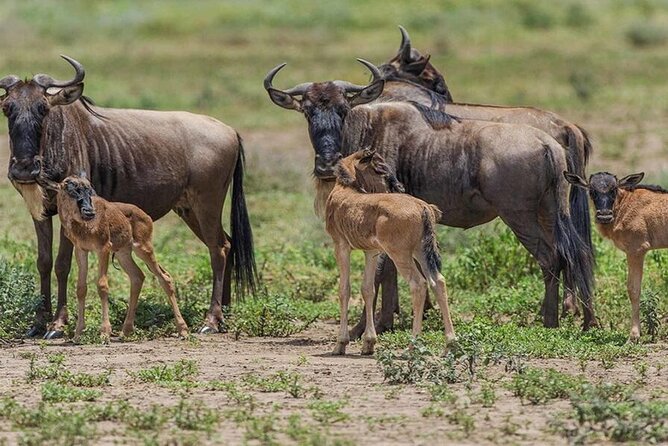
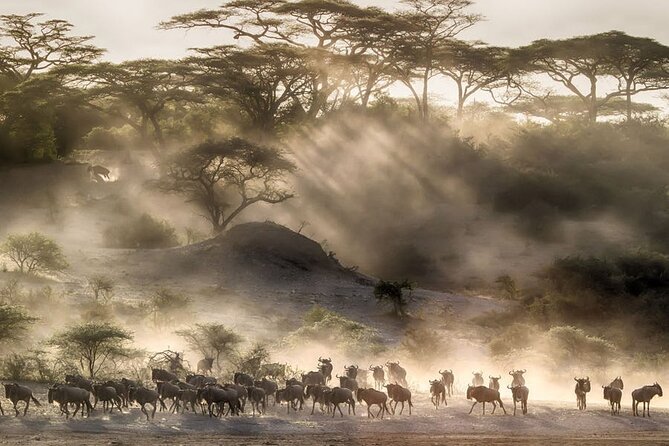
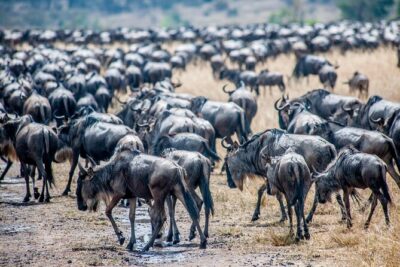
The Serengeti wildebeest migration is one of those wildlife events that sounds bigger than life, because it is. Over time, that movement brings wildebeest and zebras across huge savannah spaces, and the chances of seeing intense action rise when you spend real hours on the ground in the right places.
This itinerary aims for that by stacking two Serengeti days and then pivoting to Ngorongoro for a crater-focused finale. In plain terms, you are not just passing through, you are giving yourself repeated chances to spot predators, herds, and the odd surprise like birds and flamingoes. The route also places one of its most structured viewing moments on Naabai kopje, a small rocky hill that helps break up long drives with a focused nature stop.
There is also something practical about using a road near the rim of Ngorongoro Crater for parts of the transfer. That means you are not staring at a transfer van wall for hours without payoff, you can keep your eyes open for animals en route.
One more thing I like: the schedule is built around the best times to spot wildlife, rather than just checking boxes. You go to Ngorongoro early the next morning after breakfast, because crater viewing often benefits from the start of the day.
Day 1 in Arusha: Airport Arrival, Transfers, and the Equipment Check
Your safari day begins when you land at Kilimanjaro International Airport (JRO). The plan is flexible on arrival timing, since you can arrive any time, then meet the team and take a private transfer to Arusha. Your first evening includes a pre-safari briefing and an equipment check, which is a smart move because it helps you get organized before you enter the parks.
Dinner and overnight come as half board at Mvuli Hotel. That matters more than it sounds. After travel, you want a real night’s rest and a meal you do not have to hunt for, especially before early starts.
You’ll also go through a quick confirmation of mandatory medical coverage and travel insurance. That’s not the fun part of safari planning, but it is worth paying attention to. If your paperwork is incomplete, you want it handled early, not after you are already on the road.
If you’re the type who likes to know what to expect, this day helps. You are not just thrown into a game drive, you get a briefing and time to sort out any essentials first.
Day 2 Serengeti National Park: Naabi Kopje Picnic and a Long Game Drive
Day two is your first full day in Serengeti National Park, and you leave Arusha early morning. The drive is done on a road near the rim of Ngorongoro Crater, which gives you chances for animal sightings along the way. It’s a small thing, but it turns the journey into part of the safari instead of dead time.
Once in Serengeti, the day includes a picnic lunch on Naabai kopje. This is more than a scenic break. Because Naabai kopje is a small rocky hill in a generally flat area, it can be a solid spot to scan for movement. The itinerary specifically calls out pink-headed lizards, so this stop is built around targeted wildlife viewing.
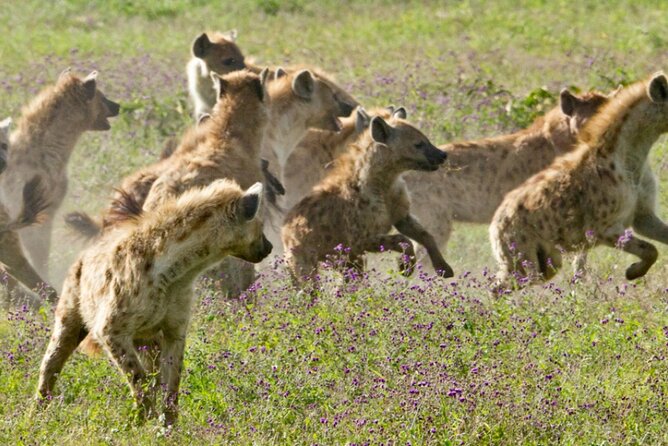
After lunch, you continue into the plains for a more leisurely game drive. Then you sleep at Serengeti Camp, listening to the night voices of zebra and hyenas. That soundscape is part of why many people remember the Serengeti even when the animal sightings vary day to day.
One practical note: this day is seven hours of park time in the schedule you were given. You’ll want to stay hydrated, be ready for dust, and keep your camera reachable. Wildlife sightings are never guaranteed, but the route gives you real time to work with.
Chasing the herds? Compare these first
Day 3 Serengeti Deep-Search: More Big Cats, More Variety
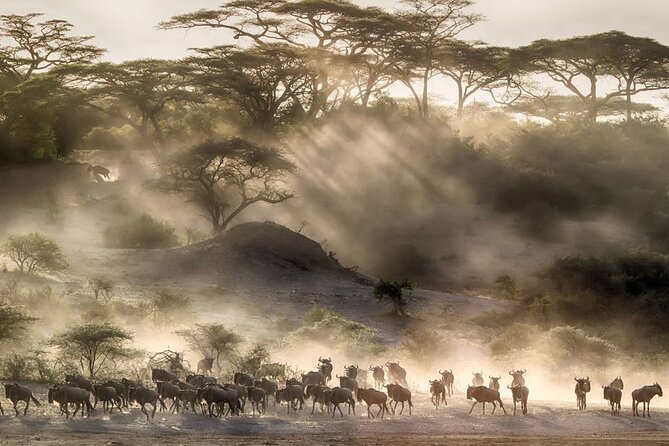
On day three, you’re still in Serengeti, and the focus shifts to a wider range of wildlife viewing. This is one of the days where the variety list matters, because it tells you this park is not a one-trick act.
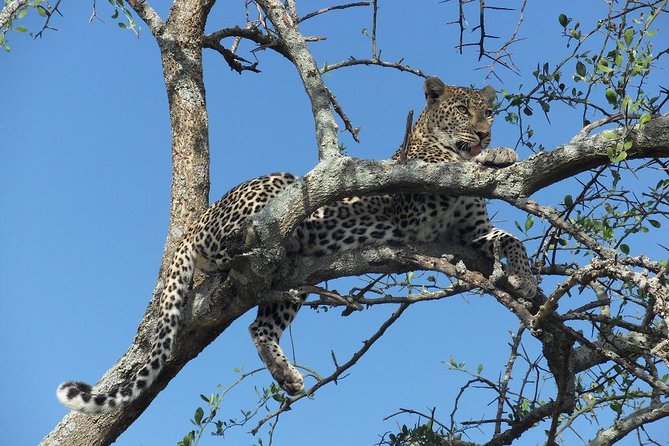
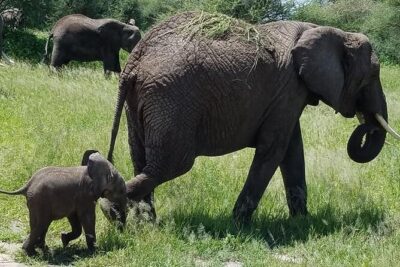
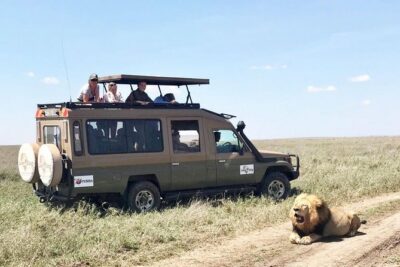
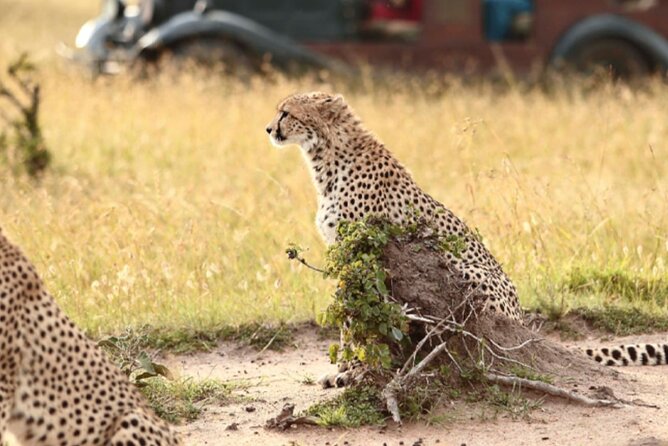
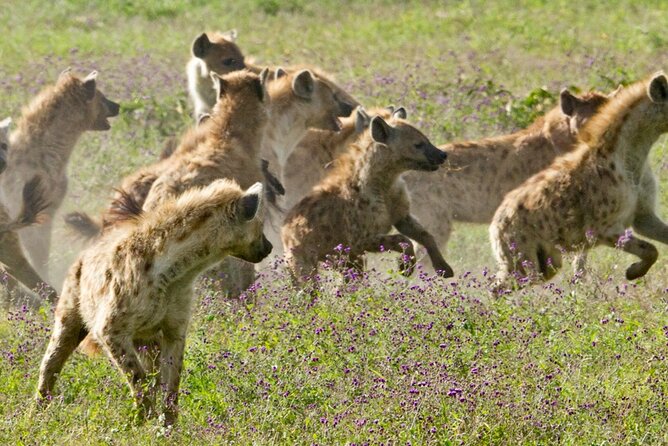
The itinerary’s animal list is extensive. You might see lions, leopards, elephants, cheetahs, water buffalo, zebras, and wildebeest. It also mentions elands, hyenas, gazelles, crocodiles, giraffe, monkeys, baboons, hippos, rhinos, and multiple antelope types.
In other words, you’re not stuck hoping for one species. Even if the day’s big cat sightings are slower, you are still likely to find plenty to watch, from different grazing patterns to opportunistic predators.
The schedule notes game drive time after the day begins in the heart of the Serengeti. The way the itinerary is written suggests this is another sustained wildlife day, with a full-on safari feel rather than a quick half day.
This is also where having a good guide helps. In one piece of feedback, the guide James Saitoti is credited for helping the group see most of the main animals in Serengeti. That kind of track reading and spotting skill can make a measurable difference between seeing a lot and seeing a few.
Day 4 Shift to Ngorongoro: Conservation Area Drives and Rhino Lodge Views
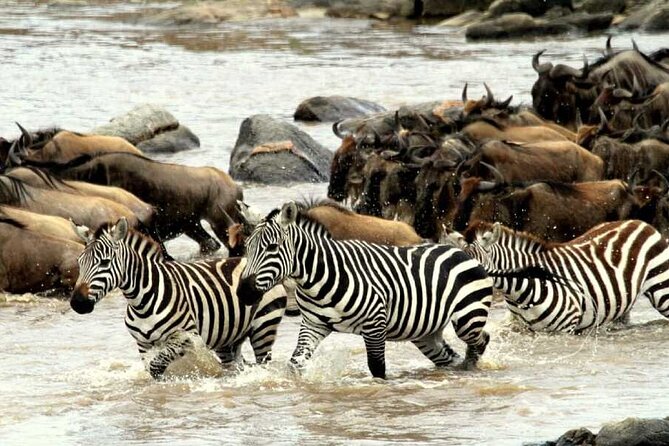
Day four marks the transition away from Serengeti and toward the Ngorongoro Conservation Area. You’ll do one more exciting game drive in Serengeti, with a picnic lunch along the way, then start the drive toward the crater area.
The overnight here is at Rhino lodge, and the big selling point is the crater view. The itinerary calls out the unbroken caldera of Ngorongoro and says the sunset over the savannah is breathtaking. That is one of those moments that can feel like a reward for the early starts and long drives.
Dinner is included on this day as well, prepared by a friendly cook. That matters on a safari because you want a warm, steady meal after a full day outside. You are also likely to sleep better when you are not juggling where to eat.
A practical consideration: this is a day of moving. If you get carsick easily, plan ahead with what normally works for you. This itinerary has you on the road enough that comfort planning is worth it.
Day 5 Ngorongoro Crater: Early Start, Hippo Lake Picnic, and Big Five Odds
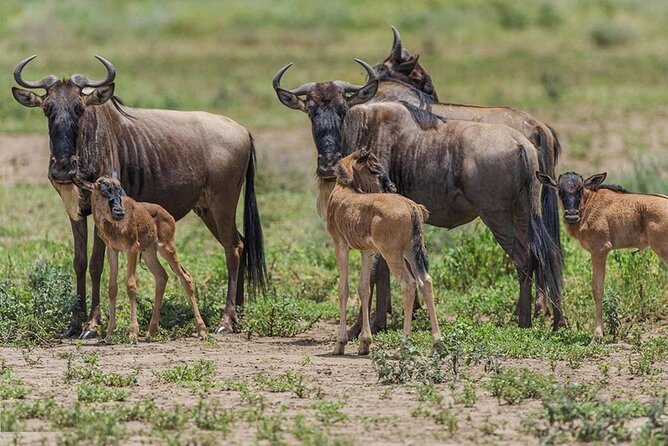
Ngorongoro crater day begins early, after breakfast. The itinerary is clear: you hurry to the crater for the best time to spot animals. That early timing is one of the smartest parts of this route, because the crater’s “oasis” effect tends to draw wildlife into view.
The crater game drive is the main event, plus a picnic lunch at a small lake within the park. This lake is where the itinerary points you for hippos and migratory birds. Even when mammals steal the show, bird life can keep you busy when you’re waiting for that one perfect sighting.
The itinerary also frames the crater as a high-probability place for seeing every member of the Big Five. It lists lion, elephant, leopard, rhino, and water buffalo. I’d treat that as a target, not a guarantee. But Ngorongoro is genuinely structured for animal viewing, and the day is built around that reality.
One extra detail from real feedback: a group traveling with guide James Saitoti saw two rhinos and a group of flamingoes in Ngorongoro. Flamingoes are not something you bank on every day, but it’s a good reminder that crater wildlife can include impressive bird moments too.
Day 6 Departure from JRO: Easy Transfer Home
Day six is straightforward. You get a private departure transfer to Kilimanjaro International Airport (JRO) for your flight back home or onward to another destination.
Because this day is built around departure, you’re not dealing with another round of long drives and additional park time. That makes it easier to plan your flight. Just remember that safari days can run a bit ahead or behind schedule, depending on what you’re seeing. If you can, choose a later flight rather than the earliest possible one.
Price and Value: What $2,880 Buys You (and What It Does Not)
At $2,880 per person, this safari sits in the mid-to-premium range for Tanzania wildlife travel, and the value comes from what is included.
Meals are included: breakfast on five days, lunch on five days, and dinner on six days. You also get a private tour setup, plus pickup is offered. The itinerary also notes a mobile ticket, which can simplify access on the travel side.
What is not included is equally important: personal items and tips. So budget for those from the start. Tips are a common part of safari culture, and since they’re not included here, you’ll want to decide your amount before you go.
I also look at time allocation. You get substantial time in Serengeti, then a crater day that is deliberately timed with an early start. That kind of planning tends to be where safari money should go, because it directly impacts your sightings.
Finally, watch the practical details that often make or break value: the tour uses private transfer(s) and includes an equipment check and pre-safari briefing. When you’re spending this kind of money, those basics help you feel on track from day one.
Guide and Organization: When James Saitoti and Fast Support Matter
A safari is only as good as the people running it, and the name James Saitoti comes up in feedback as an experienced safari guide. The credit in that note is specific: the group saw most main animals in Serengeti, plus two rhinos and flamingoes in Ngorongoro.
That’s a useful signal because it’s not just generic praise. It points to the real work your guide does, spotting, timing, and steering you toward animal-rich moments.
The other name that shows up is Verah, credited with quick responses and fast handling of changes, especially when the booking was made spontaneously. That matters because safari plans can shift. Road conditions, availability, or personal timing sometimes change even when the itinerary looks fixed on paper.
In short, this looks like a tour that tries to handle logistics actively, not just schedule a pickup and hope for the best.
Who This Safari Fits Best, and Who Should Reconsider
This is a strong choice if you want a private experience with focused wildlife time and included meals. If your idea of the perfect trip includes watching predators and herds on multiple days, not just one quick outing, the 2 Serengeti days plus a full crater day design matches that.
It also fits couples and small groups who prefer one guide and one rhythm. Since it is private, you’re not dealing with the stop-and-start of shared tours.
Who might reconsider? If you are sensitive to long drives or early mornings, the itinerary’s pacing may feel intense. This is also a good tour for people who are comfortable spending most of their time outdoors, scanning and waiting for that one sighting.
On the positive side, the schedule includes targeted viewing moments like Naabai kopje and the crater lake picnic, so you’re not stuck doing only long rolling game drives with no structure.
Should You Book This 6-Day Migration Safari?
Book it if you want a well-structured route that gives you multiple chances in Serengeti, then makes the most of Ngorongoro crater with early timing and crater-lake viewing. The included meals and private transfers also help the trip feel organized, not like a scavenger hunt.
I would not book it if you are looking for a lazy, minimal-movement vacation. This safari is built on active game-drive time and driving days. It’s also wise to treat migration drama as a possibility, since animal movement depends on conditions and timing.
If you’re okay with a packed schedule and you want your money to go toward meaningful wildlife time, this one is a solid bet.
FAQ
What start time is listed for the tour?
The meeting start time is 7:30 am.
Is pickup included?
Pickup is offered, and the itinerary includes a private transfer from JRO to Arusha.
What meals are included?
Breakfast is included for 5 days, lunch for 5 days, and dinner for 6 days.
Is this tour private or shared?
It is a private tour/activity, so only your group participates.
What tickets or documents are provided?
A mobile ticket is included.
Where do you stay on the safari nights?
The itinerary specifies Mvuli Hotel on the first night in Arusha, Serengeti Camp after your Serengeti day, and Rhino lodge during the Ngorongoro portion.
What animal viewing opportunities does the itinerary mention in Serengeti and Ngorongoro?
In Serengeti, the itinerary lists lions, leopards, elephants, cheetahs, water buffalo, zebras, and wildebeest, plus many other species. In Ngorongoro crater, the itinerary highlights hippos at the crater lake and mentions the Big Five as a high possibility.
What is not included in the price?
Personal items and tips are not included.
Endnote
For a six-day safari that balances Serengeti time with a crater day designed for strong viewing, this route has the right ingredients: purposeful stops, early crater access, and practical support on the ground.
Following the Migration
- 8 Days Great Wildebeest Calving Migration Safari from Arusha
★ 5.0 · 254 reviews - 10-Day Serengeti Wildebeest Migration Safari from Arusha
★ 5.0 · 218 reviews - 8 Day Spectacular Migration Serengeti mid -Range Tanzania Safari
★ 5.0 · 161 reviews - 9-Day Serengeti Migration Footsteps Tanzania Safari
★ 5.0 · 96 reviews - 7 days great migration safari
★ 5.0 · 77 reviews
The Serengeti, Three More Ways
- Balloon Safari & Bush Breakfast in Serengeti – Miracle Experience
★ 5.0 · 1,646 reviews - 3 Days Serengeti & Ngorongoro Group Camping Safari
★ 5.0 · 574 reviews - 5-Day Highlights mid-Range Crater, Serengeti, Tarangire
★ 5.0 · 296 reviews - 3-Day Classic Serengeti Safari
★ 5.0 · 263 reviews - Private 6-Day Tarangire Manyara Crater and Serengeti with Mid-Range Lodges
★ 5.0 · 238 reviews
Just added from around Arusha
Serengeti National Park Safaris, compared.
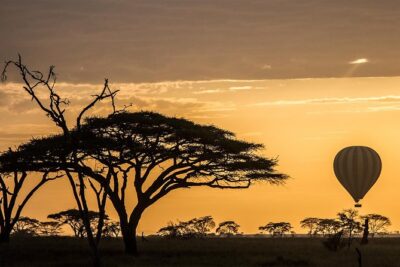 ★ 5.0Serengeti Balloon Safari and authentic bush breakfastFrom $5502,480 reviews
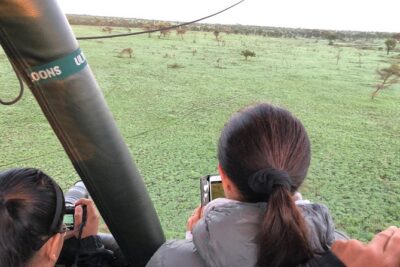 ★ 5.0Balloon Safari & Bush Breakfast in Serengeti – Miracle ExperienceFrom $5991,646 reviews
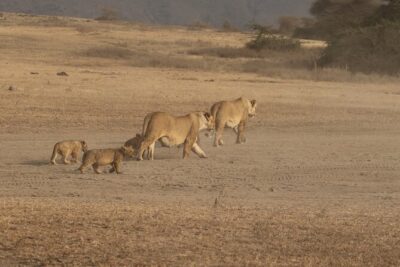 ★ 5.03 Days Serengeti & Ngorongoro Group Camping SafariFrom $815574 reviews
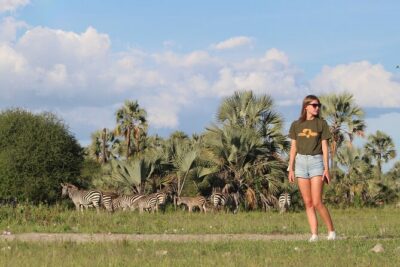 ★ 5.05-Day Highlights mid-Range Crater, Serengeti, TarangireFrom $2,327296 reviews
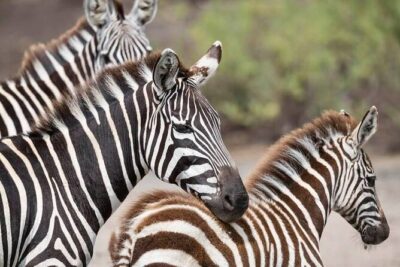 ★ 5.0Safari Serengeti And NgorongoroFrom $2,845288 reviews
 ★ 5.03-Day Classic Serengeti SafariFrom $1,455263 reviews
 ★ 5.0Private 6-Day Tarangire Manyara Crater and Serengeti with Mid-Range LodgesFrom $2,685238 reviews
 ★ 5.05 Days Camping Tarangire, Serengeti & Ngorongoro crater & Visiting MaasaiFrom $1,254229 reviews
Browse the lists this tour appears in